
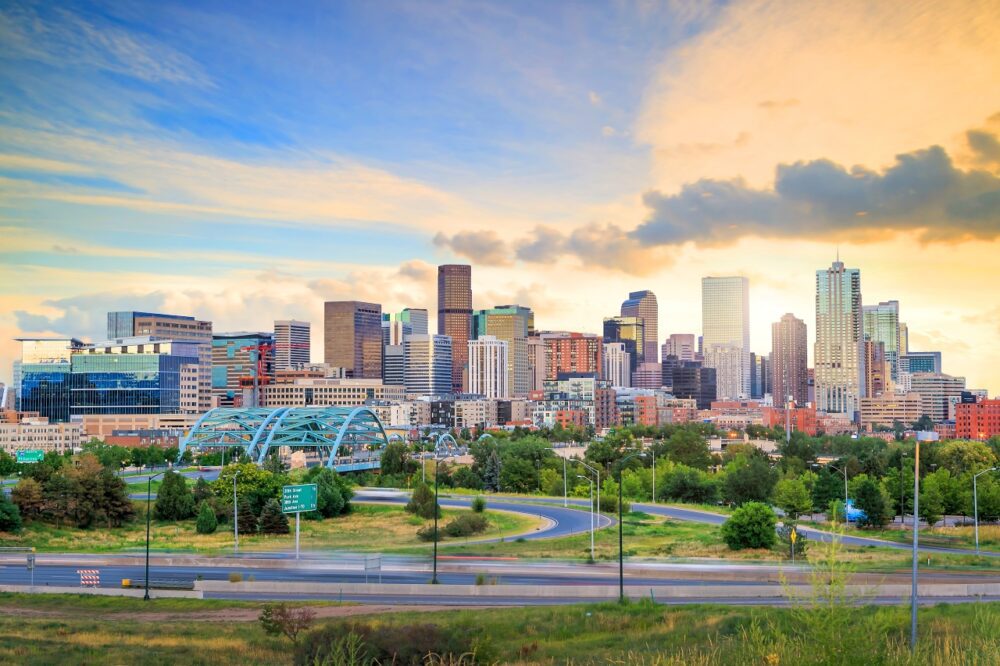
I visited Denver in winter, five days built specifically around a ski trip to the nearby mountains, with the city itself acting as a base for the first and last couple of days rather than the main focus. That framing turned out to shape the whole trip in a useful way. I got to experience Denver both as a genuine city in its own right and as a launchpad for the wider Colorado mountains, and the combination gave me a clearer sense of why so many people talk about Denver as a base rather than purely a standalone destination.
Denver sits at a genuinely useful crossing point between a proper mid-sized American city and easy access to some of the best mountain scenery in the country, and that combination is really the whole story of why people visit. The city itself has a walkable downtown, a strong beer scene, and a decent cluster of museums, but I’ll be honest that a good portion of what made the trip memorable happened once we left the city limits for the mountains themselves.
So if you’re asking “is Denver worth visiting,” I think the most honest answer is that it depends on whether you’re treating it as a standalone city break or a base for something bigger. As a city on its own, it’s solid but not spectacular. As the gateway to Colorado’s mountains, with a decent city attached, it’s genuinely excellent. Here’s what five days split between the two actually taught me.
Table of Contents
Pros – Reasons Denver is Worth Visiting
1. It’s an Exceptional Base for the Colorado Mountains
This was the biggest draw of the whole trip, and it delivered fully. Within about an hour and a half’s drive from downtown Denver, we were at proper ski resorts with genuinely excellent snow and mountain scenery. Having that level of access to serious mountain terrain from a mid-sized city, rather than needing a much longer transfer like you’d find from most other major US cities, made the whole trip logistically far easier than I expected.
2. The Craft Beer Scene Is Genuinely One of the Best in the US
Denver’s reputation as a serious craft beer city held up well across my time there. We visited a handful of breweries in the RiNo (River North) Arts District, and the quality and variety, from experimental sours to solid, well-made IPAs, genuinely impressed me. It felt like a scene built around genuine local enthusiasm rather than a tourist-facing gimmick, which made the evenings we spent there some of the more enjoyable parts of the city portion of the trip.
3. The Altitude Gives the City a Genuinely Different Feel
Denver’s nickname, the Mile High City, isn’t just a bit of branding. Being at over 5,000 feet of elevation genuinely changes how the air feels, and even a short walk uphill left me slightly more out of breath than I expected on the first day. It’s a small thing, but it added a tangible sense of place that a lot of flatter US cities don’t have, and it’s a good reminder that this isn’t just another generic mid-sized American city.
4. Downtown Denver Is Genuinely Walkable
The 16th Street Mall, a pedestrian-friendly stretch running through the heart of downtown, made the city portion of our trip easy to navigate without needing a car for most of our time there. Combined with LoDo (Lower Downtown), a genuinely well-preserved historic warehouse district turned into restaurants and bars, downtown Denver had more character on foot than I expected from a city I’d mostly thought of as a mountain gateway beforehand.
5. The Museums Offer Genuine Depth for a City This Size
The Denver Art Museum and the Denver Museum of Nature and Science both impressed me more than I anticipated. We spent a full day, mostly to escape a particularly cold spell, moving between the two, and both had a level of quality and scale that felt closer to what I’d expect from a larger city. Given the trip was primarily built around the mountains, this ended up being a genuinely valuable backup plan for the colder city days.
6. It’s an Efficient, Well-Connected City for International Visitors
Denver International Airport is well connected internationally, and given how much of the trip revolved around getting efficiently between the city and the mountains, the overall logistics were noticeably easier than I expected. Car rental facilities right at the airport made picking up a vehicle for the mountain portion of the trip straightforward, without needing to arrange separate transport into the city first.
7. The Food Scene Reflects a Genuine Farm-to-Table, Outdoor-Focused Culture
Denver’s food scene had a noticeably different character from several other US cities I’ve visited, leaning heavily into farm-to-table dining and a general culture built around an active, outdoor lifestyle. A genuinely excellent meal at a restaurant in the Highlands neighbourhood, sourcing much of its produce from within the state, gave a good sense of this, and it fit well with the overall tone of the trip.
Cons – Things to Consider Before Visiting Denver
1. The Altitude Can Genuinely Affect You, Especially Early On
I underestimated how much the altitude would affect me on the first day or two, with mild headaches and noticeably reduced stamina during anything more strenuous than a casual walk. It’s worth building in a lighter first day or two to properly acclimatise, particularly if you’re planning to head straight up into the mountains, where the elevation climbs even further and the effects can be more pronounced.
2. Winter Weather Can Disrupt Mountain Plans
While the skiing itself was excellent, we did have one day where a mountain pass closure due to heavy snow forced us to change our plans and stay in the city longer than intended. If you’re planning a similar trip built around mountain access, I’d build in some flexibility to your itinerary, since winter weather in the Rockies can genuinely disrupt travel plans with fairly short notice.
3. The City Itself Can Feel Secondary if Mountains Are Your Main Focus
Being honest about how our own trip was structured, Denver the city ended up feeling more like a well-appointed stopover than the main event, and I think that’s a fairly common experience for visitors primarily drawn by the mountains. If you’re expecting a city trip with the same depth and singular focus as somewhere like Chicago or Boston, Denver alone might feel comparatively light unless you specifically build a longer, more city-focused visit around it.
Things to Do in Denver
- Walk the 16th Street Mall and explore LoDo – A genuinely walkable, characterful stretch of downtown, good for getting a feel for the city without needing a car.
- Visit a handful of breweries in RiNo – A genuinely strong, locally rooted craft beer scene, worth an evening even if beer isn’t usually a travel priority.
- Spend a day at the Denver Art Museum and Museum of Nature and Science – Both offer genuine depth, and make for a good backup plan on a colder or less mountain-friendly day.
- Drive up into the mountains for a day trip, even without skiing – The scenery alone, within about 90 minutes of downtown, is worth the drive regardless of the season.
- Explore the Highlands neighbourhood for dinner – A genuinely strong farm-to-table food scene, reflecting Denver’s broader outdoor, locally sourced culinary culture.
- Walk through Denver’s Botanic Gardens – A pleasant, well-maintained green space, a good lower-intensity activity if you’re still acclimatising to the altitude.
- Visit Red Rocks Park and Amphitheatre – A striking natural rock formation just outside the city, worth seeing even outside of concert season for the scenery alone.
- Try skiing or snowboarding at a nearby resort – The main reason many visitors come to Denver in winter, and genuinely excellent given how accessible the resorts are from the city.
- Walk through Larimer Square – Denver’s oldest block, with good restaurants and a pleasant, historic atmosphere in the evening.
- Give yourself a lighter first day to acclimatise to the altitude – Not a specific attraction, but genuinely useful advice that shaped how much we enjoyed the more strenuous days later in the trip.
Where to Stay in Denver
- LoDo (Lower Downtown) – Central, walkable and full of character, a strong base for exploring downtown on foot with good restaurants and bars nearby.
- RiNo (River North Arts District) – The best choice if the craft beer and arts scene are a priority, with a slightly more local, less polished feel than LoDo.
- Highlands – A quieter, more residential option with excellent food, good if you want a break from the busier downtown core.
- Near Denver International Airport – Worth considering if your trip is primarily mountain-focused and you want easy access to car rental facilities without spending much time in the city itself.
Getting Around Denver
Downtown Denver, particularly the 16th Street Mall and LoDo, worked well on foot, and I didn’t feel the need for a car during the city portion of our stay. Denver also has a light rail and bus network, RTD, which covers a reasonable amount of ground and worked fine for the couple of trips we took slightly further out from the core downtown area.
That said, given the trip was largely built around mountain access, we had a rental car for the majority of the stay, picked up straight from the airport, and it made the whole mountain portion of the trip significantly easier to manage on our own schedule. If your visit is purely city-focused, I don’t think a car is necessary, but if mountain day trips or skiing are part of your plans, as they likely will be for a lot of Denver visitors, I’d treat a rental car as close to essential.
Conclusion
So, is Denver worth visiting? Based on five days split between the city and the nearby mountains, I’d say yes, though the honest answer depends on what you’re using it for. As a base for accessing Colorado’s mountains, it’s genuinely excellent, and the ease of getting from a proper city straight into serious mountain terrain within 90 minutes was one of the more impressive logistical setups I’ve experienced on any US trip.
The altitude adjustment, the risk of winter weather disrupting mountain plans, and the sense that the city itself can feel secondary to the wider Colorado landscape are all real factors worth being upfront about. But weighed against the strength of the craft beer scene, the quality of the museums, and just how efficiently the whole trip came together as a base for the mountains, I think Denver earns a strong place on a US travel list, particularly for anyone planning to combine a city stay with time in the Rockies. If you’re deciding whether to add it to your 2026 plans, my honest advice is to build in a lighter first day for the altitude, and don’t treat the city as the whole trip, let it be the gateway it’s genuinely best suited to being.
Related Posts
- Is Atlanta Worth Visiting? Pros, Cons and Travel Tips (2026)
- Is Austin Worth Visiting? Pros, Cons and Travel Tips (2026)
- Is Boston Worth Visiting? Pros, Cons and Travel Tips (2026)
- Is Chicago Worth Visiting? Pros, Cons and Travel Tips (2026)
- Is Dallas Worth Visiting? Pros, Cons and Travel Tips (2026)
- Is Denver Worth Visiting? Pros, Cons and Travel Tips (2026)
- Is Honolulu Worth Visiting? Pros, Cons and Travel Tips (2026)
- Is Houston Worth Visiting? Pros, Cons and Travel Tips (2026)
- Is Las Vegas Worth Visiting? Pros, Cons and Travel Tips (2026)
- Is Los Angeles Worth Visiting? Pros, Cons and Travel Tips (2026)
- Is Miami Worth Visiting? Pros, Cons and Travel Tips (2026)
- Is Nashville Worth Visiting? Pros, Cons and Travel Tips (2026)
- Is New Orleans Worth Visiting? Pros, Cons and Travel Tips (2026)
- Is New York City Worth Visiting? Pros, Cons and Travel Tips (2026)
- Is Orlando Worth Visiting? Pros, Cons and Travel Tips (2026)
- Is Phoenix Worth Visiting? Pros, Cons and Travel Tips (2026)
- Is San Diego Worth Visiting? Pros, Cons and Travel Tips (2026)
- Is San Francisco Worth Visiting? Pros, Cons and Travel Tips (2026)
- Is Tampa Worth Visiting? Pros, Cons and Travel Tips (2026)
- Is Washington DC Worth Visiting? Pros, Cons and Travel Tips (2026)