
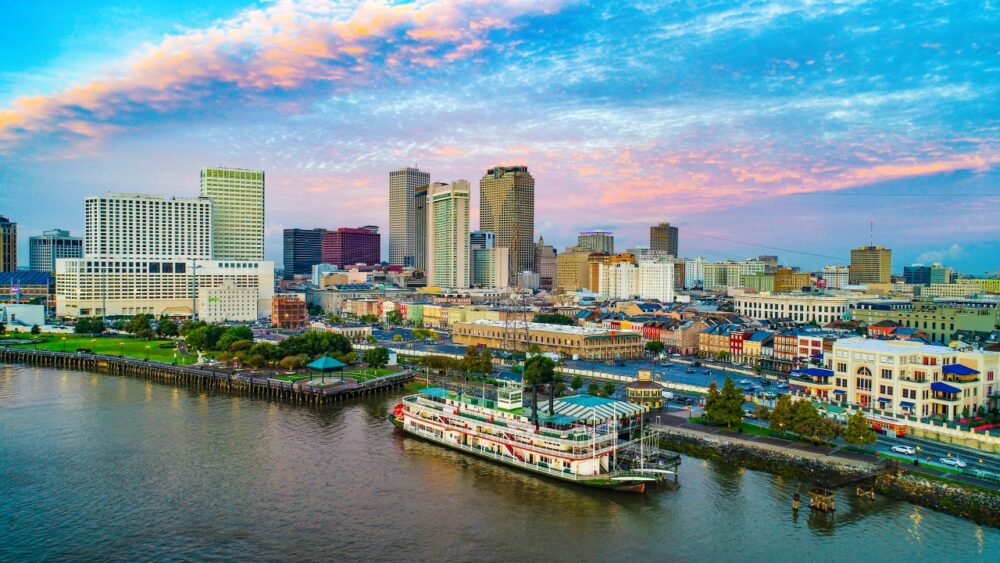
I visited New Orleans for five days, deliberately outside of Mardi Gras season, because I wanted to see what the city was actually like day to day rather than during its busiest, most chaotic week. That decision turned out to be a good one. I got to experience the music, the food and the general atmosphere of the French Quarter and beyond without the crowds and inflated prices that come with the festival period, and I came away with a much clearer sense of why people love this city so much.
Five days gave me enough time to move past Bourbon Street, which honestly took less than a full evening to feel like I’d seen enough of, and into the neighbourhoods that gave the trip its real character. I spent time in the Garden District, took a swamp tour outside the city, and ate more good food in five days than I have on trips twice as long elsewhere. New Orleans has a reputation as a place built entirely around partying, and while that reputation isn’t wrong exactly, it’s a fairly narrow slice of what the city actually offers.
So if you’re asking “is New Orleans worth visiting,” I think the honest answer is yes, but the city rewards visitors who look past Bourbon Street. If you go expecting nothing but a party destination, you’ll get that, but you’ll miss most of what actually makes the city special. Here’s what I found across five days there, the highlights and the genuine downsides.
Table of Contents
Pros – Reasons New Orleans is Worth Visiting
1. The Live Music Scene Is on a Different Level
I’ve been to plenty of cities that market themselves as music destinations, but New Orleans is the first place where I felt like live music was genuinely woven into daily life rather than performed for tourists. Walking down Frenchmen Street on my second evening, I moved between three different small venues in a couple of hours, each with genuinely excellent live jazz or brass bands, often for little more than the price of a drink. This wasn’t a curated tourist experience. It felt like how the city actually sounds most nights.
2. The Food Is Some of the Best I’ve Had in the US
New Orleans food earned every bit of its reputation during my trip. A proper gumbo, a muffuletta sandwich, beignets from Cafe du Monde early in the morning before the queues built up, and a genuinely excellent po’boy from a spot well off the main tourist strip. The Creole and Cajun influences give the food a depth and complexity I hadn’t found in most other American cities, and even the more casual, inexpensive places consistently delivered.
3. The French Quarter Architecture Is Genuinely Stunning
Once you get past Bourbon Street itself, the surrounding streets of the French Quarter have some of the most distinctive architecture I’ve seen in the US. Wrought-iron balconies, pastel-coloured buildings, and narrow streets that feel more European than American gave the area a completely different atmosphere during the day compared to its reputation at night. Royal Street in particular, with its antique shops and galleries, was a genuine highlight for a slower morning walk.
4. The Garden District Offers a Completely Different Side of the City
I spent a full afternoon walking through the Garden District, past the grand old mansions and beneath the oak trees along Magazine Street, and it felt like a different city entirely from the French Quarter. It’s quieter, greener, and gave me a better sense of the city’s history beyond the party reputation. Lafayette Cemetery No. 1, with its above-ground tombs, was an unexpectedly interesting stop on that same walk.
5. Swamp Tours Are a Genuinely Memorable Day Trip
I booked a swamp tour on my third day, slightly unsure whether it would feel like a tourist gimmick, and it turned out to be one of the best day trips I’ve taken anywhere in the US. Seeing alligators in their actual habitat, with a guide who’d grown up in the area and clearly knew the wetlands properly, gave the trip a completely different pace from the city itself. It’s roughly an hour outside New Orleans and easy to book through most hotels or tour operators.
6. The City’s History Is Deep and Genuinely Well Presented
Between the National WWII Museum, which is a genuinely world-class museum regardless of your prior interest in the subject, and the various historical walking tours through the French Quarter covering everything from the city’s French and Spanish colonial past to its complicated history around slavery and jazz’s origins, I left with a much deeper understanding of the city than I expected. It’s not just a backdrop for parties, it has one of the more layered histories of any US city I’ve visited.
7. It’s an Affordable City Compared to Other Major US Destinations
Outside of Mardi Gras and major festival periods, I found New Orleans noticeably cheaper than cities like New York or San Francisco, both for accommodation and food. A genuinely excellent meal often cost less than a mediocre one might have elsewhere on my wider US travels. For anyone budgeting a US trip carefully, this is a real point in the city’s favour.
Cons – Things to Consider Before Visiting New Orleans
1. Bourbon Street Can Overshadow the Rest of the City if You Let It
If you stick purely to Bourbon Street, you’ll get a fairly one-dimensional, occasionally overwhelming experience, loud, crowded and geared heavily towards a very specific kind of night out. I walked it once, found it interesting for about an hour, and was glad I’d planned most of my trip around the quieter, more varied parts of the city instead. If partying isn’t your main goal, I’d genuinely recommend treating Bourbon Street as a brief stop rather than the centrepiece of your visit.
2. The Heat and Humidity Are Intense for Much of the Year
I visited in a shoulder season and still found the humidity noticeably heavy by early afternoon most days. New Orleans summers, roughly June through September, bring genuinely intense heat and humidity, plus a higher chance of tropical storms given the city’s location. I’d recommend checking the seasonal forecast carefully before booking, and building slower, indoor activities into the hottest part of the day regardless of when you visit.
3. Some Areas Require a Bit More Awareness Than Others
Parts of New Orleans, including areas just outside the main tourist zones, have had genuine safety concerns that are worth being aware of, particularly at night. I stuck mostly to well-populated, well-lit areas after dark and used rideshares rather than walking longer distances back to my accommodation late at night, and had no issues at all. It’s not a reason to avoid the city, but it’s worth a bit more route planning than somewhere like San Diego or San Francisco.
Things to Do in New Orleans
- Walk Frenchmen Street in the evening – Genuinely excellent live jazz and brass band music across several small venues, a much better representation of the city’s music scene than Bourbon Street.
- Take a swamp tour outside the city – A completely different pace from downtown, with a good chance of seeing alligators in their actual habitat.
- Visit the National WWII Museum – A genuinely world-class museum, well worth a half-day even if military history isn’t usually a big interest of yours.
- Walk through the Garden District – Grand old mansions, oak-lined streets and a quieter, greener side of the city than the French Quarter.
- Try beignets at Cafe du Monde early in the morning – Go before mid-morning to avoid the worst of the queues, and it’s genuinely worth the slight detour.
- Explore Royal Street’s antique shops and galleries – A calmer, more elegant side of the French Quarter, best experienced during the day.
- Visit Lafayette Cemetery No. 1 – Distinctive above-ground tombs and an interesting, slightly sombre contrast to the livelier parts of the city.
- Take a historical walking tour of the French Quarter – A good way to understand the city’s layered French, Spanish and African American history beyond the surface-level tourist version.
- Eat a proper po’boy away from the main tourist strip – Some of the best versions I had were at small, unassuming spots a few streets back from the busiest areas.
- Ride the St. Charles Avenue streetcar – A cheap, scenic way to see the Garden District’s mansions and oak trees without a long walk in the heat.
Where to Stay in New Orleans
- French Quarter – The most convenient base for first-time visitors, close to the main sights and restaurants, though it’s noisier, especially near Bourbon Street, particularly at night.
- Garden District – Quieter, greener and closer to the streetcar line, a good option if you want some distance from the busier tourist areas while staying well connected.
- Marigny / Bywater – A more local, artsy feel with excellent access to Frenchmen Street’s live music scene, good for visitors prioritising music over proximity to the main tourist sights.
- Central Business District (CBD) – A more modern, practical base close to the WWII Museum and convention areas, useful if you want a quieter evening base within easy reach of the French Quarter.
Getting Around New Orleans
Walking covers most of the French Quarter and nearby areas easily, since it’s a fairly compact, flat part of the city. I walked almost everywhere during the day and relied on rideshares in the evenings, particularly for the slightly longer trip back from Frenchmen Street or when heading out to dinner further from the Quarter.
The St. Charles Avenue streetcar is a genuinely enjoyable, cheap way to see the Garden District without a long walk in the heat, and I’d recommend it as much for the experience as the practicality. Buses cover more ground but with less frequency than I’d have liked, so I didn’t rely on them heavily during my stay. For the swamp tour and any other trips outside the city, I booked through a tour operator that included transport, which made far more sense than trying to arrange it independently for a single day trip.
Conclusion
So, is New Orleans worth visiting? Based on five days spent deliberately looking past the Bourbon Street reputation, I’d say yes, genuinely more so than I expected going in. The music, the food and the history gave the trip a depth I hadn’t anticipated, and the Garden District and swamp tour in particular turned out to be highlights I hadn’t planned around before arriving.
The heat, the safety considerations in certain areas, and the risk of the trip feeling one-dimensional if you stick purely to the party strip are all real factors worth planning around. But weighed against the quality of the live music, the food, and the depth of history on offer, I think New Orleans earns a strong place on a US travel list, particularly for visitors willing to explore beyond the most obvious tourist strip. If you’re deciding whether to add it to your 2026 plans, my honest advice is to visit outside of Mardi Gras if a quieter, more balanced trip is what you’re after, and make time for at least one day away from the French Quarter entirely.
Related Posts
- Is Atlanta Worth Visiting? Pros, Cons and Travel Tips (2026)
- Is Austin Worth Visiting? Pros, Cons and Travel Tips (2026)
- Is Boston Worth Visiting? Pros, Cons and Travel Tips (2026)
- Is Chicago Worth Visiting? Pros, Cons and Travel Tips (2026)
- Is Dallas Worth Visiting? Pros, Cons and Travel Tips (2026)
- Is Denver Worth Visiting? Pros, Cons and Travel Tips (2026)
- Is Honolulu Worth Visiting? Pros, Cons and Travel Tips (2026)
- Is Houston Worth Visiting? Pros, Cons and Travel Tips (2026)
- Is Las Vegas Worth Visiting? Pros, Cons and Travel Tips (2026)
- Is Los Angeles Worth Visiting? Pros, Cons and Travel Tips (2026)
- Is Miami Worth Visiting? Pros, Cons and Travel Tips (2026)
- Is Nashville Worth Visiting? Pros, Cons and Travel Tips (2026)
- Is New Orleans Worth Visiting? Pros, Cons and Travel Tips (2026)
- Is New York City Worth Visiting? Pros, Cons and Travel Tips (2026)
- Is Orlando Worth Visiting? Pros, Cons and Travel Tips (2026)
- Is Phoenix Worth Visiting? Pros, Cons and Travel Tips (2026)
- Is San Diego Worth Visiting? Pros, Cons and Travel Tips (2026)
- Is San Francisco Worth Visiting? Pros, Cons and Travel Tips (2026)
- Is Tampa Worth Visiting? Pros, Cons and Travel Tips (2026)
- Is Washington DC Worth Visiting? Pros, Cons and Travel Tips (2026)