
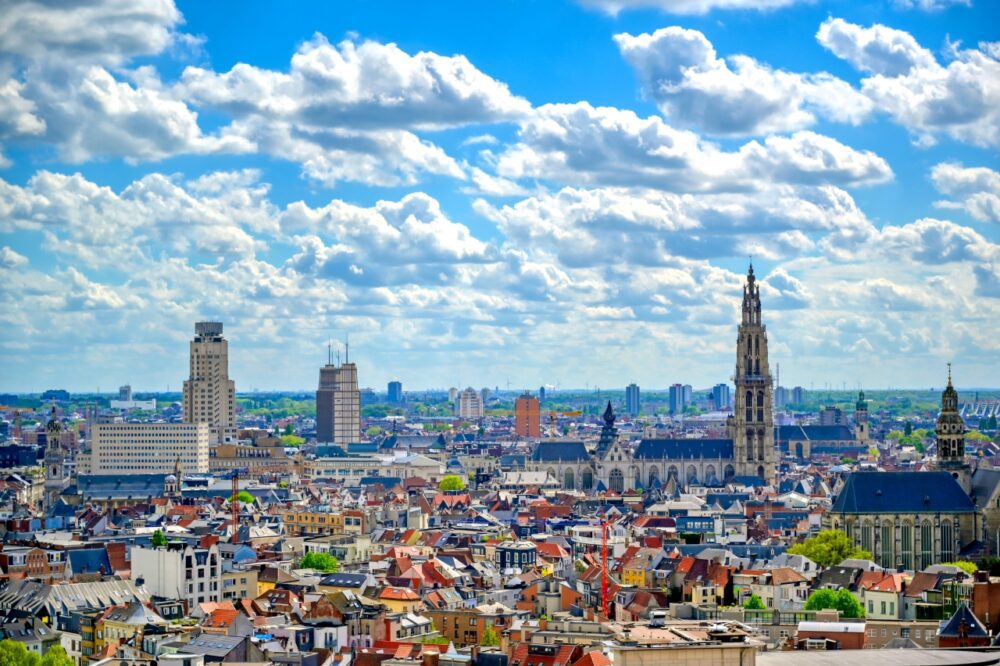
I almost skipped Antwerp. My original plan was Brussels and Bruges, with Antwerp as a maybe-if-there’s-time add-on. A friend who’d lived in Belgium for a year told me I was making a mistake, so I gave it two days. Those two days turned into four, and I left with a list of things I didn’t get to. If you’re wondering whether Antwerp is worth visiting, I can tell you upfront: it’s the most underrated city I’ve been to in Western Europe.
Antwerp is Belgium’s second city, but it doesn’t feel like a runner-up to Brussels. It has its own identity built around fashion, diamonds, port trade, and a gothic cathedral that dominates the skyline. It’s smaller and easier to navigate than Brussels, but still has enough depth to fill a long weekend without repeating yourself. The city has a confidence to it. Locals aren’t trying to convince you to visit. They just go about their lives, and that’s part of the charm.
This guide is based on real time spent in the city, not a scan of other blogs. I’ve eaten in the restaurants, gotten lost in the Zuid district, and stood in line for fries at a stand locals actually queue at. Below is an honest breakdown of the pros, the cons, what to do, where to stay, and how to get around, so you can decide if Antwerp fits your 2026 trip.
Table of Contents
Pros – Reasons Antwerp is Worth Visiting
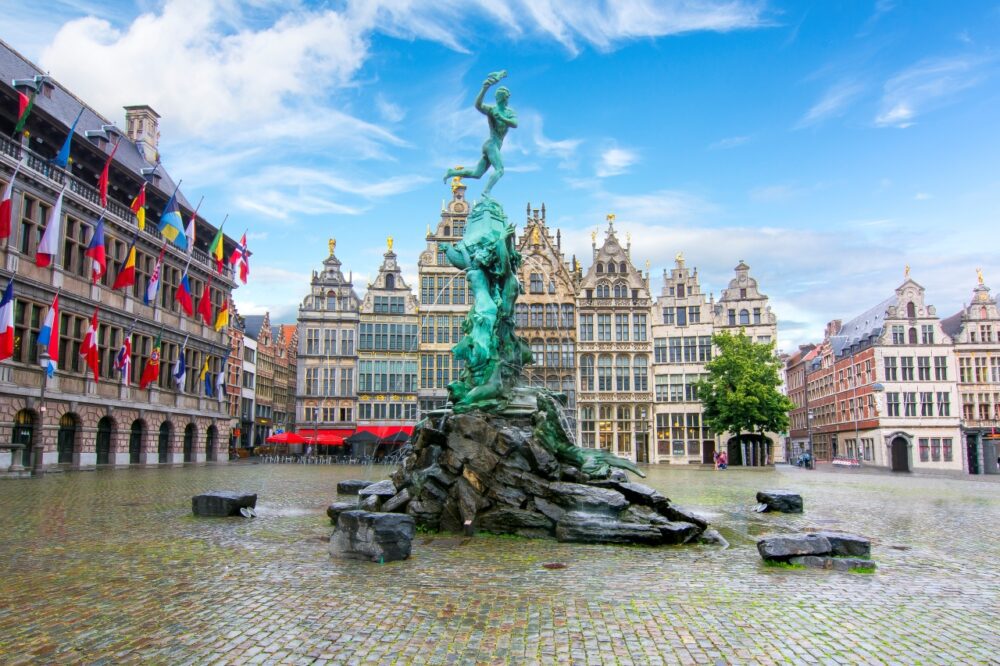
1. The Cathedral and Old Town are Stunning Without the Crowds
Antwerp’s Cathedral of Our Lady is one of the tallest gothic buildings in Europe, and it sits right in the middle of a beautifully preserved old town. What struck me most wasn’t just the architecture, it was how few tourists were actually there compared to similar sights in Bruges or Paris. I stood in the Grote Markt on a Saturday afternoon and had room to breathe, something that’s hard to say about most European old towns in peak season.
2. It’s a Genuine Fashion Capital
Antwerp trains some of the most respected designers in the world through the Royal Academy of Fine Arts, and the city wears that reputation well. The Fashion District around Nationalestraat has independent boutiques you won’t find anywhere else, alongside the MoMu fashion museum. Even if you have zero interest in shopping, walking through this part of the city feels different from anywhere else in Belgium. It has an edge that Brussels doesn’t quite have.
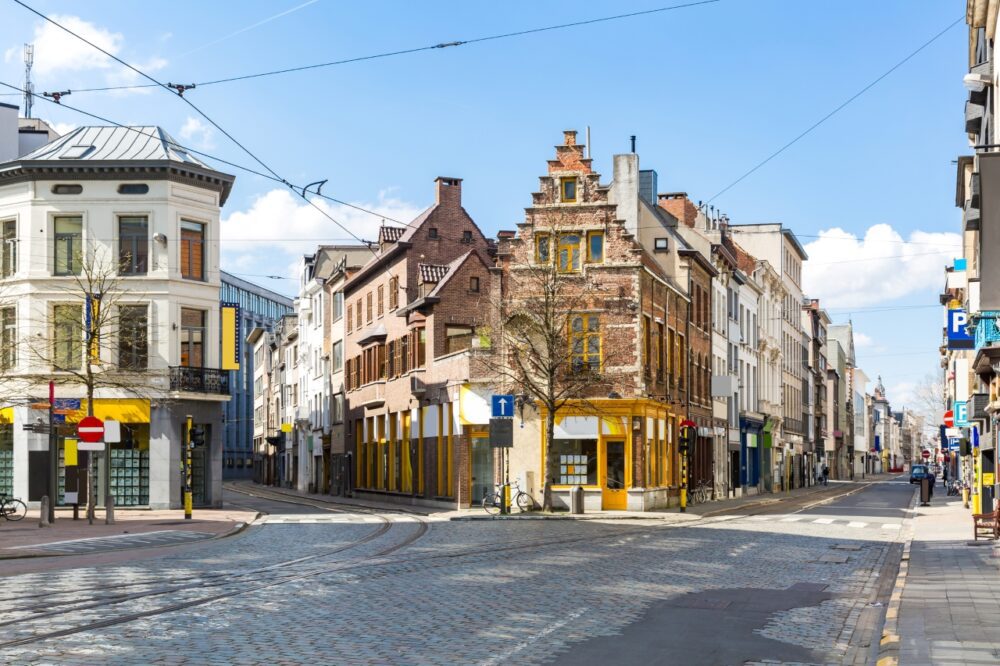
3. The Food Scene Rivals Anywhere in Belgium
I ate better on average in Antwerp than I did in Brussels, and I say that as someone who loves Brussels. The city has a strong Michelin presence for its size, but the real strength is in the mid-range spots run by people who clearly care. I had a plate of Flemish stew in a small restaurant near Sint-Andries that I still think about. Add in the city’s obsession with good coffee and small bakeries, and you won’t struggle to eat well here.
4. The Diamond District is Fascinating, Even if You’re Not Buying
Antwerp handles a huge share of the world’s diamond trade, and the district near Centraal Station reflects that history. You don’t need to buy anything to find it interesting. I spent an hour just walking through, looking at the shopfronts and reading about the trade’s history at a small exhibition near the station. It’s a side of the city most visitors don’t expect, and it adds a layer most other Belgian cities can’t match.
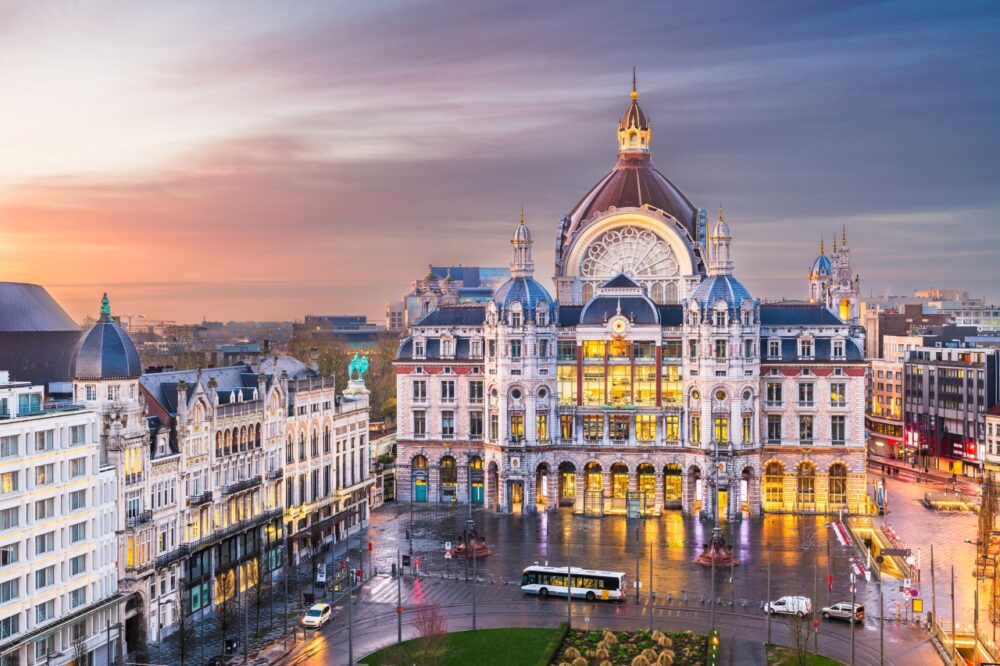
5. Centraal Station is a Destination on Its Own
I know it sounds strange to list a train station as a reason to visit a city, but Antwerp Centraal earns it. Built in the early 1900s, the main hall has a domed ceiling and marble columns that make it feel more like a cathedral than a transport hub. I got there early just to look around before catching a train, and I wasn’t alone. It’s a genuinely good example of how Antwerp blends practical infrastructure with real architectural ambition.
6. The Port and River Give the City a Different Energy
Antwerp runs one of the largest ports in Europe, and that maritime energy shapes the whole city in a way that’s hard to find elsewhere in Belgium. Walking along the Scheldt river at sunset, with cargo ships passing in the distance, felt completely different from the enclosed, historic feel of Bruges or Ghent. The MAS museum near the docks gives good context on this history, and the rooftop view from there is one of the best in the city.
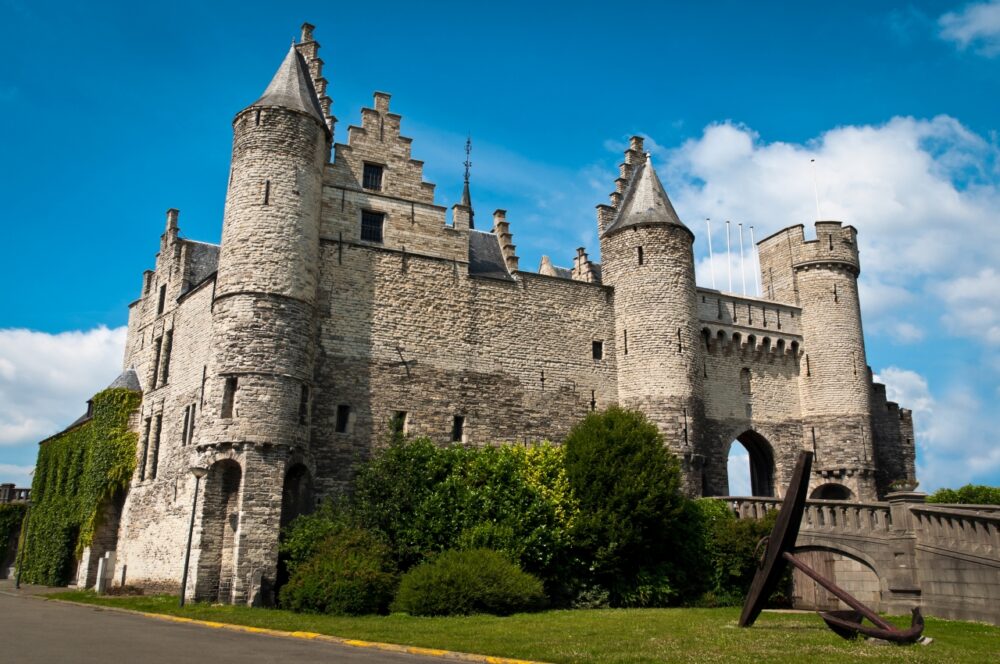
7. It’s Compact but Doesn’t Feel Small
Antwerp’s center is easy to cover on foot, but the city still manages to pack in distinct neighborhoods, each with its own feel. The Zuid district has a more modern, artsy energy with galleries and design shops. The old town feels historic and dense. The area near the port feels industrial and open. I never felt like I was retracing the same streets twice, even after four days.
Cons – Things to Consider Before Visiting Antwerp
1. It Gets Overlooked, Which Means Less Tourist Infrastructure
Because Antwerp doesn’t pull in the same crowds as Bruges or Brussels, some things are less streamlined for visitors. English signage is good but not universal outside the center, and I found fewer tourist information points than I expected for a city this size. It’s not a real problem if you’re comfortable navigating on your own, but it caught me off guard a couple of times.
2. The Weather Follows the Same Grey Belgian Pattern
Like the rest of Belgium, Antwerp sees a lot of overcast days and regular rain, especially from autumn through early spring. I had one trip where it rained for three straight days, which cut into time I’d planned to spend walking along the river. Pack proper rain gear and build some flexibility into your plans, particularly if outdoor sightseeing is a priority.
3. Certain Areas Near the Station Feel Uninviting at Night
The area directly around Antwerp Centraal, especially toward the red light district, feels rougher after dark than the rest of the city center. I never ran into any real trouble, but I noticed more aggressive panhandling and a heavier police presence in this specific stretch compared to the old town or Zuid. It’s worth being aware of, especially if you’re arriving late by train and walking to your accommodation.
Things to Do in Antwerp
- Climb the Cathedral of Our Lady. The views over the old town from partway up are worth the ticket price alone, and the interior houses several Rubens paintings.
- Explore the MAS museum. The free rooftop terrace gives one of the best panoramic views of the port and city skyline.
- Wander the Fashion District. Even without buying anything, the boutiques and MoMu museum give real insight into why Antwerp matters in fashion.
- Visit the Rubens House. The former home and studio of Peter Paul Rubens, and one of the better single-artist museums I’ve visited in Europe.
- Walk through the Diamond District. A quick but genuinely interesting look at a trade that’s shaped the city for centuries.
- See Centraal Station, even if you’re not catching a train. The architecture alone makes it worth a short detour.
- Spend an afternoon in Zuid. Galleries, design shops, and some of the best coffee spots in the city are concentrated here.
- Eat fries from a proper frituur. Skip the tourist stands and ask a local for a recommendation, the difference is noticeable.
- Walk along the Scheldt river at sunset. A quiet, free way to see a different side of the city away from the old town crowds.
- Take a short trip to the Zoo Antwerpen. It sits right next to Centraal Station and is one of the oldest zoos in the world, good for a couple of relaxed hours.
Where to Stay in Antwerp
- Historic Center (near Grote Markt): The easiest choice for first-time visitors, with major sights within walking distance. Prices run a bit higher here, and it can feel busier on weekends.
- Zuid: My personal pick for a return visit. It has a modern, artsy feel, good restaurants, and a quieter atmosphere than the old town while still being an easy walk to the center.
- Eilandje: The up-and-coming docklands area near the MAS museum. Good for anyone who wants a more local, less touristy base with easy access to the waterfront.
- Near Centraal Station: Convenient for train travel and the diamond district, but be selective about your exact street given the mixed character of the immediate area at night.
- Zurenborg: A quieter, residential neighborhood known for Art Nouveau houses, better suited to travelers who want a slower pace outside the main tourist zone.
Getting Around Antwerp
Antwerp’s public transport runs through De Lijn, covering trams, buses, and a small underground “premetro” network beneath the city center. Trams are the backbone of the system and cover most routes you’ll actually need as a visitor, including a straightforward line connecting the center to Zuid. I found the trams reliable and easy to use even without speaking Dutch, since the ticket machines default to English.
Walking is genuinely the best way to see the historic core, since most major sights sit within about a 15-minute radius of the Grote Markt. I covered the majority of my trip on foot, only using trams to reach Zuid or the port area. Antwerp is also a strongly bike-friendly city, with dedicated lanes on most major streets and a city bike-share system that’s easy to use. I rented a bike for one afternoon to cover the Eilandje and port area faster, and it was one of the better decisions I made on the trip. Taxis and rideshare apps are available but rarely necessary given how compact the center is.
Conclusion
So, is Antwerp worth visiting? After multiple trips, my answer is a clear yes, and honestly, it might be my favorite city in Belgium. It has the architecture and history you’d expect from a major European city, without the crowds that come with Brussels or Bruges. The fashion scene, the port, the food, and the sheer variety packed into a compact center make it easy to fill several days without running out of things to do.
That said, it’s not a perfect fit for everyone. If you want a heavily polished, tourist-ready experience with information at every corner, Antwerp asks a bit more of you than Bruges does. The weather follows the same grey Belgian pattern as the rest of the country, and a couple of areas near the station need a bit more street awareness after dark. But if you’re the kind of traveler who likes discovering a city that hasn’t been fully packaged for tourists yet, Antwerp is absolutely worth the trip in 2026, and I’d argue it deserves more attention than it currently gets.