
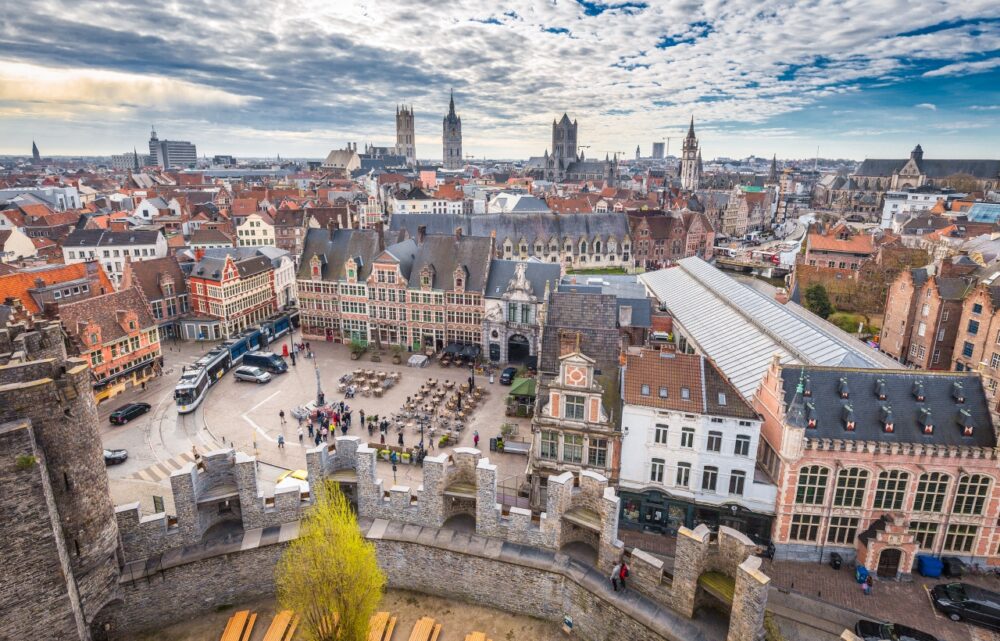
I booked Ghent almost by accident. I had a free day between Bruges and Brussels and figured I’d fill it with a quick stop. I ended up cutting my time in Bruges short to squeeze in an extra night in Ghent instead. That’s not something I say lightly, since Bruges gets all the hype. If you’re asking whether Ghent is worth visiting, my answer starts there: it beat a city most people consider Belgium’s top draw, at least for me.
Ghent sits between Bruges and Brussels, both physically and in terms of personality. It has the canals and medieval buildings people go to Bruges for, but it’s a real working city with a large student population, not a place that shuts down once the tour buses leave. Ghent University brings in tens of thousands of students, and that energy shows up in the bars, the street art, and the general pace of the place. It feels lived-in rather than preserved behind glass.
I’ve now visited Ghent three times, once as a rushed day trip and twice as a proper base for a few nights. Those extra nights changed my opinion of the city completely. This guide is built from that time on the ground, not a copy-paste of what every other Belgium blog says. Below is an honest look at the pros, the cons, what to do, where to stay, and how to get around, so you can figure out if Ghent belongs on your 2026 itinerary.
Table of Contents
Pros – Reasons Ghent is Worth Visiting
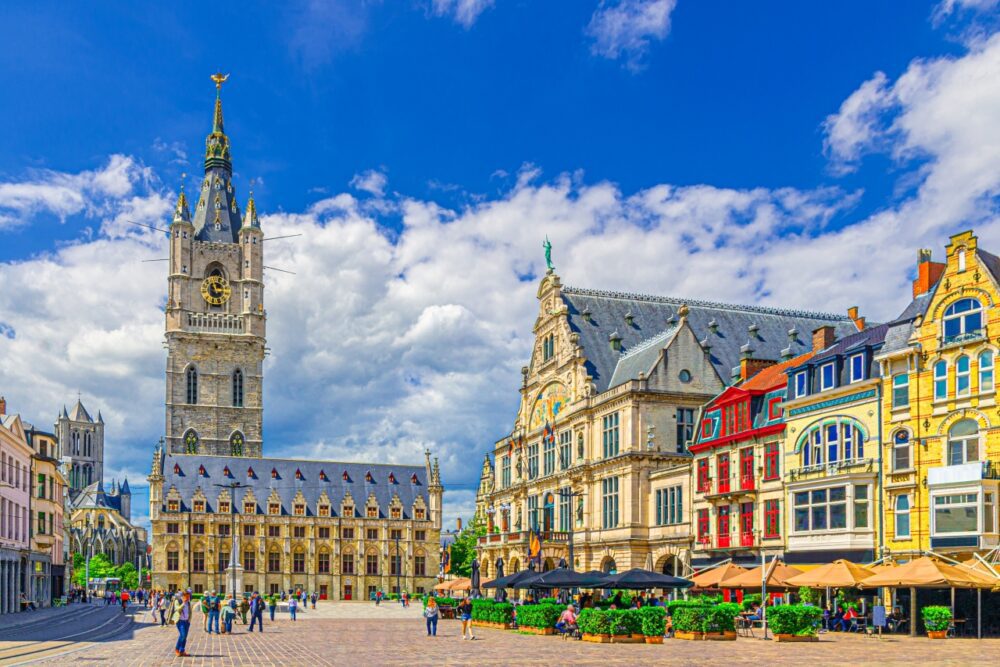
1. It Has Bruges’ Looks Without Bruges’ Crowds
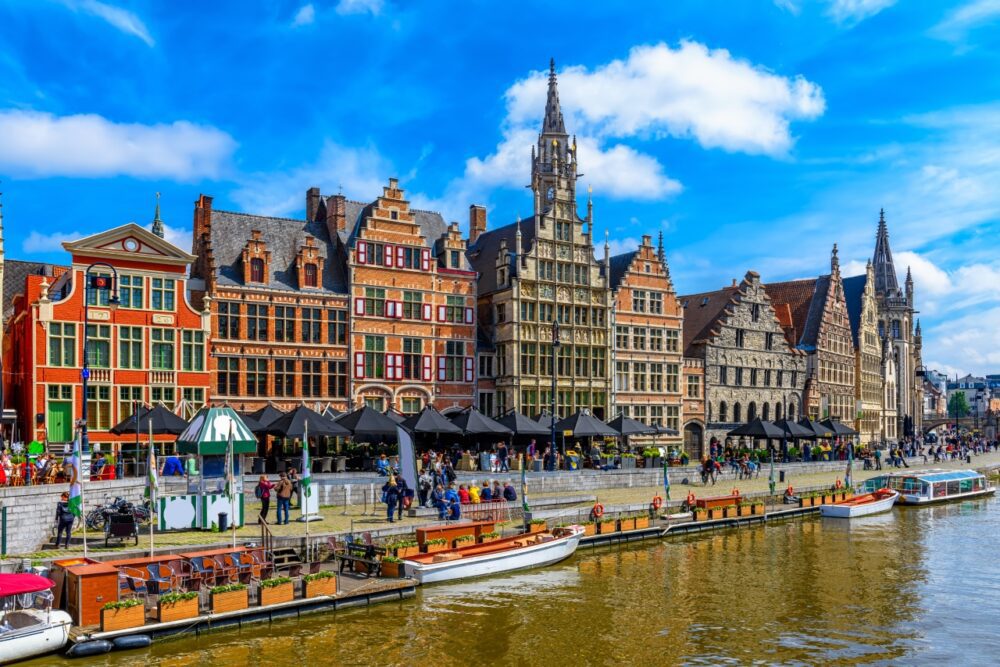
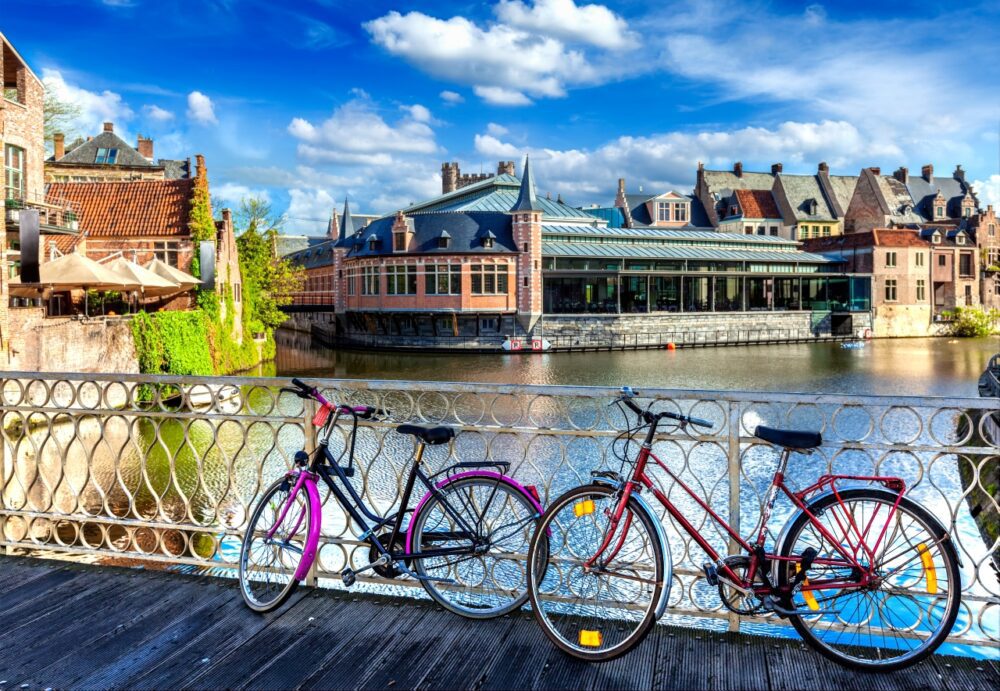
Ghent’s historic center runs along the Leie river and delivers the same postcard mix of canals, guild houses, and cobbled streets that Bruges is famous for. The difference is the crowd size. I walked along the Graslei waterfront on a Saturday afternoon in summer and could still find a bench to sit on. Try that in Bruges during peak season and you’ll understand why this matters.
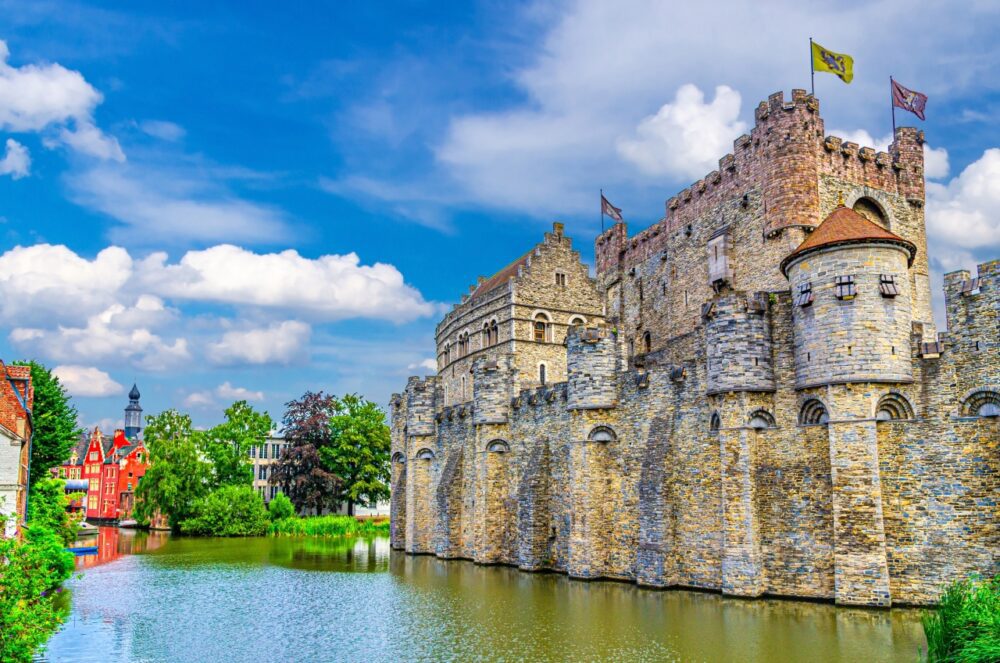
2. Gravensteen Castle is One of the Best-Preserved Castles in Belgium
The Castle of the Counts sits right in the middle of the city, moat and all, and you can actually walk through most of it. I spent close to two hours inside on my second visit, working through the armory and the small museum on medieval torture devices, which sounds grim but is genuinely well done. Having a fully intact castle in the center of a mid-sized city is rare, and Ghent doesn’t make a huge deal out of it, which somehow makes it more impressive.
3. The Student Population Keeps the City Genuinely Alive
Ghent University brings around 40,000 students into the city, and that shapes everything from the bar scene to the affordability of food near the center. Unlike some historic European cities that feel like open-air museums after 6pm, Ghent stays busy into the evening with a mix of locals, students, and visitors. I noticed this most clearly on a Tuesday night, when I expected things to be quiet and instead found bars filling up and street musicians out along the canals.
4. The Food and Drink Scene Punches Above Its Size
Ghent has a strong vegetarian and vegan food culture, partly thanks to a city council initiative from the 2000s that promoted meat-free eating, and it shows in the range of restaurants available. It’s also home to some excellent traditional Flemish spots serving waterzooi, a local chicken and vegetable stew that I hadn’t tried anywhere else in Belgium. Add in a solid beer bar scene, and you’ll eat and drink well here without much effort.
5. The Street Art Adds a Modern Layer to a Medieval City
Werregarenstraat, known locally as Graffiti Street, is a narrow alley in the center that’s legally open for street artists to paint, and it changes constantly. I walked through it on two separate trips a year apart and saw completely different work both times. It’s a small thing, but it captures what makes Ghent different from Bruges, a city that’s happy to let its medieval core sit alongside something current and unpolished.
6. Three Towers, One Skyline, and No Crowds to Fight
Ghent’s skyline is anchored by three medieval towers, the Belfry, Saint Bavo’s Cathedral, and Saint Nicholas’ Church, all visible from several points along the river. I climbed the Belfry on a clear afternoon and had the top platform to myself for a good ten minutes, something that would be unthinkable at a comparable viewpoint in a more famous city. Saint Bavo’s Cathedral also houses the Ghent Altarpiece, one of the most significant paintings in art history, and it rarely has the queues you’d expect for something this important.
7. It’s Compact Enough to See Properly in a Few Days
Ghent’s center is small enough to walk end to end in under half an hour, but it has enough packed into that space that I never ran out of things to do across four days. That combination, real depth without requiring a week to unpack it, is hard to find. It makes Ghent a good fit whether you have two days or five.
Cons – Things to Consider Before Visiting Ghent
1. It Gets Overshadowed by Bruges in Trip Planning
A lot of travelers build their Belgium itinerary around Brussels and Bruges and treat Ghent as an afterthought or skip it entirely. That’s a planning mistake in my opinion, but it does mean some travelers rush through in a few hours instead of giving the city proper time. If you only allow half a day, you’ll see the highlights but miss the parts that make Ghent worth a longer stay.
2. The Weather is the Same Grey Belgian Story
Ghent shares the same climate as the rest of Belgium, with frequent overcast days and rain spread across most months. I had one trip where a full day of planned canal-side walking got rained out, and I ended up spending most of it in museums instead. It worked out fine, but it’s worth building flexibility into your schedule and packing proper rain gear.
3. Some Areas Outside the Center Feel Generic
Once you move a bit further out from the historic core, Ghent starts to look like a fairly ordinary modern Belgian city, with less of the charm that draws people to the center. I stayed one night in a hotel about a 20-minute walk from Gravensteen and found the walk back forgettable compared to the density of the old town. It’s not a dealbreaker, but it’s worth choosing accommodation carefully if atmosphere matters to you.
Things to Do in Ghent
- Climb the Belfry. The views over the three-towers skyline are some of the best in Belgium, and it’s rarely crowded compared to similar viewpoints elsewhere.
- Tour Gravensteen Castle. A fully walkable medieval castle right in the city center, complete with an armory and a small, unusual museum on historic punishment.
- See the Ghent Altarpiece at Saint Bavo’s Cathedral. One of the most important paintings in Western art history, and worth the modest entry fee for the dedicated viewing room.
- Walk the Graslei and Korenlei waterfronts. The classic Ghent photo spot, and a good place to sit with a coffee and watch the boats go by.
- Explore Werregarenstraat, the Graffiti Street. A quick but genuinely interesting stop that shows a different, more modern side of the city.
- Try waterzooi at a traditional restaurant. A local stew that doesn’t get the same attention as Belgian fries or waffles but deserves it.
- Visit the Design Museum Gent. A smaller museum but a good one if you want a break from medieval history and religious art.
- Take a boat tour along the canals. A relaxed way to see the city from a different angle, and shorter and cheaper than similar tours in Bruges.
- Wander the Patershol neighborhood. A quiet, narrow-streeted area behind the castle that’s easy to miss but full of good small restaurants.
- Spend an evening in the Vlasmarkt area. A good spot to see the student side of the city, with a mix of casual bars and a younger crowd.
Where to Stay in Ghent
- Historic Center (near Graslei): The best choice if this is your first visit, putting you within walking distance of the castle, the towers, and the canals. Prices are higher here, but the location makes up for it.
- Patershol: A quieter, atmospheric neighborhood just behind the castle, with narrow streets and good restaurants, while still being a short walk from everything else.
- Near Sint-Pietersstation: A practical option if you’re arriving by train from Brussels or Bruges, though it’s a 20 to 25 minute walk or a short tram ride from the historic core.
- Ledeberg: A more residential, budget-friendly area a bit further out, suited to travelers who don’t mind a tram ride into the center each day.
- Muinkpark area: Close to the university, with a younger, more local feel and easy access to some of the city’s better casual food spots.
Getting Around Ghent
Ghent’s public transport runs through De Lijn, the same operator as Antwerp, with a strong tram network covering the routes most visitors will actually need. Trams connect Sint-Pietersstation to the historic center efficiently, which matters if you’re staying near the train station rather than in the old town itself. I used the tram exactly once, arriving from the station, and walked everywhere else after that.
The historic center is largely car-free, which makes walking the most pleasant way to explore by a wide margin. Most major sights sit within a 15 to 20 minute walk of each other, and the flat, compact layout means you rarely need transport once you’re in the core. Ghent is also a strongly bike-friendly city, arguably even more so than Antwerp, with a large student population that relies on cycling daily. I rented a bike for one afternoon to reach Patershol and the outer canals faster, and the dedicated lanes made it feel safe even for someone who doesn’t cycle often at home. Buses fill in gaps the tram network doesn’t cover, but I never needed one during any of my visits.
Conclusion
So, is Ghent worth visiting? Based on three trips and a full change of opinion after the first one, my answer is yes, and for some travelers it might edge out Bruges entirely. It has the same medieval charm people travel to Belgium for, but without the crowd pressure, plus a student energy that keeps the city feeling current rather than frozen. The castle, the towers, the canals, and the food scene all hold up well against much more famous destinations.
It’s not without its downsides. The weather follows the same unpredictable Belgian pattern as everywhere else in the country, and areas outside the compact historic core lose a lot of the character that makes Ghent special. But if you give it more than a rushed afternoon, which is how most people treat it, Ghent turns into one of the stronger stops on a Belgium trip. I’d recommend it over a second full day in Bruges without much hesitation.