
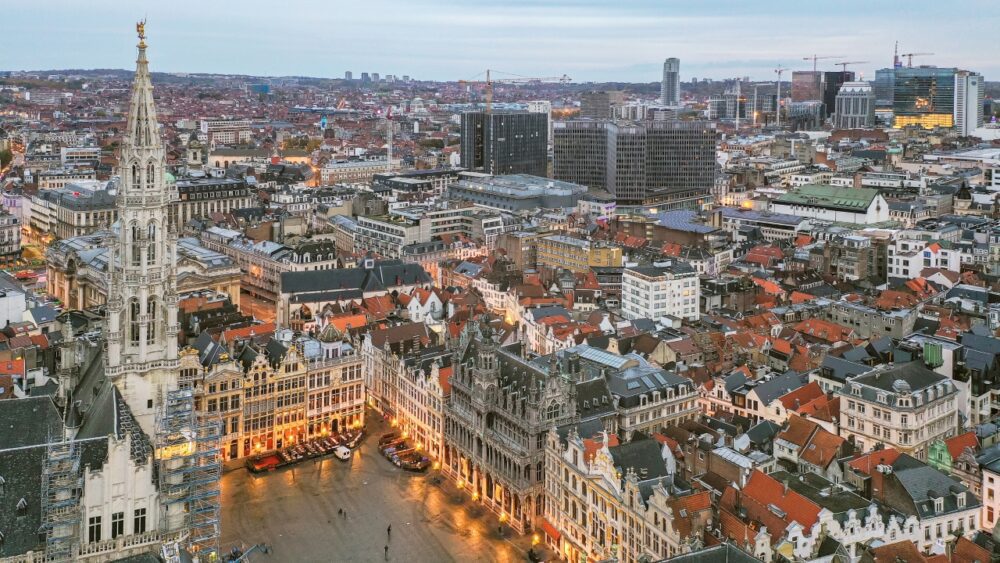
I landed in Brussels expecting a stopover city. A place you pass through on the way to Bruges or Amsterdam. Three days turned into a full week, and I’ve been back twice since. So when people ask me “is Brussels worth visiting,” I don’t hesitate. Yes. But it’s worth knowing what you’re getting into first.
Brussels doesn’t sell itself the way Paris or Rome does. There’s no single postcard image that sums it up. It’s a working city, the de facto capital of the EU, and a place where three languages compete for space on every street sign. That messiness is exactly what makes it interesting. You get grand baroque squares next to comic book murals, Michelin-starred restaurants next to fry stands, and some of the best beer on earth poured in bars that haven’t changed their furniture since the 1950s.
This guide comes from actual time spent walking the cobblestones, getting lost in the Marolles district, and eating more waffles than I’ll admit to. I’ll walk you through the real pros and cons, the things to do, where to stay, and how to get around, so you can decide for yourself if a trip to Brussels fits your travel plans in 2026.
Table of Contents
Pros – Reasons Brussels is Worth Visiting
1. The Grand Place Still Delivers
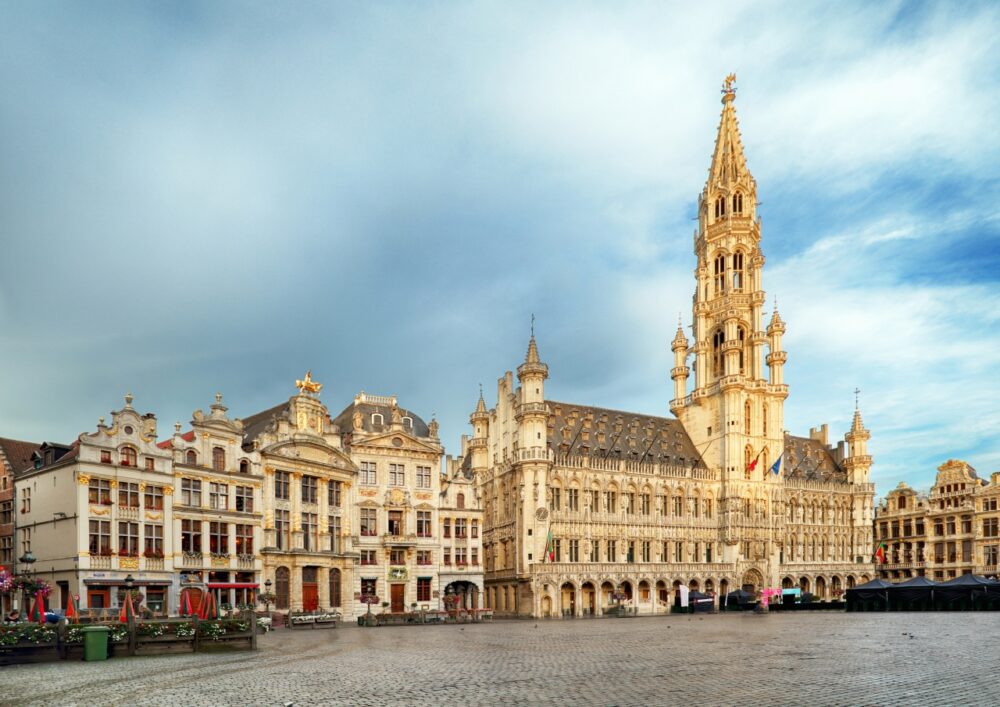
Every guidebook puts the Grand Place on page one, and it earns the spot. This is the central square, ringed by guild houses with gilded facades and topped by the Town Hall’s spire. I’ve walked through it at 7am with nobody around and at 9pm when the lights hit the gold trim, and both versions stopped me in my tracks. It’s compact, so you won’t spend hours there, but it sets the tone for the rest of the city.
2. The Food Scene is Genuinely World Class
Belgian food gets overshadowed by its French and Italian neighbors, and that’s a mistake. Brussels has more Michelin-starred restaurants per capita than most European capitals, but the real magic happens at street level. Moules-frites, stews cooked in beer, and fresh waffles from carts that have zero interest in tourist trends. I’ve eaten better mid-range meals in Brussels than in cities twice its size and reputation.
3. Beer Culture You Can’t Fake
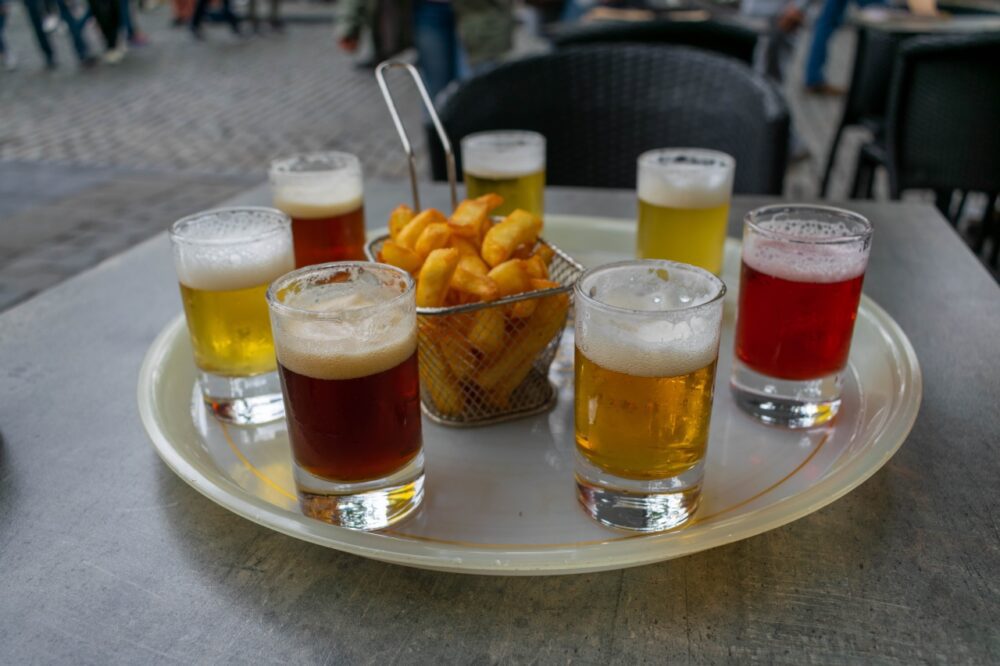
Belgium has over 1,500 beers, and Brussels is the best place to try a serious range of them without traveling far. Trappist ales, lambics, sours brewed with cherries, all served in glasses shaped specifically for that beer. I spent one afternoon at a bar called Moeder Lambic working through a flight with a bartender who talked me through each pour like it was a wine tasting. That kind of depth is hard to find anywhere else.
4. It’s the Best Base for Day Trips in Europe
Brussels sits at the center of a rail network that makes day trips almost too easy. Bruges is under an hour by train. Ghent is even closer. Antwerp, Amsterdam, and even Paris are all within a couple of hours. I used Brussels as a base for a full week and never stayed in the same city two nights running, all without repacking a bag.
5. The Architecture Goes Beyond the Grand Place
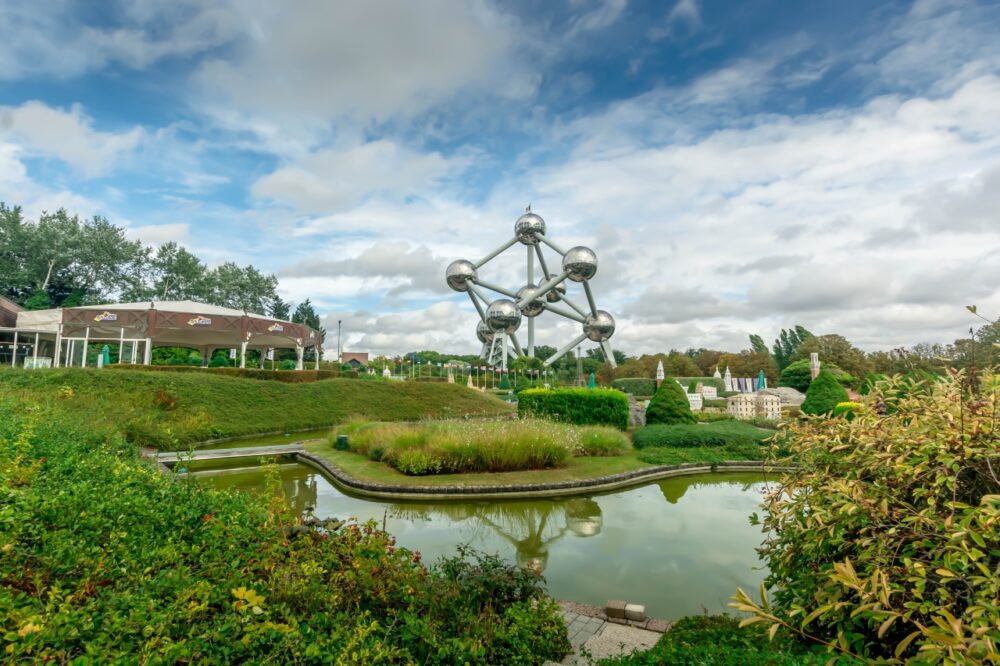
Once you wander past the main square, Brussels reveals an architectural range most visitors miss. The Art Nouveau houses in Ixelles and Saint-Gilles, designed partly by Victor Horta, are some of the most striking residential buildings I’ve seen in Europe. The Atomium, a giant steel structure from the 1958 World’s Fair, is odd and unforgettable. This variety is part of why Brussels rewards visitors who explore past the center.
6. The Museums are Underrated
Brussels doesn’t get the museum hype that Paris or London gets, but the collections rival them. The Royal Museums of Fine Arts hold major works from Bruegel, Rubens, and Magritte. The Magritte Museum alone is worth a half day if you have any interest in surrealism. I went in expecting a quick visit and stayed for three hours.
7. It’s Walkable, Multicultural, and Full of Character
The city center is compact enough to cover on foot in a couple of days, but dense enough that you’ll keep finding new corners. Add in the fact that Brussels is home to people from all over the world, thanks to its role as an EU hub, and you get a food and culture scene shaped by dozens of countries. Few cities this size pack in this much variety.
Cons – Things to Consider Before Visiting Brussels
1. The Weather is Often Grey
Brussels sits in a part of Europe that sees rain a good chunk of the year, and the skies can stay overcast for days at a time. I’ve had trips where I didn’t see direct sunlight for 72 hours straight. If you’re chasing blue-sky photos, plan for late spring or early autumn, and pack a proper rain jacket regardless of the season.
2. Some Neighborhoods Feel Rough Around the Edges
Not every part of Brussels looks like the postcards. Areas near Gare du Midi and parts of the city center can feel run down, with visible litter and pockets that make some travelers uneasy, especially at night. I never felt unsafe walking through these areas in daylight, but I’d recommend sticking to well-lit, busier streets after dark, same as you would in any major European city.
3. It Can Get Expensive Fast
Brussels isn’t a budget destination. Hotel prices in the center run high, especially during EU summit weeks when the city fills with delegates and staff. Restaurant prices in touristy areas near the Grand Place are inflated too. The good news is that a short walk away from the main square gets you better prices and often better food, so it pays to know where to eat before you go.
Things to Do in Brussels
- Wander the Grand Place at different times of day. The light changes everything here. Morning gives you empty photos, evening gives you the gold-lit facades.
- Visit the Atomium. It’s touristy, but the views from the top spheres over the city are worth the trip out.
- Tour the Belgian Comic Strip Center. Belgium is the home of Tintin and the Smurfs, and this museum explains why comics matter so much to the national identity.
- Explore the Marolles flea market. Held daily on Place du Jeu de Balle, it’s the best place to see a slice of local life away from the tourist track.
- Take a chocolate-making class. Belgium’s chocolate reputation is deserved, and a hands-on class taught me more about tempering chocolate than any documentary ever did.
- Walk through the Sablon district. Antique shops, upscale chocolatiers, and a genuinely peaceful atmosphere make this a good midday break from busier streets.
- See the Magritte Museum. If you only visit one museum, make it this one. The building and the collection work together well.
- Try a beer tasting at a proper Belgian bar. Skip the tourist bars near the square and ask a local for a recommendation instead.
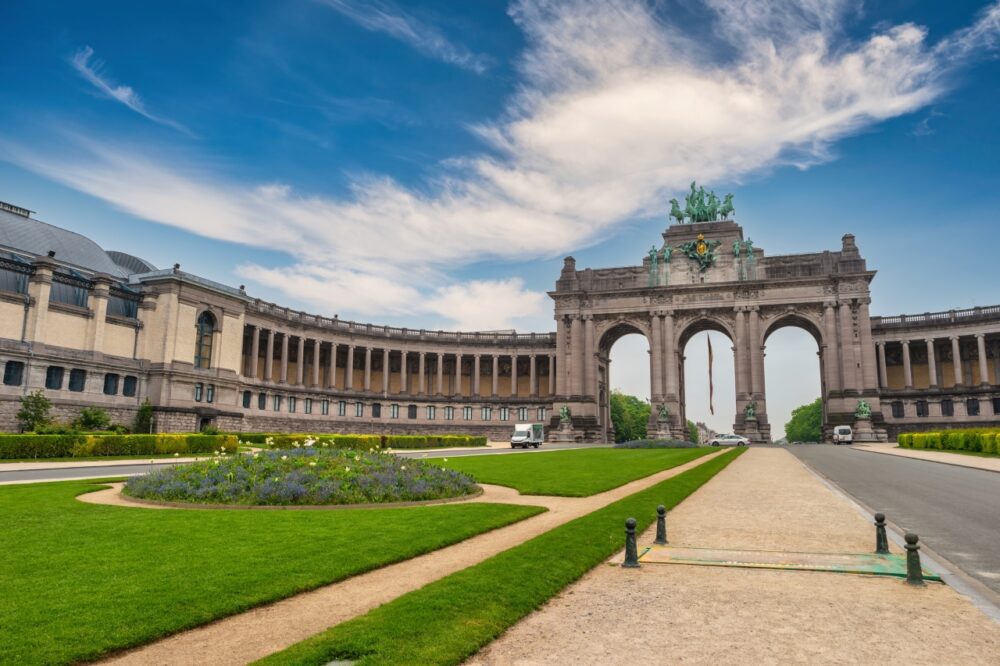
- Visit Parc du Cinquantenaire. A large park with a triumphal arch and several museums, and a good spot to slow down after a day of walking.
- Day trip to Bruges or Ghent. Both are close enough to visit in a single day, and each offers a completely different feel from Brussels itself.
Where to Stay in Brussels
- City Center (near Grand Place): The obvious choice for first-time visitors. Everything is walkable, though prices run higher and it can feel touristy after dark.
- Sablon: Quieter and upscale, with good restaurants and antique shops nearby. A short walk from the center without the crowds.
- Saint-Gilles: My personal favorite for a longer stay. It has a strong local feel, great Art Nouveau architecture, and some of the best casual restaurants in the city.
- Ixelles: Popular with a younger crowd and full of bars and cafes. Good if you want nightlife within walking distance of your hotel.
- European Quarter: Convenient if you’re in town for business or an EU-related visit, but quiet and less charming on weekends.
Getting Around Brussels
Brussels has a solid public transport network that covers metro, tram, and bus lines under one ticketing system, run by STIB/MIVB. The metro is the fastest way to cover longer distances, especially between the center and outer neighborhoods like the Atomium. Trams are slower but let you see the city as you move, which I preferred for shorter trips between the center and Ixelles or Saint-Gilles.
Walking is genuinely the best way to experience the historic center, since most major sights sit within a 20-minute radius of the Grand Place. I covered most of my first two days entirely on foot. For longer stretches, Brussels also has a city bike-share system, though I’d only recommend it if you’re comfortable cycling in city traffic, since some streets lack dedicated bike lanes. Taxis and rideshare apps work fine but add up quickly given the cost of living in the city, so I’d save them for late-night trips when public transport has stopped running.
Conclusion
So, is Brussels worth visiting? Based on everything I’ve experienced across multiple trips, yes, with a few caveats. The food, beer, architecture, and museums punch well above what most travelers expect from a city that often gets treated as a layover. It rewards people who take the time to walk past the main square and into the neighborhoods where the actual character of the city lives.
That said, Brussels isn’t for everyone. If you need guaranteed sunshine or a spotless postcard city at every turn, you might leave disappointed. The weather can be grim, some areas need a bit of street smarts, and the prices in the center can catch budget travelers off guard. But if you go in with realistic expectations and a willingness to explore beyond the Grand Place, Brussels earns its place on a European itinerary. I’d go back tomorrow if I could.