
I’ve been to Lisbon twice now, once for a long weekend and once for a full week with more time to explore beyond the main sights. Both trips left me thinking about the city long after I’d flown home, which is usually a good sign. But “is Lisbon worth visiting” is still a question I get asked a lot, so I want to answer it properly, with the good and the bad.
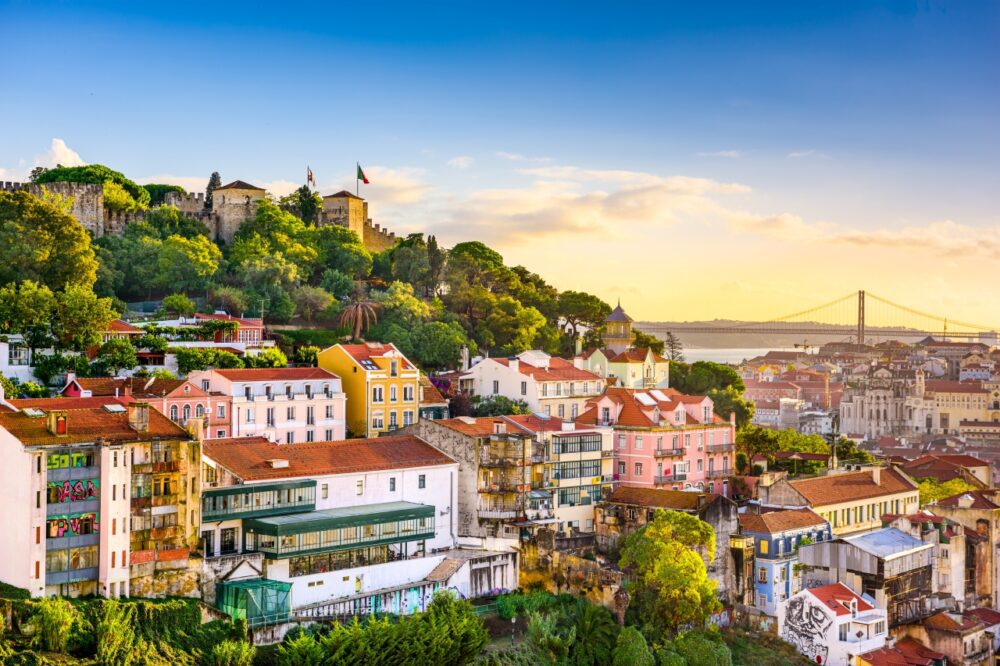
Lisbon sits on seven hills next to the Tagus River, and that layout shapes almost everything about visiting it. The trams grind up steep streets, the miradouros (viewpoints) open up without warning at the top of a climb, and the whole city has this faded, sun-bleached charm that feels different from anywhere else in Western Europe. It’s not polished like Paris or manicured like Vienna. It’s a working port city with cracked tilework, laundry hanging between balconies, and grandmother-run tascas next to third-wave coffee shops.
What surprised me most on my first visit was how much Lisbon rewards slow travel. I went in with a checklist of sights and ended up abandoning half of it just to wander. This guide covers what actually makes Lisbon worth your time, what might catch you off guard, and practical tips based on what worked (and didn’t) for me on the ground.
Table of Contents
Pros – Reasons Lisbon is Worth Visiting

1. The Food Is Genuinely Excellent and Affordable
Lisbon punches well above its price point when it comes to food. A proper lunch of grilled fish, rice, and a glass of vinho verde at a neighbourhood tasca cost me under 15 euros on both trips. Pastéis de nata are everywhere, but the good ones (Manteigaria, in my experience, edges out the more famous Pastéis de Belém) are worth seeking out specifically. Seafood is the standout though. Grilled sardines in summer, bacalhau prepared a hundred different ways, and fresh octopus salad turned up on nearly every menu I tried.
2. It’s One of the Cheapest Capitals in Western Europe
Compared to London, Paris, or Amsterdam, Lisbon still feels like a bargain, even with prices rising since 2023. My week-long trip, including a mid-range Airbnb, meals out most days, and several museum entries, cost noticeably less than a comparable trip to most other Western European capitals. Public transport passes are cheap, wine is cheap, and even a lot of the sightseeing is either free or low-cost.

3. The Views Are Some of the Best in Europe
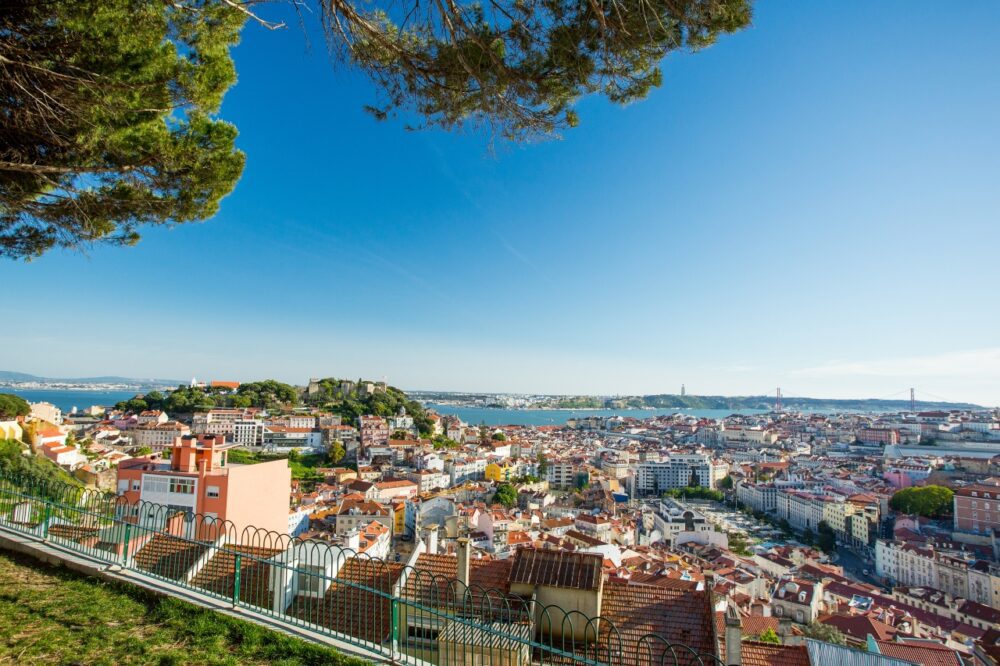
Because Lisbon is built across hills, viewpoints (miradouros) pop up constantly, often with almost no crowds compared to famous lookouts in other cities. Miradouro de Santa Luzia and Miradouro da Graça were two of my favourites, both with tiled walls, a small kiosk selling drinks, and a view over terracotta rooftops down to the river. I found I didn’t need to plan these into my day; I just stumbled onto them while walking between neighbourhoods.
4. The Historic Neighbourhoods Feel Lived-In, Not Staged
Alfama, the oldest district, survived the 1755 earthquake largely intact, and it shows. Narrow lanes twist uphill past laundry lines and small grocers, and you can hear fado drifting out of open windows in the evening. Unlike some historic centres that feel hollowed out for tourists, Alfama still has locals living their daily lives around you, which made it one of the more memorable parts of both my trips.
5. Day Trips Open Up Even More of Portugal
Sintra is the obvious one, with its fairy-tale palaces like Pena Palace and Quinta da Regaleira, and it’s easily reached by a 40-minute train from Rossio station. I also took a day trip to Cascais, a relaxed coastal town with good beaches and a totally different pace from the capital. Having these options within an hour of the city adds a lot of value to a Lisbon trip and is one of the reasons I’d recommend staying at least five days if you can.

6. The Climate Is Mild for Most of the Year
Lisbon has one of the mildest climates of any major European capital. I visited once in April and once in October, and both times the weather was comfortable for walking around all day, low 20s Celsius, with only brief rain. Summers get hot and busy, but shoulder-season Lisbon (March to May, September to October) is genuinely pleasant and one of the best times to visit if you want fewer crowds.

7. The City Rewards Walking and Getting Lost
I don’t say this about many cities, but Lisbon is genuinely enjoyable to wander without a plan. The hills mean every few minutes you get a new angle on the river or a new tiled facade. Some of my best memories from both trips came from not following a map: a small tile shop I found by accident, a family-run restaurant with no English menu, a street musician playing fado on a quiet corner in Alfama.
Cons – Things to Consider Before Visiting Lisbon
1. The Hills Are No Joke
This is the thing people underestimate most. Lisbon’s hills are steep, and many streets are cobbled, which makes for tiring, sometimes uncomfortable walking, especially in summer heat. On my first trip I wore the wrong shoes for two days and regretted it. If you have mobility issues, or you’re travelling with young kids in a stroller, this is worth planning around carefully, since not every neighbourhood is easy to navigate.
2. Overtourism Has Changed Some Areas
Certain pockets of Lisbon, particularly parts of Alfama and the tram 28 route, get seriously crowded during peak season. On my second trip, tram 28 was so packed at midday that I skipped it entirely and walked the route instead, which honestly gave me a better experience anyway. Some long-term residents have also raised concerns about rising rents linked to short-term tourist rentals, which is worth being mindful of as a visitor.
3. Language and Service Can Be Inconsistent
English is widely spoken in tourist areas, but service in Lisbon moves at a different pace than visitors from the US or UK might expect. Meals aren’t rushed, and in smaller, family-run places, don’t expect fast turnaround or fluent English. I found this charming rather than frustrating, but it’s worth setting expectations before you go, especially if you’re used to fast, transactional service back home.
Things to Do in Lisbon
- Walk through Alfama – Get lost in the oldest neighbourhood’s narrow lanes; it’s the best way to understand pre-earthquake Lisbon.
- Ride (or walk) the Tram 28 route – A classic way to see several neighbourhoods, though I’d recommend walking it if it’s crowded.
- Visit Belém Tower and Jerónimos Monastery – Both UNESCO sites and a good half-day combined with a stop for the original pastéis de nata nearby.
- Take the train to Sintra – The palaces here (especially Pena Palace) are unlike anything else in Portugal.
- Catch a fado performance – A small, intimate venue in Alfama or Bairro Alto gives you the real version of this Portuguese musical tradition.
- Explore the LX Factory – A converted industrial complex with shops, murals, and good coffee; a nice contrast to the historic centre.
- Watch the sunset from Miradouro de Santa Catarina – One of the more social viewpoints, often with a small crowd and someone selling drinks.
- Wander Bairro Alto at night – Quiet by day, this neighbourhood turns into one of the city’s main nightlife areas after dark.
- Visit the Time Out Market – A good one-stop option for trying multiple local dishes if you’re short on time.
- Day trip to Cascais or Sesimbra – Both give you a beach-town break from the city without a long journey.
Where to Stay in Lisbon
- Alfama – Best for atmosphere and history, though the steep, narrow streets can make luggage and mobility a challenge.
- Baixa – Central and flat by Lisbon standards, a good base if you want easy access to transport and major sights without too much climbing.
- Chiado – Upscale, walkable, and close to good shopping and restaurants; this is where I stayed on my second trip and would happily return.
- Príncipe Real – A quieter, trendier area with boutique shops and a more local feel, good if you’ve already done the main sights.
- Belém – Further from the centre but ideal if your main focus is the monuments and museums in this district; less convenient for nightlife.
Getting Around Lisbon
Walking is how I experienced most of Lisbon, but the hills mean you’ll want backup options for tired legs. The metro is clean, fast, and cheap, and it covers most areas visitors need, including a direct link to the airport. For the hillier neighbourhoods, the historic trams (especially tram 28) and public funiculars like the Elevador da Glória save your legs, though they do get crowded at peak times.
Buses fill in the gaps where the metro doesn’t reach, and I used them a few times to get to viewpoints that weren’t within easy walking distance. Rideshare apps like Uber and Bolt are widely available and reasonably priced, which I found useful late at night or after a long day of walking. I’d avoid renting a car for time spent purely within the city; parking is difficult and the streets are tight, but a car does make sense if you’re planning to explore beyond Lisbon and Sintra on your own schedule.
Conclusion
So, is Lisbon worth visiting? Based on two trips and a fair amount of walking sore feet, I’d say yes, without much hesitation. The food, the views, the affordability, and the day trip options make it one of the better value city breaks in Europe right now. The hills and the crowds in a few hotspots are real downsides, but they’re manageable if you plan for them, pack the right shoes, and avoid the most crowded attractions at peak hours.
If you want a city that rewards slow mornings, long walks, and a willingness to get a little lost, Lisbon delivers. I’d recommend at least five days if you want to fit in a Sintra day trip without rushing the city itself. Go in the shoulder season if you can, book fado and any major museums ahead of time, and leave room in your schedule to just wander. That’s when Lisbon tends to show you its best side.