
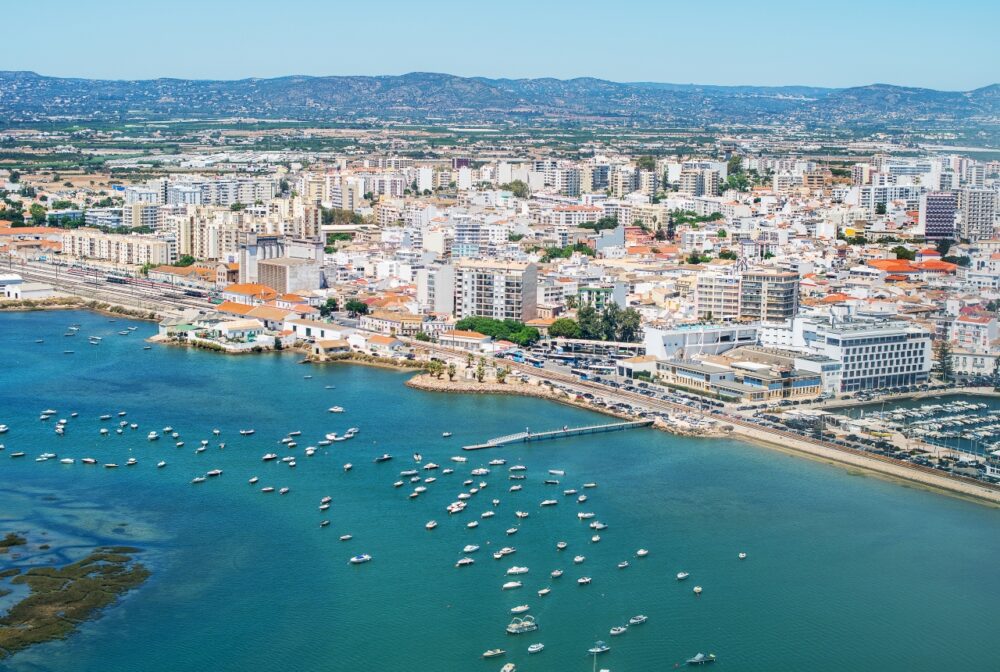
Is Faro worth visiting? Yes, absolutely. Faro was one of the destinations in Portugal that surprised me the most. Many travellers pass through on their way to the Algarve’s beach resorts, but I found Faro worth exploring in its own right. I enjoyed wandering through the old town, walking along the marina, and discovering a more relaxed side of the Algarve. It felt less crowded than some nearby destinations while still offering plenty to see and do.
Faro is the capital of the Algarve region in southern Portugal and is best known as the gateway to one of Europe’s most popular holiday areas. Beyond its airport, Faro offers a charming historic centre, beautiful waterfront areas, and easy access to the stunning landscapes of the Ria Formosa Natural Park. Visitors can enjoy history, nature, local food, and nearby beaches all in one trip.
In this guide, I’ll cover the top reasons why Faro is worth visiting and share some useful travel tips and advice to help you plan your trip. Whether you’re interested in culture, wildlife, history, or exploring the Algarve, keep reading to discover the many reasons why Faro is worth visiting.
Table of Contents
Top Reasons You Should Visit Faro
1. Rich History and Charming Old Town
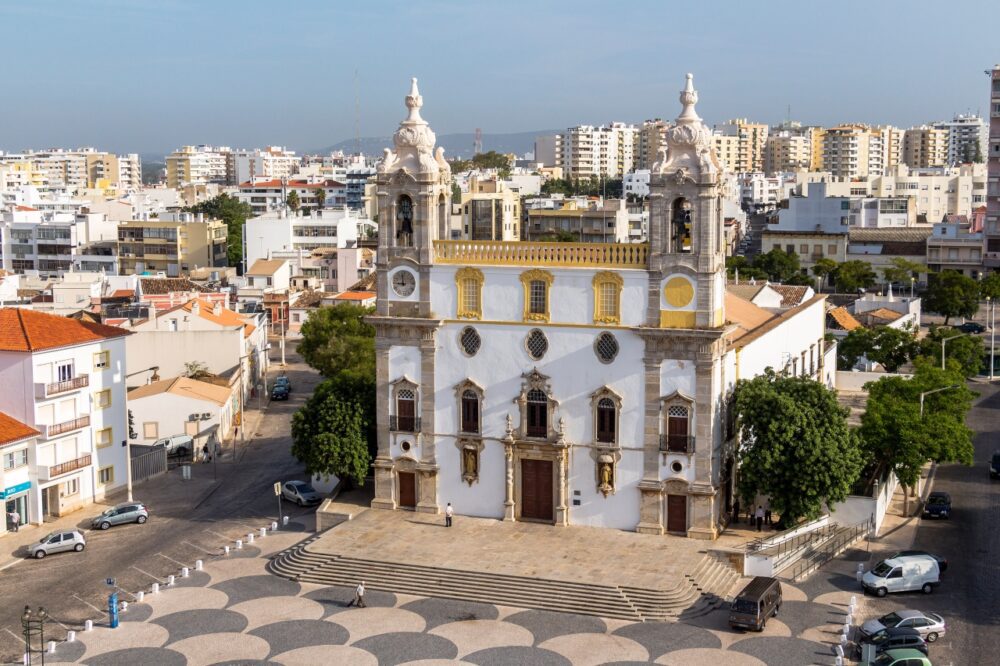
Faro’s historic centre, or Cidade Velha, is a maze of cobblestone streets, ancient walls, and charming plazas that reflect its rich past.
I wandered through the Arco da Vila, a grand gateway into the old town, and immediately felt like I’d stepped back in time. Highlights include the Sé Catedral, where you can climb the tower for panoramic views, and the Arco do Repouso, said to date back to Moorish rule. The old town’s peaceful vibe, combined with its fascinating history, makes it an ideal place to explore at a leisurely pace.
2. Stunning Ria Formosa Natural Park
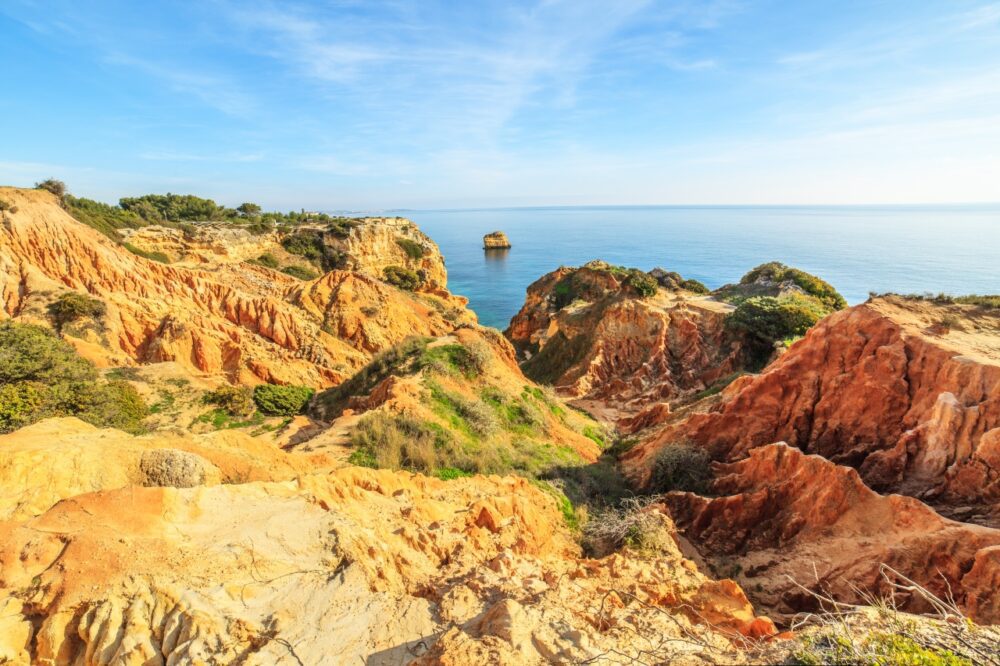
One of Faro’s biggest draws is its proximity to the Ria Formosa, a lagoon system of islands, sandbanks, and waterways that’s a haven for wildlife and a paradise for nature lovers.
I joined a boat tour through the lagoon and was captivated by its tranquil beauty. The area is home to flamingos, spoonbills, and a variety of fish, making it a must-visit for birdwatchers and eco-tourists. For a more active experience, kayaking or paddleboarding through the waterways offers a closer connection to this unique ecosystem.
3. Beautiful Beaches
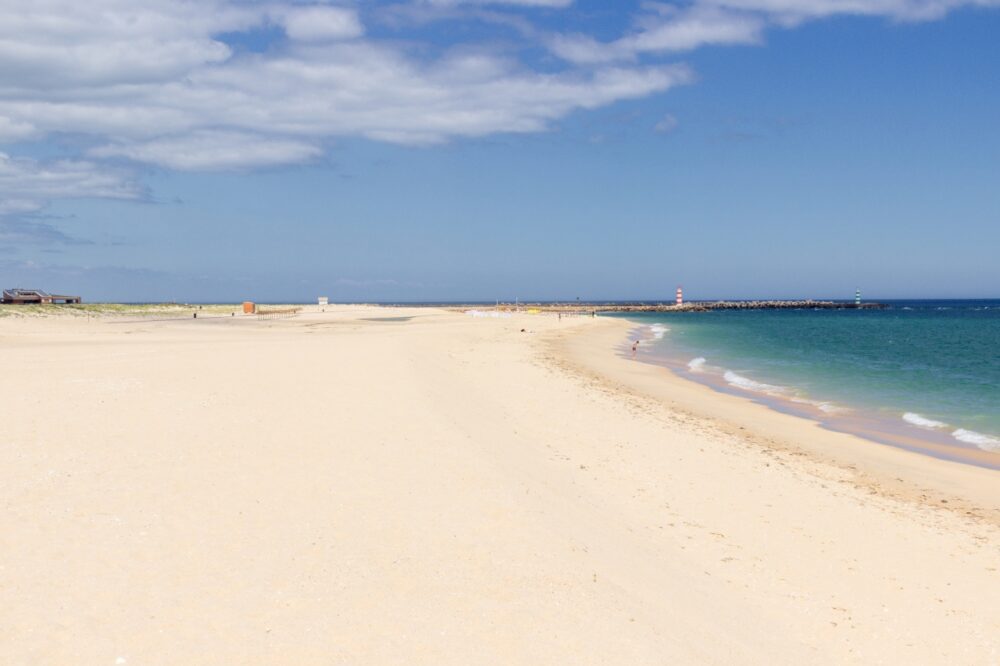
While Faro itself doesn’t have a beach within walking distance, the surrounding area boasts some of the Algarve’s most pristine and less crowded shores.
I took a short ferry ride to Praia de Faro, a long stretch of golden sand perfect for swimming, sunbathing, and relaxing. For a more secluded experience, the islands of Ilha Deserta and Ilha do Farol offer unspoiled beauty with fewer tourists. Don’t forget to pack snacks and plenty of water if you’re heading to the more remote spots.
4. Excellent Dining Scene
Faro’s food scene is a mix of traditional Algarve flavours and innovative cuisine, with a strong emphasis on fresh seafood.
I couldn’t resist the cataplana, a seafood stew served in a copper pot, at a small restaurant near the marina. For something quick and delicious, the local seafood markets offer a chance to try freshly grilled sardines. Faro’s diverse range of dining options means there’s something to satisfy every palate and budget.
5. A Gateway to the Algarve
Faro’s central location makes it the perfect base for exploring the rest of the Algarve, with its picturesque villages and dramatic coastal cliffs.
I took a day trip to Tavira, a charming town just east of Faro, and found it to be a lovely complement to the city’s vibe. The excellent public transport links, including trains and buses, make it easy to venture further afield without the need for a car.
6. Vibrant Local Culture
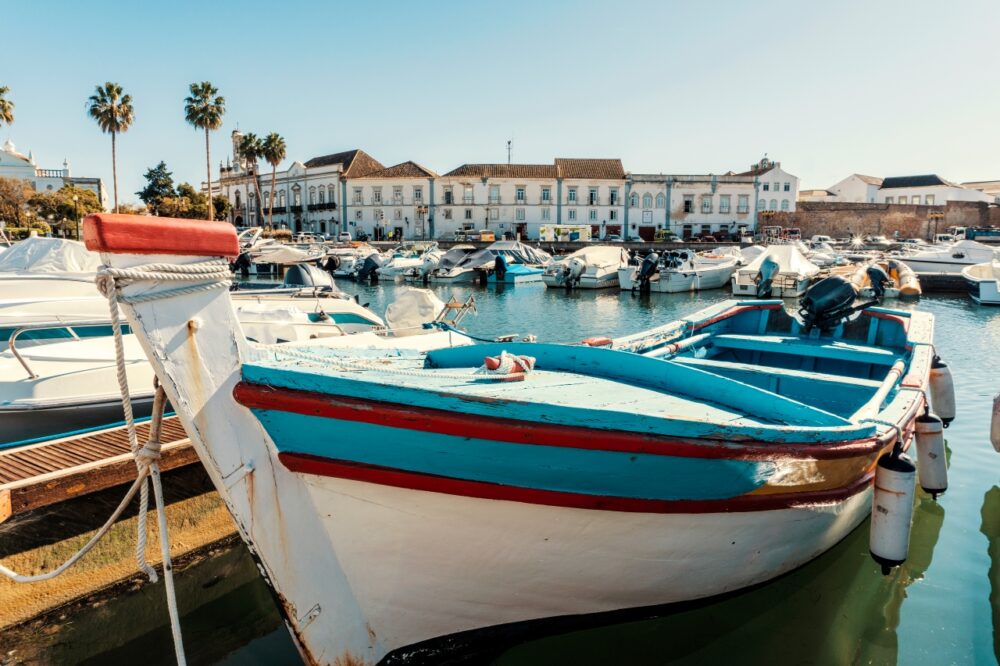
Unlike some Algarve towns that feel dominated by tourism, Faro retains an authentic Portuguese atmosphere.
Strolling through the streets, I encountered lively cafes filled with locals and stumbled upon a small fado performance in an unassuming bar. The energy in Faro feels more genuine, offering a glimpse into everyday life in the Algarve.
7. Affordable Compared to Other Algarve Towns
Faro is surprisingly budget-friendly compared to some of the Algarve’s more tourist-heavy destinations like Albufeira or Lagos.
I stayed in a charming guesthouse for a fraction of what I would have paid elsewhere. Meals at local eateries were equally affordable, making Faro a great choice for travellers looking to stretch their budget.
8. Fascinating Museums
Faro is home to a handful of intriguing museums that shed light on the region’s history and culture.
The Museu Municipal, housed in a former convent, showcases everything from Roman artefacts to stunning azulejo tiles. I also visited the Museu Marítimo, which offers insights into the Algarve’s fishing traditions and maritime heritage. These cultural stops provide a deeper appreciation of Faro’s past and present.
9. Pedestrian-Friendly Streets
Faro’s compact size and pedestrian-friendly streets make it easy to explore without the need for a car.
I enjoyed leisurely strolls along the Rua de Santo António, a bustling shopping street lined with cafes and boutiques. The lack of traffic in the old town adds to its charm, allowing you to soak in the atmosphere without the hum of cars in the background.
10. Warm and Welcoming Locals
The people of Faro are known for their warmth and hospitality, always eager to share their love for their city with visitors.
From the café owner who patiently explained the best local dishes to the boat captain who shared stories of the Ria Formosa, every interaction felt genuine. Learning a few basic Portuguese phrases, like “Bom dia” (Good morning) and “Obrigado” (Thank you), goes a long way in building connections with the locals.
Travel Tips for Visiting Faro
What to Do in Faro
Faro is often seen as the gateway to the Algarve, but I think it deserves more attention in its own right. The old town is charming, and the nearby nature and islands make it a great base for exploring the region.
- Take a Boat Tour Through Ria Formosa Natural Park – This was my favourite experience because the lagoons, wildlife, and islands showed a completely different side of the Algarve.
- Visit Ilha Deserta on a Guided Boat Trip – I loved how peaceful this island felt compared to some of the busier beach destinations nearby.
- Join a Dolphin Watching Cruise – Seeing dolphins in the wild while cruising along the coast was one of the highlights of my time in Faro.
- Take a Catamaran Tour to Ilha Farol and Culatra – This is a great way to experience local island life and some of the Algarve’s best beaches.
- Explore the Old Town with a Walking Tour – I enjoyed learning about Faro’s history while wandering through its quiet streets and historic buildings.
- Join a Sunset Boat Cruise in Ria Formosa – Watching the sun set over the lagoons was one of the most relaxing experiences I had in the Algarve.
When to Visit Faro
I think Faro is best visited between April and October. Spring and autumn offer warm temperatures without the intense summer crowds. Summer is ideal for beach days and boat trips, but it can get busy, especially in July and August. Winter is much quieter and still relatively mild compared to northern Europe. Personally, I would visit in May or September because the weather is excellent for sightseeing, and the beaches feel less crowded.
How to Get to Faro
Faro is one of the easiest places to reach in southern Portugal thanks to Faro Airport, which serves flights from cities across Europe. The airport is only a short drive from the city centre and can be reached by bus, taxi, or ride-sharing services. Faro is also connected to Lisbon and other Algarve towns by train. In my opinion, flying directly into Faro is the most convenient option, especially if you’re planning to explore the Algarve region.
Where to Stay in Faro
- 3HB Faro – One of the best luxury hotels in the city, offering a rooftop pool and a fantastic location near the old town.
- Pousada Palácio de Estoi – A beautiful historic palace hotel located just outside Faro, ideal for a unique stay.
- Hotel Faro & Beach Club – A popular hotel overlooking the marina with easy access to restaurants and attractions.
- AP Eva Senses – A reliable mid-range choice near the waterfront with excellent views and transport connections.
- Aqua Ria Boutique Hotel – A comfortable hotel in the city centre that offers good value and a convenient location.
- Stay Hotel Faro Centro – One of the better budget options for travellers who want an affordable base close to the main sights.
Getting Around Faro
The city centre is compact and easy to explore on foot. Most of the main attractions are within walking distance of each other, especially around the marina and old town. Local buses connect Faro with nearby beaches and towns, while trains are useful for exploring the Algarve coast. Uber, Bolt, and taxis are widely available. Personally, I found walking around Faro to be the easiest option, while trains were perfect for day trips along the coast.
How Long to Spend in Faro
I think two to three days is enough time to see Faro itself and enjoy a boat trip through Ria Formosa. If you’re using Faro as a base for exploring the Algarve, you could easily stay four or five days and take day trips to places like Lagos, Tavira, and Albufeira. Personally, I would stay three days because it gives you enough time to enjoy the city without rushing and still fit in some island excursions.
Conclusion
So, is Faro worth visiting? Without a doubt. From its historic old town and scenic marina to its access to beautiful beaches and the Ria Formosa Natural Park, there are plenty of reasons to spend time here. Faro offers a great mix of culture, nature, and local charm while providing a more relaxed experience than some of the Algarve’s busier resorts. If you’re planning a trip to Portugal, Faro is a destination that deserves a place on your itinerary.