
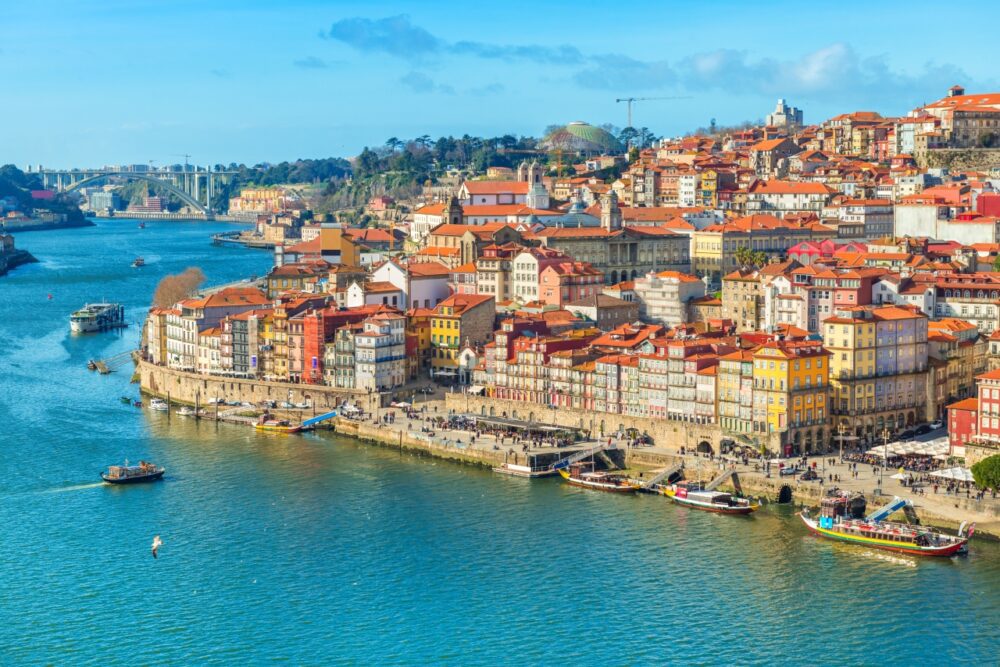
I landed in Porto for the first time expecting a smaller, quieter version of Lisbon. I was wrong. Porto has its own personality entirely, gritty in places, elegant in others, and built along a river gorge that makes the whole city feel dramatic rather than pretty. I’ve now visited three times, once for a short weekend, once for four days with a rental car to explore the Douro Valley, and once purely to eat and drink my way through the city with no real itinerary.
The Douro River splits Porto in two. On one bank sits the city proper, with its layered rooftops and the Ribeira district running right along the water. On the other bank is Vila Nova de Gaia, home to nearly every major port wine house, all stacked into the hillside with their names painted in giant letters visible from across the river. Six bridges connect the two sides, and the most famous of them, the Dom Luís I, was designed by a student of Gustave Eiffel. That detail alone tells you a lot about Porto: proud of its history, a little industrial, and not trying too hard to be anything other than itself.
People often ask me if Porto is worth visiting on its own, or only as an add-on to a Lisbon trip. After three visits, I’d argue it deserves its own dedicated trip. It’s smaller, so you can cover a lot on foot, but it has enough depth in food, wine, and day trips to fill four or five days comfortably. Below is what I’ve learned works, what’s worth planning around, and what surprised me each time I went back.
Table of Contents
Pros – Reasons Porto is Worth Visiting

1. Port Wine Tasting Is a Real Highlight, Not a Gimmick
I went into my first port wine cellar tour expecting a quick, touristy sales pitch. Instead, I got a proper hour-long explanation of the ageing process at Graham’s, followed by a tasting on a terrace overlooking the river. Across Vila Nova de Gaia there are dozens of cellars, from big names like Taylor’s and Sandeman to smaller family-run houses, and prices for tours and tastings are still reasonable. This is genuinely one of the best wine experiences I’ve had in Europe, and it’s built right into a normal afternoon of sightseeing.
2. The Food Is Heartier and Cheaper Than Lisbon’s
Porto’s food leans rustic. The francesinha, a sandwich stacked with meats, covered in melted cheese and a beer-spiked tomato sauce, is the city’s signature dish, and while it’s heavy, it’s worth trying at least once (Café Santiago is the spot most locals pointed me toward). Beyond that, tripe dishes and grilled fish turn up often, and everyday meals were noticeably cheaper than what I paid in Lisbon on the same trip cycle. A solid lunch with a glass of wine regularly came in under 12 euros.
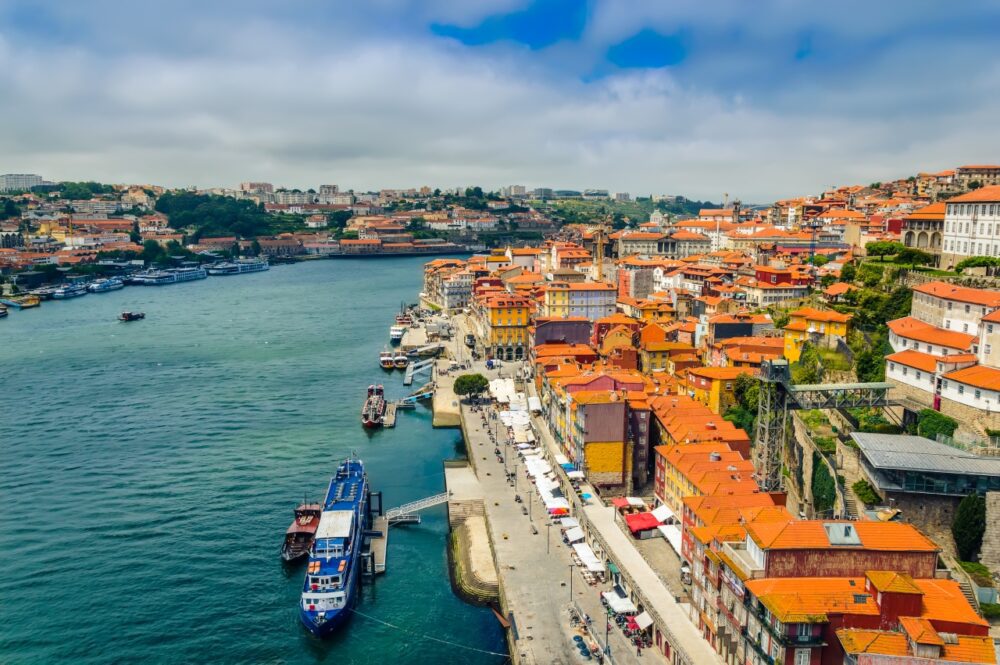
3. The Ribeira Waterfront Is One of Europe’s Best River Views
Sitting at a café table in Ribeira, watching the rabelo boats drift past with the tiled houses stacked up behind you, is one of those experiences that photos don’t quite capture. It’s a UNESCO World Heritage area, and unlike some heritage zones, it still functions as a real neighbourhood with fishmongers, laundry lines, and small bars mixed in with the tourist spots.
4. It’s a Gateway to the Douro Valley
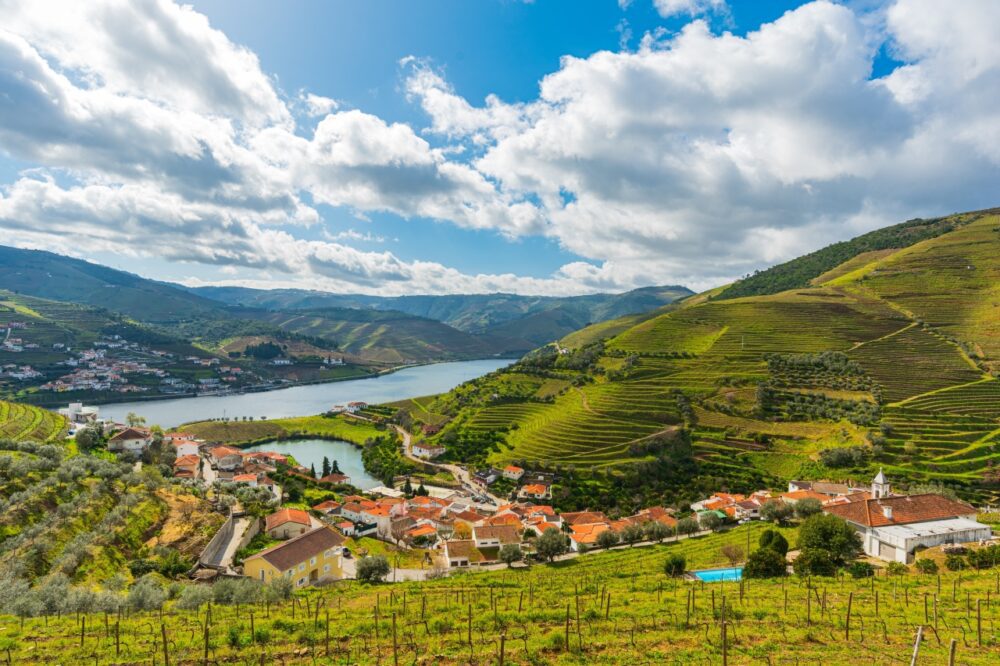
On my second trip, I rented a car and drove about an hour and a half into the Douro Valley, and it completely changed how I felt about visiting Porto. Terraced vineyards climb steep hillsides along the river, and several quintas (wine estates) offer tastings with views that rival anything in Tuscany. If you only see Porto city and skip the valley, you’re missing what I’d now call the best part of the region.
5. It’s More Affordable Than Lisbon and Most of Western Europe
Accommodation, food, and transport all came in cheaper for me in Porto than in Lisbon, which was already inexpensive by Western European standards. On my most recent trip, I stayed in a well-located apartment near Bolhão Market for less than I’d expect to pay for a similar spot in most other European city centres, even accounting for 2026 price increases.
6. The Architecture Has a Rougher, More Authentic Edge
Porto doesn’t hide its wear the way some restored historic centres do. Azulejo tiles cover entire building facades, some immaculate, some crumbling, and that contrast is part of the city’s character. São Bento train station’s tiled entrance hall stopped me in my tracks the first time I walked through it, and it’s free to visit since it’s a working station, not a museum.
7. It’s Compact Enough to Explore Almost Entirely on Foot
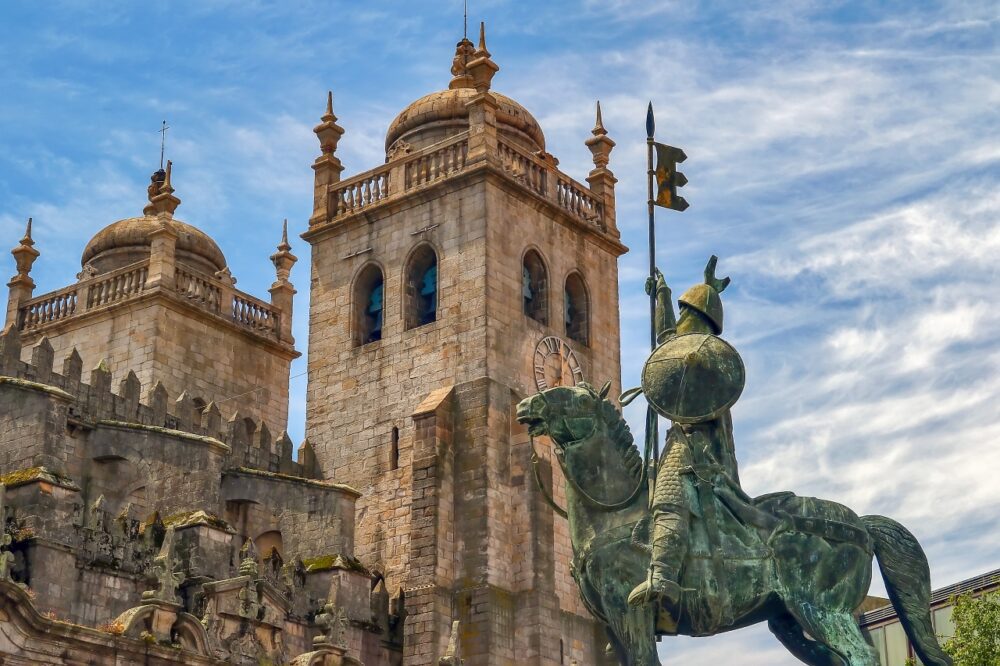
Unlike Lisbon, which sprawls across several distinct districts, Porto’s main sights sit within a walkable core. I covered most of the historic centre, Ribeira, and the bridge crossing into Gaia in a single day on my first visit, without rushing. That compactness makes it a low-stress city for a shorter trip, especially if you’re combining it with other stops in Portugal or Spain.
Cons – Things to Consider Before Visiting Porto
1. The Weather Is Wetter Than People Expect
Porto sits closer to the Atlantic and gets noticeably more rain than Lisbon, especially between November and March. I got caught in a genuine downpour on my first visit in late autumn and ended up ducking into a café for two hours longer than planned. If you’re visiting outside summer, pack a proper rain jacket, not just an umbrella, since the wind off the river can make umbrellas useless.
2. Steep Streets and Stairs Are Everywhere
Like Lisbon, Porto is hilly, but I’d argue the climbs from Ribeira back up into the city centre are even steeper in places. There are funiculars and a metro to help, but a fair amount of sightseeing still involves stairs and inclines. This is worth factoring in if you have mobility concerns or you’re travelling with very young kids or heavy luggage.
3. Some Attractions Sell Out Fast in Summer
Livraria Lello, the ornate bookshop often (inaccurately, in my opinion) linked to Harry Potter inspiration, now requires a timed ticket booked in advance, and it sells out days ahead in peak season. Popular port wine cellar tours can do the same. On my most recent trip I had to settle for a less convenient time slot because I hadn’t booked early enough, which cost me part of an afternoon I’d planned differently.
Things to Do in Porto
- Cross the Dom Luís I Bridge on foot – The upper deck gives you the best panoramic view of both riverbanks, and it’s free.
- Tour a port wine cellar in Vila Nova de Gaia – Pick one with a terrace tasting; the view over the river adds a lot to the experience.
- Walk through Ribeira at golden hour – The tiled buildings light up in a way that’s hard to replicate any other time of day.
- Visit São Bento train station – Just five minutes inside is enough to see the azulejo murals; it’s easy to combine with a walk to the centre.
- Browse Bolhão Market – Recently restored, it’s a good stop for local produce, cheese, and a cheap lunch among locals rather than tourists.
- Day trip into the Douro Valley – Either self-drive or take a river cruise; both give you a completely different side of the region.
- Peek inside Livraria Lello – Book ahead; it’s touristy, but the carved wooden staircase is genuinely striking in person.
- Try a francesinha – Even if it’s not your usual style of meal, it’s a defining part of Porto’s food identity.
- Ride the funicular dos Guindais – A short, cheap way to skip one of the steepest climbs between Ribeira and the upper city.
- Watch the sunset from Jardim do Morro – On the Gaia side, this park gives you a quieter view across to the old town than the bridge itself.
Where to Stay in Porto
- Ribeira – The most atmospheric base, right on the river, though rooms here tend to book up fast and cost more per night.
- Baixa (city centre) – Central and close to São Bento and Bolhão Market, a practical option if you want to walk everywhere.
- Cedofeita – A quieter, more local neighbourhood with good independent cafés, a nice option if you’ve visited before and want a change of pace.
- Vila Nova de Gaia – Staying across the river puts you closer to the port wine cellars and gives you a different, arguably better, view back toward the old town.
- Boavista – Further from the historic centre but well connected by metro, worth considering if you’re also planning day trips or need easier airport access.
Getting Around Porto
Porto’s compact centre means walking covers most of what you’ll want to see, though the hills mean you should expect a workout. The metro is efficient and covers the airport, the centre, and Gaia, and I used it regularly to skip the steeper climbs after a long day of sightseeing. The funiculars, particularly the funicular dos Guindais, are a genuinely useful shortcut between the riverside and the upper town, and I found them faster and less crowded than walking the equivalent stairs.
Buses fill in gaps the metro doesn’t reach, especially for areas slightly outside the centre. If you’re planning a Douro Valley trip, a rental car gives you the most flexibility, since public transport into the valley involves more transfers and planning than it’s worth for a single day trip. Within the city itself though, I wouldn’t bother with a car; parking is limited and the historic streets weren’t built for it.
Conclusion
So, is Porto worth visiting? I’d say yes, and honestly, on my most recent trip I found myself preferring it to Lisbon in a few ways, mainly the food prices and the port wine experience. It’s smaller and easier to navigate on foot, the river views rival anywhere else I’ve been in Portugal, and the Douro Valley day trip alone justifies a visit if you have any interest in wine.
The rain, the hills, and the need to book certain attractions ahead are real considerations, but none of them are dealbreakers if you plan around them. I’d suggest at least three full days in the city, plus an extra day if you can fit in the Douro Valley. Go with decent walking shoes, book Livraria Lello and any cellar tours in advance, and don’t skip crossing the bridge on foot at sunset. That single walk sums up why people keep coming back to Porto.