
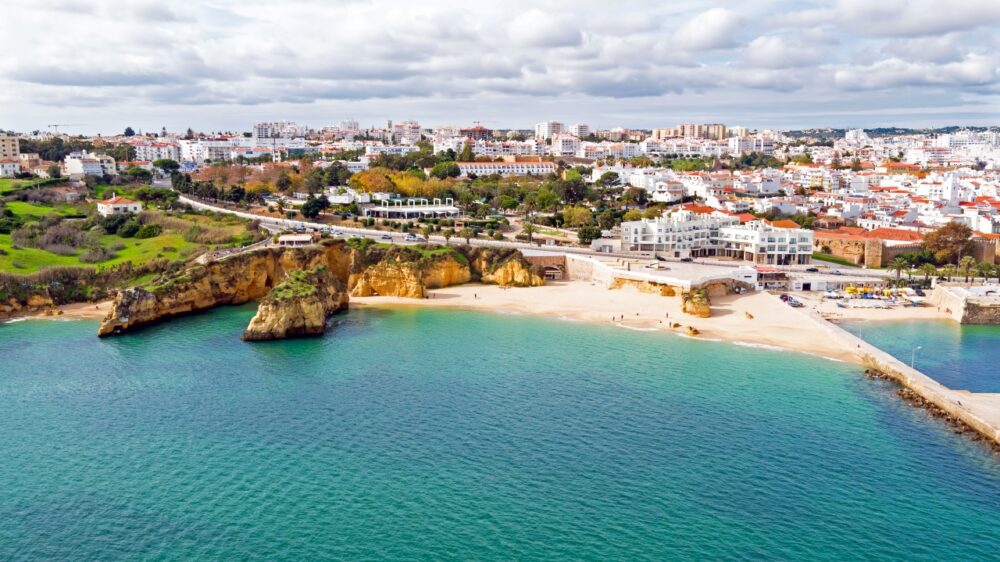
Lagos, in the western Algarve, is a different kind of Portugal trip entirely. I drove down from Porto on my last visit, and the shift was obvious within an hour of arriving. Gone were the tiled hillsides and grey river views, replaced by golden limestone cliffs, turquoise water, and a much more relaxed, beach-town pace. I’ve now been three times, twice in peak summer and once in the quieter shoulder season, and each trip gave me a slightly different read on the place.
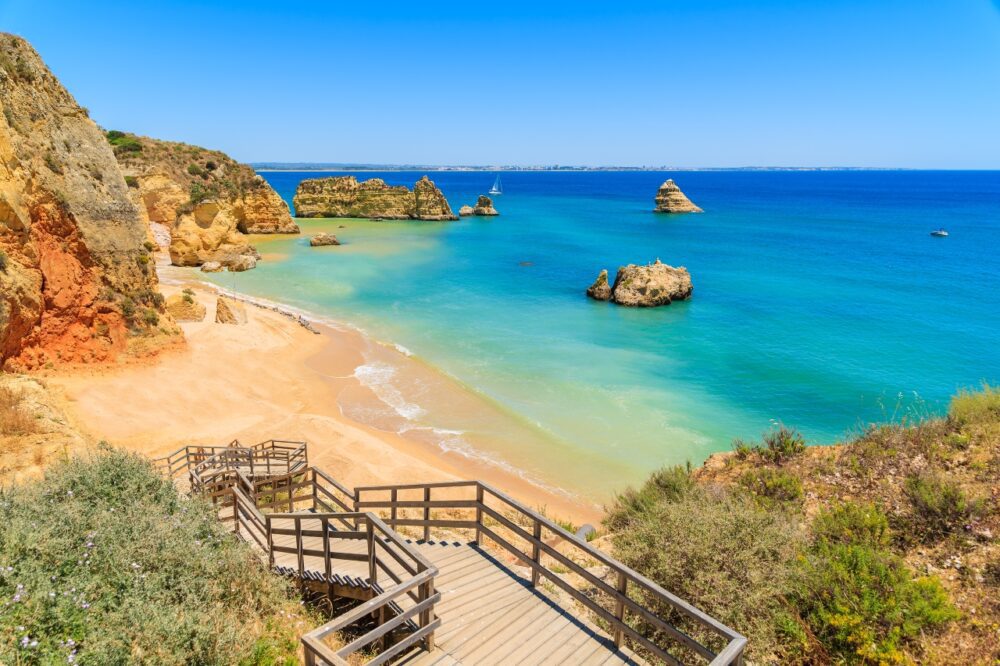
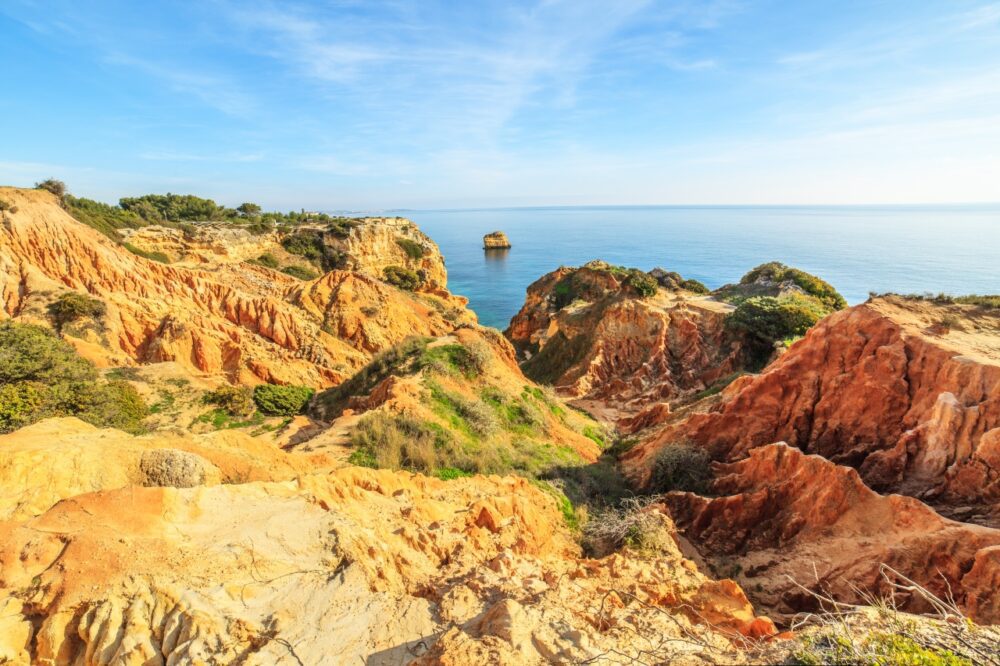
The town itself is small. A walled old town sits right by the marina, easy to cover on foot in an afternoon, but the real draw is the coastline. Praia Dona Ana and Praia do Camilo are two of the most photographed beaches in Portugal, tucked between orange cliffs with staircases carved down to the sand. Further out, the Ponta da Piedade headland has a network of sea caves and grottoes that you can only fully appreciate from the water, which is why I ended up on three separate boat trips across my visits, each showing me something the last one missed.
A lot of people ask if Lagos is worth visiting compared to the more built-up Algarve resort towns like Albufeira, or whether it’s just a summer party spot to skip. Having spent time in both, I think Lagos strikes a genuinely different balance, still lively at night, but built around a much older town with more character. Here’s what I’ve learned from three trips about where it delivers and where it falls short.
Table of Contents
Pros – Reasons Lagos is Worth Visiting
1. The Coastline Is Some of the Best in Portugal
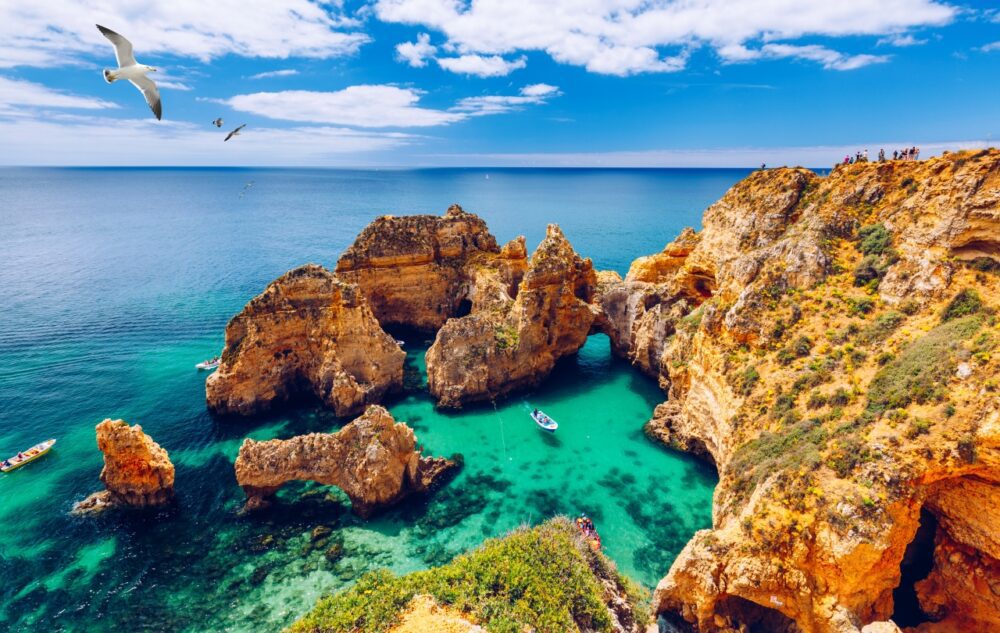
I’ve seen a lot of coastline across Portugal, and Ponta da Piedade still stands out. The cliffs here are streaked orange and yellow, carved by the sea into arches and hidden coves you can only reach by kayak or small boat. On my second trip, I took a two-hour kayak tour through the caves at Ponta da Piedade, and paddling into a sea cave with sunlight coming through a hole in the roof was one of the best things I’ve done on any trip in Portugal.
2. The Beaches Suit Every Type of Traveller
Praia Dona Ana and Praia do Camilo are compact and dramatic, good for a few hours of sunbathing between cliffs. Meia Praia, on the other side of town, is a long, wide stretch of sand better suited to families or anyone who wants space to spread out and doesn’t mind a flatter, less scenic setting. Having both types within a short walk or drive of each other means Lagos works whether you want postcard views or just room to relax.
3. The Old Town Has Real Character, Not Just Bars
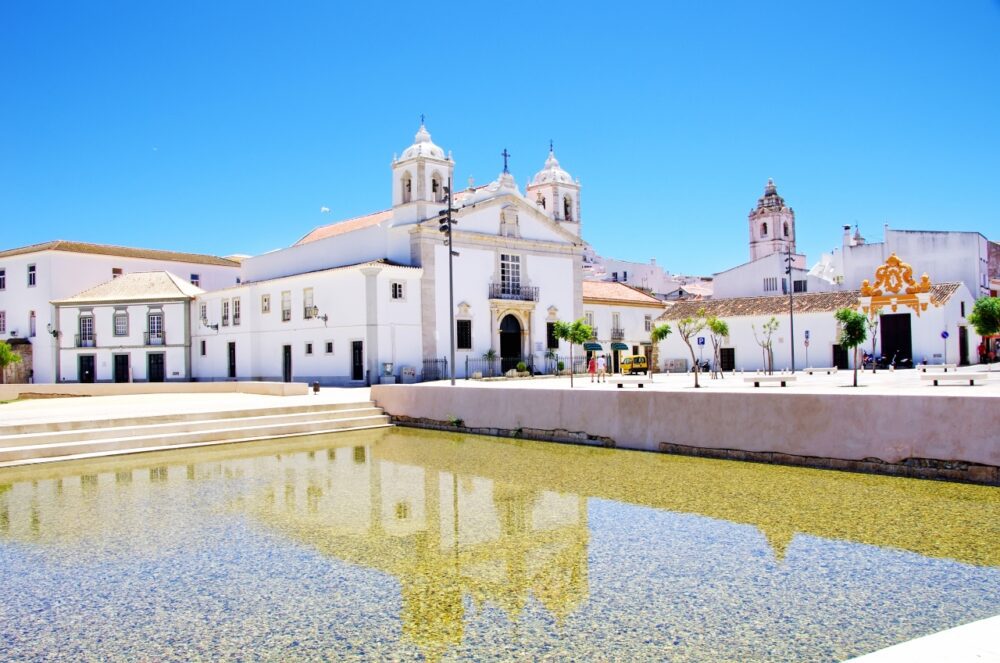
Yes, Lagos has a lively nightlife strip, but the old town itself, behind the 16th-century walls, is worth exploring in daylight too. Narrow cobbled streets, small squares, and the ornate interior of Igreja de Santo António surprised me with how much detail was packed into such a small space. I’d have skipped it on my first visit if a local hadn’t pointed me toward it, and it ended up being one of my favourite stops.
4. Boat Trips Here Are Genuinely Worth the Money
I’m usually skeptical of tourist boat trips, but the grotto tours out of Lagos marina are an exception. Whether you go by traditional boat, kayak, or stand-up paddleboard, seeing Ponta da Piedade from the water shows you a side of the coastline that’s completely invisible from the clifftop paths. Prices stayed reasonable across all three of my visits, even in peak summer.
5. It’s a Strong Base for Exploring the Western Algarve
Lagos sits close to Sagres, the dramatic, windswept point where mainland Europe ends, and to smaller towns like Salema and Burgau that see far fewer tourists. On my most recent trip, I used Lagos as a base and drove out to Sagres for a sunset at Cabo de São Vicente, one of the most striking coastal viewpoints I’ve seen anywhere in Europe.
6. The Food Leans Fresh and Simple
Grilled fish, cataplana (a seafood stew cooked in a copper pot), and simple grilled sardines dominate menus here, and the ingredients are clearly fresh given the town’s fishing history. Meals were noticeably cheaper than what I’d pay for similar seafood in more touristy parts of the Algarve, and portions were generous. A cataplana for two at a marina-front restaurant came in well under what I expected to pay.
7. It Has a Genuine Nightlife Scene Without Feeling Like a Resort
Rua Cândido dos Reis and the surrounding streets get busy after dark, with bars ranging from low-key wine spots to livelier late-night venues. It’s more energetic than most of Porto or central Lisbon at night, but it still felt contained within the old town rather than sprawling and impersonal the way some purpose-built resort strips do further along the coast.
Cons – Things to Consider Before Visiting Lagos
1. Summer Crowds Change the Character of the Town
I visited once in August and once in late September, and the difference was significant. In peak summer, the beaches fill up early, restaurants need reservations, and the old town streets get genuinely packed at night. If you want a calmer version of Lagos, aim for May, June, or late September, which is when I had my best overall experience.
2. Getting Down to Some Beaches Requires Stairs and Fitness
Several of the best beaches, including Dona Ana and Camilo, sit at the bottom of steep cliff staircases. It’s not a long climb, but it’s not nothing either, especially in midday heat carrying beach gear. I saw more than a few visitors struggling on the way back up. If mobility is a concern, Meia Praia is a flatter, easier alternative.
3. It Can Feel Disconnected From “Real” Portugal
Because Lagos leans so heavily into beach tourism, it can feel more like an international holiday town than a Portuguese one, especially compared to Porto or inland Alentejo towns I’ve visited. English is spoken everywhere, menus cater heavily to tourists, and prices in the most central spots creep closer to what you’d pay in a major resort destination. It’s still worth visiting, but go in expecting a beach town first and a cultural deep dive second.
Things to Do in Lagos
- Take a boat or kayak tour of Ponta da Piedade – The caves and arches are only fully visible from the water; this was the highlight of every trip I’ve taken here.
- Relax at Praia Dona Ana or Praia do Camilo – Both are compact, cliff-framed beaches that are worth the stair climb.
- Spend a few hours in the old town – Wander the walled streets and step into Igreja de Santo António for its detailed gilded interior.
- Walk or drive to Meia Praia – A long, flat beach that’s a good alternative if you want space and easier access.
- Day trip to Sagres and Cabo de São Vicente – About 35 minutes by car, and one of the most dramatic coastal viewpoints in Portugal.
- Try a cataplana – A classic Algarve seafood stew, best shared between two people at a marina-front restaurant.
- Visit the Lagos Slave Market Museum – A small, sobering museum addressing the town’s role in early European colonial history; worth the 20 minutes it takes.
- Stroll the marina at sunset – A relaxed way to end the day, with good views back toward Ponta da Piedade.
- Explore Rua Cândido dos Reis at night – The main strip for bars and restaurants if you want to see the town’s livelier side.
- Take a day trip to Salema or Burgau – Smaller, quieter coastal villages nearby that show a slower-paced version of the western Algarve.
Where to Stay in Lagos
- Old Town (inside the walls) – The most atmospheric base, walkable to the marina and nightlife, though it gets loud on summer nights.
- Marina area – Central and convenient, with easy access to boat tours and restaurants, but rooms here book up fast in peak season.
- Meia Praia – A quieter, more spread-out area near the long beach, good for families or anyone who wants distance from the nightlife.
- Porto de Mós – Closer to Dona Ana and Camilo beaches, ideal if beach access is your top priority over nightlife or the old town.
- Just outside Lagos (Almádena or Espiche) – Better value and quieter, but you’ll want a car since it’s a short drive rather than a walk into town.
Getting Around Lagos
Lagos itself is small enough to walk almost everywhere within the old town and marina area, and that’s how I got around on all three visits without much issue. For beaches slightly further out, like Meia Praia, a short walk or a quick taxi does the job. A small tourist train also loops between the town centre and some of the closer beaches, which I found useful once with tired kids in tow on a family trip with relatives.
For day trips to Sagres, Salema, or Burgau, a rental car is genuinely the best option. Bus connections exist but run infrequently, and I found the flexibility of driving myself worth the cost, especially for catching sunset at Cabo de São Vicente without worrying about the last bus back. If you’re staying centrally and not planning day trips, though, I wouldn’t bother renting a car; parking in the old town is limited and walking covers everything you need.
Conclusion
So, is Lagos worth visiting? For a beach-focused trip in Portugal, yes, and honestly it’s become one of my favourite stops in the country. The coastline around Ponta da Piedade alone justifies the trip, and having a proper old town with real history to explore, rather than just a strip of hotels, sets it apart from some of the more built-up Algarve resorts I’ve visited.
The summer crowds and the stairs down to the best beaches are worth planning around, and it’s fair to go in expecting a beach town first, cultural destination second. But if you time it right, ideally shoulder season, and mix in a day trip to Sagres, Lagos delivers one of the more memorable coastal experiences in Western Europe. I’d recommend at least three or four days here, longer if you want to explore the smaller villages nearby at a relaxed pace.