
Is Ankara worth visiting? Yes, absolutely. Ankara surprised me more than I expected. Many travellers focus on Istanbul or the coastal resorts, but I found Ankara offered a different side of Turkey. I enjoyed exploring its historic sites, visiting excellent museums, and learning more about the country’s modern history. It felt authentic, less crowded, and gave me a deeper understanding of Turkey beyond its most famous tourist destinations.
Ankara is the capital of Turkey and the second-largest city in the country. Located in the heart of Anatolia, it serves as Turkey’s political and administrative centre. While it may not have the same international fame as Istanbul, Ankara is home to important landmarks, fascinating museums, ancient ruins, and vibrant local neighbourhoods. It is also where visitors can learn more about the life and legacy of Mustafa Kemal Atatürk, the founder of modern Turkey.
In this guide, I’ll cover the top reasons why Ankara is worth visiting and share some useful travel tips and advice to help you plan your trip. Whether you’re interested in history, culture, museums, or discovering a more local side of Turkey, keep reading to discover the many reasons why Ankara is worth visiting.
Table of Contents
Top Reasons You Should Visit Ankara
1. A City with a Rich History and Cultural Significance
Ankara may not be as famous as Istanbul, but it has played a crucial role in Turkey’s history. As the country’s capital, it is the political and administrative centre of Turkey, but its past stretches back thousands of years. From ancient civilisations to the foundation of modern Turkey, Ankara offers a fascinating journey through history, with archaeological sites, museums, and monuments that highlight its importance.
One of the city’s most iconic landmarks is Anıtkabir, the mausoleum of Mustafa Kemal Atatürk, the founder of modern Turkey. Visiting this grand memorial was a powerful experience, as it not only honours Atatürk’s legacy but also showcases the country’s journey towards independence and reform. Another must-see is the Roman Temple of Augustus, a well-preserved ruin that serves as a reminder of Ankara’s ancient past. Walking through the historic streets of Hamamönü, with its restored Ottoman-era houses and traditional cafés, gave me a sense of the city’s deep-rooted history and evolving identity.
2. Home to One of the Best Museums in Turkey
For those interested in archaeology and ancient history, Ankara is home to one of the most impressive museums in Turkey—the Museum of Anatolian Civilisations. This award-winning museum houses a vast collection of artefacts from Anatolia’s many ancient cultures, including the Hittites, Phrygians, and Urartians, making it a must-visit for history lovers.
I spent hours exploring the museum’s exhibits, which included intricate carvings, bronze sculptures, and beautifully preserved relics from thousands of years ago. The way the artefacts were displayed, combined with the detailed explanations, helped me understand how these early civilisations shaped the region. One of the highlights was the Hittite Sun Disc, a stunning symbol of an ancient empire that once ruled central Anatolia. The museum’s location in a restored Ottoman-era building added to the experience, making it feel like a journey through both ancient and more recent history.
3. A More Authentic and Less Touristy Atmosphere
Unlike Istanbul, which is often crowded with tourists, Ankara offers a more relaxed and authentic experience. As the country’s capital, it is primarily a city of locals, students, and government officials rather than tourists, which means visitors can explore without the usual crowds and inflated prices found in more popular destinations.
One of the things I enjoyed most about Ankara was the chance to experience daily Turkish life without the distractions of mass tourism. Walking through the city’s markets, I found local vendors selling fresh produce, spices, and handmade goods without the pressure to buy that you sometimes feel in more tourist-heavy areas. Even in popular spots like Kızılay Square, I noticed that the cafés and restaurants were filled with locals rather than tourists, giving the city a much more authentic atmosphere. If you prefer destinations where you can blend in and experience the culture as it truly is, Ankara is a great choice.
4. A Fantastic Food Scene with Local Specialities
Turkish cuisine is known for its rich flavours and diverse dishes, and Ankara has its own unique food culture that sets it apart from other cities. The capital is particularly famous for Ankara tava, a slow-cooked dish made with lamb, rice, and fragrant spices, as well as beypazarı güveci, a delicious meat and vegetable stew that originates from a nearby town. The city also has a thriving street food scene, with plenty of affordable and tasty options for those wanting to try traditional Turkish flavours.
One of my best meals in Ankara was a plate of iskender kebab, made with thinly sliced lamb topped with tomato sauce and served with buttered bread and yoghurt. The combination of tender meat and rich sauce made it one of the most satisfying meals I had in Turkey. I also tried simit, a sesame-covered bread similar to a bagel, which was perfect for a quick breakfast with a cup of strong Turkish tea. Whether dining in a traditional lokanta or grabbing a snack from a street vendor, Ankara offers an incredible food experience for all tastes.
5. A City with Green Spaces and Scenic Views
Despite being a major capital, Ankara has plenty of green spaces and scenic viewpoints where visitors can escape the urban environment. Parks, gardens, and hillsides offer beautiful spots to relax, walk, or enjoy panoramic views of the city, making Ankara a surprisingly pleasant place to unwind.
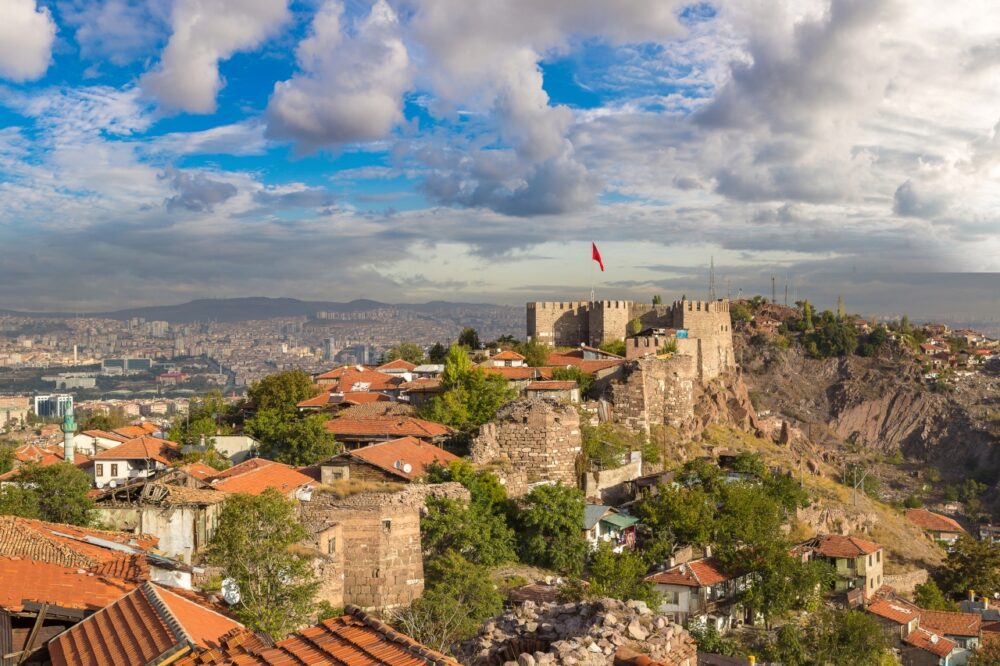
One of the best places to enjoy nature in the city is Gençlik Parkı, a large public park with fountains, walking paths, and a lake where you can rent small boats. Another great spot is Seğmenler Parkı, a peaceful green space popular with locals for picnics and afternoon strolls. For the best views of Ankara, I hiked up to Ankara Castle, an ancient fortress perched on a hill overlooking the city. The view from the top was breathtaking, with the contrast between the old town’s historic rooftops and the modern skyline creating a stunning scene. Whether you’re looking for a quiet retreat or a panoramic viewpoint, Ankara has plenty of scenic spots to enjoy.
6. Excellent Public Transport and Easy to Get Around
Ankara has a well-developed public transport system, making it easy to navigate the city without needing a car. The Ankaray metro, buses, and dolmuş (shared minibuses) provide efficient and affordable ways to get around, connecting major districts and attractions quickly and conveniently. Unlike some larger cities where transport can be chaotic, Ankara’s system is relatively easy to use, with clear routes and regular services.
I found the metro system particularly useful when travelling between different parts of the city. The Kızılay area, the main transport hub, made it easy to switch between metro lines and catch buses to further locations. The dolmuş minibuses were also an interesting experience—they operate more like shared taxis, picking up and dropping off passengers along the way, offering a cheap and flexible way to get around. Even taxis in Ankara were reasonably priced compared to other capital cities, making transport one of the more stress-free aspects of my trip.
7. A Great Base for Exploring Central Anatolia
Ankara’s central location makes it an ideal base for exploring other parts of Central Anatolia, a region rich in history and natural beauty. The city is well connected by road, rail, and domestic flights, making it easy to take day trips or longer excursions to some of Turkey’s most fascinating sites.
One of the best day trips from Ankara is to Cappadocia, famous for its unique rock formations, cave dwellings, and hot air balloon rides. While it takes around three to four hours to reach, the journey is well worth it for the chance to explore this otherworldly landscape. Another interesting destination is Hattusa, the ancient capital of the Hittite Empire, which is filled with impressive ruins, including temples, gates, and rock carvings that date back thousands of years. Closer to the city, Lake Tuz, one of the largest salt lakes in the world, offers a striking landscape with its bright white salt flats and mirror-like reflections.
Travel Tips for Visiting Ankara
What to Do in Ankara
Ankara does not get as much attention as Istanbul, but I enjoyed it more than I expected. It feels more local, less touristy, and offers a great mix of history, culture, and modern city life.
- Visit Anıtkabir, Atatürk’s Mausoleum – This was my favourite place in Ankara because it gives you a real understanding of modern Turkish history and has some impressive architecture.
- Take a Full-Day Cappadocia Tour from Ankara – If you only have time for one big day trip, I think this is the best choice. The landscapes feel like something from another planet.
- Explore Ankara Castle and the Old Town – I enjoyed wandering through the old streets around the castle and seeing a side of Ankara that feels very different from the modern city.
- Join a Private Ankara City Tour – This is a great way to learn about the city’s history and see the main sights without worrying about transport.
- Visit the Museum of Anatolian Civilizations with a Guided Tour – This was one of the highlights of my visit. The collection is excellent and helps bring Turkey’s long history to life.
- Take a Day Trip to Hattusa and Yazılıkaya – History lovers will enjoy this experience. Seeing the remains of the ancient Hittite capital was fascinating.
When to Visit Ankara
I think spring and autumn are the best times to visit Ankara. April, May, September, and October usually bring mild temperatures that are perfect for sightseeing. Summer can get quite hot, especially in July and August, although it is still a good time if you enjoy outdoor cafes and long days. Winter can be cold and snowy, which gives the city a different feel and often means fewer tourists. Personally, I would visit in May or September when the weather is comfortable and the parks are at their best.
How to Get to Ankara
Most visitors arrive through Ankara Esenboğa Airport, which has domestic and international flights operated by airlines such as Turkish Airlines, Pegasus, and SunExpress. The airport is around 30 kilometres from the city centre and is connected by airport buses, taxis, and private transfers. Ankara is also one of Turkey’s main rail hubs, with high-speed trains connecting it to Istanbul, Konya, and other major cities. Personally, I think the high-speed train from Istanbul is one of the easiest and most enjoyable ways to reach Ankara.
Where to Stay in Ankara
- Divan Ankara – A luxury hotel in the Çankaya district that offers excellent service and a convenient location.
- JW Marriott Hotel Ankara – One of the city’s most upscale hotels, located near business districts and shopping centres.
- Ankara HiltonSA – A reliable high-end option in Kavaklıdere with spacious rooms and great facilities.
- Hotel Ickale Ankara – A good mid-range choice close to many attractions and transport links.
- New Park Hotel Ankara – Located near Kızılay, this hotel offers good value and easy access to the city centre.
- Deeps Hostel Ankara – One of the best budget-friendly options for travellers who want a central location without spending too much.
Getting Around Ankara
Ankara has a good public transport network that includes metro lines, buses, and suburban trains. The AnkaraKart travel card makes using public transport simple and can be topped up at stations and kiosks throughout the city. Taxis are widely available and usually affordable by European standards. Personally, I found the metro the easiest way to get around because it avoids traffic and connects many of the main areas visitors are likely to explore.
How Long to Spend in Ankara
I think two to three days is enough for most visitors. That gives you time to visit Anıtkabir, explore the museums, see the old town, and enjoy some local restaurants. If you want to include day trips to places like Cappadocia or Hattusa, I would stay four to five days. Personally, I think Ankara works best as a short city break or as part of a longer trip around Turkey.
Conclusion
So, is Ankara worth visiting? Without a doubt. From its important historical landmarks and excellent museums to its local atmosphere and role in shaping modern Turkey, there are plenty of reasons to spend time here. Ankara offers a unique perspective on the country that many travellers miss. If you’re planning a trip to Turkey and want to explore beyond the usual tourist trail, Ankara is a city that deserves a place on your itinerary.