
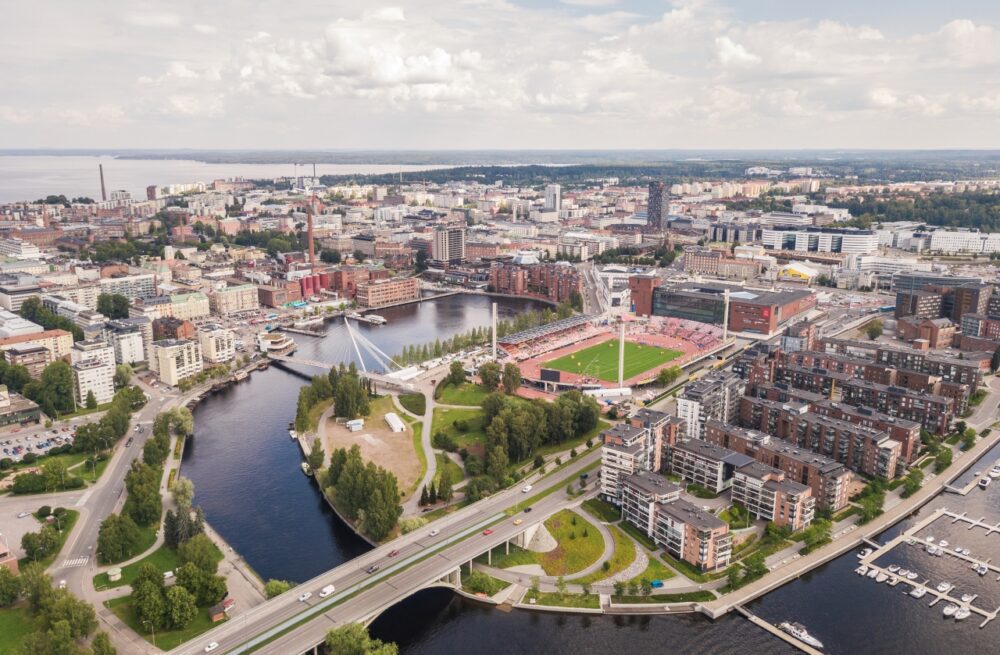
I ended up in Tampere almost by accident. I was planning a trip around Helsinki and a Finnish friend told me flat out, “you can’t understand Finland if you only see the capital.” She was right. I took the train up for what was meant to be a two-day stop and stayed for five, then came back again the following year to see it in winter. Tampere isn’t a city that shows up on many first-time Finland itineraries, and that’s a shame, because it might be the most authentic place I visited in the whole country.
Tampere sits between two lakes, Näsijärvi and Pyhäjärvi, connected by a set of rapids that once powered the city’s textile mills. That industrial history is still visible everywhere. Old red-brick factory buildings have been turned into museums, bars, and design studios, and the city has a working-class energy that Helsinki, with all its polish, doesn’t quite have. It’s Finland’s third-largest city, but it feels more like a big town, walkable, unpretentious, and full of students and locals rather than tour groups.
This guide is based on two separate trips, one in early autumn and one in the depths of winter, plus a lot of walking, a fair few saunas, and more than one plate of mustamakkara than I probably should admit to. If you’re wondering whether Tampere deserves a spot on your 2026 itinerary, or if it’s just a detour that eats into your Helsinki time, here’s my honest take, built from actually being there rather than skimming a tourist board’s website.
Table of Contents
Pros – Reasons Tampere is Worth Visiting
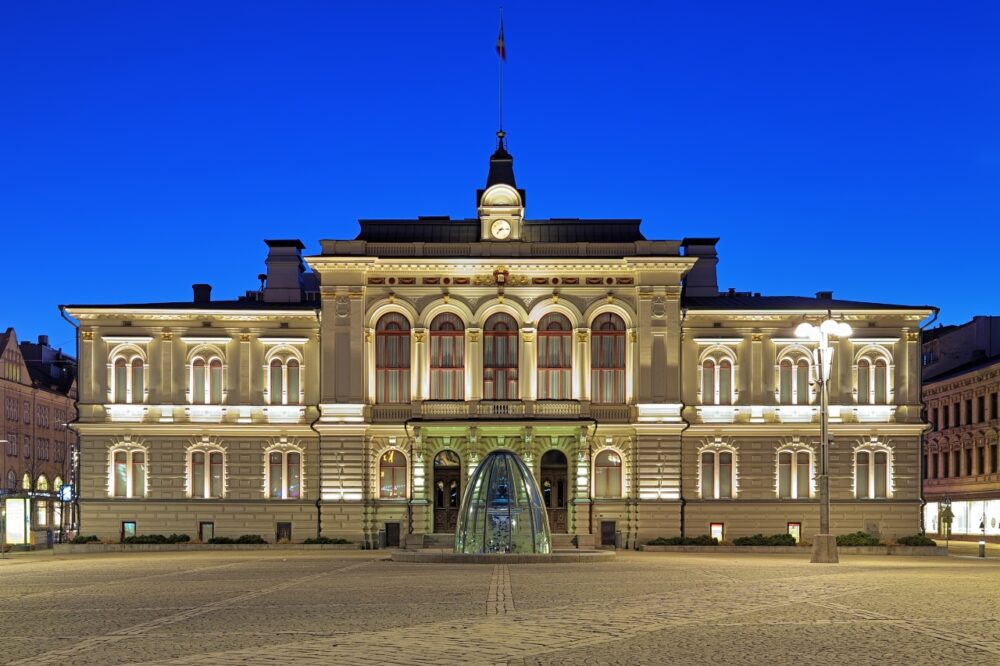
1. It’s the Sauna Capital of the World, and It Earns That Title
Helsinki has good saunas, but Tampere genuinely calls itself the sauna capital of the world, and after visiting Rajaportti, Finland’s oldest public sauna still in operation, I understood why. It opened in 1906 and still runs on wood-fired heat. I went on a Tuesday evening and sat shoulder to shoulder with locals who’d clearly been coming for decades. There’s also Kuuma, a rooftop sauna with lake views, if you want something newer and more polished. Either way, this is the real deal, not a tourist add-on.
2. The Lake Setting Gives You Nature Without Leaving the City
Tampere sits on a narrow strip of land between two big lakes, and you feel that everywhere you go. I walked up Pyynikki Ridge one morning, a forested esker that cuts through the city, and had views over both lakes at once from the observation tower. Twenty minutes of walking from the center and I was surrounded by pine forest with barely another person around. Few cities this size give you that kind of immediate access to real wilderness.
3. The Museum Scene Is Unexpectedly Strong
I’m not usually a big museum person on city trips, but Tampere changed that. The Moomin Museum houses the original artwork and models from Tove Jansson’s books, and even as an adult with no particular Moomin nostalgia, I found it genuinely well curated. Vapriikki, the old shoe factory turned into a sprawling museum complex, covers everything from local history to ice hockey, since Tampere is also considered the birthplace of Finnish ice hockey culture. I spent an entire rainy afternoon there and didn’t see everything.
4. Finlayson District Shows Industrial Heritage Done Right
The old Finlayson cotton mill complex, once the largest employer in Finland, has been converted into a mix of museums, cafes, shops, and event spaces without losing its character. I spent a slow morning wandering between the old brick buildings, stopping for coffee in a converted factory hall. It’s a good example of a city reusing its industrial past instead of demolishing it, and it gives Tampere a visual identity that feels distinct from anywhere else I’ve been in Finland.
5. Food Here Is Cheaper and Heartier Than Helsinki
I noticed the price difference almost immediately. A solid lunch in Tampere ran me noticeably less than the same meal would have cost in Helsinki. The local specialty, mustamakkara, a black sausage traditionally served with lingonberry jam at the Laukontori market square, is cheap, filling, and genuinely worth trying at least once, even if it sounds strange on paper. The food here leans hearty and unfussy rather than fine dining, which suited me fine after a day of walking.
6. It’s Compact Enough to See Properly in a Few Days
Tampere’s center is small enough that I covered most of it on foot within two days, without ever feeling rushed. That meant I actually had time to sit in a cafe and watch the rapids, rather than sprinting between sights the way I sometimes do in bigger cities. For a short trip, this compactness works heavily in the city’s favor, since you get a complete experience rather than a partial one.
7. The Local, Unpolished Feel Is Refreshing
Tampere doesn’t perform for tourists the way some cities do. Restaurants weren’t full of English menus aimed at visitors, and the bars near the university were full of students rather than travelers. I liked that. It gave me a much better sense of everyday Finnish life than I got in Helsinki, where the international crowd can sometimes flatten the local flavor. If you want a city that feels lived-in rather than curated, Tampere delivers.
Cons – Things to Consider Before Visiting Tampere
1. There’s Genuinely Less to Do Than in Helsinki
I’ll be honest, if you’re the type of traveler who wants a packed schedule of landmarks, Tampere will run out of obvious sights faster than Helsinki does. I comfortably covered the main attractions in two to three days on both trips. It’s not a criticism of the city so much as a practical planning note, this works best as a shorter stop or a slower, more relaxed few days rather than a jam-packed week.
2. Winter Really Limits Daylight and Outdoor Plans
My winter visit in January meant daylight from roughly 9:30am to just after 3pm. That’s a narrow window, and combined with genuinely cold temperatures, it shrank what I could comfortably do outdoors. The Pyynikki tower views and lake walks I loved in autumn were far less enjoyable in the dark and cold, so if outdoor time matters to your trip, timing this one carefully makes a real difference.
3. Public Transport Options Outside the Center Are Limited
Within the city center, getting around is easy, but I found that reaching some of the more spread-out attractions, like certain lake viewpoints or nearby nature spots, required more planning than I expected. Buses run less frequently than Helsinki’s trams and metro, and I ended up walking further than planned more than once simply because the connection didn’t line up. It’s manageable, but don’t expect Helsinki-level transit density.
Things to Do in Tampere
- Rajaportti Sauna – Finland’s oldest public sauna, still wood-fired and still full of regulars. I’d recommend a weekday evening visit for a quieter, more local atmosphere than weekends.
- Pyynikki Observation Tower – A short walk or bike ride from the center gets you to this forested ridge with views over both lakes. I also grabbed a donut from the cafe at the base, which locals insist is a required part of the visit, and they’re right.
- Moomin Museum – Even without childhood nostalgia for the books, I found the original artwork and detailed models genuinely impressive. Worth an hour or two regardless of your age.
- Vapriikki Museum Centre – A converted shoe factory now holding multiple museums under one roof, covering everything from natural history to Finnish ice hockey. Good value if the weather turns bad.
- Finlayson District – Wander the old cotton mill complex, now full of cafes, shops, and small museums. I recommend just strolling without a fixed plan and stopping wherever looks interesting.
- Tampere Cathedral – A striking Art Nouveau church with unusual, slightly unsettling frescoes inside. It’s smaller than Helsinki’s cathedral but more architecturally distinctive in my opinion.
- Laukontori Market Square – The best spot to try mustamakkara straight from a market stall, alongside fresh lake fish. I went twice in one trip, which tells you what I thought of it.
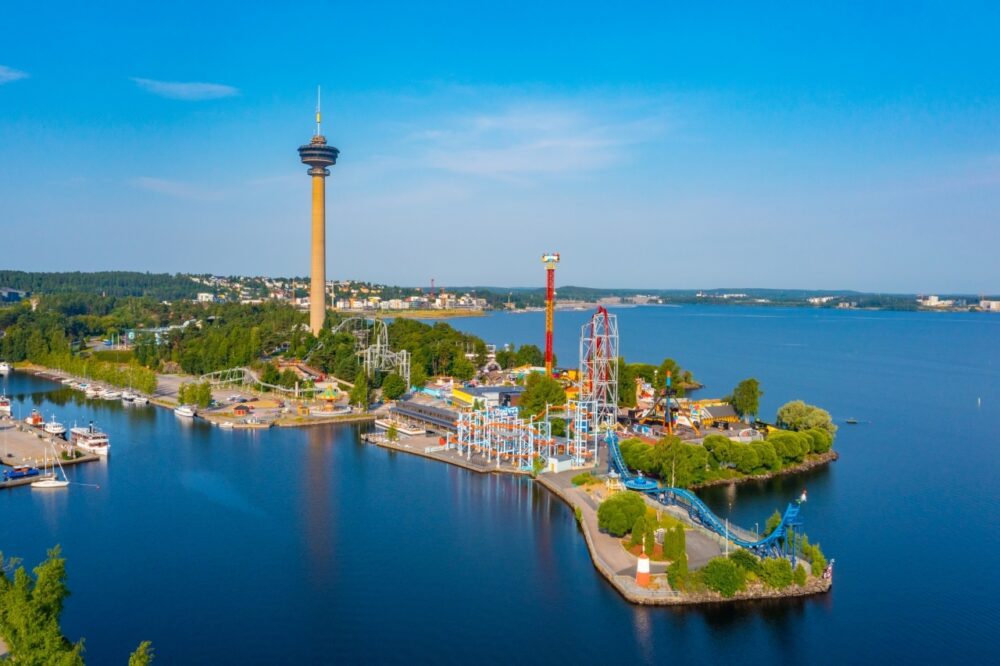
- Näsinneula Observation Tower– Part of the Särkänniemi amusement park, this tower gives sweeping views over the city and lakes, and there’s a revolving restaurant at the top if you want to make a meal of it.
- Kuuma Rooftop Sauna – A newer, more polished sauna experience with panoramic lake views, good if Rajaportti feels a bit too rustic for your taste.
- Walk or Cycle Along the Tammerkoski Rapids – The rapids running through the city center are genuinely pretty, especially lit up at night, and the walking path along them is one of my favorite short strolls in any Finnish city.
Where to Stay in Tampere
- City Center (near Tammerkoski) – The most convenient base, close to the rapids, main shops, and restaurants. I stayed here on my first trip and could walk to almost everything within fifteen minutes.
- Finlayson District – A bit quieter but still central, with a distinct industrial character and easy access to museums and cafes in the old mill buildings. Good if you want charm alongside convenience.
- Tammela – A residential neighborhood just east of the center, popular with students and known for its market hall. I’d recommend this for a more local feel at generally lower prices than the city center.
- Pyynikki – Closer to the ridge and observation tower, quieter and leafier, good for travelers who prioritize nature walks over nightlife.
- Near the Railway Station – Practical if you’re arriving by train and want minimal hassle, though it’s a bit less charming than the areas closer to the water.
Getting Around Tampere
Tampere is genuinely one of the easiest Finnish cities to walk across, and I did most of my sightseeing on foot across both trips. The center is compact enough that a good pair of shoes gets you further than most transit options will. That said, Tampere also runs a modern tram line that opened in recent years, connecting the city center to areas like the university hospital and outer neighborhoods, and I used it a couple of times when the weather turned or I wanted to save my legs.
Buses fill in most of the remaining gaps, particularly useful for reaching attractions slightly outside the walkable core, though I found the frequency lower than what I was used to in Helsinki, so checking timetables in advance saves frustration. Cycling is popular here too, and the city has a reasonable network of bike paths, especially along the lakeshores, which I’d recommend in summer or early autumn. In winter, I stuck to walking and the tram, since icy pavements made cycling far less appealing. Overall, you won’t need a car here, and honestly, for a city this size, you might not need much beyond your own two feet and an occasional tram ride.
Conclusion
So, is Tampere worth visiting? After two trips in very different seasons, I’d say yes, particularly if you want to see a side of Finland that feels less curated for tourists than Helsinki. The sauna culture alone justifies a stop here, and the combination of lakes, forest, and repurposed industrial architecture gives the city a character that’s genuinely different from the capital, even though they’re only about ninety minutes apart by train.
The cons are worth taking seriously though. This isn’t a city that fills a week on its own, winter cuts your daylight and outdoor options significantly, and getting to sights outside the compact center takes a bit more planning than in a bigger city. My honest recommendation is to treat Tampere as a two-to-four day addition to a wider Finland trip rather than a standalone destination. Do that, time it around the season that matches what you want, and I think you’ll come away, like I did, appreciating it more than you expected to going in.