
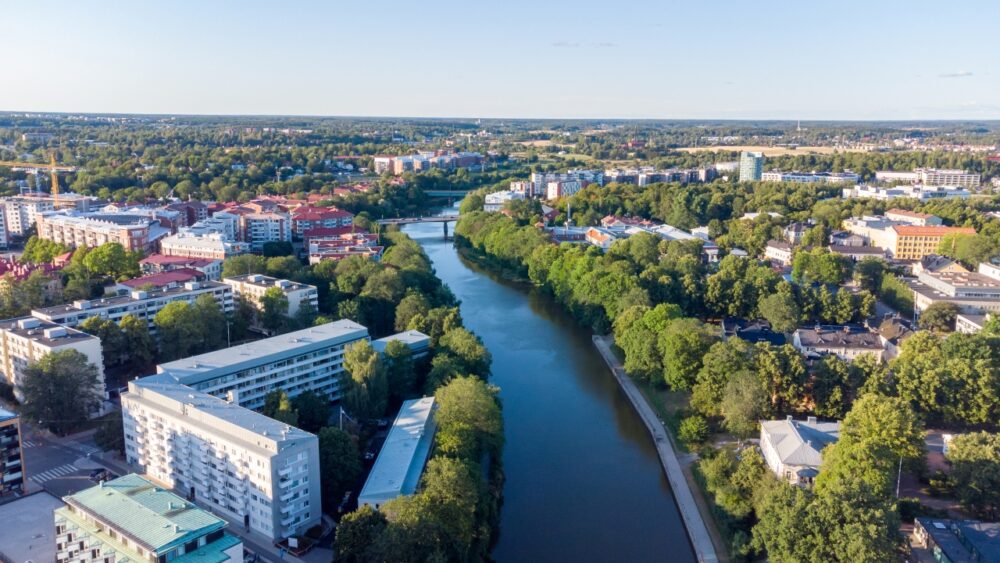
I added Turku to my Finland trip almost as an afterthought, a stopover between Helsinki and the ferry to Stockholm. I figured I’d get a night there, see the castle, and move on. Instead I ended up staying three nights, missed my original ferry booking on purpose, and came back again the following summer for the Archipelago Sea. Turku is Finland’s oldest city, and it wears that history in a way that neither Helsinki nor Tampere really does. Walking along the river at dusk, past the cathedral spire and the old market square, it felt less like a Nordic capital and more like a small European university town that happened to land in Finland.
Turku sits at the mouth of the Aura River, on Finland southwest coast, and it was the country’s capital until 1812, when the seat of power moved to Helsinki. That history shows up everywhere, in the medieval castle guarding the harbor, in the cathedral that’s stood since the 13th century, and in a general sense that this city has been quietly important for a very long time. It’s also the gateway to the Archipelago Sea, one of the largest archipelagos in the world by island count, which turned out to be the real highlight of my second trip.
This guide comes from two visits, one focused on the city itself in early summer, and a second built almost entirely around island hopping through the archipelago. I’ve eaten in the market halls, slept in three different neighborhoods, and spent a full day getting mildly lost on a bike on one of the outer islands. If you’re trying to figure out whether Turku deserves your time in 2026, or if it’s just a ferry stopover, here’s what I actually found.
Table of Contents
Pros – Reasons Turku is Worth Visiting
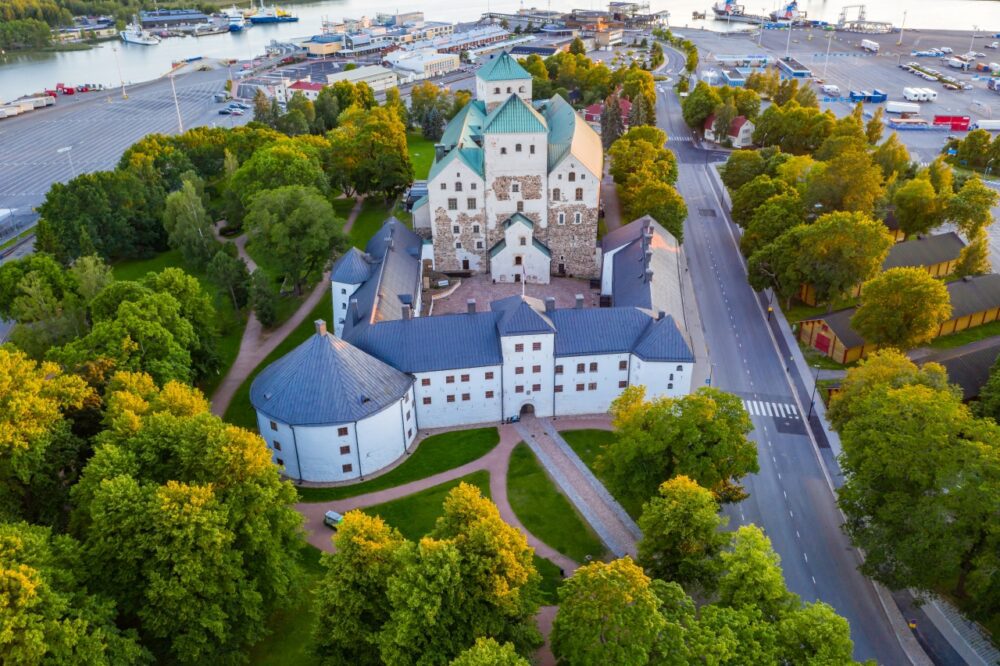
1. Turku Castle Is One of the Best-Preserved Medieval Castles in Scandinavia
I wasn’t expecting much walking in, but Turku Castle genuinely impressed me. Parts of it date back to the 1280s, and the guided route through the interior takes you through everything from medieval banquet halls to Renaissance-era rooms. It sits right at the harbor mouth, so you get the castle and the working port in the same view, which gives it a different feel from a castle sitting isolated on a hill somewhere. I spent close to three hours there and didn’t feel like I was dragging it out.
2. The Archipelago Sea Is a Genuinely World-Class Experience
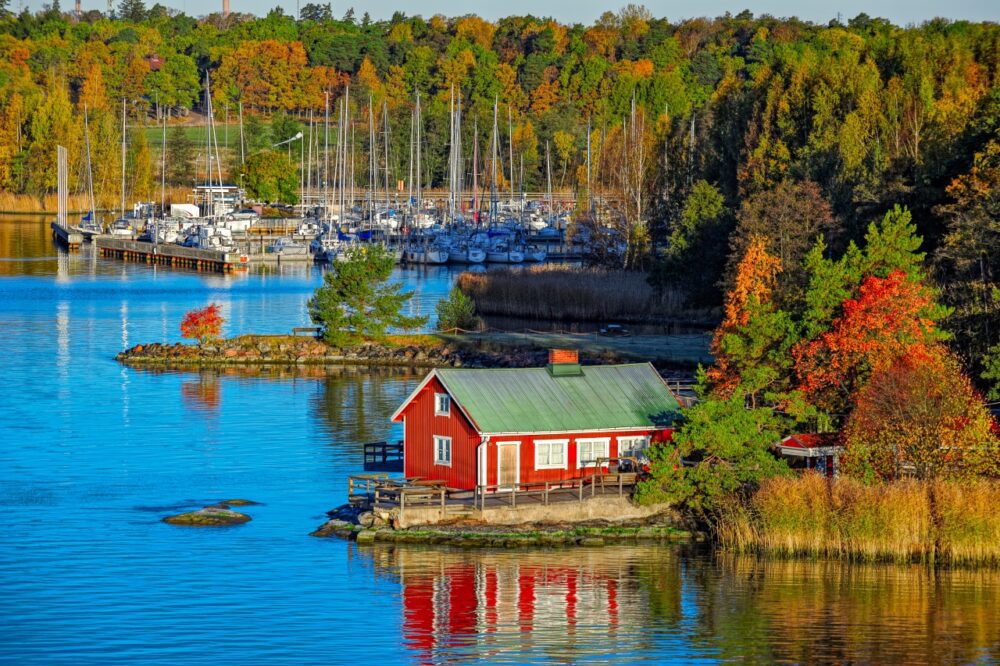
This is the reason I went back. The Archipelago Sea stretches out from Turku’s coast and includes tens of thousands of islands, many connected by small ferries that are free and run on a regular schedule. I rented a bike on Nagu and spent a full day riding between tiny villages, stopping for smoked fish at a harbor cafe with maybe a dozen other people around. If you only do one thing beyond the city itself, this is it. Nothing else I did in Finland matched the sense of quiet discovery I got out there.
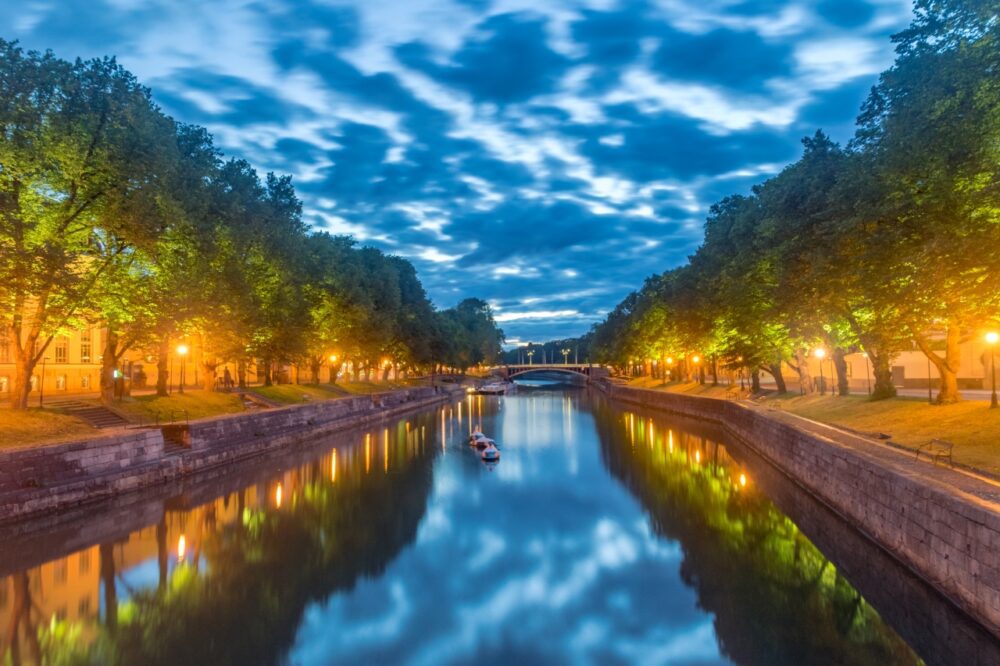
3. The Riverside Setting Makes the City Genuinely Pleasant to Walk
The Aura River cuts straight through the center of Turku, and the paths along both banks are lined with old wooden boats turned into floating bars and restaurants. I spent several evenings just walking the riverside, stopping wherever looked good, and it never felt touristy in a bad way. It’s a small thing, but a city built around a walkable river tends to be a genuinely enjoyable place to spend a few unhurried days.
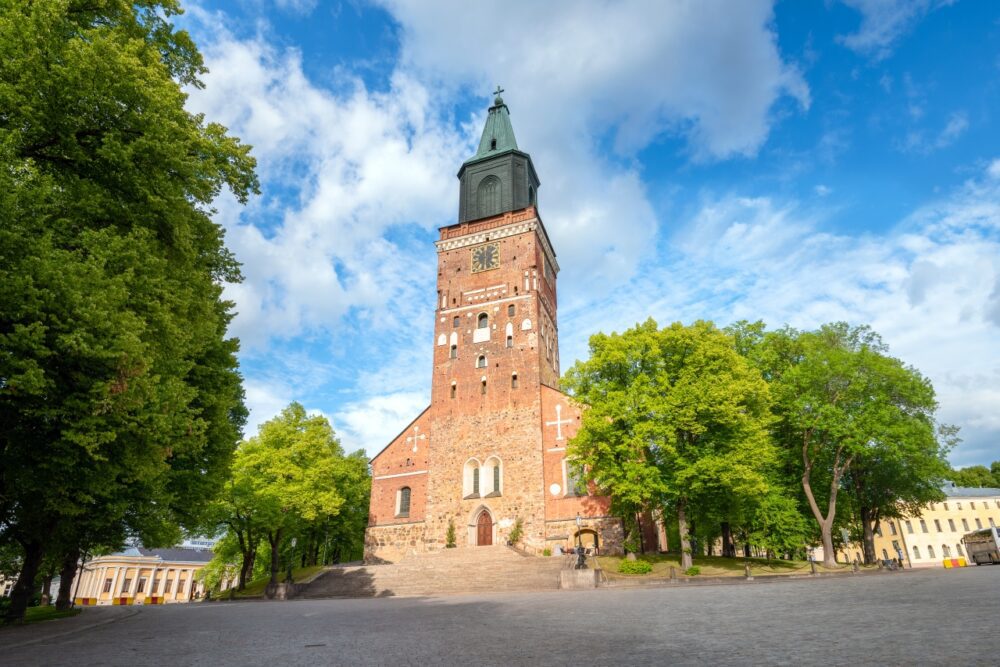
4. Turku Cathedral Anchors the City with Real Historical Weight
Turku Cathedral has stood since the 13th century and remains the most important church in Finland’s Lutheran history. I visited on a quiet weekday morning and had large parts of it almost to myself. The museum inside covers the building’s various fires and reconstructions over the centuries, which gave me a much better sense of how much this single building has witnessed. It’s a genuinely moving stop, not just a photo opportunity.
5. The Food Scene Benefits from the Coastal and Archipelago Setting
Turku’s proximity to the sea shows up on every menu. I had some of the best smoked salmon of my entire trip at the riverside market, and the archipelago bread, a dense, dark rye traditionally baked to last through winter, is worth seeking out even if it sounds unusual. The Turku Market Hall, an indoor market rather than the outdoor square, was one of my favorite lunch stops in any Finnish city, cheaper and less crowded than similar spots in Helsinki.
6. It Has a Real University Town Energy
Turku is home to two major universities, and that shapes the city in a good way. There’s a genuinely lively bar and cafe scene, prices lean a bit more affordable than Helsinki, and the crowd on a weekend evening skews young and local rather than tourist-heavy. I found this made the city feel alive in the evenings without feeling like it was performing for visitors.
7. It’s an Easy, Scenic Base for Day Trips
Beyond the archipelago ferries, Turku makes a solid base for day trips to nearby towns like Naantali, home to the original Moomin World theme park, which I visited with a friend’s kids and genuinely enjoyed more than expected. The train and bus connections out of Turku are frequent enough that you can build a loose day trip without much planning, which isn’t always the case in more remote parts of Finland.
Cons – Things to Consider Before Visiting Turku
1. The City Center Itself Is Fairly Small
If your main goal is the city, not the archipelago, Turku can feel light on things to do after a day and a half. I covered the castle, cathedral, and riverside area comfortably within two days on my first trip, before I’d built in any archipelago time. Without the islands as part of your plan, this works better as a shorter stop than a standalone multi-day destination.
2. Ferry Schedules to the Archipelago Require Real Planning
The free inter-island ferries are fantastic, but they don’t run constantly, and missing one on a smaller island can mean a long wait for the next. I got this wrong once on my second trip and ended up with an unplanned two-hour stop on a tiny island with one cafe, which honestly turned out fine, but it could easily have been frustrating with tighter time constraints. Check schedules in advance if you’re building a tight itinerary around the islands.
3. Weather Has an Outsized Effect on the Best Parts of a Turku Trip
The archipelago and riverside experiences that make Turku special are heavily weather-dependent. My first visit had a rainy, grey stretch that made the island hopping far less appealing than it was on my sunny second trip. If your visit lines up with a poor weather window, especially outside peak summer, you’ll get a noticeably different, more indoor-focused version of the city than the one I’m describing here.
Things to Do in Turku
- Turku Castle – One of Scandinavia’s best-preserved medieval castles, with a genuinely engaging interior route through centuries of Finnish history. I’d allow at least two hours.
- Archipelago Ferry Island Hopping – Free inter-island ferries connect dozens of small islands. I rented a bike on Nagu and spent a full day riding between villages, and it remains one of my favorite travel days anywhere.
- Turku Cathedral – The most historically significant church in Finland, with a small museum covering its long and turbulent history. Worth visiting on a quiet weekday morning if you can.
- Turku Market Hall – An indoor market with excellent, affordable food stalls. I ate here more than anywhere else in the city, particularly for the smoked fish.
- Riverside Walk Along the Aura – A simple but genuinely lovely evening activity, with old wooden boats converted into bars and restaurants lining both banks.
- Naantali and Moomin World – A short trip from Turku, this coastal town and its Moomin theme park make a good half or full day out, especially if traveling with kids.
- Ett Hem or Sibelius Museum – I visited the Sibelius Museum, dedicated to Finland’s most famous composer, and found the collection of instruments genuinely interesting even without a strong background in classical music.
- Turku Art Museum – A solid collection of Finnish art in a striking granite building on a hill overlooking the city center, good for a couple of quiet hours.
- Ruissalo Island – A short bus ride from the center, this island has old wooden villas, a botanical garden, and quiet beaches, and it’s where a lot of locals go to relax rather than tourists.
- Föri Ferry Crossing – A tiny, free ferry that shuttles across the river in the city center. It’s a small thing, but it’s been running since the 1900s and taking it is a quick, charming way to get a feel for the city’s everyday rhythm.
Where to Stay in Turku
- City Center (near the Market Square) – The most convenient base, close to the cathedral, market hall, and riverside. I stayed here on my first trip and could walk to almost everything.
- Aura Riverside – Slightly quieter than the main square but still central, with easy access to the boat bars and restaurants along the water. Good for evenings spent wandering.
- Port Area (near the Castle) – Useful if you’re catching an early ferry to the archipelago or to Stockholm, though it’s a bit removed from the main restaurant and bar scene.
- Kupittaa – A more residential, university-adjacent area with generally lower prices, a reasonable tram or bus ride from the center. Good if budget matters more than proximity.
- Nagu or Another Archipelago Island – If you’re prioritizing the islands over the city, staying overnight on one of the larger archipelago islands, as I did on my second trip, gives you far more time there than a single day trip allows.
Getting Around Turku
Turku’s city center is small enough to walk almost entirely, and I did exactly that on both trips, only using transit when I wanted to reach Ruissalo Island or head out toward the port. The city runs a solid bus network that covers the areas just outside the walkable core, and I found it reliable enough, though obviously less extensive than what you’d get in a larger capital.
The real transportation highlight, though, is the archipelago ferry system. These free inter-island ferries run on published schedules and are genuinely one of the best free travel experiences I’ve had anywhere, connecting islands that would otherwise take a private boat to reach. I’d also recommend renting a bike if you’re spending a day on any of the larger islands like Nagu or Pargas, since distances between villages are often too far to comfortably walk but perfect for cycling. Within the city itself, the little Föri ferry across the Aura River is worth taking at least once just for the experience, even though it only takes about a minute. Overall, you won’t need a car for a Turku trip unless you’re venturing well beyond the archipelago ferry network.
Conclusion
So, is Turku worth visiting? Based on two trips built around very different priorities, I’d say yes, especially if you’re willing to build time in for the archipelago and not just the city center. On its own, Turku is a pleasant, walkable stop with real historical depth, the castle and cathedral alone justify a day or two. But it’s the Archipelago Sea that turns a good city stop into one of the more memorable travel experiences I’ve had in Finland.
The cons are worth weighing honestly. The city center itself runs out of sights faster than Helsinki or even Tampere, ferry schedules need real planning if you’re short on time, and weather has a bigger impact here than in most other Finnish cities. My honest take is that Turku rewards travelers who give it more than a single overnight stop, ideally with good weather and at least one full day set aside for the islands. Do that, and I think you’ll understand why I kept extending my time there instead of sticking to the plan.