Is Rovaniemi Worth Visiting? Honest Pros and Cons (2026)
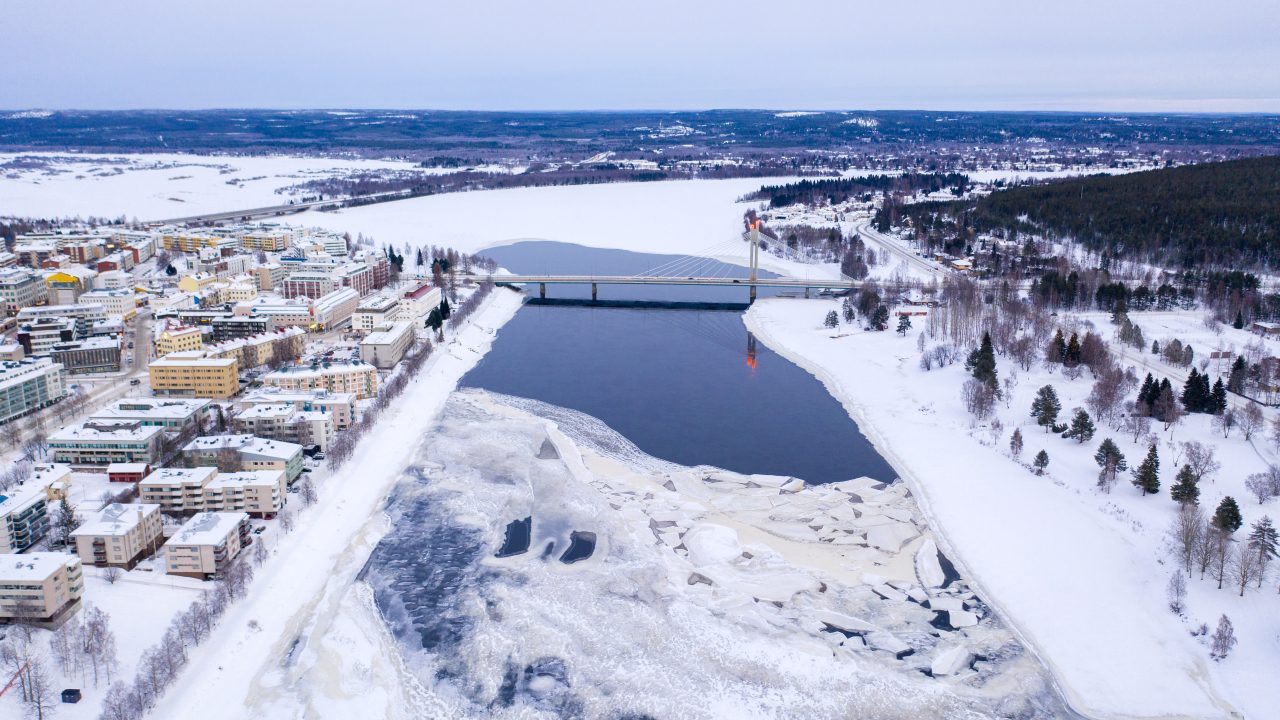
Rovaniemi is the city that sells itself with one name: Santa Claus. I expected a theme park town and a lot of tinsel. Instead, I found a snowy Arctic city with frozen rivers, pine forests and a night sky that kept me outside long after my fingers went numb. I spent three days here one winter, and I’d go back tomorrow.
Rovaniemi is the capital of Finnish Lapland, and it sits right on the Arctic Circle where the Kemijoki and Ounasjoki rivers meet. The Lapland War destroyed most of the town in 1944, and Alvar Aalto helped plan the rebuild. Today you get Santa Claus Village, husky sleds, reindeer, northern lights tours and some of the cosiest saunas in the country. Rovaniemi is worth visiting if you want a proper winter holiday, and you’re happy to plan around the cold and the cost.
In this guide, I’ll cover the best reasons to go and the drawbacks you should plan around. After that, you’ll find the best areas to stay, the top tours, the right season, how long to spend and the easiest ways to get around. By the end, you’ll know whether Rovaniemi suits your plans.
Pros of Visiting Rovaniemi
1. Santa Claus Village and the Arctic Circle
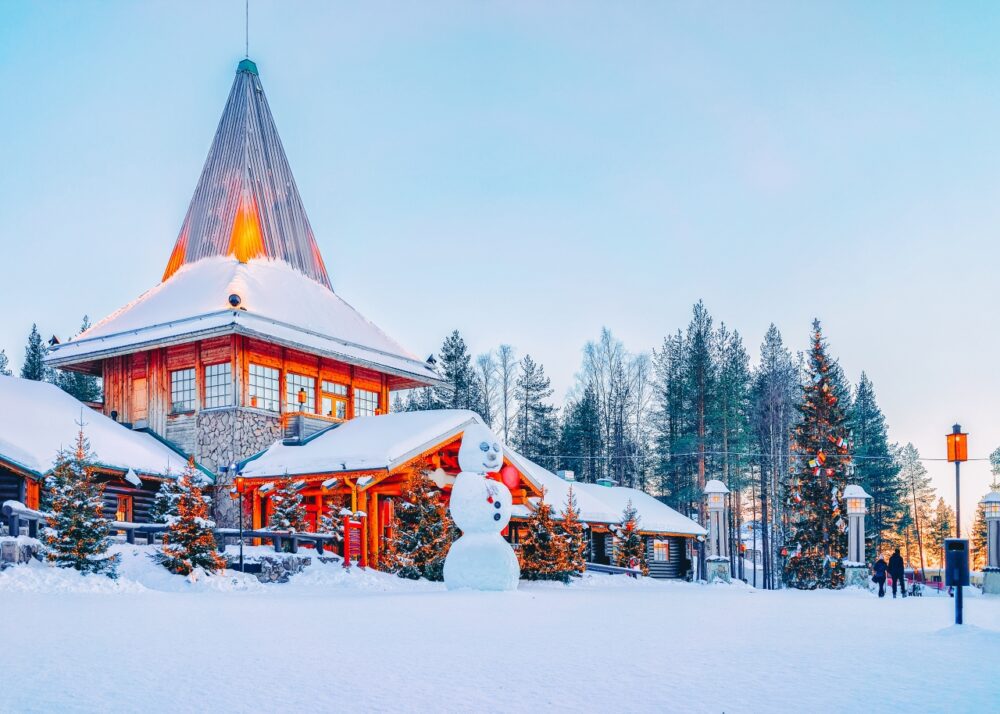
Santa Claus Village is the reason most people come, and it works better than I expected. You can meet Santa in the Christmas House (entry is free), post a card at the Santa Claus Main Post Office and walk across the Arctic Circle line. Staff at the Arctic Circle information point give you a crossing certificate. The village is open every day of the year, so you can visit in any season. I loved the festive lights against the snow.
Opening hours change through the year. From 4 January to 31 March, the Santa Claus Office opens daily from 9 am to 6 pm. In December, hours stretch from 8 am to 8 pm. Reindeer, husky and horse sleigh rides all start from the village. If you have children, the Snowman World entry ticket adds ice skating, an ice slide and an ice bar.
2. SantaPark
SantaPark is the village’s underground attraction, and it’s built inside a cavern. The theme is Santa’s home, and the park fills it with a magic train ride, an Elf School and an elf workshop. You can also go “under” the Arctic Circle and watch an elf show. Mrs Gingerbread runs a bakery too. I’m not a theme-park person, but the cavern setting made it feel different from the usual indoor kids’ zone. The park is wheelchair accessible, which is a nice bonus.
The park is seasonal. For the 2026 to 2027 winter, Santa and the elves reopen on 31 October 2026 at 10 am. Festive SantaPark dinners run on 24, 25 and 31 December. Buying the SantaPark entrance ticket in advance saves queuing. It suits families best, and you should allow two to three hours for the visit. Arrive at opening time, because the mornings are the quietest.
3. Northern Lights Hunting
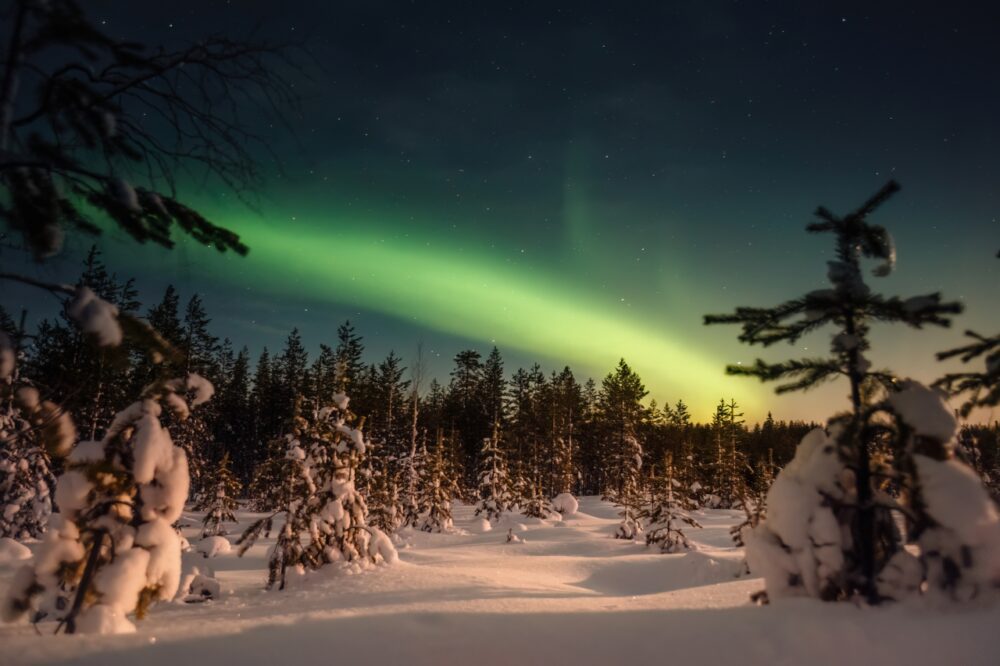
Rovaniemi is one of the easiest places in Europe to chase the aurora. The season runs from September to mid-April, and it peaks in September and March. In February, the lights are active for roughly half the month. December is actually the weakest month. I joined a guided hunt, because clouds decide everything. Local guides check live weather data and drive wherever the sky is clear. That beats standing in a car park and hoping. Even a short drive out of town can change your luck, because city lights wash out the sky.
Look for tours with a money-back promise. The Northern Lights tour with a 100% guarantee lasts five to eight hours, and the guides drive up to 200 km to find clear skies. It includes professional photos and winter gear. Dress in far more layers than you think you need, and bring a flask of something hot.
4. Husky and Reindeer Adventures
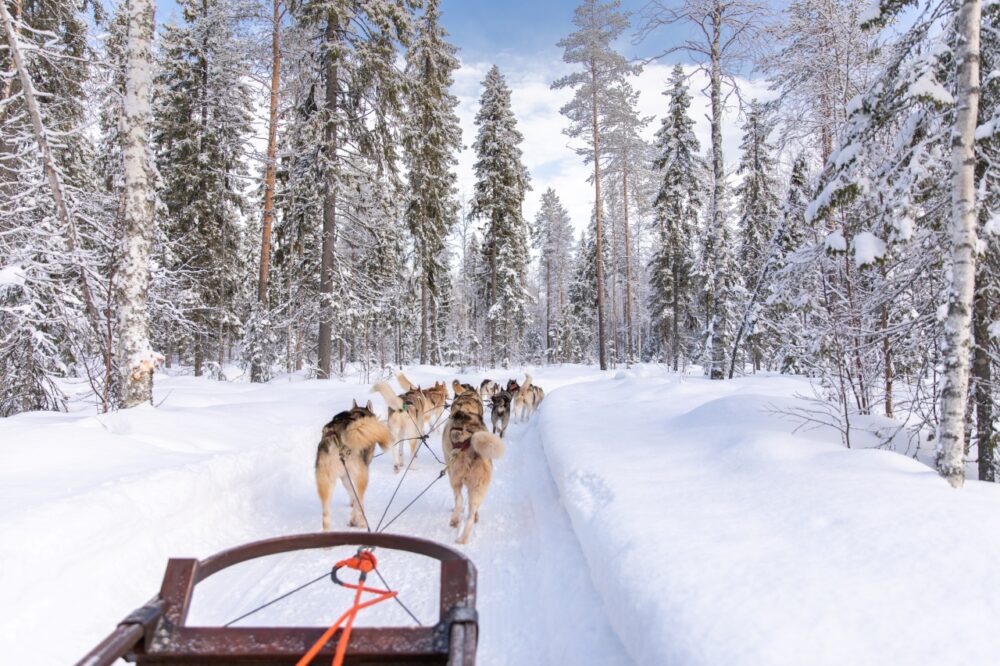
Sleds and sleighs are the classic Lapland experience, and Rovaniemi has plenty of farms that run them. Huskies are noisy, excitable and desperate to run. The moment the sled moves, the barking stops. Reindeer are the opposite. They are calm, gentle and slow. I did both in one trip, and the contrast was half the fun. Both give you a close look at animals that have shaped life in Lapland for centuries.
The husky sled ride and kennel visit lasts three hours. You meet the dogs, take a sled ride and warm up in a traditional kota. For something gentler, the reindeer sleigh ride includes a 500-metre sleigh ride and a talk from local herders. Hot juice and biscuits are included. Book early in December, because slots fill up fast. Wear your warmest gloves, since you’ll be sitting still outside for a while.
5. Snowmobile Safaris
Snowmobiling is the loudest and most thrilling way to see the wilderness. You ride in a line behind a guide through snowy forests and across frozen open ground. Many tours supply thermal overalls, boots and helmets, so you stay warm. I’m not a confident driver, but the machines are easy to handle at the group speed. The silent stops in the trees were my favourite moments. Bring your driving licence, because the driver usually needs one.
The Arctic snowmobile safari runs for three hours in small groups, with a maximum of five snowmobiles per guide. It includes hot drinks and snacks in the wilderness. You can share a machine with a friend and take turns driving, which keeps the ride fun for both of you. If you want something a bit different, try the ice karting experience, which lasts 1.5 hours on a 500-metre ice track.
6. Arktikum and the Culture Pass
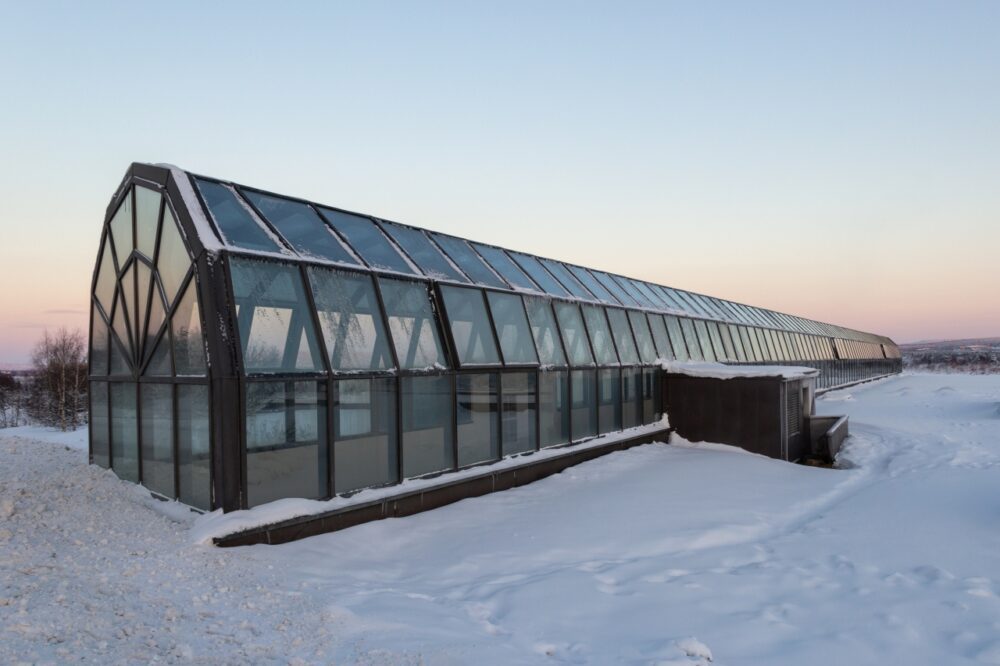
Arktikum is the best rainy-day, or rather freezing-day, activity in town. The science centre and museum sits by the river and explores the nature, history and culture of the Arctic. You learn how people have lived north of the Arctic Circle, and the building itself is a long glass tunnel that points toward the river. I spent a happy two hours there while the temperature dropped outside.
An adult ticket costs around €25, and a valid Museum Card gets you in free. The Arktikum entry ticket is easy to book in advance. The Culture Pass covers three attractions: Korundi House of Culture, Arktikum and Science Centre Pilke. It is valid for seven days, with unlimited visits. Korundi shows contemporary northern art, and Pilke focuses on forests and hands-on science. Check the opening hours before you go, because they change by season.
7. Aalto’s Rovaniemi
Rovaniemi has an unusual history. In 1944, the Lapland War destroyed about 90% of the town centre. Aalto’s office led the reconstruction, and the 1945 city plan has a branching shape like reindeer antlers. The plan was never completed in full, but you can still trace the shape on a map. I liked walking the streets with that in mind. It made the whole centre feel intentional.
The best Aalto buildings sit together in the civic centre, arranged in a fan shape around a square. The Rovaniemi City Library opened first, in 1965. Lappia Hall followed in 1975 and houses the theatre. City Hall was finished in 1986, after Aalto’s death. Visit Rovaniemi has more on the route. Entry to the square is free, and a visit takes about an hour. Aalto also designed apartment blocks and commercial buildings in town. Look for the bronze relief on Koskikatu 20, which shows the northern lights above a leaping salmon.
8. Ounasvaara Hill and Winter Sports
Ounasvaara is the green hill behind the city, and locals call it “Oukku”. It rises about 200 metres and sits only four kilometres from the centre. Dozens of kilometres of marked trails cover the slopes. In winter, you can ski, snowshoe or ride a fat bike. In late summer, locals pick bilberries. A viewing tower on the western slopes looks over the city, and the top at Juhannuskallio has views across the Kemijoki.
The Lapland Hotels Sky Ounasvaara sits right on the hill, with ski equipment hire on site and ski-to-door access. I took a short walk up the trail in the afternoon light, and the snow-covered pines were beautiful. Fat bikes and e-fat bikes are popular rentals in winter, and several companies offer them. Wear proper boots with grip. The hill is also a lovely spot for a quiet sunset walk when the weather is clear.
9. Jätkänkynttilä Bridge and the River Walks
Rovaniemi’s best-known landmark is a bridge. The Jätkänkynttilä Bridge, or Lumberjack’s Candle, is 320 metres long. The pylon tops look like sawn logs with an electric flame on each. It lights up at night, and it looks fantastic against the snow. I crossed it twice, once in daylight and once after dark. A 2.4 km paved loop crosses the bridge and returns over the Ounaskoski Bridge. It takes about 30 minutes.
The Kemijoki and Ounasjoki rivers meet near the centre, and the paths follow the banks. An 8 km loop crosses three bridges. The Koivusaari nature trail winds for about 2 km through the river delta on duckboards. In summer, you can rent SUP boards. Bring a hot drink in winter, because the wind on the bridge is strong. The walk is flat, paved and easy for any fitness level, so it’s a great first outing after you arrive.
10. Lappish Food and Winter Saunas
Lappish food is simple, hearty and warming. Sautéed reindeer with mashed potatoes and lingonberries is the classic. Salmon soup is everywhere. Look out for leipäjuusto, a squeaky fried cheese, served with cloudberries. Restaurant Nili in the city centre is known for alder-smoked salmon. For a novelty, Snowman World in Santa Claus Village has an ice restaurant and bar. Book ahead if you want a table.
After dinner, nothing beats a Finnish sauna. The Invisible Forest Spa includes the Wave Sauna, outdoor hot pools and a warm lunch. It lasts two hours, with pickup included. Hotel saunas are lovely too, and many apartments have a private one. After a day in the snow, a hot sauna felt like a reward. Leave time for a long dinner afterwards. Restaurants in the centre fill up on winter evenings, so a booking helps, particularly at weekends.
Cons of Visiting Rovaniemi
1. Very Cold, Dark Winters
Rovaniemi is well inside the Arctic Circle, and winter here is serious. January temperatures usually sit between -30°C and -15°C. In December, the sun doesn’t rise at all around the 21st and 22nd, and the city gets only about 2.5 hours of daylight in the month on average. The polar night is atmospheric, but it can feel short on time. I found the cold manageable with the right gear, and I was glad I’d packed well.
Dress in layers. Wear thermal underwear, a wool mid-layer, a windproof outer shell, insulated boots, a hat and mittens. Most tours supply thermal overalls and boots. If you don’t want to pack bulky gear, you can rent winter clothing sets for adults and kids. Carry hand warmers and keep your phone warm. Rovaniemi is still a great choice in winter.
2. Prices Add Up
Lapland is not cheap, and Rovaniemi in peak season is one of the most expensive places in Finland. Winter activities usually cost between €65 and €450. A husky ride or snowmobile safari costs around €90 to €130 per person. December is the priciest month for hotels, and prices stay high in January. Eating out adds to the bill, and a main course often costs €20 to €30.
There are ways to cut costs. Travel in February, March or November, when prices drop. Choose a self-catering apartment and cook a few meals. Many of the best sights are free, including the Christmas House, the Arctic Circle line, the bridge walks and Ounasvaara trails. The seven-day Culture Pass also saves money if you plan to visit several museums. Even with the bills, a Lapland trip is still worth it.
3. Peak Season Feels Crowded and Commercial
Santa Claus Village is a tourist attraction, and in December it feels like one. Coach parties arrive in waves, and queues for Santa and the shops build up. The area is full of gift stores and souvenir stalls. If you want a quiet wilderness break, the village in peak week can feel more like a festival than a retreat. I visited outside the busiest weeks and found it far calmer.
You can beat the crowds with timing. Go early in the morning or late in the afternoon. Visit in January, February or March instead of mid-December. Book activities in advance so you don’t waste time in queues. If you want real peace, head into the forest. The Korouoma Canyon frozen waterfalls hike takes a small group of up to eight people into the wilderness, and a wilderness barbecue is included.
4. The Northern Lights Aren’t Guaranteed
The aurora is the big promise of a Lapland winter, and it isn’t a sure thing. Clouds can block the sky for days, and the lights depend on solar activity. December has the worst chances, and April is poor because the nights get bright. Some visitors spend a short trip under grey skies. I treated the lights as a bonus rather than the main plan, and that kept me relaxed.
Give yourself the best odds. Stay at least three nights, and choose a month when the lights are most active, such as September, February or March. Book a hunt early in your trip, so you can try again if the first night fails. The small-group aurora hunt has a maximum of eight guests and a full refund if you don’t see the lights.
5. Sights Are Spread Out
Rovaniemi is small, but the main attractions are not in one place. Santa Claus Village, SantaPark and the airport sit north of the city. Ounasvaara is to the east. The city centre sits between them, with Arktikum and the bridges. Walking in -20°C between them isn’t practical. The airport is only about 2 to 3 km from Santa Claus Village, but you need transport for almost everything.
Plan your days by area. Local bus line 8 runs to Santa Claus Village, and the Airport Express also stops there. Santa’s Express costs €7 for an adult return. Taxis are easy to find, but they cost more than the bus. Many tours include hotel pickup, which saves effort. I based myself in the centre and used pickups for most activities. The system works well once you plan for it.
Where to Stay
City Centre: This is where I stayed, and it’s the best base for a first trip. Restaurants, shops, the bus station, Arktikum and the Jätkänkynttilä Bridge are all within a short walk. Pickups for tours are easy, and the area has the best choice of places to eat. The downside is that the centre is a bus ride from Santa Claus Village. First Aparthotel Dasher is a good value pick, with family rooms and soundproofing. Jaakonkatu City Apartment is a well-rated mid-range apartment close to the centre. Original Sokos Hotel Vaakuna Rovaniemi on Koskikatu is the upscale option, with a sauna, restaurant and bar.
Santa Claus Village: Staying here puts you beside the Christmas House, the post office and the reindeer. It’s magical for families, and you can wander the village early in the morning before the crowds. The downside is that prices are high, and the centre is a bus ride away. Dinner options are limited. Santa Village Northern Lights Box is the cheapest pick, with a sauna and free parking. Santa Claus Holiday Village is a mid-range choice with a restaurant, sauna and family rooms. Glass Resort is the 5-star splurge, with a restaurant, sauna and hot tub.
Ounasvaara: This hilltop area east of the centre is quiet, wooded and popular with skiers. You have trails and slopes outside the door, and it’s calm at night. It’s about four kilometres from the centre, so you’ll rely on buses or taxis. Restaurants are few. Northern Lights Stay Apartments I is a budget pick with a terrace, ski storage and a tour desk. Lapland Hotels Sky Ounasvaara is a 4-star hotel with a sauna, restaurant and ski-to-door access. Blue River is a villa with a sauna and a private beach area, ideal for groups.
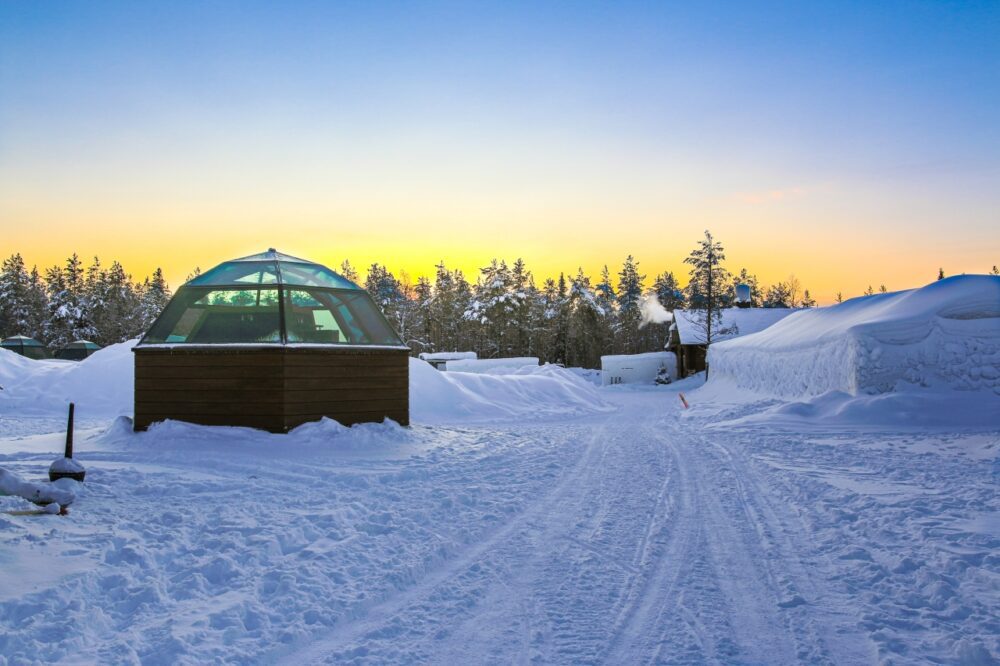
Wilderness Resorts: If you want igloos, yurts and private saunas, head out of town. These resorts sit in the forest, away from the lights, which makes aurora watching easy. The downsides are the cost and the distance. You’ll rely on transfers for everything. Yurt District offers luxury tents with a sauna and hot tub. Apukka Resort is a 4-star resort with a restaurant, sauna and hot tub. Halo Igloos Resort is the dream stay, with igloo accommodation, a restaurant, a sauna and a hot tub.
Best Things to Do
Rovaniemi has a good mix of wildlife, wilderness and cultural activities. These are the ones I’d put on a shortlist.
- Northern Lights tour with a guarantee: A five to eight hour hunt with local guides who track live weather data. They drive up to 200 km for clear skies. Professional photos and winter gear are included, and you get a refund if there are no lights.
- Arctic snowmobile safari: A three-hour ride through forest and open tundra. Groups are small, with a maximum of five snowmobiles per guide, and hot drinks are included.
- Husky sled ride and kennel visit: A three-hour trip with a sled ride, a kennel visit and a warm-up in a traditional kota. Pickup is included.
- Reindeer sleigh ride: A 2.5-hour trip with transport from the city. You meet the herders, take a 500-metre sleigh ride and warm up with hot juice and biscuits.
- Korouoma Canyon frozen waterfalls hike: A seven-hour small-group day trip with a maximum of eight guests. You walk past frozen waterfalls and eat a wilderness barbecue. Thermal overalls are provided.
- SantaPark entrance ticket: An underground world with a magic train, an Elf School and an elf show. The ticket is wheelchair accessible.
- Snowman World entry ticket: An ice and snow park in Santa Claus Village. You can ice skate, ride a slide on a tube and have a drink in the ice bar.
- Arktikum Science Centre and Museum: A day ticket for the Arctic science centre and museum. It’s wheelchair accessible and perfect on the coldest days.
- Invisible Forest Spa: A two-hour visit with the Wave Sauna, outdoor hot pools and a lunch. Robes, towels and slippers are included.
- Arctic ice karting: A 1.5-hour race on a 500-metre ice track. It’s a fun group activity for friends and families.
- RoKi ice hockey tickets: A three-hour evening watching Lapland’s local team. Hockey is the most popular sport in Finland, and the atmosphere is great.
- Santa Claus Village: Free to enter and open every day of the year. Meet Santa, cross the Arctic Circle and send a postcard from the village post office.
Best Time to Visit
Winter (December to March): I visited in winter, and it’s what most people picture. January is the coldest month, with temperatures between -30°C and -15°C. December has the polar night, with only two to three hours of daylight, and it’s the busiest and most expensive month. February is a sweet spot, with lower prices, around six to eight hours of daylight and active northern lights. March is one of the best months for the aurora, with 10 to 11 hours of daylight. Snowmobiles, huskies and reindeer all run through winter.
Spring (April to May): Spring is a quiet transition. April is milder, at around 5°C to 10°C, but the snow starts to melt, and the aurora season ends around mid-April. By May, temperatures reach 10°C to 20°C, and the days are very long. May Day celebrations arrive on 1 May. Snow activities wind down. It’s a good time if you want peace and low prices.
Summer (June to August): Summer is the midnight sun season. It starts around 6 June and runs into early July. July is the warmest month, at 20°C to 25°C, and it’s perfect for lake swimming, hiking and golf. Midsummer celebrations take place in June. Mosquitoes are the downside, especially in late June and July. August brings events such as the Simerock Music Festival and the Old Market Square Carnival.
Autumn (September to October): Autumn is underrated. Colours turn red and gold in September, which Finns call ruska. It’s one of the best months for the northern lights, and mosquitoes have disappeared. Prices stay reasonable. October is cooler, with little snow until late in the month. SantaPark reopens on 31 October 2026, so you can combine the colours and the first signs of Christmas.
How Long to Spend
1-2 Days: With one or two days, you can cover the highlights. Spend a morning at Santa Claus Village, cross the Arctic Circle and meet Santa. Add an afternoon at Arktikum or SantaPark, then join an evening aurora tour. It’s a rush, but it works. Use hotel pickups to save time.
3-4 Days: This is the ideal length, and I spent three days here. That gave me time for Santa Claus Village, a husky ride, a snowmobile safari, a night under the northern lights and a slow evening in a sauna. You can also fit in Arktikum, a walk across the Jätkänkynttilä Bridge and a hike on Ounasvaara. With three nights, you have more than one chance to see the aurora.
5-7 Days: With a week, you can slow down and explore the wider area. Take a day trip to Korouoma Canyon for the frozen waterfalls. Visit Ranua Wildlife Park, which is open daily from 10 am to 4 pm and has a polar bear among its 150 animals. Spend a night at a wilderness resort in an igloo or yurt. A week also gives you time to rest, read and enjoy the quiet Arctic days.
Getting Around
On foot: The city centre is compact, and you can walk between Arktikum, the bridges, the Aalto buildings and the main restaurants. A walk from the centre to the Jätkänkynttilä Bridge loop takes about 30 minutes. In winter, wear boots with good grip, because pavements can be icy. Distances feel longer at -20°C, so take regular warming stops.
Bikes: Rovaniemi offers city bikes, fatbikes, e-fatbikes and mountain bikes. Fatbikes and e-fatbikes are popular in winter, and several companies rent them. Check the equipment rental details on Visit Rovaniemi before you go. Fatbikes are great on the packed trails of Ounasvaara and the river paths. In summer, normal bikes make the bridge loop easy.
Buses: Local buses are run by Linkkari, and the main stop is on Ruokasenkatu. Use the Waltti Mobile app to see real-time bus times and buy discounted tickets. Line 8 runs to Santa Claus Village. Service is more frequent on weekdays than at evenings and weekends. You can pay by card or cash if seats are free. For longer trips, use the Matkahuolto app, or buy train tickets on VR.
Taxis: Taxis are easy to find in the city centre and at the airport. Use official companies such as Lähitaksi, Menevä, Santa Line or Taksi Rovaniemi. Ask about the fare before you set off, because longer trips can be expensive. A taxi from the airport to the centre costs about €25 to €35. Uber also operates in Rovaniemi, but it’s often more expensive.
To and from the airport: Rovaniemi Airport sits north of the centre. The Airport Express runs from the airport via Santa Claus Village to the city centre. A one-way adult ticket costs €8, and children aged 4 to 12 pay €4. Buses don’t take cash, so buy online or pay by card on board. Santa’s Express costs €7 for an adult return. If you’d like a driver, book a private airport or hotel transfer for up to seven people. Many hotels near the village run their own shuttles, so ask first. Travelling from Helsinki, you can fly or take an overnight train with VR.
So, is Rovaniemi Worth Visiting?
Yes, and it’s one of the easiest recommendations I can make. Rovaniemi gives you Santa Claus, huskies, reindeer, snowmobiles, northern lights, saunas and a snowy Arctic city, all within a short ride of the centre. It’s friendly, well organised and easy to enjoy even if you’ve never seen real snow. I never felt bored in three days, and I left wanting a fourth.
It isn’t perfect. Winters are very cold and dark, prices are high, and December gets crowded. The northern lights are never guaranteed, and the sights are spread out. Each of these has a simple workaround, so none of them should put you off. If you want warm weather and a party scene, Rovaniemi may feel quiet.
For a first visit, book three or four nights in winter and stay in the City Centre. Cross the Arctic Circle, try a husky ride, join a northern lights hunt and finish a day in a sauna. Add a day trip to Korouoma if you have time. Rovaniemi rewards travellers who love snow, wildlife and cosy evenings, and I’d happily go back.