
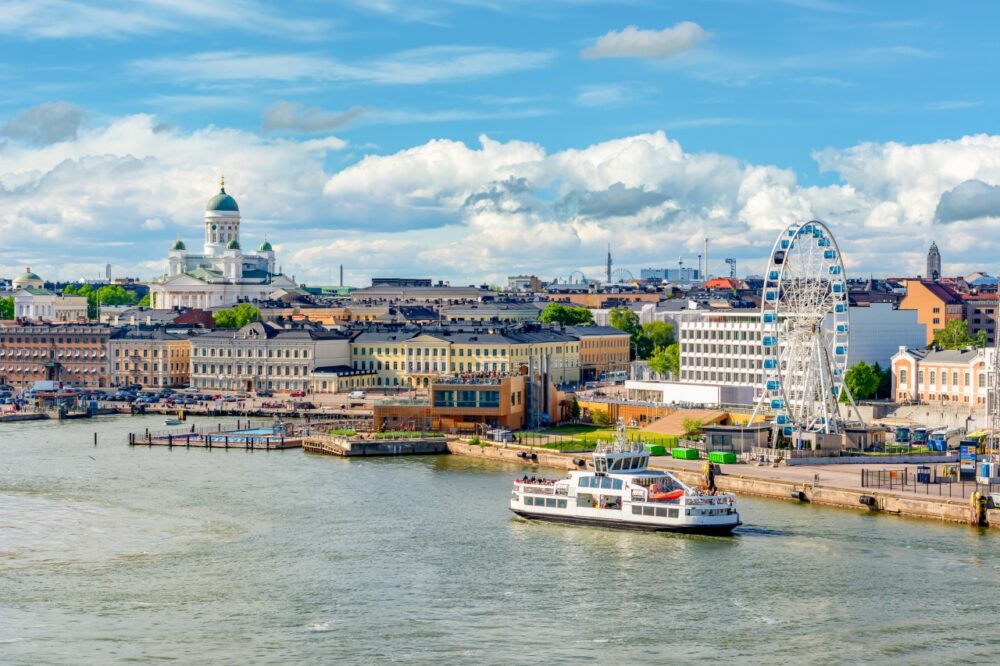
I spent nine days in Helsinki last spring, and I almost didn’t go. Everyone told me the same thing: it’s expensive, it’s cold, and Stockholm or Copenhagen would give me more “wow” for my money. I booked the trip anyway, mostly because I had a long layover to kill and a curiosity about a city I knew almost nothing about. By day three, I was rearranging my whole Baltic itinerary just to stay longer.
Helsinki isn’t a city that grabs you by the collar. It’s quiet, a little reserved, and doesn’t try to sell itself the way Paris or Rome does. But that’s exactly what makes it interesting. It’s a working capital, not a theme park version of one. The design shops sit next to fish markets, saunas are tucked into office basements, and half the population seems to disappear into a nearby forest the moment the sun comes out.
This guide isn’t a rehash of a tourist brochure. It’s based on what I actually saw, ate, paid for, and struggled with while I was there, plus two return trips since. I’ll walk you through the real pros and cons, what to do, where to stay, and how to get around, so you can decide for yourself whether Helsinki deserves a spot on your 2026 itinerary. If you’ve been asking “is Helsinki worth visiting,” here’s my honest answer, built from time on the ground rather than a quick skim of someone else’s list.
Table of Contents
Pros – Reasons Helsinki is Worth Visiting
1. The Design and Architecture Are Genuinely World-Class
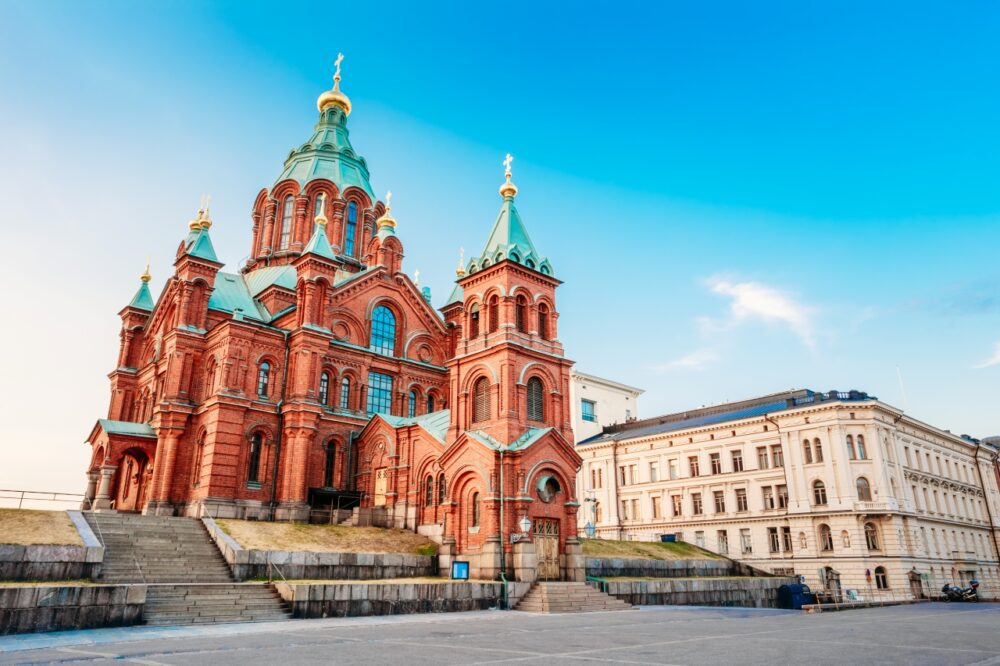
Helsinki is a UNESCO City of Design, and it shows the moment you step off the ferry. I spent an entire afternoon just walking between the neoclassical white facades around Senate Square and the granite Art Nouveau buildings in Katajanokka. The contrast between old and new is where it gets interesting though. Amos Rex, the underground art museum with the bulging domes poking out of the pavement, looks like nothing else I’ve seen in Europe. If you care about architecture even a little, this city rewards slow walking more than any checklist of sights.
2. Sauna Culture Is Not a Gimmick Here
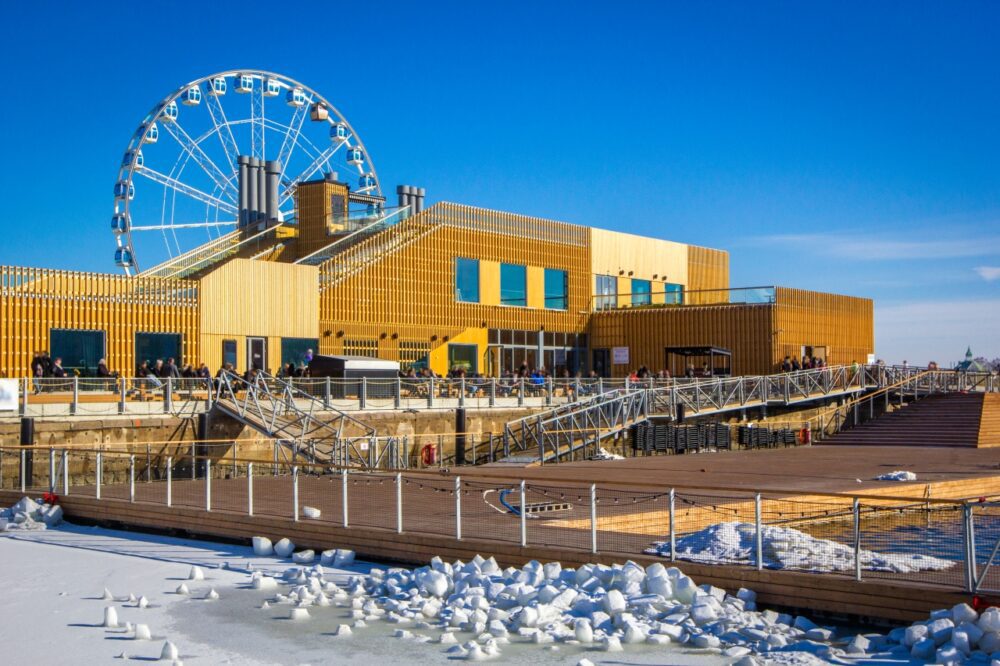
I’d tried saunas before in gyms and spas, but nothing prepared me for the real thing in Helsinki. I went to Löyly, a wooden sauna complex right on the waterfront, and finished the night by jumping into the Baltic Sea in April. Locals do this without blinking. There are public saunas, private ones, and even a sauna tram that loops through the city center. It sounds like a novelty, but after two rounds of heat and cold water, I understood why Finns build entire social lives around it.
3. Nature Is Never More Than a Tram Ride Away
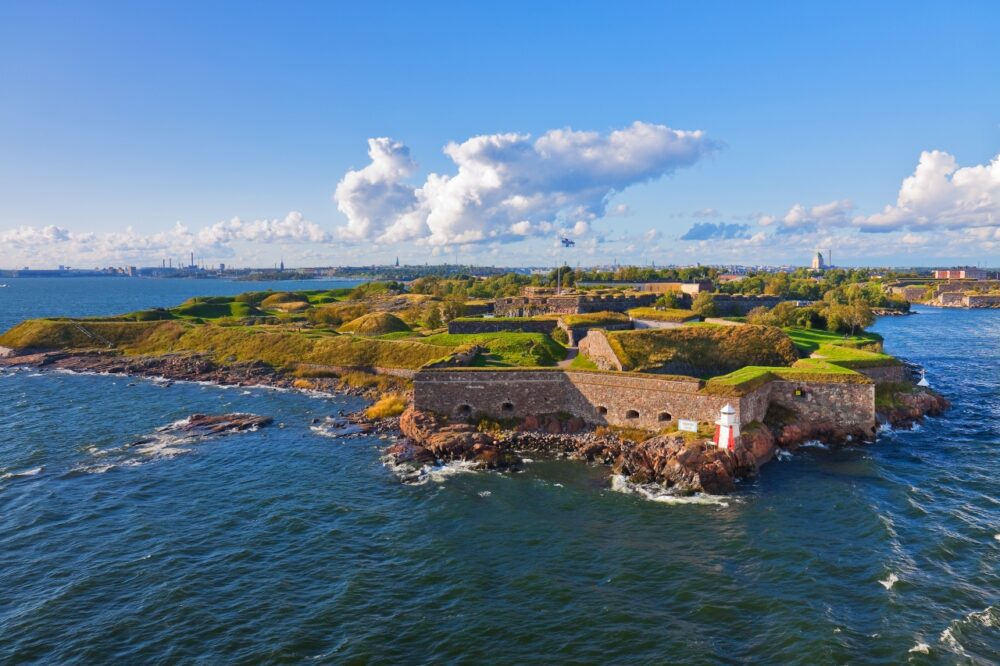
This surprised me the most. You can be in the middle of downtown, then twenty minutes later you’re on a forested island with almost nobody around. I took the ferry out to Suomenlinna, a sea fortress turned public park, and spent hours wandering trails with the sea on one side. Central Park, the city’s green corridor, cuts straight through Helsinki and connects to actual woodland. Few capital cities let you swap concrete for pine trees this quickly.
4. The Food Scene Punches Above Its Weight
I went in expecting bland Nordic fare and left with a list of restaurants I still think about. The Old Market Hall (Vanha Kauppahalli) on the harbor is where I had my first proper taste of Baltic herring and reindeer, and I went back three times that week. Beyond the traditional dishes, there’s a strong modern Nordic and immigrant food scene too, from Karelian pastries to genuinely excellent Vietnamese spots run by Helsinki’s growing international community. Eating well here doesn’t require a big budget if you know where to look.
5. It’s One of the Safest Capitals in Europe
I walked back to my apartment near Kallio at midnight more than once, alone, without a second thought. Finland consistently ranks among the safest countries in the world, and Helsinki reflects that. Public transport at night felt calm, streets were well lit, and I never once felt like I had to watch my bag the way I do in some other European capitals. For solo travelers, especially women traveling alone, this matters more than any museum on the list.
6. The City Is Compact and Easy to Navigate
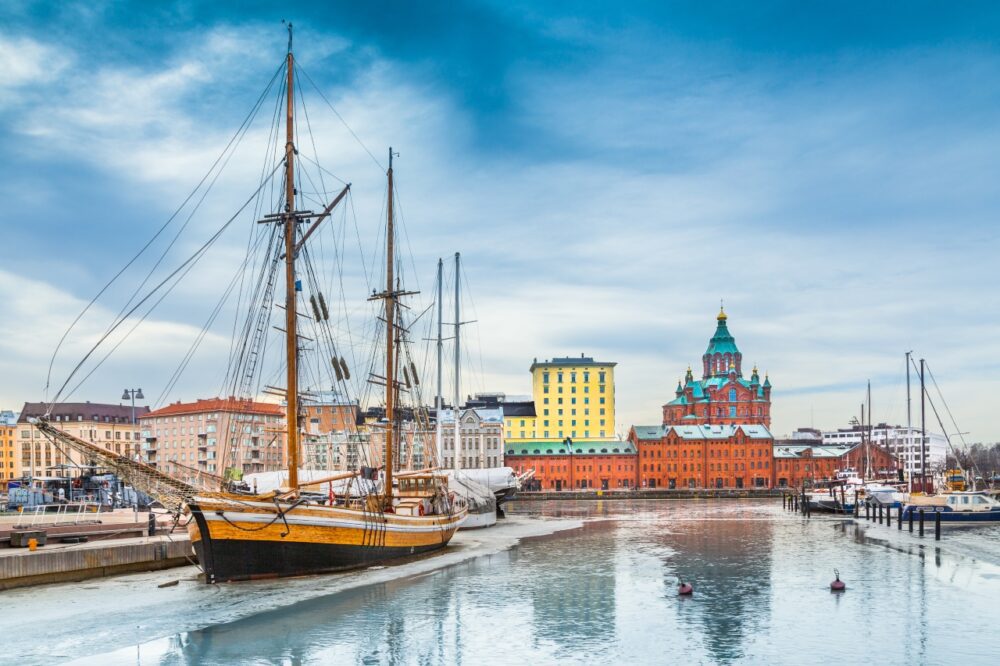
Helsinki’s center is small enough to walk across in under an hour. I never felt like I was wasting a day just getting between sights, which happens often in bigger capitals. Trams, buses, and a small but efficient metro connect everything else. This meant I spent my time actually doing things rather than commuting between them, which made a short trip feel much longer in the best way.
7. Midnight Sun and Snow Both Offer Something Different
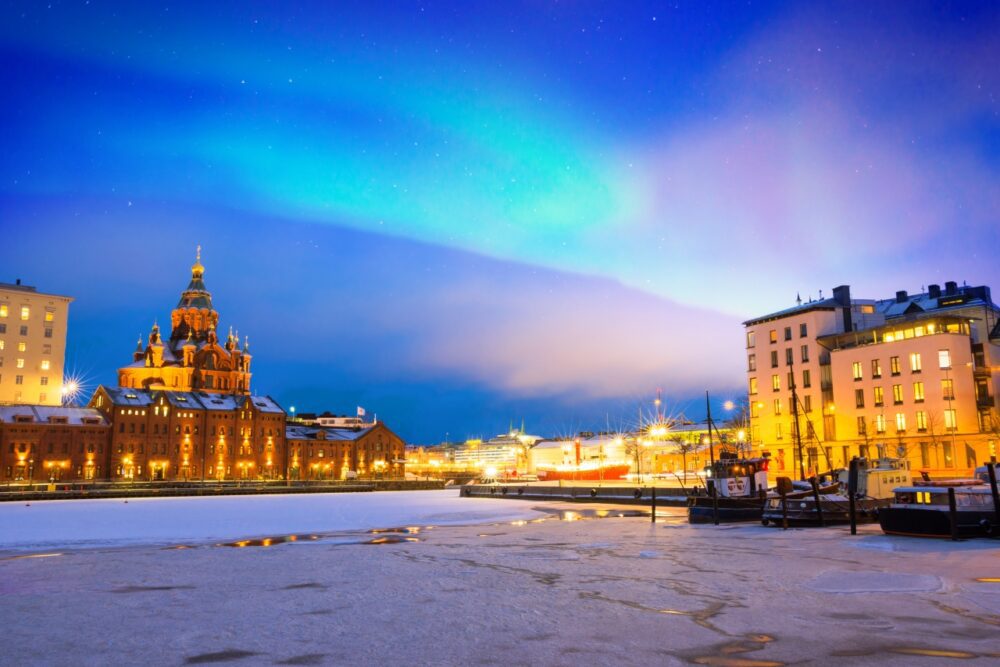
I’ve now visited in both June and February, and Helsinki genuinely transforms with the seasons. In summer, the sun barely sets, and the city spills out onto rooftop bars and waterfront terraces until eleven at night. In winter, the snow, the low golden light, and the chance of catching the northern lights slightly further north make it a completely different trip. Few cities give you two such distinct experiences depending on when you show up.
Cons – Things to Consider Before Visiting Helsinki
1. It’s Expensive, Even by Nordic Standards
I won’t sugarcoat this one. A basic sit-down dinner easily ran me 25 to 35 euros, and a pint of local beer at a normal bar was often 8 to 9 euros. Accommodation isn’t cheap either, especially in summer when demand spikes. If you’re used to Southern or Eastern European prices, Helsinki will catch you off guard. Budget travelers can still manage it, but it takes planning, grocery store lunches, and picking your splurges carefully.
2. Winter Days Are Brutally Short
I visited in late February, and the sun didn’t rise until around 9am and was gone again by 4pm. That’s not unusual for the region, but it does shrink your sightseeing window significantly and can catch first-time visitors off guard. Combine that with genuinely cold temperatures, and outdoor plans need to be built around a much tighter daylight schedule than most travelers expect.
3. The City Can Feel Quiet, Even Reserved
Helsinki isn’t a city of big gestures. Small talk with strangers is rare, service in shops is efficient but not chatty, and the overall pace is calmer than most capital cities I’ve visited. I loved this after a while, but if you’re coming from a place with a louder, more expressive street culture, the adjustment can feel a bit cold at first, on top of the literal weather. It’s not unfriendly, just understated, and it takes a day or two to read it correctly.
Things to Do in Helsinki
- Suomenlinna Sea Fortress – A short ferry ride from the harbor takes you to this UNESCO World Heritage island fortress. I spent a full afternoon walking the walls and tunnels, and it’s one of the best value activities in the city since the ferry is covered by a standard transit ticket.
- Old Market Hall (Vanha Kauppahalli) – My go-to spot for lunch every single day I was there. Fresh fish, local cheeses, and Karelian pies under one historic roof right on the waterfront.
- Helsinki Cathedral and Senate Square – The white cathedral steps are the city’s most photographed spot for good reason. I’d go early morning before the tour groups arrive for the best photos and a quieter atmosphere.
- Amos Rex Museum – The underground galleries and bulging skylight domes in the square outside make this one of the most architecturally interesting museums I’ve visited anywhere in Europe.
- Löyly Sauna and Waterfront – Booking a public sauna session here, followed by a cold plunge in the Baltic, was genuinely one of the most memorable things I did in the entire city.
- Design District Wandering – A loose cluster of streets packed with independent design shops, vintage stores, and small galleries. I recommend just wandering rather than following a strict route.
- Temppeliaukio Church – Carved directly into solid rock, with a copper dome letting in natural light. It’s a working Lutheran church and still holds services, which makes it feel more authentic than a pure tourist stop.
- Kallio Neighborhood – This is where I stayed on my second visit, and it’s Helsinki’s grittier, more local district, full of affordable bars and a younger crowd. Good for evenings if you want something less polished than the center.
- Linnanmäki Amusement Park – Not what you’d expect from a design-focused capital, but this historic amusement park is genuinely fun and gives a good sense of how locals spend a summer weekend.
- Harbor Islands Ferry Hopping – Beyond Suomenlinna, islands like Vallisaari and Lonna are quieter, less visited, and perfect for an afternoon picnic if you want to escape the crowds entirely.
Where to Stay in Helsinki
- Kruununhaka / City Center – The most walkable option, close to the cathedral, harbor, and market hall. I’d recommend this for first-time visitors who want everything within reach and don’t mind paying a bit more for the convenience.
- Kallio – Where I stayed on my most recent trip. It’s more affordable, full of local bars and cafes, and gives a better sense of everyday Helsinki life, though it’s a short tram ride from the main sights.
- Punavuori / Design District – A great middle ground between central and local, with excellent restaurants and boutique shops on your doorstep. This is my pick for travelers who want a stylish neighborhood feel.
- Katajanokka – Quiet, residential, and full of beautiful Art Nouveau buildings. I’d recommend this for travelers who want a calmer base and don’t mind a slightly longer walk into the center.
- Near the Harbor / Market Square – Convenient for ferries to Suomenlinna and day trips to Tallinn, but can feel more touristy in peak summer months.
Getting Around Helsinki
Helsinki has one of the most efficient public transport systems I’ve used in Europe, and it’s genuinely part of what makes the city easy to enjoy on a short trip. Trams are my favorite way to get around the center. They’re frequent, cover most of the tourist areas, and give you a free sightseeing tour as a bonus. The metro is small but useful for reaching areas slightly outside the core, like the Kallio district or the eastern suburbs, and it runs cleanly and on time.
For longer distances or trips to the islands, the ferries are part of the same transit system, which surprised me the first time I boarded one with a regular tram ticket. Buses fill in the gaps where trams don’t reach, particularly useful in winter when walking longer distances is less appealing. I also rented a city bike in summer, and found the network of dedicated bike lanes made cycling genuinely safe and pleasant, though I’d skip this option in winter when the paths ice over. Honestly, most of central Helsinki is walkable too. I covered a lot of ground on foot simply because the compact layout made it easy, only switching to a tram when the weather turned or I needed to cover more distance.
Conclusion
So, is Helsinki worth visiting? Based on everything I experienced across three trips, my honest answer is yes, with the right expectations set going in. This isn’t a city that overwhelms you with must-see landmarks or nonstop nightlife. It’s a city that rewards a slower pace, an appreciation for design and nature, and a willingness to pay a bit more for genuinely high quality experiences, from the food to the sauna culture to the safety you feel walking around at night.
The cons are real. It’s expensive, winter days are short, and the overall vibe is quieter than travelers used to louder cities might expect. But none of these are dealbreakers, they’re just things to plan around. If you go in knowing what to expect, budget accordingly, and pick the right season for what you want out of the trip, Helsinki delivers an experience that feels distinct from anywhere else in Europe. I’ve recommended it to friends who wanted something different from the usual capital city circuit, and every one of them has come back saying the same thing I did: they didn’t expect to like it this much.