Is Akureyri Worth Visiting? Honest Pros and Cons (2026)

Stopping at a red light is a treat in Akureyri, because every red light glows in the shape of a heart. I noticed them within minutes of arriving, and I grinned at every crossing for the next two days. I spent two nights here one spring, and I packed in whale watching, a forest hot spring and far too much ice cream.
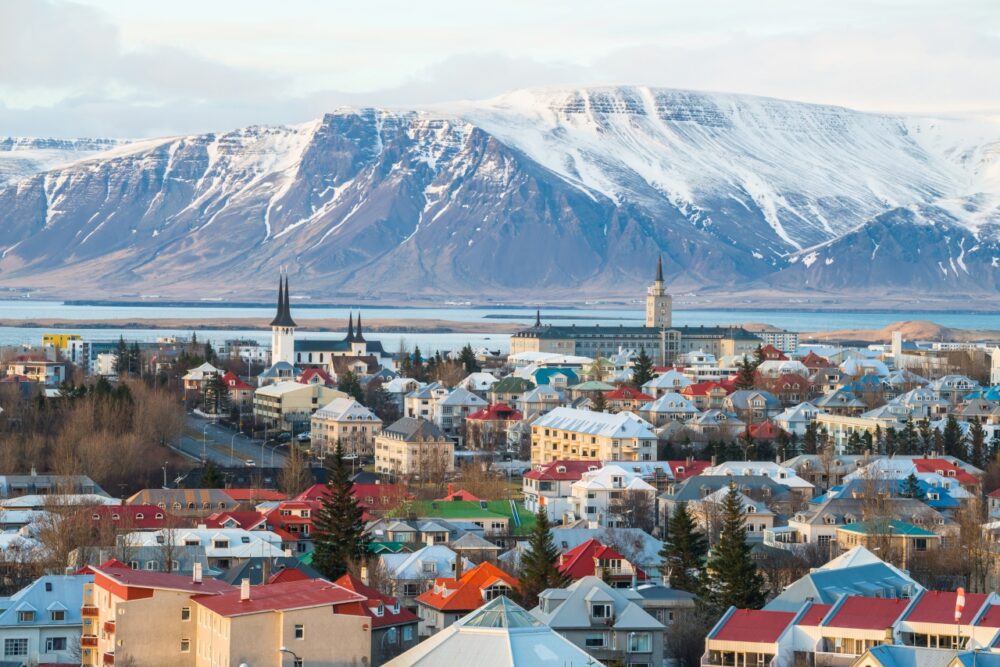
Akureyri is the largest town in North Iceland, and locals call it the capital of the North. About 20,000 people live here, at the head of Eyjafjörður, Iceland’s longest fjord. You’ll find a small town centre, a hilltop church, a botanical garden and snow-capped mountains in every direction. It’s quieter and less crowded than Reykjavik. My honest take is that Akureyri is worth visiting if you want nature, hot water and a relaxed base in the north, and you can handle Iceland’s prices.
This guide covers the pros and cons of Akureyri, where to stay, and what to book. You’ll also find tips on when to go, how long you need, and getting around, so you can decide whether it suits your kind of trip.
In a Rush? Here Are Our Favourite Hotels in Akureyri Iceland
⭐️⭐️⭐️ Skald Akureyri, Curio Collection by Hilton – Click here for rates & availability
⭐️⭐️ Bryggjan Boutique Hotel – Click here for rates & availability
⭐️ Day Dream Hyrnuland – Click here for rates & availability
Pros of Visiting Akureyri
1. Whale Watching in Eyjafjörður

Akureyri sits at the head of Eyjafjörður, and the fjord is full of life. Humpback whales come in to feed, and minke whales and porpoises show up too. The water is calmer than the open ocean, so it’s a gentle ride even if you get seasick. On my trip, I joined a boat from the floating pier beside Hof Cultural Centre. A humpback surfaced next to us within the first hour, and I forgot all about the cold.
The two-hour whale watching tour by RIB speedboat is the one I’d book. The fast boat covers a lot of water, so the guides can chase sightings. You meet at the pier next to Hof at least 30 minutes before departure. Dress warmly, because the wind off the fjord is sharp. Bring a hat and gloves, even in spring. The tour also shows off the fjord itself, with steep mountains rising on both sides and snow still clinging to the peaks.
2. Forest Lagoon
Forest Lagoon is the best soak in North Iceland, and I’d put it at the top of any list. It sits in Vaðlaskógur forest, across the fjord from town and about five minutes by car. The two geothermal pools stay at 37°C, and the bigger one has swim-up bars and views over the fjord. There’s also a Finnish sauna with a big window and an 11°C cold pool. I went in the evening, and watching the light fade over the water was my favourite moment of the trip!
The basic Warm ticket costs 7,490 krónur (£44). The Calm ticket adds a towel and a drink for 10,150 krónur (£60), and you can book the Forest Lagoon admission with towel and drink in advance. It’s open from 10 am to midnight, and a shuttle runs from Hof during the day. On a tighter budget, the local Sundlaug Akureyrar pool costs 1,400 krónur (£8).
3. Akureyri Church and Town Centre

The Akureyri Church watches over the town from its hilltop, and climbing the 112 steps is a local tradition. Guðjón Samúelsson designed it, the same architect behind Hallgrímskirkja in Reykjavik, and it opened in 1940. Inside, you’ll find a huge pipe organ with about 3,200 pipes and a stained-glass window that people say came from Coventry Cathedral. Entry is free, and the view over the fjord from the top is worth the effort alone.
The centre is small enough to cover on foot in an afternoon. Stop at the heart-shaped red light by Hof for the classic photo. Then wander along Hafnarstræti for cafés and shops, and head to Kaupvangsstræti, the art street, where the Akureyri Art Museum sits. I spent most of my first afternoon here with no plan and no hurry. It was a great way to get to know the place, and a beautiful introduction to the town’s slow pace.
4. Akureyri Botanical Garden
The Akureyri Botanical Garden is one of the northernmost botanical gardens in the world, and it’s free to enter. It opened as a public park in 1912, and it covers about 3.7 hectares. Mountains shelter the garden, so it grows around 6,600 non-native plants alongside Iceland’s own flora. That’s a surprising number this far north. I wandered through on a cool afternoon, and the paths were quiet and the fjord views were beautiful.
The gates are open all year, and the LYST café inside serves coffee and cake from 10 am to 7 pm Sunday to Thursday. On Fridays and Saturdays, it stays open until 11 pm. From June to September, the gates and toilets are open from 8 am to 10 pm. It’s a short walk uphill from the centre, and it makes a calm break between tours and boat trips. You can see the main paths in about an hour.
5. Hlíðarfjall and Kjarnaskógur

Akureyri is a great base for outdoor fun, and you don’t need to go far. The Hlíðarfjall ski area sits just above town, and the lifts run from December to April. There was still snow on the upper slopes during my trip, and the views over the fjord were stunning. Even if you don’t ski, the road up the mountain gives you a wide look over the whole fjord. In summer, the same mountain turns into a playground for mountain biking and hiking!
Closer to town, Kjarnaskógur is Iceland’s most visited forest. It has about 12 kilometres of gravel tracks, and 6 kilometres of them are lit for dark evenings. You’ll also find playgrounds, a mountain bike trail and a birdwatching shelter. For a guided option, the e-bike tour with Forest Lagoon entry lasts two hours. It rides through the forest and the historic streets of downtown, and it suits anyone who wants a gentle introduction to the area.
6. Local Food and Brynja Ice Cream
Food in Akureyri is a pleasant surprise. Menus lean on lamb, fresh fish, and skyr, and a main course at a restaurant costs about 5,000 krónur (£29). The real star is the ice cream. Brynja on Aðalstræti is one of the oldest ice cream shops in Iceland, and locals happily eat its soft serve in any weather. I ordered the classic vanilla with a chocolate dip and ate it outside in the cold, just like everyone else.
For a proper taste of the town, join the food walk with five tastings. A local guide leads a small group around the centre, and you try free-roaming lamb, fresh fish, Icelandic ice cream, a hot dog and local beer. It’s easy to fit around a boat trip or a lagoon visit. Go hungry, because the tastings add up quickly and you’ll want to save room for a cone afterwards. It’s also a good way to find places worth returning to for dinner.
7. Day Trips to Goðafoss and Lake Mývatn
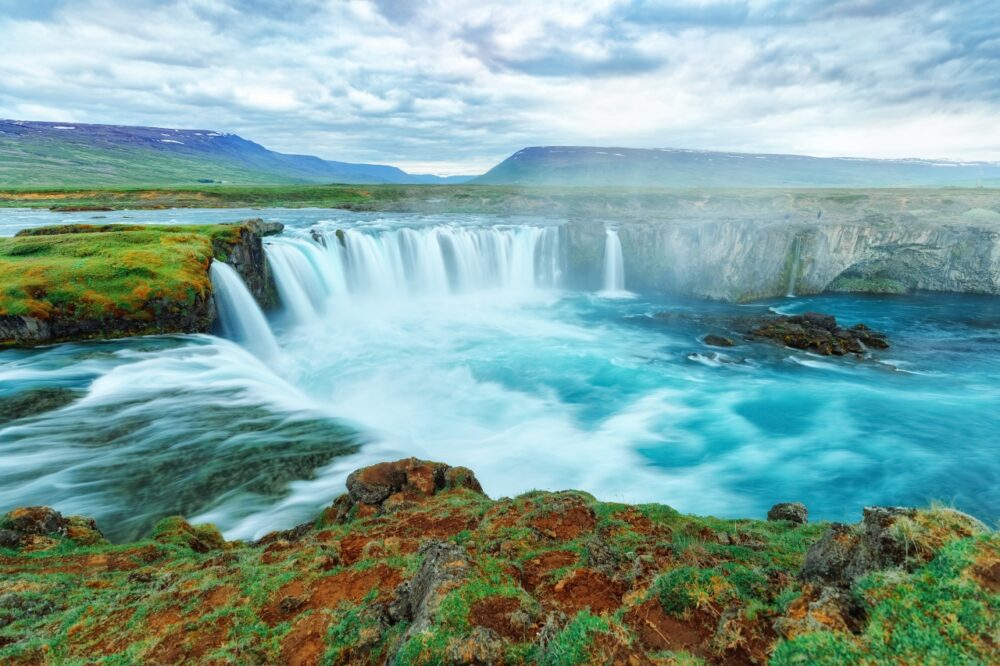
Akureyri is the best base in the north for day trips. Goðafoss is about 45 minutes east, and the name means Waterfall of the Gods. The horseshoe-shaped falls are 30 metres wide. Legend says the lawspeaker Þorgeir threw statues of the old Norse gods into the water after Iceland adopted Christianity around the year 1000. On my second day, I joined the Lake Mývatn, Goðafoss and Grjótagjá minibus tour. It lasts six hours and also stops at Hverir, Dimmuborgir and the Skútustaðagígar pseudocraters.
If you have more time, there are plenty of other options. Husavik, the whale watching town, is about 70 kilometres away. Siglufjordur is around 85 kilometres, and the island of Hrísey is a short ferry ride across the fjord. In summer, Strætó bus 56 runs to Reykjahlid at Mývatn in about an hour. It’s a good option if you want to skip the tour.
Cons of Visiting Akureyri
1. High Prices
Iceland is expensive, and Akureyri is no different. A pint costs about 1,800 krónur (£11), and a restaurant main costs around 5,000 krónur (£29). Tours add up quickly, and Forest Lagoon starts at 7,490 krónur (£44) before any drinks. Rooms get pricey in summer, and even a simple guesthouse can surprise you, so book early for the best rates!
You can keep costs down with a few habits. The city buses are free, so getting around town costs nothing. The church, the botanical garden and Kjarnaskógur forest are free too, and a swim at Sundlaug Akureyrar costs just 1,400 krónur (£8). Eat a big lunch and keep dinner simple. Many places offer a cheaper lunch menu, and a supermarket picnic is easy to pull off. Akureyri is still worth it.
2. Far From Reykjavik
Akureyri isn’t close to anything else. It’s about 390 kilometres from Reykjavik, and the drive takes four to five hours each way. The Strætó bus 57 takes six to seven hours, and the timetable is limited. The free city buses don’t run to the airport either. I flew up from Reykjavik, and the transfers still ate into my short trip.
Flying is the easy fix. Icelandair flies between Reykjavik and Akureyri several times a day, and the flight takes under an hour. A taxi from the airport to the centre takes around five minutes. You can also pre-book the shared airport transfer. Land early in the day, and you won’t lose much time. Flights leave from Reykjavik’s domestic airport, which is close to the city centre. Akureyri is still worth the effort.
3. Changeable Weather
The weather in Akureyri can change fast. The town is often cloudy, and snow can stay on the ground well into spring. Spring days were cold and windy on my trip, and the wind off the fjord cut right through my jacket. Rough weather can cancel boat trips and close mountain roads, so you need some flexibility.
Pack layers, a waterproof shell, a warm hat, and gloves. Most of the best activities work in any weather. The Forest Lagoon is brilliant in the rain, and the whale boats hand out warm overalls. Akureyri also gets less rain than southern Iceland, thanks to the prevailing winds. Check the forecast each morning, and book your tours early in your stay so you have a spare day if one gets cancelled. Akureyri is still worth it.
Where to Stay
Town Centre: This is the best base for a first visit, and it’s where I stayed for two nights. Everything I wanted was a short walk from the door. You can walk to Hof, the church, Brynja and the harbour in minutes, and the bus stop and taxi rank are close by. It gets a little lively at weekends. Akureyri Backpackers is the budget pick on Hafnarstræti, with a bar, a sauna and a shared lounge. Hotel Kea by Keahotels sits in the middle of town and has a restaurant, a bar, a terrace and a fitness centre. Skald Akureyri, Curio Collection by Hilton is the upscale 4-star, with a restaurant, a bar, a fitness centre and free parking!
Oddeyri and the Harbour: This area runs north of the centre along the water, and it’s handy for Hof and the whale boats. It’s quieter at night, and the centre is a short walk away. It’s a good pick if you have an early whale watching departure. Hotel Norðurland is a mid-range 3-star with a bar, a coffee house, family rooms and free parking. Acco Luxury Apartments on Skipagata offers apartments with a minimarket and a coffee house on site. Bryggjan Boutique Hotel is the splurge, a 4-star with a sauna, a steam room, a hot tub and free parking.
Church and Botanical Garden: This area sits on the hill above the centre, and it’s calmer, and greener. You’re close to the church steps, the garden and the pool. The downside is the climb back uphill with luggage. It suits travellers who want a quieter street and don’t mind some walking. Torg Guesthouse is a budget guesthouse at the foot of the church steps, and pets are welcome. K16Apartments has soundproof apartments, a lift and free parking. Akureyri – Berjaya Iceland Hotels is a mid-range 3-star with a restaurant, a bar, a garden and free parking.
Hlíðarfjall: This area is best for skiers and anyone who wants a cabin feel. It’s a short drive from town, so you’ll want a car or taxis. Hotel Halond has soundproof rooms, a hot tub, a garden and ski storage. Hrimland Cottages offers cottages with hot tubs and barbecue facilities. Day Dream Hyrnuland is the upscale pick, a holiday home with a hot tub, a garden and a terrace. Check the ski season dates before booking a winter stay.
Best Things to Do
- Whale watching tour by RIB speedboat: A two-hour whale and bird watching trip on a fast boat, with a good chance of humpbacks. You meet at the floating pier next to Hof.
- Forest Lagoon admission: Entry with a towel and one drink at the swim-up bar. You get two warm pools, a Finnish sauna, a cold pool and the Forest Bistro.
- Lake Mývatn and Goðafoss minibus tour: A six-hour guided day out to Goðafoss, Hverir, Grjótagjá, Dimmuborgir and Skútustaðagígar. It starts at the Special Tours office in Akureyri.
- Food walk with five tastings: A small-group walk with a local guide through the town centre. You try lamb, fish, ice cream, a hot dog and local beer.
- E-bike tour with Forest Lagoon entry: A two-hour small-group ride through Kjarnaskógur forest and the historic streets of downtown. Entry to Forest Lagoon is included, and the tour starts at the lagoon.
- Northern Lights 4WD tour: A three-hour hunt in a 4WD vehicle with no more than seven guests. Pickup is from select hotels, and you get a free second chance the next day if no lights show and the tour is running.
- Akureyri Church: Climb the 112 steps, then admire the organ and stained glass inside. It’s free to enter.
- Akureyri Botanical Garden: A free garden with thousands of plants and a café, open all year.
- Sundlaug Akureyrar: The town’s much-loved swimming pool, with hot tubs and slides. It’s the cheap way to soak like a local.
- Kjarnaskógur: Iceland’s most visited forest, with walking, running and biking trails. It’s free and a short drive from the centre.
- Hlíðarfjall: The local ski area, with lifts from December to April. In summer, it turns into a spot for biking and hiking.
Best Time to Visit
Spring: My trip was in spring, and the town felt like it was waking up. Days were getting longer, and the snow was melting off the lower slopes. It was cold and windy, but the crowds were small and prices were lower than in summer. Whale boats were running, the Forest Lagoon stayed open late and the botanical garden was peaceful. Pack a warm jacket and a hat.
Summer: Summer is a very different trip. Days are long, the midnight sun lights up the fjord and the botanical garden is in full bloom. It’s the best season for whale watching and for Mývatn and Goðafoss tours. It’s also the busiest and priciest time, and cruise ships often fill the harbour, so book early!
Autumn: Autumn brings golden birch leaves around Kjarnaskógur and fewer people. Crowds are light, and the town feels calm after the summer rush. The Northern Lights season starts in September, and a small-group tour from town is easy to book. The weather turns stormier by November.
Winter: Winter is for skiing and the aurora. Hlíðarfjall opens in December, and Northern Lights tours run until April. Days are short and roads can be icy, so pack thermal layers and shoes with good grip. Soaking in the Forest Lagoon while snow falls is magical.
How Long to Spend
1-2 Days: Two days is enough to see the town and pick a few highlights. I spent two nights, and it felt right for a first visit. On the first day, I went whale watching in the morning, then climbed the church steps and wandered the botanical garden. I ended the day in the Forest Lagoon. On the second day, I took the Mývatn and Goðafoss tour, then had ice cream at Brynja.
3-4 Days: Three or four days gives you room to slow down. Add the food walk, the e-bike tour and a walk in Kjarnaskógur. Visit between September and April, and add a Northern Lights tour. You can also ski at Hlíðarfjall in winter.
5-7 Days: A week lets you explore the wider north. Take a day trip to Husavik for more whale watching, drive to Siglufjordur and catch the ferry to Hrísey. You can also add Dettifoss and the rest of the Diamond Circle. It’s a great base for a slow road trip.
Getting Around
On foot: The centre is compact, and walking is the best way to see it. The church, Hof, the harbour, Brynja and the shops are all within about 15 minutes of each other. The botanical garden is a short climb uphill. Wear shoes with good grip, because the streets can be icy outside summer!
Free city buses: Akureyri’s city buses are free for everyone. They run from 6:28 am to 10:55 pm on weekdays and from 12:18 pm to 6:55 pm at weekends. Each route loops from the main stop in the centre, near the town square, and takes 30 to 50 minutes. You can check timetables on the Strætó site. To reach Kjarnaskógur, take bus 1, 2, 5 or 6 to Kjarnagata and walk about two kilometres.
Bikes: Cycling is a beautiful way to see the forest and the fjord paths. Bikes aren’t allowed inside the botanical garden, so lock up at the entrance. If you don’t have a bike, the e-bike tour is an easy option.
Taxis: Taxis wait at the rank near the town square. Uber doesn’t operate in Iceland. A taxi is handy for the airport, and for getting up to Forest Lagoon or Hlíðarfjall late in the day.
To and from the airport: Akureyri Airport is only a few kilometres from the centre, and a taxi takes about five minutes. The easiest way to book a ride is the shared airport transfer, which drops you at your hotel. For the way back, line up the same transfer so you’re not stuck on departure day. Coming from Reykjavik, Icelandair flights are the fastest option.
Final Thoughts: Is Akureyri Worth Visiting?
Yes, and it’s one of my favourite stops in Iceland. Akureyri gives you whales, hot water, waterfalls and a charming town centre, all without the crowds of the south. It’s small, friendly and easy to get around. I left after two nights wishing I’d booked more. If I were planning it again, I’d add one more night for a slower morning in the botanical garden and the food walk.
It isn’t perfect. Prices are high, the weather can be moody and getting here takes some effort. The town can also feel quiet in the evenings. Each of these has a simple fix, so none of them should put you off!
Akureyri is best for nature lovers, couples and anyone who wants a relaxed base in North Iceland. If you want a soak in the forest, a boat trip on the fjord and a heart-shaped red light, it’s a great choice. Pick your season, book your tours early and pack warm layers.