
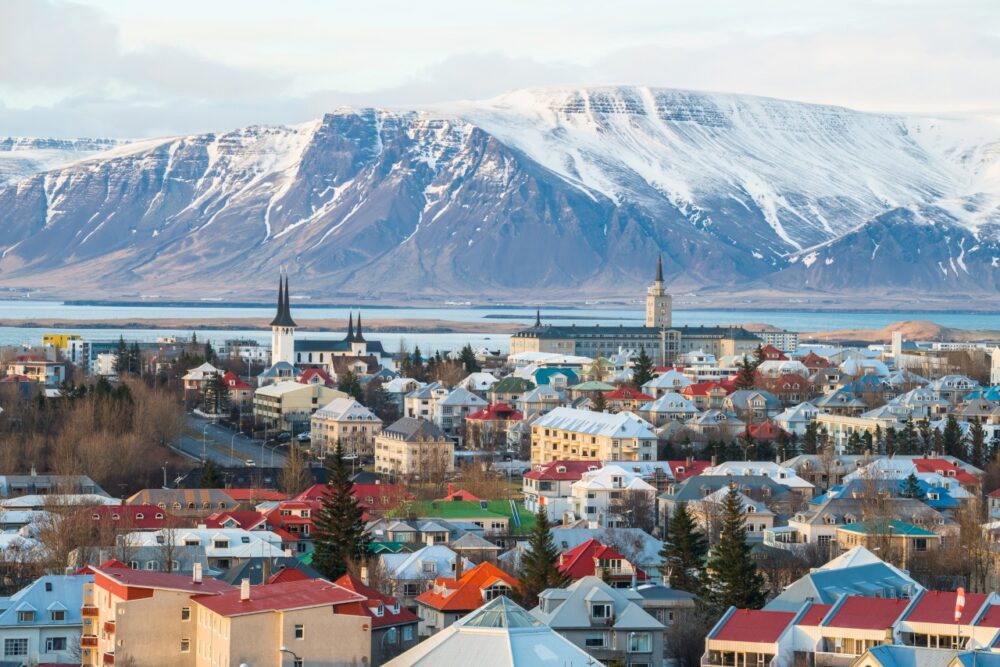
Is Reykjavik worth visiting? Yes, absolutely. Reykjavik was unlike any other capital city I had visited. I expected it to be small, but I didn’t expect it to have so much character. I enjoyed wandering through the colourful streets, visiting local cafés, and using the city as a base for exploring Iceland’s incredible landscapes. What stood out most was how close nature felt, even while staying in the heart of the city.
Reykjavik is the capital of Iceland and the world’s northernmost sovereign capital city. It is known for its unique culture, colourful architecture, vibrant arts scene, and easy access to some of Iceland’s most famous natural attractions. From geothermal pools and whale-watching tours to museums and lively nightlife, Reykjavik offers far more than many visitors expect.
In this guide, I’ll cover the top reasons why Reykjavik is worth visiting and share some useful travel tips and advice to help you plan your trip. Whether you’re interested in nature, culture, history, or adventure, keep reading to discover the many reasons why Reykjavik is worth visiting.
Table of Contents
Top Reasons You Should Visit Reykjavik
1. Gateway to Iceland’s Natural Wonders
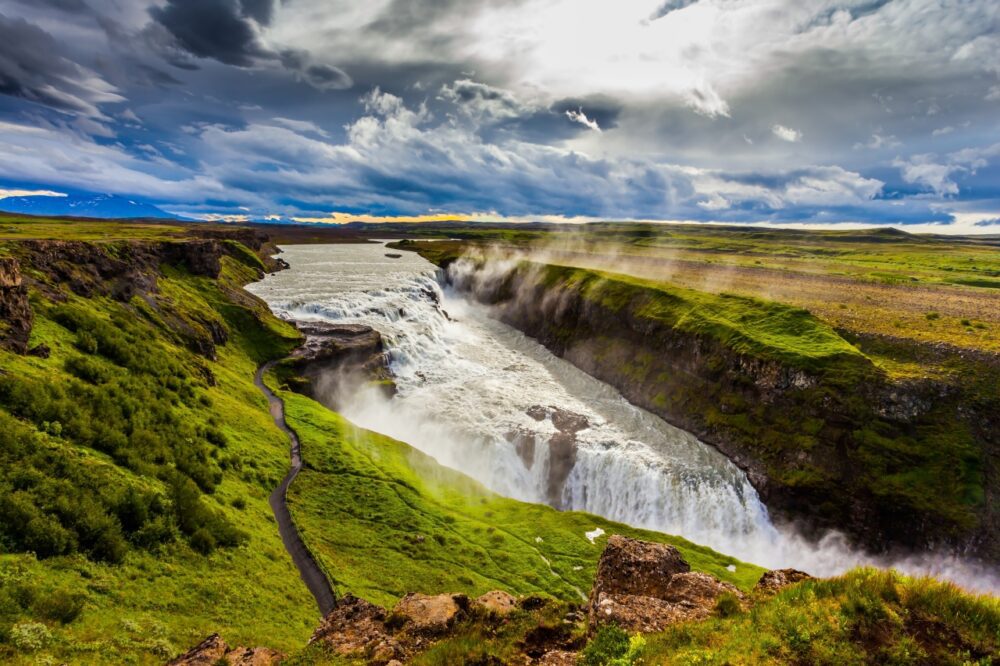
Reykjavik is perfectly situated for exploring Iceland’s incredible natural landscapes. From volcanoes and waterfalls to glaciers and geysers, the city is a hub for day trips and tours to some of the country’s most iconic sights.
When I visited, I used Reykjavik as my base for the Golden Circle tour, which includes stops at Thingvellir National Park, Geysir, and the mighty Gullfoss waterfall. It was stunning, and being able to return to the city for a warm meal and a comfortable bed made the experience even better. Reykjavik’s location makes it ideal for travellers who want to combine city comforts with wild adventures.
2. Northern Lights Viewing
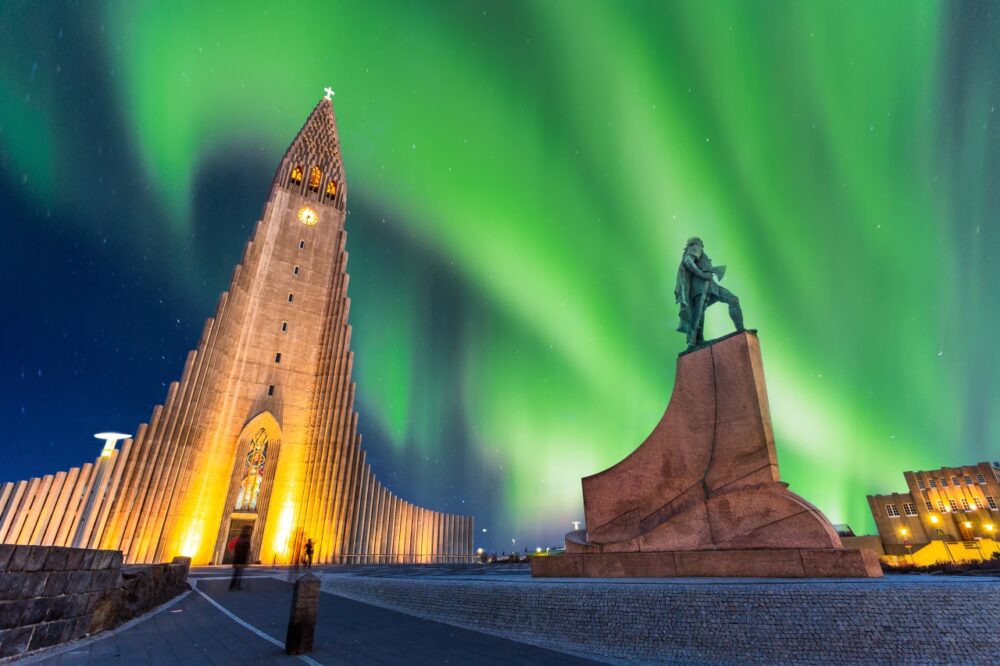
From September to April, Reykjavik offers one of the best chances to see the Northern Lights. While light pollution in the city can diminish the experience, it’s easy to book a tour or drive a short distance to darker areas for a spectacular view of this natural phenomenon.
I’ll never forget the night I stood just outside Reykjavik, watching the aurora dance across the sky. It’s one of those experiences that feels almost otherworldly. If you’re planning a trip in winter, the Northern Lights alone are reason enough to visit Reykjavik, especially if you’ve never seen them before.
3. Rich Cultural Scene
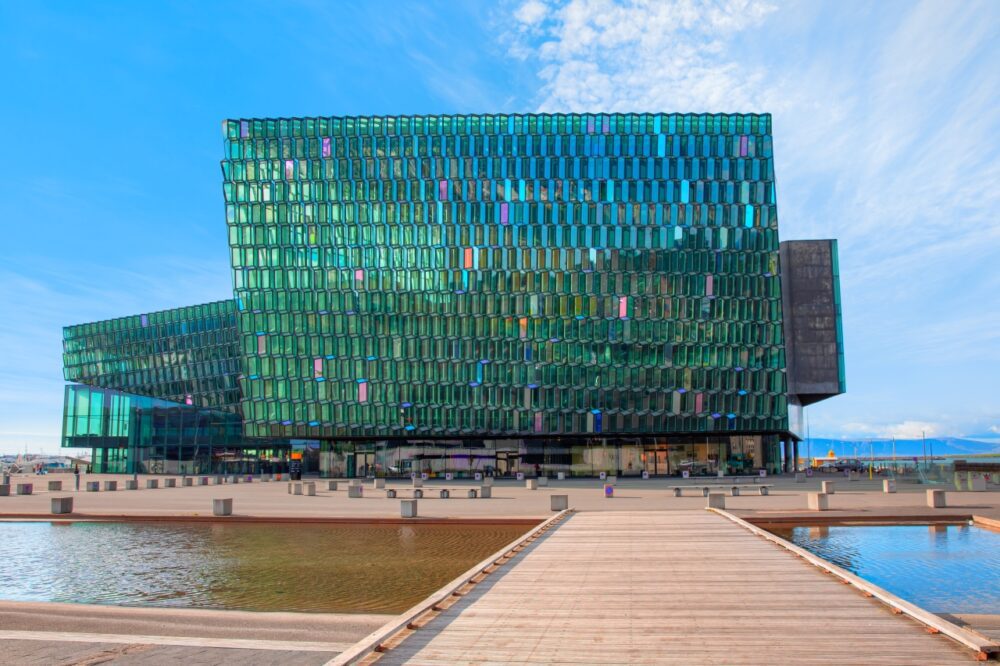
Despite its small size, Reykjavik punches well above its weight when it comes to culture. The city is home to fantastic museums, art galleries, and a thriving music scene. Highlights include the National Museum of Iceland, which delves into the country’s Viking history, and the quirky Icelandic Phallological Museum.
I spent a morning at the National Museum and was captivated by the artifacts, from Viking tools to medieval manuscripts. Later, I checked out the live music at Harpa Concert Hall, an architectural gem by the waterfront. Reykjavik’s cultural offerings are diverse, so whether you’re into history, art, or music, there’s plenty to keep you entertained.
4. Unique Architecture
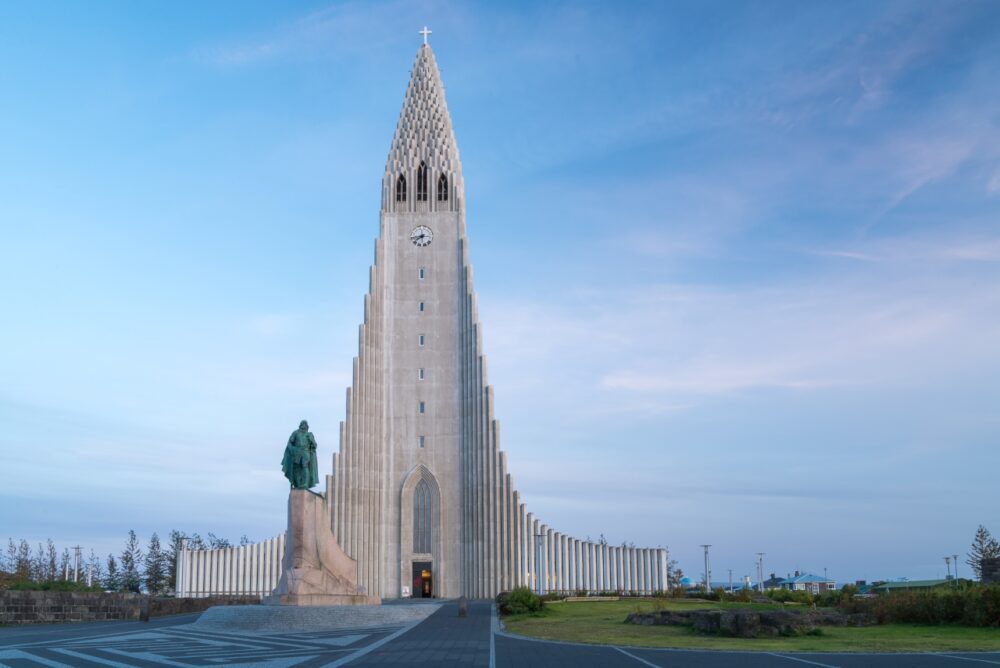
Reykjavik’s architecture is a mix of modern design and traditional Nordic influences. The Hallgrimskirkja, an iconic concrete church, dominates the city skyline, and its unique design was inspired by Iceland’s basalt columns.
Climbing to the top of Hallgrimskirkja was a highlight of my visit. The panoramic views of the city, with its colourful rooftops and the surrounding mountains, were breathtaking. The church itself is a stunning piece of architecture, and it’s a must-visit for anyone coming to Reykjavik.
5. Geothermal Spas and Pools
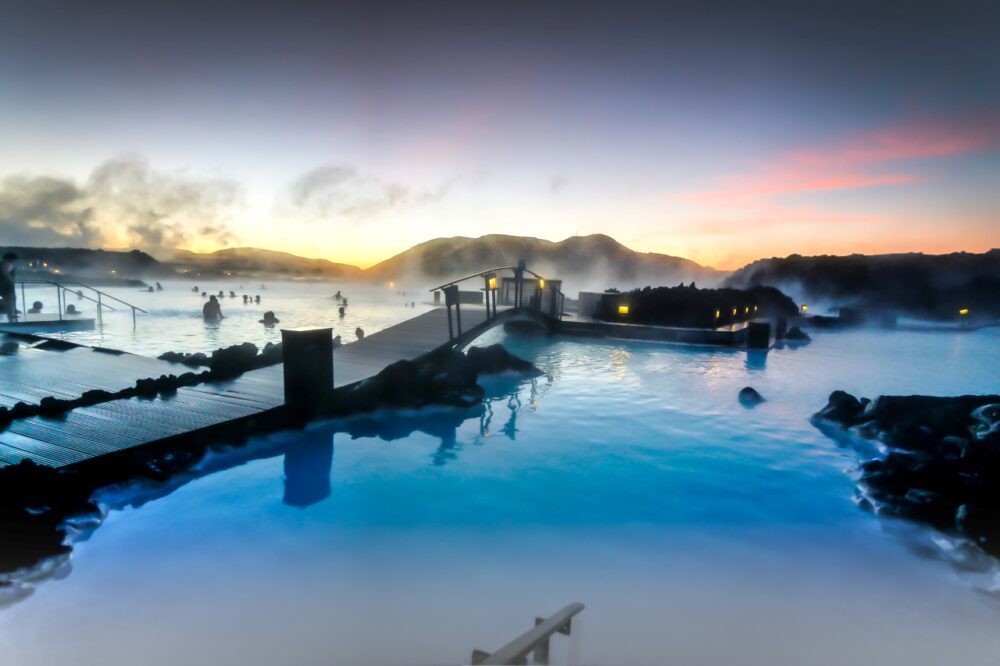
Iceland is famous for its geothermal activity, and Reykjavik offers plenty of opportunities to enjoy a relaxing soak. The Blue Lagoon, located just outside the city, is a world-renowned geothermal spa, while the Laugardalslaug pool in Reykjavik provides a more local experience.
I visited the Blue Lagoon, and while it’s touristy, it was an unforgettable experience. Floating in warm, mineral-rich waters with steam rising around me felt surreal. If you prefer a quieter, more budget-friendly option, Reykjavik’s public pools are just as rejuvenating and often less crowded.
6. Compact and Walkable City Centre
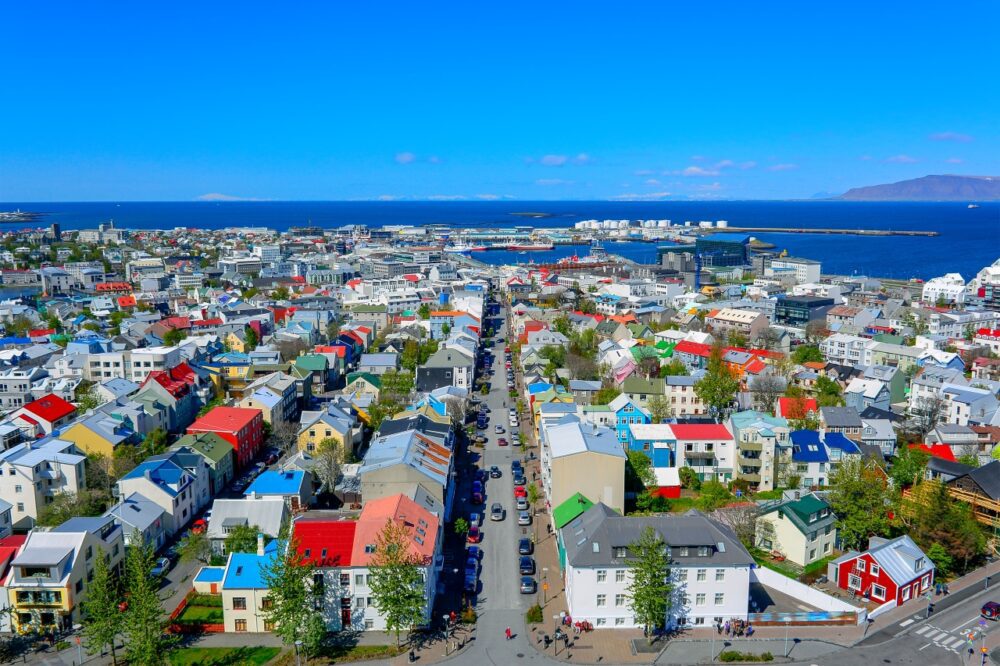
Reykjavik’s city centre is small and easy to navigate on foot, with most attractions, shops, and restaurants within a short walking distance. This makes it an ideal city for those who love exploring without needing to rely on public transport or taxis.
I loved wandering through Reykjavik’s streets, discovering quirky shops and cosy cafes. The compact nature of the city makes it feel incredibly accessible, and even in the colder months, a walk through the city is enjoyable with the right layers.
7. Quirky and Colourful Atmosphere
Reykjavik has a unique charm, with its colourful houses, street art, and offbeat cultural vibe. The city embraces its quirks, from murals depicting trolls to cafes serving traditional Icelandic treats like skyr and kleina.
One of my favourite moments in Reykjavik was stumbling across a street art festival, with artists transforming walls into vibrant murals. The city’s creative spirit is infectious, and it’s a joy to simply wander and soak up its unique personality.
8. Fantastic Food Scene
Reykjavik’s culinary scene is diverse and exciting, with a focus on fresh, local ingredients like fish, lamb, and dairy. The city also offers more adventurous fare, such as fermented shark and puffin, for those keen to try something new.
I had an amazing meal at Fiskmarkaðurinn (The Fish Market), where the seafood was some of the freshest I’ve ever tasted. If you’re a foodie, don’t miss the chance to explore Reykjavik’s restaurants, from high-end dining to cosy cafes serving traditional Icelandic dishes.
9. Family-Friendly Activities
Reykjavik is a great destination for families, with plenty of kid-friendly attractions like the Reykjavik Maritime Museum, Whales of Iceland, and opportunities for whale-watching tours and puffin spotting.
I joined a whale-watching tour with a family I met during my trip, and their kids loved seeing the whales up close. Reykjavik strikes a nice balance between activities for adults and children, making it a versatile destination for families.
10. Safe and Friendly Atmosphere
Iceland consistently ranks as one of the safest countries in the world, and Reykjavik is no exception. The locals are friendly and helpful, making it a welcoming destination for solo travellers, couples, and families alike.
During my stay, I never felt unsafe, even when walking around the city late at night. The people of Reykjavik are warm and approachable, and their pride in their city and culture is evident in every interaction.
Travel Tips for Visiting Reykjavik
What to Do in Reykjavik
- Reykjavik: Golden Circle, Kerid Crater, & Blue Lagoon Tour
- Reykjavik: Sky Lagoon Entrance Pass With 7-Step Spa Ritual
- Reykjavik: Whale Watching Tour with Expert Guide
- Full-Day South Coast, Black Beach & Waterfalls Tour
- Reykjavik: LAVA SHOW – Immersive Experience Entry Ticket
- Reykjavik: Icelandic Food Tour
- From Reykjavik: Northern Lights Bus Tour with Hot Cocoa
- Reykjavik: Puffin Watching Boat Tour
- From Reykjavik: South Coast & Glacier Hike
- Reykjavik: Golden Circle, Kerid Crater and Sky Lagoon Tour
When to Visit Reykjavik
I think the best time to visit Reykjavik depends on what you want to see. Summer, from June to August, brings long daylight hours and milder weather, making it perfect for road trips and outdoor activities. Winter, from November to March, offers the chance to see the Northern Lights and experience Iceland’s snowy landscapes. I visited in September and thought it was an excellent compromise. The days were still fairly long, the crowds were smaller, and there was already a chance of seeing the Northern Lights.
How to Get to Reykjavik
Most visitors arrive through Keflavík International Airport, which is about 50 kilometres from Reykjavik. Airlines such as Icelandair, Play, British Airways, easyJet, Lufthansa, and several North American carriers operate regular flights. Airport buses such as Flybus and Airport Direct connect the airport with the city centre and major hotels. There are no trains in Iceland, so buses, rental cars, and tours are the main transport options. Personally, I think the airport bus is the easiest choice because it’s reliable, comfortable, and designed specifically for arriving travellers.
Where to Stay in Reykjavik
- The Reykjavik EDITION – Located beside the harbour, this luxury hotel offers excellent views and one of the best locations in the city.
- Hotel Borg by Keahotels – Situated on Austurvöllur Square, this historic hotel combines elegance with a fantastic central location.
- Sand Hotel by Keahotels – Located on Laugavegur, Reykjavik’s main shopping street, this boutique hotel is perfect for exploring on foot.
- Fosshotel Reykjavik – Situated near the city centre, this modern hotel offers spacious rooms and great city views.
- Center Hotels Plaza – Located in the heart of downtown Reykjavik, this hotel provides excellent value and easy access to major attractions.
- KEX Hostel – One of the best budget-friendly places to stay in Reykjavik, this converted biscuit factory has plenty of character and a great social atmosphere.
Getting Around Reykjavik
Reykjavik is very easy to explore on foot, especially around the city centre where most attractions are located. The city also has a public bus network operated by Strætó, and tickets can be purchased through the Strætó app. Rental cars are popular for travellers planning day trips outside the city. Personally, I think walking is the best way to explore Reykjavik itself. If you’re planning to visit places like the Golden Circle or South Coast independently, renting a car gives you much more flexibility.
How Long to Spend in Reykjavik
I think three to four days is ideal for Reykjavik. Two days gives you enough time to explore the city and visit attractions like the Blue Lagoon. With three or four days, you can add day trips to the Golden Circle, South Coast, or whale watching tours. If you’re planning a full Iceland road trip, you might only spend a couple of nights here. Personally, I would recommend at least four days because some of Iceland’s best experiences are easy day trips from Reykjavik.
Conclusion
So, is Reykjavik worth visiting? Without a doubt. From its unique culture and colourful city centre to its geothermal pools and access to Iceland’s stunning natural landscapes, there are plenty of reasons to spend time here. Reykjavik offers a travel experience that feels different from almost anywhere else in the world. If you’re planning a trip to Iceland, Reykjavik is the perfect place to start your adventure and a destination that deserves a place on your itinerary.