
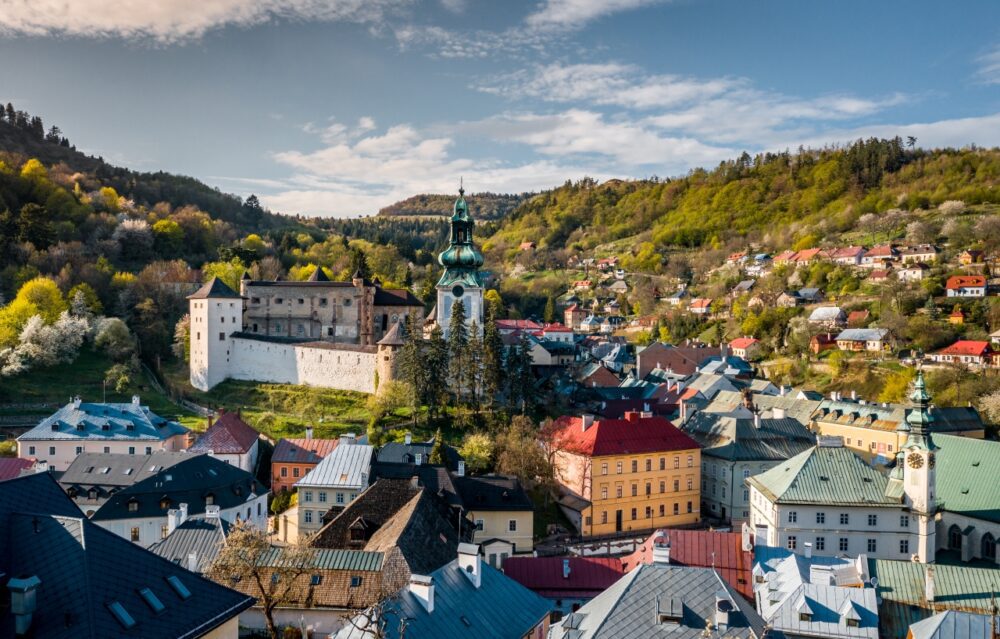
I almost skipped Banská Štiavnica. It wasn’t on my original Slovakia route, and it’s not the kind of place that shows up in your feed the way Bratislava or the High Tatras do. A friend who’d lived in Slovakia for years told me I’d regret missing it, so I added a two-night stop and rerouted around it. I didn’t regret it. I regretted not giving it a third night.
This is a small, hilly former mining town built into a bowl of hills in central Slovakia, and it’s a UNESCO World Heritage Site for good reason. Silver and gold mining here funded a huge chunk of the town’s history, and the wealth that came with it is still visible in the churches, the town hall, and the old mining structures scattered across the surrounding hillsides. What struck me most, though, wasn’t the history. It was how quiet the place was. I walked the main square on a Saturday afternoon in shoulder season and had entire stretches of it to myself.
So is Banská Štiavnica worth visiting? After two nights there, wandering the steep streets and hiking out to the old mining lakes on the edge of town, my answer is yes, but it comes with a different set of trade-offs than a city like Bratislava or Košice. This guide walks through exactly what I found, good and bad, based on actually being there.
Table of Contents
Pros – Reasons Banská Štiavnica Is Worth Visiting
1. The Town Itself Feels Like an Open-Air Museum
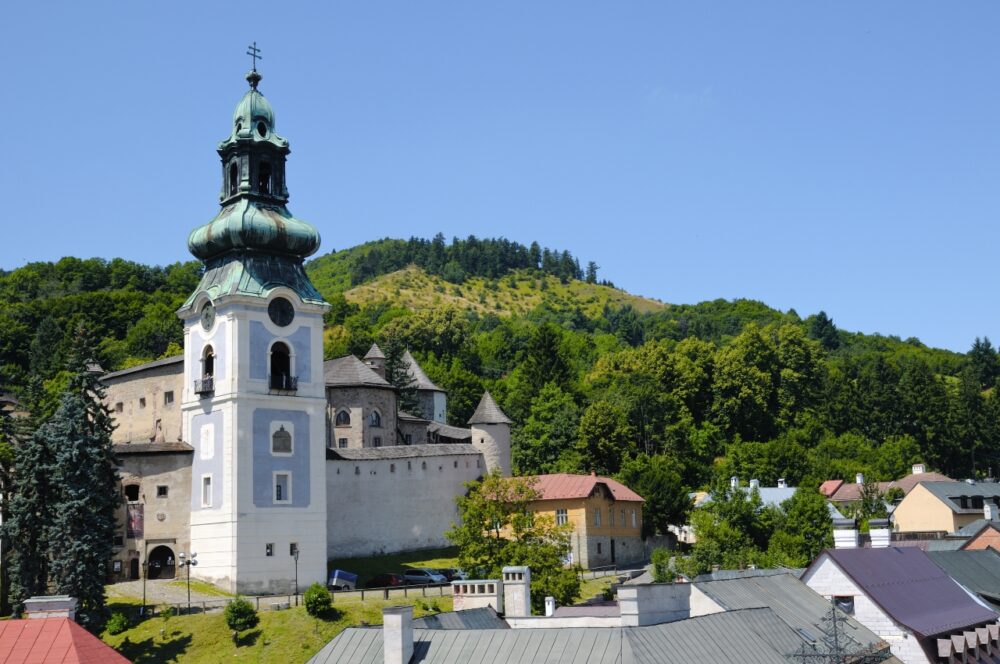
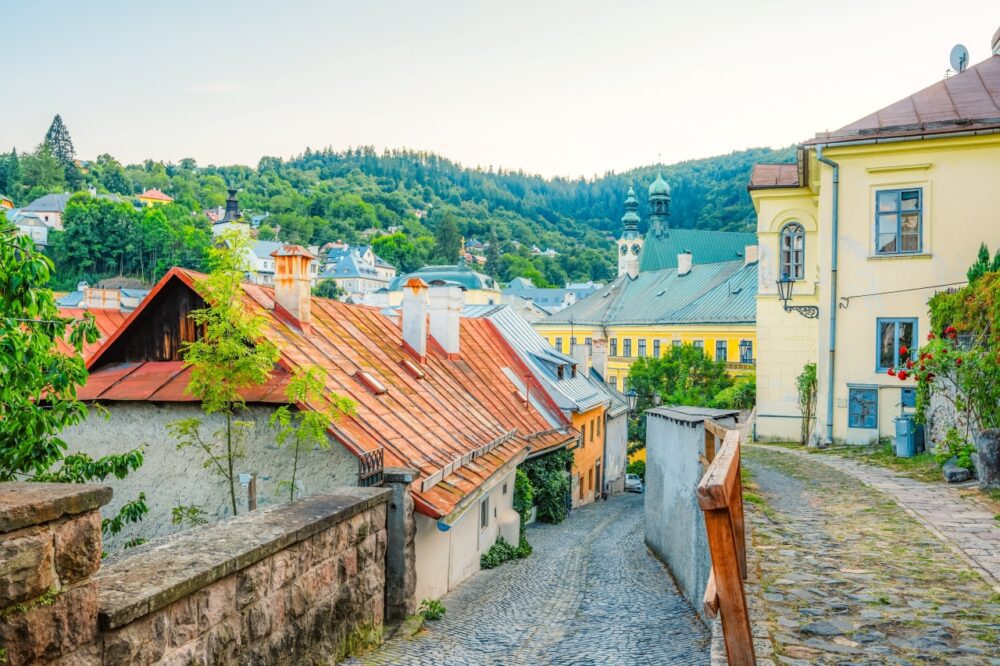
Banská Štiavnica’s historic centre is built on steep, uneven terrain, which means the streets twist and climb in ways that flat medieval towns just don’t. I spent my first afternoon simply following streets uphill to see where they led, and kept finding small squares, old mining buildings, and viewpoints I hadn’t expected. Almost every building in the centre is protected under its UNESCO status, so the town has resisted the kind of modern development that flattens the character out of a lot of historic centres.
2. The Old Castle and New Castle Give You Two Distinct Views
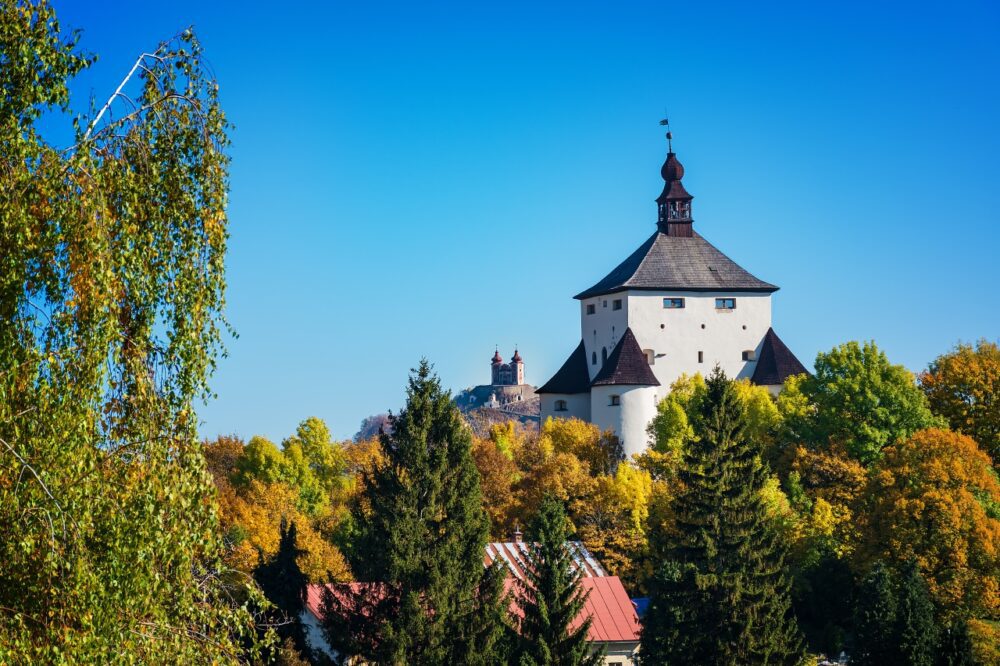
The town has two castles, confusingly named the Old Castle and the New Castle, and I visited both on the same day. The Old Castle sits right in the historic centre and doubles as a museum on the town’s mining history. The New Castle is a white tower on a hill just outside the centre, built originally to watch for Ottoman advances, and the climb up gives you the best panoramic view of the whole town and surrounding hills. Seeing both in one day gave me a much fuller picture of the town’s history than I expected from what looked, on paper, like a small stop.
3. The Tajch Lakes Are Unlike Anything Else I’ve Seen in Slovakia
This is the detail that sold me on the town. Banská Štiavnica is surrounded by a network of artificial lakes, called tajchy, originally built in the 16th century to power the mining operations with water. I hiked out to Klinger Lake on my second morning, about a 45-minute walk from the centre, and had the whole shoreline to myself. These lakes are still used for swimming in summer, and the hiking trails that connect them make for some of the most peaceful walking I did anywhere in Slovakia.
4. It’s Extremely Affordable, Even by Slovak Standards
Prices here run lower than in Bratislava and even lower than in Košice. I had a full dinner with a local beer for around 8 euros at a restaurant just off the main square, and a guesthouse room cost less than I’d pay for a mid-range hotel in most European capitals. If you’re building a longer Slovakia itinerary and trying to balance your budget after a pricier stop elsewhere, this town gives you real breathing room.
5. The Underground Mining Tours Are Genuinely Fascinating
I went into the Štiavnica-Bystrica open-air mining museum expecting a quick, skippable stop, and ended up spending close to two hours there. You can walk through preserved sections of the old silver mines with a guide, see original mining equipment, and get a sense of just how dangerous and labour-intensive this work was centuries ago. It’s a rare chance to actually go underground rather than just read about the town’s mining history from a plaque.
6. Almost No Tourist Crowds, Even in Summer
I visited in the shoulder season, but locals I spoke to said even peak summer doesn’t bring the crowds you’d see in Bratislava or Prague. This town isn’t set up for mass tourism, and that’s part of its appeal. Restaurant staff had time to talk, I never queued for anything, and the whole trip had a slower, more personal feel than anywhere else I visited in Slovakia.
7. It’s a Genuine Change of Pace From City Travel
After a few days in Bratislava and Košice, Banská Štiavnica felt like a different kind of trip entirely. The hills, the quiet, and the surrounding countryside make it feel more like a rural retreat than a city break, even though the historic centre is dense enough to keep you busy for a couple of days. If your trip has been mostly city hopping, this is the place to slow down.
Cons – Things to Consider Before Visiting Banská Štiavnica
1. Getting There Without a Car Takes Real Planning
There’s no direct train to Banská Štiavnica. I took a train to a nearby town and then a connecting bus, which added real time to the journey from Bratislava, closer to three and a half hours door to door. If you’re not driving, check bus and train connections carefully before you commit to a tight itinerary, because the transfers aren’t always well timed.
2. The Hills Are Not Optional
This town is built on genuinely steep terrain, and there’s no way around it. I was fine with the walking, but I saw other travellers clearly struggling with the inclines, especially getting up to the New Castle or out to the lakes. If you have mobility concerns or you’re travelling with very young kids in a stroller, factor this in seriously before you plan your visit.
3. Limited Services Outside the Historic Centre
This is a small town, not a city, and that means fewer restaurant options, shorter opening hours, and less flexibility if your plans change last minute. A couple of restaurants I wanted to try were closed on the day I visited with no clear posted schedule. I’d recommend booking dinner reservations in advance where you can, especially outside peak summer months.
Things to Do in Banská Štiavnica
- Wander the historic main square (Trinity Square) – The natural starting point, with the plague column and colourful burgher houses lining the square.
- Visit the Old Castle – A former church converted into a fortress, now a museum on the town’s mining and military history.
- Climb to the New Castle – The best panoramic viewpoint over the town, built originally as an Ottoman watchtower.
- Take an underground mining tour at Štiavnica-Bystrica – A genuinely immersive look at how the town’s silver and gold mining actually worked.
- Hike out to Klinger Lake – One of the town’s artificial tajch lakes, about a 45-minute walk from the centre and a peaceful escape from the streets.
- Visit the Kammerhof Mining Museum – Housed in a former mining administration building, with exhibits on the technical side of the industry.
- Walk the Calvary (Kalvária) – A hillside pilgrimage route with churches and chapels, and good views back over the town.
- Explore the Botanical Garden – A quieter, lesser-visited spot with a good mix of local and exotic plant species.
- Try local Slovak dishes at a family-run restaurant – Look for spots just off the main square, where I found the best and cheapest meals of my visit.
- Swim at one of the tajch lakes in summer – If you’re visiting in warmer months, several of the lakes allow swimming and it’s a genuinely refreshing way to spend an afternoon.
Where to Stay in Banská Štiavnica
- Trinity Square and the Historic Centre – The best base for a short visit. Everything is within walking distance, though be ready for steep streets getting to and from your accommodation.
- Lower Town, near the Old Castle – Slightly quieter than the main square, with a short, manageable walk into the centre and often better value guesthouses.
- Near the Bus Station – A practical option if you’re arriving without a car and want to minimise the walk with luggage, though it’s a bit further from the main sights.
- Outskirts near the Tajch Lakes – Worth considering if hiking and the lakes are your priority, with a few countryside guesthouses that put you closer to the trails than the town centre.
Getting Around Banská Štiavnica
This is a town you get around almost entirely on foot, and honestly, that’s part of the experience. The historic centre is small enough to walk end to end in under thirty minutes, though the steep streets mean it takes more effort than the distance alone suggests. I wore proper shoes every day I was there and was glad I did.
For anything outside the immediate centre, like the New Castle or the tajch lakes, walking is still realistic but takes planning around your schedule and fitness level. There’s no tram or underground system here, and the town’s small size means it doesn’t need one. A car is genuinely useful if you want to explore the wider region around the lakes without relying on your own legs for every trip, and I’d recommend renting one if you’re planning day trips into the surrounding countryside. Local buses do connect the town to nearby villages, but schedules can be infrequent, so I’d check timings in advance rather than relying on them spontaneously.
Conclusion
Is Banská Štiavnica worth visiting? Based on two nights there, and the extra one I wished I’d added, my answer is yes, especially if you want something genuinely different from a standard European city break. The hills, the mining history, the tajch lakes, and the almost total absence of crowds combine into an experience that felt more personal and more memorable than several bigger, more famous stops on my Slovakia trip.
Where it asks more of you is the planning. The lack of direct trains, the steep terrain, and the limited services outside the centre mean this isn’t a place to show up unprepared. Give it two or three days, book ahead where you can, and pair it with a wider central Slovakia route rather than treating it as a rushed day trip. Do that, and Banská Štiavnica will likely end up one of the most memorable stops on your entire trip, exactly the way it did on mine.