
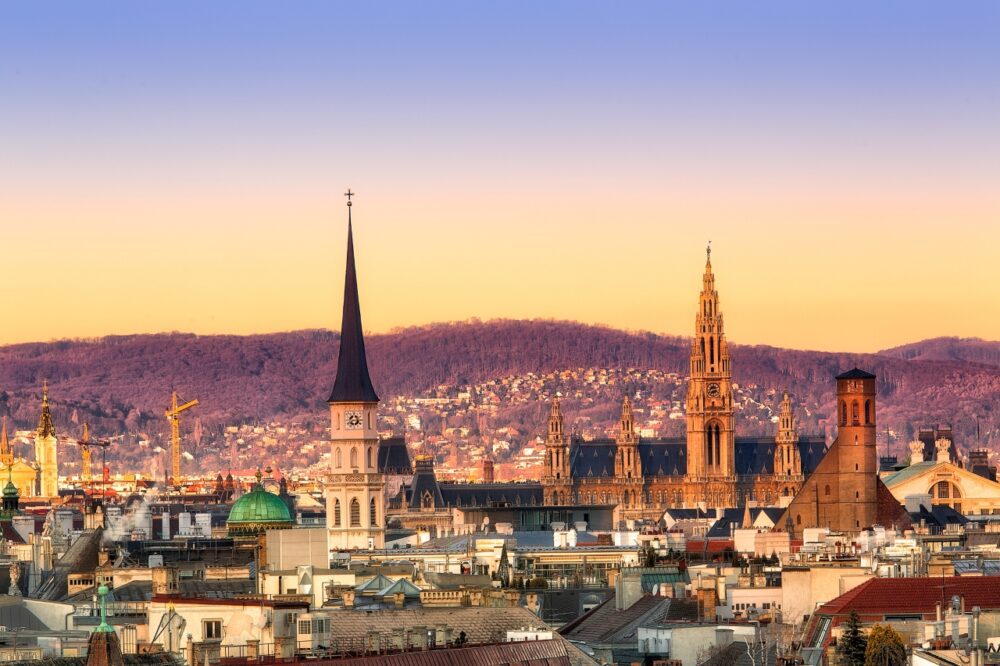
Is Vienna worth visiting? Yes, it definitely is. I’ve visited Vienna more than once, and each trip has given me a new reason to appreciate the city. One day you can be exploring grand palaces and historic streets, and the next you can be relaxing in a traditional coffee house or visiting a world-class museum. Vienna feels elegant without being overwhelming, and it’s a city that’s easy to enjoy at your own pace.
Vienna is the capital of Austria and one of Europe’s most popular city break destinations. Known for its imperial history, impressive architecture, classical music heritage, and café culture, it offers a great mix of history, culture, and everyday life.
In this guide, I’ll cover the top reasons why Vienna is worth visiting and share some practical travel tips and advice to help you plan your trip. Whether you’re interested in history, food, museums, or simply exploring a beautiful European city, you’ll soon discover the many reasons why Vienna is worth visiting.
Table of Contents
Top Activities in Vienna
- Vienna: Guided Walking Tour of City Center Highlights
- Vienna: Schönbrunn Palace & Garden Skip-the-Line Guided Tour
- Vienna: Skip-the-Line Hofburg and Empress Sisi Museum Tour
- Vienna: Danube River Cruise w/ optional Viennese Specialties
- Vienna: Vivaldi’s Four Seasons Concert in Karlskirche
- Classic Vienna: 3-Hour Guided Bike Tour
- Vienna: Naschmarkt Food Tasting Tour
- From Vienna: Guided Day Trip to Salzburg (incl. Melk)
- Vienna Spanish Riding School Guided Tour
- Vienna: Skip-the-cashier-desk-line Giant Ferris Wheel Ride
Top Reasons You Should Visit Vienna
1. Vienna’s Magnificent Imperial Heritage
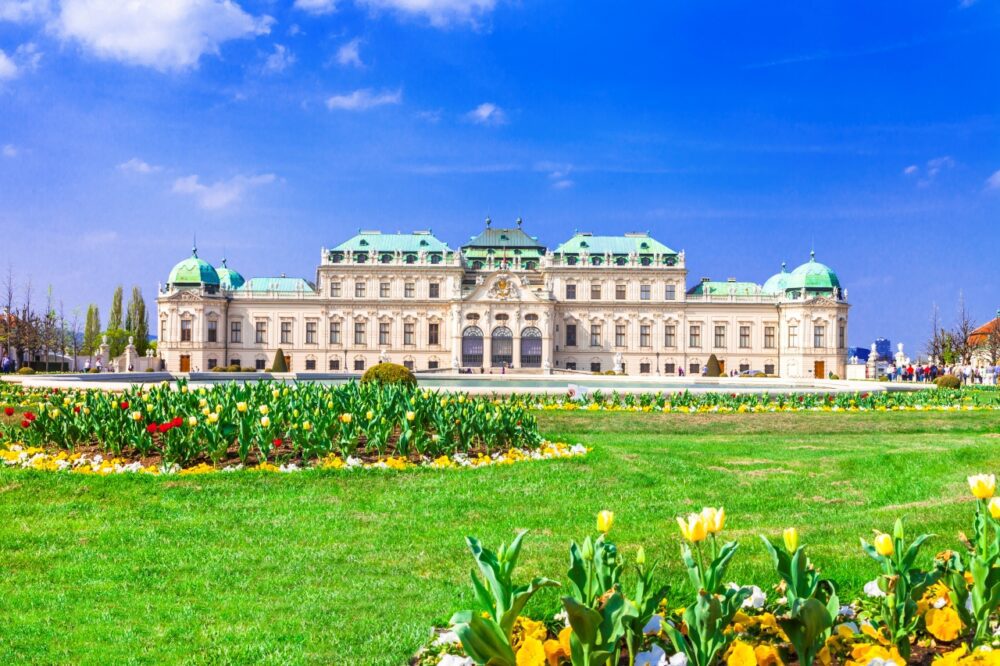
Vienna was the center of the Habsburg Empire for more than 600 years, and you can still see signs of that period all over the city. The palaces are one of the biggest reasons to visit because they show just how powerful and wealthy the ruling family once was. The most famous is Schönbrunn Palace, which has more than 1,400 rooms, although visitors only see a small number of them. The palace was the summer home of the Habsburgs and later became closely linked with Empress Elisabeth, better known as Sisi. The rooms are filled with chandeliers, paintings, and furniture that help bring Austrian history to life.
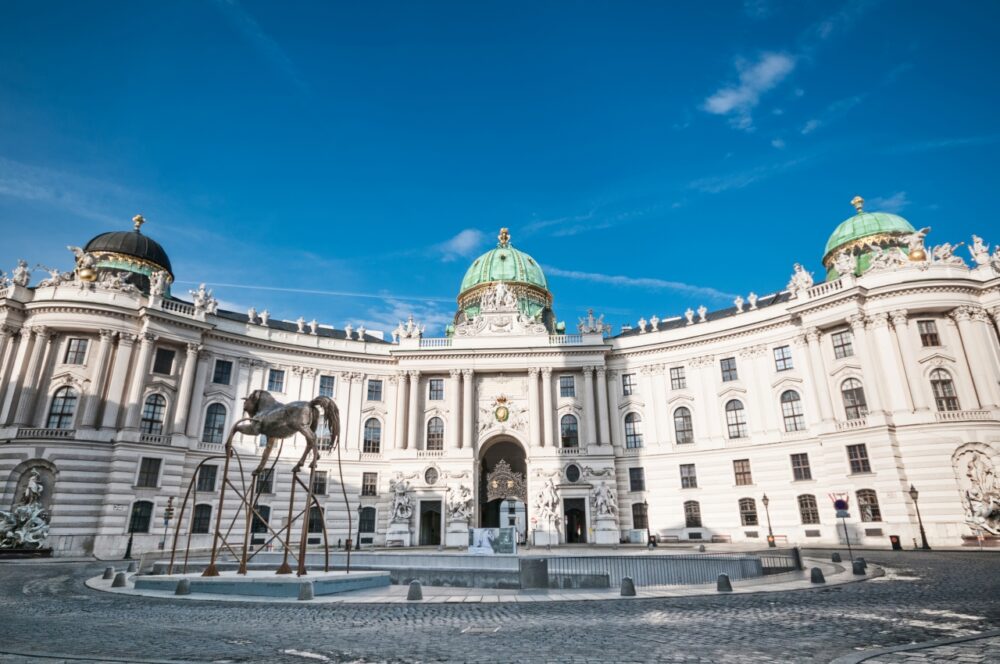
I spent almost half a day exploring Schönbrunn and could have easily stayed longer. The palace itself was impressive, but I enjoyed the gardens even more. There are fountains, sculptures, and tree-lined paths that seem to go on forever. Walking up to the Gloriette gave me one of my favorite views of Vienna. I also visited Hofburg Palace in the city center, which feels very different. It is surrounded by busy streets and museums, yet it still has an atmosphere that reminds you this was once the seat of an empire. Even if you are not normally interested in royal history, Vienna’s palaces are hard not to appreciate because they are such an important part of the city’s identity.
The palaces are also surprisingly easy to visit. Public transport in Vienna is excellent, and getting to Schönbrunn takes less than twenty minutes from the center. Audio guides explain the stories behind the rooms, which helps make the visit more interesting. I found myself learning a lot about the Habsburg family without feeling like I was in a history lesson. For anyone visiting Vienna for the first time, seeing at least one palace is almost essential.
2. Its Unique and Historic Coffee House Culture
Vienna’s coffee houses are much more than places to grab a quick drink. They have been an important part of daily life for centuries and were added to UNESCO’s list of intangible cultural heritage. Writers, artists, politicians, and musicians used them as meeting places, and many locals still spend hours sitting in them reading newspapers, chatting with friends, or simply watching the world go by.
I really enjoyed slowing down and spending time in these cafés. In many cities, it feels strange to sit at a table for an hour after finishing your coffee, but in Vienna it almost seems expected. I visited several famous coffee houses, including Café Central and Café Sperl. They had high ceilings, marble tables, old wooden chairs, and waiters dressed in formal uniforms. Ordering a slice of cake and a melange coffee became part of my routine while exploring the city.
The cakes are another reason to visit. Vienna is famous for desserts such as Sachertorte and Apfelstrudel. I tried both and preferred the apple strudel, especially when served warm with vanilla sauce. Sitting inside a traditional café while people around me quietly read newspapers made me feel like I had stepped back in time. It was one of the experiences that made Vienna feel different from other European capitals.
3. Vienna’s World-Famous Classical Music Scene
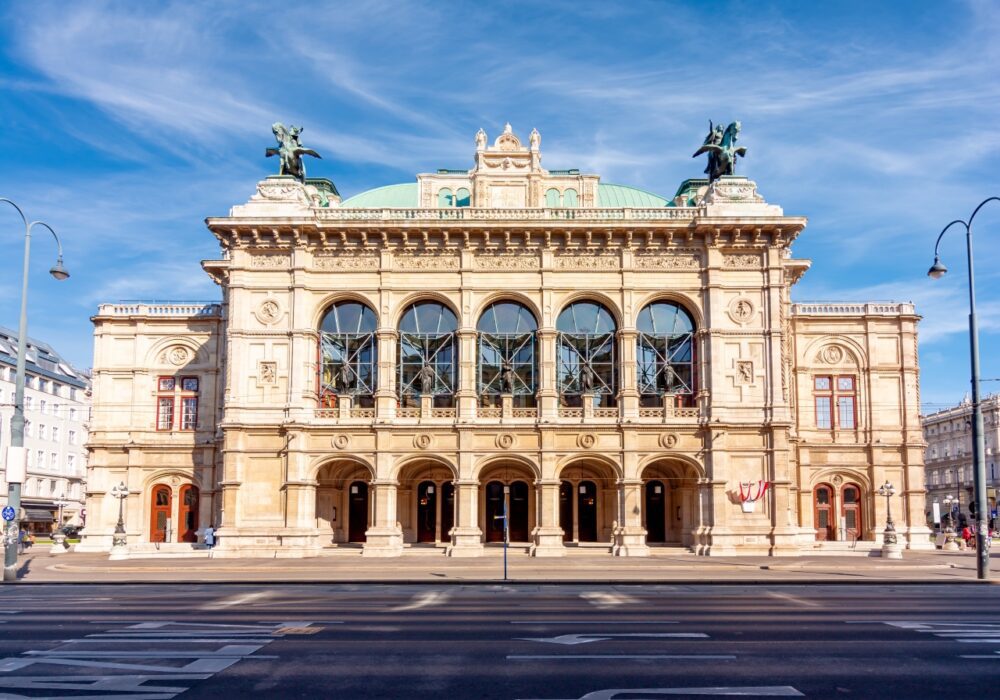
Vienna has long been known as the world’s capital of classical music. Some of history’s most famous composers lived and worked here, including Mozart, Beethoven, Schubert, Brahms, and Haydn. Music is deeply connected to the city, and concerts take place almost every night. Whether you want a grand performance in an opera house or a smaller concert in a church, there are plenty of options.
Even if you are not a huge fan of classical music, attending a concert in Vienna is worth considering. I booked tickets for a performance in one of the historic halls and was surprised by how much I enjoyed it. The setting added a lot to the experience. Crystal chandeliers hung from the ceiling, everyone was dressed nicely, and the musicians performed pieces written by composers who once walked the same streets outside.
For music lovers, visiting places connected to famous composers can also be interesting. Beethoven lived in several apartments around Vienna, while Mozart spent many productive years in the city. Walking around Vienna, I noticed references to music everywhere. Statues, museums, souvenir shops, and posters for concerts all remind visitors that music remains a big part of local culture.
4. One of Europe’s Most Beautiful Historic Centers
Vienna’s historic center is another UNESCO World Heritage Site, and it is one of the most enjoyable places to explore on foot. The streets are lined with elegant buildings, churches, monuments, and hidden courtyards. Unlike some European old towns, Vienna’s center feels spacious and grand rather than crowded and cramped.
I spent several mornings wandering around without any real plan and discovered some of my favorite spots that way. I found quiet streets filled with local shops, small squares with outdoor seating, and impressive buildings that seemed to appear around every corner. The city is very clean, and walking around feels safe and relaxed even during the evening.
One highlight was seeing St. Stephen’s Cathedral. Its colorful tiled roof stands out against the skyline, and climbing the tower gives visitors another excellent view over Vienna. I also enjoyed simply sitting outside with a coffee and watching horse-drawn carriages pass by. Vienna’s old town feels polished and sophisticated, but it never seemed overly touristy to me. People still live and work there, which gives it an authentic atmosphere.
5. An Outstanding Choice for Museum Lovers
Vienna has an impressive collection of museums covering art, history, science, and music. The MuseumsQuartier alone is one of the largest cultural complexes in the world. Art lovers can spend days exploring galleries and still not see everything.
I visited the Kunsthistorisches Museum and thought it was one of the best museums I had been to in Europe. The building itself almost looked like a palace. Inside, there were paintings by artists such as Bruegel, Rubens, and Raphael. Even people who do not normally visit museums might appreciate the architecture and decoration. Every room felt grand and carefully designed.
Another museum I enjoyed was the Albertina, which houses works by Picasso, Monet, and other famous artists. What impressed me most about Vienna was the variety. You can visit imperial collections in the morning, modern art in the afternoon, and music museums in the evening. The museums never felt rushed or overcrowded, which made the experience much more enjoyable.
6. Delicious Austrian Food and Traditional Desserts
Vienna is a great destination for food lovers. Austrian cuisine is influenced by many cultures that were once part of the Habsburg Empire, including Hungarian, Czech, and Italian traditions. This mix has created dishes that are hearty, filling, and full of flavor.
The most famous dish is Wiener Schnitzel, which is usually made from veal and served with potatoes or salad. I tried it at a traditional restaurant and quickly understood why locals are proud of it. The meat was thin, tender, and covered in a light crispy coating. Portions were generous, and I definitely did not leave hungry.
There are plenty of other dishes worth trying too. Tafelspitz, boiled beef served with vegetables and sauces, is another local favorite. Sausage stands are also common throughout the city and provide an inexpensive meal. I found Vienna surprisingly affordable when it came to food. You can enjoy a proper meal at a traditional restaurant without spending a fortune, especially compared to some other Western European capitals.
7. Plenty of Parks and Green Spaces to Enjoy
Vienna consistently ranks as one of the world’s most livable cities, and its green spaces are one reason why. Parks cover a large part of the city, giving residents and visitors plenty of places to relax. Even near the center, there are large open areas where people jog, cycle, picnic, or simply sit under the trees.
The gardens at Schönbrunn Palace were probably my favorite, but I also enjoyed walking through Stadtpark. It is home to the famous golden statue of Johann Strauss and has ponds, flower beds, and shaded paths. On a sunny day, locals gather there with books, sandwiches, and drinks. It felt more like a neighborhood park than a tourist attraction.
Another pleasant surprise was the Danube Island. It stretches for more than twenty kilometers and offers beaches, cycling paths, and swimming spots. I visited during warm weather and saw families grilling food, groups playing volleyball, and people paddleboarding. It was nice to see a different side of Vienna beyond museums and historic buildings.
8. A Mix of Historic Attractions and Family-Friendly Fun
The Prater amusement park offers something completely different from Vienna’s imperial palaces and concert halls. Its most famous attraction is the Giant Ferris Wheel, which was built in 1897 and remains one of the city’s best-known landmarks. It survived wars and major changes over the years and has appeared in several movies.
I was not sure if the Ferris wheel would be worth doing, but I ended up really enjoying it. The cabins move slowly, giving passengers plenty of time to admire the view. From the top, you can see church towers, modern buildings, and green spaces stretching into the distance. It is especially beautiful around sunset.
The amusement park itself is free to enter, which makes it easy to spend an hour or two there without spending much money. There are roller coasters, arcade games, food stalls, and rides for children. It feels more local than some tourist attractions because many Viennese families visit regularly.
9. A Surprisingly Strong Local Wine Culture
Many people do not realize that Vienna is one of the few capital cities in the world with significant vineyards located within its boundaries. Wine production has been part of local life for centuries, and visiting a traditional wine tavern, known as a heuriger, is a unique experience.
I took a tram to the outskirts of the city and visited a small heuriger surrounded by vineyards. It felt completely different from central Vienna. Instead of grand buildings and busy streets, there were rolling hills, quiet roads, and locals enjoying glasses of white wine outdoors. The atmosphere was relaxed and welcoming.
Vienna is particularly known for a wine called Gemischter Satz, which is made by growing different grape varieties together in the same vineyard. I am not an expert on wine, but I enjoyed trying something that is closely linked with the city. Spending an afternoon drinking local wine while looking over the vineyards was one of the most memorable experiences I had in Vienna.
10. Some of Europe’s Best Christmas Markets
If you visit Vienna during late November or December, the Christmas markets alone can justify the trip. The city takes the festive season seriously, and markets appear in squares throughout the center. Lights decorate the streets, music plays in the background, and stalls sell food, drinks, and handmade gifts.
I visited the market in front of City Hall and thought it was one of the prettiest Christmas markets I had seen in Europe. The building behind it was illuminated, creating a really festive atmosphere. People wandered around carrying mugs of hot punch while children skated on ice rinks nearby.
What I liked most was that each market had its own personality. Some focused on crafts, while others offered more food and entertainment. I spent a couple of evenings walking between markets, trying roasted chestnuts and warming up with hot drinks. Even though they attract plenty of visitors, they still felt enjoyable rather than overwhelming. If you enjoy Christmas traditions, Vienna is hard to beat.
Where to Stay in Vienna
- Hotel Sacher Wien – Vienna’s most iconic luxury hotel, directly opposite the State Opera, famous for the original Sachertorte and antique-filled rooms.
- Hotel Imperial, a Luxury Collection Hotel, Vienna – A grand 5-star former palace on the Ringstraße, next to the Musikverein concert hall, with butler service and imperial-era décor.
- 25hours Hotel beim MuseumsQuartier – A quirky, circus-themed design hotel in the trendy 7th district, right by the MuseumsQuartier, with a rooftop bar and city views.
- Boutiquehotel Das Tyrol – A stylish art-filled 4-star boutique hotel on Mariahilfer Straße, directly opposite the MuseumsQuartier, with a private spa.
- Hotel Rathaus – Wein & Design – A wine-themed design hotel in the Josefstadt district, each room dedicated to an Austrian winemaker, a short walk from City Hall.
- Hotel Stefanie – Vienna’s Oldest Hotel – A historic, family-run hotel dating to 1600 in Leopoldstadt, close to the Prater and a short walk from St. Stephen’s Cathedral.
- Austria Trend Hotel Maximilian – A comfortable mid-range hotel in quiet Hietzing, right by Schönbrunn Palace and Zoo, with easy metro access to the centre.
- Motel One Wien-Hauptbahnhof – A stylish, affordable design hotel right next to Vienna’s Main Train Station, close to Belvedere Palace.
- MEININGER Hotel Wien Downtown Franz – A budget-friendly hotel/hostel hybrid in Leopoldstadt between Augarten and the Danube Canal, with private rooms and dorms.
- Wombat’s City Hostel Vienna Naschmarkt – A lively, well-rated hostel right next to the Naschmarkt food market, close to the State Opera and MuseumsQuartier.
Travel Tips for Visiting Vienna
When to Visit Vienna
I think Vienna is a great city to visit at any time of year, but my favourite months are May, June, and September. The weather is pleasant, the parks are green, and it’s comfortable for walking around all day. Summer is the busiest season, but the long days and outdoor cafes create a great atmosphere. Winter is also special, especially in December when the Christmas markets take over the city squares. If you enjoy festive lights and mulled wine, Vienna is hard to beat during the holiday season. For the best mix of weather and smaller crowds, I would choose late spring or early autumn.
How to Get to Vienna
Most visitors arrive through Vienna International Airport, which is about 18 kilometres from the city centre. Airlines from across Europe, North America, and the Middle East fly here regularly. From the airport, you can take the City Airport Train (CAT), Railjet trains, buses, or the S-Bahn into the city. The train is usually the fastest option. Vienna is also well connected by rail, with direct services from cities like Budapest, Prague, Munich, and Bratislava. Personally, I think the train is the most convenient way to arrive if you’re already travelling around Central Europe. It’s comfortable, efficient, and drops you right in the city centre.
Getting Around Vienna
Vienna has one of the best public transport systems I’ve used in Europe. The city has an excellent network of U-Bahn trains, trams, buses, and suburban rail services. Most visitors won’t need a car because public transport reaches almost every attraction. You can buy tickets through the Wiener Linien app, at ticket machines, or online. Multi-day travel passes are available and usually offer good value. The city is also very walkable, especially around the historic centre. Personally, I used a mix of walking and the U-Bahn, which made getting around easy and affordable.
How Long to Spend in Vienna
I think three days is the perfect amount of time for most visitors. That gives you enough time to see major attractions like Schönbrunn Palace, St. Stephen’s Cathedral, the Hofburg, and several museums without feeling rushed. If you only have one or two days, you can still cover the highlights and enjoy a few traditional cafes. With four or five days, you can add day trips to Hallstatt, Bratislava, or the Wachau Valley. Vienna is not a city I would rush through. It’s the kind of place where sitting in a cafe for an hour can be just as enjoyable as visiting another attraction.
Conclusion
So, is Vienna worth visiting? Absolutely. From its stunning palaces and historic landmarks to its museums, coffee houses, and rich cultural scene, there are plenty of reasons to spend time here. Vienna combines history, art, music, and great food in a way few cities can match. If you’re planning a trip to Austria and want to experience one of Europe’s most rewarding destinations, Vienna is a city that deserves a place at the top of your travel list.