Is Florence Worth Visiting? Honest Pros and Cons (2026)
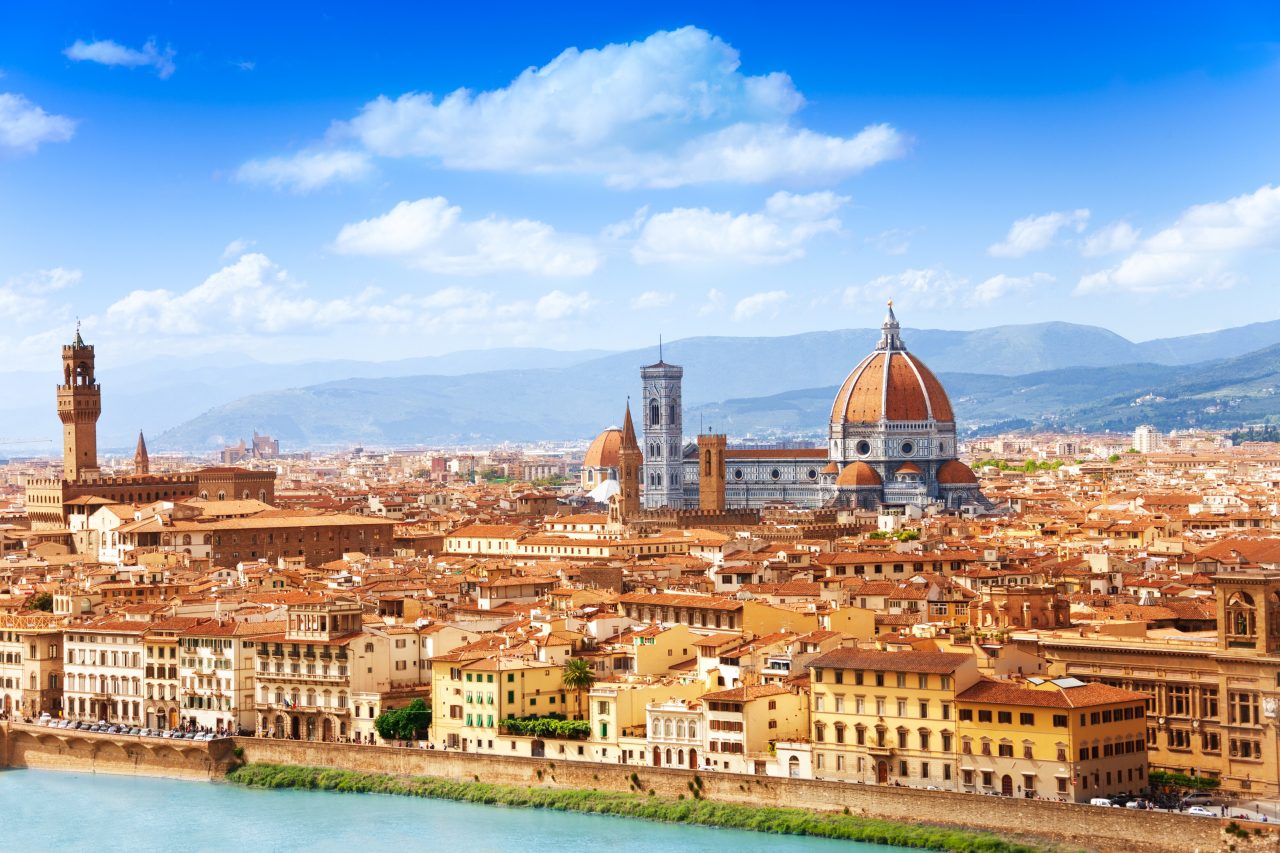
Florence is the city that most people put near the top of their Italy list, and I wondered if it could live up to that. I spent three nights here one spring, and it did. It’s the capital of Tuscany and the birthplace of the Renaissance, and the historic centre is so packed with art and architecture that you feel it in the streets.
So is Florence worth visiting? Yes, and for most people it’s an easy yes. You get a huge cathedral with a dome you can climb, Michelangelo’s David, one of the great art museums in the world and a river lined with old palaces. It’s also small enough to cover on foot, with hills and vineyards on the doorstep. The trade-off is that everyone else wants to see it too.
This guide covers the pros and cons of Florence, where to stay, and what to book. You’ll also find tips on when to go, how long you need, and getting around, so you can decide whether it suits your kind of trip.
In a Rush? Here Are Our Favourite Hotels in Florence Italy
⭐️⭐️⭐️ HomEdo B&B – Click here for rates & availability
⭐️⭐️ Hotel Croce Di Malta – Click here for rates & availability
⭐️ Le Logge by Dimora Collection – Click here for rates & availability
Pros of Visiting Florence
1. The Duomo and Brunelleschi’s Dome
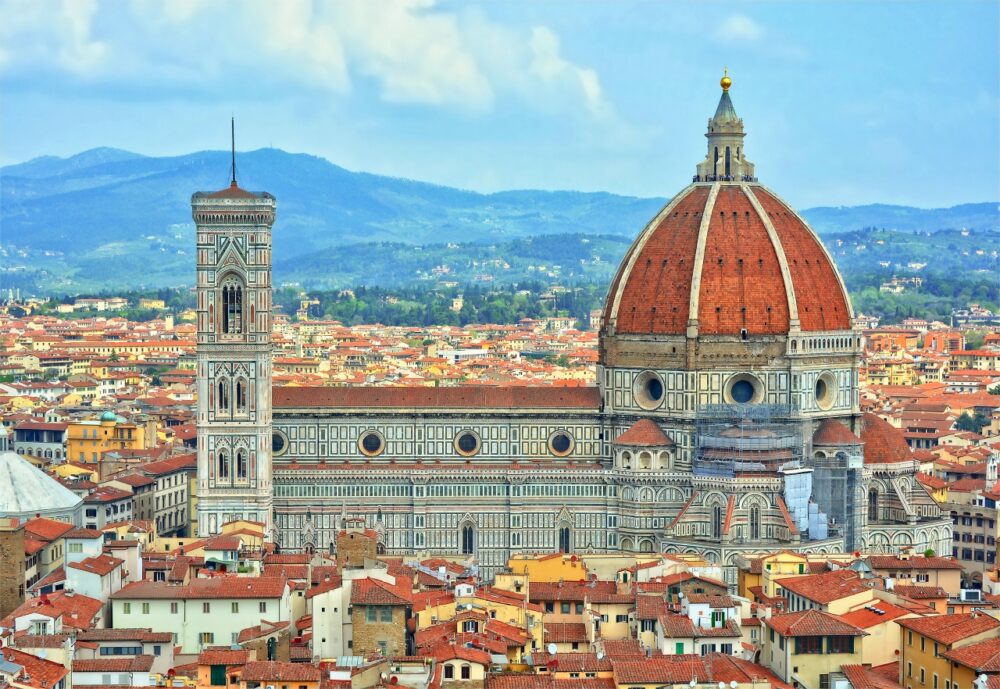
The Duomo is the heart of Florence, and you can see it from almost every corner of the city. Work on the cathedral began in 1296, and Filippo Brunelleschi added the huge dome in the 15th century. It’s still the largest brick dome ever built, and he finished it without a wooden frame. The green, white and pink marble outside is stunning, and I kept finding excuses to walk back through the square just to look at it again. The inside is plainer, so the outside is the star.
The best part is climbing the dome. The narrow stairs take you between the two shells, past the painted ceiling and out to a view over the terracotta rooftops. It’s a tight, sweaty climb, so it isn’t for everyone, but it was my highlight of the trip. Book a timed slot through the Duomo official site ahead of time. The Brunelleschi’s Dome and Duomo complex ticket covers the dome, bell tower, baptistery, and museum.
2. The Uffizi Gallery
The Uffizi is one of the best art museums in the world, and it’s worth planning a whole morning around. It sits in a long Renaissance building beside the Arno, and it holds Botticelli’s Birth of Venus and Primavera, plus work by Leonardo da Vinci, Raphael, Michelangelo and Caravaggio. The Botticelli room is the one everyone heads for. I stood in front of the Birth of Venus for a long time, and it was far bigger and brighter than I’d imagined from the photos!
Don’t try to see everything. The gallery is huge, and by the third hour your brain switches off. Pick a few rooms, take a break at the café on the terrace, then go back for more. The Uffizi Galleries are open Tuesday to Sunday and closed on Mondays, so plan around that. A guide helps a lot, and the Uffizi ticket with audio guide or tour options lets you choose how much help you want.
3. Michelangelo’s David
Michelangelo’s David is one of those sights that really does live up to the fame. The statue is over five metres tall, and he carved it from a single block of marble in the early 1500s. You walk down a long hall lined with his unfinished Prisoners, which look like figures struggling out of the stone, and then David appears at the end under a skylight. The veins in the hands and the tension in the pose are what stayed with me.
The museum around it, the Galleria dell’Accademia, is small, so a visit takes about an hour. That makes it an easy add-on to a day of walking. It’s closed on Mondays, and queues without a ticket can be long, so book ahead through the Accademia Gallery site. A guide brings the sculpture to life, and the Accademia Gallery guided tour with timed entry is a good choice if you want the stories behind it.
4. Ponte Vecchio and Piazza della Signoria
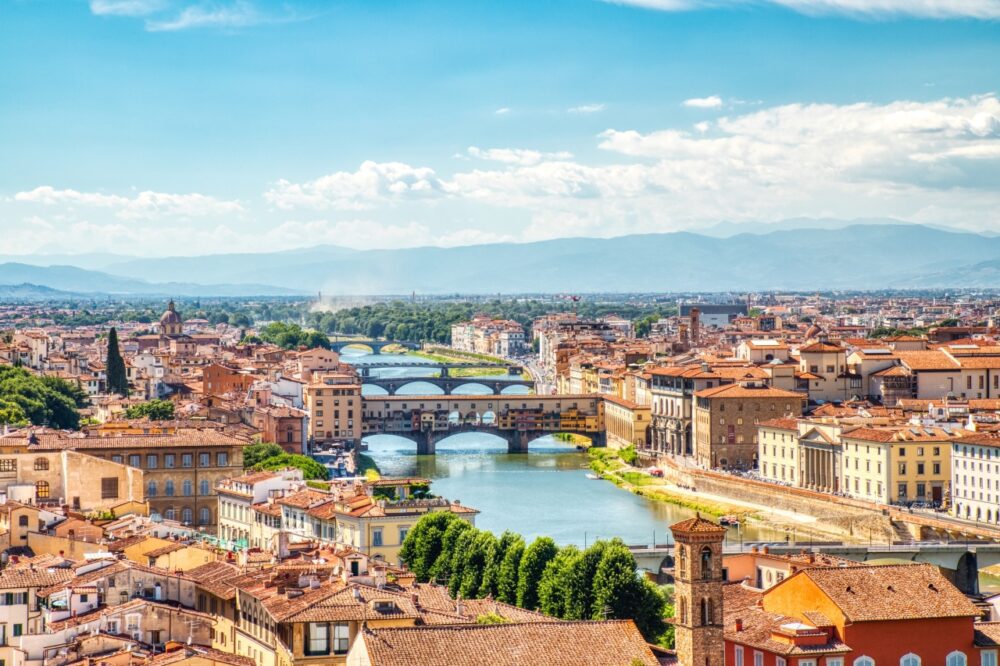
Ponte Vecchio is the oldest bridge in Florence, and it’s lined with tiny jewellery shops that hang over the river. It was rebuilt in 1345 after a flood, and the goldsmiths have been here since the 16th century. It’s busy all day, but the best view is from the next bridge along, Ponte Santa Trinita, especially around sunset when the light turns gold. The crowd on the bridge itself moves at a crawl, so I took my photos from the side and kept walking.
From there it’s a short stroll to Piazza della Signoria, the open-air museum at the centre of the old city. Palazzo Vecchio’s tower rises above a square filled with statues, including a copy of David and the Loggia dei Lanzi. The square is free, and it’s a great spot to sit with a coffee. If you want to go inside, the Arnolfo Tower and Palazzo Vecchio ticket includes a climb to the top of the tower.
5. Oltrarno, Pitti Palace and Boboli Gardens
Cross the river and Florence changes. The Oltrarno, meaning “the other side of the Arno”, is where artisans still work in small workshops, making furniture, leather goods, and jewellery. The streets around Piazza Santo Spirito have a local feel, with wine bars, cafés and a daily market in the square. I came here to escape the crowds around the Duomo, and it worked. The pace is slower, and the evenings are the best part!
The main sight is Pitti Palace, the huge Medici home, and the Boboli Gardens behind it. The gardens climb a hill with statues, fountains and views back across the city. They’re a good place to spend a relaxed afternoon, but they close on the first and last Monday of each month and close earlier in winter, so check the Uffizi Galleries site before you go. Pitti Palace and the gardens can be visited on one ticket.
6. Piazzale Michelangelo and San Miniato
Piazzale Michelangelo is the classic viewpoint in Florence, and the view is worth the walk. From the terrace on the hill south of the river, you see the Duomo, Palazzo Vecchio and the Arno in one frame. It gets crowded at sunset (with buskers and street sellers) but it’s still special. I went up on my second evening and stayed until the lights came on across the city. It’s about a 20-minute climb from the river, or you can take a bus.
A short walk further up the hill is the church of San Miniato al Monte, which is one of the oldest and prettiest in the city. The marble front looks out over the same view, with fewer people around. If you time it right, you may hear the monks singing Gregorian chant in the late afternoon. It’s a peaceful end to the day, and a calm contrast to the busy centre.
7. Tuscan Food and Gelato
Florentine food is simple and hearty, and I ate well on every trip. The classic dish is bistecca alla fiorentina, a thick T-bone steak cooked rare over charcoal and sold by weight, so it’s usually shared. Ribollita, a thick bread and vegetable soup, and pappa al pomodoro are the cheaper, comforting options. For a local street snack, try lampredotto, a slow-cooked tripe sandwich sold from small stands. It’s not for everyone, but it’s a real Florence tradition. And of course the gelato is superb.
Mercato Centrale, on the first floor of the San Lorenzo covered market, is a good place to try a bit of everything under one roof. If you want to have a guide, the Florence street food walking tour with wine takes you through the old streets with tastings along the way. There’s also an evening food tour with Florentine steak and Tuscan wine in Santo Spirito.
8. Santa Croce, Markets and Craft Shopping
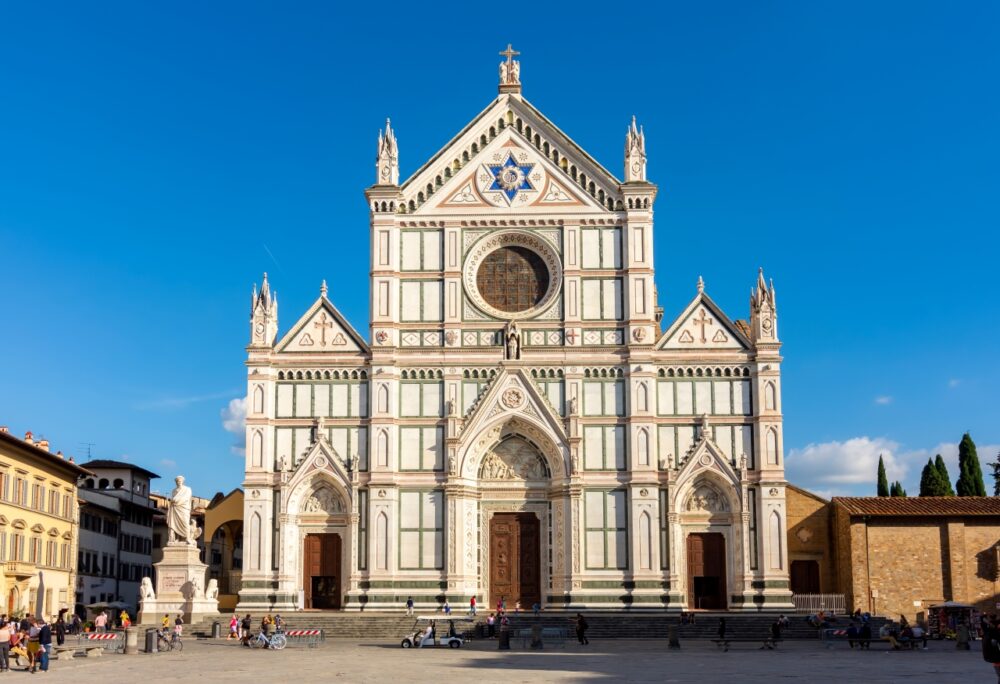
Santa Croce is the other big church in Florence, and it’s far quieter than the Duomo. The basilica holds the tombs of Michelangelo, Galileo and Machiavelli, and the frescoes by Giotto are in the side chapels. The square outside is beautiful and lively, and I liked how local the streets around it felt. It’s a nice place to stop for lunch. The basilica is run by the Opera di Santa Croce, where you can find tickets and opening times!
Florence is a good city for shopping, too. The San Lorenzo street market is the place for leather jackets, bags, and scarves, and you’re expected to haggle a little. For something more refined, the artisan shops around Santo Spirito sell hand-bound paper, jewellery and handmade shoes. I bought a leather notebook that I still use. Quality varies at the market, so look closely at stitching and the smell of the leather before you hand over cash.
9. A Compact, Walkable City
Florence is small, and that’s a big part of its charm. The main sights, from the Duomo to the Uffizi to Ponte Vecchio, sit within about 15 minutes of each other on foot. You don’t need a metro, and you can fit a lot into a day without ever feeling rushed. I walked almost everywhere, and the whole trip felt easy. Even the Oltrarno is only a short walk across the river.
The size also makes the city feel friendly. Wandering without a plan is half the fun, and I kept finding small squares, churches and workshops down side streets. Mornings are best, before the tour groups arrive. The city centre is also mostly closed to normal traffic, so the old streets are calmer than in many Italian cities. It also means you can stay in the middle of everything without needing a car. Comfortable shoes are a must, as the cobbles and pavements are uneven.
10. Day Trips from Florence
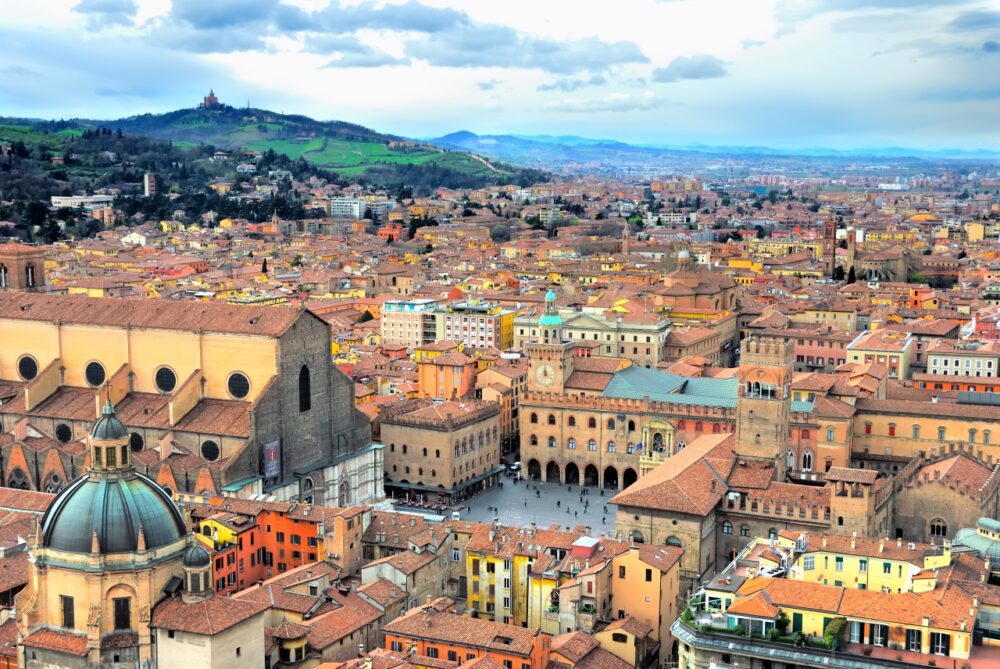
Florence is the best base for exploring Tuscany. Siena, with its shell-shaped Piazza del Campo, is about an hour and a half away by train or bus. Pisa and its Leaning Tower is roughly an hour by train, and Lucca, with its walkable city walls, is a little further. Bologna is a quick high-speed ride, around half an hour. Trenitalia covers most routes, and buses fill the gaps in the hill towns. Most of these trips work as an easy day out, and you’re back in Florence for dinner.
For the countryside, an organised tour is much easier than juggling buses. The Chianti wineries tour with wine tasting is a half-day trip through the vineyards. For hill towns, the Siena, San Gimignano and Monteriggioni tour packs in a lot. If you want the coast, the Cinque Terre and Pisa day trip is a long but rewarding day, with colourful fishing villages on the Ligurian coast.
Cons of Visiting Florence
1. Crowds in the Centre
Florence is one of the busiest places in Italy, and the centre gets very crowded. Tour groups, day trippers and school parties flood the Duomo, Ponte Vecchio and the streets between them from mid-morning, and the pavements are narrow. The area around the cathedral was almost impossible to walk through in the middle of the day!
The answer is timing. Go early in the morning or in the evening, when the day trippers have left and the light is better anyway. Book the big sights for the first slot, and spend the middle of the day in quieter areas like the Oltrarno. A guided visit also helps, and the Uffizi ticket with audio guide or tour options is a good start. It’s still worth it.
2. Hot, Busy Summers
Summer in Florence is hard work. The city sits in a river valley, and July and August regularly climb above 35°C with little breeze. The stone streets hold the heat, and the queues move slowly in the sun. In August, some smaller shops and family-run restaurants close for the holidays.
If you do come in summer, start early and rest in the afternoon. Save the dome climb and the Boboli Gardens for the morning, and use the hottest hours for indoor museums or a long lunch. Evenings are the nicest time to be out, with the piazzas full of music and the heat easing off. The Chianti hills are a little cooler, and the half-day Chianti tour with tasting is an easy escape. Spring and autumn are much kinder on your feet.
3. The Big Museums Need Booking
The top sights in Florence are limited by timed entry, and they sell out. The Uffizi and the Accademia both have long queues if you turn up without a ticket, and in peak months the best slots can be gone days ahead. Both are closed on Mondays, which squeezes your options even more. I booked my main sights before I flew, and I was glad I did, as I walked past a long line outside the Accademia.
Book as soon as you know your dates, and plan your days around the entry times. If the official slots are gone, a guided tour is often the best backup. The Uffizi and Accademia guided tour covers both in one morning, and the timed entry ticket for David is a simpler option if you only want the statue. A little planning makes it all work.
4. Tourist-Trap Restaurants
Florence has some excellent food, but the busy areas also have plenty of poor-value restaurants. The streets around the Duomo, Ponte Vecchio and Piazza della Signoria have places with photo menus, staff waving you in and average food at high prices. Many charge a cover fee per person, called coperto, and bistecca is priced by weight, so a shared steak can cost far more than you expect!
Walk a few streets away from the main sights and look for places full of locals. The Oltrarno, Sant’Ambrogio and the streets around Santa Croce have much better value. Check the price per 100 grams before ordering a steak. A guide takes the guesswork out, and the street food tour with wine and a local guide leads you to the good spots.
5. Pickpockets Around the Busy Sights
Petty theft is the most common problem for people, and Florence is no exception. The crowds around Santa Maria Novella station, Ponte Vecchio, the Duomo and the San Lorenzo market make easy targets, and the thieves are skilled. Crowded buses and trams are also a risk. I never had anything stolen, but I stayed careful.
A few simple habits keep you safe. Carry a cross-body bag worn in front, keep your phone out of back pockets and don’t leave anything on a café table. Be wary of anyone who bumps into you or hands you a petition to sign. The risk is small if you’re sensible. A guided walk is a relaxed way to see the main sights, and the Florence in a day tour with David and the Uffizi is one option.
Where to Stay
San Giovanni and the Duomo: I stayed near San Giovanni for three nights, and it was a great base for a first visit. The Baptistery of San Giovanni is right beside the cathedral, so you can walk to the Duomo in minutes, and the station is also close. The streets get very busy in the day, and the nights can be noisy in places. Le Logge by Dimora Collection is an adults-only boutique aparthotel with a terrace, a lift and soundproof rooms. HomEdo B&B is a bed and breakfast on Via Cavour with soundproof rooms, massage services and free WiFi. Suite Stylish & Cozy Apartment in the Heart of Florence is an apartment on Via Laura with a terrace, air conditioning and a shared kitchen.
Santa Maria Novella: This area works well if you arrive by train, because the station is the hub for trams, buses and the airport. It has a good choice of hotels and plenty of restaurants. The downside is that the streets near the station can feel rough late at night, and pickpockets are a worry. Home Boutique Santa Maria Novella is a guest house on Via della Scala with air conditioning, a shared kitchen and a tour desk. Mabelle Firenze Residenza Sassetti is a bed and breakfast with a lift, soundproof rooms and an airport shuttle. Hotel Croce Di Malta is a 4-star hotel with a garden, a terrace and an outdoor pool.
Santa Croce: Santa Croce is lively and local, with good restaurants, the Sant’Ambrogio market and a beautiful square at its centre. It’s quieter than the Duomo area at night and just a short walk from the main sights. The downside is that some streets have late-night bars. Blu Notte Guest House is a guest house on Via dei Martiri del Popolo with family rooms, parking and air conditioning. Locanda De’ Ciompi has a bar, soundproof rooms, a concierge and a coffee house. La Maison du Sage is a bed and breakfast with a lift, family rooms and soundproof rooms!
Oltrarno: The Oltrarno is the best area if you want a local feel. It has artisan workshops, Santo Spirito’s bars and the Pitti Palace on your doorstep. It’s calmer than the centre, though the walk to the Duomo takes around 15 to 20 minutes, and the square can be noisy on warm nights. Drom Florence Rooms & Apartments is a bed and breakfast on Via dei Serragli with a garden and family rooms. Hotel Annalena is a 3-star hotel on Via Romana with a bar, a tour desk and a concierge. Palazzo D’Oltrarno – Residenza D’Epoca is a bed and breakfast in San Frediano with a lift, room service and a shared lounge.
San Lorenzo and San Marco: This area sits just north of the Duomo (with the market) the Mercato Centrale food hall and the Accademia close by. It’s good value and convenient for the station. The downside is that it’s busy and a bit scruffy around the market. Hotel Machiavelli Palace is a 3-star hotel on Via Nazionale with a terrace, a bar and a tour desk. B&B Residenza le Fonticine has a lift, soundproof rooms and a concierge. Arts & Crafts Luxury Suites is a bed and breakfast on Via Cavour with a hot tub, a steam room and a garden.
Best Things to Do
- Brunelleschi’s Dome and Duomo complex ticket: A flexible ticket that lets you climb Brunelleschi’s Dome and visit the cathedral, baptistery, bell tower and museum. It’s valid for three days, and a mobile audio guide is included.
- Uffizi Gallery ticket with audio guide or tour options: A priority timed-entry ticket to one of the world’s great art collections. You can choose an audio guide, a small-group tour or a private guide.
- Accademia Gallery guided tour with timed entry: A guided visit to see Michelangelo’s David, with a pre-reserved ticket to skip the queue. A private option is available.
- Uffizi and Accademia guided tour: A three-hour small-group tour covering both galleries with a licensed local guide. You see David and the Birth of Venus on the same morning, with headsets so you can hear clearly.
- Arnolfo Tower and Palazzo Vecchio ticket: A fast-track ticket to the town hall of Florence and its tower. You see the Renaissance halls inside, then climb for a view across the rooftops.
- Florence street food walking tour with wine: A 2.5-hour guided walk through the old centre. You taste traditional Tuscan street food and local wine as you pass the Cathedral and Ponte Vecchio.
- Food tour with Florentine steak and Tuscan wine: An evening small-group tour through Santo Spirito with four stops and 14 tastings. You try Florentine steak, gelato and a drink at a traditional wine window.
- Pasta and tiramisu cooking class with wine: A three-hour class in a local restaurant in the heart of Florence. You make fresh pasta and tiramisu, then sit down to eat your creations with wine.
- Chianti wineries tour with wine tasting: A half-day trip to two wineries in the Chianti hills. You meet the winemakers, walk through the vineyards and taste local wines, olive oil and cheeses.
- Siena, San Gimignano and Monteriggioni tour with tasting: A full-day trip through three Tuscan hill towns. It includes a Chianti stop for a wine tasting.
- Pisa, Siena, San Gimignano and Chianti day trip: A long day by coach covering the Leaning Tower in Pisa, medieval towns and a winery lunch. It’s a lot packed in, but it’s good value.
- Cinque Terre and Pisa day trip: A 12-hour guided day trip to the colourful fishing villages on the Ligurian coast, with a stop in Pisa on the way.
Best Time to Visit
Spring: I visited in spring, and it’s the time I’d pick again. April and May bring mild temperatures, long days and green hills, and the gardens are in bloom. The crowds are building, and Easter week is very busy, with the Scoppio del Carro, a cart of fireworks, set off outside the Duomo on Easter Sunday. Book your hotel and the big museums early.
Summer: Summer is hot and crowded, often above 35°C in July and August. Late June is special (with the Festa di San Giovanni on 24 June) the city’s patron saint day, which brings fireworks over the Arno. The Calcio Storico, a rough historic football match, is played in Piazza Santa Croce around the same time. Start early and rest in the afternoon.
Autumn: Autumn is beautiful for walking, with warm days, fewer crowds and the grape harvest in the Chianti hills. September and October are busy but more comfortable than summer. November brings rain and the first quiet weeks, and prices start to drop!
Winter: Winter is cold, with temperatures close to freezing at night, but the museums are far less crowded. Christmas lights go up around the Duomo, and the January sales are good for leather and shoes. Pitti Uomo, the menswear trade fair, brings hotel prices up in January and June.
How Long to Spend
1-2 Days: With one or two days, stick to the headline sights. Start with the Duomo and its dome, cross to the Uffizi and finish with a walk over Ponte Vecchio and sunset at Piazzale Michelangelo. Book the Accademia if David is on your list. A guided tour of the Uffizi and Accademia saves time.
3-4 Days: Three nights felt about right for me. I spent one day on the Duomo and Uffizi, another on David, Santa Croce and the Oltrarno, and a third on a day trip to Chianti. A fourth day lets you add Pisa or Siena, or take a cooking class and relax.
5-7 Days: A week gives you time for the slower side of Florence, with the Boboli Gardens, Palazzo Pitti, the Bardini Garden and long lunches. You can also add several day trips, such as Siena, San Gimignano, Lucca and the Cinque Terre. Keep an afternoon free to wander the Oltrarno workshops. On a wider Italy trip, consider Milan for another city stay, or set aside a separate leg for the Amalfi Coast or Sicily.
Getting Around
On foot: Florence is small, and I walked almost everywhere. The Duomo, the Uffizi, Ponte Vecchio and Santa Croce are all within about 15 minutes of each other, and the Oltrarno is just across the river. Wear comfortable shoes, as the cobbles are uneven.
Metro, trams and buses: Florence has no metro, but trams and buses cover the rest. Buses are run by Autolinee Toscane, and the tram is run by Gest. Tram T1 links Scandicci with Santa Maria Novella station, and T2 runs from the station to the airport and on to Piazza San Marco. A single ticket costs €2.00 and lasts 90 minutes on buses and trams, and you can tap a contactless card on the validator. If you plan to visit a lot of museums, the Firenze Card costs €85 and gives you 72 hours of entry to participating museums, villas, and gardens. Check the list of what’s included and whether you need to book timed slots!
By bike: RideMovi runs the bike-sharing scheme, with regular bikes and e-bikes you unlock using the app. You park in designated areas. It’s a good way to cover the riverside paths and the Cascine park, but the old centre is cobbled, and a lot of it is pedestrian-only.
Taxis and rideshare: Taxis are white, and you find them at ranks or book them by phone or app. They’re handy late at night, with luggage or for the climb up to Piazzale Michelangelo, but fares add up.
By train: Santa Maria Novella is the main station, right in the city. Trenitalia runs fast trains to Rome in around an hour and a half, to Venice in about two hours and to Bologna in around half an hour. Local trains run to Pisa, Siena and Lucca.
To and from the airport: Florence Airport is small and close to the city, and tram T2 takes about 20 minutes to Santa Maria Novella. Pisa is the bigger airport, with a shuttle train to Pisa Centrale and a regular train on to Florence, taking around an hour overall. A private transfer is the easiest with bags or a group. Try the Florence Airport private transfer, the private transfer between Florence Airport and the city or the private transfer to Santa Maria Novella station. For the way back, book the same type of transfer for your departure.
Final Thoughts: Is Florence Worth Visiting?
Yes, Florence is worth it. It lived up to its reputation more than almost any other city I’ve visited in Italy. The art is outstanding, the food is hearty and the whole centre is beautiful to walk around. Climbing the dome, seeing David and watching the sun set from Piazzale Michelangelo were three of the best things I did.
It isn’t perfect. The centre is crowded, summers are hot, the big museums need booking, and some restaurants are tourist traps. Pickpockets are also a risk in busy areas. Each of these has an easy workaround, from visiting in spring or autumn to booking early and eating away from the main sights, so none of them should put you off!
Florence suits first-time travellers to Italy, art lovers, food fans and anyone who wants a walkable city with Tuscany on the doorstep. Book your tickets first, stay somewhere you can walk from, and save a day for the Chianti hills. Give it three nights, and I think you’ll leave wanting a few more.