
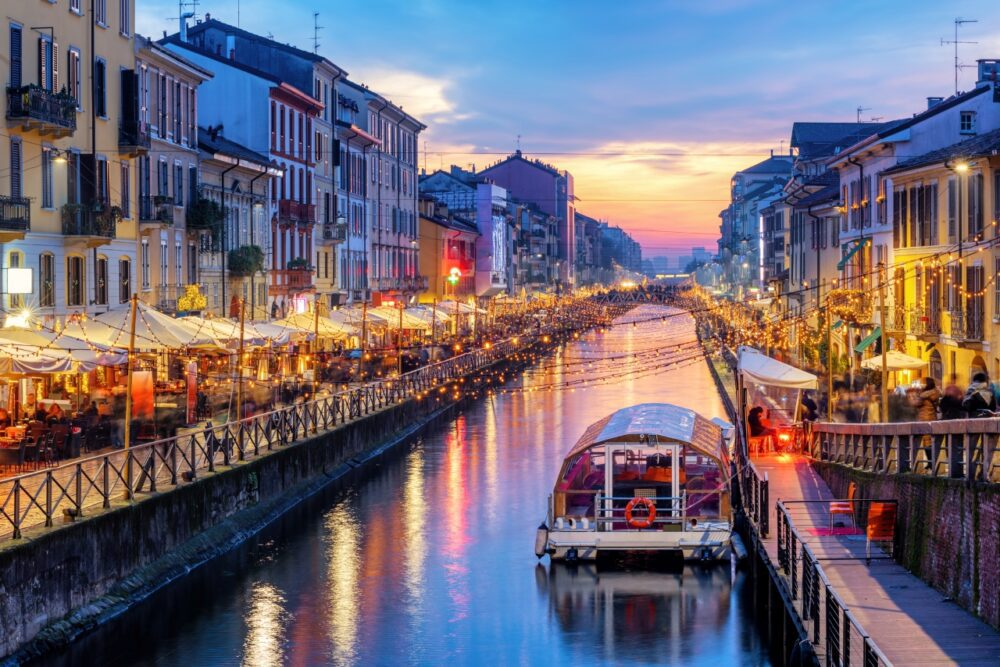
Is Milan worth visiting? Yes, absolutely. Milan surprised me more than I expected. Before visiting, I mainly associated it with fashion and business, but I quickly discovered there was much more to the city. I enjoyed exploring the historic centre, admiring the incredible Duomo, and spending time in neighbourhoods that felt both stylish and authentic. Milan had a different atmosphere from cities like Rome and Venice, which made it an interesting place to experience another side of Italy.
Milan is the second-largest city in Italy and is known as the country’s fashion and financial capital. Alongside its modern reputation, the city is home to impressive historic landmarks, world-class museums, beautiful architecture, and a thriving food scene. Milan also serves as a great base for exploring northern Italy and nearby destinations such as Lake Como.
In this guide, I’ll cover the top reasons why Milan is worth visiting and share some useful travel tips and advice to help you plan your trip. Whether you’re interested in history, shopping, culture, or Italian food, keep reading to discover the many reasons why Milan is worth visiting.
Table of Contents
Top Reasons You Should Visit Milan
1. The Iconic Duomo di Milano
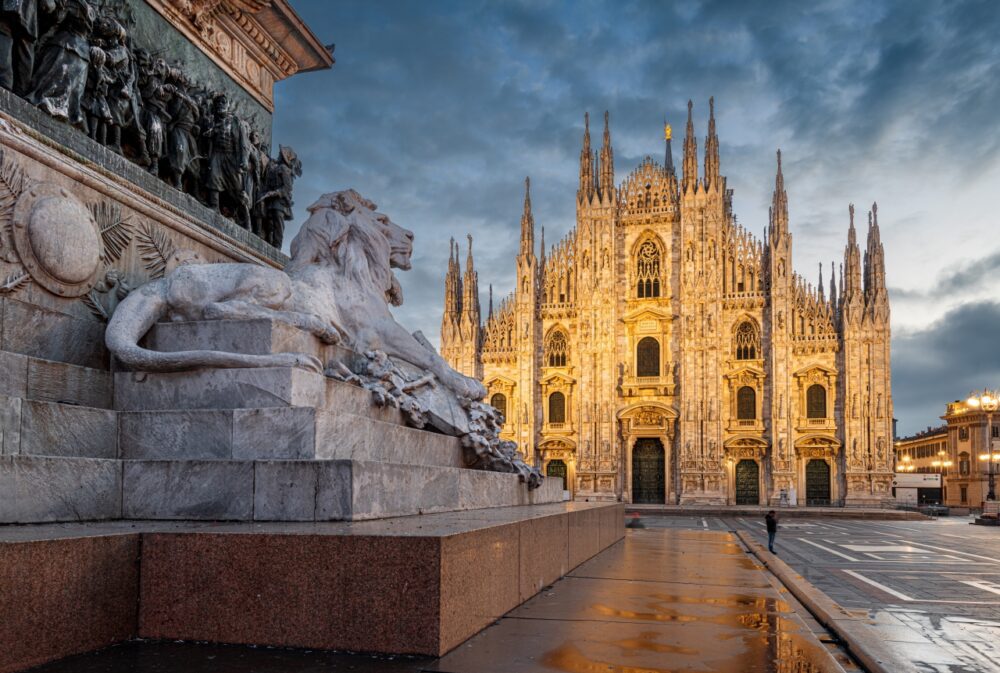
Milan’s Duomo di Milano, one of the largest cathedrals in the world, is a masterpiece of Gothic architecture and an absolute must-see. Its intricate facade, towering spires, and breathtaking rooftop views make it a highlight of any visit.
Climbing to the Duomo’s rooftop was one of my favourite experiences in Milan. The view over the city, with its blend of historic and modern architecture, is stunning. Don’t miss the chance to explore inside as well; the stained glass windows are a marvel. I recommend booking tickets in advance to skip the often-long lines.
2. Fashion Capital of the World
Milan is synonymous with high fashion. As home to brands like Prada, Armani, and Versace, it’s a dream destination for anyone with an interest in style. Via Monte Napoleone, part of the city’s Quadrilatero della Moda, is a luxury shopping haven.
Even if designer clothes aren’t your thing, Milan’s fashion scene is inspiring. I loved wandering through sleek boutiques and admiring the cutting-edge window displays. For those on a budget, Milan also has excellent outlets and local markets where you can find stylish pieces at a fraction of the cost.
3. Leonardo da Vinci’s The Last Supper
Milan is home to one of the world’s most famous artworks: Leonardo da Vinci’s The Last Supper. Displayed in the Santa Maria delle Grazie convent, this masterpiece is a bucket-list item for art and history enthusiasts.
Seeing The Last Supper in person was awe-inspiring. The level of detail and the story behind its creation made the experience unforgettable. Keep in mind that tickets sell out quickly, so it’s essential to book well in advance. Guided tours provide additional insights into Leonardo’s genius.
4. The Stylish Navigli District
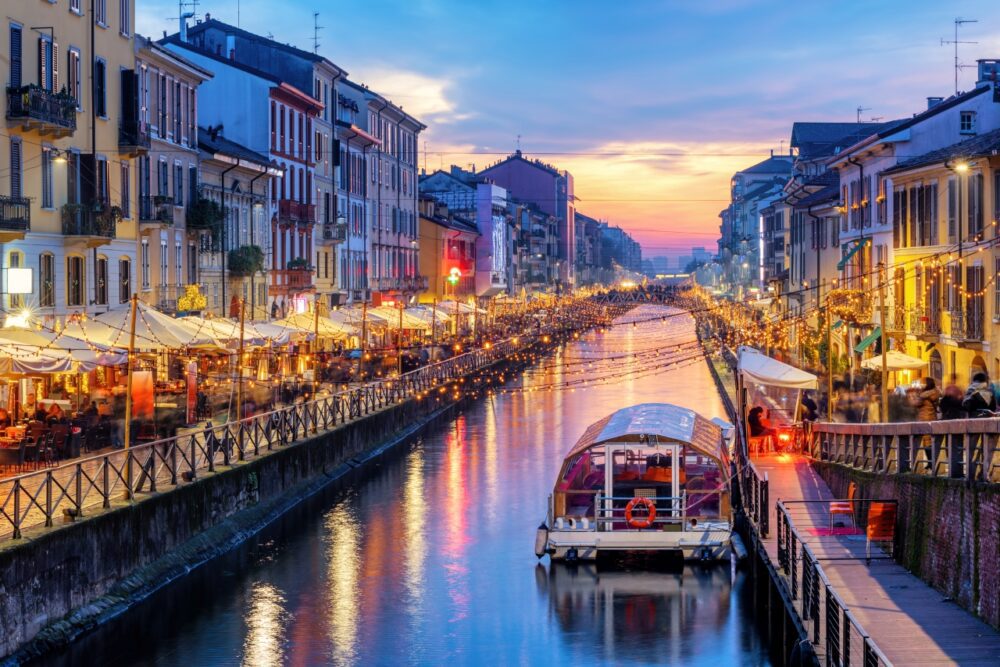
Milan’s Navigli district offers a charming mix of canals, cafes, and nightlife. Originally designed by Leonardo da Vinci, the canals are now a hub for dining and entertainment, particularly in the evenings.
I spent an evening strolling along the Navigli Grande, stopping for aperitivo at a riverside bar. The atmosphere was vibrant yet relaxed, making it an ideal spot for people-watching. For a more authentic experience, visit the area on a weekday when it’s less crowded with tourists.
5. World-Class Museums and Galleries
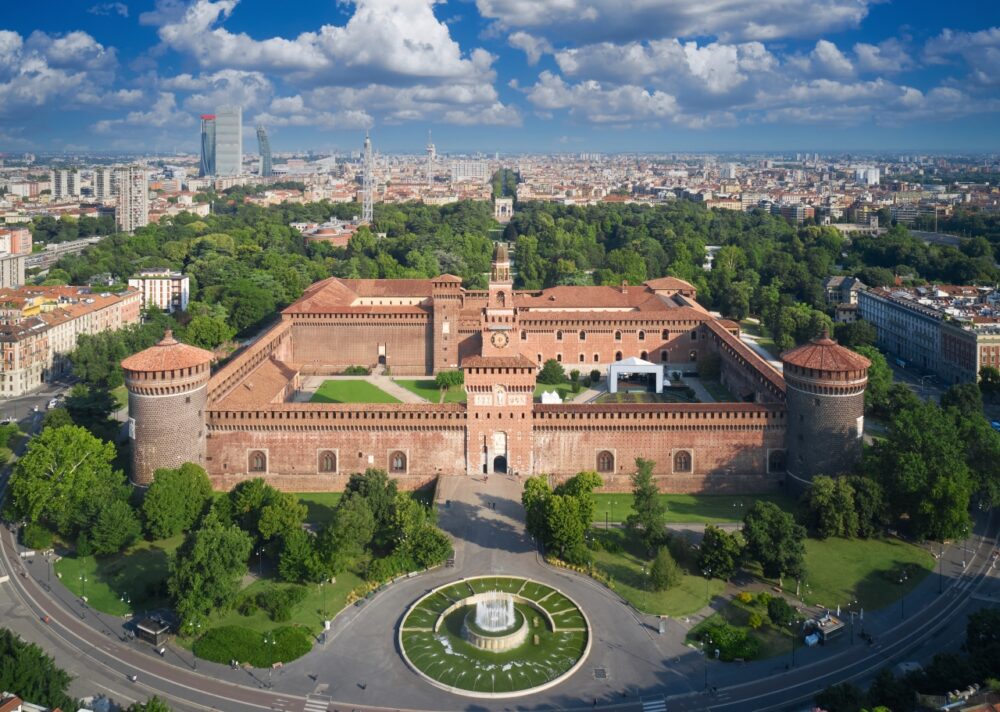
Milan boasts an impressive collection of museums and galleries. The Pinacoteca di Brera houses works by Italian masters, while the Museo del Novecento focuses on 20th-century art. For history enthusiasts, the Sforza Castle offers a glimpse into Milan’s storied past.
The Pinacoteca di Brera was a highlight for me, with its stunning collection of Renaissance art. The peaceful courtyard outside the museum is a lovely spot to pause and reflect. Whether you’re into modern art, ancient history, or architecture, Milan has a cultural institution to suit your interests.
6. Incredible Food and Aperitivo Culture
Milan is a paradise for food lovers. From traditional Milanese dishes like risotto alla milanese and cotoletta to its famous aperitivo culture, the city’s culinary scene is one of its biggest draws.
I couldn’t get enough of Milan’s aperitivo hours, where bars serve complimentary snacks with your drink. It’s a fantastic way to try local flavours while soaking up the city’s lively atmosphere. For a treat, indulge in a meal at a Michelin-starred restaurant or a cosy trattoria.
7. Cutting-Edge Design and Architecture
Milan’s architecture is a fascinating blend of historic landmarks and modern innovation. Areas like CityLife and Porta Nuova feature sleek skyscrapers, while older districts preserve the city’s classic charm.
Exploring Milan’s modern side was a pleasant surprise. The Bosco Verticale (Vertical Forest), a pair of skyscrapers covered in greenery, was particularly striking. Milan’s design scene extends beyond architecture, too—don’t miss the Triennale di Milano for contemporary design exhibitions.
8. The Teatro alla Scala
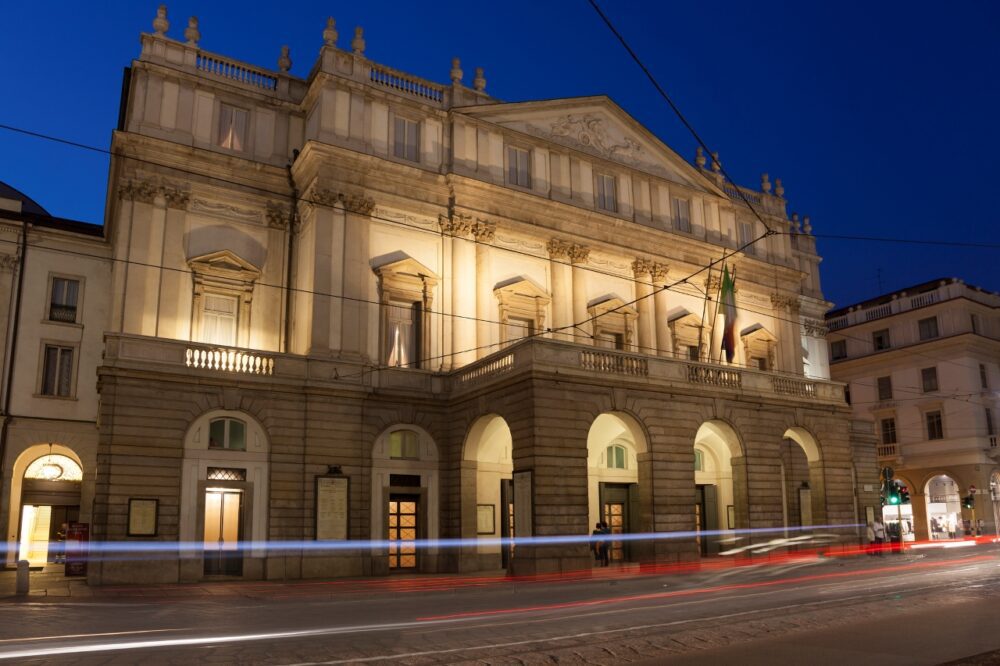
Milan’s Teatro alla Scala is one of the most famous opera houses in the world. Its opulent interior and world-class performances make it a must-visit for music and theatre enthusiasts.
Even if you’re not an opera fan, taking a tour of La Scala is worth it. The theatre’s history and grandeur are impressive, and the museum inside offers fascinating insights into Milan’s cultural heritage. If you have the chance, attending a performance here is an unforgettable experience.
9. A Gateway to the Italian Lakes
Milan’s location makes it an excellent base for exploring the Italian Lakes, including Lake Como, Lake Garda, and Lake Maggiore. These stunning destinations are just a short train ride away.
I took a day trip to Lake Como and was enchanted by its picturesque villages and crystal-clear waters. The train journey was easy and affordable, making it a perfect escape from the city. If you’re spending a few days in Milan, be sure to plan an outing to one of the lakes.
10. A City That Blends Tradition and Modernity
Milan strikes a unique balance between historic charm and modern energy. Its blend of old-world elegance and contemporary innovation sets it apart from other Italian cities.
I appreciated how Milan felt both timeless and forward-thinking. From sipping coffee in a centuries-old cafe to exploring high-tech districts, the city offers a dynamic experience that caters to all tastes. It’s a place where history and progress coexist seamlessly.
Travel Tips for Visiting Milan
Here’s your Milan section in the same format:
What to Do in Milan
Milan surprised me. Before visiting, I thought it would be mostly about shopping and business, but I quickly realised there is a lot more to the city. Between the impressive architecture, food, and easy day trips, I ended up enjoying Milan much more than I expected.
- Visit the Duomo and Rooftop Terraces – Walking across the cathedral roof was easily my favourite experience in Milan because the views over the city are incredible.
- See Leonardo da Vinci’s The Last Supper – I think this is one of the most memorable art experiences in Italy, and seeing the painting in person feels special.
- Take a Day Trip to Lake Como – This was one of the highlights of my time in Milan and offers beautiful scenery just a short train ride away.
- Join a Milan Food Tour – I loved exploring local neighbourhoods while trying regional dishes and learning more about Milanese cuisine.
- Visit Sforza Castle and Its Museums – The castle is impressive from the outside, but I found the museums inside even more interesting than I expected.
- Take a Guided Walking Tour of Milan’s Historic Centre – This is a great way to learn about the city’s history while discovering places you might otherwise miss.
When to Visit Milan
I think the best times to visit Milan are April to June and September to October. The weather is usually pleasant, making it easy to spend long days exploring the city. Summer can be very hot, especially in July and August, while winter is colder and often foggy. That said, winter brings fewer tourists and lower hotel prices. I visited in spring and thought it was a great time to be there. The parks were green, outdoor cafés were busy, and the temperatures were comfortable for sightseeing.
How to Get to Milan
Milan is served by three airports: Malpensa Airport, Linate Airport, and Bergamo Airport. Malpensa handles most international flights, while Bergamo is popular with low-cost airlines. Trains from Malpensa connect directly to the city centre, and shuttle buses run from all three airports. Milan is also one of Italy’s main rail hubs, with high-speed trains connecting Rome, Venice, Florence, Turin, and many other cities. Personally, I think arriving by train is the easiest option because Milano Centrale Station is well connected and located close to many hotels.
Where to Stay in Milan
- Hotel Principe di Savoia – Located near the city centre, this luxury hotel is known for its excellent service and elegant rooms.
- Excelsior Hotel Gallia – Situated beside Milano Centrale Station, this five-star hotel combines luxury with convenience.
- Room Mate Giulia – Located near the Duomo, this stylish hotel puts you within walking distance of Milan’s main attractions.
- Starhotels E.c.ho. – Close to Milano Centrale, this modern hotel offers great value and easy transport connections.
- B&B Hotel Milano Sant’Ambrogio – A solid mid-range option in a quieter part of the city with good access to major sights.
- Ostello Bello – One of the best budget-friendly stays in Milan, offering a social atmosphere and a central location.
Getting Around Milan
Milan has one of the best public transport systems in Italy. The city is served by metro lines, trams, buses, and suburban trains that make getting around easy. Tickets can be purchased through machines, stations, or apps such as ATM Milano. I found the metro to be the fastest way to travel longer distances, but many of the main attractions in the centre are close enough to walk between. Personally, I used a combination of walking and the metro and rarely needed anything else.
How Long to Spend in Milan
I think two to three days is enough for most visitors. You can see the Duomo, The Last Supper, Sforza Castle, and the main shopping districts in a couple of days without rushing too much. If you want to take day trips to places like Lake Como, Bergamo, or Lake Maggiore, I would recommend staying four or five days. Milan often gets overlooked compared to Rome and Florence, but I found it to be a great base for exploring northern Italy.
Conclusion
So, is Milan worth visiting? Without a doubt. From its stunning cathedral and rich cultural attractions to its fashion scene, excellent food, and vibrant city life, there are plenty of reasons to spend time here. Milan offers a unique blend of history, style, and modern energy that sets it apart from other destinations in Italy. If you’re planning a trip to Italy, Milan is a city that deserves a place on your itinerary.