
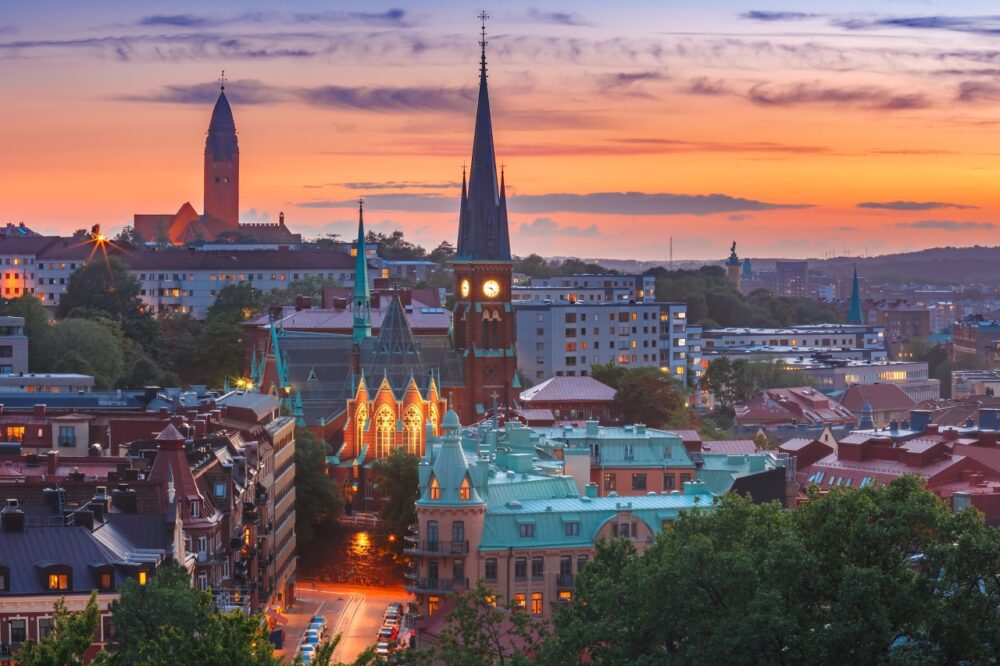
I visited Gothenburg for five days last year, and it wasn’t the trip I expected. I’d heard it described as Sweden’s “second city,” the quieter, more industrial cousin to Stockholm, and I went in with fairly low expectations. Those expectations were wrong. Gothenburg turned out to be one of the more livable, walkable, and genuinely charming cities I’ve visited in Scandinavia, and I left already planning a second trip.
I based myself in the Haga district and spent my days on foot and on the tram network, which covers almost the entire city. I ate at the fish market, wandered through Slottsskogen park on a lazy Sunday, and took a half-day boat trip out into the southern archipelago. I also made a few mistakes, like underestimating how much the weather can shift in an afternoon, which I’ll cover honestly in the cons section below.
So is Gothenburg worth visiting in 2026? Based on my own trip, yes, and for reasons that go beyond the usual “it’s cheaper than Stockholm” line you’ll read elsewhere. This guide covers what actually stood out, what to watch for, and how to plan a trip that gets the most out of the city.
Table of Contents
Pros – Reasons Gothenburg is Worth Visiting

1. It’s More Affordable Than Stockholm Without Feeling Like a Downgrade
I’d read that Gothenburg was cheaper than the capital, and it held up in practice. Meals, coffee, and accommodation all came in noticeably lower than what I’d budgeted based on Stockholm prices. A good lunch at the fish market cost me less than I expected, and my hotel in Haga was reasonably priced for a central location. The city doesn’t feel like a budget compromise either. The restaurants, museums, and overall polish are on par with anywhere else in Sweden.
2. The Tram Network Makes the City Effortless to Explore
Gothenburg has one of the more extensive tram systems I’ve used in Europe. I bought a travel card on day one and used it constantly, since trams run frequently and reach almost every neighborhood worth visiting. On my first full day, I rode a tram simply to see where it went, and it turned into an accidental tour past the opera house, the harbor, and several residential districts I wouldn’t have found otherwise.
3. Haga and the Old Town Have Real Character
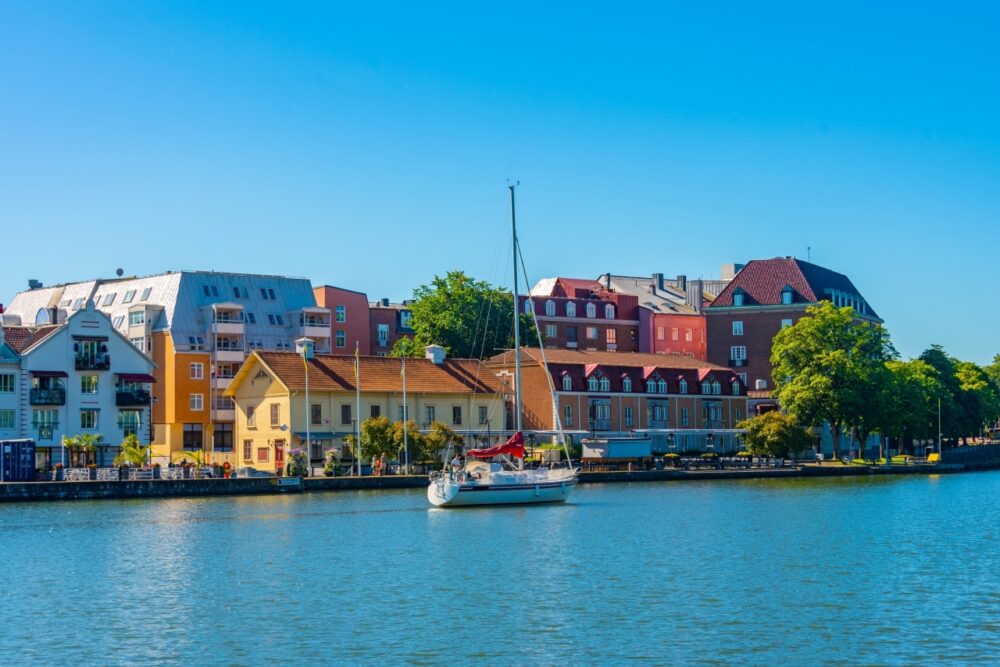
Haga, the oldest district in the city, is full of narrow cobbled streets, wooden houses, and small independent cafes. I spent an entire morning there without a plan, just wandering between shops and stopping for a cinnamon bun the size of my hand at one of the bakeries. It didn’t feel staged for tourists the way some historic districts do. People clearly still live and shop there day to day.
4. The Archipelago Is Easy to Reach and Genuinely Beautiful
I took a ferry from the city center out to the southern archipelago on my third day, and within about 40 minutes I was walking along quiet coastal paths on a small island with almost no other tourists around. It’s one of the easiest “escape the city” day trips I’ve done anywhere, and it gave me a completely different side of the region compared to the urban center.
5. Liseberg Offers More Than a Standard Amusement Park
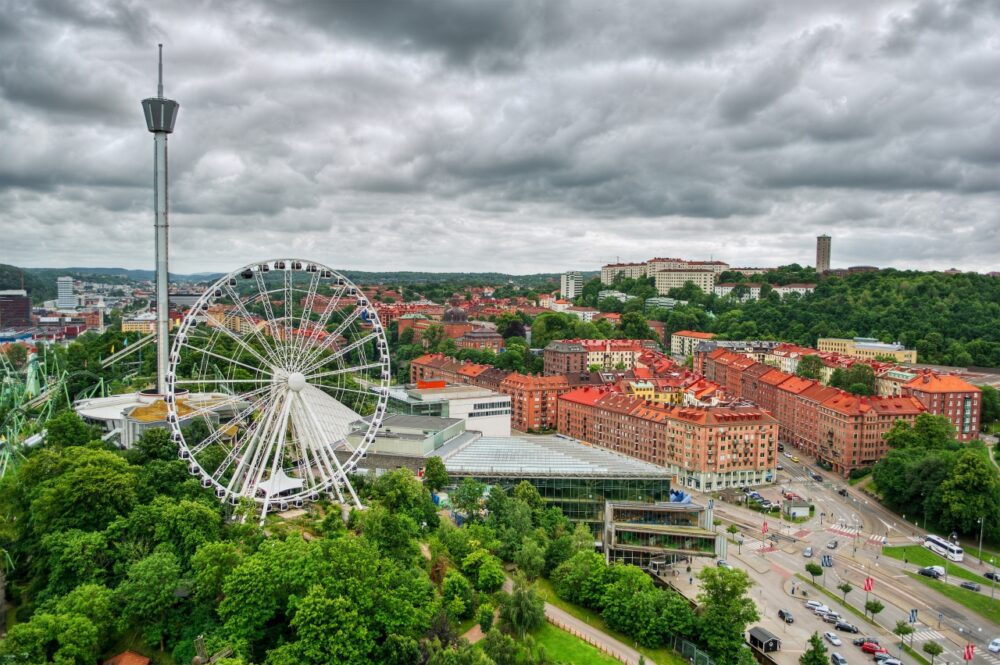
I’m not usually drawn to theme parks while traveling, but Liseberg surprised me. It’s well maintained, the rides range from gentle to genuinely thrilling, and the surrounding gardens are pleasant to walk through even if you skip the rides entirely. I went in the evening, and the lighting after dark made it worth the visit on its own.
6. The Food Scene Punches Above Its Size
Gothenburg has a strong seafood culture thanks to its coastal location, and the Feskekôrka fish market, despite the odd name meaning “fish church,” was one of the best meals of my trip. Beyond seafood, I found a good mix of new Nordic restaurants and casual cafes, and prices were reasonable compared to what I’d expect in a city with this much culinary ambition.
7. It’s a Genuinely Walkable, Human-Scale City
Unlike some larger European capitals, Gothenburg never felt overwhelming. Most of the central attractions sit within a 20 to 30 minute walk of each other, and the pace of the city felt calmer and less rushed than I expected. I never felt like I was fighting crowds, even at popular spots like the fish market or Slottsskogen park on a weekend.
Cons – Things to Consider Before Visiting Gothenburg
1. The Weather Changes Fast and Rain Is Common
I experienced sun, wind, and rain within the same afternoon more than once during my trip. Gothenburg’s coastal position means the weather shifts quickly, and I’d recommend packing a proper waterproof layer rather than relying on a light jacket. This isn’t unique to Gothenburg among Nordic cities, but it caught me off guard more than once, especially on the archipelago trip.
2. Some Attractions Are Spread Slightly Outside the Center
While the core of the city is walkable, a few worthwhile spots, like Liseberg and parts of the archipelago, sit further out and require a tram ride or ferry to reach. It’s not a major inconvenience given how good the transport is, but it does mean you’ll want to plan your days around location rather than trying to see everything on foot.
3. It’s Quieter Than Stockholm, Which Isn’t for Everyone
Gothenburg has a slower, more low-key atmosphere than Sweden’s capital. I personally liked this, but if you’re specifically looking for a bigger city with more nightlife options and a faster pace, Gothenburg might feel a little sleepy by comparison. It’s worth being honest about this before booking, since it shapes the kind of trip you’ll have.
Things to Do in Gothenburg
- Visit the Feskekôrka fish market. The seafood here was some of the freshest I’ve had in Sweden, and the building itself, shaped like a church, is worth seeing on its own.
- Wander Haga’s cobbled streets. This is the best neighborhood for slow mornings, independent cafes, and people-watching.
- Take a ferry into the southern archipelago. A short boat ride gets you to quiet, scenic islands that feel far removed from the city.
- Walk through Slottsskogen park. It’s a large green space with walking paths, a small zoo area, and plenty of room to just sit and relax.
- Ride the trams without a destination. Genuinely one of the best free ways to see the city, since the network reaches almost every district.
- Spend an evening at Liseberg. Even without riding everything, the gardens and lighting after dark make it worth the entry fee.
- Visit the Gothenburg Museum of Art. It has a strong Nordic art collection and was a good option on the one rainy afternoon of my trip.
- Explore the harbor area. The old shipyards and dockside walkways give a good sense of the city’s maritime history.
- Try a proper fika break. Like the rest of Sweden, sitting down for coffee and a pastry is a genuine local custom worth building into your day.
- Visit Universeum, the science center. It’s a good option if you’re traveling with kids, with a rainforest section and aquarium that go beyond a typical science museum.
Where to Stay in Gothenburg
- Haga: Where I stayed, and I’d recommend it again. It’s central, walkable, full of character, and close to both the fish market and the city’s main tram lines.
- Vasastan: A quiet, elegant residential district with grand buildings, good for travelers who want a calmer base close to the center.
- Linné: Known for its bars, cafes, and slightly more youthful, creative feel, a good pick if you want more evening options nearby.
- City Center (Inom Vallgraven): The most central option, close to major sights and transport hubs, though it can feel busier and more commercial.
- Majorna: A bit further from the center but more affordable, with a local, less touristy feel and easy tram access into the city.
Getting Around Gothenburg
The tram network is the backbone of getting around Gothenburg, and I’d recommend buying a travel card as soon as you arrive. Trams are frequent, easy to navigate, and reach nearly every district worth visiting, which made it my default way to get around for the entire trip. Buses fill in a few gaps, mainly for routes further from the center, but I rarely needed them.
Walking works well for the central districts, since Haga, Vasastan, and the harbor area are all close enough to cover on foot in a single day. For the archipelago, ferries are the only real option, and I’d treat that boat ride as part of the sightseeing rather than just transport. I didn’t rent a bike on this trip, but the city has decent cycling infrastructure, and I saw plenty of locals using it as their main way to commute. A car isn’t necessary unless you’re planning trips well outside the city, since central parking is limited and the public transport covers most needs on its own.
Conclusion: So, Is Gothenburg Worth Visiting?
After one trip, my honest answer is yes, Gothenburg is worth visiting, and it deserves more attention than it usually gets compared to Stockholm. The combination of affordability, an easy tram network, a genuinely charming old town in Haga, and quick access to the archipelago made it one of the more pleasant city breaks I’ve taken in Scandinavia.
The trade-offs are real but manageable. The weather can be unpredictable, a few key attractions sit outside the walkable center, and the pace of the city is slower than a bigger capital. If those points don’t bother you, and especially if you’re drawn to a calmer, more human-scale city with strong food and easy transport, I think Gothenburg is absolutely worth the trip.