
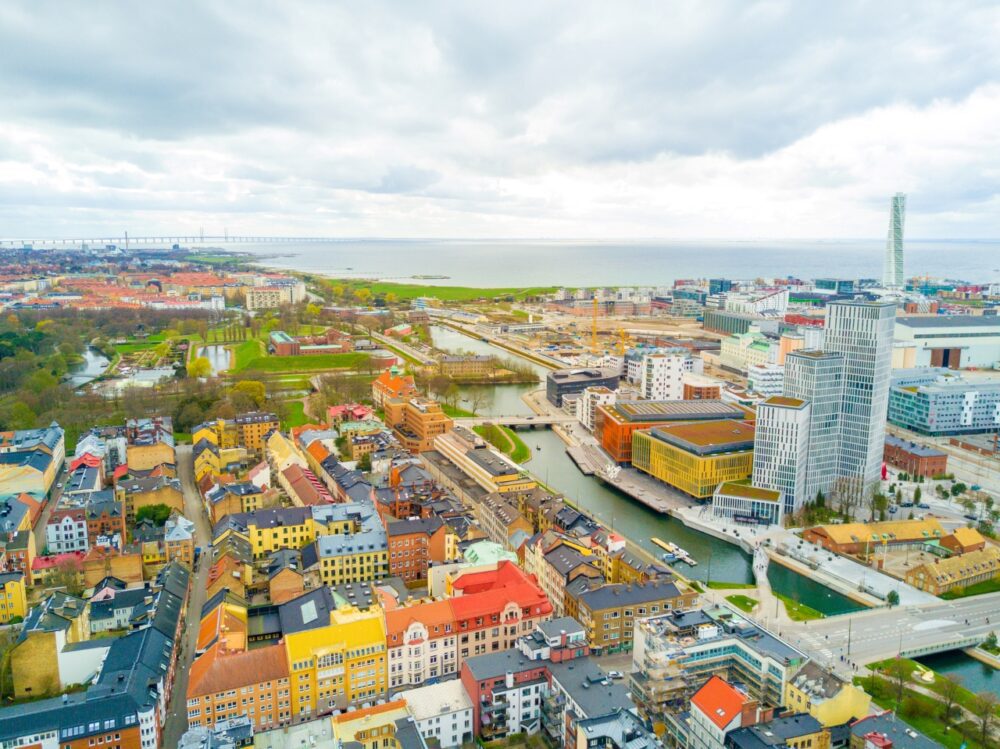
I spent four days in Malmo last spring, mostly because it was a cheap add-on to a trip to Copenhagen. I didn’t expect much beyond a quick look at the Turning Torso and a train ride back over the bridge. Instead, I ended up extending my stay by a day, because Malmo turned out to be one of the more relaxed, bike-friendly, and food-focused cities I’ve visited in Scandinavia.
I stayed near Möllevångstorget, rented a bike on my second day, and used it to get almost everywhere for the rest of the trip. I walked through the old town, sat by the water at Ribersborg beach on a surprisingly warm afternoon, and ate my way through more of the city’s international food scene than I’d planned to. I also ran into a few things that caught me off guard, which I’ll get into honestly in the cons section.
So is Malmo worth visiting in 2026? Based on my own trip, yes, particularly if you’re already near Copenhagen or want a smaller, more laid-back Swedish city that doesn’t ask for a huge time commitment. This guide covers what stood out, what to watch for, and how to plan your visit around the city’s real strengths.
Table of Contents
Pros – Reasons Malmo is Worth Visiting
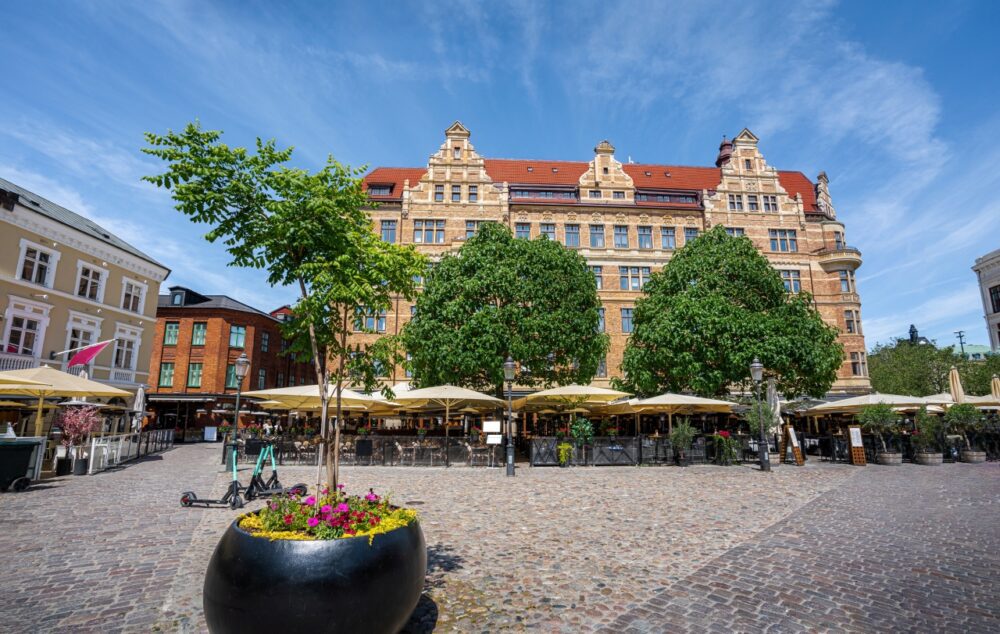
1. It’s One of the Most Bike-Friendly Cities I’ve Visited
I rented a bike on day two and barely walked anywhere after that. Malmo has dedicated cycling lanes running through nearly the entire city, and drivers are used to sharing the road. I got from my accommodation near Möllevångstorget to the old town, the harbor, and Ribersborg beach all on two wheels, and it never felt unsafe or confusing. If you’re comfortable cycling, it’s genuinely the best way to experience the city.
2. It’s a Short, Easy Trip From Copenhagen
I crossed the Öresund Bridge by train in about 35 minutes, and the connection made Malmo an easy add-on rather than a separate trip requiring its own flight. If you’re already planning a Copenhagen visit, folding in a few days in Malmo barely adds to the logistics, and it gives you a genuinely different city rather than a repeat of what you just saw in Denmark.
3. The Food Scene Reflects a Genuinely Diverse City
Malmo has one of the more international populations in Sweden, and it shows in the food. Around Möllevångstorget, I found Middle Eastern, Balkan, and North African restaurants sitting next to traditional Swedish cafes, often within the same block. One of my best meals of the whole trip was a small falafel spot near the square that I found by accident, not from a guidebook.
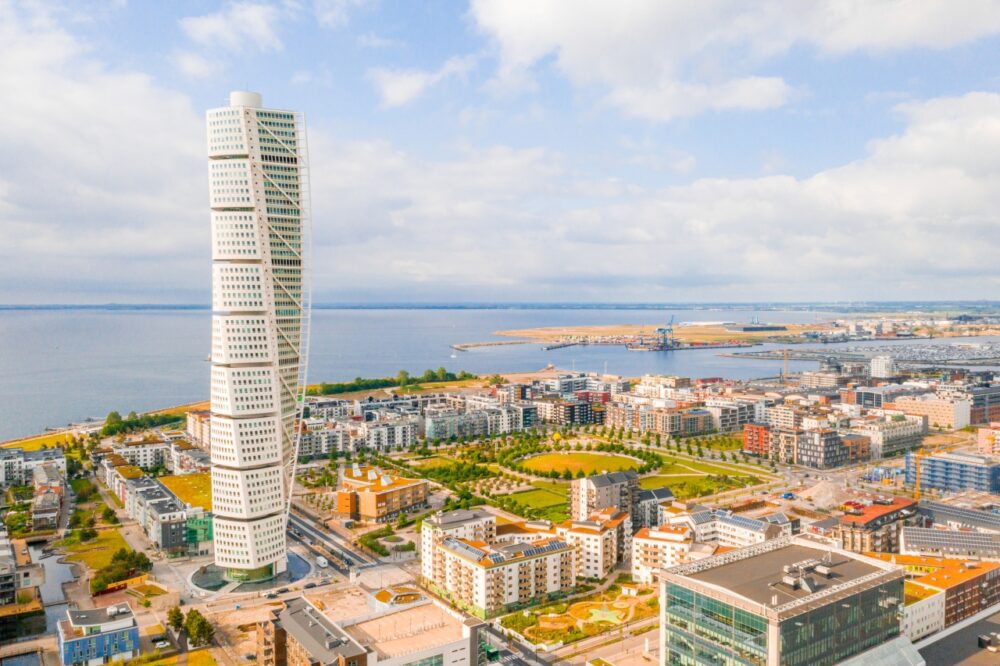
4. The Turning Torso Gives the City an Unexpected Skyline
The Turning Torso, a twisting residential tower designed by Santiago Calatrava, is visible from most of the waterfront and gives Malmo a distinctive skyline for a city its size. I didn’t go up it, since it’s mostly residential and not really set up for tourist visits inside, but seeing it from the harbor and from Ribersborg beach was enough to make it a genuine landmark rather than just a photo stop.
5. Ribersborg Beach Feels Like a Genuine Local Escape
I wasn’t expecting a proper beach experience in a Swedish city, but Ribersborg surprised me. It’s a long stretch of sand and grass right along the water, a short bike ride from the center, and it was full of locals sunbathing, swimming, and using the outdoor cold-water bathhouse at the end of the pier. It gave the trip a relaxed, almost coastal-town feel that I didn’t expect from a city visit.
6. Lilla Torg and the Old Town Are Compact and Charming
Lilla Torg, a small cobbled square lined with cafes and half-timbered buildings, became my go-to spot for an evening drink. The old town around it is small enough to see properly in half a day, which made it easy to fit in alongside everything else without feeling rushed. It has a cozier, more intimate feel than some of the larger old towns I’ve visited elsewhere in the region.
7. It’s Noticeably Cheaper Than Stockholm or Copenhagen
Coming from Copenhagen prices, Malmo felt like a relief on the wallet. Meals, coffee, and my accommodation all came in lower than what I’d budgeted based on Danish prices, and the gap was noticeable enough that I ate out more often than I’d planned. For travelers doing a Scandinavia trip on a budget, Malmo is a good place to let your spending recover a little.
Cons – Things to Consider Before Visiting Malmo
1. It’s a Small City, So Don’t Overbook Your Time
I found that two to three full days were enough to see the main sights at a relaxed pace, and by day four I’d covered most of what I’d planned. If you book a full week expecting a Stockholm-sized itinerary, you may find yourself running out of things to fill the days with, unless you’re planning day trips out to nearby towns or across into Denmark.
2. The Weather Can Undercut the Beach and Outdoor Appeal
I got lucky with a couple of warm days at Ribersborg, but Malmo’s weather is still typically Scandinavian, meaning it can turn cool and windy without much warning, especially outside of peak summer. If you’re visiting for the outdoor, waterfront side of the city, it’s worth checking the forecast and having an indoor backup plan, since the beach experience depends heavily on the day you get.
3. Some Areas Feel Less Polished Than Central Copenhagen or Stockholm
A few streets outside the main tourist areas felt rougher around the edges than what I saw in central Copenhagen or Stockholm, with more visible signs of wear and less investment in public spaces. It didn’t affect my sense of safety at any point, but it’s worth mentioning so you go in with realistic expectations rather than picturing a uniformly polished Scandinavian city center.
Things to Do in Malmo
- Rent a bike and ride the waterfront path. This was the single best way I found to see the city, connecting the harbor, Ribersborg beach, and the Turning Torso in one easy loop.
- Wander Lilla Torg in the evening. The square gets a nice atmosphere after dark, with outdoor seating and a relaxed, local crowd.
- Walk or bike to Ribersborg beach. It’s close enough to the center for a half-day trip and gives the city a genuine coastal feel.
- Eat around Möllevångstorget. This is the best area for affordable, international food, and I’d recommend just picking a spot that looks busy with locals.
- See the Turning Torso from the harbor. You don’t need to go inside to appreciate it. The best views are from the waterfront path or Ribersborg beach at sunset.
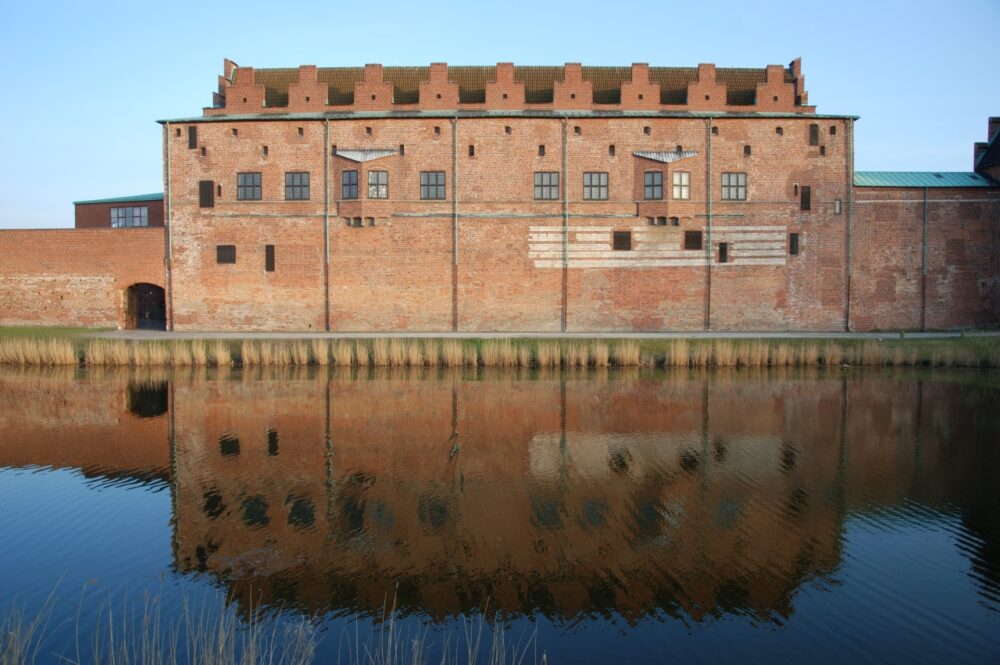
- Visit Malmo Castle (Malmohus). It houses a few small museums covering natural history and city history, and it’s a good option if the weather turns.
- Take the train across to Copenhagen for a day. Even if you’re not staying in Denmark, the short crossing makes a day trip completely realistic.
- Explore Kungsparken and Slottsparken. These connected parks near the castle are pleasant for a slow walk and popular with locals for picnics.
- Browse the shops and cafes on Davidshallsgatan. This street has a good mix of independent boutiques and coffee spots, away from the busier tourist areas.
- Try the cold-water bathhouse at Ribersborg. It’s a proper Swedish tradition, and even just watching locals use it on a cold morning was worth the short bike ride out.
Where to Stay in Malmo
- Möllevången: Where I stayed, and I’d choose it again. It’s central, full of international restaurants, and has a lively, slightly gritty character that felt genuinely local.
- Old Town (Gamla Staden): The most central and walkable option, close to Lilla Torg and the main squares, good if you want everything within a short stroll.
- Västra Hamnen: The newer waterfront district near the Turning Torso, with a more modern, upscale feel and easy access to the harbor path.
- Davidshall: A quieter, more residential area close to the center, good for travelers who want a calmer base without sacrificing walkability.
- Ribersborg: Slightly further out but close to the beach, a good pick if you want to prioritize the waterfront and don’t mind a short bike ride into the center.
Getting Around Malmo
Cycling is genuinely the best way to get around Malmo, and I’d recommend renting a bike as soon as you arrive if you’re able to. The city is flat, the bike lanes are extensive, and almost every major sight sits within a comfortable ride of the center. It was faster than walking and far more pleasant than I expected, even for someone who doesn’t cycle regularly at home.
Buses cover the parts of the city that are a bit far to walk or cycle comfortably, and I used them a couple of times without any issues, though I relied on them far less than the bike. Walking works fine for the old town and the area around Lilla Torg, since it’s compact enough to cover on foot. If you’re coming from or heading to Copenhagen, the train across the Öresund Bridge is simple and fast, and I’d treat it as a normal part of getting around the wider region rather than a separate international trip. I didn’t need a car at any point, and I wouldn’t recommend one given how well the bike infrastructure covers the city.
Conclusion: So, Is Malmo Worth Visiting?
Based on my one trip, yes, Malmo is worth visiting, especially as an easy addition to a Copenhagen trip or as a smaller, more budget-friendly alternative to Stockholm. The cycling infrastructure, the food scene around Möllevångstorget, and the unexpected beach day at Ribersborg made it a more memorable stop than I’d anticipated going in.
The trade-offs are worth knowing before you book. It’s a small city that doesn’t need a full week, the weather can undercut the outdoor appeal, and parts of it feel less polished than its larger neighbors. If you go in with the right expectations, ideally with a few warm days and a rented bike, I think Malmo earns its place on a Scandinavia itinerary.