
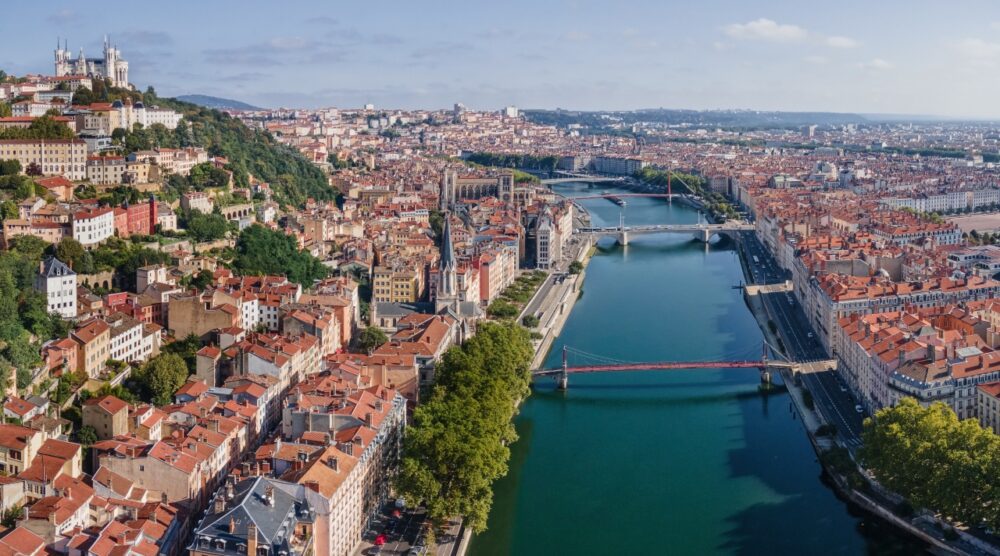
Is Lyon worth visiting? Yes, it definitely is. Lyon was one of those cities that surprised me in the best way. Before visiting, I knew it had a reputation for great food, but I didn’t realise how much history, culture, and character it had as well. I enjoyed wandering through the old streets, exploring the riverside areas, and discovering why so many travellers consider it one of the highlights of France.
Lyon is the third-largest city in France and sits at the meeting point of the Rhône and Saône rivers. It is famous for its food scene, historic old town, Roman heritage, and vibrant cultural life. While it often gets overshadowed by Paris, Lyon offers many of the things people love about France without feeling quite as crowded.
In this guide, I’ll cover the top reasons why Lyon is worth visiting and share some useful travel tips and advice to help you plan your trip. Whether you’re interested in history, architecture, food, or local culture, keep reading to discover the many reasons why Lyon is worth visiting.
Table of Contents
Top Reasons You Should Visit Lyon
1. A Perfect Blend of History and Modernity
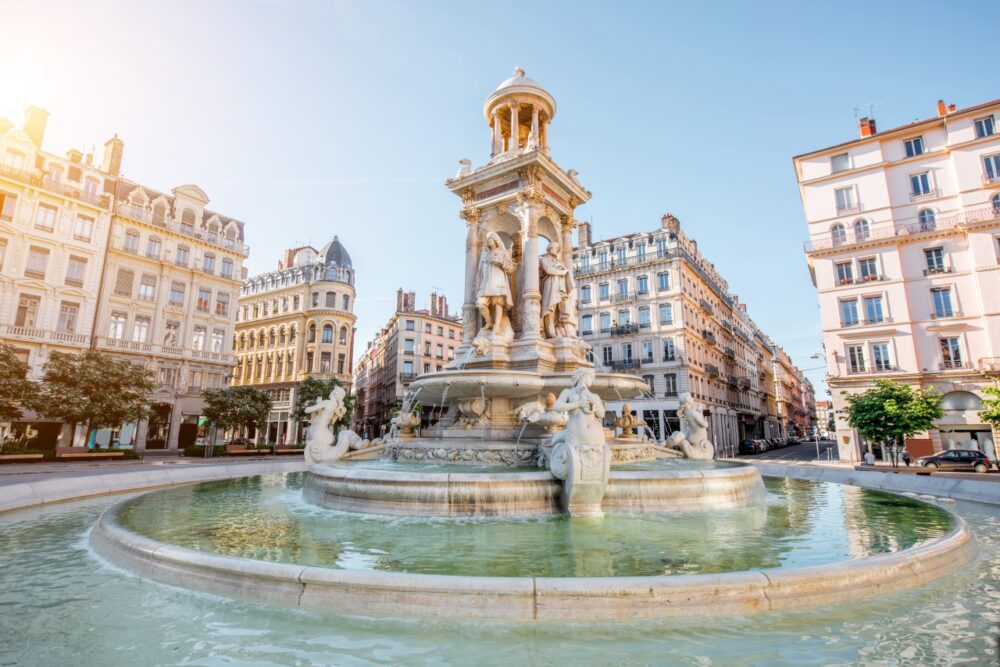
Lyon is one of France’s most fascinating cities, where centuries-old history meets a vibrant, modern lifestyle. With its Roman ruins, medieval Old Town, and contemporary districts, the city offers a unique mix of the past and present. Unlike some French cities that feel frozen in time, Lyon is constantly evolving while still preserving its rich heritage.
Walking through the city, I started in the historic district of Vieux Lyon, where narrow cobbled streets and Renaissance buildings transported me back in time. Later, I crossed the Rhône River into the modern business district, where sleek skyscrapers and trendy cafés gave the city a completely different energy. Lyon’s ability to embrace both its history and its future makes it one of the most dynamic cities in France.
2. A Food Lover’s Paradise and the Gastronomic Capital of France
Lyon is widely considered the food capital of France, and for good reason. The city is home to an incredible food scene, from traditional bouchons serving hearty local dishes to Michelin-starred restaurants pushing culinary boundaries. If you love food, Lyon is a dream destination.
I had dinner at a small bouchon in Vieux Lyon and tried quenelles de brochet, a rich, creamy fish dumpling dish that melted in my mouth. The meal was simple but deeply flavorful, showing why Lyonnaise cuisine is so beloved. Even something as basic as a plate of cervelle de canut (a fresh cheese dip with herbs and garlic) tasted incredible. The city’s food culture is deeply ingrained in daily life, and every meal feels like an event.
3. The Beautifully Preserved Old Town, Vieux Lyon
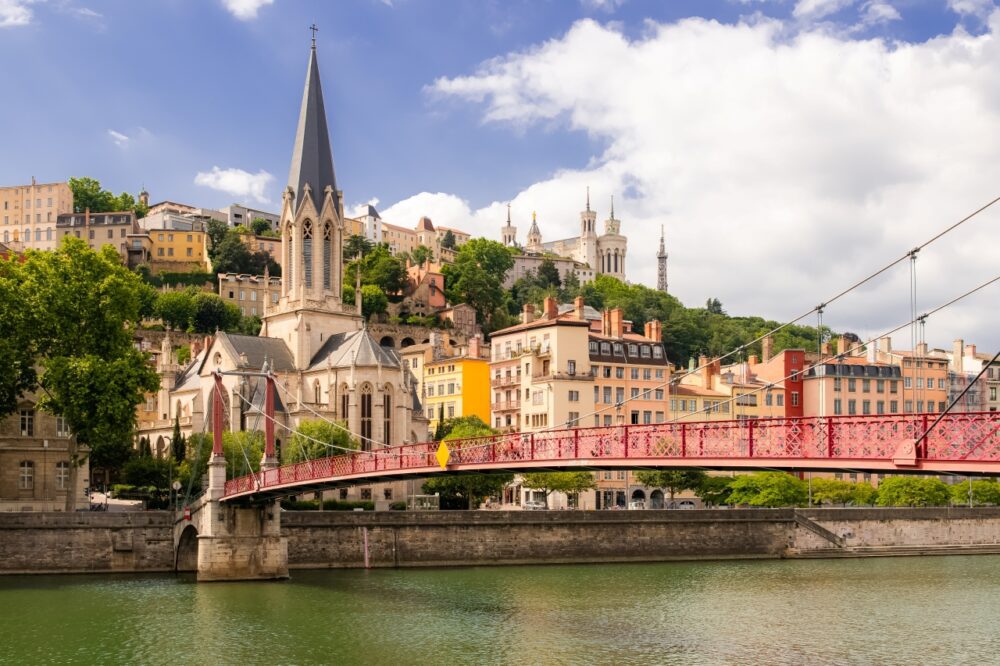
Vieux Lyon is one of the largest and best-preserved Renaissance districts in Europe, filled with colorful buildings, hidden courtyards, and charming cafés. The neighborhood is a maze of narrow alleyways, secret passageways known as traboules, and centuries-old architecture that makes you feel like you’ve stepped back in time.
I spent hours wandering through Vieux Lyon, discovering hidden traboules that once served as secret routes for silk workers and resistance fighters. Each street had something new to uncover, from tiny artisan shops to impressive Gothic churches. The district is a living museum, and every corner has a story to tell.
4. Incredible Panoramic Views from Fourvière Hill
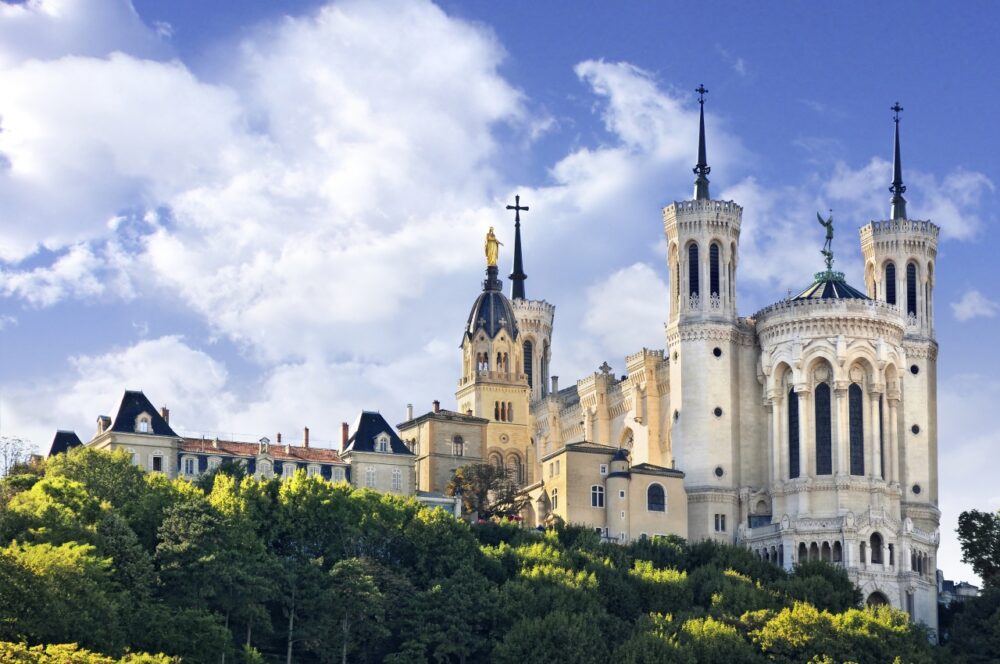
One of the best ways to see Lyon is from the top of Fourvière Hill, where you’ll find breathtaking panoramic views of the city. The climb up can be steep, but the reward is a stunning vista that stretches across the rooftops, with the Alps visible in the distance on a clear day.
I took the funicular up to the top and was greeted by the magnificent Basilica of Notre-Dame de Fourvière, an architectural masterpiece with intricate mosaics and towering spires. From the viewpoint just outside the basilica, I could see all of Lyon, from the red-tiled roofs of Vieux Lyon to the modern skyscrapers of the business district. It’s the perfect spot to take in the beauty of the city.
5. A Strong Silk-Weaving Heritage and the Famous Traboules
Lyon has a long history as the center of France’s silk industry, and its legacy can still be seen today in the Croix-Rousse district. The city’s traboules, a network of hidden passageways, were originally used by silk workers to transport fabrics without exposing them to the elements. Today, they remain one of Lyon’s most unique features.
I joined a guided tour of the traboules and was amazed at how many secret pathways exist behind ordinary doorways. Some led to beautiful courtyards with spiral staircases and Renaissance-style balconies, while others connected entire streets. Learning about Lyon’s silk-weaving history while exploring these hidden routes gave me a whole new appreciation for the city’s past.
6. A Thriving Cultural Scene with Museums, Theatres, and Festivals
Lyon is a city that celebrates culture in all its forms, from world-class museums to lively festivals and performances. The Musée des Beaux-Arts, often called the “little Louvre,” has an impressive collection of paintings, sculptures, and antiquities, while the Musée des Confluences explores the intersection of science, anthropology, and history.
I visited Lyon during the Fête des Lumières, the city’s famous Festival of Lights, and it was absolutely magical. Buildings, bridges, and public spaces were transformed into works of light art, with dazzling projections and glowing installations everywhere. The energy in the streets was incredible, and it was one of the most memorable cultural experiences I’ve ever had.
7. A Walkable and Bike-Friendly City
Lyon is one of the most pedestrian- and bike-friendly cities in France, making it easy to explore without relying on public transport. Many of the main attractions are within walking distance of each other, and the city’s extensive bike-sharing system, Vélo’v, makes cycling a convenient and enjoyable option.
I rented a bike and cycled along the Rhône River, following a dedicated path that took me past parks, bridges, and lively riverfront cafés. The city’s layout encourages slow, relaxed exploration, and the combination of scenic routes and well-maintained paths makes it perfect for both casual walkers and cyclists.
8. A City Surrounded by Stunning Wine Regions
Lyon is ideally located near some of France’s best wine regions, including Beaujolais and the Rhône Valley. This means that not only does the city have an outstanding selection of wines, but it also makes for a perfect base for wine-tasting day trips.
I took a short trip to the Beaujolais region, where rolling vineyards stretched as far as the eye could see. The winery tour included tastings of fruity, light-bodied reds, paired with local cheeses and charcuterie. Even if you don’t leave the city, every restaurant and wine bar in Lyon offers an incredible selection of local wines that pair perfectly with the city’s rich cuisine.
9. A More Relaxed and Authentic Alternative to Paris
While Paris is beautiful, it can sometimes feel overwhelming with its crowds, high prices, and fast pace. Lyon offers many of the same cultural and culinary experiences but with a more laid-back, authentic feel. The city is large enough to have a vibrant energy but small enough that it doesn’t feel rushed or overly touristy.
I loved how Lyon felt like a real, lived-in city, not just a place built for tourists. The people were friendly, the markets were filled with locals, and there was a relaxed rhythm to daily life. It’s a perfect destination for those who want to experience the beauty of France without the hustle of the capital.
10. The Rhône and Saône Rivers Create a Unique Waterfront Atmosphere
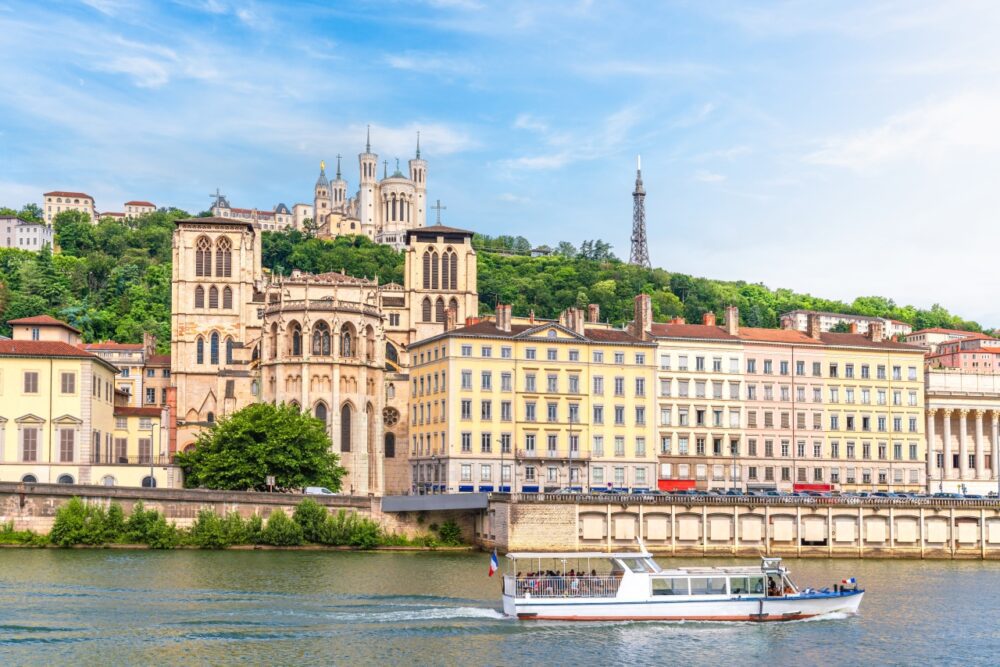
Lyon is built at the confluence of the Rhône and Saône rivers, and the waterfront areas provide beautiful spaces to relax, dine, and enjoy the scenery. The riverbanks have been transformed into pedestrian-friendly promenades, with parks, floating restaurants, and stunning bridges connecting different parts of the city.
I spent an evening at a riverside café, sipping wine while watching the sunset over the water. The boats cruising along the river, the soft golden light reflecting off the buildings, and the lively atmosphere made for a perfect way to end the day. Lyon’s rivers give the city an extra touch of charm and create some of its most picturesque spots.
Travel Tips for Visiting Lyon
What to Do in Lyon
Lyon was one of my favourite cities in France. It has beautiful historic districts, fantastic food, and a more relaxed atmosphere than Paris. I found it easy to spend hours wandering through old streets, stopping for coffee, and discovering hidden corners of the city. These are the experiences I enjoyed most.
- Explore Vieux Lyon on a Guided Walking Tour – This was my favourite experience because the narrow streets, hidden passageways, and historic buildings make this one of the most interesting parts of the city.
- Take a Food Tour Through Lyon – Lyon is often called the food capital of France, and I think this is one of the best ways to experience the city.
- Visit the Basilica of Notre-Dame de Fourvière – I loved the views from the hilltop, and the basilica itself is one of the most impressive buildings in Lyon.
- Take a Day Trip to the Beaujolais Wine Region – This was one of the highlights of my trip because the vineyards, villages, and wine tastings offered a completely different side of the region.
- Explore Lyon’s Traboules with a Local Guide – These hidden passageways are fascinating, and I would have missed many of them without a guided tour.
- Take a Rhône and Saône River Cruise – Seeing Lyon from the water gave me a better appreciation of the city’s layout and beautiful architecture.
When to Visit Lyon
I think the best times to visit Lyon are May, June, September, and October. The weather is usually pleasant, and it’s comfortable to spend long days exploring on foot. Summer brings outdoor dining, festivals, and lively riverside areas, but it can get quite hot. Winter is quieter, although December is a special time because of Lyon’s famous Festival of Lights. I visited in September and thought it was the perfect time. The weather was warm, and the city felt busy without being overcrowded.
How to Get to Lyon
Most visitors arrive through Lyon-Saint Exupéry Airport, which is located about 25 kilometres east of the city centre. Airlines such as Air France, British Airways, Lufthansa, easyJet, KLM, and Ryanair operate regular flights here. The Rhônexpress tram provides a direct connection between the airport and the city centre in around 30 minutes. Lyon is also one of France’s major rail hubs, with high-speed TGV trains connecting it to Paris, Marseille, Nice, and many other cities. Personally, I think the train is the most convenient option if you’re already travelling around France, while the airport tram makes arriving by air very easy.
Where to Stay in Lyon
- InterContinental Lyon – Hotel Dieu – Located in a beautifully restored historic building beside the Rhône River, this luxury hotel offers one of the most memorable stays in the city.
- Villa Florentine – Situated on Fourvière Hill, this upscale hotel offers stunning views and easy access to Vieux Lyon.
- Boscolo Lyon Hotel & Spa – Located in the Presqu’île district, this stylish hotel combines luxury facilities with a fantastic central location.
- Hôtel Silky by HappyCulture – Situated in the heart of the Presqu’île, this charming hotel offers easy access to shops, restaurants, and attractions.
- Okko Hotels Lyon Pont Lafayette – Located near the Rhône River, this modern hotel provides excellent value and a convenient location.
- Pilo Lyon – One of the best budget-friendly places to stay in Lyon, this modern hostel offers affordable accommodation close to Vieux Lyon.
Getting Around Lyon
Lyon has one of the best public transport systems in France. The network includes metro lines, trams, buses, and funicular railways that connect different parts of the city. Tickets can be purchased through the TCL app or at station machines. Many of the main attractions are also within walking distance of each other, especially around Vieux Lyon and the Presqu’île. Personally, I found walking and using the metro to be the best combination. The city centre is very walkable, and the metro makes it easy to reach places further away.
How Long to Spend in Lyon
I think three to four days is the perfect amount of time for Lyon. Two days gives you enough time to explore Vieux Lyon, visit Fourvière, and enjoy some of the city’s famous food. With three or four days, you can add a wine tour, river cruise, or day trip into the surrounding countryside. If you’re a food lover, you could easily stay even longer. Personally, I would recommend four days because Lyon is a city that rewards slowing down and enjoying its cafes, restaurants, and neighbourhoods.
Conclusion
So, is Lyon worth visiting? Absolutely. From its UNESCO-listed old town and fascinating history to its world-famous food scene and beautiful riverside setting, there are plenty of reasons to spend time here. Lyon offers a great mix of culture, history, and authentic French experiences that many travellers remember long after their trip ends. If you’re planning a visit to France, Lyon is a destination that deserves a place on your itinerary.