Is Maribor Worth Visiting? Honest Pros and Cons (2026)

A grapevine on the front of a house in Maribor has been bearing fruit for more than 450 years. I walked past it on my first morning, and it set the tone for the whole trip. Maribor doesn’t shout about itself. It just does wine, history and river views very well.
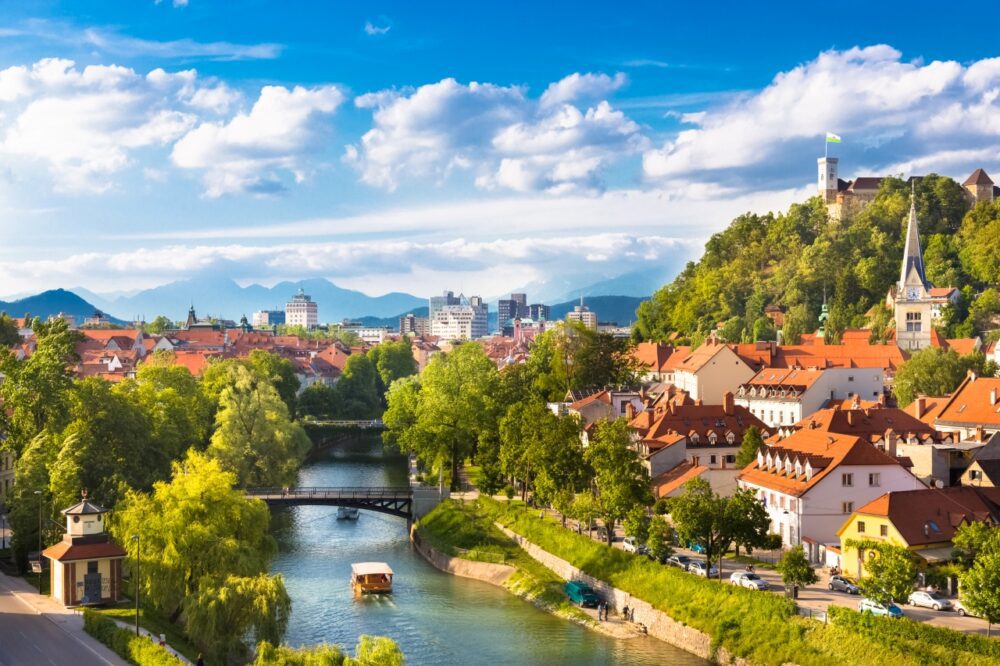
Maribor is the second-largest city in Slovenia. It sits on the Drava River, with the forested Pohorje mountains behind it and vineyards on the hills around it. It was named Europe’s Best Wine Capital for 2026, yet it feels far less touristy than Ljubljana. I spent three days here one autumn, and I’d go back tomorrow. Maribor is worth visiting if you like walkable cities, good wine, hearty food and a slower pace.
This guide covers the pros and cons of Maribor, where to stay, and what to book. You’ll also find tips on when to go, how long you need, and getting around, so you can decide whether it suits your kind of trip.
In a Rush? Here Are Our Favourite Hotels in Maribor Slovenia
⭐️⭐️⭐️ Hotel Maribor, City apartments – Click here for rates & availability
⭐️⭐️ Hotel Arena Maribor – Click here for rates & availability
Pros of Visiting Maribor
1. The World’s Oldest Vine

Maribor’s biggest claim to fame is a single plant. The world’s oldest grapevine grows up the front of the Old Vine House on the Lent waterfront. It’s a Žametovka vine more than 450 years old, and Guinness World Records has recognised it as the oldest in the world since 2004. It has survived Ottoman attacks and city fires, and it still bears grapes every year. I stood in front of it for longer than I expected.
Inside, the Old Vine House is part tasting room and part wine shop. It stocks over 200 Styrian wines from around 50 winemakers, and a 35-metre mosaic of Maribor’s history runs along the tasting room wall. I did a guided tasting of three wines with snacks, and it was an hour well spent. For some context first, the Legends and History Tour lasts two hours and ends right here with a glass of local wine.
2. The Lent Waterfront

Lent is Maribor’s oldest quarter, and it’s where I spent most of my evenings. It began as a harbour on the Drava in the 12th century, when timber rafts stopped here on their way downriver. Today it’s a long riverside promenade lined with cafés, wine bars, and restaurants. The old defences are still standing. The Water Tower dates from 1555 and now houses a wine bar, and the Judgement Tower and Jewish Tower are a short walk away!
Start at the vine and walk along the water, then cross the Old Bridge for the best views back over Lent. The loop takes about an hour with stops. If you want to get on the river itself, you can float down the Drava on a traditional timber raft. Go at sunset, when the red roofs glow and the terraces fill with locals.
3. Styrian Wine and Vinag Cellar

Maribor sits in the heart of Slovenia’s Styrian wine country, and it’s a proper wine city. Vineyards climb the hills right behind the centre. The region is known for white wines such as Šipon (Furmint), Welschriesling and Sauvignon Blanc. I also tried a glass of orange wine, which turned out to be a favourite. A glass of local white usually costs only €3 to €4, which makes experimenting easy.
The best place to understand it all is underground. The Vinag wine cellar is one of the largest classical wine cellars in Europe, with over two kilometres of tunnels beneath the city centre. The Vinag Wine Cellar Tour lasts 1.5 hours. You descend 23 steps, walk between wooden barrels and concrete tanks, then finish with a tasting and snacks.
4. A Walkable Old Town

The Old Town is small, walkable and easy to like. Glavni trg (the Main Square) is the heart of it, with a Renaissance Town Hall and a Baroque Plague Column raised after the plague of 1680. The pedestrian streets around it, including Poštna and Gosposka, are full of cafés. I stayed in the middle, so my mornings started with a coffee on the square before the day trippers arrived.
Slomškov trg is the other main square. The Cathedral of St John the Baptist has a Romanesque core from the 12th century, with Gothic and Baroque additions. Its 57-metre bell tower has a viewing platform with views over the red roofs to Pohorje. It’s open in the warmer months and closes in bad weather. Everything in the centre is within ten minutes on foot.
5. Maribor Castle and Museum
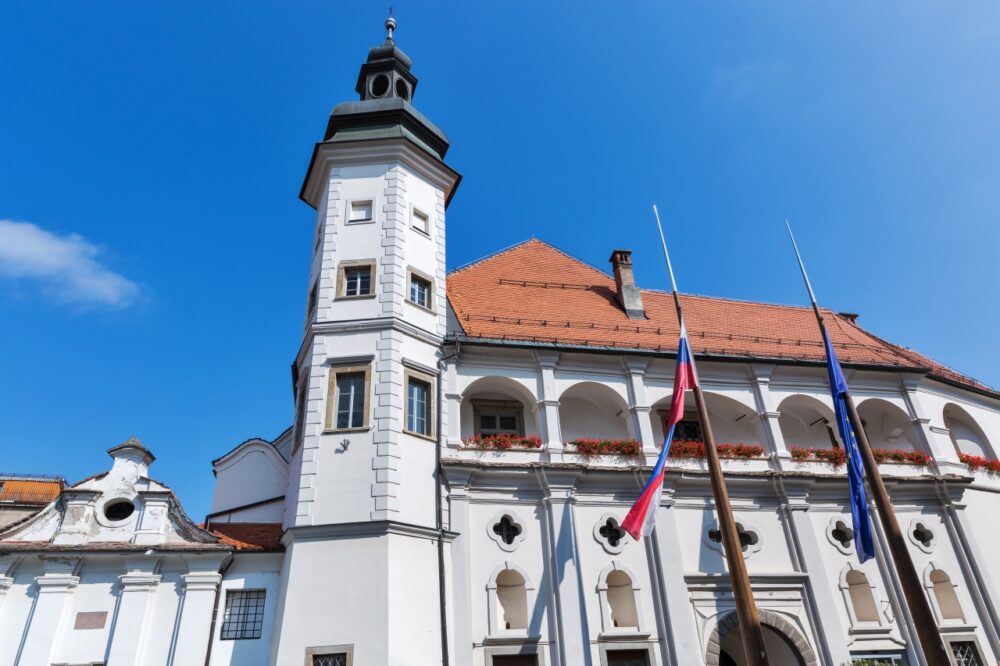
Maribor Castle sits on Castle Square at the edge of the Old Town. The oldest part was built between 1478 and 1481, and the castle later became a grand home for local noble families. Today it houses the Maribor Regional Museum. The Knights’ Hall dates from 1680 and has a stuccoed ceiling, and the Baroque staircase is lined with 16 stone statues of boys. I loved the cellar exhibitions on prehistory and the Middle Ages!
The museum runs on guided tours, which start on the hour from 10:00 am to 5:00 pm in Slovenian and English. They last about an hour. It’s open Tuesday to Sunday and closed on Mondays, and a standard ticket costs €12. The Castle Café in the courtyard is a good spot for coffee afterwards. Pair it with the Old Town walk, and you’ve covered the main sights in half a day.
6. Pohorje by Cable Car

Pohorje is the forested range behind Maribor, and you can reach it without a car. The Pohorje cable car has its lower station about five kilometres from the Old Town. City bus G6 takes you to the foot of the mountain, and the gondola carries you up to Mariborsko Pohorje. A one-way ticket costs €10 and a return costs €16. I rode up for the forest air and the views over the Drava valley.
In winter, Pohorje is the ski area for the whole region. In summer, the slopes turn into hiking trails, a downhill bike park and a summer sled run called PohorJet. The gondola runs to a timetable that changes with the season, so check the hours before you set off. Take a layer, because it’s noticeably cooler and often foggier at the top than it is in the city.
7. City Park and Pyramid Hill
Maribor has a green side that’s easy to reach on foot. City Park is about ten minutes from the centre, with old trees, a small aquarium-terrarium and three ponds. The ponds are home to ducks, swans and even turtles. Local families walk the paths at weekends, and it’s a calm break from sightseeing.
From the park, a path climbs through vineyards to Pyramid Hill (Piramida). The 386-metre hill once held a castle, and a small chapel from 1821 stands at the top. The walk takes 15 to 30 minutes, and the view takes in the whole city, the vineyards and Pohorje. I went in the late afternoon, when the light was soft. Wear proper shoes, because the path gets slippery after rain.
8. Hearty Styrian Food
Food in Maribor is hearty and good value. Styrian cooking leans on pumpkin seed oil, cured pork, stews, and dairy. Look out for Styrian sour soup (štajerska kisla juha), Pohorje stew (pohorski lonec) and pisker, a stew from the hills. Lunch menus in the Old Town often cost under €12, and a coffee is around €2 to €3. I ate well every day without spending much!
Save room for dessert. The Pohorje omelette (pohorska omleta) is a warm, fluffy sweet omelette served with lingonberries and cream, and locals will push you to try it. Many restaurants serve traditional Styrian dishes alongside local wine. The market near Lent is good for picking up cheese, bread and cured meats to eat by the river.
9. Festivals Through the Year
Maribor has a packed events calendar for its size. Festival Lent is the big one. It’s Slovenia’s largest open-air summer festival, and it takes over the riverfront and squares for nine days from late June (the 2027 dates are 25 June to 3 July). Wine lovers should aim for autumn instead. The Old Vine Festival in late September builds up to the ceremonial harvest of the vine.
I was there for the wine season, and I loved the buzz around Lent. St Martin’s Day on 11 November follows, with special menus across the city. In winter, a Christmas Village fills Glavni trg, and concerts light up Trg Leona Štuklja from late November to early January. There’s almost always something on, so check the St Martin’s Day programme and the events calendar before you book.
10. Easy Day Trips

Maribor works well as a base for day trips. Ptuj is about 30 km away and under an hour by train. It’s the oldest recorded town in Slovenia, built on the Roman settlement of Poetovio, with a hilltop castle and a historic wine cellar. In February, it hosts Kurentovanje, a famous carnival where shaggy costumed figures chase away winter. The orange wine tasting in Ptuj is a 1.5-hour small-group session led by a sommelier.
Graz is just over an hour away by train, and the Styrian wine hills start almost on the city’s doorstep. If you don’t want to organise anything, the Postojna Cave and Predjama Castle private day tour takes you to Slovenia’s most famous cave system and the castle built into a cliff. These trips are a big reason Maribor works well as a base.
Cons of Visiting Maribor
1. Quiet Midweek Evenings
Maribor is a university city, but it’s still a small one. On weekends the Old Town and Lent buzz, with terraces full until late. On weeknights, many kitchens close early and the streets empty fast. One Tuesday evening, I walked from the Old Town to the river and passed only a handful of people. If you want big clubs and late-night crowds, Maribor will feel tame!
Plan your evenings around wine rather than clubbing. A tasting at the Old Vine House or a table at a Lent wine bar fills an evening nicely. For something different, the Glow Golf course is a neon 15-hole game played through the city streets after dark. The quiet suits the pace of the trip, and Maribor is still well worth visiting.
2. No Regular Flights
Maribor has its own airport, but it handles general aviation and has no regular passenger flights. Most people fly into Graz in Austria, which is about 64 km away. Ljubljana and Zagreb are the other options. That adds time and a transfer to your journey, and it’s the biggest hurdle for a short city break.
Graz is the easiest route. You can take a train via Spielfeld-Straß or book a shared transfer with GoOpti. From Ljubljana, the airport bus runs to the city bus station, and trains to Maribor take two to three hours. The journey is easy once you’ve planned it, and the effort pays off.
3. A Short List of Big Sights
Maribor is compact. You can see the main sights in a day: the Old Town, Lent, the castle and the cathedral tower. If you want grand museums and famous landmarks, you may run out of things to do. A few travellers describe it as sleepy.
I had three days and used them slowly. The trick is to add the extras. The Pohorje gondola, Pyramid Hill and a Ptuj trip fill the gaps nicely. For something you won’t find in many cities, try gold panning on the Drava. It lasts three hours, and you leave with the gold flakes you find. Treat Maribor as a relaxed base, and it’s still worth the trip.
4. Cold and Wet Weather
The weather can turn. Autumn brings fog and rain, and winters are cold. One afternoon, the cloud sat low over the Drava and Pohorje vanished completely. Outdoor plans like Pyramid Hill and the gondola lose their appeal in a downpour!
Pack a waterproof jacket and check the forecast each morning. Rainy days suit the Vinag cellar, the Regional Museum and indoor games like the WOOP! Pixel experience, which uses a floor of glowing tiles. The cafés and wine cellars are cosy too. A grey day in Maribor still has plenty to offer.
5. Many Sights Close on Mondays
Opening hours need some planning. The Regional Museum is closed on Mondays, and some smaller sights open only a few days a week. Guided tours run at set times, so you can’t always walk straight in. I turned up at the castle on a Monday and had to rework my day.
Save the castle and museums for Tuesday to Sunday. Use Mondays for outdoor plans, such as Lent, the vine, Pyramid Hill and the gondola. Book tastings and tours a day ahead, and you’ll avoid most surprises. It’s a small hassle, and it doesn’t stop Maribor being a great option.
Where to Stay
Old Town: The Old Town is where I stayed, and I’d choose it again. I stepped out onto Glavni trg each morning, and the cathedral, the castle and Lent were all within ten minutes on foot. The downsides are weekend noise and limited parking. 4 Rooms is a budget-friendly hostel on Poštna street with free WiFi, air conditioning and a shared lounge. Hiša OPERA is a mid-range 3-star on Slovenska ulica with a bar, a terrace and a coffee house. Hotel Maribor, City apartments is an upscale 4-star on Glavni trg with a restaurant, a sauna and a spa centre.
Lent: Lent is the riverside quarter (with medieval towers) terraces and the Old Vine House on your doorstep. It’s the most atmospheric base, but it gets busy during festivals. Apartment Lent is a budget-friendly apartment on Ob bregu with a terrace, air conditioning and a 24-hour front desk. Hotel Lent is a mid-range 3-star on Dravska ulica with a restaurant, a bar and a terrace. Fani&Rozi B&B is a charming B&B on Pristan with a garden, a sun terrace, a bar and soundproof rooms.
Near the Train Station: The streets east of the centre are practical and a little cheaper. The train and bus stations are close, and Glavni trg is a ten-minute walk. It’s plainer and quieter at night. B&B UNI Hostel is a budget-friendly hostel on Volkmerjev prehod with a shared kitchen, a 24-hour front desk and a lift. B&B Hotel Maribor is a mid-range 3-star on Ulica Vita Kraigherja with air conditioning and a minimarket on site. Hotel City Maribor is an upscale 4-star on Ulica Kneza Koclja with a restaurant, a fitness centre and a terrace!
Tabor and City Park: West and south of the centre, the streets are residential and calm. You’re near City Park and Pyramid Hill, with free parking at many places, but there are fewer restaurants and the walk to Glavni trg takes 15 to 20 minutes. Hostel M is a budget-friendly hostel on Iztokova ulica with a garden, a shared kitchen and free parking. Hotel Tabor Maribor is a mid-range 3-star on Ulica Heroja Zidanška with a restaurant, a garden and free parking. Postcard City Apartments are 3-star apartments on Smetanova cesta with a garden, free parking and family rooms.
Pohorje Foothills: At the foot of the mountain, you get forest air, spas and ski-to-door access in winter. It suits active travellers, but it’s about five kilometres from the Old Town, so you’ll rely on the bus or the gondola. Villa Mari I is a budget-friendly 4-star aparthotel on Pot k mlinu with free parking, BBQ facilities and air conditioning. Vilaraj is a mid-range B&B on Pri Habakuku with a hot tub, a sauna and a garden. Hotel Arena Maribor is an upscale 4-star on Pot k mlinu with a spa, a restaurant and ski-to-door access.
Best Things to Do
These are the tours and experiences I’d plan a trip around.
- Legends and History Tour: A two-hour walk from the main squares to Lent, with stories of Maribor’s legends and its secret wartime tunnels, ending with a wine tasting at the Old Vine House.
- Vinag Wine Cellar Tour: A 1.5-hour guided walk through 2.2 km of tunnels under the city, finishing with local wine and snacks.
- Gold Panning on the Drava: A three-hour small-group session where you learn to read the river and pan for gold, then keep your flakes in a vial. Pickup is available from Maribor train station.
- Glow Golf: A neon 15-hole mini golf course through the city streets, with glow-in-the-dark clubs, balls and props. It’s great for families and groups.
- Postojna Cave and Predjama Castle Private Tour: A private day tour to one of Europe’s best-known cave systems and a castle built into a cliff face.
- Orange Wine Tasting in Ptuj: A 1.5-hour small-group tasting led by a sommelier, in Slovenia’s oldest town.
- Pohorje Cable Car: A gondola ride from the edge of the city up to the forests and viewpoints of Mariborsko Pohorje.
- Maribor Castle and Regional Museum: Hourly guided tours through the Knights’ Hall, the Baroque staircase and the cellar exhibitions.
- Cathedral Bell Tower: A climb to the open viewing platform for rooftop views of the Old Town and Pohorje.
- Pyramid Hill: A 15 to 30 minute walk through vineyards to a hilltop chapel and the best view in the city.
- Drava River Rafting: A trip along the river on a traditional timber raft, as the raftsmen once did.
Best Time to Visit
Autumn: I visited in autumn, and it’s my favourite season here. The vineyards turn gold, the Old Vine Festival and the ceremonial harvest take place in late September, and St Martin’s Day on 11 November brings special menus across the city. Days are mild but can turn foggy and wet, so pack a waterproof. Check the opening hours of the bell tower, because it shuts for the colder months.
Spring: Spring is fresh and green. The vineyards come back to life, the terraces along Lent reopen and Pyramid Hill is at its prettiest. Showers are common, so keep a jacket handy. It’s also a quieter time to ride the Pohorje gondola before the summer crowds arrive!
Summer: Summer is warm and lively. Festival Lent fills the riverfront with concerts, street theatre and food stalls for nine days from late June. The Pohorje bike park and summer sled run open, and the Lent terraces stay busy until late. Book hotels early for festival week, and take sun cream for the walk up Pyramid Hill.
Winter: Winter is cold and often foggy, but it has its charms. A Christmas Village fills Glavni trg from late November, with a Ferris wheel, mulled wine and concerts on Trg Leona Štuklja. Pohorje turns into the local ski area. In early February, Ptuj hosts Kurentovanje, one of Slovenia’s best-known carnivals (3 to 9 February in 2027).
How Long to Spend
1-2 Days: Two days is enough for the highlights. Spend the first morning on the Old Town, Glavni trg and the cathedral, then head to Lent for the vine and a wine tasting. Add the castle on day two, and finish with the Vinag cellar or a sunset on Pyramid Hill.
3-4 Days: This is the sweet spot, and it’s what I did. With three days, you can add a day on Pohorje, a walk through City Park, and a day trip to Ptuj. Try gold panning or an evening of Glow Golf. It gives you time to enjoy the cafés and wine bars without rushing.
5-7 Days: With a week, you can make Maribor a base for the whole region. Add Graz, which is about an hour by train, a wine route through the hills, and a day to Postojna Cave. You could also spend a few days hiking on Pohorje. Keep one slow day for the market and long lunches by the river. For a longer Slovenia trip, you could follow your time here with a separate stay in Piran by the coast.
Getting Around
On foot: The centre is compact, and walking is the best way to see it. Glavni trg to Lent takes a few minutes, and the train station is a ten to fifteen minute walk. The cobbles in Lent are uneven, so wear comfortable shoes!
Bike hire: The Mbajk bike share runs 24 hours a day. A weekly subscription costs €1, and the first 60 minutes of every ride are free. You can pick up a bike at one station and drop it at any other. It’s a cheap, quick way to reach City Park or the riverside paths.
City buses: Marprom runs the city buses. You can buy tickets in the Marprom Shop app or at the main bus station, or pay the driver by card. Day tickets are available too. Bus G6 takes you to the foot of Pohorje for the cable car. You won’t need buses much inside the centre.
Free electric shuttle: The Maister is a free electric vehicle that loops around the city centre every day from 8:00 am to 8:00 pm. Call 030 700 035 or wave it down. It seats six and has a wheelchair ramp, which makes it handy with luggage or tired legs.
Trains and buses to Maribor: Slovenian Railways runs trains from Ljubljana in two to three hours. Graz is about an hour away, and Ptuj is under an hour. The train and bus stations sit side by side on the edge of the centre.
To and from the airport: Maribor’s own airport has no regular passenger flights. The closest airport with regular flights is Graz, about 64 km away, and you can book a shared transfer with GoOpti. If you fly into Ljubljana, take the airport bus to Ljubljana bus station, then continue to Maribor by train or bus. For the journey back, line up your connection the day before.
Final Thoughts: Is Maribor Worth Visiting?
Yes, Maribor is worth visiting, especially if you want a Slovenian city break that feels real. You can drink wine beside the oldest vine in the world, walk the medieval Lent waterfront, ride a gondola into the forest and eat well for very little. It’s easy to enjoy and hard to rush, and it never feels like a tourist trap!
It isn’t perfect. The airport has no regular flights, midweek nights are quiet and the list of big sights is short. The weather can turn grey and wet, and Mondays can catch you out. But with a base in the Old Town and a couple of day trips, those issues barely mattered, and my three days passed quickly.
If you like wine, walkable streets and a slower pace, Maribor is a great option. Pair it with Ptuj, Graz or Ljubljana for a longer trip. If you want nightlife and blockbuster landmarks, look elsewhere. For me, it was one of the most relaxed and welcoming cities I’ve visited, and I’d happily go back.