
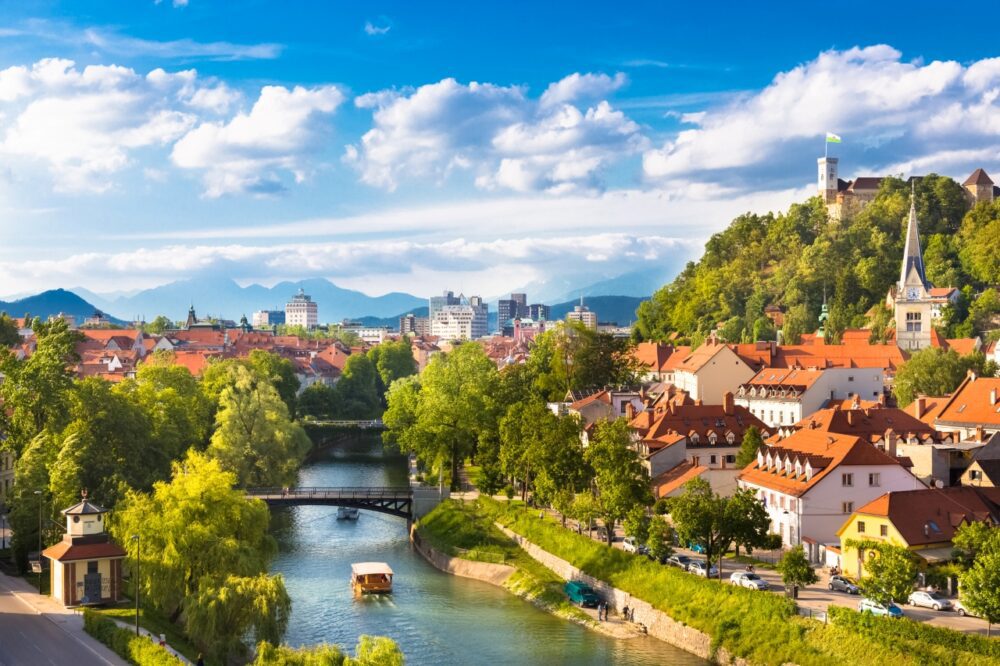
Is Ljubljana worth visiting? Yes, absolutely. Ljubljana was one of the cities that exceeded my expectations the most. Before visiting, I knew it was the capital of Slovenia, but I didn’t expect it to be so charming and easy to explore. I enjoyed walking along the river, crossing the city’s famous bridges, and relaxing in outdoor cafés while watching local life go by. It felt friendly, relaxed, and surprisingly vibrant for a smaller European capital.
Ljubljana is the capital of Slovenia and sits in the heart of the country. Known for its beautiful old town, riverside setting, pedestrian-friendly streets, and hilltop castle, the city offers a great mix of history, culture, and outdoor living. Despite being Slovenia’s largest city, Ljubljana feels compact and welcoming, making it easy to explore in just a few days.
In this guide, I’ll cover the top reasons why Ljubljana is worth visiting and share some useful travel tips and advice to help you plan your trip. Whether you’re interested in history, architecture, food, or simply enjoying one of Europe’s most pleasant capitals, keep reading to discover the many reasons why Ljubljana is worth visiting.
Table of Contents
Top Reasons You Should Visit Ljubljana
1. A Fairytale-Like Old Town with Stunning Architecture
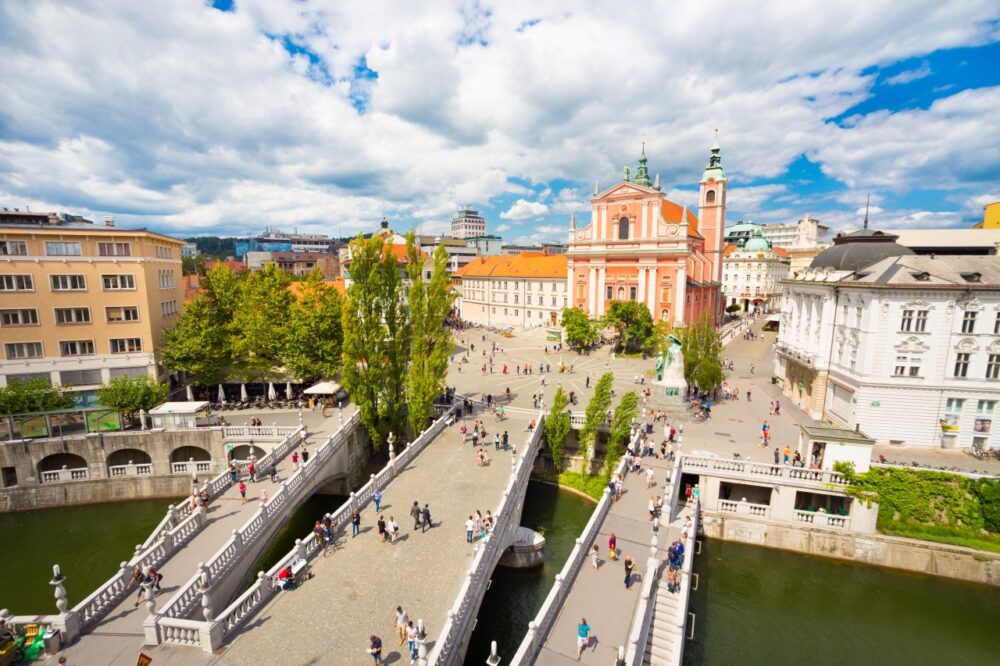
Ljubljana’s old town feels like something straight out of a storybook, with its charming cobblestone streets, colourful buildings, and beautiful bridges crossing the Ljubljanica River. The city’s architecture blends Baroque, Renaissance, and Art Nouveau styles, giving it a distinctive and elegant look. Unlike many European capitals, Ljubljana’s old town is compact and completely pedestrianized, making it a joy to explore on foot without worrying about cars.
I loved strolling along the riverbanks, where outdoor cafés spill onto the streets and local musicians add to the relaxed atmosphere. The Prešeren Square, with its striking pink Franciscan Church, is one of the city’s most picturesque spots, while the Triple Bridge, designed by the famous Slovenian architect Jože Plečnik, is a unique landmark worth admiring. Whether you’re visiting in the sunny warmth of summer or during the magical Christmas season, the old town always has a special charm.
2. Ljubljana Castle Offers Incredible Views of the City
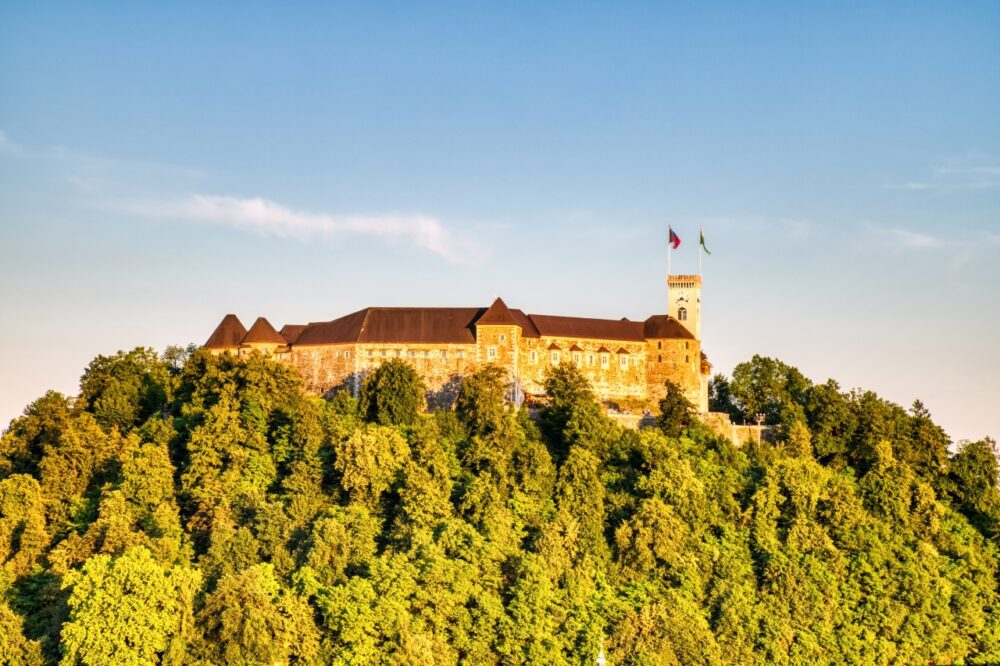
Perched on a hill overlooking the city, Ljubljana Castle is one of the top attractions and provides some of the best panoramic views of the surrounding landscape. The castle dates back to the 11th century, but over time, it has been restored and transformed into a cultural and historical hub with exhibitions, restaurants, and an observation tower.
I took the funicular up to the castle, which was a fun ride, but the real highlight was climbing to the top of the watchtower. From there, you can see the entire city below, with the river winding through the rooftops and the distant Julian Alps on the horizon. It’s a fantastic spot for photography, especially at sunset. The castle also hosts cultural events, film screenings, and medieval re-enactments, adding to the experience.
3. One of the Greenest and Most Sustainable Capitals in Europe
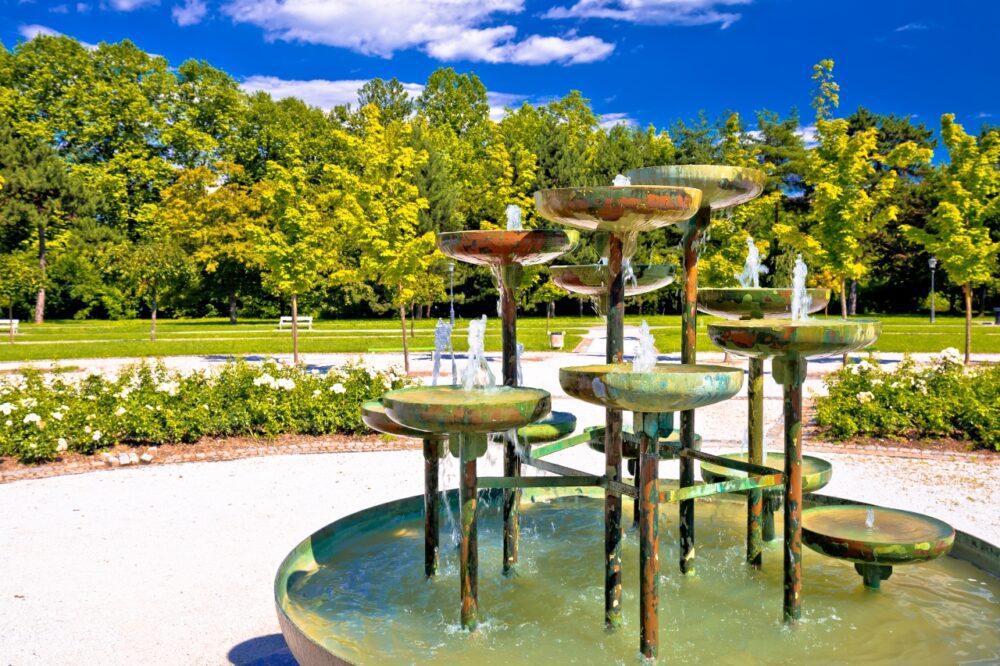
Ljubljana has won numerous awards for being one of the most eco-friendly and sustainable cities in Europe. It was named the European Green Capital in 2016, thanks to its extensive pedestrian zones, excellent cycling infrastructure, and commitment to protecting its natural surroundings. The city centre is almost entirely car-free, making it incredibly peaceful and clean compared to other European capitals.
I was impressed by how much green space there is within the city. Tivoli Park, the largest park in Ljubljana, feels like an oasis of nature right next to the old town, perfect for a morning walk or an afternoon picnic. The Ljubljanica River, which runs through the city, is lined with trees and walking paths, making it an ideal spot for a relaxing stroll. If you love cities that prioritize sustainability and quality of life, Ljubljana is a refreshing destination.
4. A Relaxed and Laid-Back Atmosphere
Unlike many capital cities, Ljubljana never feels rushed or chaotic. It has the cultural and historical appeal of a major European city but with the friendliness and relaxed vibe of a small town. There’s no sense of urgency here—locals take their time enjoying coffee by the river, riding bicycles through the streets, and gathering in open squares for conversation.
I spent an entire afternoon just sitting at a riverside café, watching the world go by, and it felt like time slowed down. Unlike the crowds and overwhelming pace of larger cities like Paris or Rome, Ljubljana offers a more intimate and stress-free experience. Whether you’re exploring the markets, chatting with locals, or simply wandering through the streets, the city’s relaxed energy makes it a great place to unwind.
5. Fantastic Food Scene with Local and International Flavors
Ljubljana’s culinary scene is a mix of traditional Slovenian flavours, Italian influences, and modern international cuisine. The city’s central market, designed by Jože Plečnik, is a great place to sample local produce, cheeses, and fresh baked goods. Slovenian food is hearty and delicious, with dishes like štruklji (rolled dumplings), kranjska klobasa (Carniolan sausage), and potica (a sweet nut-filled pastry).
One of the best meals I had was at a cosy restaurant serving jota, a Slovenian stew made with sauerkraut, beans, and potatoes. If you’re a wine lover, Slovenia produces excellent wines that often go unnoticed outside the country, so ordering a glass of local Malvazija or Rebula is a must. The city also has a great café culture, with plenty of spots to enjoy expertly brewed coffee and people-watch for hours.
6. The Riverfront is One of the Prettiest in Europe
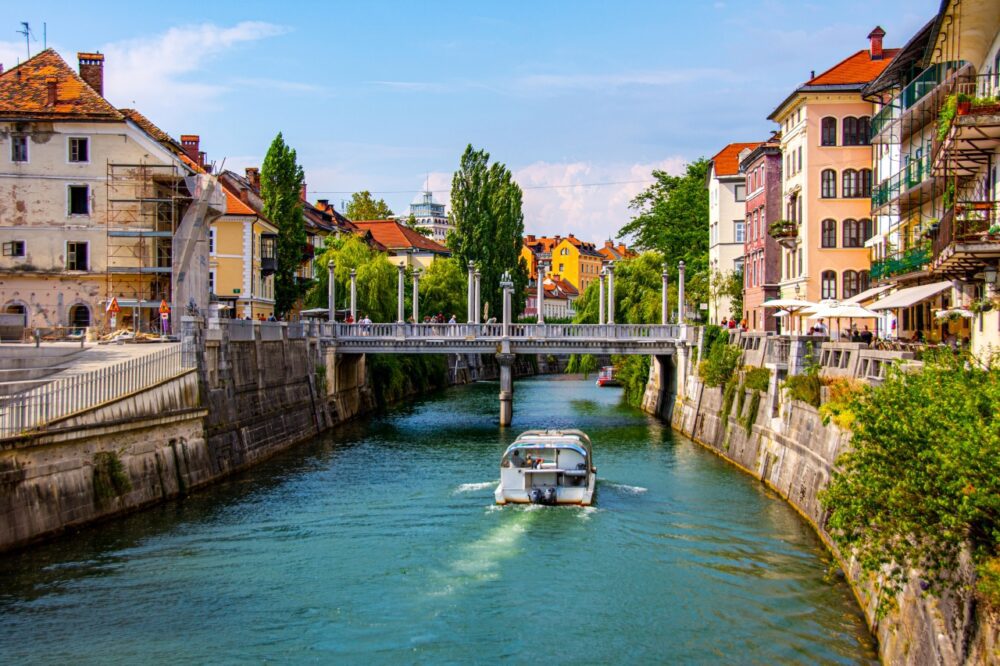
The Ljubljanica River runs through the heart of the city, and its picturesque waterfront is one of the most scenic and charming aspects of Ljubljana. Lined with pastel-coloured buildings, lively cafés, and stone bridges, the riverfront is the perfect place for a leisurely walk, a boat ride, or a relaxed evening drink.
One of my favorite experiences was taking a short boat tour along the river, which offers a different perspective of the city’s landmarks. In the evenings, the riverbanks come alive with locals and visitors gathering at outdoor terraces, enjoying wine, and listening to street musicians. The reflections of the illuminated buildings in the water create an almost magical atmosphere.
7. Vibrant Art and Alternative Culture in Metelkova
For those who love street art and alternative culture, Metelkova is a must-visit. This former military barracks has been transformed into an artistic and cultural hub, covered in graffiti, mosaics, and sculptures. It’s a place where independent artists, musicians, and creative minds come together, hosting live performances, exhibitions, and underground parties.
I wandered through Metelkova during the day and was fascinated by the colourful murals and unusual sculptures. At night, the area turns into one of the city’s most unique nightlife spots, with music ranging from jazz to electronic beats. If you enjoy discovering the alternative side of a city, this is one of Ljubljana’s most interesting districts.
8. Affordable Compared to Other European Capitals
Ljubljana remains much more affordable than other major European capitals like Paris, London, or Vienna. Accommodation, food, and attractions are reasonably priced, making it an excellent destination for budget travellers. While prices have risen slightly as tourism has increased, it’s still possible to find great meals at a fraction of what you’d pay in Western Europe.
I stayed in a well-located guesthouse for far less than what a similar place would cost in other European cities. Public transport is also cheap, though you likely won’t need it much since the city is so walkable. If you want to experience a beautiful European city without spending a fortune, Ljubljana is a fantastic option.
9. Friendly and Welcoming Locals
Slovenians are known for being friendly and welcoming, and Ljubljana is no exception. While not everyone speaks fluent English, many people do, and they are happy to help with directions, recommendations, or just a friendly conversation. The hospitality in smaller restaurants and cafés feels warm and genuine, making visitors feel at home.
I had a great experience at a local bakery where the owner took the time to explain the different types of traditional pastries to me and even let me try a sample before I decided. That level of friendliness isn’t something you always find in big tourist destinations, and it’s part of what makes Ljubljana such a pleasant place to visit.
10. A Perfect Base for Exploring Slovenia’s Natural Wonders
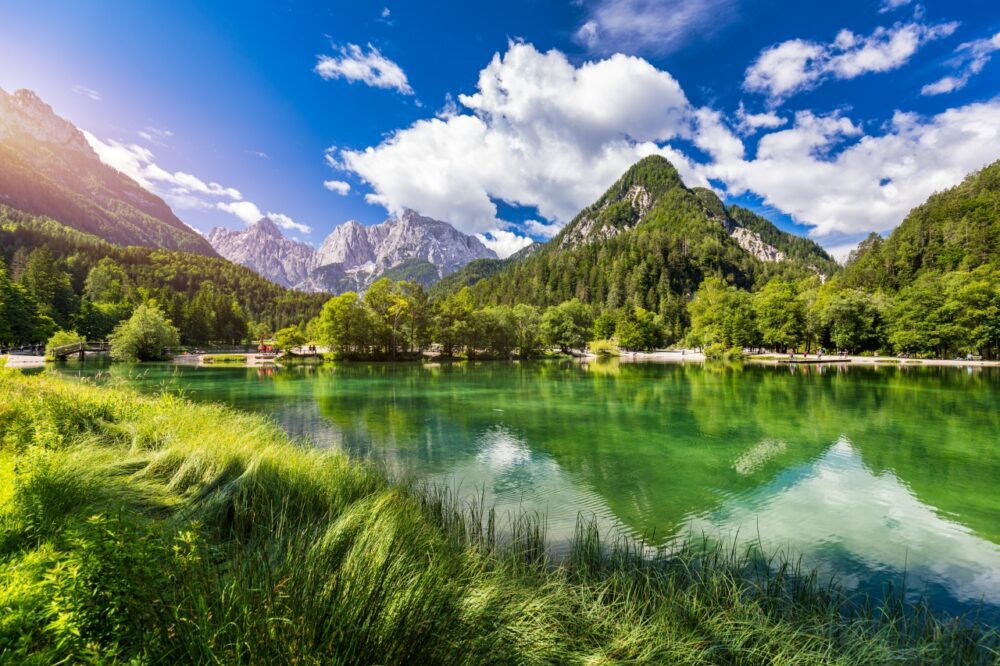
Ljubljana is ideally located for exploring some of Slovenia’s most breathtaking natural landscapes. Just a short drive away, you’ll find Lake Bled, with its famous island church and medieval castle perched above the water. Triglav National Park, Slovenia’s only national park, offers stunning alpine scenery, waterfalls, and outdoor adventures. The famous Postojna Cave and Predjama Castle are also easy day trips from the city.
I took a quick bus ride to Lake Bled and was blown away by the serene beauty of the area. The best part is that Slovenia is small, so almost anywhere you want to go is within a couple of hours of Ljubljana. If you love nature and outdoor activities, using Ljubljana as a base is a great way to see the best of Slovenia.
Travel Tips for Visiting Ljubljana
What to Do in Ljubljana
Ljubljana was one of the biggest surprises for me in Europe. It has the charm of a small town but enough attractions to keep you busy for several days. The city centre is easy to explore, and the nearby countryside is beautiful.
- Take a Day Trip to Lake Bled – This was easily my favourite experience because the lake looks just as good in real life as it does in photos.
- Visit Ljubljana Castle with Funicular Ride – The views over the city are excellent, and I think it is the best place to get your bearings when you arrive.
- Join a Postojna Cave and Predjama Castle Tour – The caves are some of the most impressive I have visited in Europe, and the castle built into a cliff is unforgettable.
- Take a Food and Wine Tour – Slovenian food doesn’t get enough attention, and this is a great way to try local dishes and wines.
- Explore the City on a Walking Tour – I always recommend doing this early in your trip because Ljubljana has an interesting history that is easy to miss if you explore on your own.
- Take a Day Trip to Triglav National Park – If you enjoy mountains, rivers, and outdoor activities, this is one of the best experiences near the city.
When to Visit Ljubljana
I think the best time to visit Ljubljana is from May to September. The weather is warm, the riverside cafes are busy, and the city feels full of life. Summer is the busiest season, but it is also when outdoor events and festivals take place. Spring and autumn are quieter and often more comfortable for sightseeing. Personally, I would choose late May or September because the weather is pleasant and there are fewer crowds than in the middle of summer.
How to Get to Ljubljana
Ljubljana Jože Pučnik Airport is the main gateway to the city and has connections across Europe. Many travellers also arrive by train or bus from nearby cities such as Vienna, Zagreb, Venice, and Budapest. From the airport, buses and shuttle services reach the city centre in around 30 minutes. In my opinion, flying directly into Ljubljana is the easiest option, but train travel works well if you are already exploring Central Europe.
Where to Stay in Ljubljana
- InterContinental Ljubljana – A modern luxury hotel near the city centre with excellent facilities and great views.
- Grand Hotel Union – One of the city’s most famous hotels, located within easy walking distance of the old town.
- Hotel Cubo – A stylish boutique hotel that combines a central location with excellent service.
- City Hotel Ljubljana – A reliable mid-range option close to the main attractions and transport links.
- B&B Hotel Ljubljana Park – A good budget-friendly choice near the old town with modern rooms and great value.
- Vander Urbani Resort – A trendy riverside hotel that puts you right in the heart of the action.
Getting Around Ljubljana
Ljubljana is one of the easiest cities in Europe to explore on foot. Most of the historic centre is pedestrian-friendly, and many attractions are only a short walk apart. The city also has a good bus network, and tickets can be managed through the Urbana card system. Bikes are widely available through the BicikeLJ bike-sharing scheme. Personally, I walked almost everywhere because the city centre is compact and enjoyable to explore at a relaxed pace.
How Long to Spend in Ljubljana
I think two to three days is the perfect amount of time for Ljubljana itself. That gives you enough time to see the main sights, enjoy the cafes, and explore the riverside areas. If you want to visit Lake Bled, Postojna Cave, or Triglav National Park, I would stay four or five days. Personally, I would choose four days because it gives you time to enjoy both the city and some of Slovenia’s best natural attractions without rushing.
Conclusion
So, is Ljubljana worth visiting? Without a doubt. From its picturesque old town and riverside cafés to its castle, green spaces, and relaxed atmosphere, there are plenty of reasons to spend time here. Ljubljana offers a unique blend of culture, history, and local charm that makes it one of the most enjoyable destinations in Slovenia. If you’re planning a trip to Slovenia, Ljubljana is a city that deserves a place at the top of your itinerary.