
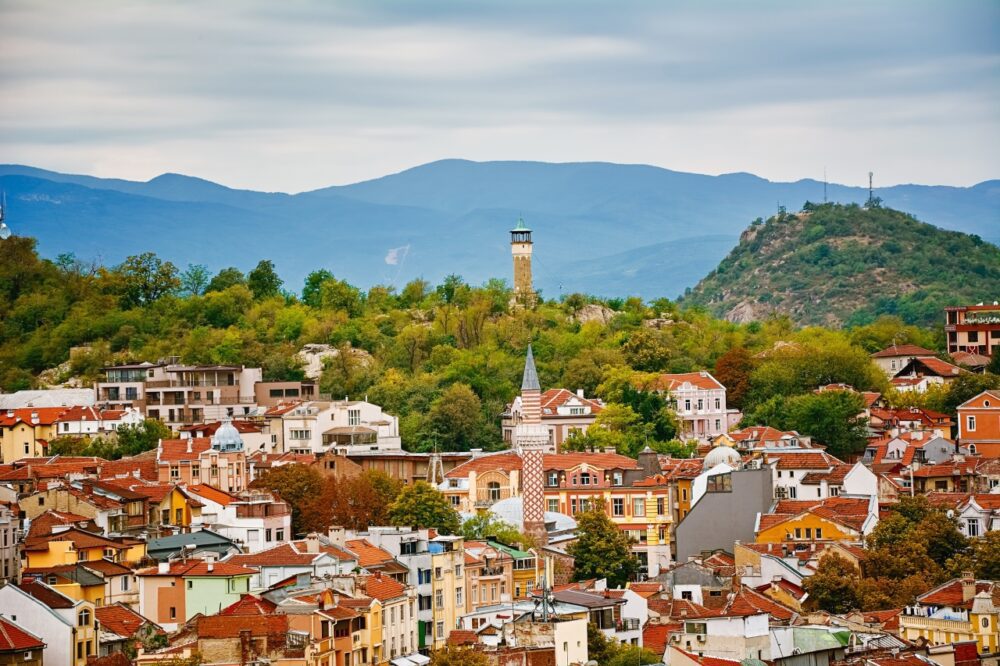
Is Plovdiv worth visiting? Yes, absolutely. In fact, Plovdiv ended up being one of my favourite cities in Bulgaria. I wasn’t expecting much before I arrived, but the city quickly won me over. Walking through the old town, discovering Roman ruins, and relaxing in the lively city centre made me wonder why more travellers don’t talk about it. It has a great mix of history, culture, and local life.
Plovdiv is the second-largest city in Bulgaria and is often considered one of the oldest continuously inhabited cities in Europe. The city is known for its colourful old town, Roman landmarks, creative atmosphere, and thriving café scene. It feels different from many European cities because ancient history and modern life sit side by side.
In this guide, I’ll cover the top reasons why Plovdiv is worth visiting and share some useful travel tips and advice to help you plan your trip. If you’re looking for a destination that combines history, culture, and a relaxed atmosphere, keep reading to discover the many reasons why Plovdiv is worth visiting.
Table of Contents
Top Activities in Plovdiv
- Plovdiv: Guided Walking Tour
- Plovdiv: Old Town Guided Walking Tour & Audioguide & Museum
- Plovdiv: Bachkovo Monastery & Asen’s Fortress Tour
- From Plovdiv: Wonderful Bridges and Rhodope Cuisine Day Trip
- Plovdiv: Buzludzha Monument & Museum of Aviation Day Trip
- Food Walk Plovdiv: Bulgarian Food and Culture Tour
- Fantasy Non-Museum of Plovdiv Entry Ticket
- From Plovdiv: Koprivshtitsa and Starosel Thracian Tomb Tour
- Plovdiv: Traditional Bulgarian Costume Photo Experience
- From Plovdiv: Sofia – A Story of an Ancient State Day Tour
Top Reasons You Should Visit Plovdiv
1. One of Europe’s Oldest Continuously Inhabited Cities
Plovdiv has a habit of surprising people. Before visiting, I knew it had a long history, but I did not realize just how far back it goes. Archaeologists believe people have lived here for more than 8,000 years, making Plovdiv one of the oldest continuously inhabited cities in Europe. Over the centuries, the city has been ruled by the Thracians, Romans, Byzantines, Ottomans, and Bulgarians, and each civilization has left something behind. Walking around the city, you are constantly reminded that this is a place where history has never really stopped.
I found this fascinating because history in Plovdiv does not sit inside museums waiting for visitors to discover it. Instead, it is woven into everyday life. You can walk down a modern shopping street and suddenly come across Roman ruins, Ottoman houses, or ancient walls. It feels as though every corner tells part of the city’s story. I enjoyed learning how each generation built on what came before rather than replacing it completely, which gives Plovdiv a unique character that few cities can match.
What I liked most was that Plovdiv never felt like an open-air museum. People still live, work, and socialize among these historic sites. Residents meet friends in cafés beside Roman ruins, children play in parks overlooking centuries-old buildings, and local markets continue traditions that stretch back hundreds of years. It gave the city a sense of continuity that I had not experienced anywhere else in Bulgaria.
2. A Beautiful Old Town Full of Character
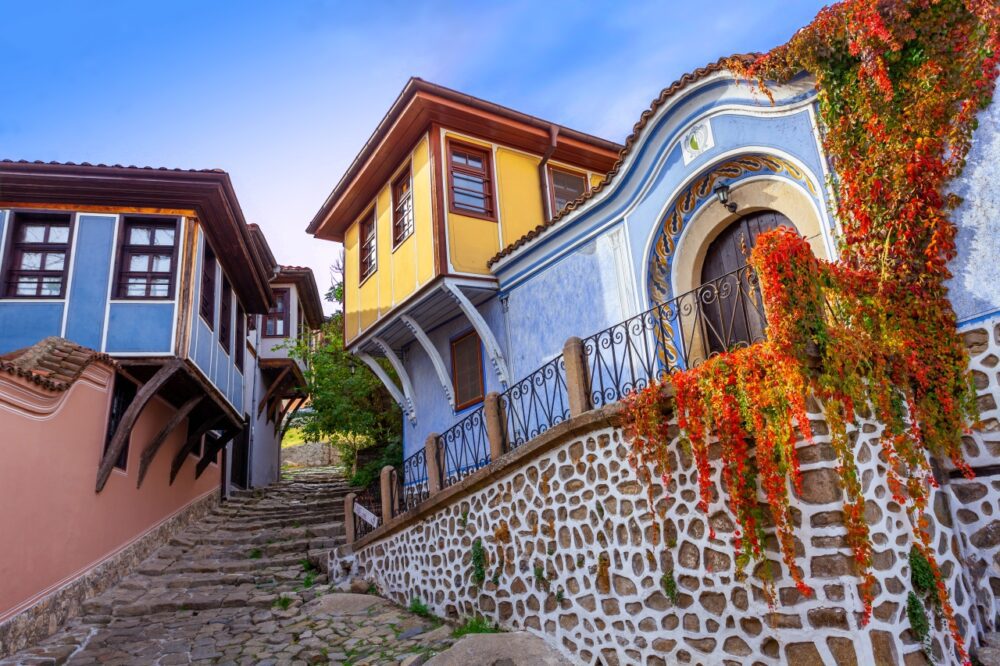
Plovdiv’s Old Town was easily my favorite part of the city. Built across several hills, it is filled with cobbled streets, colorful nineteenth-century houses, hidden courtyards, churches, and small museums. Many of the buildings date back to the Bulgarian National Revival period and have been beautifully restored without losing their original charm. Every street seems to reveal another attractive view or interesting building.
I spent hours wandering through the old town without any particular destination in mind. One street would lead to a tiny chapel, another to a peaceful courtyard filled with flowers, and another to a viewpoint overlooking the city below. I loved the feeling of never quite knowing what I would discover around the next corner. The wooden balconies, painted facades, and stone streets all combine to create an atmosphere that feels warm and welcoming rather than overly polished.
Unlike some historic districts in Europe, Plovdiv’s Old Town still feels lived in. Many of the houses remain private homes, while others have become galleries, cafés, or boutique hotels. It never felt like a place designed purely for tourists. I found myself slowing down, taking more photos than usual, and simply enjoying the peaceful atmosphere that makes this part of Plovdiv so memorable.
3. An Impressive Roman Heritage
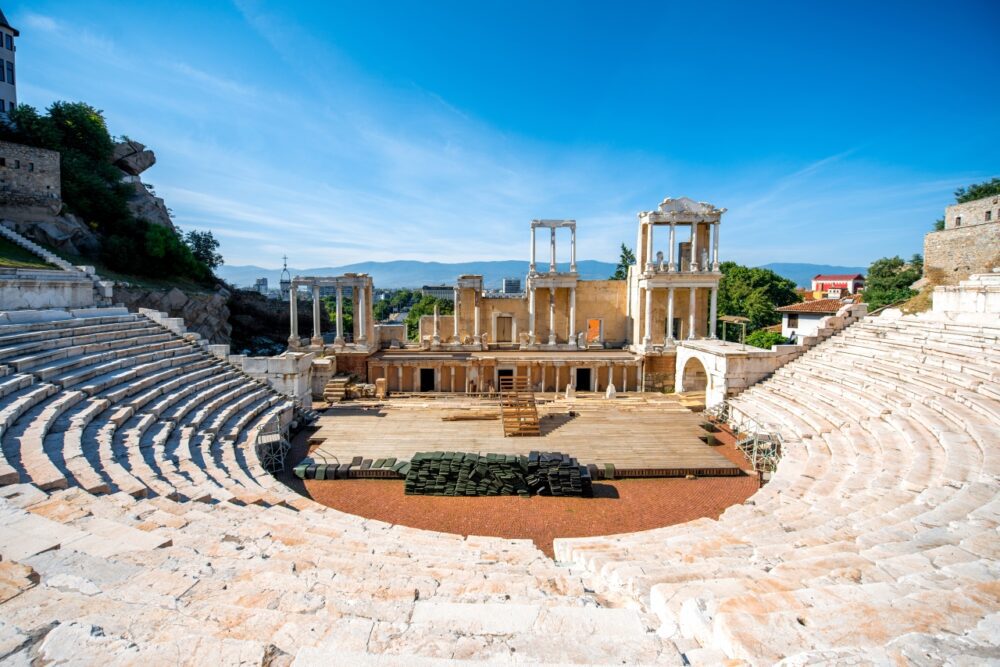
Plovdiv was once known as Philippopolis during Roman times, and evidence of that period is everywhere. The most famous attraction is the Roman Theatre, built during the first century AD. It once held around 7,000 spectators and remains one of the best-preserved ancient theatres anywhere in Europe. It is remarkable to think that performances still take place here almost two thousand years after it was built.
Walking into the theatre for the first time genuinely impressed me. Unlike many ancient ruins that require a bit of imagination, this one feels remarkably complete. Marble seating rises around the stage, elegant columns frame the background, and modern Plovdiv stretches out beyond the theatre walls. It is a wonderful example of how the city blends ancient history with everyday life. I also enjoyed exploring the Roman Stadium beneath the main shopping street, where sections of the original structure have been carefully preserved.
What surprised me most was how naturally these Roman sites fit into the modern city. They are not hidden away behind fences but form part of the streets people use every day. Sitting beside Roman ruins while locals walked to work made history feel much more accessible. It reminded me that Plovdiv has been an important city for centuries and continues to build on that remarkable past.
4. A Relaxed Atmosphere Without Large Crowds
One of the reasons I enjoyed Plovdiv so much was because it felt calm and manageable. Sofia is interesting, but it still has the energy and traffic of a busy capital city. Plovdiv, on the other hand, moves at a slower pace. It is lively enough to feel interesting but relaxed enough that sightseeing never becomes stressful.
Even during the warmer months, I rarely felt overwhelmed by crowds. Visitors were spread throughout the city, which meant I could enjoy attractions without long queues or packed streets. That slower pace encouraged me to spend more time exploring side streets, browsing bookshops, and stopping for coffee whenever I felt like it instead of rushing between landmarks.
I think travelers who enjoy taking their time will appreciate Plovdiv. Instead of trying to impress you with endless attractions, the city invites you to slow down and enjoy the atmosphere. By the end of my stay, some of my favorite memories involved simple moments like sitting in a quiet square or watching local life unfold from a café terrace.
5. A Thriving Arts and Creative Scene
Plovdiv has become one of Bulgaria’s cultural capitals, especially after being named a European Capital of Culture in 2019. The city has embraced art, music, and creativity, and this can be seen in its galleries, festivals, workshops, and public spaces. There always seems to be an exhibition, performance, or cultural event taking place somewhere.
The Kapana district quickly became one of my favorite neighborhoods. Its name means “The Trap,” and the narrow streets certainly live up to that nickname because it is easy to lose track of where you are. Today, the area is full of independent cafés, craft shops, bars, galleries, and street art. It feels creative without becoming overly trendy or commercial.
I particularly enjoyed visiting Kapana during the evening. String lights hung above the streets, people filled outdoor terraces, and musicians occasionally performed in small squares. The atmosphere felt friendly and relaxed rather than busy or noisy. Even if you are not particularly interested in art, I think you would enjoy simply wandering around this part of the city.
6. Great Bulgarian Food and Excellent Local Wine
Bulgarian cuisine deserves much more attention, and Plovdiv is an excellent place to discover it. The city sits close to the Thracian Valley, one of Bulgaria’s most important wine regions, so many restaurants proudly serve local wines alongside traditional dishes. Meals are generally hearty, fresh, and full of flavor.
I quickly became a fan of shopska salad, grilled meats, and kavarma, a slow-cooked stew made with meat and vegetables. Portions were generous, and the prices were noticeably lower than in many other European cities. One evening, I visited a wine bar in Kapana and sampled several local white and red wines. Before arriving in Bulgaria, I had no idea the country produced such good wine, so that was a pleasant surprise.
What I liked most was that restaurants focused on local traditions rather than trying to imitate international cuisine. Staff were often happy to recommend regional specialties, and I ended up trying dishes I would probably have ignored elsewhere. Eating in Plovdiv felt like another way of learning about the city’s culture.
7. Fantastic Views From the City’s Hills
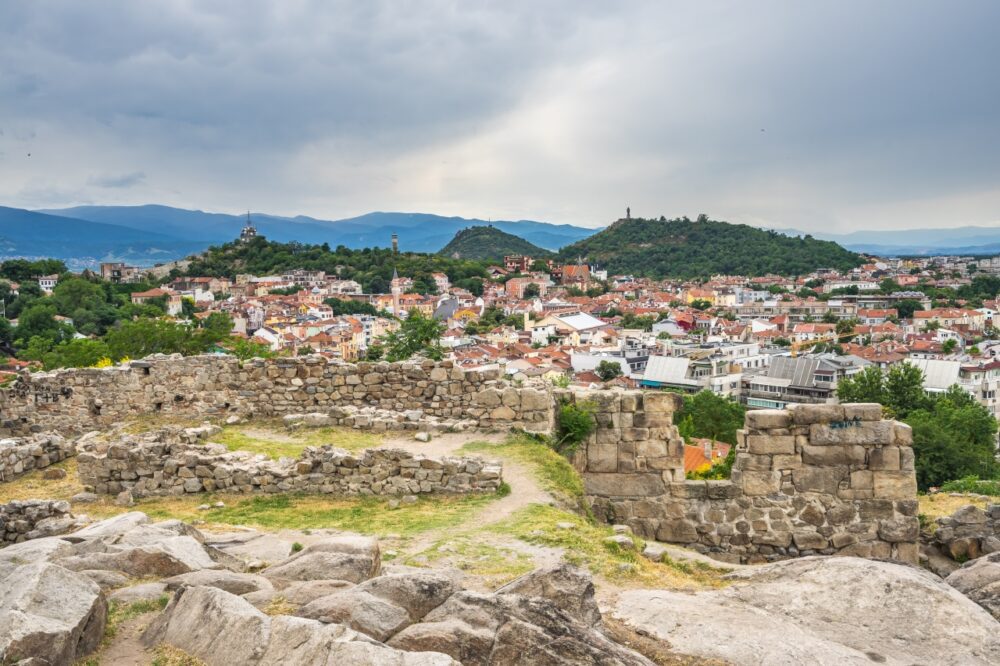
Plovdiv was originally built across seven hills, although only six remain today. These hills provide excellent viewpoints over the city and surrounding countryside. They also add character because every walk seems to involve discovering another elevated viewpoint or hidden staircase.
I climbed Nebet Tepe one afternoon, where the remains of an ancient Thracian settlement still stand. The walk was fairly easy, and the views from the top were worth every step. Looking across the sea of red rooftops towards the distant mountains gave me a much better appreciation of Plovdiv’s setting.
I stayed there much longer than I planned because the atmosphere was so peaceful. Locals sat talking with friends, photographers waited for the evening light, and couples watched the sunset together. It was one of those places where there is no need to rush. Simply sitting quietly and enjoying the view became one of my favorite experiences in the city.
8. Excellent Value for Money
Like many destinations in Bulgaria, Plovdiv offers excellent value for money. Accommodation, restaurants, transport, and attractions all cost noticeably less than in much of Western Europe. That affordability made the trip feel much more relaxed because I never felt the need to constantly watch my spending.
I stayed in a charming hotel inside the Old Town for much less than I expected to pay. Restaurant meals were equally affordable, and I often ordered several courses simply because prices were so reasonable. Museum tickets and entrance fees were also inexpensive, allowing me to visit more places without worrying about the cost.
I think this is one of Plovdiv’s biggest strengths. Travelers can enjoy excellent food, comfortable hotels, and fascinating attractions while staying within a modest budget. It is one of those destinations where your money goes a long way, making it ideal for longer stays.
9. A Great Base for Exploring Southern Bulgaria
Plovdiv is perfectly positioned for exploring southern Bulgaria. Several interesting destinations are close enough for easy day trips, giving visitors plenty of opportunities to experience more of the country without changing hotels.
One of the highlights for me was visiting Bachkovo Monastery, one of Bulgaria’s oldest and most beautiful monasteries. Surrounded by forests and mountains, it offered a peaceful contrast to the city. Wine lovers can also explore nearby vineyards, while hikers have easy access to the Rhodope Mountains, which offer beautiful scenery and traditional villages.
I always enjoy destinations that provide both city attractions and easy escapes into nature, and Plovdiv does this particularly well. Knowing that so many interesting places were within easy reach made the city feel like much more than just a weekend destination.
10. A City That Grows on You
Plovdiv is not the kind of place that overwhelms visitors with famous landmarks the moment they arrive. Instead, it slowly wins you over through its atmosphere, history, friendly people, and slower pace of life. The longer I stayed, the more I appreciated what made it special.
On my first day, I thought Plovdiv was attractive but fairly quiet. By my final day, I had discovered favorite cafés, watched sunsets from ancient ruins, wandered through Kapana several times, and found peaceful corners where I could simply sit and enjoy the surroundings. The city had gradually become one of my favorite places in Bulgaria.
By the time I left, I actually preferred Plovdiv to Sofia. It felt more personal, more manageable, and somehow more memorable. Out of all the places I visited in Bulgaria, it was the one I found myself recommending most often to other travelers. If you enjoy history, culture, good food, and destinations that reward slow exploration, I think you will enjoy Plovdiv just as much as I did.
Travel Tips for Visiting Plovdiv
When to Visit Plovdiv
I think the best times to visit Plovdiv are May, June, September, and October. The weather is warm enough for sightseeing without the intense heat that often arrives in July and August. Summer is lively and brings outdoor events, concerts, and busy cafes around the city centre. Winter is quieter and can be cold, but it offers a more local feel and lower accommodation prices. I visited in September and thought it was perfect. The weather was comfortable for walking around all day, and the city never felt overcrowded.
How to Get to Plovdiv
Most visitors arrive through Sofia Airport, which is around 150 kilometres from Plovdiv. Airlines such as Ryanair, Wizz Air, Lufthansa, Austrian Airlines, Turkish Airlines, and British Airways operate regular flights into Sofia. From there, you can reach Plovdiv by train, bus, rental car, or private transfer. The journey usually takes around two hours. Plovdiv also has a small airport with limited seasonal services. Personally, I think the train from Sofia is the most convenient option because it’s affordable, comfortable, and drops you close to the city centre.
Where to Stay in Plovdiv
- Gallery 37 Powered by ASTON – Located in the heart of the Old Town, this boutique hotel offers stylish rooms and one of the best locations in the city.
- The Emporium Plovdiv MGallery – Situated near the city centre, this luxury hotel combines modern design with excellent facilities and service.
- Landmark Creek Hotel & Wellness – Located beside the Maritsa River, this upscale hotel offers spacious rooms and a relaxing setting away from the busiest areas.
- Hotel Ego – Situated close to the Kapana district, this mid-range hotel is a great choice if you want easy access to restaurants, bars, and attractions.
- Best Western Premier Plovdiv Hills – Located near the city centre, this modern hotel offers excellent value and comfortable rooms.
- Hostel Old Plovdiv – One of the best budget-friendly places to stay in Bulgaria, this hostel is set inside a beautiful historic building in the Old Town.
Getting Around Plovdiv
Plovdiv is a very walkable city, especially around the Old Town and Kapana district. Most of the main attractions are close together, and exploring on foot is part of the experience. Local buses connect different neighbourhoods, and taxis are affordable if you need to travel further. Ride-hailing apps are available, although many visitors won’t need them. Personally, I spent almost all my time walking because the city’s narrow streets, historic buildings, and public squares are best enjoyed at a slower pace.
How Long to Spend in Plovdiv
I think two to three days is the perfect amount of time for Plovdiv. Two days gives you enough time to explore the Old Town, visit the Roman ruins, enjoy the food scene, and spend time in Kapana. With three days, you can add a wine tour or visit nearby attractions such as Bachkovo Monastery or Asen’s Fortress. If you enjoy history, food, and slow travel, you could easily stay longer. Personally, I would recommend three days because Plovdiv is a city that rewards taking your time and wandering without a strict plan.
Conclusion
So, is Plovdiv worth visiting? Without a doubt. From its charming old town and impressive Roman ruins to its creative neighbourhoods and welcoming atmosphere, there are plenty of reasons to spend time here. Plovdiv offers a unique travel experience that combines thousands of years of history with modern Bulgarian culture. If you’re planning a trip to Bulgaria and want to explore one of the country’s most rewarding destinations, Plovdiv deserves a place on your itinerary.