
I’ve now been to Sofia twice, once in early spring and once in late summer, and both trips left me thinking the same thing: this city gets skipped by far too many people planning a Balkan trip. Most travelers fly into Sofia only to catch a bus straight out to Plovdiv or Bansko, treating the capital as nothing more than an airport with a city attached. That’s a mistake, and I say that as someone who almost made it myself on my first visit.
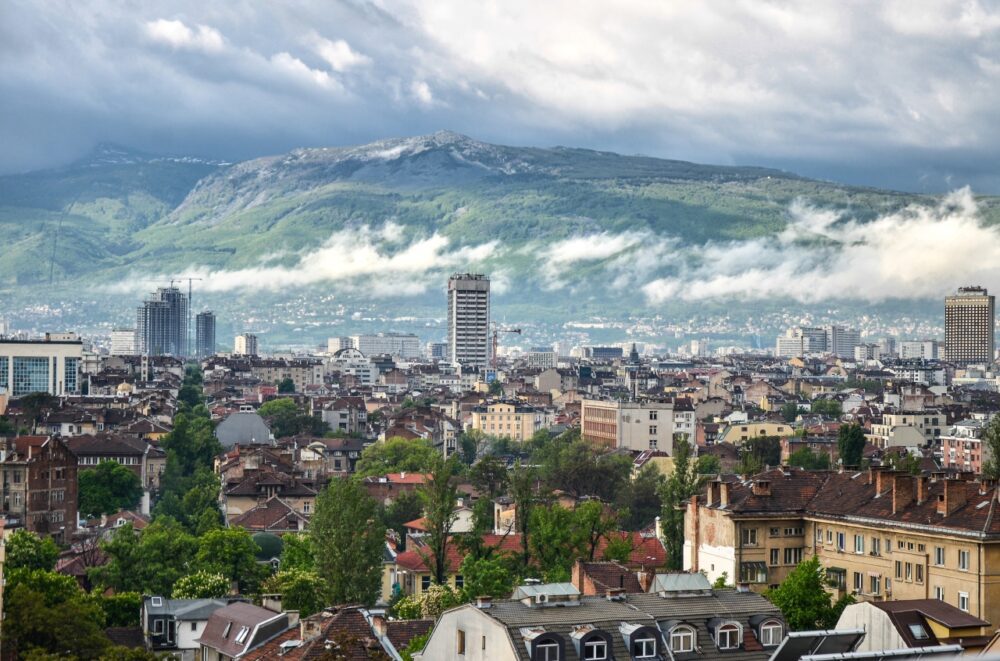
Sofia sits at the base of Vitosha Mountain, and that alone gives it a personality most European capitals can’t match. You can be standing in front of a Roman ruin in the morning and riding a chairlift up a mountain by early afternoon. It’s also one of the cheapest capital cities in the EU, which matters if you’re trying to stretch a travel budget further in 2026 without giving up good food, decent hotels, and things to actually do.
So is Sofia worth visiting? After two separate trips, walking most of the center on foot both times and using the metro, trams, and a few taxis to get further out, my answer is yes, with a few honest caveats. Below I’ll walk through what worked, what didn’t, and what I’d tell a friend before they book a flight.
Table of Contents
Pros – Reasons Sofia Is Worth Visiting
1. It’s genuinely affordable, even in 2026
I tracked my spending on both trips out of habit, and Sofia came in noticeably cheaper than Vienna, Prague, or even Budapest for the same standard of hotel and food. A sit-down meal with a drink still runs well under what you’d pay in most Western European capitals, and a single metro ride costs less than a euro. On my second trip I stayed in a well-reviewed three-star hotel near Vitosha Boulevard for a fraction of what a similar room would cost in Vienna. If your budget is doing a lot of the decision-making, Sofia stretches it a long way.
2. The history layers on top of itself, literally
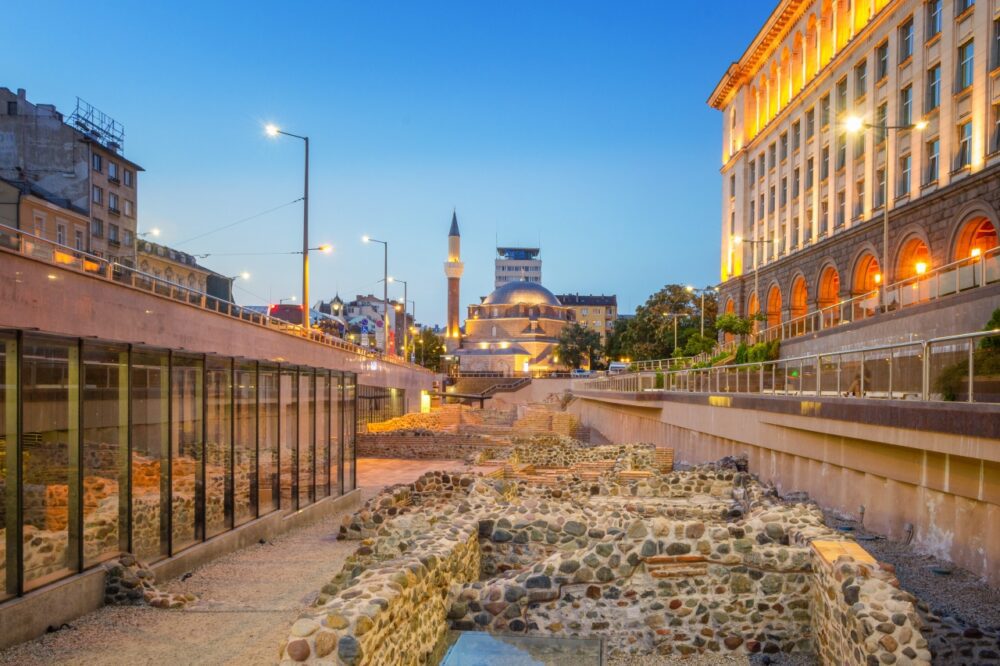
Sofia is one of the few cities where you can walk past a Roman amphitheater, a Communist-era government building, and a Byzantine church within a five-minute stroll. The Serdica Archaeological Complex, right in the metro underpass near the Presidency, exposes actual Roman street ruins that were dug up during subway construction. I remember standing on a glass walkway there on my first visit and realizing I was looking at streets that predate most of what I’d normally consider “old” architecture in Europe. Few cities let you see 2,000 years of history stacked in one small area like this.
3. Vitosha Mountain is right there
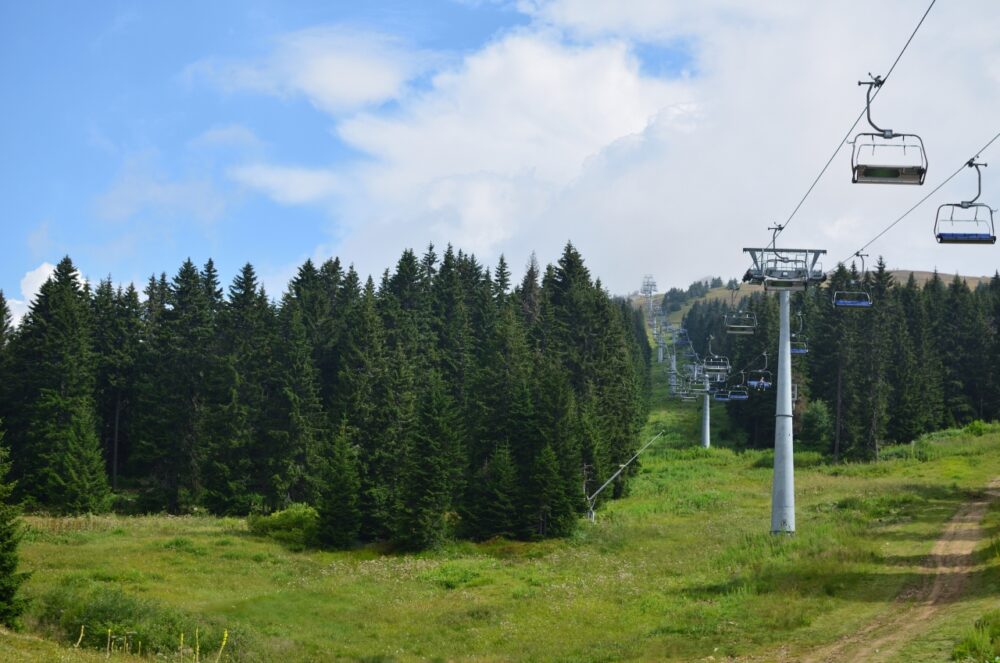
This is the feature that sold me on Sofia the most. Vitosha isn’t some far-flung day trip that eats your whole schedule. It’s a short bus or taxi ride from the city center, and you can be hiking or riding a gondola within about 30 to 40 minutes of leaving your hotel. On my second trip I did a half-day hike near Aleko and was back in the city center in time for dinner. Few European capitals let you swap city streets for mountain trails that quickly.
4. The food scene is better than people expect
I went in with modest expectations and left impressed. Bulgarian food leans on grilled meats, fresh salads like shopska, and hearty stews, and the ingredients tasted noticeably fresh both times I visited. Beyond traditional Bulgarian spots, Sofia has a growing number of specialty coffee shops and modern restaurants, especially around the Women’s Market and the streets near NDK. Prices stay low even at the nicer places, which made trying new restaurants each night an easy decision rather than a splurge.
5. It’s compact and walkable
Sofia’s center is small enough that I covered most major sights on foot on both trips. Vitosha Boulevard, Alexander Nevsky Cathedral, the Ivan Vazov National Theatre, and the Largo are all within comfortable walking distance of each other. This matters more than people think. Cities that force you onto transport constantly to see anything worthwhile wear you down. Sofia doesn’t do that, and I found I could plan a loose, unstructured day and still see everything I wanted.
6. Alexander Nevsky Cathedral alone is worth the trip
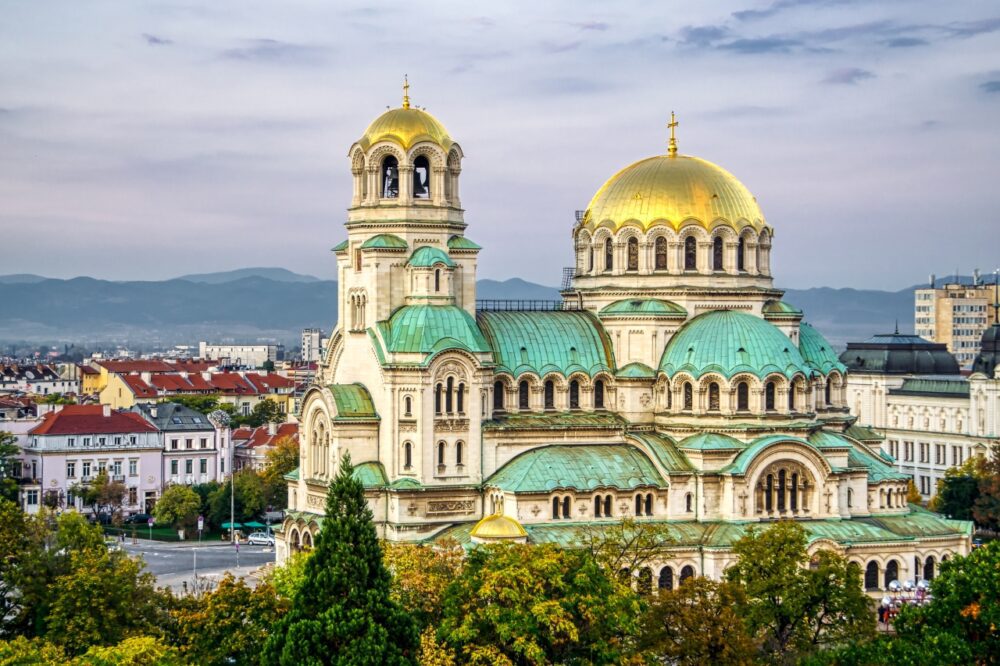
I’m not usually the type to build a whole trip around one building, but Alexander Nevsky Cathedral earns the hype. Its gold domes dominate the skyline, and the interior, with its dim lighting, frescoes, and heavy silence, has a weight to it that photos don’t capture. I visited both times I was in the city and found something new to notice each time, from the different icon details to how the light changed inside depending on the time of day.
7. It hasn’t been overrun by tourism yet
This is the one I’d flag as most likely to change, so it’s worth acting on sooner rather than later. Sofia doesn’t feel overcrowded the way Prague or Dubrovnik do in peak season. I never once felt like I was fighting through a crowd to see a landmark, and locals were generally easy to strike up a conversation with, which isn’t always the case in cities that get swarmed by tourists year-round. That relaxed pace is part of what makes the city pleasant, but capitals like this rarely stay under the radar forever.
Cons – Things to Consider Before Visiting Sofia
1. The language barrier can catch you off guard
Bulgarian uses the Cyrillic alphabet, and outside the main tourist areas, English signage and menus become less common. On my first trip, I found myself relying on a translation app more than I expected, especially at smaller local restaurants and on transport ticket machines. It’s not a dealbreaker, and younger Bulgarians in the city center generally speak good English, but it’s worth preparing for, especially if you plan to venture beyond the main squares.
2. Some infrastructure still feels dated
Sofia is modernizing, and the metro expansion in particular has made a real difference between my two visits. That said, some sidewalks, older trams, and a handful of public buildings still show their age. Pavements in parts of the city can be uneven, which matters if you’re traveling with a stroller or have mobility concerns. This isn’t unique to Sofia among Eastern European capitals, but it’s worth setting expectations before you arrive if you’re used to Western European infrastructure standards.
3. Nightlife and top attractions close earlier than you’d expect
I made the mistake on my first trip of assuming Sofia would run on the same late-night schedule as Madrid or Berlin. Some restaurants and smaller museums close earlier than tourists from those cities expect, and I got turned away from a couple of spots I’d planned to visit in the evening. If you’re building an itinerary, double-check opening hours in advance rather than assuming you can show up whenever.
Things to Do in Sofia
- Alexander Nevsky Cathedral — The most recognizable landmark in the city, and worth visiting more than once if you have the time, since the light inside changes throughout the day.
- Serdica Archaeological Complex — Roman ruins sitting right beneath the modern city center, discovered during metro construction. A genuinely unusual way to see ancient history.
- Vitosha Mountain hike or gondola ride — A short trip from downtown that gives you mountain views and fresh air without eating up your whole day.
- Vitosha Boulevard — The main pedestrian shopping street, good for people-watching, coffee stops, and a relaxed evening stroll.
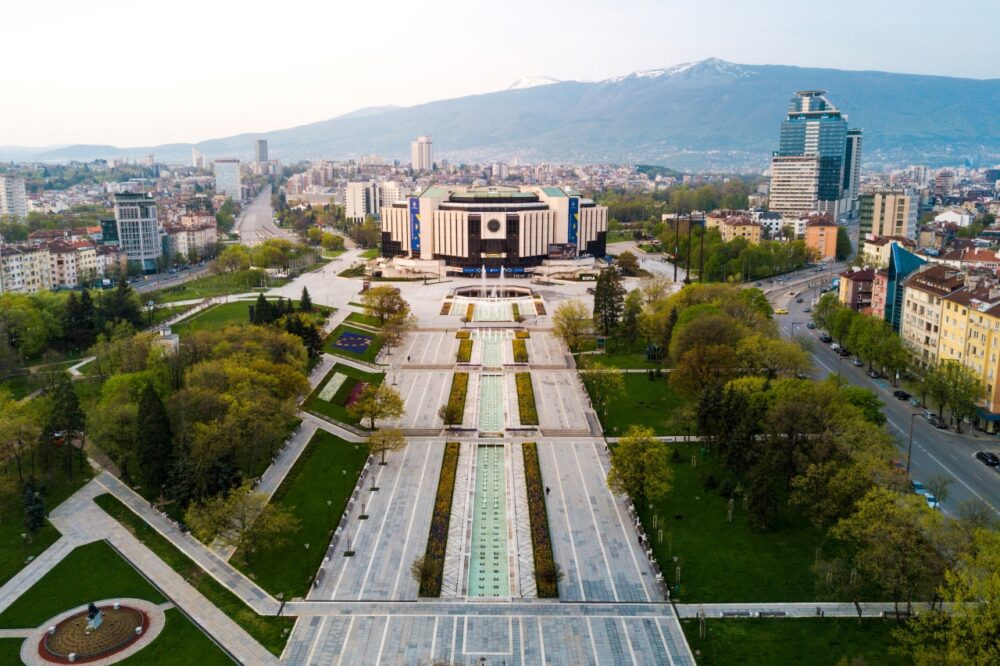
- National Palace of Culture (NDK) — A massive cultural venue with a large park in front that’s popular with locals for jogging, skating, and just sitting outside.
- Sofia Synagogue — One of the largest synagogues in Europe and a striking piece of architecture that’s easy to combine with a walk through the surrounding streets.
- Boyana Church — A UNESCO World Heritage Site just outside the center, known for medieval frescoes that are remarkably well preserved.
- Women’s Market (Zhenski Pazar) — A busy, colorful outdoor market where I got a much better sense of everyday Sofia life than I did at any single monument.
- Ivan Vazov National Theatre — Even if you don’t catch a show, the building and the small park in front make for a nice pause between other stops.
- National Museum of History — A good option if the weather turns, with a broad collection covering Bulgaria’s long and layered past.
Where to Stay in Sofia
- City Center / Vitosha Boulevard — This is where I stayed on both trips, and I’d recommend it to almost anyone visiting for the first time. Everything major is within walking distance, and it’s easy to get back to your hotel late at night without relying on transport.
- Around NDK (National Palace of Culture) — A quieter option that’s still close enough to walk into the center. Good if you want a bit more breathing room while staying near the park.
- Lozenets — A residential, slightly upscale neighborhood popular with expats. It has a good café and restaurant scene and feels calmer in the evenings than the center.
- Near Alexander Nevsky Cathedral — Puts you right next to the city’s most famous landmark and close to several museums, though it can mean a slightly longer walk to some nightlife spots.
Getting Around Sofia
Sofia’s public transport system covers buses, trams, trolleybuses, and a metro, and it’s the cheapest way to get around by a wide margin. A single ride costs less than a euro, and if you’re taking three or more trips in a day, the fare automatically caps at a low daily rate when you tap with the same card or phone. I used the metro constantly on both trips since it’s fast, air-conditioned, and avoids Sofia’s occasional traffic jams, especially during the morning and evening rush.
Trams and trolleybuses are useful for shorter hops and reaching neighborhoods the metro doesn’t cover, though they move slower and can get crowded at peak times. Walking is realistic for most of the city center, and I covered a surprising amount of ground on foot each day simply because the main sights sit close together. For trips out to Vitosha or if you’re short on time, taxis are cheap by Western standards, but stick to a licensed app-based service rather than hailing one off the street, since I heard more than one story about tourists getting overcharged by unmetered cabs.
Conclusion
So, is Sofia worth visiting? Based on two trips and a genuine effort to see beyond the obvious landmarks, I’d say yes, without much hesitation. The mix of ancient history, an accessible mountain right on the doorstep, low prices, and a walkable center makes it one of the better value capital cities in Europe right now. The food alone surprised me both times, and Alexander Nevsky Cathedral is the kind of sight that lives up to the photos.
The cons are real but manageable. The language barrier, some dated infrastructure, and earlier closing hours than you might expect are worth planning around rather than reasons to skip the city outright. If you want a capital that still feels a little undiscovered, doesn’t drain your budget, and gives you both city and mountain in the same afternoon, Sofia earns a spot on your itinerary. I’d go back for a third trip without a second thought.