
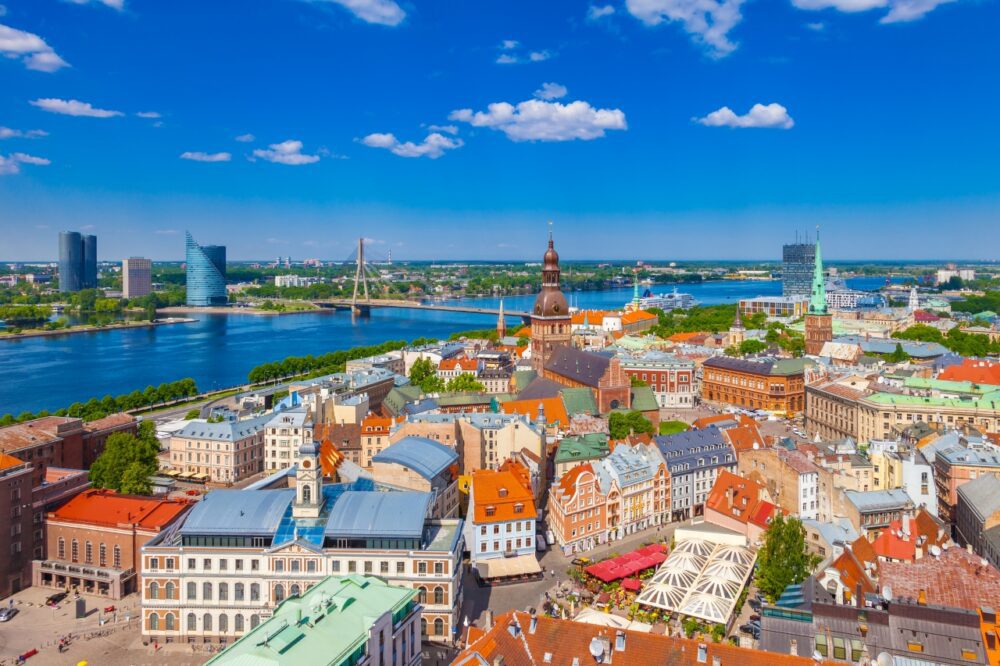
I landed in Riga expecting a quick stopover on my way through the Baltics. I ended up staying five days and coming back a year later for another four. That should tell you something already.
Riga doesn’t get the attention that Prague or Vienna gets, and honestly, that works in its favour. The Old Town is smaller and easier to walk than most European capitals, the Art Nouveau district is one of the best-preserved in the world, and the whole city runs on a budget that makes Western Europe look absurd by comparison. I’ve eaten three-course dinners with wine for under €20, wandered cobbled streets with barely another tourist in sight, and had locals go out of their way to explain the tram system to me without being asked.
So is Riga worth visiting? After multiple trips, walking hundreds of kilometres through its neighbourhoods, and getting lost more times than I’d like to admit, my answer is yes. But it’s not a perfect city, and it’s not the right fit for every kind of traveller. Below, I’ll break down exactly why I think Riga is worth visiting, what might put you off, and everything I wish someone had told me before my first trip.
Table of Contents
Pros – Reasons Riga is Worth Visiting

1. The Art Nouveau Architecture is Genuinely World-Class
Riga has over 800 Art Nouveau buildings, more than any other city in Europe. I didn’t fully appreciate this until I walked down Alberta iela for the first time. The facades are covered in sculpted faces, twisting vines, and dramatic geometric patterns that look nothing like the plain apartment blocks you’d expect. I spent a full morning just walking up and down this one street with my head tilted back, and I still felt like I missed half the detail. If you like architecture even a little, this alone justifies the trip.
2. It’s One of the Most Affordable Capitals in Europe
I track my spending on every trip, and Riga consistently comes in cheaper than Tallinn, Vilnius, and almost anywhere in Western Europe. A pint of local beer runs around €3-4, a solid lunch is often under €10, and I found comfortable three and four-star hotels in the Old Town for a fraction of what similar rooms cost in Paris or Amsterdam. For anyone travelling on a tighter budget, this is one of the biggest reasons Riga is worth visiting over its neighbours.
3. The Old Town is Compact and Walkable
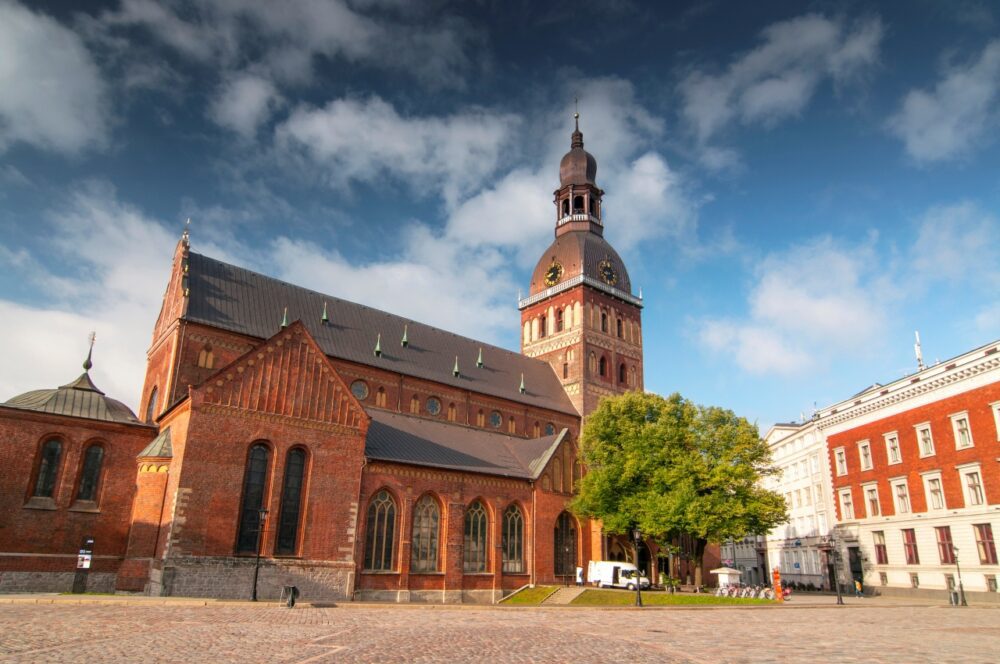
You can cross Riga’s Old Town on foot in under 20 minutes. That sounds small, but it means you’re not burning half your trip on transit or planning logistics. I based myself in the Old Town on my first visit and walked to almost everything, including day trips to the river and the Central Market. Cobblestone streets, medieval church spires, and small squares make it a pleasant place to wander without a fixed plan.
4. The History is Layered and Honestly Told
Riga has been ruled by Germans, Swedes, Russians, and Soviets, and the city doesn’t hide from any of it. The Museum of the Occupation covers the Nazi and Soviet periods in unflinching detail, and I came out of it having learned more in an hour than I had from years of general history classes. If you’re the kind of traveller who wants context, not just photos, Riga delivers.
5. The Food Scene Punches Above Its Weight
I went into Riga expecting heavy, plain Eastern European food and left surprised. The Central Market, set in old Zeppelin hangars, is one of the largest and cheapest fresh food markets in Europe, and it’s worth a visit on its own. Beyond that, Riga has a growing crop of modern Latvian restaurants doing genuinely creative things with local ingredients like smoked fish, rye bread, and foraged mushrooms. I had one of my favourite meals of an entire Baltic trip at a small restaurant just outside the Old Town walls, and it cost less than a fast-food combo back home.
6. It’s Easy to Get Around Without a Car
Riga’s public transport network of trams, trolleybuses, and buses covers the whole city and runs reliably. I never once felt like I needed to rent a car, and I got comfortable enough with the tram system within a day or two that I was using it like a local. This matters more than people realise. Cities that force you into taxis or rental cars eat into your budget and your patience fast.
7. It Makes a Great Base for Exploring the Baltics
Riga sits almost exactly in the middle of the three Baltic capitals, which makes it a natural hub. I used it as a base to take day trips to Jurmala, a beach town about 30 minutes away by train, and it’s also a reasonable jumping-off point for longer trips to Tallinn or Vilnius by bus. If you’re building a wider Baltic itinerary, Riga earns its place as more than just a one-off stop.
Cons – Things to Consider Before Visiting Riga
1. The Weather Can Work Against You
Riga sits far enough north that winters are long, dark, and genuinely cold, with daylight sometimes fading by mid-afternoon in December and January. I visited once in late autumn and found the grey skies wore on me after a few days, even though I still enjoyed the trip. If you’re sensitive to cold or short daylight hours, plan your visit for late spring through early autumn, roughly May to September, when the city is at its best.
2. Some Neighbourhoods Feel Rundown
Step outside the Old Town and the more polished tourist areas, and you’ll notice Riga has real economic contrasts. Some residential blocks, especially Soviet-era housing further from the centre, look worn down and aren’t particularly photogenic. This didn’t bother me personally since I think it’s part of an honest look at the city, but if you’re expecting a postcard at every turn, a few areas will break that illusion.
3. It Can Feel Quiet, Especially Outside Summer
Riga isn’t a city that buzzes late into the night outside of peak summer weekends. I found the pace calm bordering on sleepy during a spring visit, particularly on weeknights. If you’re chasing a nonstop nightlife scene, you’ll find some of it around the Old Town bars, but it’s nowhere near cities like Berlin or Amsterdam. Riga rewards travellers who enjoy a slower, more relaxed rhythm over those chasing constant energy.
Things to Do in Riga
- Wander Alberta iela and the Art Nouveau District – The single best concentration of Art Nouveau facades in the city, and free to explore at your own pace.
- Visit the Riga Central Market – Set in former Zeppelin hangars, it’s cheap, atmospheric, and a great spot to try local produce and smoked fish.
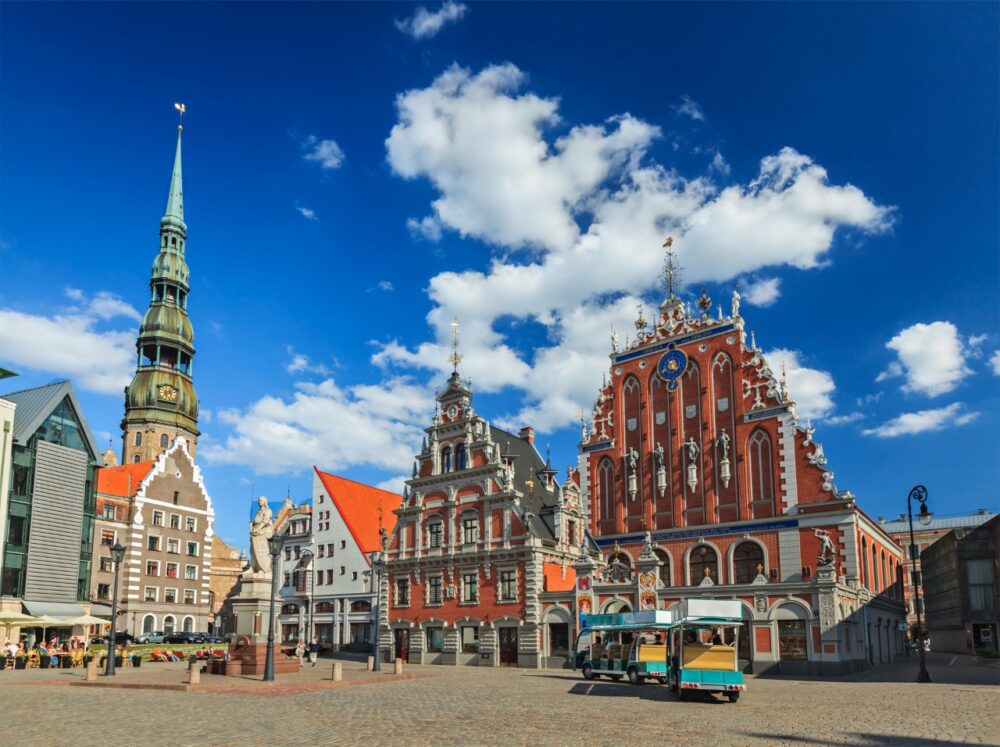
- Climb St. Peter’s Church Tower – The observation deck gives you the best rooftop view over the Old Town and the Daugava River, and I still think about that view years later.
- Explore the House of the Blackheads – A striking guild hall in the main square that was rebuilt after WWII and packs a lot of history into a small space.
- Spend time in the Museum of the Occupation of Latvia – A sobering but essential stop for understanding Latvia’s 20th-century history under Nazi and Soviet rule.
- Walk through the Spīķeri Quarter – A cluster of converted warehouses near the market now filled with cafes, galleries, and creative studios.
- Take the train to Jurmala – A seaside town with a long sandy beach and wooden villa architecture, easily done as a half or full-day trip.
- Browse the Latvian Ethnographic Open-Air Museum – A collection of traditional wooden buildings set in forest parkland, giving a feel for pre-industrial Latvian life.
- See the Freedom Monument – A key symbol of Latvian independence and a good starting point for understanding the city’s national identity.
- Try a Latvian craft beer or two – The local brewing scene has grown quickly, and small bars around the Old Town pour some excellent options I hadn’t seen elsewhere in Europe.
Where to Stay in Riga
- Old Town (Vecrīga) – The obvious choice for first-time visitors. Everything is within walking distance, and it’s easy to explore without relying on transport. It can get busy and slightly noisy in summer, but the convenience makes up for it.
- Art Nouveau District (Centrs, north of Old Town) – I’d recommend this area if you want a quieter base with easy access to the architecture and a more residential, local feel. Still walkable to the Old Town in about 15-20 minutes.
- Along the Daugava River (left bank / Pārdaugava) – A more budget-friendly, local option with good tram connections into the centre. Quieter in the evenings, with some good neighbourhood restaurants.
- Near the Central Station and Market – Convenient if you’re arriving by train or bus, and close to the Spīķeri Quarter. It’s slightly grittier around the station itself, so it’s worth checking exact hotel locations carefully.
Getting Around Riga
Riga’s public transport system is one of the easiest I’ve used in Europe. Trams cover most of the central routes and are my preferred way to get around, since they’re frequent, cheap, and give you a decent view of the city as you move. Trolleybuses and regular buses fill in the gaps where trams don’t reach, and all three run on the same ticket system, which you can buy from machines, kiosks, or directly with a contactless card on board.
There’s no metro or underground system in Riga, which honestly isn’t a problem given how compact the centre is. I walked the Old Town almost entirely on foot and only used trams when heading further out to areas like Pārdaugava or the train station. If you want more flexibility, bike rental is widely available and Riga has decent cycling infrastructure along the river, though I’d stick to trams or walking during the colder, icier months. For day trips like Jurmala, the regional train system is fast, cheap, and runs frequently from Riga Central Station.
Conclusion
So, is Riga worth visiting? Based on everything I’ve seen across multiple trips, I’d say yes, without much hesitation. The Art Nouveau architecture alone sets it apart from most European capitals, the affordability makes it an easy sell for budget travellers, and the compact, walkable Old Town means you can see a lot without exhausting yourself. Add in a food scene that’s better than its reputation and a transport system that just works, and you’ve got a city that rewards the people willing to give it a chance.
That said, Riga isn’t for everyone. If you need constant nightlife, warm weather, or postcard-perfect streets around every corner, you might find parts of it underwhelming, especially outside the summer months. But if you’re after an affordable, walkable, history-rich European city that hasn’t been flattened by overtourism, Riga is absolutely worth visiting in 2026. It was for me, twice over, and I’d go back again.