Is Sigulda Worth Visiting? Honest Pros and Cons (2026)

I went to Sigulda expecting a quick castle stop. I left two days later wishing I’d booked a third. Between the cable car, the forest trails and a cave with 400-year-old graffiti, there was always one more thing to see.
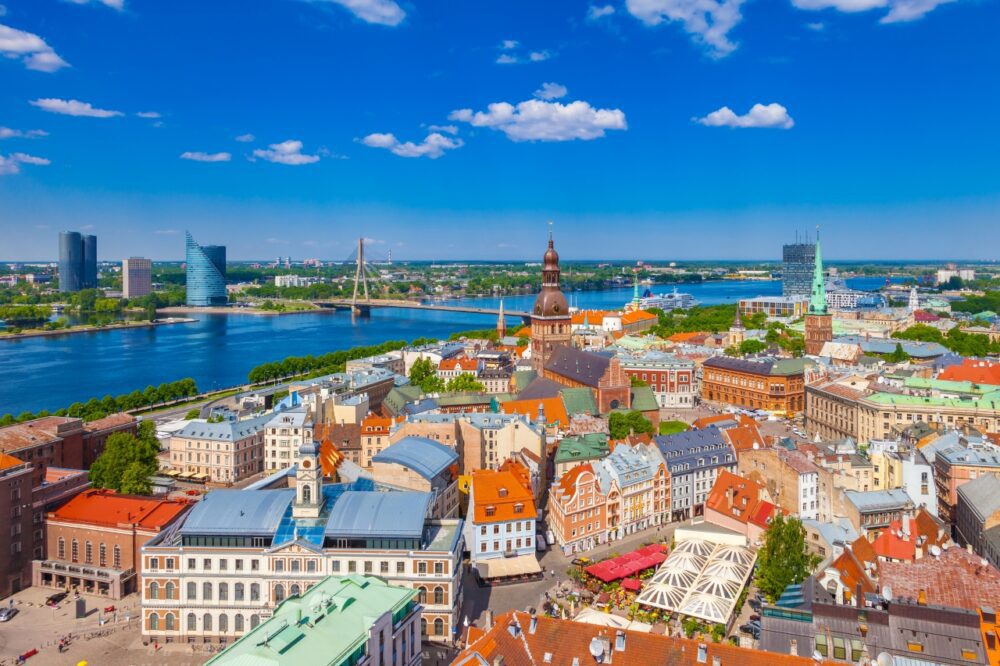
Sigulda is a small town on the edge of Gauja National Park, about an hour from Riga. It’s often called the “Switzerland of Latvia“, and the name makes sense once you see the valley. Medieval castles sit on both sides of the river, red sandstone cliffs line the trails, and a Soviet-era cable car swings over the top. I visited one summer for two days and stayed in the town centre, which made everything easy to reach. I walked most of it, rode the cable car once and ate well on a budget.
This guide covers the pros and cons of Sigulda, where to stay, and what to book. You’ll also find tips on when to go, how long you need, and getting around, so you can decide whether it suits your kind of trip.
In a Rush? Here Are Our Favourite Hotels in Sigulda Latvia
⭐️⭐️⭐️ Hotel Sigulda – Click here for rates & availability
⭐️⭐️ Cozy Family Home in Gauja National Park – Click here for rates & availability
Pros of Visiting Sigulda
1. Gauja National Park and Scenic Trails

Gauja National Park is the oldest and largest national park in Latvia, and Sigulda sits right in the middle of it. The Gauja River winds through a deep valley here. Sandstone cliffs, caves and mixed forest line the banks. You can start a trail from the edge of town and be among the trees within minutes. I did a few short loops and never felt like I needed a plan.
Trails range from half-hour strolls to full-day hikes. The viewpoint at Paradise Hill gives you a wide look across the valley, and the paths below lead to cliffs and little caves. Signs are easy to follow, and the ground is mostly dry in summer. If you want a guide, the Sigulda hiking tour covers about 15 kilometres through Sigulda, Krimulda and Turaida over 7 hours. Bring water and decent shoes. The best views take a bit of walking, but the effort is always rewarded.
2. Turaida Museum Reserve

Turaida Museum Reserve is the best sight in Sigulda. It sits on a hill across the valley, about 4 kilometres from the centre. The red-brick castle dates to 1214, and you can climb the main tower (the Bergfrid) for a platform about 30 metres up. The view over the forest is the one you’ll see on every travel photo. The New Hall holds exhibitions about the castle’s past, including a basement prison tower!
The grounds are big, so give yourself at least two hours. A wooden church from 1750 stands nearby, along with more than twenty old manor buildings. The Hill of Folksongs below has 26 sculptures and is free to wander. Tickets cost about €6 for adults in summer, and the site opens at 9:00 am from May to September. Go early, because tour groups arrive by late morning. The grounds feel calm before then, and the light on the brick is beautiful in the morning.
3. Cable Car Over the Gauja Valley

The Sigulda cable car is the town’s most unusual attraction. It opened in 1969 and still carries passengers across the Gauja valley, about 43 metres above the river. The ride is roughly 1,020 metres long and links Sigulda with Krimulda on the other side. From the window, you see three medieval castles, the bobsleigh track and the river bridge.
It runs every 20 to 30 minutes, daily from 10:00 am to about 6:20 pm in summer. A one-way ticket costs about €15, and a return is around €22. I rode it on the first afternoon, and it’s a gentle, quiet ride. Queues build on sunny weekends, so go early or near closing. The cars fit around 15 people. At the Krimulda end, a short walk leads to viewpoints and trails. It’s a fun way to cross the valley rather than just a tourist trick. Sit by the window if you can, because the views change on every stretch.
4. Sigulda Medieval Castle and New Castle
The Sigulda Medieval Castle is right in town, on Pils iela. The Brothers of the Sword built it between 1204 and 1209. Today it’s a set of atmospheric ruins, and you can climb the towers for views of the valley. The northern tower has a small exhibition of medieval weapons. It’s open daily from 9:00 am to 6:00 pm in summer, and it only takes about an hour to explore.
Right next door stands the New Castle, a 19th-century manor that now houses the town council. The park around both is pleasant for a picnic or a stroll. The ruins also act as a stage. Every summer, the Sigulda Opera Festival fills the courtyard with singers and an audience under the open sky. I walked here twice, once on arrival and again in the evening when the stone glowed in the low light. It’s an easy, low-effort stop, and it makes a good first look at the town before you head out to the trails.
5. Gutmanis Cave and the Rose of Turaida
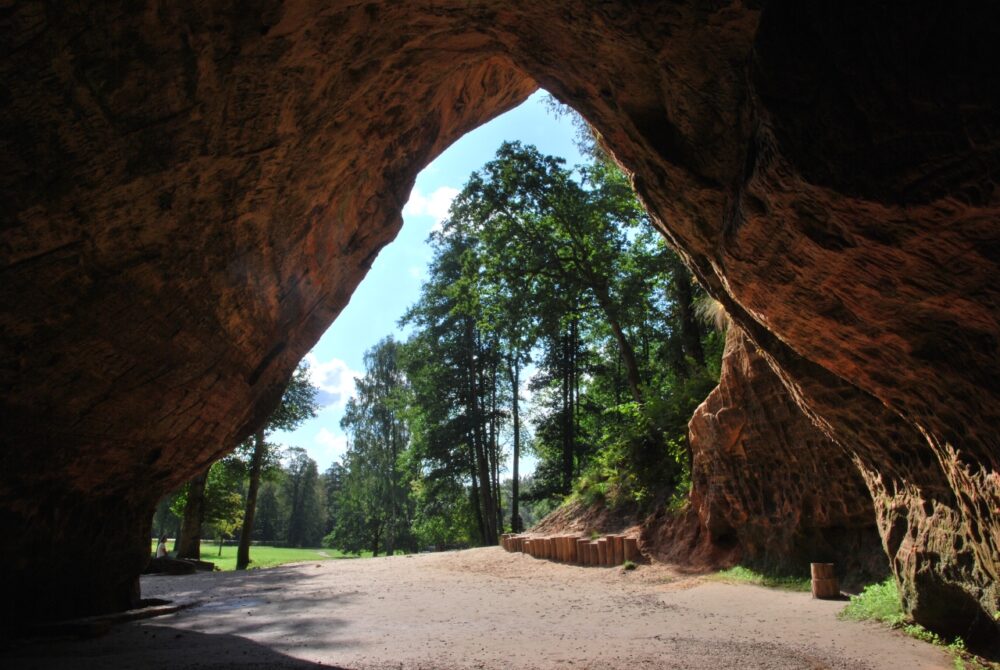
Gutmanis Cave is the largest cave-like niche in the Baltics. It’s about 19 metres long, 12 metres wide and 10 metres high, cut into red sandstone by the river and a spring. The walls are covered in names, dates and coats of arms, and the oldest go back to the 17th century. It has been a tourist stop for centuries. Entry is free, and the walk from the centre takes you through the forest!
The cave is also tied to Latvia’s best-known love story. Maija, called the Rose of Turaida, lived at Turaida Castle. Viktors, a gardener from Sigulda Castle, loved her, and the pair met in this cave. The story ends in tragedy, and you can visit her grave in the Turaida grounds. The legend adds a human touch to the hike. A guide brings it to life, such as the Turaida and Sigulda guided day trip, which mixes humour with local stories.
6. Bobsleigh and Adventure Activities

Sigulda is Latvia’s adventure hub. The bobsleigh and luge track here is the only one in the Baltic States, and Olympic athletes train on it. In summer, you can ride a wheeled bob for around €30 per adult. A pilot drives, and you reach up to 85 km/h through 13 turns in about a minute. Rides run on weekends from noon to 5:00 pm, and weekdays need advance booking. Anyone 6 or older can go.
The thrills don’t stop there. You can bungee jump from the cable car, fly down a zipline or try the Aerodium wind tunnel. I watched a few jumpers step off the cable car in the evening and decided my feet were happy on the ground. Prices start at about €99 for the bungee and €79 for the zipline. If you want the bobsleigh without any planning, the summer bobsleigh ride and cable car combo bundles both.
7. Easy Trip from Riga
Sigulda is about 50 kilometres from Riga, and getting there is simple. Trains and buses both take roughly an hour. That makes it a great option for a day trip, but I’m glad I stayed overnight. Most day-trippers rush through Turaida and the cave, then leave. Staying means you get the cable car, the trails and the castle ruins at your own pace.
The trip works well if you don’t want to plan. A shared day trip from Riga takes care of transport and covers the main sights in about 6 hours. Sigulda is also a good base for nearby places. Cesis (with its castle and old town) is a short trip further north. Ligatne, known for its Soviet bunker, is another option. Both fit neatly into a longer Latvia itinerary. The train station sits right in the centre, so you can step off and start exploring straight away.
Cons of Visiting Sigulda
1. Sights Are Spread Out
Sigulda isn’t one compact cluster of sights. The town centre sits on one side of the Gauja valley, and Turaida and Krimulda are on the other. Turaida alone is about 4 kilometres from the centre. Gutmanis Cave is roughly halfway, and the trailheads at Paradise Hill take about 30 minutes to reach on foot. I underestimated this on my first morning and walked more than I’d planned!
There are easy fixes. A local bus runs to Turaida and Krimulda, and the cable car works as a shortcut across the valley. Group the sights by side, so you don’t cross back and forth. A guided trip also saves legwork, like the private Sigulda, Turaida and Gauja National Park tour by van. Wear comfortable shoes, and Sigulda is still well worth it. Once you know the layout, the distances feel much smaller.
2. Weather-Dependent Plans
Sigulda is an outdoor destination, so the weather matters. The cable car can run irregularly or stop in storms, heavy rain, snow and very cold spells. The summer bobsleigh only runs from April to September, mostly on weekends. Trails get muddy after rain, and the views are much less impressive on a grey day. A rainy afternoon in a town built around nature can feel flat.
I had good conditions, but I still kept a backup list. The castle exhibitions, the Turaida halls and a hotel spa all work in bad weather. Check the forecast the night before, and swap your plans if needed. Locals are used to changing plans, and hotel staff can usually tell you what’s running. Start with the cable car or the bobsleigh on a clear morning, and save indoor stops for the wet hours. Pack a light rain jacket, because showers pass quickly.
3. Costs Can Add Up
The main sights are cheap, but the adventure activities aren’t. A return cable car ticket costs around €22, a summer bob ride around €30, and a bungee jump starts at about €99. Add Turaida at €6, a zipline at €79 and a few meals, and a weekend gets pricey fast. Prices rise in peak summer, and hotel rates jump on busy weekends.
You can keep the budget down. The trails, the cave, the castle park and the Hill of Folksongs are free or low-cost. Pick one or two paid thrills instead of trying everything. For a taste of several things at once, a combined option helps, like the bobsleigh and cable car ticket. I chose the cable car and Turaida, and walked the rest. Eating at the buffet cafés on Pils iela also kept my food costs low.
Where to Stay
Town Centre: This is the best base for a first visit, and it’s where I stayed. Pils iela has the restaurants, the station is close and the castle ruins are a short walk away. The downside is the 4-kilometre gap to Turaida, and Pils iela can get noisy on summer weekend nights. I liked being able to walk back for a rest between sights. City Center Kaķis B&B is a budget-friendly adults-only guesthouse on Pils iela with a bar, a terrace, a billiards table and free parking. Hotel Pils is a mid-range hotel on Raiņa iela with a restaurant, a coffee house and self check-in. Hotel Sigulda is a pricier choice on Pils iela with an indoor pool, a sauna, a hot tub and a spa!
Quiet Residential Streets: The leafy streets east of the centre are calm, with gardens and houses instead of shops. You’re still within 15 to 20 minutes of the centre on foot. The trade-off is fewer places to eat nearby, so plan dinners in the centre. It suits families and anyone who wants quiet evenings. Livonija is a budget-friendly adults-only guesthouse on Pulkveža Brieža iela with a garden, a terrace and BBQ facilities. Rožu ielas namiņš is a mid-range holiday home with a garden, a terrace, a playground and air conditioning. Cozy Sigulda Apartment is a pricier apartment on Dzērveņu iela with free parking and a fitness area.
Turaida and the Forest Edge: Staying near Turaida puts you right at the castle and the Hill of Folksongs (with forest all around). It’s peaceful, but dining choices are limited and you’ll rely on the bus or a taxi to reach Sigulda. It works best for hikers and early risers. Ozolkungi is a budget-friendly holiday home with a hot tub, a garden and a terrace. Hotel Senleja is a mid-range hotel on Turaidas iela with a garden, a mini golf course and an open-air bath. Cozy Family Home in Gauja National Park is an upscale holiday home with a garden, air conditioning and an EV charging station.
Best Things to Do
- Summer bobsleigh ride and cable car: This combo pairs a wheeled bob run on Sigulda’s famous track with a cable car ride over the Gauja valley. You can add a guided tour of Sigulda and Turaida.
- Sigulda hiking tour: A private 7-hour hike of about 15 kilometres through Sigulda, Krimulda and Turaida. It takes in caves, cliffs and forest, with pick-up available. It’s the best pick for keen walkers.
- Turaida and Sigulda day trip with a guide: A 6-hour small-group tour covering Turaida, Gutmanis Cave, the castle ruins and the bobsleigh track. The guide tells local legends with humour, and the cable car is optional. It’s a good first-day orientation.
- Gauja National Park walk with a photographer: A relaxed 5-hour walk on the park’s trails, led by a local photographer. It suits small groups who want the scenery and a few good photos.
- Gauja River kayaking trip: A full-day, small-group paddle on the Gauja River, with pick-up included. You see the sandstone cliffs from the water.
- Sigulda cable car: A 1,020-metre ride across the valley. Take a return ticket if you only want the views, or a one-way ticket if you plan to walk back.
- Turaida Museum Reserve: The castle, the Bergfrid tower, the wooden church and the Hill of Folksongs. Plan two hours, and go early to beat the tour groups.
- Sigulda Medieval Castle: The 13th-century ruins in the middle of town. Climb the towers for a quick valley view. It only takes about an hour.
- Gutmanis Cave: The largest cave niche in the Baltics, with centuries of carved names. It’s free, and the legend of the Rose of Turaida adds the story.
- Sigulda Adventures: Bungee jumping from the cable car, a zipline and the Aerodium wind tunnel. It’s a good pick for thrill-seekers.
Best Time to Visit
Summer: I visited in summer, and it’s the best time overall. Days are long, the trails are dry and the summer bobsleigh runs on weekends. The cable car operates from 10:00 am to about 6:20 pm, and Turaida opens at 9:00 am. The Sigulda Opera Festival fills the castle ruins with music. It’s also the busiest season, so book your hotel early and aim for weekdays.
Spring: Spring is quiet and green, with fresh air and lower prices. The forest wakes up, and the river runs high. Some days are chilly, and trails can be muddy. The summer bobsleigh starts in April, so you can often try it before the crowds arrive.
Autumn: Autumn is beautiful in the Gauja valley. The forest turns red and gold, and the cliffs look their best. The air is cool and crisp, which is perfect for hiking. Daylight shortens, and some seasonal attractions wind down. Late September and early October are the sweet spot. Pair a hike with a hot meal in town afterwards!
Winter: Winter brings snow and a different kind of fun. The bobsleigh and luge track hosts winter sports, and Turaida costs less, at around €3.50 for adults. Hours are shorter, with the cable car running from 10:00 am to 5:00 pm. The cable car can stop in cold or stormy weather. Dress warmly, and check conditions before you travel. The snowy castle ruins look magical.
How Long to Spend
1-2 Days: Two days is enough for the highlights, and it’s what I did. Spend one day on Turaida, Gutmanis Cave and the Hill of Folksongs. Use the second for the cable car, the castle ruins and a trail or two. A single day works if you start early and pick a couple of sights. Plan the cable car for the end of the day.
3-4 Days: Three or four days lets you slow down. Add a long hike, a kayak trip on the Gauja and a bobsleigh run. You’ll also have time for a spa evening and a slow breakfast. It suits couples and families who like to relax between activities. A rest day at a hotel spa also fits well.
5-7 Days: A week is more than Sigulda needs on its own. Use it as a base for Cesis, Ligatne and the rest of Gauja National Park, and add a day trip back to Riga. It works well for hikers and active travellers who want long days outdoors. For a longer Latvia break, you could follow your time here with a stay in Jurmala by the sea.
Getting Around
On foot: The town centre is compact. Pils iela, the station and the castle ruins are all close together, and you can walk between them in minutes. Paradise Hill and the trailheads are about 30 minutes away on foot. Comfortable shoes are all you need. Paths are well signed, and the town is mostly flat.
Local buses and the cable car: A local bus runs to Turaida and Krimulda, which saves your legs on the 4-kilometre stretch. The cable car doubles as transport across the valley. Combine the two to make a loop. I rode the cable car over to Krimulda and walked part of the way back!
Trains and buses from Riga: Both take about an hour, and tickets cost a few euros. Check times and buy tickets on vivi.lv or at the station. Trains run less often than buses, so look up the last departure before you head back.
Taxis: Taxis are handy for Turaida, especially with luggage or in bad weather. Your hotel can book one for you. Agree on the fare before you set off. A ride from the centre to Turaida takes only a few minutes.
To and from the airport: Riga Airport is roughly an hour’s drive from Sigulda. A private airport transfer from €38 per person is the easiest door-to-door option. A cheaper route is a bus or train into Riga, then onward to Sigulda. Line up your journey back the same way before you leave.
Final Thoughts: Is Sigulda Worth Visiting?
Yes. Sigulda packs castles, caves, trails and a cable car into a small area, and it feels very different from Riga. I enjoyed the mix of history and nature, and I didn’t get bored in two days. Evenings are quiet, which suited me after long days outside. It’s a great option for a weekend in the Latvian countryside.
It isn’t perfect. The sights are spread across the valley, the weather affects your plans and the adventure activities cost extra. A bit of planning solves most of that. Group your sights by side of the valley, keep an indoor backup and pick one or two paid thrills.
Sigulda is a great choice for hikers, couples, families and anyone who wants a break from the city. If you’re after nightlife or big shopping, it’ll feel quiet. For everyone else, it’s one of the best trips you can take from Riga, and it’s one I’d happily do again!