
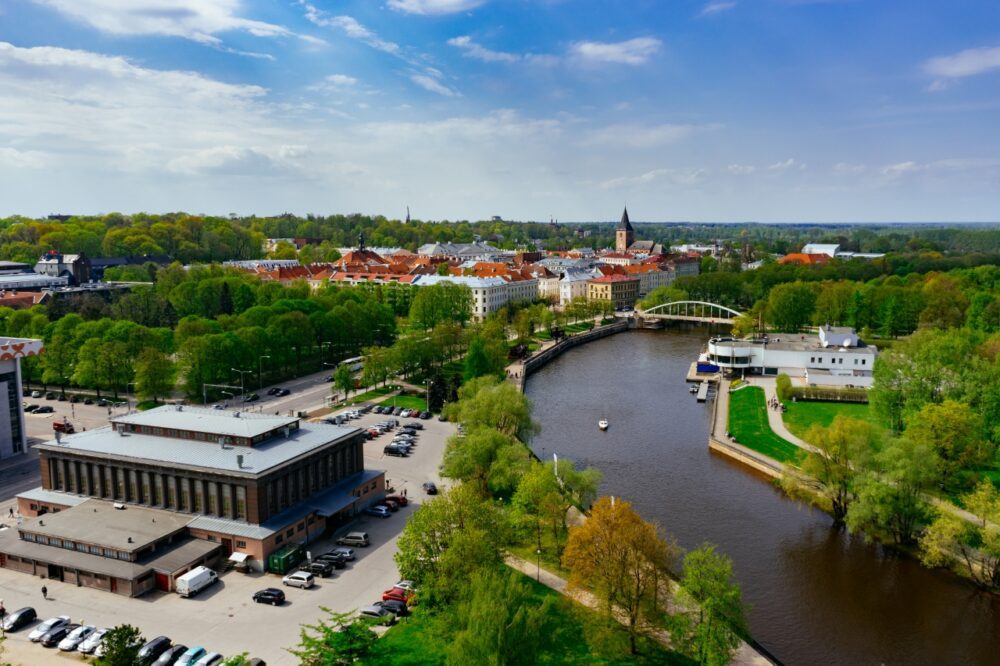
Is Tartu worth visiting? Yes, it definitely is. Tartu was one of the most pleasant surprises from my trip to Estonia. While many visitors focus on Tallinn, I found Tartu offered a completely different experience. The city felt relaxed, creative, and full of energy thanks to its large student population. I enjoyed walking along the river, exploring the compact city centre, and discovering a side of Estonia that felt more local and less touristy.
Tartu is Estonia’s second-largest city and is often considered the country’s intellectual and cultural heart. It is home to the prestigious University of Tartu, which has shaped the city’s character for centuries. Along with its academic heritage, Tartu offers museums, public art, green spaces, and a lively café culture.
In this guide, I’ll cover the top reasons why Tartu is worth visiting and share some useful travel tips and advice to help you plan your trip. If you’re looking for a destination in Estonia that combines culture, history, and a laid-back atmosphere, keep reading to discover the many reasons why Tartu is worth visiting.
Table of Contents
Top Reasons You Should Visit Tartu
1. A Historic and Intellectual Atmosphere as Estonia’s University City
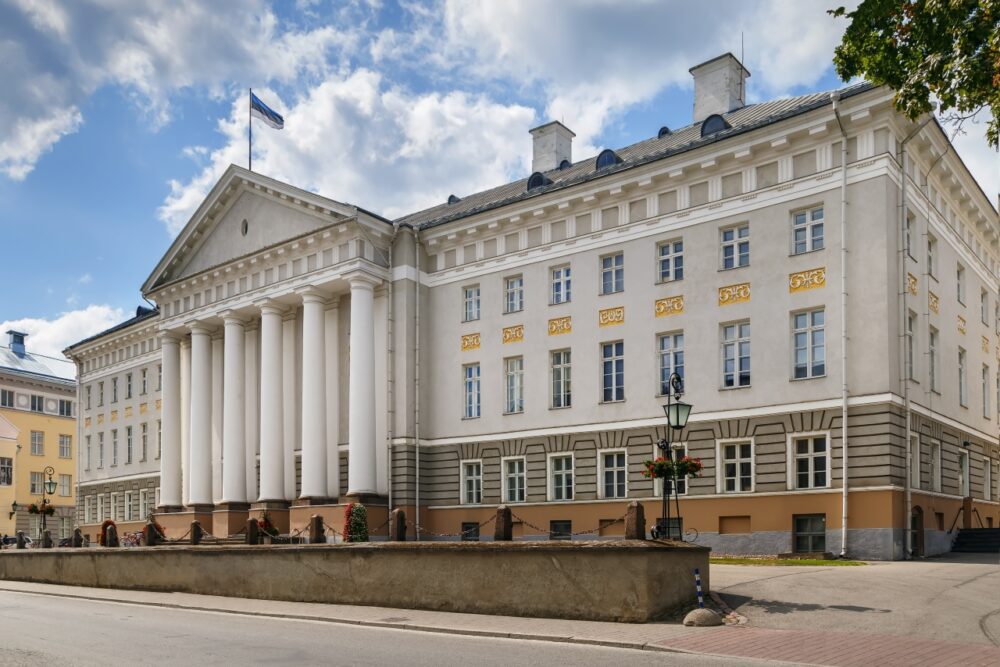
Tartu is often called the intellectual and cultural heart of Estonia, largely due to the presence of the University of Tartu, one of the oldest universities in Northern Europe. Founded in 1632, the university gives the city a vibrant academic atmosphere, with a strong emphasis on history, innovation, and youthful energy. Walking through the city, you can feel the influence of students and scholars, which makes Tartu a dynamic yet relaxed place to visit.
I spent time exploring the university’s main building, a beautiful neoclassical structure that feels like the centerpiece of the city. The atmosphere reminded me of a smaller version of Cambridge or Heidelberg—charming, historic, and full of people deep in discussion at cafés and bookshops. The university also has a fascinating museum inside the old cathedral ruins on Toome Hill, which offers an incredible look at Estonia’s academic history. Whether you’re interested in history, literature, or philosophy, Tartu is a place where ideas thrive.
2. A Compact and Walkable City with a Laid-Back Vibe
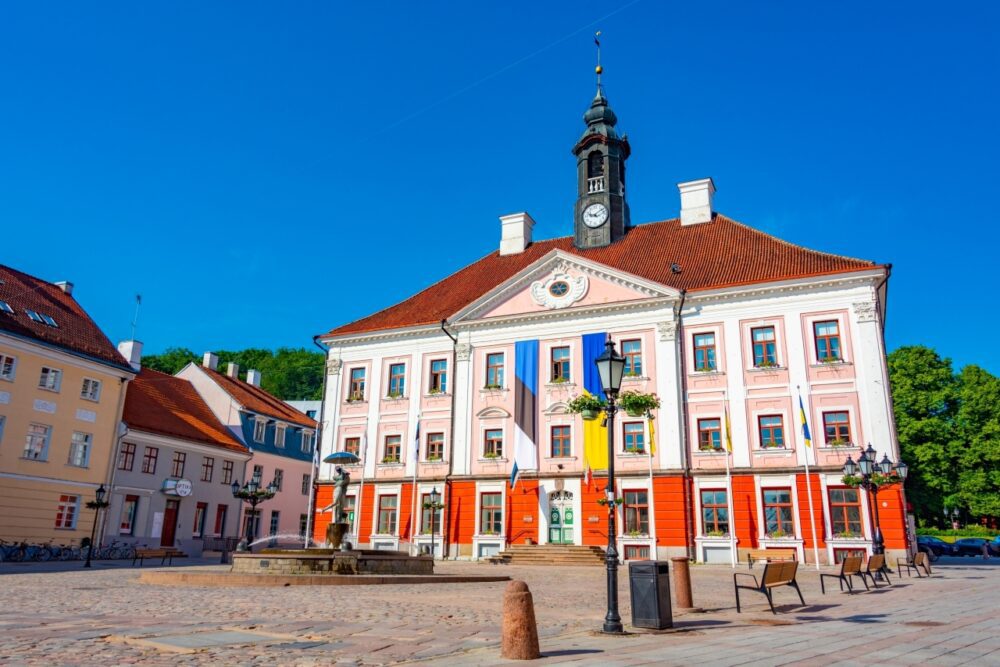
Unlike larger European cities that require extensive public transportation, Tartu is compact and very walkable, making it an easy place to explore on foot. The city center is well-designed, with beautiful pedestrian streets, open squares, and charming riverfront paths that make wandering around a pleasure.
I loved strolling along the Emajõgi River, which runs through the city, offering scenic views and a peaceful atmosphere. The main town square, Raekoja plats, is a great place to start, with its historic buildings and colorful, well-preserved architecture. Because everything is close together, you never feel rushed or overwhelmed, making Tartu the perfect destination for those who enjoy relaxed, stress-free travel.
3. The Iconic Leaning House and Raekoja Plats
One of the most famous landmarks in Tartu is the Leaning House, a historic building that visibly tilts due to unstable foundations. Often compared to the Leaning Tower of Pisa, it’s a quirky sight in the city center and now houses the Tartu Art Museum, adding an artistic touch to its historical appeal.
The Leaning House sits in Raekoja plats, the central square of Tartu, where you’ll find the Town Hall, the famous kissing student fountain, and a lively mix of cafés and restaurants. When I visited, the square was buzzing with activity, from street musicians to open-air markets. It’s the kind of place where you can sit with a coffee and soak in the city’s atmosphere while watching locals go about their day.
4. A Thriving Arts and Alternative Culture Scene
Tartu has a strong creative spirit, and its arts and alternative culture scene is one of the most vibrant in Estonia. You’ll find colorful street art, experimental galleries, and a strong presence of independent artists who give the city a unique and slightly bohemian feel. The city embraces both classical and contemporary art, with many museums, workshops, and festivals celebrating different forms of creativity.
One of the best places to experience this side of Tartu is Aparaaditehas, a former factory that has been transformed into a cultural space filled with art studios, design shops, cafés, and live music venues. I loved the mix of industrial aesthetics and modern artistic expression—it’s the kind of place where you can spend hours exploring and still feel like you’ve only scratched the surface. If you enjoy discovering local art scenes, Tartu is full of surprises.
5. Tartu Cathedral and the Views from Toome Hill
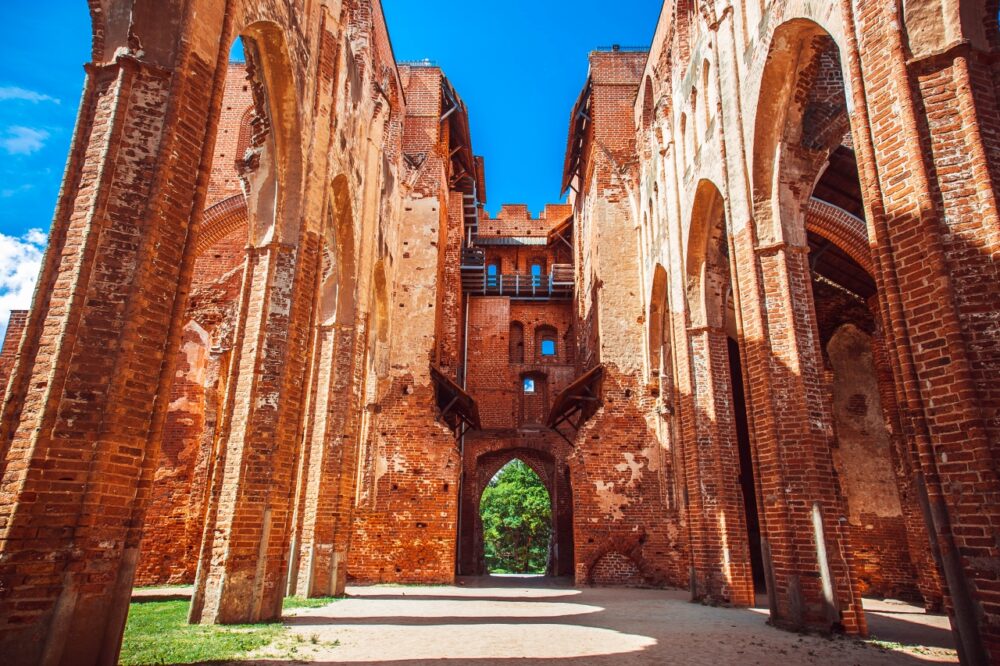
Tartu Cathedral, or what remains of it, is one of the most fascinating historical sites in the city. Originally built in the 13th century, the cathedral was heavily damaged over the centuries, and today, its red brick ruins stand as a dramatic reminder of the past. Despite its ruined state, the cathedral is still an impressive landmark, and the University of Tartu Museum is housed within its remaining structures.
I climbed up Toome Hill, where the cathedral sits, and was rewarded with beautiful views of the city. The park surrounding the ruins is a peaceful place to walk, with winding paths, historic bridges, and scenic viewpoints. Whether you’re interested in medieval history or just looking for a great spot to take photos, this area is one of Tartu’s highlights.
6. A Relaxed Café Culture with Great Local Coffee
Tartu has an excellent café culture, with plenty of cozy, independent coffee shops that serve locally roasted coffee and homemade pastries. The city’s student population has helped create a strong café scene, where people gather to study, read, or simply enjoy a slow afternoon with a good cup of coffee.
I spent time at Karlova Kohv, a laid-back café in one of Tartu’s bohemian neighborhoods, and it quickly became one of my favorite spots in the city. The atmosphere was warm and inviting, with shelves full of books and a steady stream of locals catching up over coffee. If you enjoy spending time in charming, character-filled cafés, Tartu has plenty of hidden gems waiting to be discovered.
7. The National Museum of Estonia is a Must-Visit
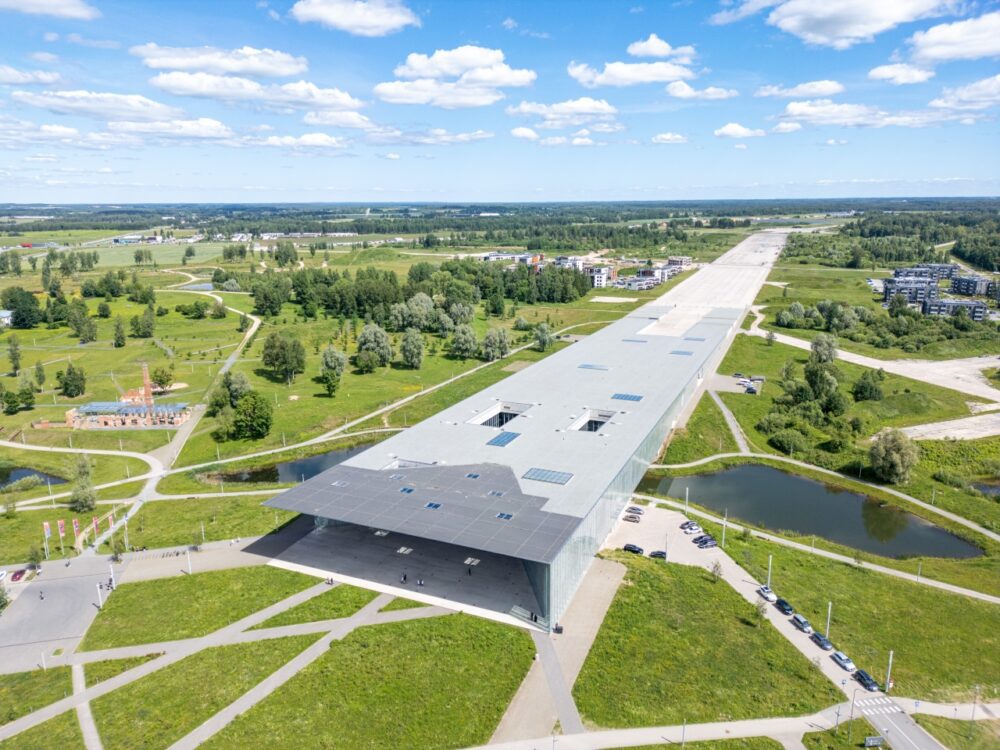
The Estonian National Museum, located just outside the city center, is one of the most impressive museums in the country. The museum focuses on Estonian history, culture, and identity, with fascinating exhibits covering everything from prehistoric artifacts to the country’s Soviet past and eventual independence.
What stood out to me most was the museum’s modern design—its architecture is striking, with a sleek, minimalist structure that feels futuristic yet blends well with its surroundings. The interactive exhibits make it an engaging experience, even for those who aren’t usually museum enthusiasts. If you want to understand Estonia beyond the usual tourist sites, this museum is a must-visit.
8. A City That Celebrates Festivals and Events Year-Round
Despite its small size, Tartu hosts numerous festivals throughout the year, ranging from music and art to science and film. Some of the most popular events include the Tartu Love Film Festival, the Tartu Hanseatic Days, and the Prima Vista Literary Festival. The city also plays host to academic conferences and cultural gatherings that attract people from around the world.
I happened to visit during the Student Days festival, a lively event full of concerts, theater performances, and quirky student traditions. It was amazing to see the city come alive with celebrations, and it made my visit feel even more special. Checking the festival calendar before visiting is a great way to make sure you catch some of Tartu’s unique cultural experiences.
9. The Scenic Emajõgi River and Riverside Walks
The Emajõgi River runs through Tartu, adding to the city’s natural beauty and offering great opportunities for scenic walks, boat tours, and waterfront relaxation. The riverside area is beautifully maintained, with pedestrian-friendly paths, small parks, and floating cafés where you can enjoy a drink by the water.
I took a sunset walk along the river, and it was one of the most peaceful moments of my trip. The reflections of the city lights on the water, combined with the quiet hum of people enjoying the evening, made it a perfect way to end the day. If you appreciate cities with a strong connection to nature, Tartu’s riverside charm is a major plus.
10. A Less Touristy, More Authentic Experience
Tartu offers a much quieter, more authentic experience than larger tourist-heavy cities like Tallinn. While it has plenty of attractions, it doesn’t feel overrun with large crowds, overpriced restaurants, or commercialized experiences. Instead, you get to experience Estonia in a more laid-back, everyday setting, where locals are friendly, and the pace of life is slower.
I loved how genuine Tartu felt—there was no pressure to rush from one attraction to the next, and I never felt like I was in a place designed purely for tourists. It’s the kind of city where you can take your time, enjoy small discoveries, and truly connect with the local atmosphere. For those looking for an off-the-beaten-path destination in Europe, Tartu is a fantastic choice.
Travel Tips for Visiting Tartu
What to Do in Tartu
Tartu felt very different from Tallinn. It’s smaller, quieter, and has a strong student vibe thanks to the famous university. I found it to be one of the most relaxed cities in the Baltics. It’s the kind of place where you can slow down, enjoy a coffee by the river, and take your time exploring. These are the experiences I enjoyed most.
- Visit the Estonian National Museum – This was my favourite attraction in Tartu because it does an excellent job of explaining Estonian culture and history in a way that never feels boring.
- Take a Guided Walking Tour of Tartu – I always enjoy exploring a city with a local guide, and this helped me understand why Tartu is considered Estonia’s intellectual capital.
- Explore the University of Tartu and Main Building – The university is at the heart of the city, and I found its history and architecture fascinating.
- Visit AHHAA Science Centre – Even as an adult, I had a lot of fun here because the interactive exhibits make science surprisingly entertaining.
- Take a Day Trip to Taevaskoja Nature Reserve – This was one of my favourite excursions because the sandstone cliffs, forests, and walking trails are beautiful.
- Join a Food and Drinks Tour of Tartu – Estonia’s food scene doesn’t get enough attention, and this is a great way to discover local flavours and craft drinks.
When to Visit Tartu
I think the best times to visit Tartu are May through September. The weather is usually pleasant, and the city comes alive when students, locals, and visitors spend time outdoors. Summer brings long daylight hours, outdoor festivals, and plenty of activity along the Emajõgi River. Winter can be cold and snowy, but it also gives the city a cosy atmosphere, especially around Christmas. I visited in June and loved the long evenings. It felt like there was always time for one more walk or one more stop at a cafe before the day ended.
How to Get to Tartu
Most international visitors arrive through Tallinn Airport, which is around two and a half hours away by train, bus, or car. Airlines such as Finnair, Lufthansa, Ryanair, Scandinavian Airlines, airBaltic, and Wizz Air operate regular flights into Tallinn. Tartu also has a small airport with limited regional connections. Buses between Tallinn and Tartu run frequently and are comfortable, while trains offer a scenic and relaxing journey. Personally, I think taking the train from Tallinn is the most convenient option because it’s simple, affordable, and drops you close to the city centre.
Where to Stay in Tartu
- Lydia Hotel – Located in the heart of the Old Town, this modern luxury hotel offers one of the best locations and highest standards in Tartu.
- Antonius Hotel – Situated opposite the university, this boutique hotel combines historic charm with a fantastic central location.
- V Spa & Conference Hotel – Located beside one of the city’s main shopping and dining areas, this hotel is a great choice if you enjoy spa facilities.
- Hotel Soho – Situated in the city centre, this stylish hotel offers modern rooms and easy access to Tartu’s main attractions.
- Dorpat Hotel – Located beside the river, this mid-range hotel offers excellent value and is within walking distance of most sights.
- Hektor Design Hostel – One of the best budget-friendly options in Tartu, this modern hostel offers comfortable accommodation and a relaxed atmosphere.
Getting Around Tartu
Tartu is one of the easiest cities I’ve visited on foot. The centre is compact, and most attractions are within walking distance of each other. The city also has a reliable bus network for travelling further out, and tickets can be purchased through local transport apps or onboard. Cycling is popular, especially during the warmer months, and bike rentals are easy to find. Personally, I walked almost everywhere because the city is small enough that public transport is rarely needed for sightseeing.
How Long to Spend in Tartu
I think two days is the perfect amount of time for most visitors. One day gives you enough time to explore the Old Town, visit the university area, and see the Estonian National Museum. A second day allows you to enjoy the science centre, discover more local cafes, or take a trip into the surrounding countryside. If you enjoy culture, history, and slower-paced cities, you could easily stay longer. Personally, I would recommend two nights because it gives you enough time to experience Tartu’s relaxed atmosphere without rushing.
Conclusion
So, is Tartu worth visiting? Absolutely. From its rich university history and vibrant cultural scene to its welcoming atmosphere and riverside setting, there are plenty of reasons to spend time here. Tartu offers a different side of Estonia that many travellers miss when they only visit the capital. If you want to experience local life, explore fascinating museums, and discover one of Estonia’s most interesting cities, Tartu is well worth adding to your itinerary.