
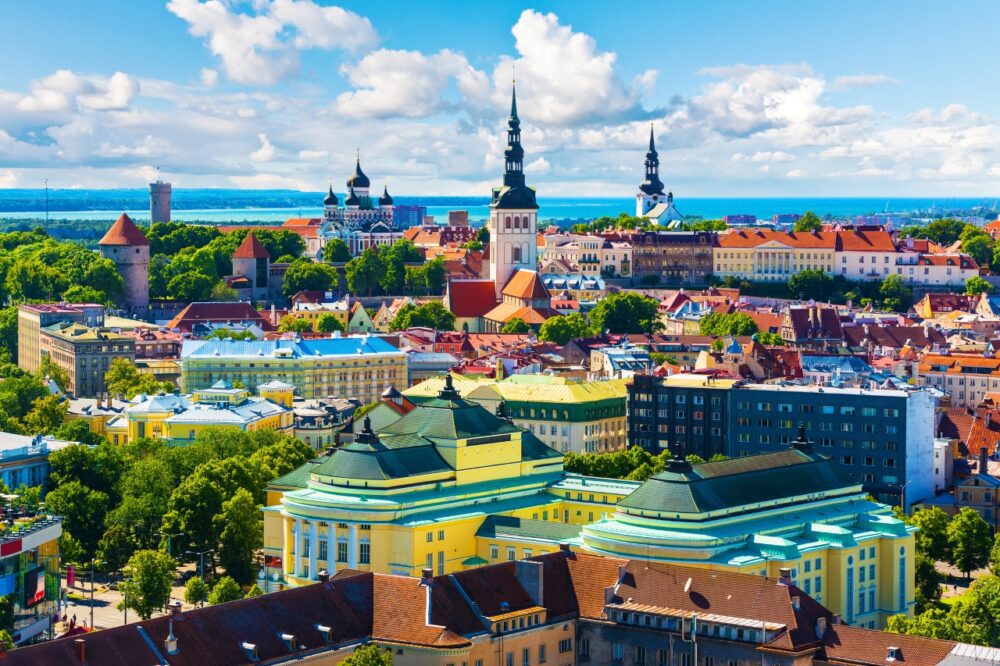
Is Tallinn worth visiting? Yes, absolutely. Tallinn was one of those cities that exceeded my expectations. Before visiting, I knew it had a famous old town, but I didn’t realise how well preserved and enjoyable it would be. Walking through the cobbled streets, passing medieval towers, and finding cosy cafés tucked away in historic buildings made it one of my favourite cities in the Baltics.
Tallinn is the capital of Estonia and sits on the shores of the Baltic Sea. The city is best known for its UNESCO-listed Old Town, which is one of the best-preserved medieval centres in Europe. At the same time, Tallinn is also known for being one of the most modern and innovative cities in the region. This mix of old and new gives it a unique character.
In this guide, I’ll cover the top reasons why Tallinn is worth visiting and share some useful travel tips and advice to help you plan your trip. If you’re looking for a destination that combines history, culture, and modern city life, keep reading to discover the many reasons why Tallinn is worth visiting.
Table of Contents
Top Activities in Tallinn
- Guided Old Town Historical Walking Tour
- Hidden Tallinn: Soviet Walking Tour
- Tallinn TV Tower Ticket
- Tallinn: Sunset Dinner Cruise
- From Tallinn: Return Day Trip Ferry Transfer to Helsinki
- From Tallinn: Lahemaa National Park Day Tour
- Tallinn: City Sightseeing Hop-On Hop-Off Bus Tour
- Tallinn: Estonian Food, Drinks and History Tour
- Best of Tallinn 2-Hour Bike Tour
- Tallinn: Museums, Public Transport, and More City Card
Top Reasons You Should Visit Tallinn
1. A Fairytale-Like Old Town That Feels Frozen in Time
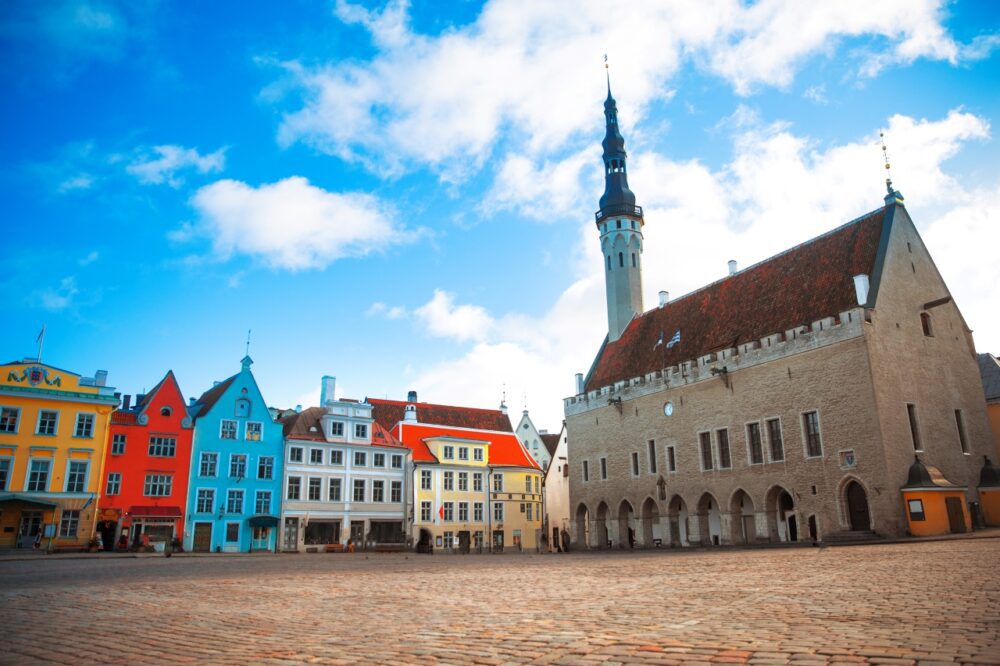
Tallinn’s Old Town is one of the best-preserved medieval city centers in Europe, with cobblestone streets, Gothic spires, and charming pastel-colored buildings. The entire area is a UNESCO World Heritage Site, and walking through it feels like stepping back in time. Unlike some historic districts that feel overly polished or commercialized, Tallinn’s Old Town retains an authentic charm, with medieval walls, hidden courtyards, and centuries-old merchant houses.
I spent hours wandering through the winding streets, discovering charming alleyways, ancient churches, and viewpoints offering breathtaking views over the red rooftops and the Baltic Sea. One of my favorite spots was Town Hall Square, where the 15th-century Town Hall stands as the centerpiece of the city. Whether you visit in summer when the streets are lively or in winter when the Christmas market transforms the square into a festive wonderland, Tallinn’s Old Town is a place that feels magical in every season.
2. A Perfect Blend of Medieval and Modern
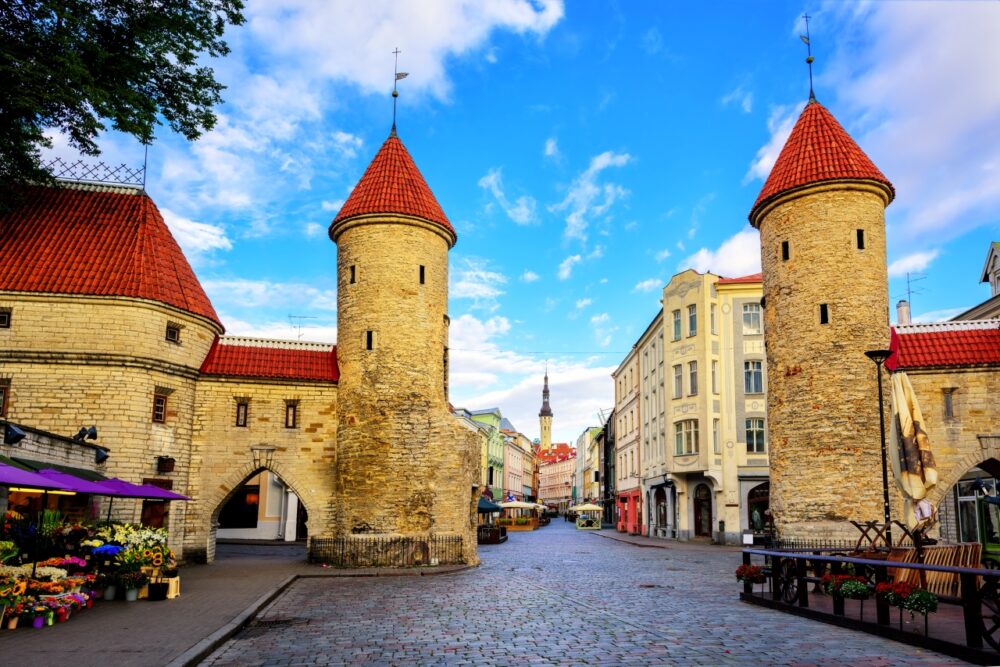
While Tallinn is known for its medieval charm, it also has a vibrant, modern side. The city is a leading tech hub, home to innovative startups and a thriving digital economy, yet it manages to balance this with its historical roots. This contrast is best seen in areas like Telliskivi Creative City, where former industrial spaces have been transformed into trendy cafés, co-working spaces, and art galleries.
I visited the Rotermann Quarter, a once-abandoned factory district that has been revitalized into a stylish area filled with modern glass buildings, boutique shops, and upscale restaurants. Just minutes away from the medieval Old Town, this part of Tallinn feels like stepping into the future. Few cities manage to blend the old and the new as seamlessly as Tallinn, making it a fascinating place to explore.
3. Stunning Panoramic Views from the City’s Many Lookout Points
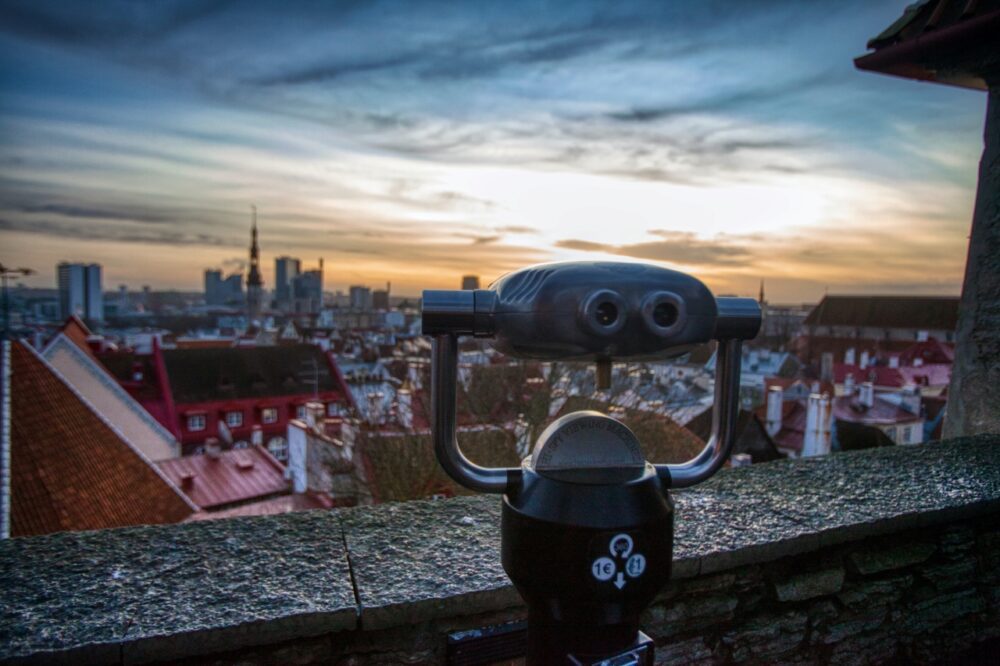
Tallinn’s hilly landscape means that there are plenty of fantastic viewpoints offering breathtaking panoramas of the city and the surrounding Baltic coastline. The best views can be found in Toompea, the upper part of the Old Town, where several viewing platforms provide stunning perspectives of the red rooftops, church spires, and the sea beyond.
I climbed to the Kohtuotsa Viewing Platform, and the sight of the city stretching out below me was unforgettable. Watching the sun set over the medieval skyline while enjoying a coffee from a nearby café was one of my favorite moments in Tallinn. Whether you prefer sunrise, sunset, or a daytime visit, these viewpoints provide some of the most picture-perfect scenes in Estonia.
4. A Fascinating Soviet-Era History
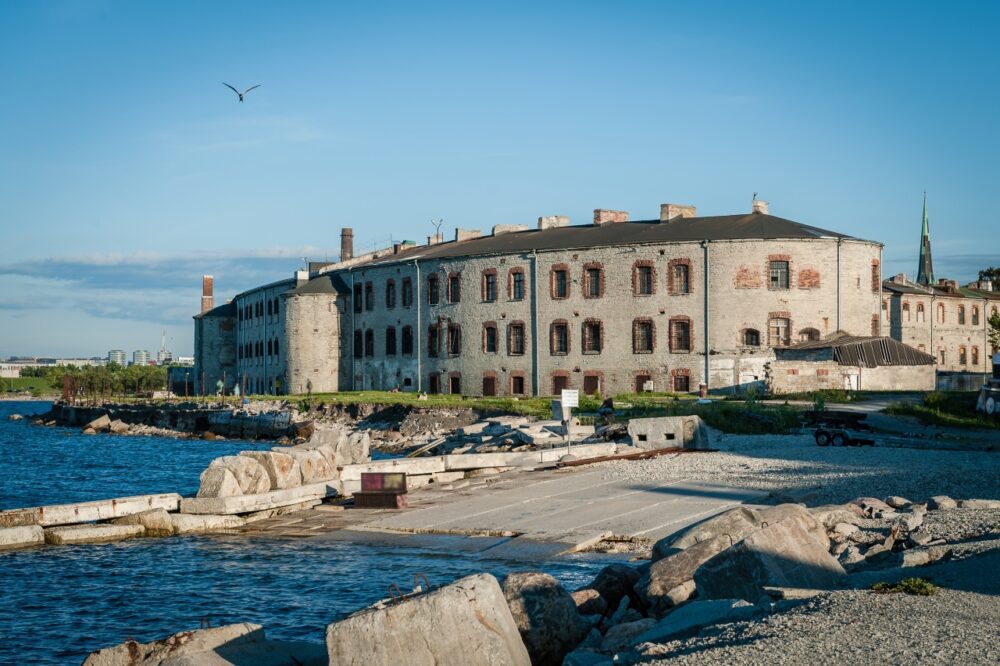
Estonia’s past under Soviet rule has left behind a unique and often haunting historical legacy. While Tallinn is proudly independent and forward-looking today, remnants of its Soviet past can still be explored, offering an eye-opening contrast to the medieval and modern parts of the city.
I visited the Patarei Prison, a crumbling but atmospheric former Soviet prison by the sea, which provides a chilling insight into the hardships faced by political prisoners. Another must-see is the KGB Museum, located in the Hotel Viru, where visitors can learn about the extensive surveillance operations carried out by Soviet intelligence. Tallinn is one of the best places to learn about Estonia’s turbulent 20th-century history, and these sites offer a sobering but important perspective.
5. A Food Scene That Mixes Nordic, Russian, and Baltic Influences
Tallinn’s food scene is an exciting mix of traditional Estonian cuisine, Russian influences, and modern Nordic flavors. Local dishes often feature fresh, seasonal ingredients, with a focus on wild mushrooms, smoked fish, root vegetables, and game meats. While Estonian food may not be as internationally famous as French or Italian cuisine, it’s full of hearty and unique flavors that are worth trying.
I had an incredible meal at a traditional Estonian restaurant, where I tried elk stew, dark rye bread, and a refreshing sea buckthorn dessert. For a more casual bite, the city’s cafés serve delicious cinnamon rolls and pastries, perfect for a mid-day break. If you’re looking for something different, Tallinn’s food markets, such as Balti Jaama Turg, offer everything from local cheeses to handmade dumplings, providing a great way to sample authentic flavors.
6. A Café Culture That Rivals the Best in Europe
Estonians take their coffee seriously, and Tallinn has a thriving café culture that ranges from historic teahouses to trendy third-wave coffee spots. Whether you prefer cozy cafés with antique interiors or modern espresso bars, the city has plenty of options for coffee lovers.
I stopped by Maiasmokk, the oldest café in Estonia, where I enjoyed a traditional marzipan treat alongside my coffee in an elegant, old-world setting. Later, I visited a minimalist coffee shop in Telliskivi, where baristas were carefully crafting pour-over brews with single-origin beans. No matter where you go in Tallinn, you’re never far from a great cup of coffee, making it a fantastic city for slow mornings and relaxed afternoons.
7. The Baltic Sea Adds a Beautiful Coastal Element to the City
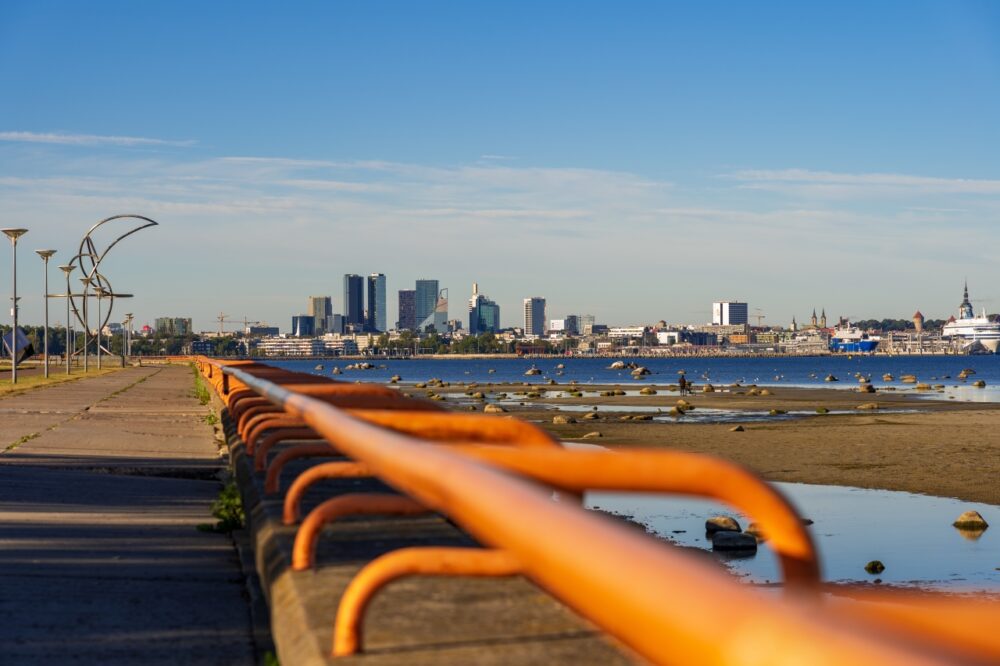
Although Tallinn is best known for its medieval architecture, it also has a gorgeous coastal side. The city is located right on the Baltic Sea, offering scenic seaside promenades, sandy beaches, and beautiful waterfront parks.
I took a walk along the Pirita Promenade, a peaceful coastal path that offers stunning views of the sea and Tallinn’s skyline in the distance. On a sunny day, locals were out cycling, jogging, and even sunbathing on the small but inviting beaches. If you want a break from sightseeing, a trip to the waterfront provides a refreshing change of pace.
8. A Compact and Walkable City That’s Easy to Explore
Tallinn’s size makes it one of the easiest European capitals to explore on foot. The Old Town is entirely walkable, with all major attractions just a short distance from each other, while other interesting districts like Telliskivi and Kadriorg are within easy reach.
I barely needed public transport during my stay, as everything was within a comfortable walking distance. Even in winter, the city’s pedestrian-friendly streets made it enjoyable to explore without the stress of navigating a complicated metro or bus system. If you love cities where you can wander freely without relying on taxis or long transit rides, Tallinn is perfect.
9. A Thriving Art and Design Scene
Tallinn has a growing reputation as a creative hub, with independent artists, designers, and craftspeople bringing new life to the city’s cultural scene. The Telliskivi Creative City is a prime example, home to art studios, design boutiques, and vibrant street art murals.
I visited the Estonian Design House, a shop featuring beautifully crafted local goods, from handmade ceramics to stylish Nordic-inspired clothing. The mix of contemporary art, traditional craftsmanship, and cutting-edge design makes Tallinn an exciting destination for art lovers and those looking for unique souvenirs.
10. One of the Best Christmas Markets in Europe
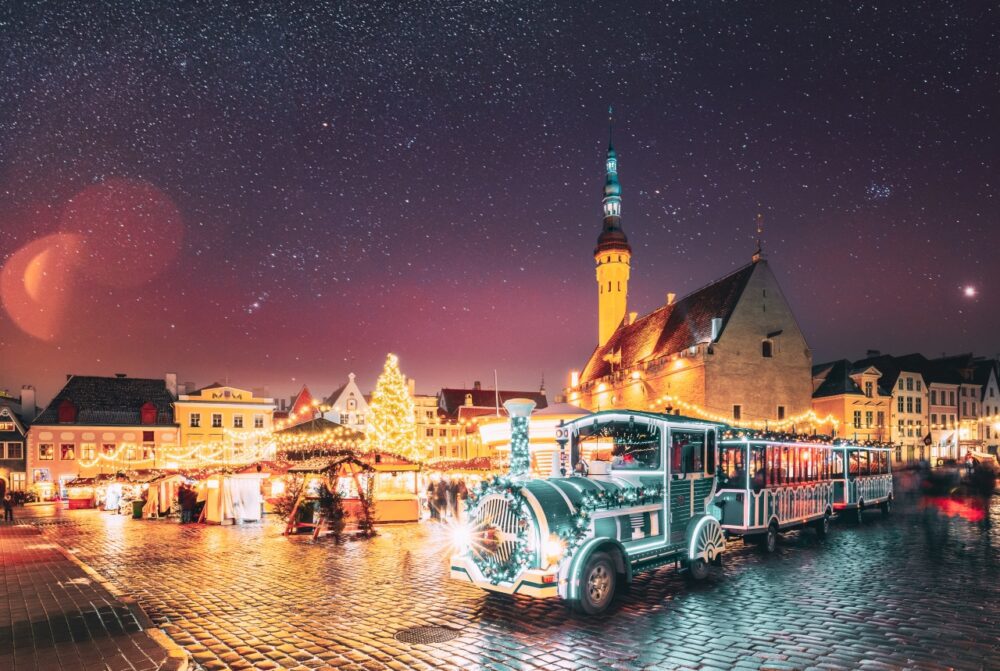
If you visit Tallinn in winter, you’ll experience one of the most magical Christmas markets in Europe. The Town Hall Square transforms into a festive wonderland, with wooden stalls selling handcrafted gifts, mulled wine, and traditional Estonian holiday treats. The combination of snow-covered medieval buildings, twinkling lights, and the scent of spiced gingerbread makes it feel like something straight out of a storybook.
I visited in December, and the experience was nothing short of magical. The cold air was filled with festive music, the market stalls glowed under the soft light of lanterns, and the entire city felt like a Christmas card come to life. For anyone who loves winter travel, Tallinn’s Christmas market is one of the best in the world.
Travel Tips for Visiting Tallinn
When to Visit Tallinn
I think the best times to visit Tallinn are May through September. Summer brings mild temperatures, long daylight hours, and outdoor events throughout the city. June, July, and August are especially pleasant for exploring the Old Town and spending time at outdoor cafes. Winter is a completely different experience. Snow, Christmas markets, and festive lights make Tallinn feel even more like a fairy-tale city. I visited in late summer and loved the long evenings and comfortable weather. If I returned, I would also like to see the city during December because the Christmas atmosphere looks fantastic.
How to Get to Tallinn
Most visitors arrive through Tallinn Airport, which is located only about 4 kilometres from the city centre. Airlines such as Finnair, Lufthansa, Ryanair, airBaltic, Scandinavian Airlines, and Wizz Air operate regular flights here. One thing I really liked about Tallinn is how easy the airport transfer is. Trams and buses connect the airport to the city centre in around 15 minutes. Tallinn is also connected to Helsinki by frequent ferries, which many travellers use as part of a wider Baltic trip. Personally, I think flying into Tallinn and taking the tram into the centre is the most convenient option.
Where to Stay in Tallinn
- Schlössle Hotel – Located in the heart of the Old Town, this luxury hotel offers historic charm and one of the best locations in Tallinn.
- Hotel Telegraaf – Situated inside a beautifully restored historic building, this upscale hotel combines character with excellent facilities.
- Nordic Hotel Forum – Located between the Old Town and the harbour, this modern hotel is a great all-round choice for first-time visitors.
- Hestia Hotel Kentmanni – Situated close to the city centre, this stylish hotel offers comfortable rooms and excellent value.
- Citybox Tallinn City Center – Located near the harbour, this affordable hotel is perfect if you want a modern stay without spending too much.
- Old Town Munkenhof Guesthouse – One of the best budget-friendly places to stay in Tallinn, this guesthouse offers a fantastic location right inside the Old Town.
Getting Around Tallinn
Tallinn is a very easy city to explore. The Old Town is compact and best explored on foot, with most major attractions within walking distance of each other. The city also has an efficient network of trams, buses, and trolleybuses that connect different neighbourhoods. Tickets can be purchased through the Pilet.ee system or local transport apps. Bolt is widely used in Tallinn for both ride-hailing and e-scooter rentals. Personally, I spent most of my time walking around the Old Town, but the trams were useful for visiting places like Kadriorg Palace.
How Long to Spend in Tallinn
I think three days is the perfect amount of time for Tallinn. Two days gives you enough time to explore the Old Town, visit a few museums, and enjoy the city’s food scene. With a third day, you can take a trip to Lahemaa National Park or catch the ferry to Helsinki. If you enjoy history, architecture, and slower-paced cities, you could easily stay longer. Personally, I would recommend three days because it allows you to enjoy both the historic centre and some of the excellent attractions outside it.
Conclusion
So, is Tallinn worth visiting? Without a doubt. From its beautiful medieval old town and fascinating history to its modern attractions, great food, and coastal setting, there are plenty of reasons to spend time here. Tallinn offers a travel experience that feels both historic and contemporary at the same time. If you’re planning a trip to Estonia and want to explore one of the most interesting cities in Northern Europe, Tallinn deserves a place at the top of your itinerary.