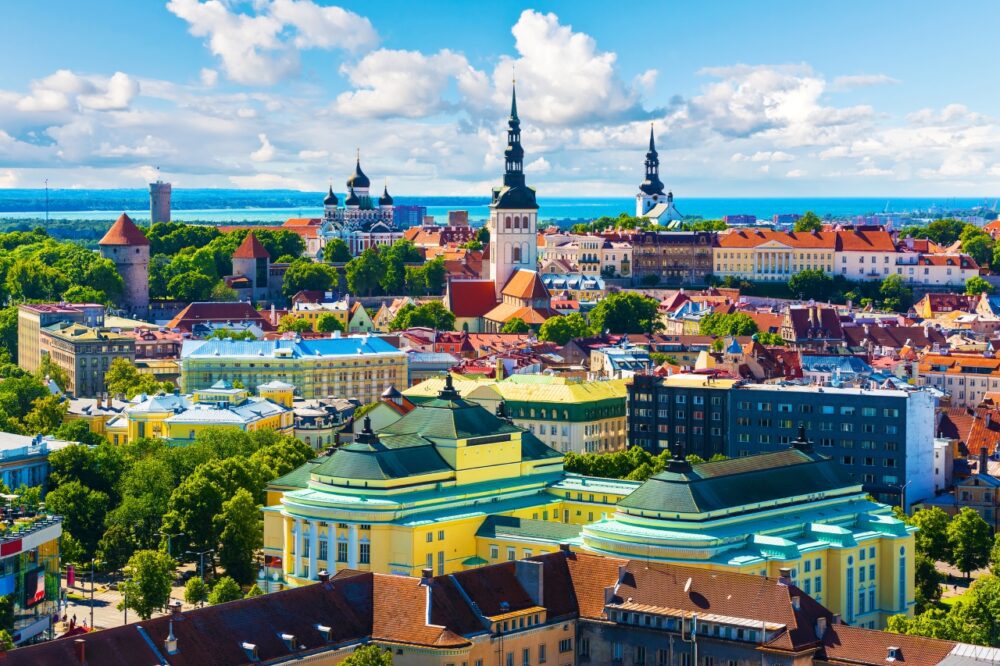
Is Tartu Worth Visiting? Honest Pros and Cons (2026)

Most trips to Estonia start and end in Tallinn. I’m glad I made time for Tartu. I spent two days here one summer, and it felt completely different from the capital. The city was relaxed, green and full of young people, and I never felt rushed or herded around.
Tartu is the second-largest city in Estonia, with around 100,000 people. It sits about 190 km southeast of Tallinn on the Emajõgi River. The university dates back to 1632, so student life shapes almost everything here. Tartu was a European Capital of Culture in 2024, and it’s also a UNESCO City of Literature. You’ll find pastel townhouses, a hilltop park with Gothic ruins, wooden neighbourhoods, a lively street art scene and some of the best museums in the country. Everything sits close together.
This guide covers the pros and cons of Tartu, where to stay, and what to book. You’ll also find tips on when to go, how long you need, and getting around, so you can decide whether it suits your kind of trip.
Pros of Visiting Tartu
1. Town Hall Square and the Old Town
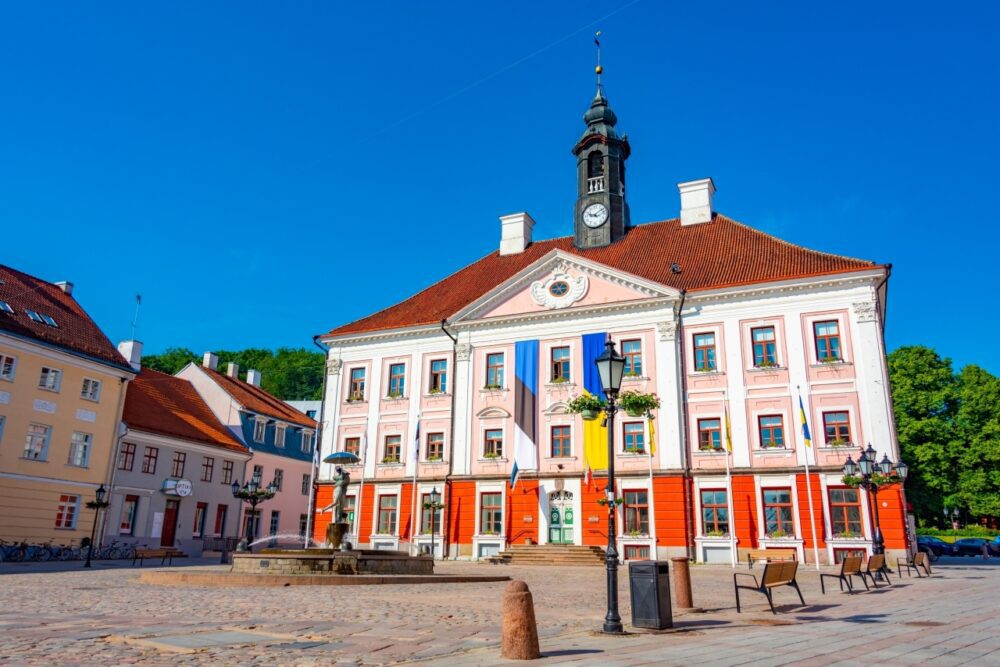
Town Hall Square is where I started, and it’s still my favourite spot in Tartu. The pastel Town Hall dates from the late 1700s. Right in front of it is the Kissing Students fountain, and every visitor takes a photo there. Across the square, the famous Leaning House holds the Tartu Art Museum. In summer, café terraces fill the cobbles, so grab a table and watch the cyclists roll past.
The side streets are even better. Lai, Rüütli and Jaani are lined with neat townhouses and old wooden buildings, and you can cover the whole Old Town in under an hour. St John’s Church, covered in terracotta figures, is a short stroll away. A local guide helps in a city with this much hidden history, and the small-group Old Town walking tour runs for 2.5 hours. It includes local snacks and drinks along the way.
2. Estonia’s Oldest University
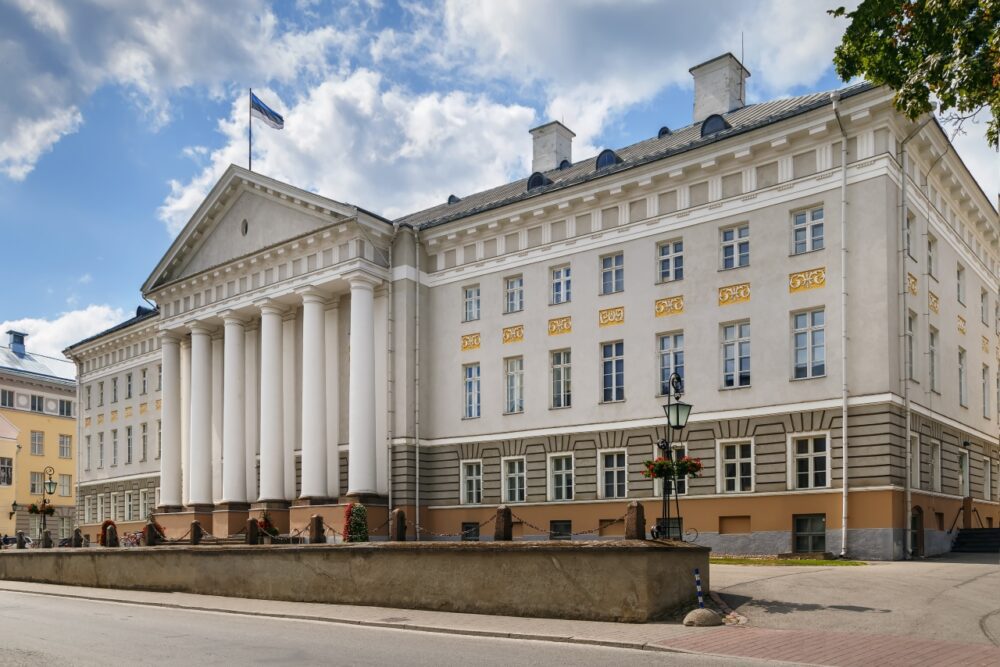
The University of Tartu is the reason the city feels the way it does. Swedish king Gustav II Adolf founded it in 1632, and it’s still the oldest and largest university in Estonia. The neoclassical main building on Ülikooli Street has six huge columns, and you can walk inside. The University of Tartu Art Museum sits in the same building. It’s the oldest art museum in Estonia, with statues from ancient Greece and Rome and a Mummy Chamber. Tickets cost €5!
Around 20,000 students keep the city young. You’ll notice them in the bike lanes, the cheap cafés and the busy terraces. Most places serve weekday lunch specials for around €5 to €8, which is great value. If your dates line up with the Tartu Student Days, you’ll find nearly 150 events across the city in spring and autumn. Look out for the old student lock-up too. Rowdy students were once held there for pranks.
3. Toome Hill and Its Bridges
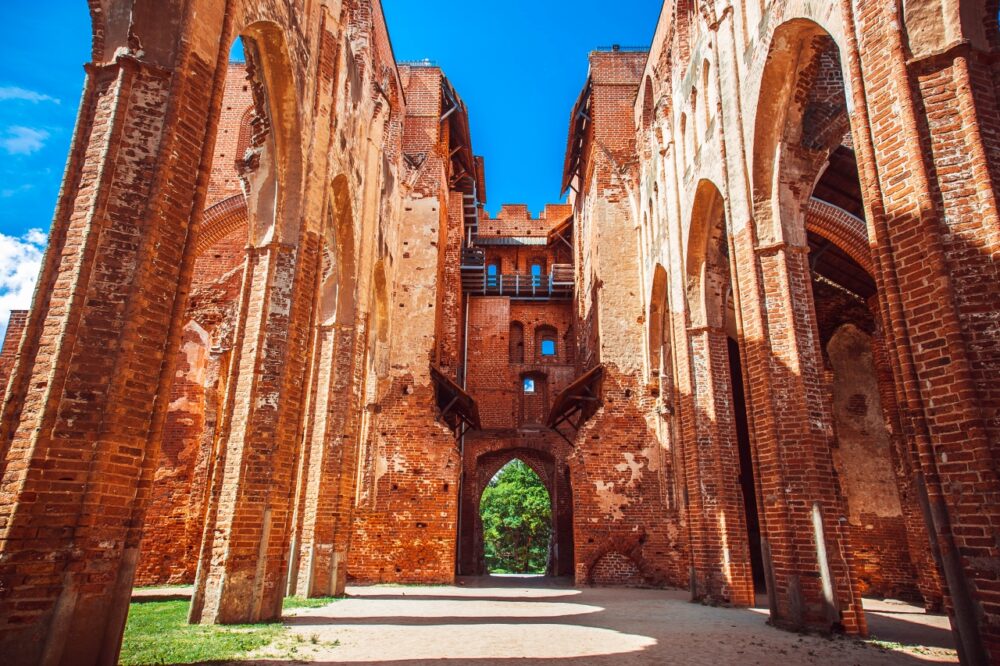
Toome Hill (Toomemägi) rises right above the Old Town, and it’s the best place in Tartu for a slow walk. Gothic cathedral ruins sit at the top, and part of the building houses the University of Tartu Museum. The ticket costs €12 from May to September and includes the cathedral towers. I climbed up on my first afternoon and loved the view over the red roofs. The museum opens Tuesday to Sunday from 10:00 am to 6:00 pm in summer, so you can fit it in after lunch.
Paths wind across the hill past statues, old trees and quiet benches. Angel’s Bridge and Devil’s Bridge link the hill to the streets below, and both make great photo stops. The Old Observatory sits on the eastern slope. It’s part of the UNESCO-listed Struve Geodetic Arc, and a combined ticket also covers the museum and the Art Museum. Give the whole hill a couple of hours, and bring a drink for the climb.
4. The Estonian National Museum
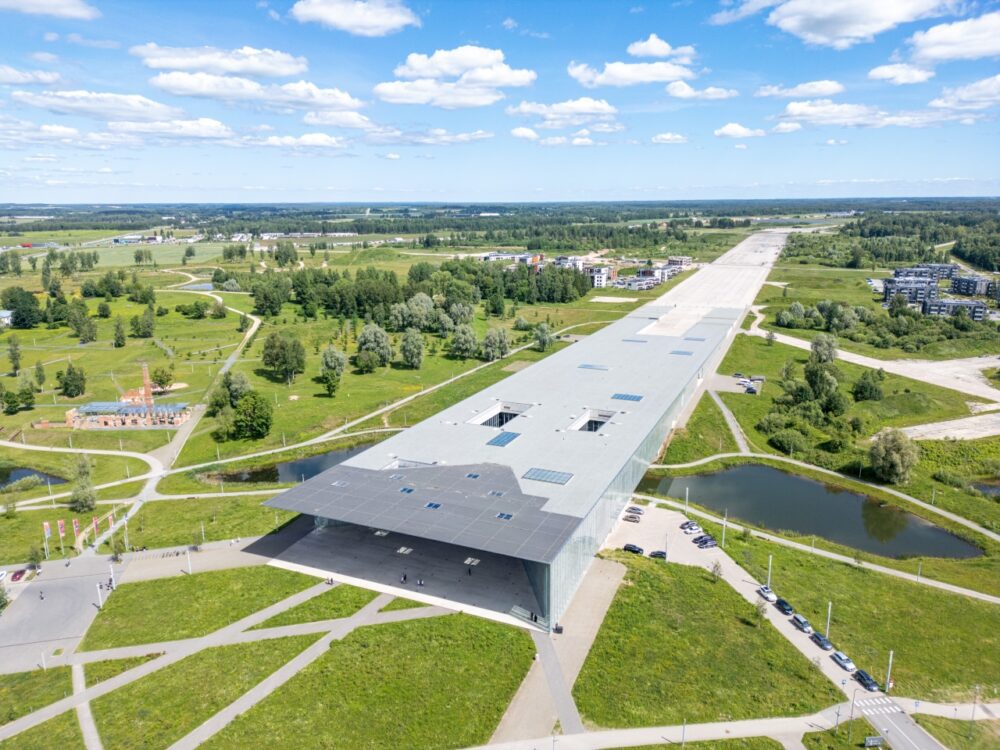
The Estonian National Museum is the best museum in Tartu. It opened in 2016 in a long, low building that follows the line of an old Soviet airfield runway. The setting is odd and wonderful, and Lake Raadi sits right beside it. Inside, the permanent exhibitions “Encounters” and “Echo of the Urals” tell the story of everyday Estonian life and the Finno-Ugric peoples.
I spent a full morning here and could have stayed longer. The displays use sound, video and objects really well, and they’re easy to follow even if you know nothing about Estonia. Plan on at least three hours. The museum is open Tuesday to Sunday from 10:00 am to 6:00 pm. It’s a short bus or taxi ride from the centre, so it works well as a half-day trip. Save it for a rainy day if you can, and bring a light jacket for the walk from the stop.
5. AHHAA Science Centre
AHHAA is the biggest science centre in the Baltic states, and it’s a lot of fun even if you don’t have kids. More than 170 hands-on exhibits fill three halls. You can test illusions, experiment with water, and light, and see how everyday gadgets work. Science theatre shows, workshops and planetarium sessions cost extra, so check the schedule when you buy your ticket!
The centre sits on Sadama Street by the river, a short walk from the bus station. It’s open every day, which makes it a handy backup when the museums are shut. Hours run from 10:00 am to 7:00 pm, and until 8:00 pm on Fridays and Saturdays. Allow two to three hours, and more if you join a show. The upstairs café is a good place to rest, and it’s easy to pair AHHAA with a riverside walk afterwards, especially on a dry afternoon.
6. Street Art and Aparaaditehas
Tartu is known as the street art capital of Estonia, and you’ll spot murals on walls, bridges and even utility boxes. The best collection sits around Aparaaditehas, a former Soviet factory on Kastani Street. Today it’s a creative quarter with design shops, galleries, the TYPA printing and paper art centre, bakeries, and restaurants. I had lunch here on my second day and ended up staying for hours. Aparaat and Kolm Tilli are popular places to eat.
The factory yard is free to explore, and the walls change often. A good way to see more is the alternative evening walking tour. It runs for 2.5 hours through Supilinn, Karlova and Vaksali, and it finishes in an old factory that’s now an arty restaurant area. It’s a lighter, funnier take on Tartu than the usual history tour, and it’s a great way to spend a summer evening.
7. Supilinn and Karlova’s Wooden Streets
Supilinn (“Soup Town”) and Karlova are Tartu’s two wooden neighbourhoods. Narrow lanes run between colourful houses with leafy gardens, and the mood is bohemian and slightly eccentric. Supilinn sits on the river, a short walk northwest of the centre. Karlova is a little further out, and it’s home to cafés, small galleries and plenty of street art. I wandered both on my second afternoon, and they were the quietest and most photogenic parts of the trip. Bring a camera and take your time.
The Emajõgi River is the other highlight. A path runs along the water, and it’s a beautiful route for a stroll or a bike ride. In summer, river cruises leave from the centre, and the banks fill with picnics and swimmers. If you want to see the neighbourhoods on two wheels, the private bike tour covers Karlova, Supilinn, the centre and Toome Hill in about 2.5 hours.
8. KGB Cells Museum and Soviet History
The KGB Cells Museum is the grimmest and most memorable stop in Tartu. It sits in the basement of the “Grey House” on Riia Street, where the NKVD and KGB held prisoners in the 1940s and 1950s. Several cells and the punishment cells have been restored to their original look. The exhibition explains the post-war fight for Estonian independence and what life was like in a pre-trial prison. It’s small, and it hits hard!
The museum is open Tuesday to Saturday from 11:00 am to 5:00 pm, and ticket sales stop half an hour before closing. Allow about 45 minutes. It’s an easy walk from the centre, and it makes a good pair with the Estonian National Museum if you want the full picture of Estonian history. Go early, because the cells are cramped and can feel crowded. The exhibition text is in English, so you won’t need a guide.
9. Cafés, Beer and Local Food
Tartu is the food capital of South Estonia, and it punches above its weight. Several restaurants are MICHELIN-recommended, and the café scene is full of student-friendly spots. Expect hearty Estonian food such as dark rye bread, smoked fish, creamy mushroom soup and pork with sauerkraut. Weekday lunch specials are the best value for money, usually costing €5 to €8. Cruffin in Aparaaditehas is a good stop for a pastry and coffee, and the prices stay friendly.
Beer is a big part of the story too. Tartu is the birthplace of the Estonian brewing industry, and A. Le Coq beer still has a museum in the city. Local pubs often pour craft beer from small Estonian breweries. In July you’ll also find Lake Peipus onions at the market, and they taste far sweeter than the supermarket kind. Eat them with smoked fish for a proper regional lunch.
10. Day Trips to Lake Peipus and Alatskivi
Tartu works well as a base for South Estonia. The classic day trip heads to Lake Peipus, Estonia’s largest lake, along the Onion Route. About 40 km north of the city, Alatskivi Castle looks like a historic. It was built in the 1880s in Scottish baronial style, and it’s said to resemble Balmoral. A ticket also covers the Eduard Tubin Museum and the stables. Give the castle a couple of hours.
Further east, villages such as Kolkja and Varnja were settled by Russian Old Believers, who fled religious persecution centuries ago. The Kolkja Old Believers Museum has a lookout tower over the lake, and it’s open daily from May to August. Onion season starts in July, and onions are sold along the road until late September. Local operators run guided Onion Route tours from Tartu, and buses also reach the main villages. Elva, Otepaa and Taevaskoja are great for walks.
Cons of Visiting Tartu
1. A Quieter City in Summer
Tartu is a student town, and the students go home in summer. The evenings were calmer than I expected, and the city felt almost sleepy after dark. Some bars had thin crowds, and a few smaller cafés shortened their hours. If you want a big night out, you may find it too sleepy!
The answer is to choose your spots. Aparaaditehas and the Town Hall Square terraces stay lively on warm evenings, and the riverside fills up after work. Spring and autumn are the busiest months for student events, so time your trip with the Student Days if you want some energy. An evening walking tour is a nice way to see the city come alive, and Tartu is still relaxed and safe at any time of year.
2. Getting There Takes Time
Tartu isn’t on the main Baltic routes, and it takes time to reach. The bus or train from Tallinn takes around two and a half hours. Tartu Airport only has Finnair flights to Helsinki, about 50 minutes each way. Riga is a four-hour bus ride away. A day trip from Tallinn is possible, but it’s tiring and leaves little time to explore.
The easiest fix is to stay at least one night. Direct Lux Express buses run roughly every hour from Tallinn, and many stop at Tallinn Airport. The train is a good alternative and often more relaxed. Book ahead on busy days, because buses can fill up. Plan your arrival for the morning, and Tartu is more than worth the journey. Pack light too, since you’ll walk most places.
3. Museums Closed on Mondays
Tartu has a lot of museums, and many of them close early in the week. The Estonian National Museum and the University of Tartu Museum are closed on Mondays. The KGB Cells Museum is closed on Mondays and Sundays. The Toy Museum is closed on Mondays and Tuesdays. If you arrive on a Monday, you could find half the city shut.
Plan around it. AHHAA and the Botanical Garden open every day, and Toome Hill, the Old Town and Aparaaditehas are free to explore anytime. A guided walking tour is a good Monday option. Check each museum’s schedule when you plan your days, and move the indoor stops to the end of the week. A little planning means you’ll still see everything, and you won’t waste a day at a closed door.
4. Cold, Dark Winters
Tartu is inland, and winters feel properly cold. The wind off the river can make it feel even colder. From December to February, temperatures usually stay below freezing. Daylight lasts only about six hours in midwinter, and snow can make the cobbles slippery. It’s a beautiful season, but many people find it harsh!
Pack a warm coat, a hat, gloves and boots with good grip. Keep your outdoor sightseeing for the middle of the day, when the light is best, and use the dark hours for museums, cafés, and saunas. The Christmas City on Town Hall Square is a highlight, and the snowy Old Town looks beautiful. If you’re prepared, winter in Tartu is cosy rather than miserable. Book your hotel early, because the festive weeks fill up.
5. Not Much for a Long Stay
Tartu is compact, and you can see the main sights in two days. I felt I’d covered the highlights without rushing. There’s no giant landmark to build a week around, and no famous skyline to chase. Some travellers feel they’ve run out of things to do by day three. If you want big-city nightlife or a long list of attractions, other places might suit you better.
The answer is to use Tartu as a base. Add a day trip to Lake Peipus, a hike near Elva or Otepaa, or a night in the nearby countryside. Then continue to Riga or Tallinn by bus, or finish with a few relaxed days in the capital. Tartu works best as part of a longer Estonian trip, and that’s how I’d recommend it. For its size, it offers plenty.
Where to Stay
Old Town: This is where I stayed, and it’s the easiest base for a short trip. Town Hall Square, Toome Hill and the university are all within a ten-minute walk, so I never needed transport. The downsides are the cobbles and slightly higher prices. Loft Style Studio Apartment is a budget-friendly pick on Lai Street with keyless entry, a lift, a sun terrace and free parking. Hotel Lydia is a mid-range 4-star on Ülikooli Street with an indoor pool, sauna, steam room and a restaurant. Antonius Boutique Hotel is an upscale boutique stay next door, with a restaurant, bar, terrace, air conditioning and a concierge.
Riverside and Soola Street: This area sits east of the Old Town along the river, close to the bus station, AHHAA and the Aura shopping area. It’s a good choice if you arrive by bus and have luggage, and it’s only a short walk to Town Hall Square. It feels less historic after dark. F-Apartments – River View is a budget-friendly option on Fortuuna Street with soundproof rooms, a lift and free parking. Dorpat Hotel is a mid-range 3-star on Soola Street with a restaurant, bar, fitness centre, and terrace. V Spa & Conference Hotel is an upscale 4-star on Riia Street with indoor and outdoor pools, a hammam, a sauna and a spa.
Karlova and South of the Centre: Karlova is a quiet residential area of wooden houses, small cafés and street art, a short walk southwest of the centre. It’s calm and good value, and Aparaaditehas is nearby. Restaurants are fewer, and you’ll walk or cycle to the main sights. Peplerhome is a budget-friendly apartment-style stay with soundproof rooms and a lift. Tõnisson Apartments is a mid-range option on Anna Haava Street with a garden, free parking and a children’s playground. Tamme Flint is an upscale 4-star apartment with a sauna, a terrace and free parking!
Ülejõe and Supilinn: Ülejõe lies across the river to the north, close to Supilinn’s wooden lanes. It’s quiet, local and cheaper than the Old Town, and the walk back over the bridge takes about ten minutes. Hotels are few, and most places are apartments. Studio Apartment in Tartu is a budget-friendly option on Puiestee Street with air conditioning and free parking. Apartment in City Center is a mid-range stay on Narva Road with free parking and family rooms. Mariella Apartment Tartu is another good pick with air conditioning and free parking.
Best Things to Do
Tartu has a small but varied list of tours, and plenty of free attractions fill the gaps. These are the ones I’d put on a shortlist.
- Old Town walking tour with local snacks: A 2.5-hour small-group walk through Tartu’s history, from its trading days to the university and street art. You taste local snacks and drinks along the way.
- Private bike tour with a landscape architect: A relaxed 2.5-hour ride of about 8 to 12 km through Karlova, Supilinn, the centre and Toome Hill. Your guide explains how the city works, from new architecture to street art.
- Sled dog tour and kennel visit: A day out at a Siberian husky kennel in Tartu County. You help harness the dogs, ride 1.5 km on a sled or cart and walk with the team. Rides only run below 15°C.
- AHHAA Science Centre: A hands-on science museum with more than 170 exhibits, a planetarium and live science shows. It’s open daily, so it’s a great rainy-day backup.
- Estonian National Museum: A modern museum on the old Raadi airfield, covering Estonian life and Finno-Ugric culture. Open Tuesday to Sunday, and you’ll want at least three hours.
- University of Tartu Museum: A museum inside the cathedral ruins on Toome Hill. From May to September, your ticket also covers the cathedral towers and their city views.
- KGB Cells Museum: Restored basement cells in the former NKVD and KGB building. It’s open Tuesday to Saturday, and it takes about 45 minutes.
- Tartu Toy Museum: A charming collection in a 19th-century wooden house on Lutsu Street, with a playroom and a dollhouse museum. Open Wednesday to Sunday, and it’s a great choice with kids.
- University of Tartu Botanical Garden: Eleven gardens and tropical greenhouses just outside the Old Town. The garden is free and open daily, and the greenhouses need a ticket.
- Aparaaditehas: A former factory turned creative quarter with galleries, design shops, a printing museum and restaurants. Free to wander, and great for lunch.
- Alatskivi Castle: A historic castle about 40 km north of Tartu, and the best starting point for the Onion Route. It’s open daily from June to September.
Best Time to Visit
Summer: I visited in summer, and it’s a beautiful time for a first trip. Days are long and warm, with highs around 20°C to 23°C. Terraces fill the squares, the Botanical Garden is at its best and the cathedral towers on Toome Hill are open for views. Long evenings give you plenty of time for a late riverside walk. The downside is that many students are away, so evenings feel calmer.
Spring: Spring is a great time for lively city streets. The parks turn green, temperatures climb from around 0°C to the mid-teens, and Tartu Student Days takes over the city in late April and early May. Supilinn Days is another local favourite. Expect cool mornings and a few showers, and pack a light jacket.
Autumn: Autumn is golden and relaxed. The students are back, cafés fill up and the Student Days return in late September. The Tartu City Marathon and the iDeeJazz festival arrive in October. By November, days get dark, and wet, so it’s best to visit early in the season!
Winter: Winter is cold, dark, and cosy. The Christmas City sets up on Town Hall Square, and the snowy hill looks magical. February brings the Tartu Maraton ski race, which runs from Otepaa to Elva, and Tasty Tartu restaurant month. Temperatures sit below freezing, so pack warm layers and boots with grip.
How Long to Spend
1-2 Days: I spent two days in Tartu, and it was enough to see the highlights. On day one, I explored Town Hall Square, the university and Toome Hill, and climbed the cathedral towers. On day two, I spent the morning at the Estonian National Museum and had lunch at Aparaaditehas. I finished with a wander through Karlova and Supilinn. A guided walking tour helps you see more in a short time.
3-4 Days: Three or four days is the ideal length. You can add AHHAA, the KGB Cells Museum, the Toy Museum and the Botanical Garden without hurrying. A day trip to Alatskivi Castle and the Onion Route fits in easily. Add a sunset ride along the Emajõgi River, and you’ve got a very relaxed trip.
5-7 Days: A week works if you want to explore South Estonia. Use Tartu as a base for Lake Peipus, Elva, Otepaa and Taevaskoja, and add a boat trip to Piirissaar. You can also continue to Riga by bus. Most people don’t need this long unless they love hiking and countryside. For a longer Estonia trip, you could follow your time here with a stay in Parnu for a change of pace by the coast.
Getting Around
On foot: Tartu is compact, and walking is the best way to see the centre. Town Hall Square, the university, Toome Hill and the main museums are all within a ten-minute stroll. I walked almost everywhere. Wear comfortable shoes, because the Old Town has cobbles and short hills.
Bike hire: Tartu Smart Bike is the city’s bike-share system, with more than 100 bike stations and over 750 bikes. Two-thirds of them are electric. Download the app, link a bank card and unlock a bike. Electric bikes only work above 0°C. The Emajõgi riverside path is the best route!
City buses: Buses are the only public transport in Tartu, with 15 routes across the city. An unlimited day ticket costs €3.75 for people, and you can buy it on the city’s ticket app. I took a bus out to the Estonian National Museum, and it was simple. Buses are rarely needed in the centre.
Taxis and ride-hailing: Bolt is the easiest app in Tartu, and you see the price before you book. A short ride across the centre costs a few euros. It’s handy late at night or when it rains. Taxis wait at the bus station, but the app is usually cheaper.
To and from the airport: Tartu Airport is about 10 km from the centre, and Finnair flies there from Helsinki in about 50 minutes. An airport bus runs into the centre. Most people arrive via Tallinn Airport instead. From there, Lux Express buses run to Tartu bus station, which is a short walk from the centre. The Elron train takes a similar time, and Tartu train station is about 1 km from the centre. For the way back, line up your bus or train time before you leave, and book ahead on busy days.
Final Thoughts: Is Tartu Worth Visiting?
Yes, I think Tartu is a great option, especially if you want a calmer, more local side of Estonia. It’s compact, friendly and full of character. You get an old university town, a hilltop park, wooden neighbourhoods, serious museums and a street art scene, all within walking distance. I was surprised how much I packed into two days.
It isn’t perfect. Summers can feel sleepy when the students leave, getting there takes a couple of hours from Tallinn and many museums close on Mondays. Winters are dark and cold, and you can run out of sights if you stay too long. Each of these has an easy workaround, so none of them should put you off.
If you’re planning a first trip, book two or three nights and stay in the Old Town. Climb the cathedral tower, spend a morning at the Estonian National Museum and have lunch in Aparaaditehas. Add a day trip to Lake Peipus if you have time. Tartu rewards curious, unhurried travellers, and I’d go back in a heartbeat!