Is Uppsala Worth Visiting? Honest Pros and Cons (2026)
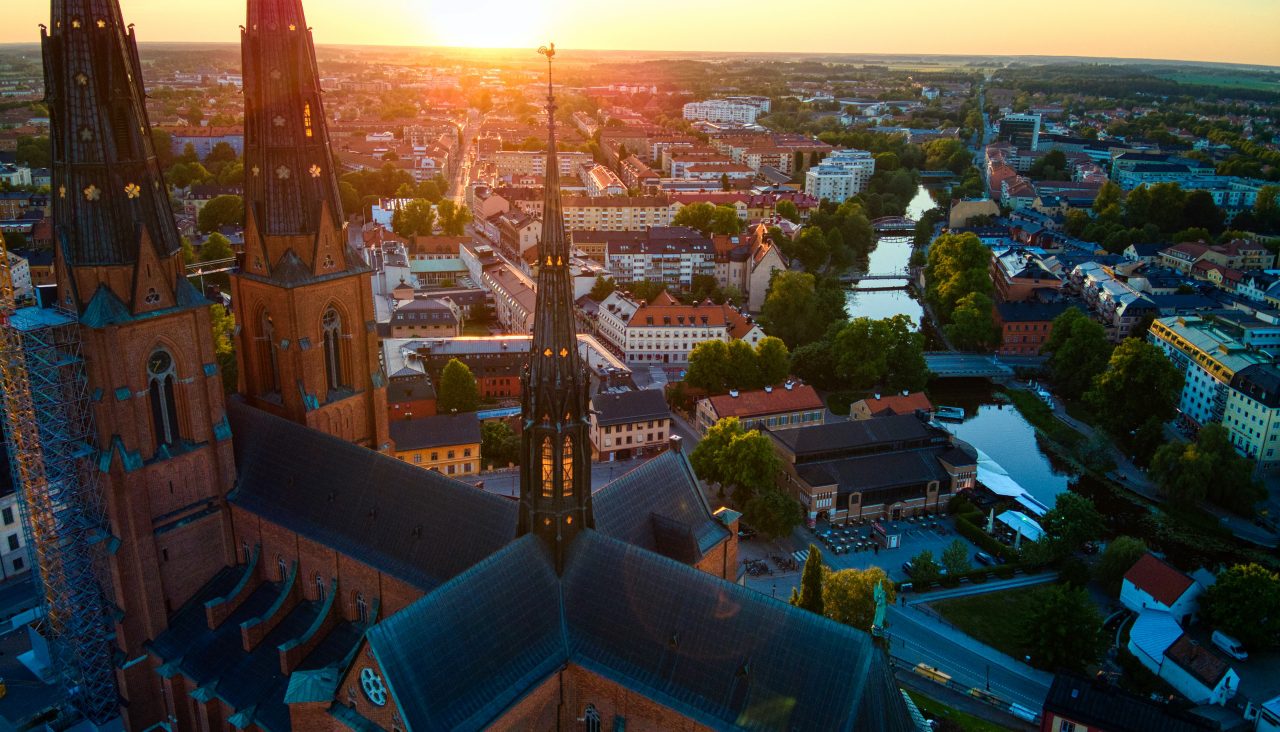
Swedish kings were crowned in Uppsala for centuries, and the huge cathedral where it happened still rules the skyline. I spent three days here one spring, and it was a very different kind of Swedish city break. I walked past Viking burial mounds, ate cinnamon buns in the oldest café in town and watched students cycle across the river with books balanced on their handlebars.
Uppsala is Sweden‘s fourth-largest city, with around 177,000 residents, and it sits about 71 km north of Stockholm. It’s home to the oldest university in Scandinavia, founded in 1477, and it’s one of the places where the Swedish nation began. That mix of royal history, student life and riverside calm is what makes the city special. I think Uppsala is worth visiting as a slow two- or three-day trip, or as a day out from the capital if you’re short on time.
This guide covers the pros and cons of Uppsala, where to stay, and what to book. You’ll also find tips on when to go, how long you need, and getting around, so you can decide whether it suits your kind of trip.
In a Rush? Here Are Our Favourite Hotels in Uppsala Sweden
⭐️⭐️⭐️ Elite Hotel Academia – Click here for rates & availability
⭐️⭐️ Radisson Blu Hotel Uppsala – Click here for rates & availability
⭐️ Clarion Hotel Gillet – Click here for rates & availability
Pros of Visiting Uppsala
1. Uppsala Cathedral
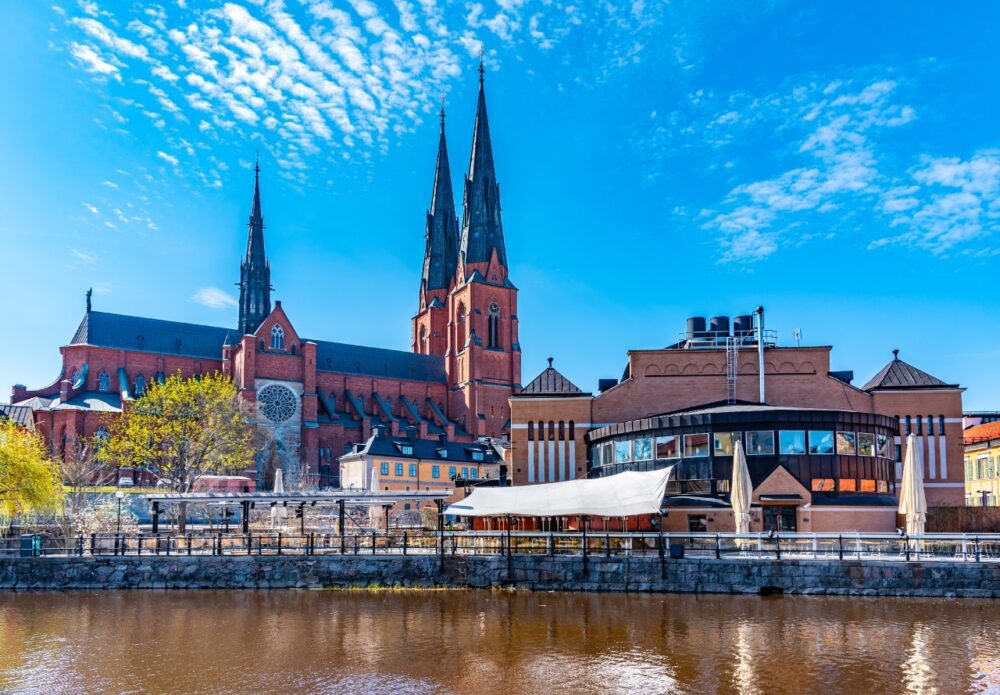
Uppsala Cathedral is the first thing you notice and the last thing you forget. It’s the largest church in Scandinavia, and its twin spires rise 118.7 metres above the rooftops. Swedish monarchs were crowned here until 1719, and the church holds the tombs of Gustav Vasa and the botanist Carl Linnaeus. I stepped in on my first morning, and the soaring brick vaults made me lower my voice. It’s open daily from 8 am to 6 pm, and entry is free. Go early if you want the nave to yourself. The light through the tall windows is best before the tour groups arrive.
Free guided tours run every Sunday all year round, and the Treasury in the north tower costs about 50 SEK (£4). At the back of the building, DomCraft is a craft-beer bar with 20 taps, which makes a cosy stop after your visit. Services sometimes limit access, so check the times before you go!
2. Gamla Uppsala and the Royal Mounds
About 4 km north of the centre, Gamla Uppsala (Old Uppsala) is where Sweden’s story begins. Three giant royal mounds from the Vendel era and the Viking Age rise out of the grass, and around 300 smaller mounds are scattered across the wider site. Medieval writers described a great pagan temple here. I walked beside the mounds in a cold spring breeze, and the whole place felt properly ancient. A 12th-century church stands next to them, and it carries an 11th-century rune stone.
The Gamla Uppsala Museum covers the Viking world with archaeological finds, models and multimedia displays, and you can buy a museum ticket for about 140 SEK (£11). Restaurant Odinsborg serves mead. The site is a 15-minute bus ride from the Central Station, so it fits neatly into a half day. Pack a jacket, because the open fields give the wind plenty of room, and allow time to climb the paths between the mounds.
3. Gustavianum and the University Quarter
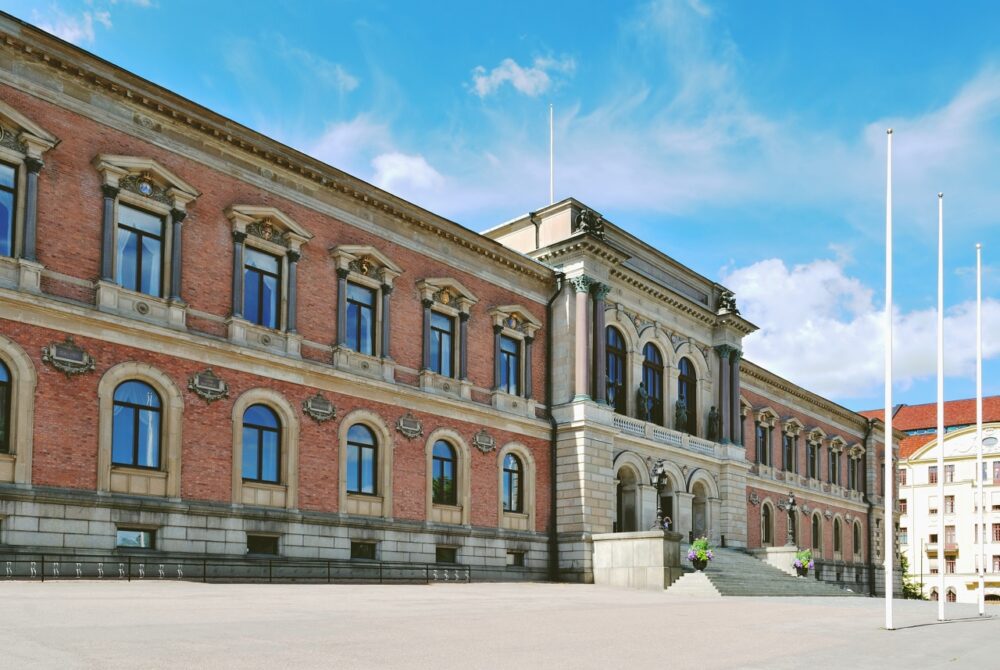
Uppsala University gives the city its energy, and the oldest part of it is beautiful. Gustavianum was built between 1622 and 1625, and it’s the university’s oldest standing building. Inside, Olof Rudbeck’s round anatomical theatre is the star, and the museum also holds Egyptian mummies, Viking finds from Valsgärde and the original Celsius thermometer. I loved the anatomical theatre, where students once watched dissections from the wooden tiers. Runestones stand outside in the university park, which is free to wander.
Carolina Rediviva, the university library, is a short stroll away. It was built between 1820 and 1841, and it holds more than five million volumes. The wide steps in front of it are a favourite spot for students. Stand on them for a minute and watch the city go by. Check the museum’s opening days first, because entry times change through the year. Books and history fill every corner.
4. Uppsala Castle and Museums
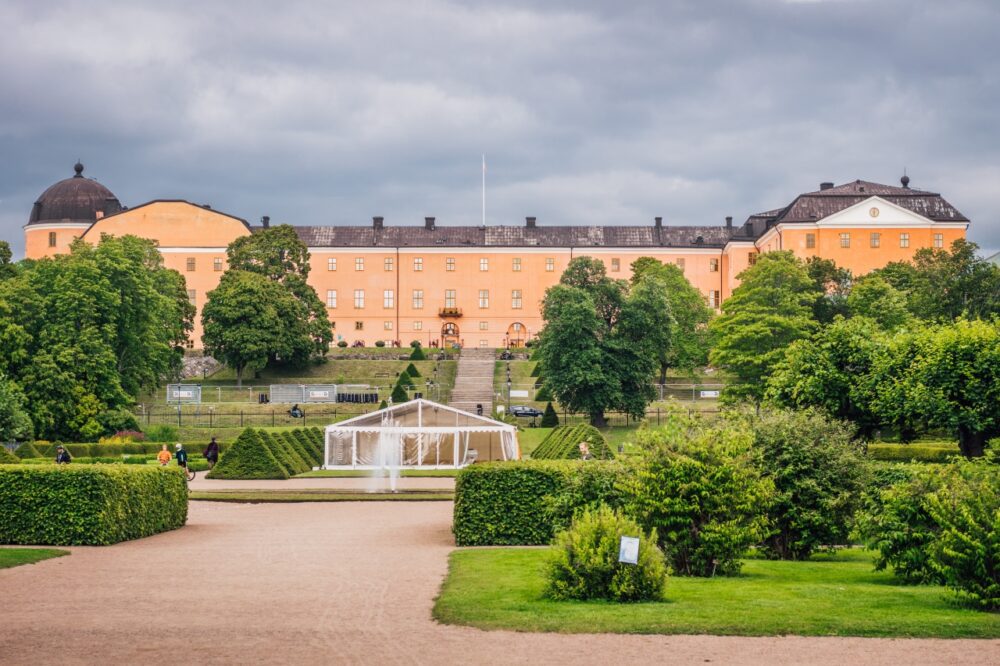
Uppsala Castle sits on a hill above the city, and its pale yellow walls are easy to spot. Gustav Vasa began it in 1549, and it was rebuilt in 1757 after a fire. Today it houses Uppsala Konstmuseum and Fredens Hus, and both are free. The castle interior is open by group tour only, but the grounds give you the best views over the river and the cathedral. I came up here late one afternoon, and the light over the rooftops was gorgeous.
For more history, Upplandsmuseet tells the story of Uppsala and the surrounding region, and you can book a museum ticket for about 140 SEK (£11). Biotopia is a free natural-history museum, and it works well on a rainy afternoon. Add the interactive Cube of Art if you like modern art. It takes about an hour, so it fits between the castle and lunch. Many of the museums are small, so two or three fit comfortably into one day!
5. Linnaeus Garden and Botanic Garden
Carl Linnaeus taught at Uppsala, and his legacy lives on in the Linnaeus Garden. It’s Sweden’s oldest botanical garden, and it’s laid out in neat formal beds. A small museum sits in his former home beside it. I walked the paths on a calm morning, and the garden felt like a living history lesson. It opens for the season in the spring, so check the dates before you go.
Up by the castle, the Botanic Garden was given to the university by Gustav III in 1787. Its 200-year-old orangery grows figs, olives, and agaves, and the tropical greenhouse is a beautiful escape on a grey day. Both gardens take about an hour each. The paths are flat and easy for all ages, and the plant labels explain how Linnaeus organised the natural world. They’re close enough to link in one relaxed morning, with a coffee stop in between.
6. The Fyris River
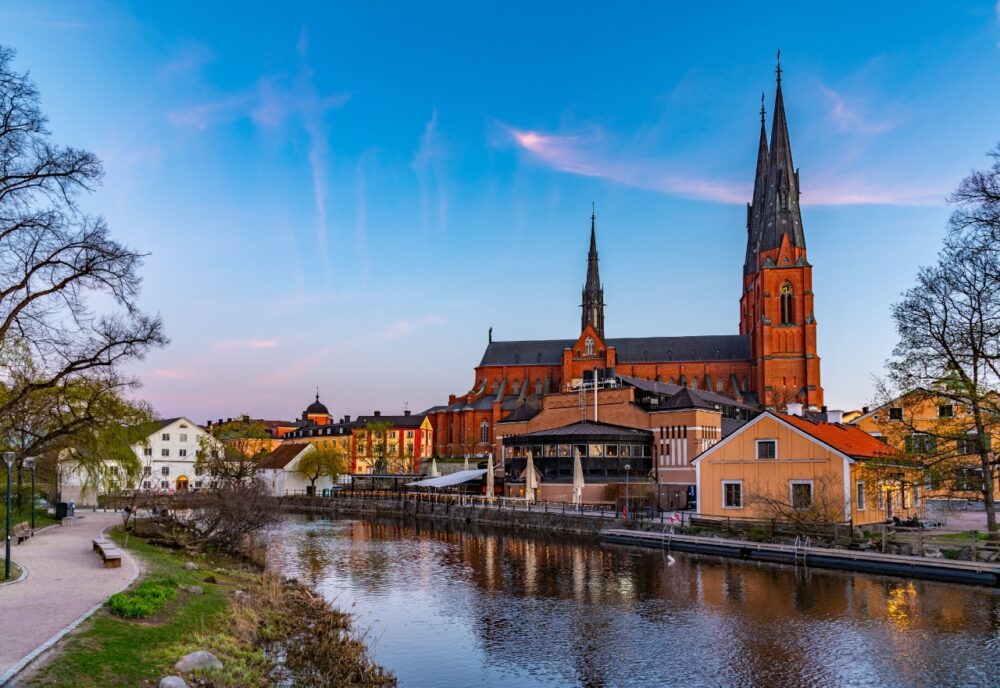
The Fyris River (Fyrisån) cuts straight through the middle of the city, and it’s the heart of Uppsala’s social life. Locals sit along the banks with coffee, and the paths on both sides are perfect for an evening stroll. Järnbron is a graceful iron suspension bridge from 1846, and it’s one of the prettiest photo spots in town. On warm evenings the terraces fill with students, and the riverbank turns into a long outdoor living room. I crossed the river several times a day, because most of my favourite places were on one bank or the other, and each crossing gave a new view.
You can also get out onto the water. A kayak or canoe experience lasts about three hours and lets you paddle through the city and out toward Lake Ekoln. Bryggeriet Ångkvarn is a riverside brewery on Östra Ågatan, and it’s a great place to finish the day.
7. Fika and Local Food
Uppsala takes fika seriously. Ofvandahls Hovkonditori is the oldest coffee shop in town, and the cinnamon buns and pastries are exactly what you want with a strong coffee. I had one every afternoon, and I don’t regret a single bun. For dinner, Klostergatan 5 is a candlelit Nordic bistro, and it’s a beautiful spot for a slow meal. The old-fashioned interior is half the fun, so grab a table and take your time. Stadsträdgården has an organic vegetarian café if you want something lighter.
If you want to make your own, the cinnamon roll baking class lasts about three hours. You learn the history of fika, bake the rolls and eat them with coffee or tea. It’s a small group, which keeps the class relaxed. The class costs about 690 SEK (£53), and it’s a good rainy-day plan if you’re travelling as a couple or with friends!
8. Valborg and Student Life
Uppsala’s students shape the city, and the biggest party of the year is Valborg on 30 April. The day starts with a champagne breakfast in Stadsträdgården. At 10 am, students race homemade rafts down the Fyris River, and the banks fill with cheering crowds. A cap ceremony follows at Carolinabacken, and bonfires light up the evening, including one at the royal mounds. I visited in spring, and the buzz around the preparations was infectious.
The champagne gallop at the student nations is for students only, but you can watch from the sidelines. Even if you miss the main day, the spring term has plenty of concerts and student events. Wear something warm, because the river air is chilly even on sunny days. The nations are historic student societies, and they run clubs, pubs and events all year. The city is busy and full of spirit that weekend. Book your hotel months ahead, because rooms disappear fast.
9. Parks and Green Spaces
Uppsala is a green city, and nature starts right at the edge of the centre. Stadsträdgården is a leafy park with flower beds and a café, and it’s a great place to picnic. Stadsskogen is a nature reserve with two hiking trails, and it’s perfect if you need a break from sightseeing. Don’t miss the paths along the Fyris River either. I spent a lazy afternoon in Stadsträdgården with a book and a coffee, and it was one of my favourite hours of the trip.
The city is flat, and cycling is the easiest way to link the parks. Uppsala has more bikes than residents, and the lanes are well maintained. A mountain bike rental lasts three hours and comes with tips on local trails. Bring a light jacket, because the breeze picks up near the water. Pack a picnic and a flask, and you can easily fill an afternoon.
10. Easy Day Trips
Uppsala is a very easy base for day trips. Stockholm is only about 40 minutes away by train, and services run all day. The trains are clean, fast and easy to book on the day. Sigtuna, one of Sweden’s oldest towns, sits between the two cities and has a charming lakeside high street, plus runestones and ruined churches that are free to explore. Many people do it the other way round and visit Uppsala as a day trip from the capital, which also works well.
If you want a guide, the Viking sites small group tour takes in Uppsala and Sigtuna in about nine hours, and it starts in Stockholm. You can use it as a base for a longer Sweden trip. Check the last train back before you go, and keep the SJ app handy for live departures, since services are frequent but not endless late at night!
Cons of Visiting Uppsala
1. Changeable Weather
Sweden’s weather can be moody, and Uppsala has no special shelter from it. The January average is about -2.7°C, and the summer highs reach only around 18°C in July. August is the wettest month, and spring can swing between sunshine and sleet in the same afternoon. I was glad I’d packed a warm layer and a waterproof jacket, because the wind off the plain cut through everything.
The best fix is to pack layers and keep a few indoor stops in your pocket. Gustavianum, Upplandsmuseet, Biotopia and the cathedral are all good wet-weather options, and a long fika always helps. The summer light is the reward, with more than 18 hours of sunshine around the solstice. The weather is rarely a deal breaker, and Uppsala is still worth it.
2. High Prices
Sweden isn’t cheap, and Uppsala follows the national pattern. A coffee and a bun cost about 70 SEK (£5), and a main course in a normal restaurant runs from 180 to 300 SEK (£14 to £23). A beer costs around 85 SEK (£6.50). Hotels in the centre are pricey too, and three nights usually cost between £220 and £450.
There are plenty of ways to save. Many restaurants serve a cheaper weekday lunch, and the cathedral, the castle museums, Biotopia and the parks are all free. Walking and cycling cost nothing, and the train from Stockholm is only about 80 to 150 SEK (£6 to £12). Hostels and aparthotels with shared kitchens help too. You get a lot for your money here, and Uppsala is still good value.
3. Quiet Evenings
Uppsala is a student town, and the real nightlife happens inside the student nations. Many of them are open to members only, so you can feel left out. Outside term time, the centre gets very calm after dinner. I wandered back to my hotel at 10 pm one night, and I almost had the streets to myself. If you want clubs and cocktail bars, Stockholm is a better choice.
Look for evening plans that suit a smaller city. Try a brewery on the river, a late dinner at a bistro or a stroll across Järnbron when the lights come on. Some pubs and nations welcome people on public nights, so ask locally. A quiet evening is a plus if you want to relax, and Uppsala is still worth it!
4. Seasonal and Tour-Only Sights
A few of Uppsala’s best sights have limits. The castle interior opens by group tour only, and the Linnaeus Garden runs on a seasonal schedule. Some guided tours and the open-air Disagården run mainly in summer. I turned up at one place hoping to wander in, and I found a locked gate and a sign with dates.
Plan around it and check opening times before you head out. Use cloudy days for museums and clear days for the mounds, the gardens and the river. If a sight is closed, you’ll always find something else nearby. Cathedral, Gustavianum and Upplandsmuseet are open for most of the year, so you won’t run out of things to see. The seasonal quirks are minor, and Uppsala still rewards you.
5. Overshadowed by Stockholm
Plenty of travellers treat Uppsala as a quick day trip from the capital. They arrive mid-morning, see the cathedral and leave before dinner, so the city can feel like an afterthought. The centre is small, and the big sights can be done in a day. I met a few people who were catching the afternoon train, and they’d missed Gamla Uppsala completely. It’s a shame, because the city rewards a slower look.
The answer is to stay a couple of nights and enjoy the quieter hours. Mornings by the river and evenings in the old streets feel completely different without the day-trip crowd. Staying also gives you time for Gamla Uppsala and the gardens. Give the city two or three days, and it’s absolutely worth it.
Where to Stay
City Centre: The City Centre is where I stayed, and it’s the best base for a first visit. The cathedral, the Fyris River and the best cafés are on your doorstep, and the train station is a short walk away. The downside is the price, and weekend nights can be lively near the river. Elite Hotel Academia is a 4-star with a restaurant, a bar, a sauna and a fitness centre. Clarion Hotel Gillet has a spa, a hot tub, a sauna and a restaurant. Foundry Hotel Apartments is an aparthotel on Östra Ågatan with family rooms and a lift.
Station Area: This area is ideal if you’re arriving by train from Stockholm or Arlanda. You can drop your bags in minutes, and the centre is a short walk away. It feels more business-like in the evenings. Radisson Blu Hotel Uppsala is a 4-star beside the station with a sauna, a fitness centre, a restaurant and a terrace. Grand Hotell Hörnan is a 4-star with a bar, a coffee house and 24-hour room service. Best Western Hotel Svava is a 3-star with a bar, a shared lounge and family rooms!
University and Castle Quarter: This is the prettiest and calmest part of town, with the university buildings, the botanic garden and the castle nearby. It’s quiet at night, and the trade-off is that fewer restaurants sit right outside your door. Akademihotellet is a 3-star by the castle with a coffee house, a garden and art galleries. Best Western Uppsala is a 3-star with a shared kitchen, a snack bar and a lounge. Uppsala City Hostel is the budget pick, with a shared kitchen and a lounge.
Dragarbrunnsgatan and North Centre: This area suits you if you like shops, cafés and local streets. It’s slightly cheaper than the riverside, and the walk to the cathedral takes about 10 minutes. Scandic Uplandia is a 3-star with a sauna, a fitness centre, a restaurant and a minimarket. Duvan Hotell is a simple, good-value pick on Dragarbrunnsgatan. Botanika Uppsala is a 3-star in the north-west with a restaurant, a bar, a garden and a terrace.
Best Things to Do
Here are the tours, tickets and free stops I’d put on your list.
- Walking Tour of Uppsala’s Historic Centre: A three-hour guided walk through the old streets, with stops at the cathedral and the castle. It’s the best way to learn how the city grew.
- Gamla Uppsala Museum Entry Ticket: Entry to the museum at Old Uppsala, with archaeological finds, models and multimedia displays on the Viking world and the Iron Age.
- Upplandsmuseet Entry Ticket: A museum on the history of Uppsala and the wider Uppland region, with a museum shop. Entry is free for children.
- Swedish Cinnamon Roll Baking Class: A three-hour small-group class that covers the history of fika. You bake the rolls and eat them with coffee or tea.
- Kayaking or Canoeing Experience: A three-hour paddle on the Fyris River and Lake Ekoln, with pickup available.
- Cube of Art Interactive Entry Ticket: A one-hour interactive art experience, and a fun pick for families and anyone who likes a hands-on gallery.
- Mountain Bike Rental with Helmet: Three hours on two wheels, with tips on local trails. You can return the bike outside opening hours.
- Viking Sites Small Group Tour: A nine-hour day trip that covers Uppsala and Sigtuna. It starts in Stockholm, so it suits you if you’re staying there.
- Uppsala Cathedral: Scandinavia’s largest church, with royal tombs and a free Sunday tour. Add the Treasury for about 50 SEK (£4).
- Linnaeus Garden: Sweden’s oldest botanical garden, with formal beds and a small museum in Linnaeus’s former home.
- Uppsala Castle: A hilltop castle with two free museums, Uppsala Konstmuseum and Fredens Hus. The grounds have the best view over the river and the cathedral.
Best Time to Visit
Spring (March to May): I visited in spring, and I’d happily go back. The days stretch out, the parks turn green and the café tables move outside. Valborg on 30 April is the highlight, with river rafting, champagne breakfasts, and bonfires, and it’s one of the biggest parties in Sweden. The Linnaeus Garden opens for the season in May. Crowds are small outside Valborg weekend, and hotels cost less than in summer. Pack a warm jacket, because mornings can be cold.
Summer (June to August): Summer is the most relaxed season. July highs average about 18°C, and the sun stays up for more than 18 hours around the solstice. Many students leave, so the city is calmer, and the terraces along the river fill up. August is the wettest month, so bring a light waterproof. Disagården runs free guided tours at 1 pm each day in summer!
Autumn (September to November): Autumn is cosy and quiet. The trees turn gold, the students return and the cafés buzz again. The Allt ljus på Uppsala light festival fills the city with illuminations in November. The days get shorter and wetter, so it’s a good time for museums and long fika breaks.
Winter (December to February): Winter is cold and dark, with January averaging about -2.7°C. Christmas markets pop up in December at Gamla Uppsala and the Botanical Garden. Hotels are cheaper, and the cathedral looks magical in the low light. Some outdoor sights close, so plan for more time indoors.
How Long to Spend
1-2 Days: That’s enough for the highlights. Spend one day around the cathedral, Gustavianum and the castle, with a fika break in between. On the second day, take the bus to Gamla Uppsala and finish with a walk along the river. It works well as a quick trip from Stockholm.
3-4 Days: I spent three days here, and it felt like the sweet spot. You’ll have time for the cathedral, the university quarter, Gamla Uppsala and both gardens, plus an afternoon on the water or a baking class. Add a half-day trip to Sigtuna. It’s relaxed, and you won’t feel rushed.
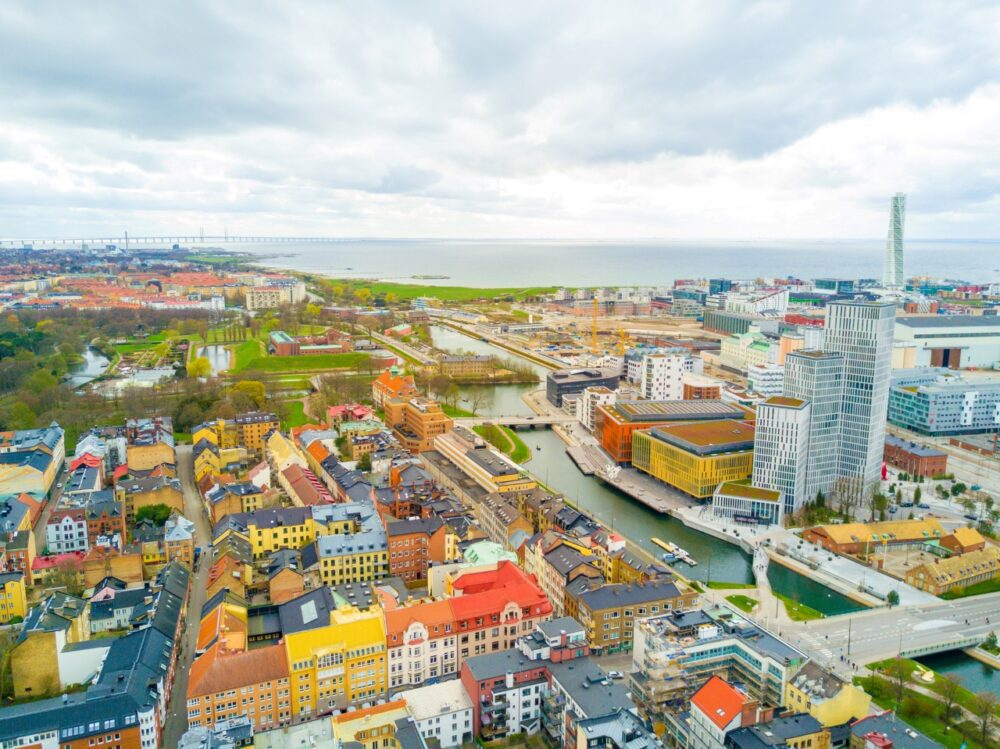
5-7 Days: With a week, you can add Stockholm, a longer cycle ride and a slow day in Stadsskogen. You’ll also have time for museums like Upplandsmuseet and Biotopia, and a few lazy evenings by the river. Most people don’t need this long, but it suits slow travellers who want a base between Stockholm and the rest of Sweden. If you want to explore more of Sweden, give Gothenburg and Malmo their own stays rather than trying to visit them from Uppsala.
Getting Around
On foot: Uppsala is compact, and walking is the best way to see the centre. The Central Station is about 10 minutes from the cathedral, and the main sights sit close together. The Fyris River splits the centre in two, with bridges every few minutes!
By bike: The city is flat, with well-kept cycle lanes, and locals cycle everywhere. You can book a mountain bike rental for a few hours, or hire a city bike from a local shop for about 100 to 150 SEK (£8 to £12) a day. The Destination Uppsala cycling guide lists rental shops and routes. Lock your bike every time you stop.
Buses: UL (Upplands Lokaltrafik) runs the city buses, and you buy tickets in the UL app. City buses also reach Gamla Uppsala, and the ride takes about 15 minutes from the station. Stockholm’s SL cards don’t work in Uppsala, so download the UL app before you go.
Taxi and Uber: Uppsala Taxi, Taxi Kurir and Uber all operate in the city. They’re pricey, so I’d save them for late nights, bad weather or heavy luggage.
To and from the airport: Most people fly into Stockholm Arlanda. The direct train from SkyCity takes about 15 to 18 minutes, and you pay an airport passage fee on top of the fare. The UL bus 801 takes around 50 minutes from Terminals 2 to 5, and the Flygbussarna airport coach takes about 40 minutes. A one-way trip costs about 150 to 200 SEK (£12 to £15) including the fee. Taxis wait at the arrivals hall at fixed prices. If you’re pairing Uppsala with Stockholm, you can pre-book a private transfer between Arlanda and Stockholm for up to three people. From Stockholm, the SJ train takes about 40 minutes and costs around 80 to 150 SEK (£6 to £12). Line up your journey back before you travel, especially for early flights.
Final Thoughts: Is Uppsala Worth Visiting?
Yes, Uppsala is worth visiting. It’s a historic, youthful city with a giant cathedral, Viking mounds and a calm river running through the middle. The cathedral, Gamla Uppsala and the fika stops were the highlights of my trip.
The downsides are real. It’s expensive, the weather can turn and the evenings are quiet. But a little planning goes a long way. Pack layers, check opening times and stay at least one night!
If you like history, gardens and a relaxed pace, Uppsala is a great option. Three days is the ideal length, and the City Centre makes an easy base. Use the hotel and tour links above to start planning.