
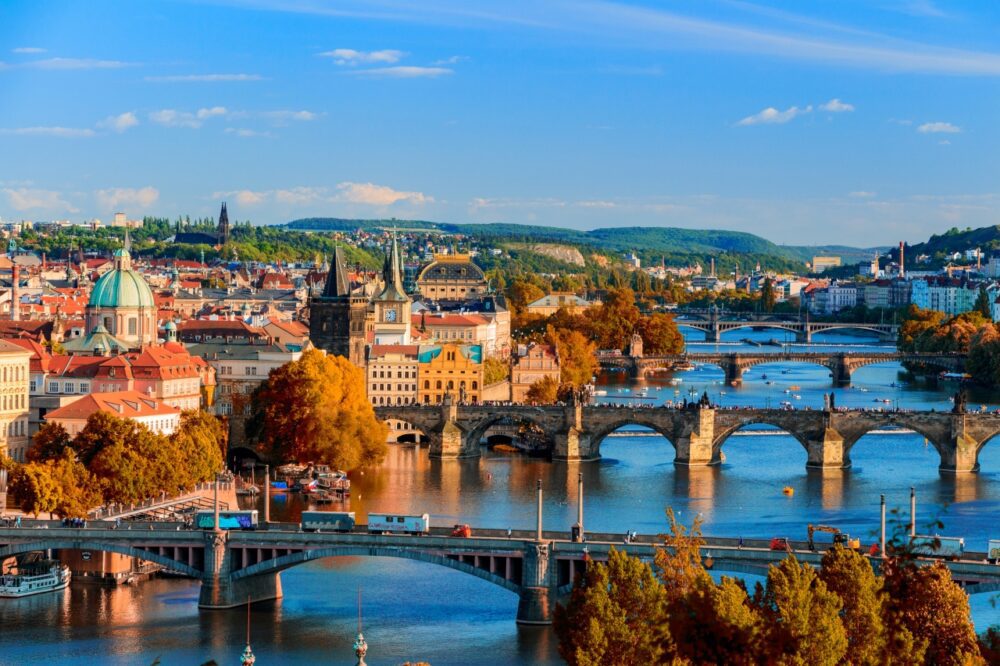
I still remember my first morning in Prague. I woke up early, jet-lagged, and walked down to the Charles Bridge before sunrise. The mist was still sitting over the Vltava River. A few street cleaners were sweeping the cobblestones. No tour groups yet, no souvenir sellers, just me and a city that looked like it belonged in a fairy tale. That walk hooked me. I’ve been back four times since, in every season, and I’ve stayed in five different neighborhoods trying to figure out where visitors actually get the most value.
So is Prague worth visiting in 2026? Short answer: yes, for most travelers. But it depends on what you want from a trip. Prague isn’t a beach holiday. It isn’t a party-all-night destination either, even though the stag-do crowd would have you believe otherwise. It’s a walkable, history-heavy, budget-friendly European city that rewards people who like architecture, beer, and getting a little lost on foot.
In this guide, I’ll walk you through the real pros and cons of visiting Prague, based on my own trips, not just guidebook copy-paste. I’ll also cover where to stay, what to do, and how to get around, so you can decide for yourself whether Prague deserves a spot on your 2026 itinerary.
Table of Contents
Pros – 7 Reasons Prague is Worth Visiting
1. The Old Town Is Genuinely Stunning, Not Just Instagram Bait
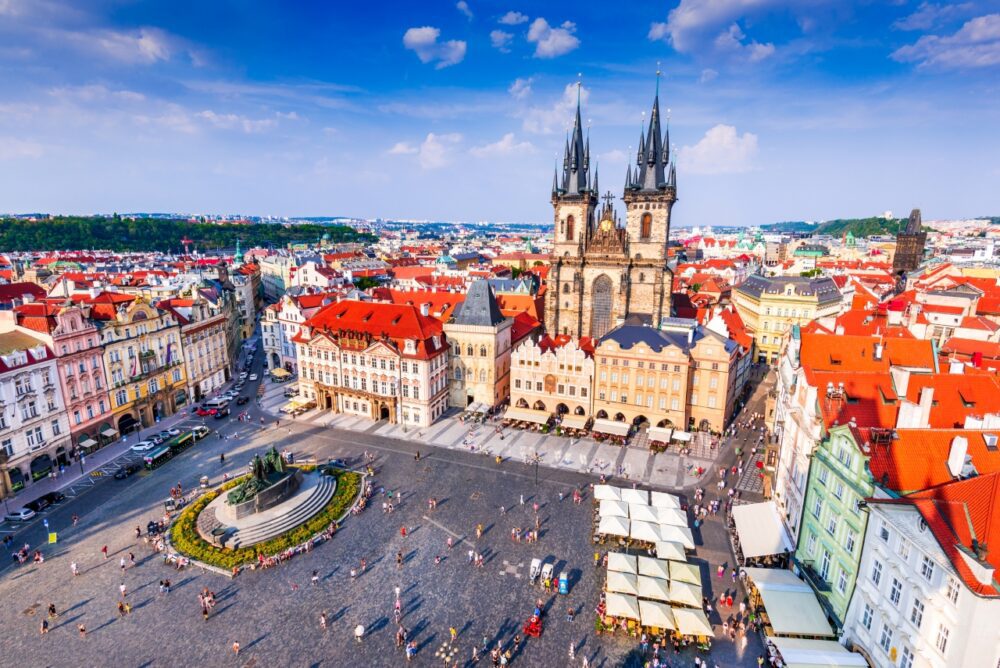
A lot of “beautiful” cities look better in photos than in person. Prague is the opposite. I’ve stood in Old Town Square at 7 a.m. with almost nobody around, and the Gothic spires of the Church of Our Lady before Týn still made me stop and stare. The astronomical clock, the pastel townhouses, the winding lanes near the Jewish Quarter — it’s dense, walkable, and photogenic from almost every angle. You don’t need a great camera or a lucky angle to get a good shot here.
2. It’s One of the Most Affordable Cities in Western or Central Europe
Prague uses the Czech koruna, not the euro, and that keeps prices lower than in Paris, Amsterdam, or Vienna. On my last trip, a solid three-course meal with a beer cost less than a mediocre sandwich combo back home. Hostels start under 20 euros a night, and even mid-range hotels in good locations are reasonable compared to Western Europe. If you’re trying to stretch a travel budget, Prague does a lot of heavy lifting.
3. The Beer Culture Is World-Class, and Cheap
Czechia has the highest beer consumption per capita in the world, and Prague is where that culture is on full display. A half-liter of good Czech pilsner often costs less than bottled water. I spent an afternoon at a small pub in Žižkov where the bartender explained the difference between “tank beer” (unpasteurized, delivered fresh) and bottled beer, and it changed how I order beer everywhere now. Even if you’re not a big drinker, the pub culture itself — communal tables, simple hearty food, no rush to leave — is worth experiencing.
4. Prague Castle and the Surrounding Hill Are Worth the Climb
Prague Castle is one of the largest ancient castle complexes in the world, and it sits above the city on a hill that gives you sweeping views over the red rooftops below. I’ve walked up there in freezing January and sticky July, and both times the view from the top made the climb worth it. St. Vitus Cathedral inside the complex is enormous and detailed enough that you could spend an hour just looking at the stained glass.
5. It’s Compact and Walkable
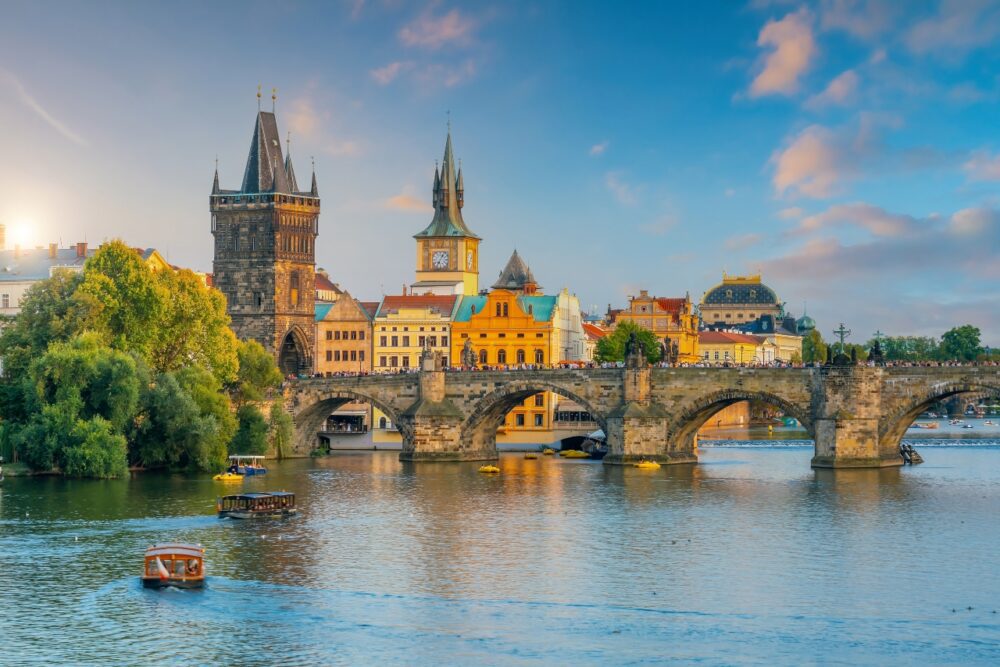
Many of Prague’s major sights sit within a couple of kilometers of each other. On my second trip, I didn’t take a single taxi for four days. I walked from my hotel near Wenceslas Square to the Old Town, across the Charles Bridge, up to the castle, and back down into the Lesser Town, all in an afternoon. You don’t need to plan complicated transit routes just to see the highlights, which makes Prague low-stress compared to sprawling cities like London or Rome.
6. The Food Scene Goes Beyond Goulash and Dumplings
Traditional Czech food is heavy and comforting, think roast pork, bread dumplings, and rich gravy, but the modern food scene has grown a lot. On my most recent visit, I ate at a modern bistro near Vinohrady that would compete with restaurants in any major European food city, and I paid a fraction of what I’d pay for the same quality meal in Berlin or Copenhagen. There’s also a strong café culture, with old-school coffeehouses that feel frozen in the Austro-Hungarian era.
7. Day Trips Open Up Even More of the Country
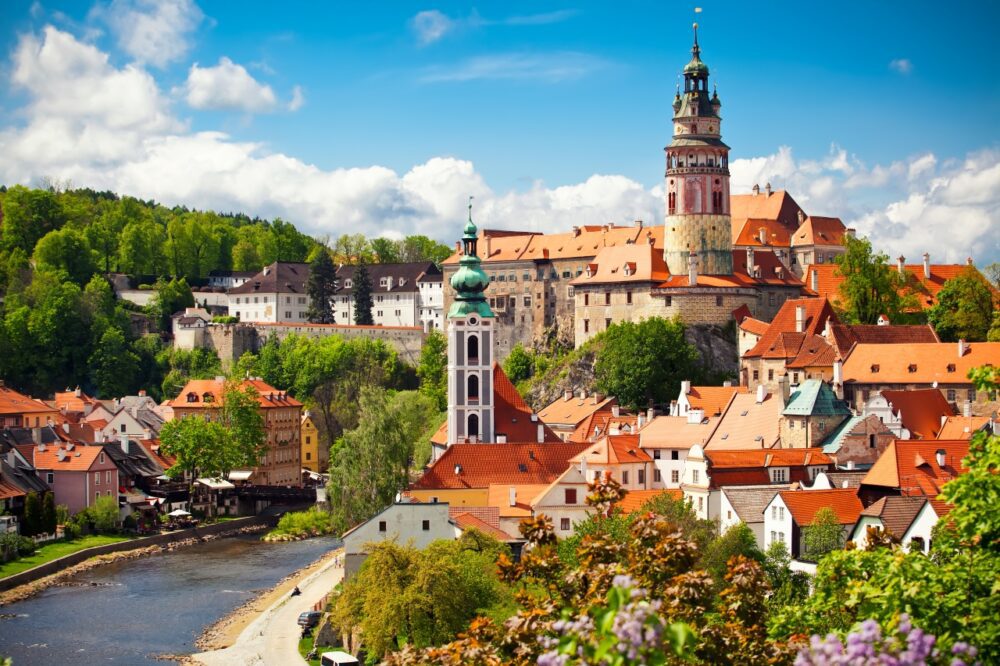
Prague works well as a base for exploring the rest of Czechia. Český Krumlov, a small medieval town about two and a half hours south, is one of the prettiest places I’ve visited in Europe. Kutná Hora, with its unusual bone church, is under an hour away by train. If you have extra days, these trips add real variety to what could otherwise be a city-only itinerary.
Cons – 3 Things to Consider Before Visiting Prague
1. Overtourism in the City Center
The Old Town and Charles Bridge get crowded, especially between 10 a.m. and 6 p.m. from spring through early autumn. On my July trip, I could barely move across the bridge at midday, and some of the narrow lanes near Old Town Square felt more like a theme park queue than a historic neighborhood. If you want the quieter, more atmospheric version of Prague, you need to visit key sights early morning or late evening, or travel in shoulder season.
2. Pickpocketing and Tourist Scams Are a Real Risk
Prague has a reputation, deserved in my experience, for pickpockets in crowded tourist zones and on public transit. A friend traveling with me had a phone lifted from an open jacket pocket on a packed tram near Wenceslas Square. There are also occasional currency exchange scams and restaurants near major sights that quietly inflate bills for tourists. None of this is unique to Prague, but the density of visitors in a small city center makes it worth extra vigilance, especially with your wallet and phone.
3. The Weather Can Work Against You
Prague winters are cold, gray, and get dark by mid-afternoon. I visited once in late November and found the shorter days limited how much sightseeing I could realistically pack in. Summers, on the other hand, can get hot and humid, and that’s also peak crowd season, so you’re trading comfortable weather for bigger crowds and higher prices. Shoulder seasons, April to May and September to October, tend to offer the best balance of decent weather and manageable crowds.
Things to Do in Prague
- Walk across the Charles Bridge at sunrise. This is free, and it’s the single best way to experience the bridge without fighting through crowds of tour groups and vendors.
- Visit Prague Castle and St. Vitus Cathedral. Buy your ticket online in advance to skip some of the line, and budget at least two hours to see the complex properly.
- Explore the Jewish Quarter (Josefov). The Old Jewish Cemetery and the historic synagogues offer a moving, important look at the city’s Jewish history, and the area itself has some of Prague’s best boutique shopping.
- Climb (or take the funicular up) Petřín Hill. There’s a smaller replica of the Eiffel Tower at the top, and the views over the city rival those from the castle, with a fraction of the crowds.
- Take a Vltava River cruise. A short evening cruise gives you a completely different perspective on the bridges and riverside buildings, especially once they’re lit up.
- Watch the Astronomical Clock strike the hour. It’s a quick, free bit of history and mechanical craftsmanship, best enjoyed once, then move along before the crowd builds.
- Spend an afternoon in a traditional beer hall. Places like this pair well with hearty Czech food, and the communal seating makes it easy to strike up a conversation with locals or fellow travelers.
- Wander the Lesser Town (Malá Strana). This neighborhood below the castle has quieter cobblestone streets, hidden gardens, and fewer crowds than the Old Town side of the river.
- Visit the John Lennon Wall. It’s a small, colorful, constantly repainted piece of counterculture history tucked into a quiet street, and it only takes a few minutes to see.
- Take a day trip to Český Krumlov or Kutná Hora. Both towns are easy to reach by train or organized tour and offer a completely different, slower-paced side of Czechia outside the capital.
Where to Stay in Prague
- Old Town (Staré Město): The most central option, with major sights within walking distance. Expect higher prices and more noise, but unbeatable convenience if it’s your first visit.
- Lesser Town (Malá Strana): Quieter and more residential, sitting right below the castle. I stayed here on my third trip and loved waking up to nearly empty streets before the day-trippers arrived.
- New Town (Nové Město): Home to Wenceslas Square, this area has a good mix of shopping, restaurants, and hotels at more moderate prices than the Old Town, while still being an easy walk to the center.
- Vinohrady: A leafy, mostly residential neighborhood popular with young professionals and expats. It has a great café and restaurant scene, and it’s a short tram ride from the center, ideal if you want a more local feel.
- Žižkov: Prague’s edgier, more bohemian district, known for its nightlife and pub scene. It’s a bit further from the main sights but offers cheaper accommodation and an authentic, lived-in vibe.
Getting Around Prague
Prague has one of the best public transit systems I’ve used in Europe, and it’s cheap. The metro covers longer distances quickly and reliably, with three lines that connect most parts of the city. I use it mainly to get from my hotel into the center each morning, since it’s faster than walking or dealing with tram transfers.
Trams are my personal favorite way to get around. They run frequently, cover areas the metro doesn’t reach, and give you a nice view of the city as you move through it. Buses fill in the gaps further from the center, though most visitors won’t need them much if they’re staying centrally.
Walking is honestly the best way to experience Prague’s core. The Old Town, Lesser Town, and castle area are all close enough together that a good pair of shoes will get you further than any ticket will. For longer days, I’ve also rented a bike along the river, which is a pleasant way to cover ground on a sunny afternoon without the crowds you’d hit on foot in the busiest streets. I’d avoid driving entirely; parking is limited and the historic center has restricted vehicle access anyway.
Conclusion: So, Is Prague Worth Visiting?
Based on four trips and a lot of tired feet, my honest answer is yes. Prague earns its reputation as one of Europe’s most beautiful and affordable cities. The architecture, the beer culture, the castle views, and the walkability all make it an easy recommendation, especially for travelers on a budget or anyone visiting Central Europe for the first time.
That said, go in with realistic expectations. The city center gets crowded, pickpockets are a genuine concern in tourist zones, and the weather can be unforgiving depending on when you visit. None of these are dealbreakers, but they’re worth planning around, whether that means visiting the Charles Bridge at sunrise or keeping a closer eye on your bag on the tram.
If you’re asking yourself “is Prague worth visiting” while planning a 2026 European trip, I’d say book the flight. Just build in a little strategy around timing and crowds, and you’ll get the fairy-tale version of the city I fell for on that quiet, misty morning years ago.