Is Pilsen Worth Visiting? Pros, Cons and Travel Tips (2026)
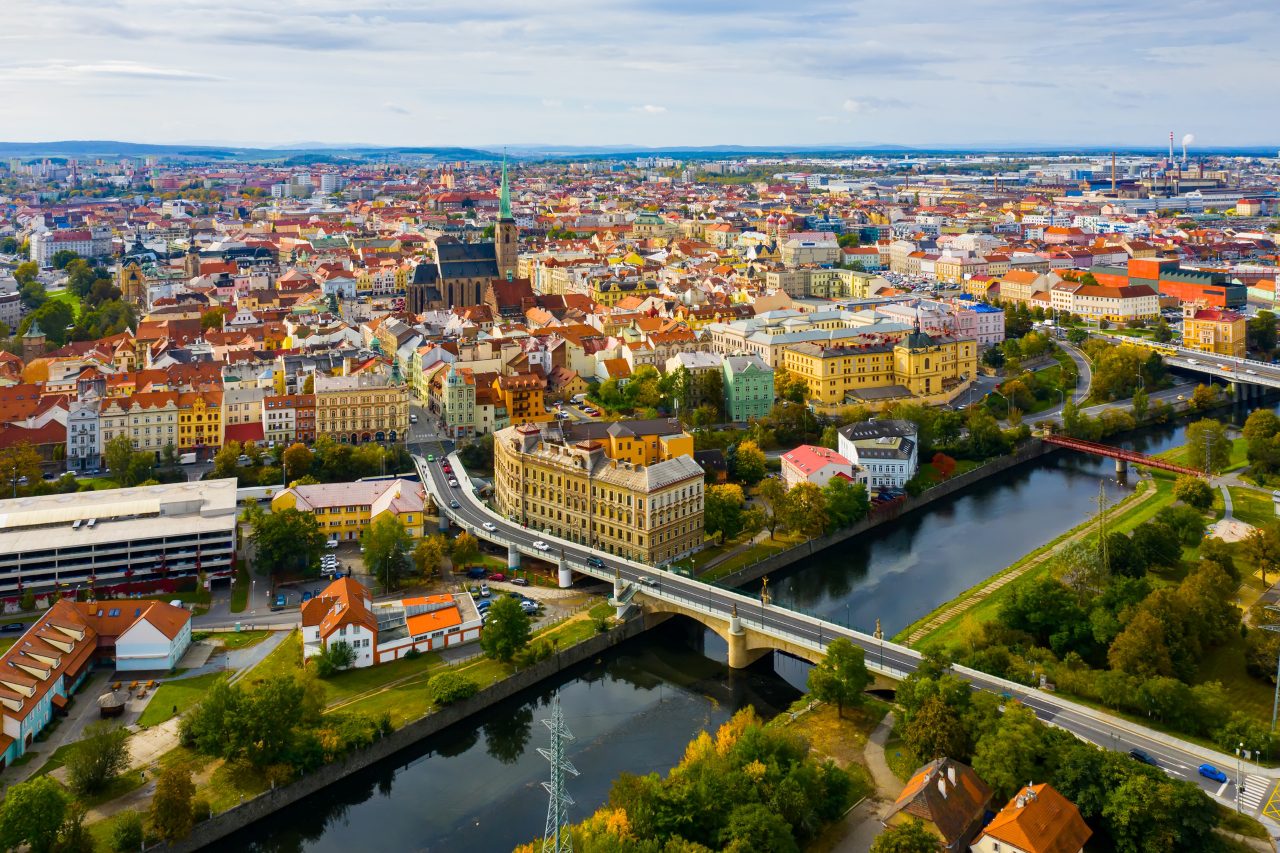
Pilsen (Plzeň in Czech) is the fourth-largest city in the Czech Republic and the birthplace of the world’s first golden lager. Most people only see it on a rushed day trip from Prague, with a brewery tour squeezed in before the train home. I finally went one spring and stayed properly, and it turned out to be much more than a beer stop.
Pilsen is worth visiting if you like beer, history and compact cities that are easy to explore on foot. It has one of the world’s most famous breweries, a maze of medieval cellars under the streets, the tallest church tower in the country and one of the biggest synagogues on the planet. It’s also calmer and cheaper than Prague, although it has fewer sights, so it suits a short trip better than a long one.
This guide covers what I loved about Pilsen and what to watch out for. It also explains when to go, what to book, where to stay and how to get around, so you can decide how much time the city deserves.
Pros – Reasons Pilsen is Worth Visiting
1. The Pilsner Urquell Brewery
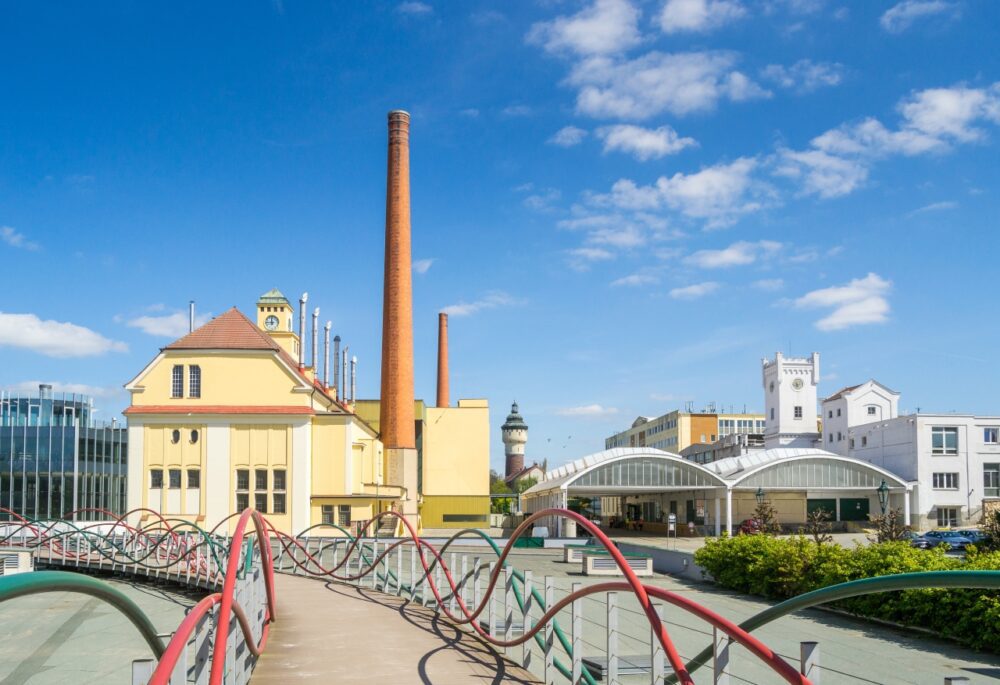
Pilsner Urquell is the reason most people come, and the brewery lives up to the hype. The first golden pilsner was brewed here in 1842 by Josef Groll, and the style went on to inspire lagers all over the world. Today the brewery makes nearly three million beers a day, and the Pilsner Urquell Brewery tour costs 430 Kč (£15).
The 100-minute tour takes you by bus to a bottling line that fills 120,000 bottles an hour. Then you ride the biggest passenger lift in the country to a panoramic cinema and an exhibit about the ingredients. The best part comes at the end, when you taste unfiltered beer straight from the barrel in the historic cellars. You can’t buy that version anywhere else, so it’s worth planning your trip around it. You can book the brewery tour online in advance.
2. The Historic Underground
Pilsen has one of the largest underground systems in Central Europe. The passages date back to the end of the 13th century, when townspeople dug cellars under their houses to store food and brew beer. Over the centuries the cellars grew into connected tunnels, and they also served as shelters in times of war. The system runs for nearly 14 km, and the tour covers a route of about 800 metres.
I enjoyed seeing the city from below. The tour starts in an old ice cellar, passes wells and cellars and visits a 16th-century water tower with the remains of a pumping machine. It lasts about an hour and costs 190 Kč (£6.65), and the temperature stays at around 6°C all year, so bring a warm layer. The Historic Underground tour finishes at the Brewery Museum, and visitors over 18 get a can of beer.
3. Republic Square
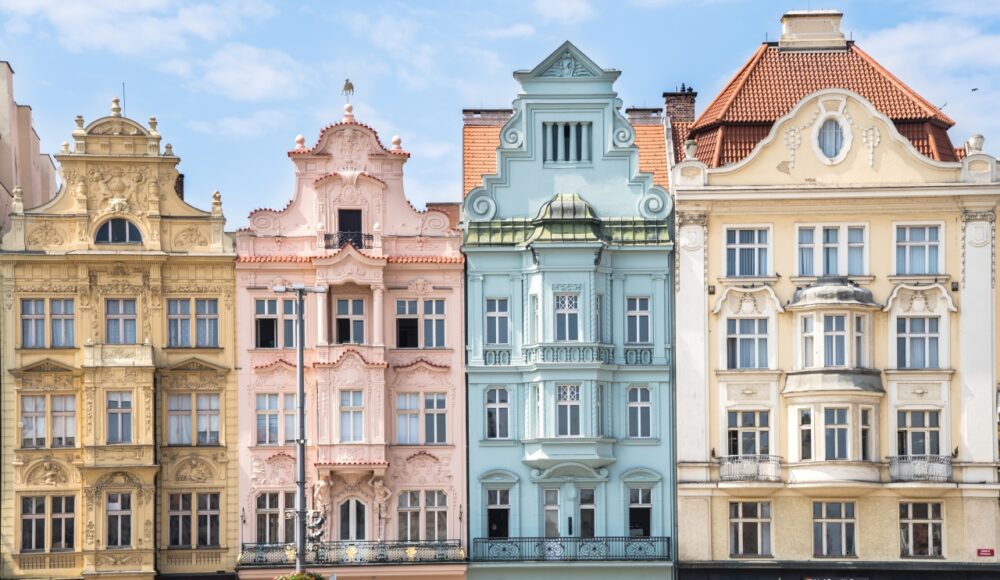
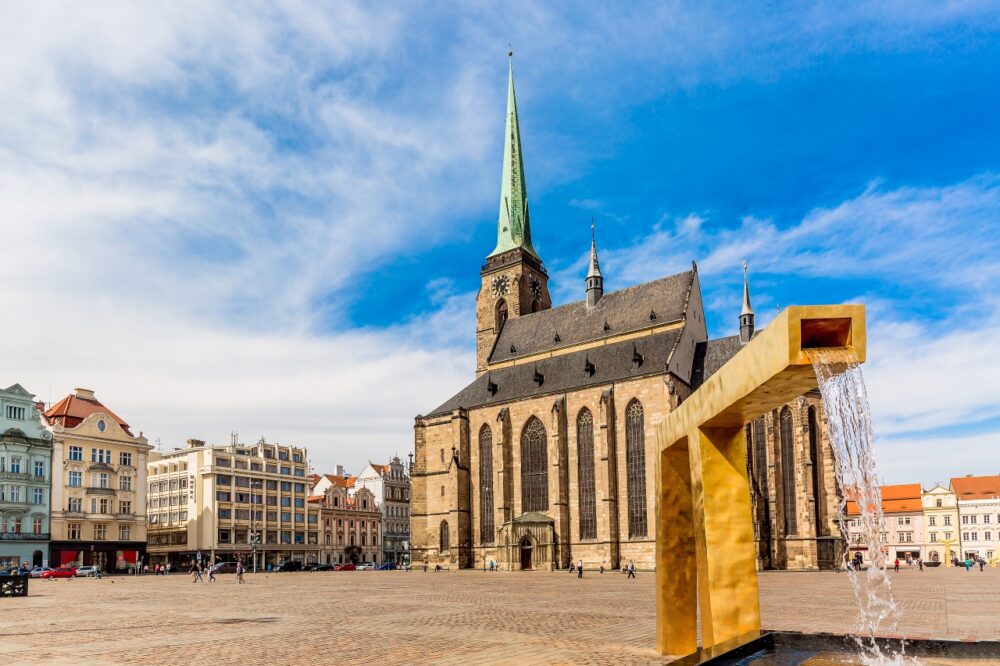
Republic Square (náměstí Republiky) is the heart of Pilsen. The city was laid out in 1295 on a neat grid, so the square is wide and open, and it’s ringed by colourful Renaissance and baroque townhouses. The Renaissance town hall sits on one side, with a painted facade and a model of the city inside. A baroque plague column stands nearby, and it’s topped with a copy of the Pilsen Madonna from the cathedral.
The square is also where the city comes together. Cafés put out tables as soon as the weather warms up, and the pubs around the edge fill up by the evening. I stayed in the Old Town, so I kept ending up here, whether for a morning coffee or a late beer. It’s a good place to slow down after the sights.
4. The Tallest Church Tower in the Czech Republic
St Bartholomew’s Cathedral dominates the square, and its tower is the tallest church tower in the country at 102.26 metres. Construction began around the time the city was founded, and the church became a cathedral in 1993. Inside, the Gothic Pilsen Madonna from around 1390 is the main treasure. The interior is free to enter, and it’s open from 10am to 6pm on weekdays and from 1pm to 6pm at weekends.
The climb is worth it. It’s about 300 steps with no lift, and the views across the chessboard of streets are excellent. On a clear day you can see the forested hills on the horizon, and on very good days you might even spot a slice of the Alps. Back at street level, look for the small iron grating at the rear of the cathedral, where locals rub a little angel for luck. The St Bartholomew’s Cathedral tower costs 110 Kč (£3.85), and it opens daily from 10am to 6:30pm, with the last entry at 6pm.
5. The Great Synagogue
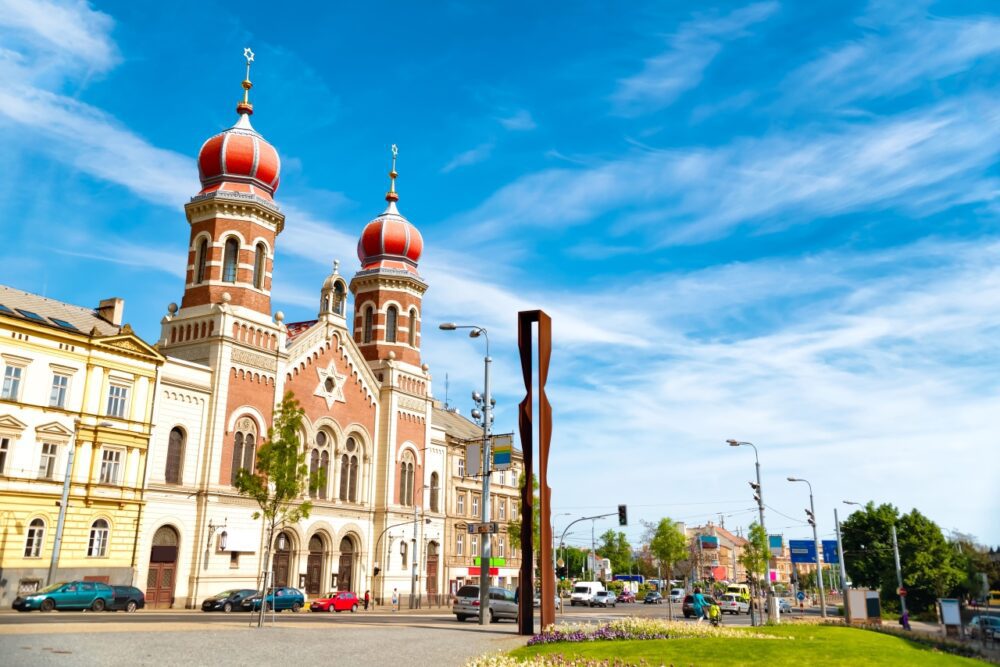
Pilsen’s Great Synagogue is the largest in the Czech Republic and the third largest of its kind in Europe. It opened in 1893 and could once hold about 2,500 people. The Moorish-Romanesque style looks more like something you’d expect in Budapest than in West Bohemia, and the exterior alone makes it worth a detour.
Inside, the huge hall has excellent acoustics, so it also hosts concerts and exhibitions. You can climb to the galleries for a view down into the main space, and there’s a restored ritual bath (mikveh) in the basement. The Great Synagogue costs 140 Kč (£4.90) and opens Sunday to Thursday from 10am to 5pm. It’s closed on Fridays and Saturdays, so plan around that.
6. The Adolf Loos Interiors
One of Pilsen’s best-kept secrets is its collection of apartments designed by the architect Adolf Loos. Loos was a pioneer of modern design, and he created these interiors for Jewish business families in the city. Four of them are open for regular guided tours. They show his love of rich materials and clever use of space, along with the stories of the families who lived there.
The tours run mostly in Czech, but guide texts are available in other languages. You’ll get the most out of them if you like architecture or design, and they make a nice contrast to the medieval sights. The apartments sit in the city centre, so they fit easily into a half day. It’s a good option for a rainy afternoon too.
7. Beer Beyond Pilsner Urquell
Pilsen has more to offer beer lovers than the big brewery. The Brewery Museum sits in a 15th-century brewing house in the Old Town, and it shows how beer was made, served and drunk from the Middle Ages onwards. Highlights include the smallest beer jug in the world, an old brewing laboratory and a Gothic malt house. The visit costs 150 Kč (£5.25) and lasts about an hour.
Then there are the pubs. The brewery’s own restaurant, Na Spilce, serves Czech classics with beer straight from the source, and U Salzmannů is a traditional restaurant and pub close to the centre. A half-litre in a normal pub costs about 50 to 60 Kč (£1.75 to £2.10). If you’d like a guide, a beer and spirit tasting tour visits several pubs over three hours and lets you taste unfiltered Pilsner Urquell or traditional spirits.
8. The Story of the American Liberation
Pilsen has a strong connection to the United States. On 6 May 1945, General Patton’s Third Army liberated the city, and it was the last place where the Allied advance across Europe ended. The communist regime later played down the American role, so people could only celebrate it openly after 1989. Today locals remember it with real warmth, and you’ll see thank-you messages and memorials around the city.
The best time to feel that is in early May, when the annual Liberation Festival fills the streets with vintage military vehicles, re-enactors and veterans’ families. The Thank You America monument and the Patton Memorial are also worth a visit at any time of year. If you like history, this adds a very different layer to a city that most people know only for beer.
9. A Compact and Walkable City
Pilsen is small enough to see on foot. The Old Town, the cathedral, the Great Synagogue and the brewery all sit within about a ten-minute walk of each other, and the flat streets make it easy for almost anyone. The medieval grid helps too, because it’s very hard to get lost.
It’s also easy to reach. Trains from Prague take around an hour and a half, and the main station sits close to the brewery, so you can step off the train and be at the visitor centre within minutes. That also makes Pilsen a handy stop if you’re heading towards Germany. The city is cheaper than Prague, and a weekday lunch menu costs about 180 to 210 Kč (£6.30 to £7.35). That makes Pilsen a low-stress place for a weekend, and it works well as a first stop if you’re travelling west.
10. Parks, Gardens and Family Attractions
A ring of parks follows the line of the old city walls, so there’s always a patch of green close to the centre. The Mlýnská strouha park, which runs along the old mill ditch, is a pleasant walk and has a historic water tower. The gardens are at their best in spring, when the trees are in blossom and the paths fill up with locals. It’s an easy way to spend an hour between sights, and the walk costs nothing.
If you’re travelling with children, there’s plenty to do beyond beer. Techmania Science Center is a hands-on science museum, and the zoo and botanical garden are on the western side of the city. You can also take in the city from the water tower park and finish with an ice cream on the square. It’s a relaxed place for families as well as for adults on a beer trip. The pace is gentle, so you never feel that you’re missing out if you skip something.
Cons – Things to Consider Before Visiting Pilsen
1. There Are Fewer Sights Than in Bigger Cities
Pilsen doesn’t have the long list of attractions that Prague or Vienna has. You can cover the main sights in a day or two, and after that you’ll find yourself repeating the same streets. That suits a short break, but it might disappoint anyone looking for a week of sightseeing.
The simple answer is to match the trip to the city. Two days is plenty, and Pilsen works well when you combine it with another stop, such as Prague or a trip into West Bohemia. Think of it as a city for soaking up the atmosphere rather than ticking off a checklist. If you like slow travel and good pubs, you can stretch it to three days without feeling rushed.
2. Day-Trippers Crowd the Brewery at Midday
Pilsen is one of the most popular day trips from Prague, so the brewery and the main square can get busy around midday. Tour groups arrive by bus, and the popular English tours often fill up. Some people find the brewery experience a little commercial, which is what you’d expect from one of the most visited attractions in the country.
Booking ahead helps, and so does choosing a slot early in the morning or later in the afternoon. The square quietens down after the coaches leave, so evenings are much more pleasant. Staying overnight is the best fix, because you get the city to yourself in the morning and after dinner.
3. Opening Days Can Be Awkward
Some of the top sights have limited hours. The Great Synagogue is closed on Fridays and Saturdays, and the cathedral interior only opens in the afternoon at weekends. The Brewery Museum and the Underground also run on set times, so you can’t always just turn up.
A quick check of the week ahead saves a lot of frustration. I’d put the synagogue on a day from Sunday to Thursday and keep the weekend for the brewery, the tower and the pubs. Outdoor plans, such as the parks or a walk along the old mill ditch, fit into any spare time. The city is small, so it’s easy to rearrange your plans, and you rarely lose more than a few minutes by switching the order of the day.
4. The Underground Is Cold and Not for Everyone
The Historic Underground stays at around 6°C all year, and some of the passages are narrow and low. The route involves steps and uneven floors, so it isn’t suitable for everyone. Children under three aren’t allowed in, and anyone who dislikes enclosed spaces might find it uncomfortable.
If you want to go, wear a warm jacket and sturdy shoes, even on a hot day. The tour only lasts about an hour, which is long enough to enjoy it without getting too cold. If the tunnels don’t appeal, the Brewery Museum above ground covers similar ground in a bright and airy space.
5. It’s a Very Beer-Focused City
Beer runs through almost everything in Pilsen, from the big attractions to the pub culture. If you don’t drink, you’ll still find plenty to see, but you might feel a bit left out of the local social life. Traditional menus are also heavy, with lots of meat, dumplings and gravy.
The city does have options beyond the brewery. You can climb the tower, visit the synagogue, explore the Loos interiors and spend time in the parks. Most pubs also serve non-alcoholic beer and soft drinks, including the Czech cola Kofola. A good café on Republic Square makes a nice break too, and it’s a pleasant place to watch the city go by.
Best Time to Visit Pilsen
I visited Pilsen in spring, and I think it’s a great time to go. The days were mild enough for long walks, the parks were turning green and the terraces around Republic Square were starting to fill up. The city felt quiet and relaxed, and the climb up the cathedral tower was much more pleasant in cool, clear air. If you go in early May, you may also catch the Liberation Festival, which brings vintage military vehicles and re-enactors into the streets. The underground and the brewery cellars stay cool whatever the season, so they’re easy to fit in on any day.
I haven’t been in summer, autumn or winter, but I can imagine what each would be like. Summer should be the liveliest season, with beer gardens open and long evenings, although the main sights could feel busier. Autumn is probably a good time for quieter streets and cooler weather, which suits the cellars and pubs. In winter, I’d expect a Christmas market on Republic Square and cosy pubs, but the cold and short days would limit how much you can do outside. If I went again, I’d choose late spring or early autumn.
Best Things to Do in Pilsen
Pilsen has a good mix of tours, sights and beer experiences, so I’ve picked the ones I’d book first.
- Pilsner Urquell Brewery tour – A guide takes you through the brewery, the bottling hall and the panoramic cinema, then down to the cellars for unfiltered beer straight from the barrel. It lasts about 100 minutes. Book the brewery tour here.
- Historic Underground tour – You walk through medieval cellars, wells and a 16th-century water tower, starting in an old ice cellar. It takes about an hour, and visitors over 18 get a can of beer at the end. Book the Underground tour here.
- Brewery Museum – This museum sits in a 15th-century brewing house and covers the history of beer from the Middle Ages. You can see the smallest beer jug in the world and a Gothic malt house, and adults get a can of beer afterwards. Get the museum ticket here.
- St Bartholomew’s Cathedral tower – About 300 steps lead to a viewing gallery at the top of the tallest church tower in the country. The tower costs 110 Kč (£3.85), and the cathedral interior is free. See the cathedral tower here.
- Great Synagogue – This huge Moorish-Romanesque synagogue from 1893 is one of the largest in the world. It’s open Sunday to Thursday, and admission costs 140 Kč (£4.90). See the Great Synagogue here.
- Pilsen walking tour – A two-hour guided walk takes you through the top sights and some of the hidden corners of the Old Town. It’s a good way to get your bearings on your first morning. Book the walking tour here.
- Panoramic bus tour – An electric bus runs through the historic centre and past the brewery, with an audio guide in 10 languages. It lasts about an hour, and you can add a beer tasting. Book the bus tour here.
- Beer and spirit tasting tour – A guide leads you around some of the city’s best-known pubs over three hours. You taste unfiltered Pilsner Urquell or traditional Czech spirits along the way. See the tasting tour here.
- Pub and club crawl – You visit six bars and clubs with a local guide, and you get a welcome drink at every stop. One of the pubs lets you pour your own beer. Book the pub crawl here.
- Beer bike – A private group pedals a bar on wheels around the city with unlimited Pilsner on tap. The ride lasts 1.5 hours, and a driver looks after the drinks. Book the beer bike here.
- Underground shooting range – You get a one-hour private session with a certified instructor at an indoor range in the city. The package includes a choice of pistols, carbines and a pump-action shotgun, with 73 rounds and eye and ear protection. You must be 18 or over, bring photo ID and send your passport details in advance, as Czech law requires. Book the shooting experience here.
- Liberation Festival – Every May the city celebrates its liberation in 1945 with vintage military vehicles, re-enactors and veterans’ families. It’s free to enjoy, and it’s a great reason to time your trip for early May. See the Liberation Festival here.
Where to Stay in Pilsen
Old Town – This is the best base for a first visit, because Republic Square, the cathedral and most of the pubs are on your doorstep. I stayed here and loved being able to walk to everything, including the brewery. The downsides are some evening noise around the square and slightly higher prices. NOVÉ útulné studio is a good-value studio in the heart of the centre, and Hotel Continental is a three-star on Zbrojnická. Boutique Hotel Rango and Hotel Rous are four-star options, and Spa Beerland – At The Golden Lamb sits right on the square with a spa.
Around the Brewery and Train Station – This is a practical choice if you’re arriving by train or you want an early start at the brewery. The station and the visitor centre are both a short walk away, and you can still reach the square in about 10 minutes. It’s less atmospheric at night, and there are fewer restaurants nearby. Penzion malých pivovarů is a budget guesthouse on Nádražní, and Vienna House Easy by Wyndham Pilsen is a four-star right next to the brewery gate.
West of the Old Town – The area around Smetanovy sady and the Great Synagogue feels calmer and greener, and it’s still an easy walk from the square. You’re close to the synagogue and the parks, although you’ll pass a few busy roads to reach the centre. Hotel Slovan Plzeň is a simple three-star on Smetanovy sady, and Hotel Plzeň is a three-star on Budilova with a terrace.
North of the Centre – The streets north of the park ring are quiet and residential, and they suit you if you’d like a little more space and easy parking. They’re a little further from the pubs, so expect a 10 to 15 minute walk back to the square. Hotel Roudna is a three-star with a restaurant, and Courtyard by Marriott Pilsen is a four-star with a garden and fitness centre. Avenue Pallova 28 is another four-star option close to the centre.
Getting Around Pilsen
Pilsen’s centre is small, so you can walk between the main sights in 10 to 15 minutes. I walked almost everywhere, including to the brewery, and I only needed public transport for longer trips. The city’s trams, trolleybuses and buses are run by PMDP, and the easiest way to pay is to tap a contactless card on the yellow terminals in the vehicle. A 30-minute ticket costs 24 Kč (85p), a one-hour ticket costs 28 Kč (£1), a three-hour ticket costs 50 Kč (£1.75) and a 24-hour ticket costs 84 Kč (£2.95). You can also buy non-transfer tickets for 26 Kč (90p) at newsagents and the tourist information centre on Republic Square. If you’re staying longer, the tourist ticket can be loaded with a season pass for up to 17 days, with a refundable deposit of 100 Kč (£3.50). The Pilsen Card app is handy for buying tickets and checking connections.
If you’d like to cover more ground without hills or crowds, Pilsen Bike rents out electric bikes from stands around the city. You unlock one with the Pilsen Card app or by tapping a contactless card, and it costs 1 Kč (3p) a minute. You can find the stands at the ends of many public transport lines, and the Pilsen Bike service works well for trips to the zoo or the parks. For getting to Pilsen, trains from Prague take around an hour and a half, and the main station is a short walk from the brewery. Taxis and ride-hailing apps are cheap if you’re heading back late at night. The Visit Plzeň transport guide covers parking if you’re arriving by car.
How Long to Spend in Pilsen
Two days is the sweet spot for most people, and three days works if you want to move slowly. The city is compact, and the big sights sit close together, so you can cover a lot without rushing. That makes Pilsen ideal for a short break, or as a stop on the way between Prague and Germany. If you only have a weekend, it’s one of the easiest Czech cities to enjoy without a detailed plan.
With one day, start with the brewery tour in the morning, then walk to Republic Square for lunch and climb the cathedral tower. In the afternoon, take the Historic Underground tour and finish with a pub dinner. Two days lets you add the Great Synagogue, the Adolf Loos interiors and the Brewery Museum, with a slower evening in the pubs. Three days gives you time for the Techmania Science Center, the zoo and botanical garden, and the parks. With a week, you can add day trips to the castle ruins on Radyně Hill, Zbiroh Castle and other towns in West Bohemia, though most people won’t need that long in the city itself.
So, is Pilsen Worth Visiting?
Pilsen is a great option if you want a relaxed city with real character. It has the brewery that changed the way the world drinks beer, a deep network of medieval cellars, a huge synagogue and a very walkable centre. The city feels friendly and unhurried, and it costs less than most bigger European cities.
It isn’t perfect. There are fewer sights than in a major capital, some attractions have awkward opening days and the brewery can get busy at midday. None of that spoiled my trip, because a little planning fixes most of it, and staying overnight helps a lot.
If you’re still deciding, give Pilsen two days and book the brewery tour first. Climb the cathedral tower, go underground and end each evening in a proper pub. I’d happily go back in early May for the Liberation Festival.