
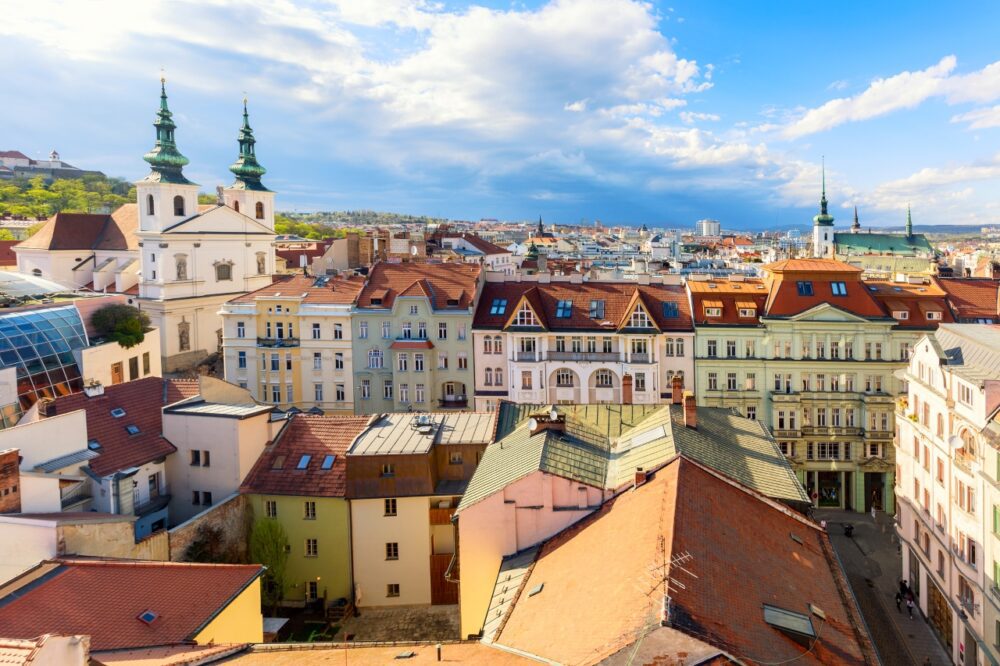
Most people planning a Czech trip stop at Prague and never look further. I did the same thing on my first visit to the country, until a friend talked me into adding a couple of days in Brno. I went in with low expectations, mostly because I’d never heard anyone talk about it. I left wondering why more travelers don’t put it on their list.
Brno is the second-largest city in the Czech Republic, sitting in the South Moravian region a couple of hours from Prague. It has a completely different feel: less crowded, more student-driven, and built around a laid-back café and wine culture rather than beer halls and tour groups. It also has a genuinely strange claim to fame, an actual functioning astronomical clock that drops a marble each day at noon, which tells you a lot about the city’s dry sense of humor.
This post covers exactly what I found on my visit, the good and the not-so-good, so you can decide for yourself whether Brno is worth visiting in 2026. If you’re weighing it up against other Czech destinations, or wondering whether it’s worth the detour from Prague, here’s my honest breakdown.
Table of Contents
Pros – Reasons Brno is Worth Visiting
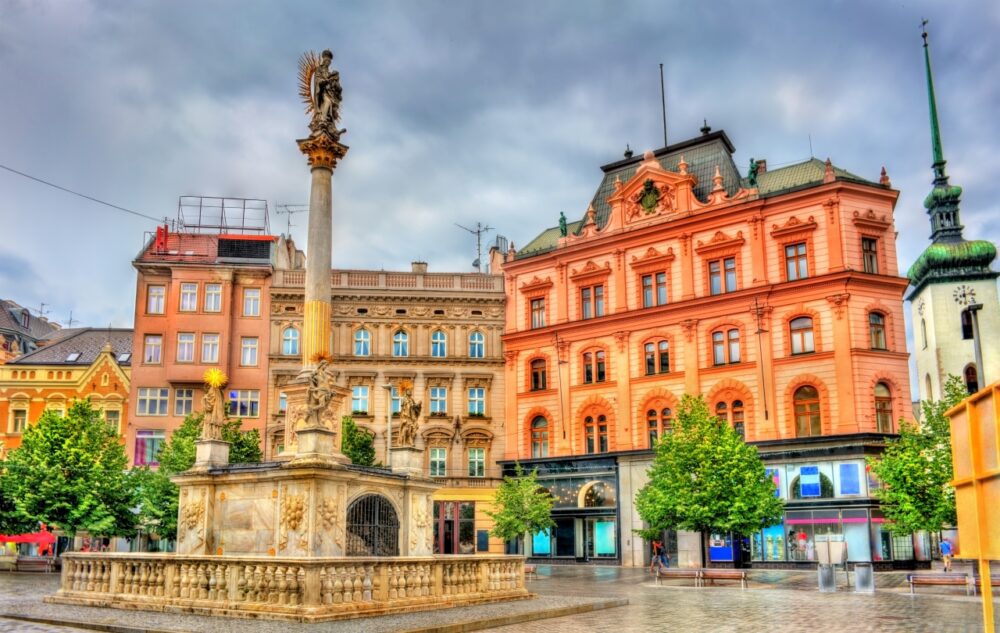
1. It Has a Fraction of Prague’s Crowds
Brno gets a small percentage of the tourists that Prague does, even though it sits in the same country and has plenty to offer. I walked through the main square, Náměstí Svobody, on a weekday afternoon and had space to actually look around without getting jostled by tour groups.
This makes a real difference to how a trip feels. In Prague, I spent time working around crowds and timing visits to avoid them. In Brno, I never had to think about it. If you’ve been asking yourself whether Brno is worth visiting purely because you want a calmer version of a Czech city break, this alone answers it.
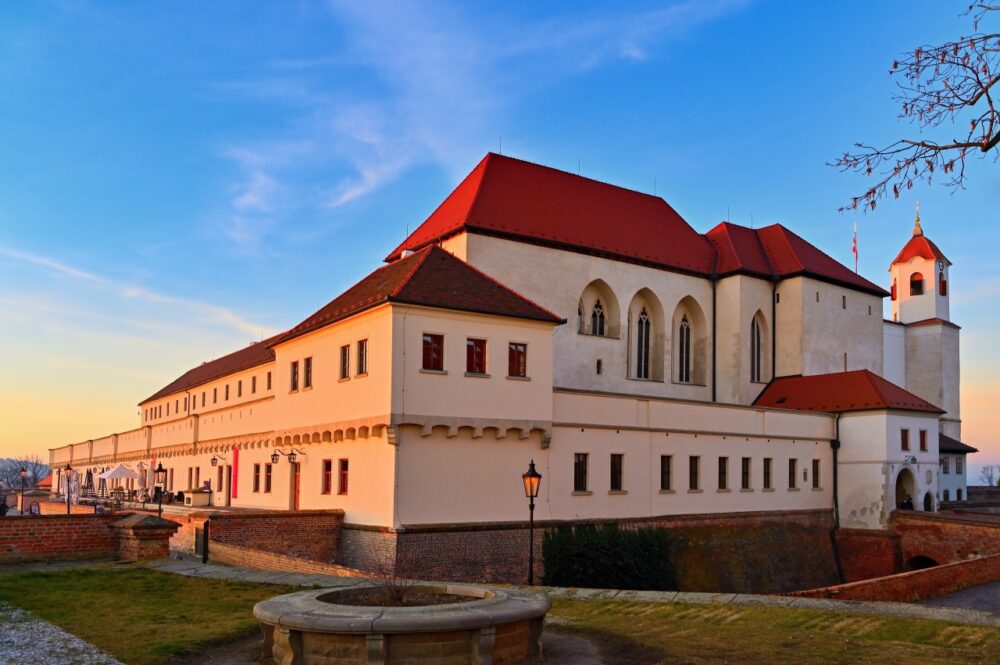
2. Špilberk Castle Offers Some of the Best Views in Moravia
Špilberk Castle sits on a hill above the city center and has a dark history as a former prison and fortress. Today, it houses a museum and offers wide views across Brno’s rooftops and out toward the surrounding hills.
I climbed up in the late afternoon and had the ramparts almost to myself. The museum inside covers the castle’s grim past as a Habsburg prison in real detail, which added context I hadn’t expected going in. If you like history mixed with a good view, this is one of the strongest reasons to visit.
3. The Food and Wine Scene Reflects Moravia’s Own Identity
Brno sits at the edge of South Moravia, the country’s main wine region, and that shows up everywhere in the local food and drink scene. Wine bars outnumber beer halls in a way that surprised me, and the local Moravian wines are worth seeking out over anything imported.
I ended up in a small wine bar near the main square, recommended by the hotel reception, and tried a dry Veltlínské zelené that I still think about. Paired with a plate of local cheese and cured meats, it cost less than a single cocktail back home. Food and wine lovers get a genuinely different experience here compared to Prague.
4. The Underground Ossuary Rivals Anything in Europe
Beneath the Church of St. James sits the second-largest ossuary in Europe, holding the remains of an estimated fifty thousand people. It was only rediscovered and opened to the public in 2012, so it hasn’t had decades to turn into an overrun tourist stop.
Walking through it felt genuinely eerie in a way I wasn’t prepared for, the stacked bones are arranged with a kind of solemn order rather than for shock value. It’s a short visit, maybe thirty minutes, but it’s one of the most memorable things I did in the city and a strong answer to anyone wondering if Brno is worth visiting for something beyond the usual castle-and-square routine.
5. It’s a Young, Energetic City Thanks to its Universities
Brno is home to several major universities, and students make up a large share of the population. That energy shows up in the number of cafés, bars, and independent shops packed into a fairly small center, along with a livelier nightlife scene than you’d expect from a city this size.
I noticed this most in the streets around the main square in the evening, busy with a mix of students and locals rather than tourists. It gives Brno a different rhythm to Prague, less polished for visitors and more lived-in. If you prefer a destination that feels like a real working city rather than a museum piece, this matters.
6. Day Trips to Moravian Karst and Wine Country are Easy
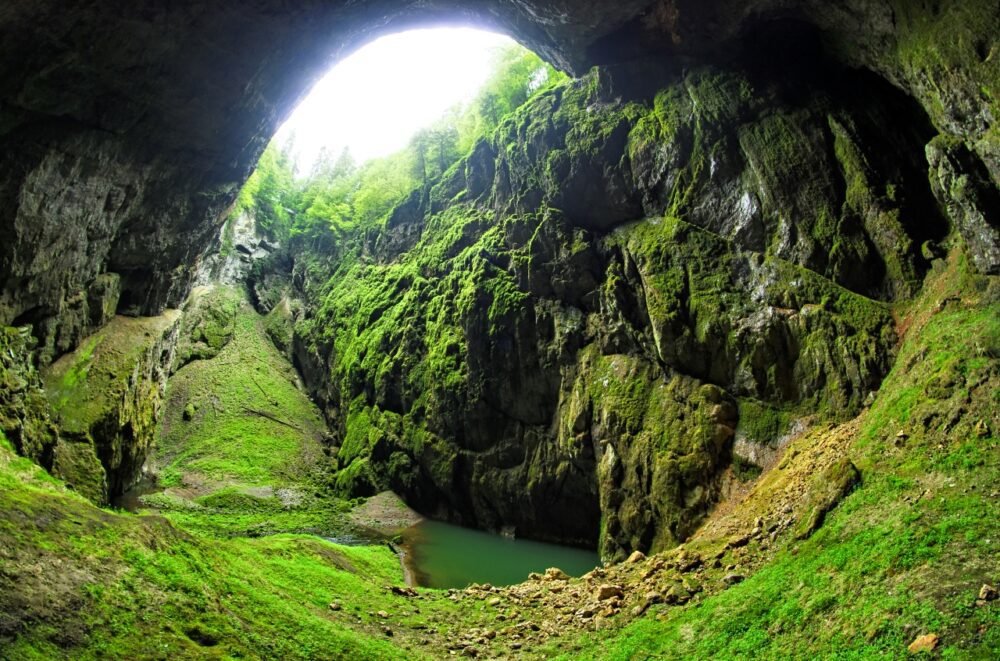
Brno makes a strong base for exploring the surrounding region. The Moravian Karst, a limestone landscape full of caves and gorges, sits about forty minutes away, and the Punkva Caves boat ride through underground rivers is genuinely unlike anything else I’ve done in Europe. Wine villages further south are also an easy day trip.
I took a half-day trip out to the Punkva Caves and came back in time for dinner, no rental car required thanks to organized tours from the city center. Having this kind of landscape and scenery within easy reach adds a lot of value to a Brno base, especially if you’re combining a city break with some countryside.
7. It’s Noticeably Cheaper Than Prague
Even against Prague’s already reasonable prices, Brno runs cheaper across the board. Hotels, meals, and drinks all cost less, and you’re not paying the same tourist markup you’ll find near Prague’s main square.
I compared my daily spending directly against my time in Prague on the same trip, and Brno came out lower on every category, food, accommodation, and drinks. For budget-conscious travelers, or anyone wanting more trip for their money, this is a practical reason Brno is worth visiting on its own merits.
Cons – Things to Consider Before Visiting Brno
1. There’s Less to Do if You’re Only Staying a Few Days
Brno doesn’t have the sheer volume of sights that a city like Prague offers. The main square, the castle, the ossuary, and a handful of churches cover most of the essential list, and you can realistically see the core of the city in a day and a half.
I found this out by planning three full days there on my visit and running out of must-see attractions by the middle of day two. That’s not necessarily a bad thing if you want a relaxed pace, but if you’re the type of traveler who likes a packed itinerary, plan on two days in the city itself and use extra time for day trips into the surrounding region instead.
2. English Isn’t as Widely Spoken as in Prague
Prague sees so many international visitors that English is common in hotels, restaurants, and shops. Brno gets far fewer tourists, and I noticed a real drop-off in English fluency, especially outside the main square and among older staff.
This isn’t a major obstacle, most younger people and anyone in tourism-facing roles managed fine, but I did rely on a translation app a few times when ordering food at smaller, local spots. If you don’t speak any Czech, it’s worth downloading an offline translation app before you go, just in case.
3. Public Transport Info Isn’t Always Tourist-Friendly
Brno’s tram and bus network is efficient and covers the city well, but the information available to visitors isn’t always as clear as what you’ll find in Prague. Signage and ticket machines lean more heavily on Czech, and I had a few minutes of confusion working out which ticket covered which zone.
Once I downloaded the local transport app, everything got much easier, and I’d recommend doing this before you arrive rather than figuring it out at a tram stop. It’s a minor hurdle rather than a real problem, but it’s worth knowing about so it doesn’t catch you off guard on your first day.
Things to Do in Brno
- Explore Špilberk Castle. The views and the museum’s dark history as a former prison make this the city’s standout sight.
- Visit the Ossuary at the Church of St. James. One of the largest ossuaries in Europe, and eerily well-preserved.
- Watch the Astronomical Clock drop its noon marble. It’s a small, oddly charming ritual unique to Brno.
- Wander Náměstí Svobody, the main square. It’s the social heart of the city and a good spot for people-watching over coffee.
- Tour the Villa Tugendhat. A UNESCO-listed piece of modernist architecture that influenced design across Europe.
- Take a day trip to the Punkva Caves. The underground boat ride through the Moravian Karst is genuinely unforgettable.
- Sample Moravian wine at a local wine bar. This is the region’s specialty, and Brno is the best base for trying it.
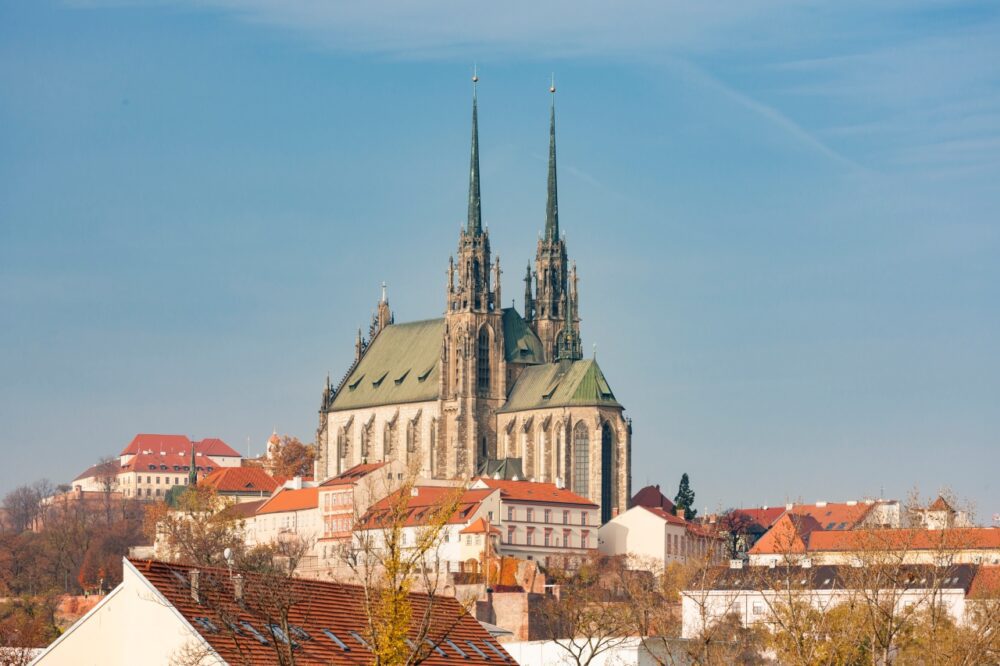
- Visit the Brno Ossuary combined with St. Peter and Paul Cathedral. The twin spires are visible from most of the city and worth the climb up for the view.
- Browse the farmers’ market on Zelný trh. A good way to see everyday local life away from the main tourist spots.
- Walk or cycle along the Brno Dam (Brněnská přehrada). A quieter, greener side of the city, popular with locals on weekends.
Where to Stay in Brno
- City Center (around Náměstí Svobody): The most convenient base, putting the castle, ossuary, and main sights within easy walking distance.
- Veveří: A quieter, more residential area close to the university district, good for a calmer stay with easy tram access.
- Zábrdovice: A slightly more local, less polished neighborhood with good value accommodation and a short tram ride into the center.
- Near the Main Train Station: Practical if you’re planning day trips, with strong transport links to both the Moravian Karst and Prague.
Getting Around Brno
Brno’s center is compact enough to explore mostly on foot, and I did the bulk of my sightseeing this way, walking between the main square, the castle, and the ossuary without much trouble. The streets are flatter and less congested than Prague’s, which makes walking here a genuinely pleasant experience rather than a workout.
For anything outside the immediate center, the tram network is excellent and easy to use once you’ve got a ticket sorted. Trams are frequent, clean, and cover the whole city efficiently. Buses fill in a few gaps on the outskirts, mostly useful if you’re heading toward the Brno Dam or further residential areas. I didn’t rent a car at any point and never felt like I needed one; between walking and the tram system, everything I wanted to see was easily reachable.
Conclusion: So, Is Brno Worth Visiting?
Yes, I’d recommend it, especially if you’ve already done Prague or you want a Czech trip that feels less like a tourist checklist. The castle, the ossuary, the wine culture, and the easy access to the Moravian Karst all make a strong case, and the lower prices and lighter crowds add real practical value on top of that.
Just go in with the right expectations. Brno won’t fill a week on its own, and a couple of days is enough to see the highlights properly. Pair it with day trips into the surrounding wine country and caves, download a translation and transport app before you arrive, and you’ll get a genuinely rewarding, low-stress alternative to the more crowded stops on the usual Czech itinerary.