Is Český Krumlov Worth Visiting? Honest Pros and Cons (2026)

Few places in Europe look as much like a storybook as Český Krumlov. I knew that from the photos, but I still wasn’t ready for the real thing. I spent two days here one spring, and I stayed in the Old Town, so every morning began with a walk past red roofs and a bend in the river. I explored the castle, crossed the Cloak Bridge and watched rafts drift under the old stone bridges.
Český Krumlov (often shortened to Krumlov) is a small town in South Bohemia, roughly 170 km south of Prague. Around 13,000 people live here, and the Vltava River loops through the centre in tight S-shaped bends. UNESCO listed the historic centre in 1992. The castle is among the largest in the Czech Republic, and the lanes below it have barely changed in centuries. Český Krumlov is worth visiting if you love history, photography and slow walks.
It isn’t perfect for everyone, so I’ll cover the downsides too. This guide walks through the best reasons to go, the drawbacks, the best areas to stay and the tours worth booking. I’ve also added the best time to visit, how many days to allow and the easiest ways to get around, so you can plan with confidence.
Pros of Visiting Český Krumlov
1. Český Krumlov Castle
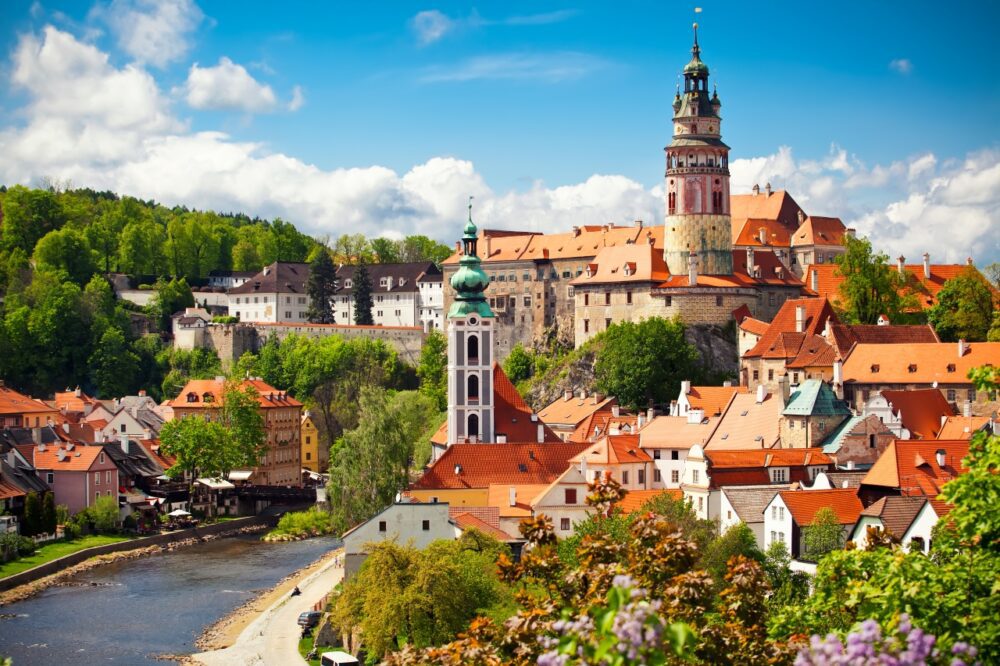
The castle is the heart of the town and the main reason most visitors come. It spreads across a rocky hill above the river, with five courtyards that lead you from the town up to the palace and gardens. The castle’s official site lists several guided routes, and each one shows a different side of the story. You’ll see the lavish rooms of the noble families who once lived here, and the Baroque chapel and the Masquerade Hall.
You can walk through the first courtyards for free, which makes it easy to get a feel for the place. The interior is the part worth paying for. Rooms are open only on guided tours, so go early in the day for the best choice of slots. I loved the quiet courtyards just after opening, before the tour groups arrived. If you’d like to skip the planning, the castle interior ticket with audio guide covers all five courtyards and the gardens.
2. Castle Tower and Cloak Bridge
The round castle tower is the landmark you see in every photo, with its painted Renaissance decoration in soft pinks and golds. Climbing it gives you the best view in town. From the top you look straight down on the river bends, the red-tiled roofs of the Old Town and the green hills beyond. It’s a narrow, steep climb, so allow a few minutes and take your time. The view repays every step, especially on a clear morning.
Nearby, the Cloak Bridge links the castle courtyards to the upper gardens. It rises over the moat on tall arches, and walking along it feels like stepping into an old painting. Look down into the moat as you cross, because brown bears have lived there since the 1700s. The bears are the town’s quirkiest sight, and kids love them. The Palace of Illustration is also close by, in the castle complex.
3. Baroque Castle Theatre
The castle holds one of the great surprises in the Czech Republic. The Baroque theatre is among the best-preserved in the world, and it still has its original stage machinery. Wooden wings slide in and out, and the sets, props and costumes date back to the 18th century. Little has been changed because the theatre sat unused for long stretches of history, which helped protect it.
You can only see it on a guided tour, and tours run during the warmer season only. Check the dates on the official castle website before you plan your days, and book early because spaces are limited. The groups are small, and the guides explain how the machinery works. I found it fascinating to see how much theatre depended on muscle and ropes. It’s the sight that makes the town feel special, rather than just pretty. Even people who don’t usually enjoy theatre history tend to leave impressed.

4. Old Town Streets and River Views
The best sight in Český Krumlov is the town itself. Lanes twist between pastel townhouses with painted facades and carved gables, and every corner seems to frame a postcard. Svornosti Square sits at the centre, with its Marian plague column and the Renaissance town hall. The Gothic tower of St Vitus Church rises over the rooftops, and tiny courtyards hide behind arched doorways.
Walk down to the river and the view changes again. Wooden bridges, weirs and low buildings line the water, and café terraces face the current. You can sit with a coffee and watch rafts and canoes pass, which is an easy way to spend an hour. Nothing feels staged or rushed here. I found the best light early in the morning, when the streets were empty and the stone was still damp. Evening works nearly as well, once the day-trippers leave. A castle and town guided tour lasts two hours and explains the story behind the buildings.
5. Egon Schiele Art Centrum and Museums
Český Krumlov has a surprising art connection. The Austrian painter Egon Schiele had family roots here, since his mother was born in the town. He stayed and painted here in 1911, and his views of the town became famous. The Egon Schiele Art Centrum now shows his work, along with exhibitions of modern artists, in a historic building on Široká Street. It’s a calm stop if you enjoy art. Schiele called the town the “dead city” in some of his titles, and his paintings of its crooked roofs and narrow lanes still match what you see outside today.
The town also has a handful of smaller, quirkier museums. The Museum of Torture shows medieval punishments with wax figures. The Wax Museum features figures from Czech history. They won’t suit everyone, but they work well on a wet afternoon. I mixed one of them in with the art for variety, and the contrast was fun.
6. Czech Food and Local Beer
Český Krumlov is a good place to eat. The restaurants serve hearty Czech cooking, such as roast pork with dumplings and sauerkraut, goulash, soups served in bread bowls and fried cheese. South Bohemia is known for its fish ponds, so you’ll often see trout and carp on the menu. Many pubs and restaurants sit in old vaulted cellars, and a few have terraces right beside the water. Portions are generous, so share a starter.
The beer is good too. The town has its own historic brewery, and local pubs pour fresh pilsner at fair prices. You can tour the brewery on a self-guided visit and see the original 1915 brewhouse. The malthouse exhibition is a different take, with a creative display inside the old malt house. I finished both days with a pint by the river. Prices are lower than in Prague, so you can eat well without stretching the budget.

7. Rafting on the Vltava
The river is the town’s playground. The easiest option is the wooden raft cruise, which lasts about 50 minutes. A guide gives live commentary while you drift past the castle, the weirs and the town’s old buildings. You see the town from the water, and it looks quite different from street level. It’s calm, relaxing and suits all ages. You also get a few photos of the castle tower that you can’t take from the street, and the slow pace gives you time to take them.
If you’d like something more active, several operators along the river hire out rafts, canoes and boats for longer trips. Check the local tourist information site for operators, current prices and the start of the season. Water levels change through the year, so ask before you commit. In winter, the same raft cruise runs as an Advent version, and it’s a cosy way to see the Christmas lights.
Cons of Visiting Český Krumlov
1. Crowds of Day-Trippers
Český Krumlov is one of the most popular day trips from Prague, and it shows. Coaches arrive in the late morning, and the main lanes fill up by 11 am. The streets near Svornosti Square and the castle gate can feel packed. Narrow lanes and cobbles slow the crowds down even more. Photographers hoping for an empty street will be disappointed in the middle of the day.
The fix is simple, and it’s one of the biggest reasons to stay overnight. The town feels like a different place early in the morning and after about 5 pm, when most day-trippers have left. I did my walking at those times, and I had many lanes to myself. Book the castle interior for the first slot of the day. A guided castle and town tour also helps you avoid wandering aimlessly.
2. Seasonal Opening Hours
Many sights run on seasonal schedules. The Baroque theatre tours run only in the warmer months, and the castle interior has a shorter programme in winter. Some museums, boat hire and river activities also stop for the cold months. That means a winter trip can mean fewer things to see inside, even though the town looks lovely under snow. Some visitors turn up expecting everything to be open and leave disappointed.
Check the official websites before you book your dates. The castle website lists current tour times, and the town tourist information site lists opening hours for museums and galleries. I planned the two days around what was open, and it worked well. If your dates are fixed, add the free outdoor sights as a backup: the courtyards, the gardens, the bridges and the river walk.
3. Hard to Reach
Český Krumlov is far from the main rail lines. There’s no quick train from Prague, and the usual train route means a change at České Budějovice. The most common option is a direct bus, which takes about three hours. That’s long for a short trip, and it can feel like a lot of travel for two days on the ground. Delays on the road can make it feel even longer.
The plan is to treat the journey as part of the trip. Buy a seat in advance, travel in the morning and use the ride to relax. If you’d rather not worry about timetables, a small-group tour with pick-up from Prague removes the planning. I found it worth the effort, because the town rewards anyone who stays longer than a day.
Where to Stay
Old Town: This is where I stayed, and it’s the best base for a first visit. Svornosti Square, the river bends and the castle gate are all a few minutes away on foot, and cafés and pubs sit on every street. The lanes are cobbled, so pack light and expect some evening noise. Pension Galko is the budget-friendly pick, a 3-star guest house on Široká Street with a restaurant and a bar. Hotel Krčínův Dům is a mid-range 4-star on Kájovská Street, with a lift and room service. Hotel Ebersbach is the upscale choice, a 4-star with a spa, a sauna and a hot tub.
Latrán and the Castle Side: Across the river, Latrán Street climbs towards the castle gate. It’s quiet at night and perfect if the castle is your priority. You’ll cross the bridge to reach the main square, which takes a few minutes. Fewer restaurants sit nearby, but the views are great. Pension Zámecká Apartmá is the budget-friendly option, a 3-star aparthotel right at the castle. Hotel Latrán is a mid-range 4-star with a restaurant and a lift. Monastery Garden Bistro & Rooms is the upscale pick, a 4-star with a bistro, air conditioning and a garden setting.
Plešivec: South of the Old Town, the Plešivec area sits on a gentle hill, and it feels calmer and more residential. You can reach the main square in a few minutes, though the walk back is uphill. Many guest houses here offer free parking, which helps if you arrive by car. Pension Athanor is a 3-star guest house with a sauna, a hot tub and soundproof rooms. Sv. Hubertus is a 3-star guest house with a terrace and room service. Penzion Golden Crown is a 4-star guest house with air conditioning, soundproof rooms and free parking.
Outside the Centre: Beyond the historic core, the streets around Kaplická and Špičák offer a quieter, cheaper stay. You can walk to the Old Town in about ten minutes, and the bus station is close by. Evenings are very quiet. Apartmány U zámku is a flexible apartment option with a terrace and soundproof rooms. Penzion Gardena is a 3-star guest house with a garden and free parking. 1st Republic Villa is an adults-only guest house with a garden and a shuttle service.
Best Things to Do
Český Krumlov’s best activities mix the castle, the river and a few quirky museums. These are the ones I’d put at the top of your list.
- Castle interior ticket with audio guide: Entry to the castle and chateau interiors with an audio guide. It covers all five courtyards and the castle garden.
- Castle and town guided tour: A two-hour tour of the medieval town, the castle and the gardens, with the history explained along the way.
- Wooden raft river cruise: A 50-minute cruise on the Vltava on a wooden raft, with live commentary and a different view of the town.
- Advent wooden raft river cruise: A 30-minute festive version of the raft cruise, with commentary. It’s wheelchair-accessible.
- Brewery self-guided history tour: A walk through the historic brewhouse with original 1915 technology, at your own pace, with a guide leaflet.
- Brewery malthouse exhibition: A self-guided visit to the original malt house and its Dreams exhibition, which blends history, technology and fantasy.
- Palace of Illustration: An art museum inside the castle, with over 750 illustrations by 33 European artists and views over the city.
- Museum of Torture: About 100 exhibits on medieval justice, with wax figures and audiovisual effects.
- Wax Museum: A hall of wax figures from Czech history, including T. G. Masaryk and Antonín Dvořák.
- Mirror Maze and Hall of Laughter: A mirror maze billed as the largest in Europe, plus a hall of distorting mirrors. It’s a fun pick for families.
- Egon Schiele Art Centrum: A gallery devoted to the Austrian painter who loved the town, with changing modern art exhibitions.
- Five-Petalled Rose Festival: A June festival where the town goes back to the Renaissance, with costumes, music and street performances.
Best Time to Visit
Spring (March to May): I visited in spring, and the town felt calm and fresh. Temperatures climb from around 10°C in March to the high teens by May, and the gardens above the river turn green. Crowds are thinner than in summer, so the lanes are easier to enjoy. Some castle tours and boat services start later in the season, so check dates. Pack a light waterproof, because showers pass through often.
Summer (June to August): Summer is warm, with highs around 24°C, and it’s the busiest season. Everything is open, including the Baroque theatre tours and the river activities. The Five-Petalled Rose Festival in June fills the town with costumed performers. Book rooms and castle tours ahead, and start your days early to beat the coaches.
Autumn (September to November): Autumn is a quiet, colourful time. Highs drop from around 19°C to single figures, and the hills around the river turn gold. The theatre tours finish at the end of October. Wine festivals take place in the autumn, and the crowds thin out. It’s a lovely season for photographers.
Winter (December to February): Winter is cold, with highs close to 2°C and the odd dusting of snow. The Advent programme runs from late November until early January, with a Christmas market and lights across the Old Town. Many castle interiors and museums run reduced hours, so plan around them. Hotels are cheaper outside the Christmas weeks.
How Long to Spend
1-2 Days: Two days is enough to see the best of the town, and it’s what I did. Spend day one on the castle, the tower and the Cloak Bridge. On day two, follow the river, take the raft cruise and visit the Egon Schiele Art Centrum. Add the Baroque theatre if it’s in season. A castle and town guided tour is a handy way to orient yourself.
3-4 Days: A third day lets you slow down. Add the brewery, the smaller museums and a long lunch beside the river. You’ll also have time for the Palace of Illustration and a walk through the castle gardens. Spare days can go on short trips into South Bohemia, such as České Budějovice.
5-7 Days: A week is more than most visitors need. It works if you want to base yourself in South Bohemia and mix hiking, canoeing and cycling with trips to nearby towns. You’d also have time to enjoy the town’s festivals. For most people, three days at the most is plenty.
Getting Around
On foot: The historic centre is small, and you can walk from one end to the other in about 15 minutes. Most sights, including the castle, sit within ten minutes of Svornosti Square. The streets are cobbled and steep in places, so wear comfortable shoes. Cars are heavily restricted in the centre, which keeps the lanes pleasant.
Bikes and boats: Local operators hire out bikes, canoes, rafts and boats along the river in the warmer months. Check the tourist information site for current operators and prices. A bike works well for rides into the countryside, but the Old Town cobbles are less fun.
Taxis: A few local taxis serve the town and the bus station. A short ride from the bus station to the centre is cheap, and it helps if you arrive with heavy luggage. Agree the price before you set off.
To and from Prague: The most common route is a direct bus, which takes about three hours. Several companies, including RegioJet and FlixBus, run services. The bus station is a short walk from the Old Town. Trains usually involve a change at České Budějovice and take longer. If you’d prefer a hands-off option, the small-group tour from Prague with pick-up handles everything. Book your return journey early so your last morning stays relaxed.
So, is Český Krumlov Worth Visiting?
Český Krumlov is an easy yes if you want a trip that feels like stepping into another century. You can climb the castle tower, cross the Cloak Bridge and drift down the Vltava on a wooden raft in a single day. It’s compact, walkable and beautiful from almost every angle. I arrived expecting a pretty photo stop and left feeling I’d found one of my favourite small towns in Europe.
The downsides are real. The town fills up with day-trippers, many sights run seasonal hours, and the journey from Prague is long. Each problem has a simple fix, though, and none of them spoiled my trip. Staying overnight solves the crowds, and a little planning solves the rest.
If you’re planning a first visit, book two nights in the Old Town. Climb the tower early, take the raft cruise and leave the evenings for a quiet dinner by the river. Add a day or two if you want to slow down and explore the museums. Český Krumlov may well have you planning a return trip before you leave.