
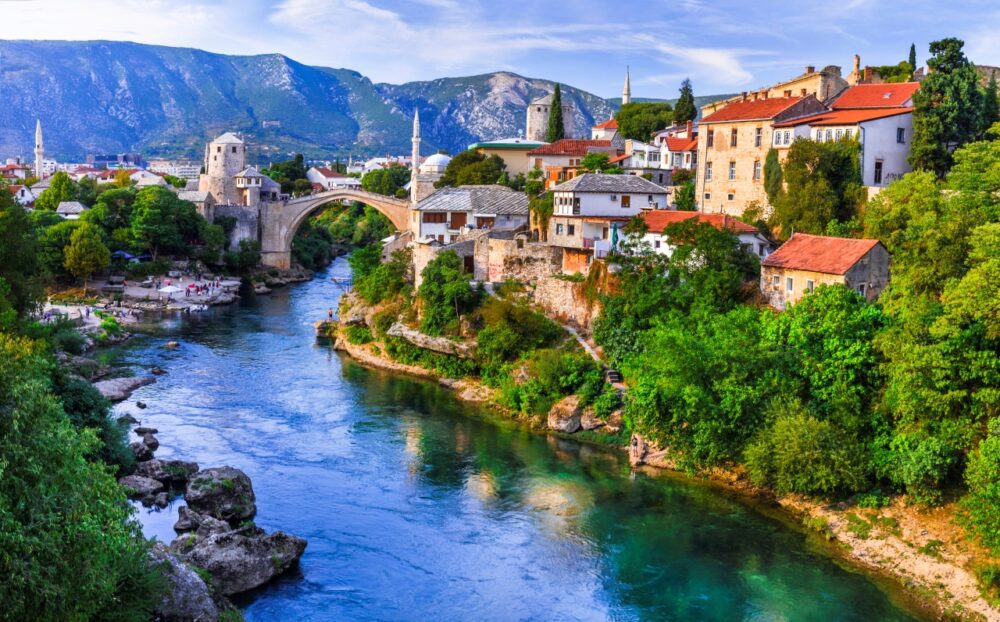
Is Mostar worth visiting? Yes, absolutely. Mostar was one of those places that impressed me from the moment I arrived. Seeing the famous Old Bridge in person was a highlight, but what surprised me most was the atmosphere of the city. Walking through the old streets, watching locals and visitors gather along the river, and learning about the city’s history made it one of the most memorable places I visited in Bosnia and Herzegovina.
Mostar is one of the most popular destinations in Bosnia and Herzegovina and is best known for Stari Most, the historic stone bridge that spans the Neretva River. The city has a unique mix of Ottoman heritage, Balkan culture, and modern history. It is compact, easy to explore, and packed with interesting sights.
In this guide, I’ll cover the top reasons why Mostar is worth visiting and share some useful travel tips and advice to help you plan your trip. If you’re looking for a destination with history, culture, and one of the most recognisable landmarks in the Balkans, keep reading to discover the many reasons why Mostar is worth visiting.
Table of Contents
Top Reasons You Should Visit Mostar
1. One of the Most Beautiful Bridges in Europe
Mostar is famous for a single landmark, but what a landmark it is. The Old Bridge, known locally as Stari Most, is easily one of the most beautiful bridges I have seen anywhere in Europe. Built by the Ottomans in the sixteenth century, it stood for more than 400 years before being destroyed during the Bosnian War in 1993. Thankfully, it was rebuilt using traditional techniques and reopened in 2004. Today, it is a UNESCO World Heritage Site and a symbol of reconciliation.
Seeing the bridge in person was even better than I expected. The elegant stone arch stretches across the emerald-green Neretva River, connecting the two sides of the old town. I arrived early in the morning before most day-trippers showed up, and it was easily my favorite time to be there. The bridge was quiet, the light was soft, and I could admire it without constantly weaving through crowds.
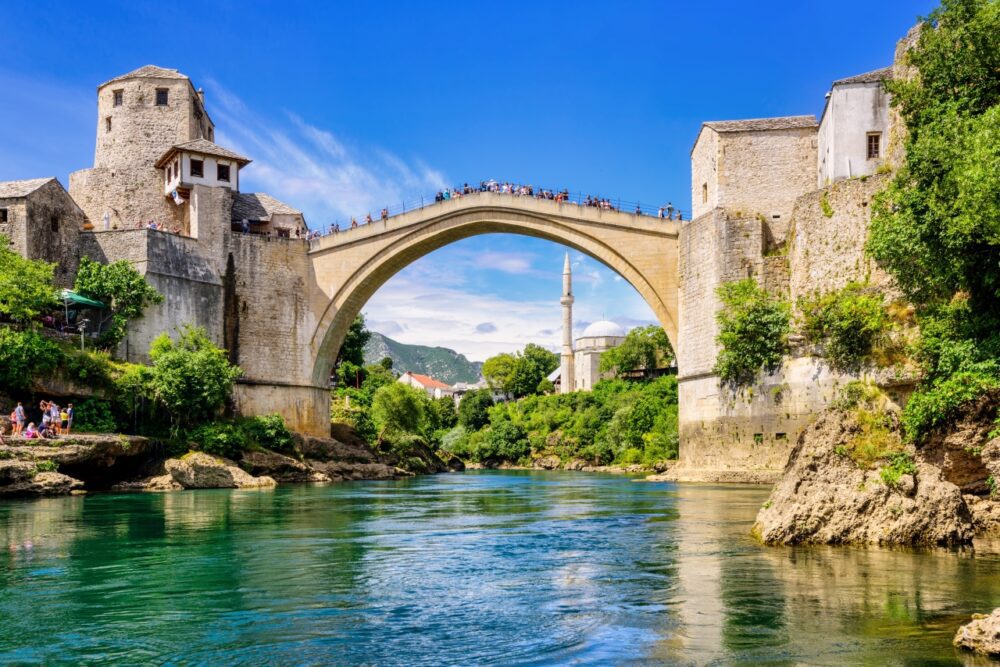
I ended up crossing the bridge several times during my stay because the view changes depending on where you stand. Looking up from the riverbank is impressive, but standing on the bridge itself and seeing the rooftops and minarets around you is just as memorable. It is one of those places that genuinely lives up to the hype.
2. A Charming Ottoman Old Town
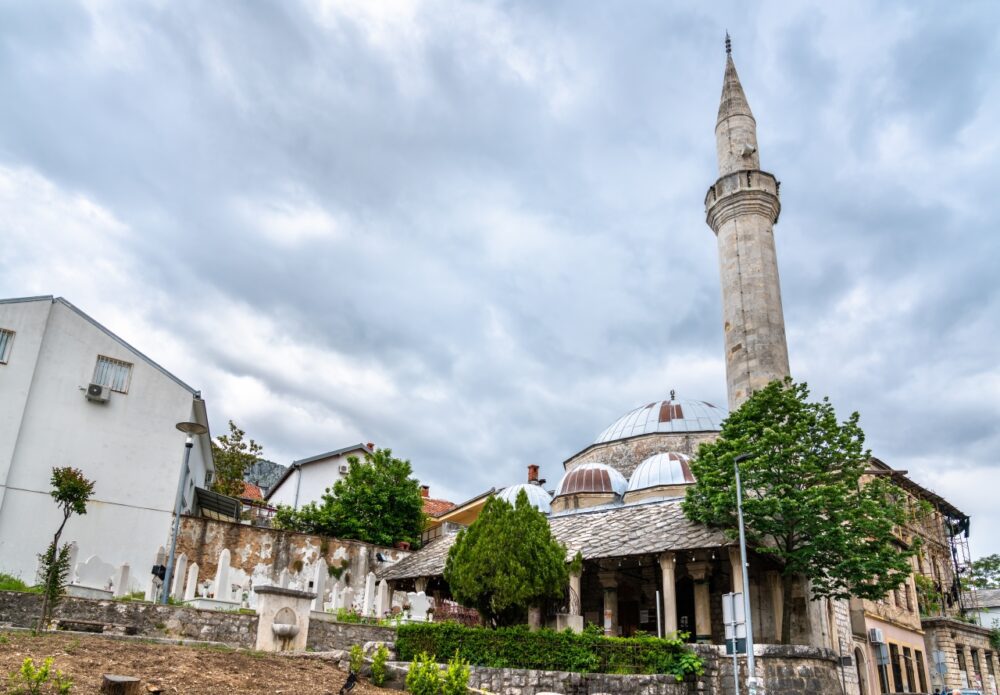
Mostar’s old town feels like a small slice of the Ottoman Empire hidden in the Balkans. Narrow cobbled streets are lined with stone buildings, traditional restaurants, souvenir stalls, and small workshops selling handmade goods. It has a completely different atmosphere from many other European cities.
I really enjoyed wandering through the side streets away from the busiest parts of the old town. Some alleys were almost empty, while others led to tiny courtyards filled with flowers and cats sleeping in the shade. The streets can be slippery because the old stones have been polished smooth by centuries of footsteps, so I would definitely recommend wearing good shoes.
What I appreciated most was that the old town still feels lived in. Locals shop for groceries, children play in the streets, and elderly residents sit outside chatting with neighbors. It does not feel like a place designed solely for tourists. That authenticity made my experience much more enjoyable.
3. A Fascinating and Emotional History
Mostar’s recent history is impossible to ignore. During the Bosnian War, the city suffered heavy damage, and the destruction of the Old Bridge became one of the conflict’s most powerful images. Even today, some buildings still bear bullet holes and other reminders of the fighting.
Learning about Mostar’s past was one of the most moving parts of my visit. I visited the Museum of War and Genocide Victims, which contains photographs, personal stories, and exhibits about life during the conflict. It was difficult to look at some of the displays, but I felt it was important to understand what the city endured.
Despite this painful history, Mostar does not feel defined by tragedy. Instead, I sensed a determination to rebuild and move forward. Talking to local people and hearing how much the city has changed over the last thirty years gave me a deeper appreciation for what I was seeing.
4. Thrilling Bridge Diving Traditions
One of Mostar’s most unusual traditions involves people diving from the Old Bridge into the cold waters of the Neretva River below. The tradition dates back hundreds of years and has become one of the city’s defining customs. Divers leap from a height of around twenty-four meters, which is much higher than it appears in photographs.
I watched several divers preparing to jump while visitors gathered on the bridge and along the riverbanks. They often collect donations from tourists before making the leap, which adds to the excitement because everyone waits to see if enough money will be raised.
Seeing someone jump was honestly nerve-racking. The river below looked incredibly far away, and I could not imagine doing it myself. The crowd erupted in applause each time a diver resurfaced. It was one of the most memorable things I witnessed in Bosnia and Herzegovina and added a unique sense of local culture to the visit.
5. Beautiful Riverside Views
The Neretva River is another reason to visit Mostar. Its clear turquoise water flows through the middle of the city and provides some spectacular scenery. The contrast between the stone buildings, green hills, and bright blue river creates views that seem almost designed for postcards.
I spent a lot of time walking along the riverbanks because they offered some of the best perspectives of the Old Bridge. There are several small platforms and cafés where you can sit and admire the scenery. I found myself stopping constantly to take photos because the river looked different depending on the time of day.
One evening, I bought a drink and sat near the water watching the sunlight slowly disappear behind the hills. It was a simple experience, but it ended up being one of my favorite moments in Mostar. Sometimes travel memories are not about famous attractions but about taking time to enjoy a beautiful setting.
6. Delicious Bosnian Cuisine
Food was another pleasant surprise during my stay in Mostar. Bosnian cuisine combines influences from Turkish, Mediterranean, and Balkan cooking, and Mostar’s restaurants serve some excellent traditional dishes.
I quickly became a fan of ćevapi, which consists of grilled minced meat served with flatbread, onions, and yogurt. It was cheap, filling, and seemed to be popular with everyone. I also tried japrak, stuffed grape leaves, and several pastries from local bakeries.
One thing I particularly enjoyed was dining at restaurants overlooking the river. Eating grilled meat while looking directly at the Old Bridge made meals feel much more memorable. Portions were generous, prices were reasonable, and I rarely left a restaurant feeling disappointed.
7. A Relaxed Atmosphere and Slower Pace of Life
Compared to larger cities like Sarajevo, Mostar feels much smaller and more laid-back. The pace of life seems slower, and people appear happy to spend hours drinking coffee, talking with friends, or sitting beside the river.
I found this atmosphere really appealing. Instead of rushing from attraction to attraction, I spent long periods simply wandering around and enjoying the surroundings. I often sat in cafés with Bosnian coffee and watched visitors cross the bridge while locals went about their daily routines.
What I liked most was that even during the busy summer season, it was possible to escape the crowds by walking just a few streets away from the old town. Within minutes, I could find quiet neighborhoods where life seemed to move at a completely different pace.
8. Affordable Prices for Travelers
Mostar remains one of the most affordable destinations in Europe. Hotels, guesthouses, restaurants, and attractions generally cost much less than in Western European cities, making it a great option for budget-conscious travelers.
I stayed in a small guesthouse within walking distance of the old town and paid far less than I expected. The owners served homemade breakfast each morning, and the room was clean and comfortable. Meals were equally inexpensive, and I rarely spent much even when eating at restaurants with fantastic views.
For travelers looking to stretch their budget, Mostar offers excellent value. You can stay in a UNESCO-listed city, enjoy good food, and explore important historic sites without feeling pressured to constantly monitor your spending.
9. Excellent Day Trip Opportunities
Mostar works very well as a base for exploring other parts of Herzegovina. Several interesting attractions are located nearby, making it easy to fill a few extra days without running out of things to do.
One of my favorite excursions was to Kravica Waterfalls. Located about forty minutes away, the falls are surrounded by greenery and have a much more tropical appearance than I expected. During summer, visitors can swim there, which makes it a nice escape from the heat.
Other popular day trips include the Ottoman village of Počitelj and the Blagaj Tekke, a monastery built beside a dramatic spring emerging from a cliff. I appreciated having so many options because it added variety to my trip and showed me more of Bosnia and Herzegovina’s natural beauty.
10. Stunning Views from Above the City
One of the best things I did in Mostar was climb to a viewpoint overlooking the old town. Seeing the bridge, river, mosques, and rooftops from above gave me a completely new appreciation for the city’s setting.
Several viewpoints can be reached with a short uphill walk, and I thought the effort was worthwhile. From the top, I could see how the old town sits neatly within the valley, surrounded by green hills. The view was particularly beautiful in the late afternoon when the sunlight reflected off the stone buildings.
I stayed there much longer than I intended because I kept noticing new details. Looking down on the bridge and watching tiny figures cross it below was a perfect way to end my visit. Out of all the places I visited in Bosnia and Herzegovina, Mostar was probably the most photogenic, and I would happily return just to experience those views again.
Travel Tips for Visiting Mostar
What to Do in Mostar
- Mostar City and Museum Tour
- Mostar Street Art & Graffiti Tour
- From Mostar: Herzegovina Full-Day Tour
- Sarajevo: Mostar, Konjic, Blagaj, Pocitelj & Kravica Falls
- From Dubrovnik: Mostar and Kravica Waterfall Day Trip
When to Visit Mostar
I think the best times to visit Mostar are April, May, September, and October. The weather is warm, but not too hot, and it’s comfortable for exploring the old town on foot. Summer can be extremely hot, with temperatures often climbing well above 30°C. The city is lively during this period, but sightseeing in the middle of the day can be challenging. Winter is quieter and offers a more local feel, although some days can be cold and wet. I visited in September and thought it was perfect. The weather was warm enough for outdoor dining, but the crowds were smaller than during peak summer.
How to Get to Mostar
Mostar has a small airport with limited seasonal flights, but most visitors arrive via Sarajevo Airport, Dubrovnik Airport, or Split Airport. Airlines such as Croatia Airlines, Ryanair, easyJet, Lufthansa, Turkish Airlines, and British Airways serve these airports depending on the route and season. Mostar is connected to Sarajevo by one of the most scenic train journeys in the Balkans, which follows the Neretva River through the mountains. Buses also run regularly between major cities in the region. Personally, I think the train from Sarajevo is the best way to arrive because the scenery along the route is incredible.
Where to Stay in Mostar
- Hotel Mepas – Located near the city centre, this modern luxury hotel offers excellent facilities and is one of the most comfortable places to stay in Mostar.
- Hotel-Restaurant Kriva Ćuprija – Situated in the heart of the Old Town, this charming hotel puts you just steps from the famous bridge.
- Hotel Eden – Located on a hillside overlooking the city, this hotel offers fantastic views and a relaxing atmosphere.
- Hotel Sinan Han – Situated close to Stari Most, this hotel combines a great location with traditional Bosnian character.
- Hotel Almira – Located within walking distance of the Old Town, this mid-range hotel offers excellent value and friendly service.
- Hostel Majdas – One of the most popular budget-friendly places to stay in Mostar, this hostel is known for its welcoming atmosphere and excellent local tours.
Getting Around Mostar
Mostar is a very walkable city. The Old Town and most major attractions are close together, and exploring on foot is the best way to experience the atmosphere. Local buses connect different parts of the city, although most visitors rarely need them. Taxis are affordable and useful if you’re visiting places outside the centre, such as Blagaj or nearby vineyards. Personally, I spent almost all of my time walking. The city is compact, and some of the best moments came from simply wandering through the narrow streets around the bridge.
How Long to Spend in Mostar
I think two days is the ideal amount of time for Mostar. One day gives you enough time to explore the Old Town, visit the bridge, and enjoy the local food scene. A second day allows you to visit places like Kravica Waterfalls, Blagaj, or Počitelj. If you’re interested in history or want to explore more of Herzegovina, you could easily stay for three or four days. Personally, I would recommend two nights because it gives you the chance to see Mostar after the day-trippers leave, which is when the city feels at its best.
Conclusion
So, is Mostar worth visiting? Without a doubt. From the iconic Old Bridge and historic old town to its fascinating history, riverside setting, and unique cultural influences, there are plenty of reasons to spend time here. Mostar offers an experience that feels very different from many other European destinations and gives visitors a deeper look into Bosnia and Herzegovina. If you’re planning a trip through the Balkans, Mostar is a place that deserves a spot on your itinerary.