
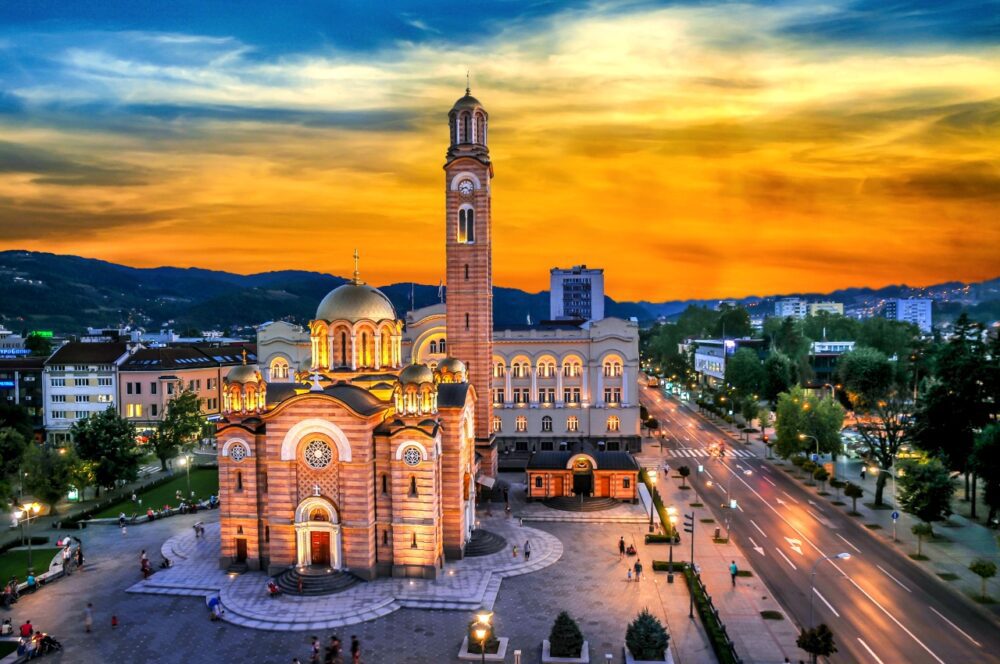
Is Banja Luka worth visiting? Yes, I think it is. Banja Luka may not be as famous as Sarajevo or Mostar, but that is part of its appeal. When I visited, I found a city that felt relaxed, welcoming, and much less crowded than many other destinations in the Balkans. I enjoyed walking along the river, exploring local cafés, and getting a glimpse of everyday life in Bosnia and Herzegovina away from the main tourist trail.
Banja Luka is the second-largest city in Bosnia and Herzegovina and the largest city in the Republika Srpska region. Known for its green spaces, riverside setting, and laid-back atmosphere, it offers a different experience from the country’s more famous destinations. The city also has a rich history, interesting landmarks, and easy access to outdoor activities.
In this guide, I’ll cover the top reasons why Banja Luka is worth visiting and share some useful travel tips and advice to help you plan your trip. If you’re looking for a destination that feels authentic and gives you a chance to explore a less-visited part of Bosnia and Herzegovina, keep reading to discover the many reasons why Banja Luka is worth visiting.
Table of Contents
Top Reasons You Should Visit Banja Luka
1. A Relaxed City That Few Tourists Visit
Banja Luka was one of the least touristy places I visited in the Balkans, and I think that is one of its biggest strengths. Unlike Sarajevo and Mostar, which attract large numbers of international visitors, Banja Luka feels like a city that mostly belongs to locals. It is the second-largest city in Bosnia and Herzegovina and serves as the administrative center of Republika Srpska, but despite its size, it remains surprisingly overlooked by foreign travelers.
I actually enjoyed that lack of tourism. Walking around the city center, I rarely saw tour groups or souvenir shops aimed at visitors. Instead, I found busy cafés, local bakeries, and families spending time together in parks. It gave me the feeling that I was seeing everyday life in Bosnia rather than a destination that had been polished specifically for tourists.
There was also less pressure to rush between attractions. Banja Luka felt like the sort of place where you can slow down, sit outside with a coffee, and simply observe what is happening around you. I think travelers who enjoy discovering lesser-known destinations will appreciate that side of the city.
2. Beautiful Riverside Walks Along the Vrbas
The Vrbas River is one of Banja Luka’s greatest assets. It cuts through the city and provides plenty of green space, walking paths, and places to relax. Compared to many other Balkan cities, Banja Luka feels noticeably greener and more open.
I spent several evenings walking beside the river, and it quickly became one of my favorite parts of the city. Locals were jogging, cycling, fishing, and meeting friends at riverside cafés. The atmosphere felt peaceful, especially as the sun started to set and the crowds thinned out.
What surprised me was how clean and well-maintained the riverside areas were. There are benches, parks, and small beaches where people swim during the summer months. Sitting by the water with an ice cream and watching kayakers paddle downstream was one of those simple travel moments that ended up sticking in my memory.
The river also gives Banja Luka a more relaxed atmosphere than many capitals and larger cities in the region. It feels like a place designed for people to enjoy being outdoors rather than simply getting from one place to another.
3. Plenty of Outdoor Activities Nearby
If you enjoy being active, Banja Luka is one of the best cities in Bosnia and Herzegovina to visit. The Vrbas River is famous for white-water rafting, kayaking, and canoeing. The surrounding hills and forests also provide opportunities for hiking, cycling, and rock climbing.
I did not have time to try rafting myself, but I watched several groups preparing for trips along the river. They looked like they were having a great time, and I later spoke to a traveler who described it as one of the highlights of his Balkan trip. Apparently, the rapids on the Vrbas are considered some of the best in southeastern Europe.
Even if adventure sports are not your thing, there are plenty of gentle walking trails nearby. I enjoyed exploring some of the paths outside the city center because they offered nice views over the river valley. It was refreshing to visit a city where nature feels so close and accessible.
4. A Growing Café Culture
Bosnia and Herzegovina has a strong coffee culture, and Banja Luka is no exception. Cafés seem to occupy almost every corner of the city center, and many remain busy from early morning until late at night. Drinking coffee here feels like a social event rather than something people do on the go.
I found myself spending a surprising amount of time sitting in cafés. Locals seemed perfectly happy to nurse a single coffee for hours while chatting with friends or scrolling through their phones. At first, I felt guilty occupying a table for so long, but after watching everyone else, I realized that lingering is completely normal.
Many cafés have outdoor seating areas shaded by trees, which makes them especially pleasant during warmer months. I particularly enjoyed grabbing a coffee in the afternoon and watching students, office workers, and families go about their day. It gave me a better sense of local life than visiting museums ever could.
5. Interesting Historical Landmarks
Banja Luka may not have a medieval old town like Mostar, but it still has some interesting historical attractions. One of the city’s most recognizable landmarks is Kastel Fortress, which sits beside the Vrbas River. The fortress dates back to Roman times, although much of what visitors see today comes from later Ottoman and Austrian periods.
I visited Kastel one afternoon and found it much quieter than I expected. There were only a handful of other visitors wandering around the walls and courtyards. Parts of the fortress have been restored, while others remain weathered and worn, which gives the site a slightly rugged charm.
The views over the river from the fortress were particularly nice. It is not the grandest fortress I have visited in the Balkans, but I appreciated its relaxed atmosphere. Instead of being packed with souvenir stalls and ticket booths, it felt like a place locals use for walks, events, and concerts.
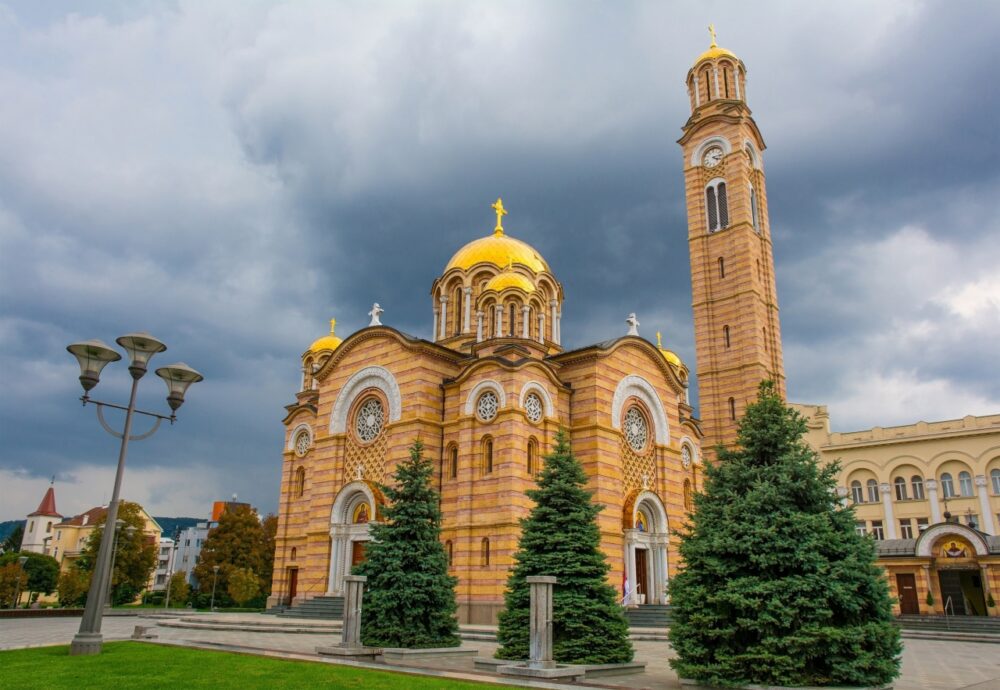
The city also has several Orthodox churches, mosques, and Austro-Hungarian buildings that reflect its diverse history. Walking around Banja Luka helped me appreciate how many different cultures have influenced this region over the centuries.
6. Delicious Local Food and Grilled Specialties
Food was another pleasant surprise during my visit. Banja Luka is especially famous for its ćevapi, a grilled minced meat dish that is popular throughout the Balkans. The local version is slightly different because the meat is usually served in connected sections rather than individual sausages.
I ordered Banja Luka ćevapi on my first evening and immediately understood why people recommend trying them. They arrived with fresh flatbread, chopped onions, and yogurt on the side. It was simple food, but it tasted great after spending the day exploring the city.
I also enjoyed trying other traditional dishes such as pita, stuffed peppers, and grilled meats. Portions were generous, and prices were noticeably lower than in many Western European cities. Eating out in Banja Luka never felt expensive, which encouraged me to sample more local dishes than I normally would.
What I liked most was that restaurants seemed to cater mainly to locals. Dining out felt authentic rather than staged for tourists, and many places were filled with Bosnian families celebrating birthdays or meeting friends.
7. Green Spaces and Parks Everywhere
Banja Luka is sometimes called the “City of Greenery,” and after visiting, I could understand why. Trees line many streets, and parks are scattered throughout the city. Compared to some other urban areas in the Balkans, Banja Luka feels spacious and surprisingly peaceful.
I spent some time in Mladen Stojanović Park, which is one of the city’s largest green spaces. It was full of joggers, dog walkers, and families enjoying picnics. I liked seeing so many locals making use of the park because it gave the city a strong sense of community.
These green areas also provide a welcome break during hot summer days. Sitting beneath the shade of large trees with a cold drink felt far more enjoyable than walking around under the midday sun. It is one of those features that visitors may not think about beforehand but end up appreciating once they arrive.
8. Affordable Prices for Travelers
One of the biggest reasons to visit Banja Luka is its affordability. Accommodation, food, and transport cost significantly less than in many parts of Europe. Even compared to Sarajevo, I found prices in Banja Luka to be very reasonable.
I stayed in a modern hotel close to the center for a fraction of what I would have paid in cities like Vienna, Brussels, or Amsterdam. Restaurant meals were equally affordable, and I rarely spent much more than ten euros on dinner, including drinks.
For budget travelers, digital nomads, or anyone trying to make their money stretch further, Banja Luka offers excellent value. You can stay for several days, eat well, and enjoy local experiences without worrying too much about your expenses.
9. Easy Access to Nature and Scenic Day Trips
Banja Luka is surrounded by beautiful countryside, which makes it a great base for exploring northern Bosnia and Herzegovina. Forests, mountains, and rivers are all within easy reach, and several interesting places can be visited as day trips.
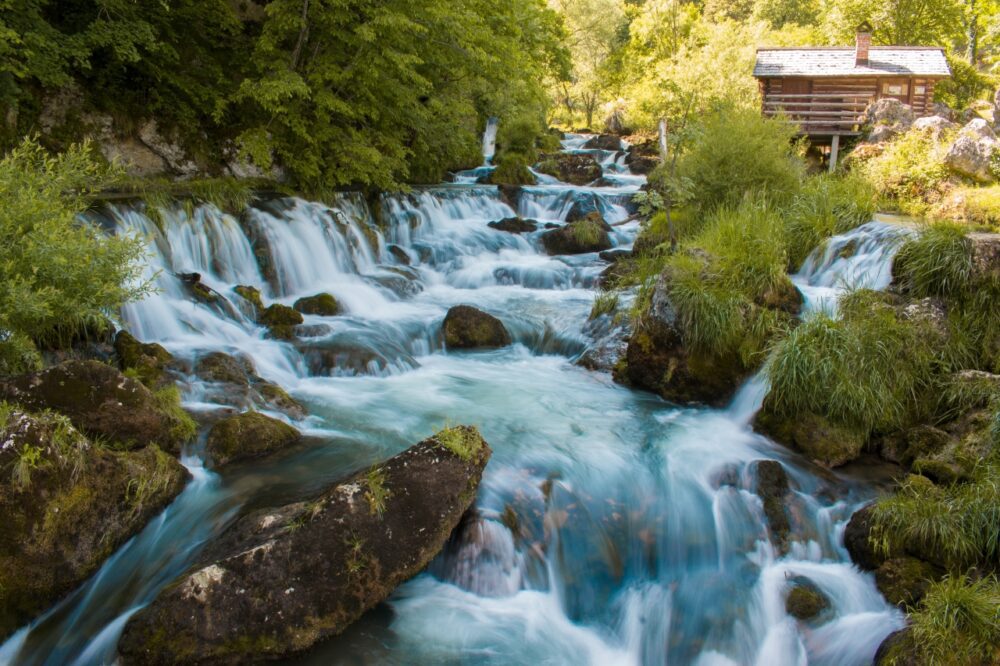
One place I particularly enjoyed was Krupa na Vrbasu, a small village about thirty minutes outside the city. It is known for its waterfalls, old watermills, and peaceful setting. Walking beside the river there felt like stepping into another world.
The surrounding area is also popular with cyclists and hikers. Even a short drive outside the city reveals rolling hills, farms, and quiet villages. I appreciated having the option to combine urban sightseeing with countryside escapes because it kept my trip feeling varied.
10. A Genuine Glimpse of Everyday Bosnia
Perhaps the biggest reason to visit Banja Luka is that it offers an authentic look at life in Bosnia and Herzegovina. Unlike Sarajevo and Mostar, which often appear in travel guides and documentaries, Banja Luka feels less influenced by international tourism.
I found myself enjoying ordinary moments more than major attractions. Buying pastries from a local bakery, sitting in a riverside café, and watching families gather in parks told me far more about the city than any museum could. Those experiences made Banja Luka feel personal and memorable.
I do not think Banja Luka is the kind of destination that immediately impresses visitors with famous landmarks. Instead, it slowly grows on you. By the end of my stay, I realized that what I liked most was simply how normal and welcoming it felt. It showed me a side of Bosnia and Herzegovina that many travelers never see, and for that reason alone, I think it deserves much more attention than it currently gets.
Travel Tips for Visiting Banja Luka
What to Do in Banja Luka
Banja Luka is one of the most underrated cities in the Balkans. It doesn’t attract the same crowds as Sarajevo or Mostar, but that’s part of the appeal. The city has a relaxed atmosphere, lots of green space, and some great outdoor activities nearby. These are the experiences I enjoyed most.
- Go Rafting on the Vrbas River – This was my favourite activity in Banja Luka because the scenery is beautiful, and it’s a fun way to experience the region’s natural side.
- Take a Guided Walking Tour of Banja Luka – I always enjoy exploring a city with a local guide, and this tour helped me understand the city’s history and culture much better.
- Visit Krupa na Vrbasu and Its Watermills – I loved this trip because the waterfalls, old watermills, and peaceful setting feel a world away from the city.
- Join a Food and Wine Tour – Bosnian food is one of the hidden gems of the Balkans, and this is a great way to discover local dishes and regional wines.
- Explore Kastel Fortress with a Local Guide – The fortress sits beside the river and offers an interesting look into the city’s past while providing some great views.
- Take a Day Trip to Jajce – This historic town is famous for its waterfall and old town, and I think it’s one of the best excursions you can take from Banja Luka.
When to Visit Banja Luka
I think the best times to visit Banja Luka are May, June, September, and October. During these months, the weather is warm and comfortable for walking around the city and spending time outdoors. Summer is great if you want to enjoy rafting, riverside cafes, and festivals, although temperatures can get quite high. Winter is much quieter and can be cold, but it offers a more local experience without many tourists around. I visited in early autumn and thought it was ideal. The weather was pleasant, and the parks and riverfront were perfect for long walks.
How to Get to Banja Luka
Most visitors arrive through Banja Luka International Airport, which is located around 25 kilometres north of the city centre. Airlines such as Ryanair and several seasonal carriers operate flights from a number of European destinations. Another option is flying into Zagreb Airport in Croatia, which is around two hours away by car or bus. Banja Luka is also connected by bus to cities across Bosnia and Herzegovina, Croatia, and Serbia. Train services exist but are generally less useful for international travellers. Personally, I think flying directly into Banja Luka or arriving via Zagreb and continuing by bus is the easiest option.
Where to Stay in Banja Luka
- Hotel Bosna – Located in the city centre, this historic hotel is one of the most famous places to stay in Banja Luka and offers easy access to the main attractions.
- Courtyard by Marriott Banja Luka – Situated near the Vrbas River, this modern hotel combines comfort, good facilities, and a convenient location.
- Hotel Jelena – Located close to the centre, this stylish hotel offers spacious rooms and is one of the best-rated hotels in the city.
- Hotel Cezar – Situated near the main transport links, this hotel offers excellent value and comfortable accommodation for both short and long stays.
- Hotel Talija – Located within walking distance of the city centre, this mid-range hotel is a good choice if you want comfort without paying luxury prices.
- Hostel Room – One of the best budget-friendly options in Banja Luka, this hostel offers clean rooms and a central location at an affordable price.
Getting Around Banja Luka
Banja Luka is a fairly compact city, and I found that many of the main attractions can be reached on foot. The city has a network of local buses that connect different neighbourhoods and nearby areas. Taxis are also affordable and widely available, making them a practical option for visitors. If you plan to explore the surrounding countryside, renting a car can be useful. Personally, I walked most of the time because the city centre is easy to navigate, and many of the best spots are located near the river and main squares.
How Long to Spend in Banja Luka
I think two days is the ideal amount of time for most visitors. One day is enough to explore the city centre, visit Kastel Fortress, and enjoy the riverside atmosphere. A second day gives you time for rafting on the Vrbas River or a day trip to places like Jajce or Krupa na Vrbasu. If you enjoy outdoor activities, you could easily stay for three or four days and use Banja Luka as a base for exploring the region. Personally, I would recommend two to three days because it gives you enough time to appreciate both the city and the beautiful countryside nearby.
Conclusion
So, is Banja Luka worth visiting? Absolutely. From its riverside scenery and historic fortress to its relaxed atmosphere and local culture, there are plenty of reasons to spend time here. Banja Luka offers a different side of Bosnia and Herzegovina that many travellers never get to experience. If you enjoy exploring destinations that are less crowded and more authentic, Banja Luka is well worth adding to your travel itinerary.