
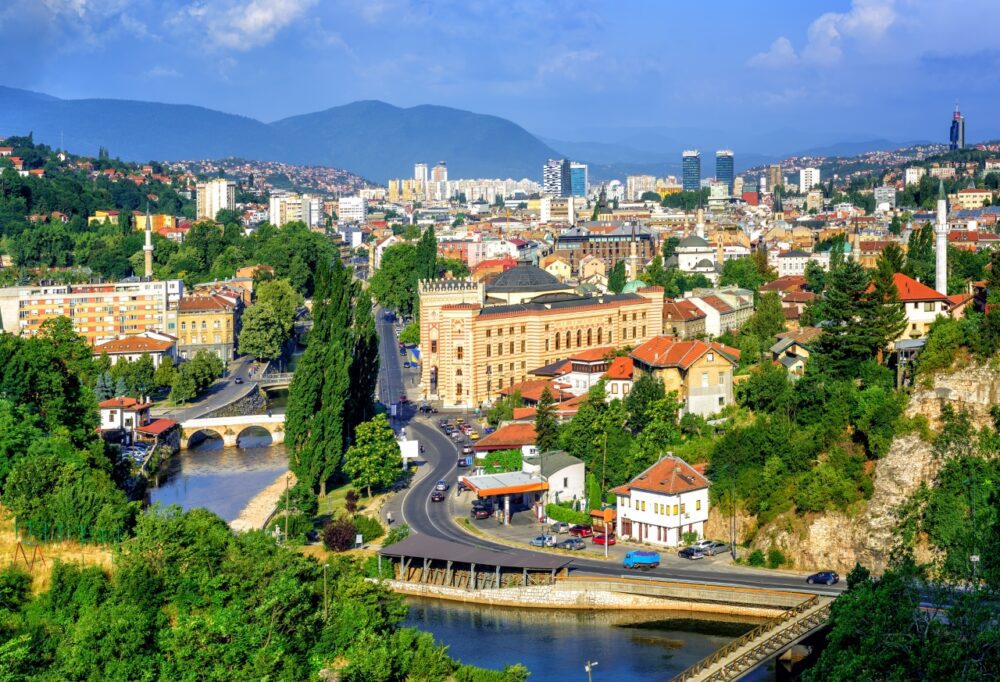
Is Sarajevo worth visiting? Yes, it definitely is. Sarajevo was one of the most interesting cities I visited in the Balkans. What stood out to me was how many different cultures and histories come together in one place. As I walked through the city, I could move from Ottoman-style streets and mosques to Austro-Hungarian buildings in just a few minutes. It felt like a city with a story around every corner.
Sarajevo is the capital of Bosnia and Herzegovina and is often called the meeting point of East and West. The city is known for its rich history, diverse culture, and important role in European history. It is also surrounded by mountains, giving it a beautiful setting.
In this guide, I’ll cover the top reasons why Sarajevo is worth visiting and share some practical travel tips and advice to help you plan your trip. Whether you’re interested in history, culture, food, or discovering a destination that feels different from anywhere else in Europe, you’ll soon understand the many reasons why Sarajevo is worth visiting.
Table of Contents
Top Reasons You Should Visit Sarajevo
1. A Unique Blend of Eastern and Western Cultures
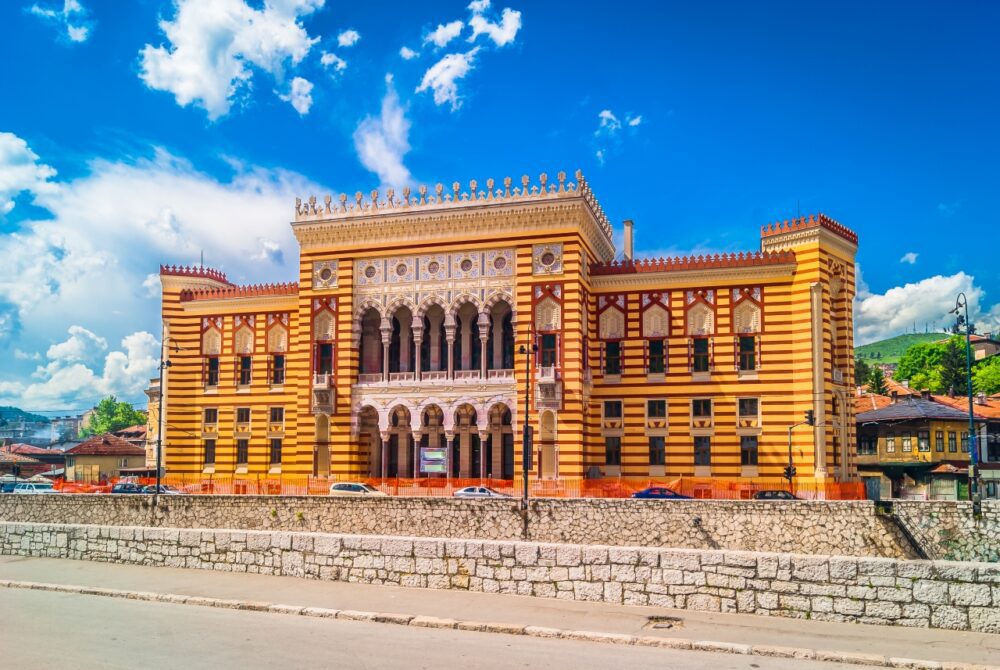
Sarajevo feels different from almost every other European capital I have visited. The city spent centuries under both Ottoman and Austro-Hungarian rule, and those influences are still visible everywhere. In just a few minutes, you can walk from streets lined with mosques and traditional tea houses to elegant buildings that look as though they belong in Vienna.
I noticed this contrast almost immediately after arriving. One moment I was wandering through narrow cobbled streets where shopkeepers hammered copper by hand, and a few minutes later I was standing in front of grand Austro-Hungarian buildings with decorative facades and wide boulevards. It felt like traveling between two different worlds without ever leaving the city.
What I liked most was that this mix does not feel forced or artificial. It has developed naturally over centuries and gives Sarajevo a personality unlike anywhere else in Europe. I found myself constantly noticing small details that reflected this cultural blend, from the architecture to the food and even the sounds of church bells mixing with the call to prayer.
2. One of Europe’s Most Fascinating Histories
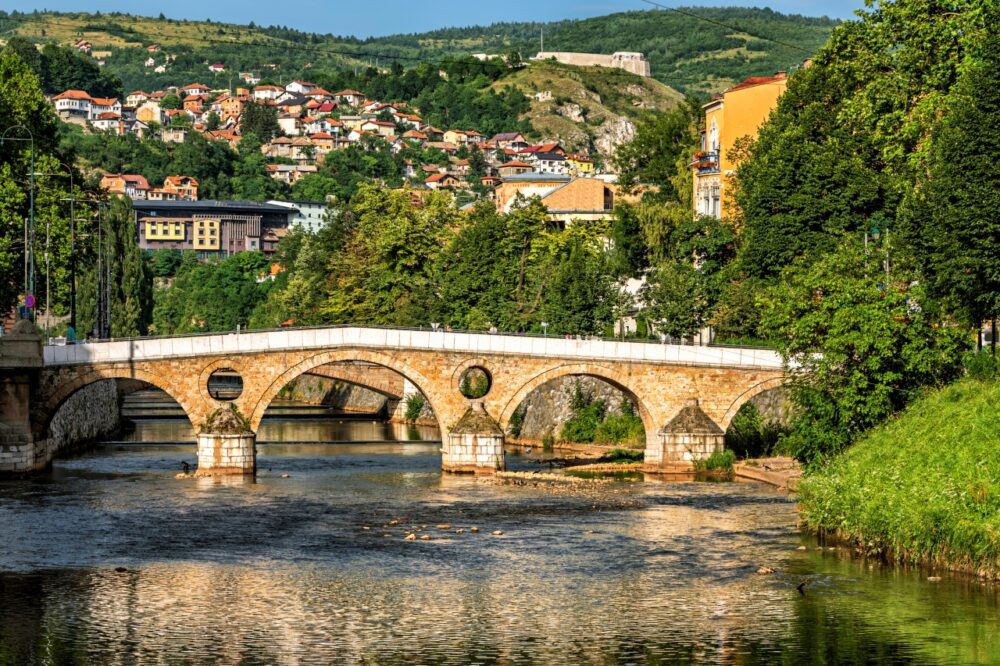
Sarajevo has experienced some of the most important events in modern European history. It was here that the assassination of Archduke Franz Ferdinand took place in 1914, an event that helped trigger the First World War. More recently, the city endured the Siege of Sarajevo during the Bosnian War in the 1990s, which became the longest siege of a capital city in modern history.
Learning about Sarajevo’s past was one of the most memorable parts of my visit. I visited the museum near the Latin Bridge, where information panels explain the events leading up to the First World War. Standing in the place where such a significant historical moment happened made history feel much more real than reading about it in a book.
The legacy of the Bosnian War is also still visible in some parts of the city. Buildings with bullet holes and memorial plaques serve as reminders of what residents endured not so long ago. I found Sarajevo’s history both moving and inspiring because despite everything it has experienced, the city feels full of life and optimism.
3. A Charming Ottoman Old Town
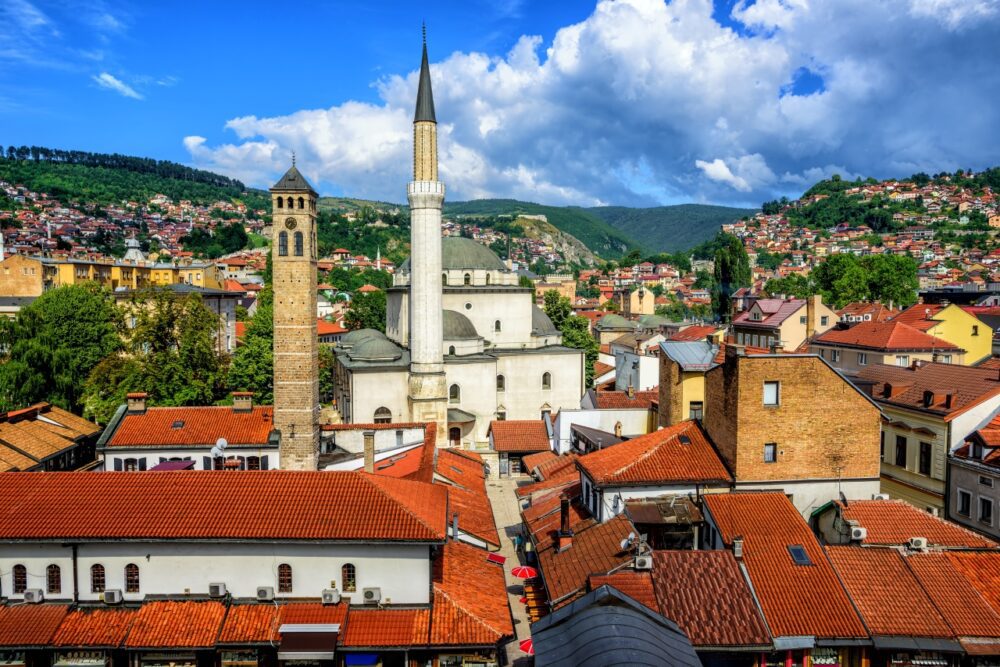
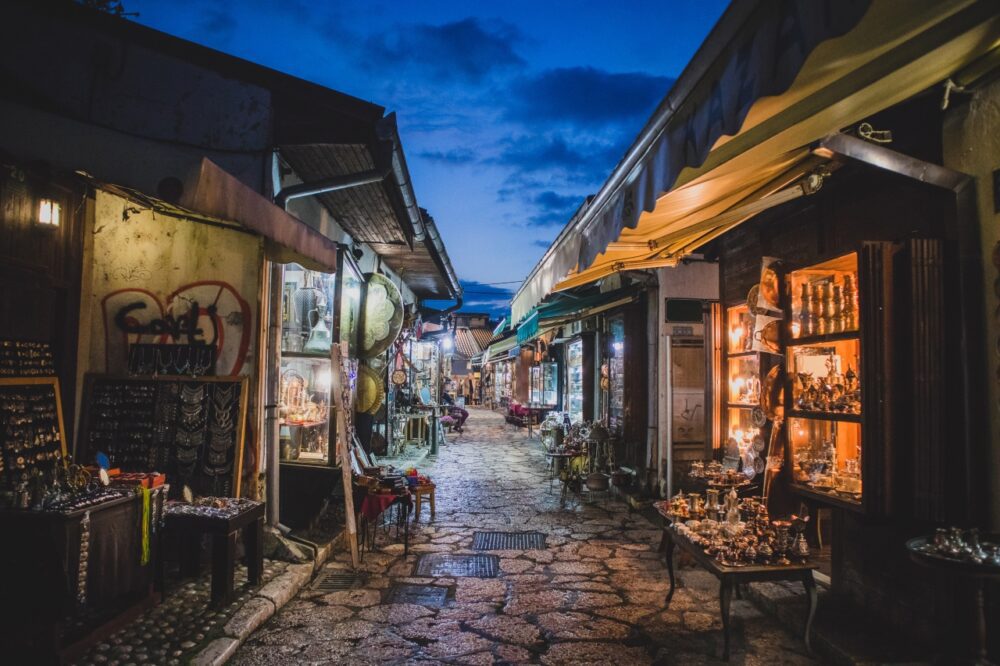
Baščaršija is Sarajevo’s old bazaar district and one of the most enjoyable places to explore. It dates back to the fifteenth century when the Ottomans transformed Sarajevo into an important trading center. Today, it remains the heart of the city and is filled with small shops, cafés, mosques, and restaurants.
I spent hours wandering through its narrow streets and never really got bored. Craftsmen still produce copper coffee sets, jewelry, and handmade souvenirs using traditional methods. It was interesting watching people work while visitors browsed nearby shops. The area felt busy but never overwhelming.
One of my favorite moments was sitting beside the Sebilj fountain with a Bosnian coffee and simply watching people pass by. Street musicians performed nearby, locals met friends for lunch, and tourists wandered around with cameras. It felt lively and authentic rather than overly commercialized.
4. Delicious Bosnian Food and Coffee Culture
Food was one of the biggest surprises during my time in Sarajevo. Bosnian cuisine combines influences from Turkish, Balkan, and Central European cooking, creating dishes that are simple, filling, and full of flavor. Meals are generally affordable, and portions are often generous.
I quickly became a fan of ćevapi, grilled minced meat served with flatbread, onions, and yogurt. It was inexpensive, tasty, and seemed to be popular with both locals and visitors. I also tried burek, a flaky pastry filled with meat, cheese, or spinach, and ended up eating it several times during my stay.
Coffee culture is another important part of life in Sarajevo. Bosnian coffee is similar to Turkish coffee and is traditionally served in small copper pots. I enjoyed taking breaks throughout the day to sit in cafés and watch the world go by. Drinking coffee here feels more like a social ritual than simply grabbing caffeine before moving on.
5. Stunning Mountain Scenery
Sarajevo sits in a valley surrounded by mountains, which gives the city a dramatic setting. Looking up from almost anywhere in the center, you can see green hills rising above rooftops and minarets. During winter, nearby mountains are covered in snow, while summer brings hiking opportunities and pleasant temperatures.
I found myself appreciating the scenery more each day. One afternoon, I took a cable car up to Mount Trebević and was rewarded with fantastic views over the city. Looking down at Sarajevo from above helped me understand its layout and appreciate how beautiful the setting really is.
The mountains also played an important role during the 1984 Winter Olympics, which Sarajevo hosted. Some Olympic facilities still remain, and visitors can even see the abandoned bobsled track hidden among the trees. It is a slightly unusual attraction, but I thought it added another interesting layer to the city’s story.
6. A Remarkably Resilient Spirit
Sarajevo has endured difficult periods throughout its history, but what stood out to me most was the attitude of the people who live there today. Despite the hardships many families experienced during the war, locals seem determined to move forward and enjoy life.
I spoke with several residents during my visit, and many shared stories about growing up during the siege or having relatives who lived through it. These conversations were often emotional, but they were also filled with humor and optimism. I never got the impression that people wanted visitors to feel sorry for them. Instead, they seemed proud of how far Sarajevo has come.
That resilience gave the city a unique atmosphere. There is a sense of appreciation for everyday life that I do not always notice in wealthier European destinations. It made Sarajevo feel more genuine and memorable than many other capitals I have visited.
7. Affordable Prices for Travelers
Sarajevo is one of the most affordable capital cities in Europe. Hotels, restaurants, museums, and public transport generally cost much less than in Western Europe, which makes it possible to enjoy a comfortable trip without spending a large amount of money.
I stayed in a centrally located hotel for far less than I would have paid in cities such as Paris, Amsterdam, or Vienna. Eating out was equally inexpensive. I could enjoy a full meal with drinks and dessert without worrying too much about the final bill.
For budget travelers, Sarajevo offers excellent value. It allows visitors to spend more time experiencing local culture, trying different foods, and joining tours without constantly thinking about expenses. I think this affordability is one of Sarajevo’s biggest advantages.
8. Interesting Museums and War Sites
Sarajevo has several museums that help visitors better understand the city’s complicated past. The Tunnel of Hope Museum was particularly memorable for me. During the siege, this underground tunnel connected Sarajevo with territory outside the blockade and allowed food, medicine, and supplies to reach residents.
Walking through a section of the tunnel was a powerful experience. It is narrow, dark, and uncomfortable, which makes it easier to imagine how difficult life must have been for people using it every day. The museum also displays photographs, videos, and personal stories that bring the events of the war into focus.
I also visited the Gallery 11/07/95, which commemorates the victims of the Srebrenica genocide. It was a sobering but important visit. These museums are not always easy to experience emotionally, but I think they are essential for understanding modern Bosnia and Herzegovina.
9. A Relaxed and Walkable Atmosphere
One thing I appreciated about Sarajevo was how easy it was to explore on foot. Many of the main attractions are located close together, which means visitors can spend their days wandering between neighborhoods without relying heavily on public transport.
I enjoyed crossing between the Ottoman and Austro-Hungarian parts of the city because the transition happens almost seamlessly. Streets become wider, architecture changes, and cafés take on a different style. It felt like exploring two cities in one.
Despite being a capital, Sarajevo never felt particularly hectic. People seemed happy to sit for hours in cafés, chat with friends, and enjoy their meals slowly. That laid-back pace encouraged me to do the same, and I found myself feeling more relaxed than I expected.
10. Excellent Day Trip Opportunities
Sarajevo works very well as a base for exploring other parts of Bosnia and Herzegovina. Several interesting destinations can be reached within a few hours, allowing visitors to see more of the country’s landscapes and historic sites.
Mostar is the most popular day trip and is famous for its iconic stone bridge spanning the Neretva River. Other options include visiting the mountain village of Lukomir, exploring waterfalls near Jajce, or hiking in the surrounding countryside.
I think Sarajevo is one of those cities that grows on you the longer you stay. It offers history, culture, excellent food, beautiful scenery, and genuine hospitality. By the time I left, I felt I had only scratched the surface. Out of all the capitals in the Balkans, Sarajevo was probably the one that left the strongest impression on me, and it is somewhere I would happily return to in the future.
Travel Tips for Visiting Sarajevo
What to Do in Sarajevo
- Sarajevo: Grand Walking Tour Through Time and Cultures
- Sarajevo: Tunnel Museum Yugoslavia War Tour with War Veteran
- Sarajevo: Mostar, Konjic, Blagaj, Pocitelj & Kravica Falls
- From Sarajevo: Travnik, Jajce, Pliva Lakes & Watermills Trip
- From Sarajevo: Srebrenica Genocide Memorial Study Tour
- From Sarajevo: Full-Day Hike to Lukomir Village
- Sarajevo: Best of Sarajevo – Ultimate Full-Day Experience
- Sarajevo Grand Tour: 5 Hours Old Town, War Tunnel, Olympics
- Sarajevo: Old Town, Coffee & Local Stories Walking Tour
- Sarajevo: Mostar, Blagaj, Kravice Waterfalls and 4 Cities
When to Visit Sarajevo
I think the best times to visit Sarajevo are May, June, September, and October. During these months, the weather is pleasant and perfect for exploring the city’s streets and nearby mountains. Summer is warm and lively, with outdoor cafes full of locals and visitors. Winter can be cold, but it offers a completely different experience. The nearby mountains attract skiers, and snowfall gives the city a unique atmosphere. I visited in early autumn and thought it was the perfect time. The temperatures were comfortable, and it was easy to spend hours walking around the old town without feeling too hot.
How to Get to Sarajevo
Most visitors arrive through Sarajevo International Airport, which is located around 10 kilometres from the city centre. Airlines such as Austrian Airlines, Turkish Airlines, Lufthansa, Ryanair, Wizz Air, and several regional carriers operate flights here. Taxis and airport transfers are widely available, while public transport options continue to improve. Sarajevo is also connected by bus to cities across the Balkans, and there are train services to a limited number of destinations within Bosnia and Herzegovina. Personally, I think flying is the easiest option for most travellers, followed by taking a taxi or transfer into the city centre.
Where to Stay in Sarajevo
- Hotel Europe Sarajevo – Located beside Baščaršija, this historic hotel offers an excellent location and is one of the best choices if you want to stay in the heart of the city.
- Swissôtel Sarajevo – This modern luxury hotel near the city centre offers spacious rooms, excellent facilities, and great views across Sarajevo.
- Hotel President Sarajevo – Situated close to the Latin Bridge and Old Town, this hotel combines a fantastic location with comfortable rooms and good service.
- Courtyard by Marriott Sarajevo – Located near the city centre, this reliable hotel is a great choice for travellers looking for modern facilities and easy access to major attractions.
- Hotel Sana – This mid-range boutique hotel sits just steps from Baščaršija and offers excellent value for travellers who want to stay central.
- Hostel Franz Ferdinand – One of the best budget-friendly options in Sarajevo, this hostel has a fun atmosphere and a great location near the Old Town.
Getting Around Sarajevo
Sarajevo is a very walkable city, especially around Baščaršija and the historic centre. Many of the main attractions are close together, making it easy to explore on foot. The city also has a network of trams, buses, and trolleybuses that connect different neighbourhoods. Tickets can be purchased at kiosks and stations, and public transport is generally very affordable. Taxis are also reasonably priced compared to many European capitals. Personally, I spent most of my time walking because it was the best way to soak up the atmosphere, but the tram system is useful for reaching attractions further from the centre.
How Long to Spend in Sarajevo
I think two to three days is the ideal amount of time for Sarajevo. Two days gives you enough time to explore the Old Town, visit the War Tunnel, and experience the local food scene. With three days, you can add a day trip to Mostar, Lukomir, or another nearby destination. If you’re interested in history or want to explore more of Bosnia and Herzegovina, you could easily spend four or five days here. Personally, I would recommend three days because it allows enough time to understand the city while also exploring some of the beautiful places nearby.
Conclusion
So, is Sarajevo worth visiting? Absolutely. From its fascinating history and cultural diversity to its historic old town, local food, and mountain scenery, there are plenty of reasons to spend time here. Sarajevo offers a travel experience that is both educational and memorable, giving visitors a deeper understanding of Bosnia and Herzegovina and the Balkans. If you’re looking for a destination with character, history, and a unique atmosphere, Sarajevo is well worth adding to your travel plans.