
I added Pécs to my southern Hungary route almost as a whim, after a friend who’d studied abroad there wouldn’t stop talking about it. I went in with low expectations, thinking it would be a pleasant but forgettable stop between Szeged and Croatia. Instead, it turned into one of the best two days of that whole trip, and I’ve been recommending it to anyone who’ll listen ever since. If you’re asking whether Pécs is worth visiting in 2026, I want to give you a real answer, built on time actually spent in the city rather than a quick glance at a map.
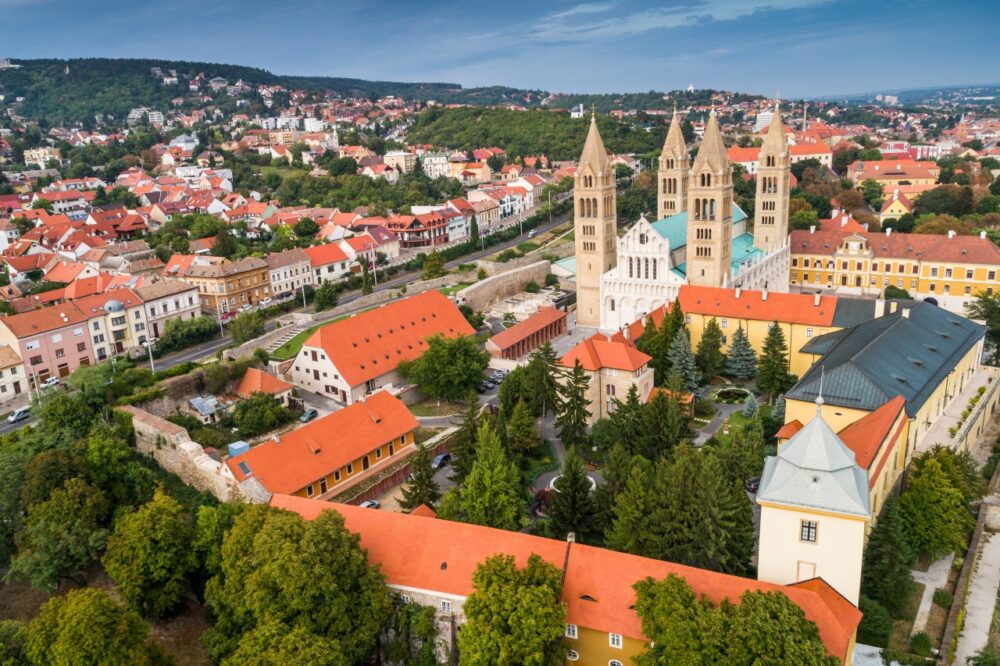
Pécs sits in the south of Hungary, tucked against the Mecsek hills, close enough to the Croatian border that the climate and building style both feel a little different from the rest of the country. It was European Capital of Culture back in 2010, and the investment from that year still shows in the museums, public squares, and cultural quarter that make up the modern city center. Unlike the flat river cities further north and east, Pécs has actual hills, which means views open up unexpectedly as you walk between sights.
What struck me most was the sheer density of genuinely important history packed into a fairly compact center. Early Christian burial chambers, Ottoman-era mosques, and one of Europe’s most famous porcelain manufacturers all sit within a short walk of each other. It’s a city that rewards curiosity rather than a rushed checklist. Below, I’ll break down the honest pros and cons of visiting Pécs, plus practical advice on where to stay, what to do, and how to get around.
Table of Contents
Pros – Reasons Pécs Is Worth Visiting
1. The Early Christian Necropolis Is a Genuine UNESCO Highlight
Right beneath the main square sits a network of 4th-century burial chambers, decorated with some of the best-preserved early Christian frescoes in Europe. I wasn’t expecting much walking in, but the painted tombs and the sheer age of the site, older than most cathedrals I’ve visited, made it one of the most quietly impressive things I saw anywhere in Hungary. It’s a UNESCO World Heritage Site, and it earns that status without any exaggeration.
2. The Mosque of Pasha Qasim Tells the City’s Layered History in One Building
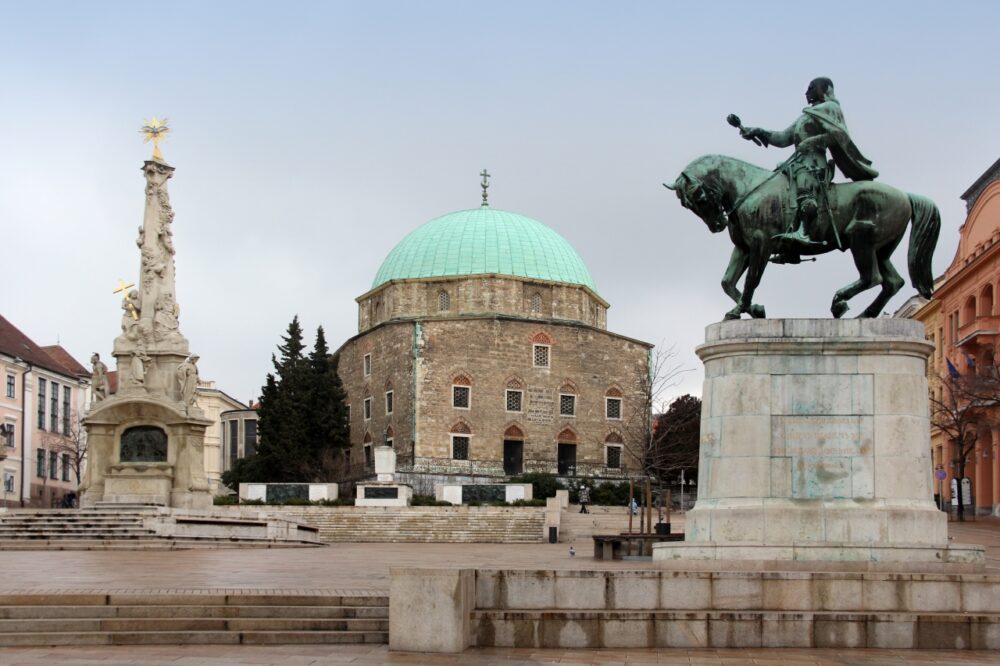
Pécs spent over a century under Ottoman rule, and the mosque on the main square is the clearest physical reminder of it. It was later converted into a Catholic church, and today you can see both histories layered in the same building, Islamic geometric patterns on the walls alongside Christian altars and statues. Standing inside, I found it a more powerful way to understand the region’s history than any museum plaque could manage.
3. The Zsolnay Cultural Quarter Is Unlike Anything Else in Hungary
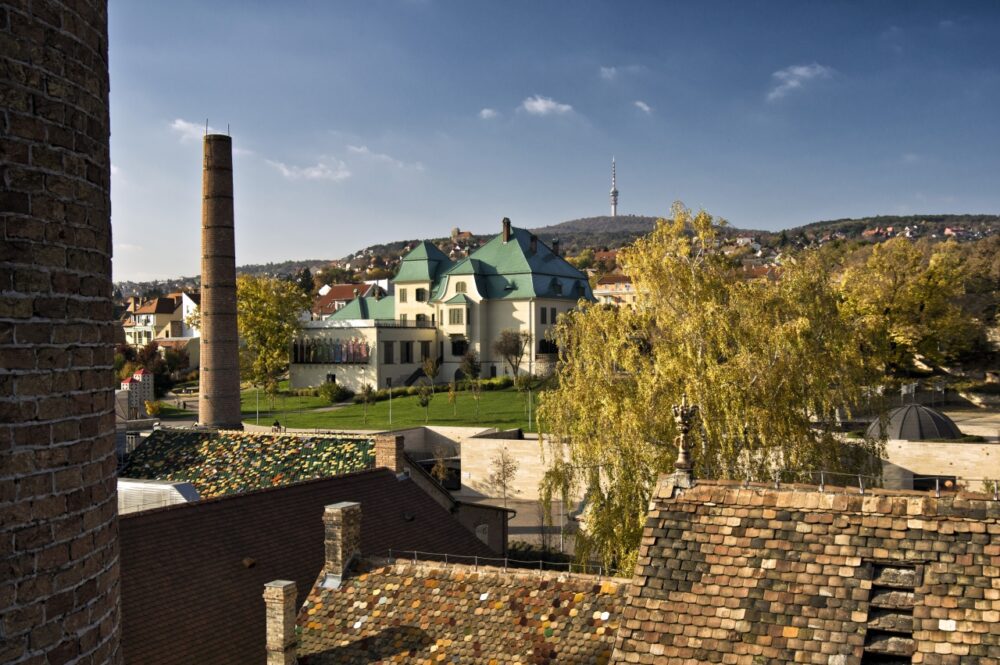
The old Zsolnay porcelain factory has been converted into a sprawling cultural district, with museums, galleries, workshops, and green space spread across the original industrial buildings. I spent a full afternoon there and still didn’t see everything. The porcelain itself, with its distinctive iridescent eosin glaze, is genuinely beautiful, and seeing the factory buildings themselves gave the visit a sense of place that a standalone museum wouldn’t have had.
4. The City Has Real Hills and Views, Unusual for Hungary
Most Hungarian cities I’d visited before Pécs were flat river towns. Pécs climbs up into the Mecsek hills, and a short walk or bus ride up to the TV tower area gave me a proper panoramic view over the rooftops and out toward the Croatian border hills in the distance. It’s a small thing, but the change in terrain made the city feel more dynamic to walk through than most of its flatter neighbors.
5. It’s a Genuine University City with a Younger, Livelier Feel
The University of Pécs is one of Hungary’s oldest and largest, and the student population keeps the center genuinely active, especially around the main square and the streets leading down from it. I found a wider range of casual restaurants, bars, and coffee shops than I expected for a city this size, and the evening atmosphere had a relaxed, unforced energy rather than feeling built purely for tourists.
6. Access to Villány Wine Country Makes It a Great Base
Pécs sits close to Villány, one of Hungary’s best-known red wine regions. I took a half-day tour out to a family-run vineyard and came back with more bottles than I probably should have. If you’re interested in Hungarian wine beyond the usual Tokaj recommendations, basing yourself in Pécs for a couple of nights gives you easy access to a region that doesn’t get nearly enough international attention.
7. It’s Noticeably Less Touristy Than Hungary’s Bigger Draws
Compared to Budapest, and even compared to Szeged during festival season, Pécs felt calm. I walked through the main square and cathedral district multiple times without ever feeling crowded. For travelers who want real cultural depth without elbowing through tour groups, Pécs offers a version of Hungary that feels more like discovery than a checklist.
Cons – Things to Consider Before Visiting Pécs
1. It Takes Real Effort to Reach
Pécs sits around three hours from Budapest by train, and connections from other regional cities aren’t always direct. This isn’t a place you stumble into on a quick day trip. I’d only recommend the journey if you’re planning to stay at least two nights, since the travel time deserves a proper payoff rather than a rushed few hours.
2. Some Sights Have Limited or Seasonal Opening Hours
I nearly missed the Early Christian Necropolis because I hadn’t checked opening times carefully enough, and a couple of the Zsolnay Quarter’s smaller museums had shorter hours than I expected outside peak season. It’s worth double-checking specific sights before building your day around them, especially if you’re visiting in shoulder season rather than summer.
3. The Hilly Terrain Isn’t Ideal for Everyone
I mentioned the hills as a pro, and they are, but they also mean more uphill walking than in flatter Hungarian cities. Getting to the TV tower viewpoint or moving between the lower town and the upper streets took real effort by the end of a long sightseeing day. If mobility is a concern, plan routes carefully and lean on local buses for the steeper stretches.
Things to Do in Pécs
- Tour the Early Christian Necropolis – The city’s standout sight, and one of the best-preserved ancient burial sites I’ve visited in Europe. Book ahead in peak season if you can.
- Visit the Mosque of Pasha Qasim on the main square – A rare, tangible layering of Ottoman and Christian history in a single building. Free or low-cost entry, and worth ten quiet minutes inside.
- Spend an afternoon in the Zsolnay Cultural Quarter – Museums, galleries, and workshops spread across a beautifully repurposed old porcelain factory. Give yourself more time here than you’d expect.
- Climb up to the Mecsek hills for the view – A short bus ride or a longer walk gets you panoramic views over the city and toward the Croatian hills. Best done on a clear afternoon.
- Walk through Széchenyi Square – The heart of the city, anchored by the mosque and surrounded by cafes. A good spot to sit and watch daily life unfold.
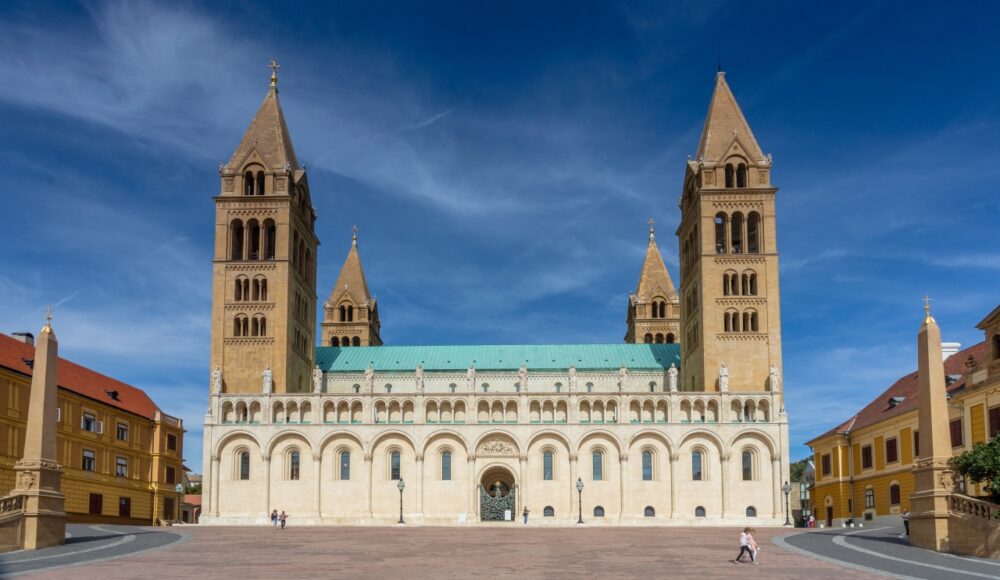
- Visit the Pécs Cathedral (Basilica of St. Peter and St. Paul) – A striking four-towered basilica with a crypt worth the extra ticket. Quieter and less visited than similar cathedrals elsewhere in Hungary.
- Take a half-day wine tour to Villány – One of Hungary’s best red wine regions, an easy trip from Pécs and a good way to spend an unhurried afternoon.
- Browse the Zsolnay Fountain and Csontváry Museum – The fountain is a city landmark, and the nearby museum houses the work of Hungary’s best-known post-impressionist painter, worth a visit even for non-art-buffs.
- Walk the old city walls – Remnants of the medieval fortifications are still visible in parts of the city, offering a quieter, less-touristed walking route away from the main square.
- Try local Pannon cuisine paired with Villány wine – Restaurants around the center often pair regional dishes with local wines. It’s a good way to combine two of the city’s biggest strengths in one meal.
Where to Stay in Pécs
- City Center (around Széchenyi Square) – The best base for first-time visitors, putting the mosque, cathedral, and necropolis all within easy walking distance.
- Near the Zsolnay Cultural Quarter – A bit further from the main square, but a good choice if you plan to spend real time exploring the museums and galleries there, without a long walk back each evening.
- Upper town, near the Mecsek hills – A quieter, more residential option with better views, though it involves more uphill walking to reach the main sights. This is roughly where I stayed, and I’d choose it again for the views alone.
- Near the university district – Livelier and more budget-friendly, with a good range of casual dining, though it can get noisy during term time.
Getting Around Pécs
Pécs is compact enough that I covered almost the entire historic center on foot, and I’d recommend the same approach to most visitors. The main square, mosque, cathedral, and necropolis all sit within a comfortable walking loop.
The one place walking gets genuinely tiring is on the steeper streets heading up toward the Mecsek hills, and this is where the local bus network earns its keep. I took a bus up to the TV tower viewpoint rather than walking the whole way, and it saved a fair amount of energy for the rest of the day. Buses also connect the center to the Zsolnay Cultural Quarter and the university district, both a bit further out than the main square. Pécs doesn’t have a tram or metro system, so buses are the main form of public transport if you want to avoid walking uphill. I didn’t cycle during my visit, since the hills make it more demanding than flatter Hungarian cities, but the lower, flatter parts of town did seem reasonably bike-friendly for shorter trips.
Conclusion
So, is Pécs worth visiting in 2026? Based on my own time there, yes, and it deserves more attention than it tends to get outside Hungary. The Early Christian Necropolis and the layered history of the mosque on the main square give the city a genuine cultural weight, while the Zsolnay Cultural Quarter and nearby Villány wine region round it out into a well-balanced few days rather than a single-sight stop.
The trade-offs are real: it takes real effort to reach, some sights need advance planning around opening hours, and the hilly terrain adds a bit more physical effort than flatter Hungarian cities. None of that outweighed what I found once I got there. If you have the time to make the journey south and want a Hungarian city that feels like a genuine discovery rather than another stop on a well-worn route, Pécs is absolutely worth the trip.