
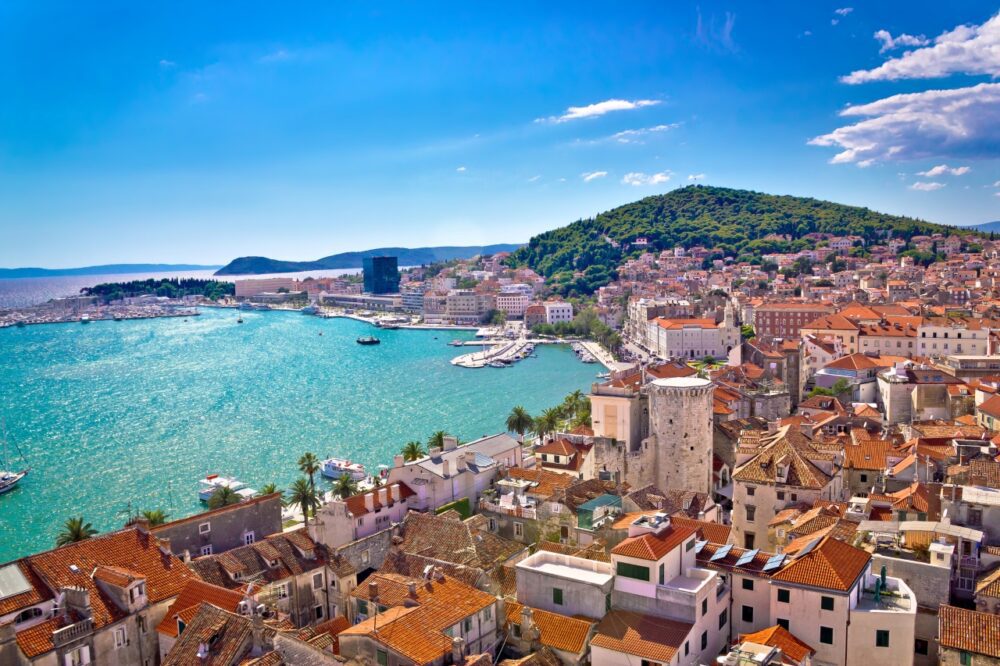
Is Split worth visiting? Yes, absolutely. Split was one of the highlights of my time in Croatia. From the moment I arrived, I loved the mix of history, coastal views, and relaxed Mediterranean atmosphere. One minute I was exploring ancient Roman streets, and the next I was sitting by the waterfront watching boats come and go. It felt like a city that offers much more than just a beach holiday.
Split is the second-largest city in Croatia and one of the most popular destinations on the Adriatic coast. The city is famous for Diocletian’s Palace, a UNESCO World Heritage Site that forms the heart of the old town. Along with its historic attractions, Split offers beautiful sea views, lively restaurants, nearby islands, and easy access to some of Croatia’s best natural attractions.
In this guide, I’ll cover the top reasons why Split is worth visiting and share some practical travel tips and advice to help you plan your trip. If you’re wondering whether Croatia’s coastal gem deserves a place on your itinerary, keep reading to discover the many reasons why Split is worth visiting.
Table of Contents
Top Activities in Split
- Split: Old Town – Diocletian Palace Guide Tour – SMALL GROUP — walking tour
- Split/Trogir: Blue Cave, Mamma Mia, Hvar and 5 Island Tour — island-hopping speedboat tour
- Split: Krka Waterfalls Trip with Boat Cruise and Swimming — day trip with river boat cruise
- Omiš/Split: 4h Kayaking in Cetina Protected Nature Park Area — kayaking
- Omiš/Split: Cetina River Rafting Adventure & Cliff Jumping — white-water rafting adventure
- Split: Blue Lagoon & 3 Islands – Premium Speedboat Trip — separate island/beach speedboat trip
Top Reasons You Should Visit Split
1. A Living Roman Palace Unlike Anywhere Else
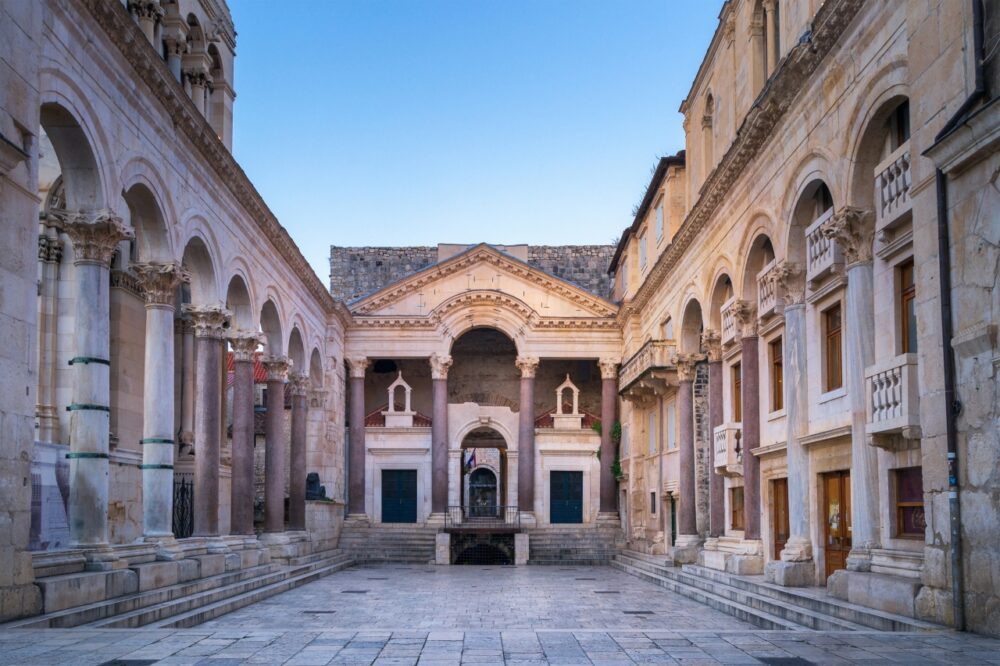
Split has one attraction that immediately sets it apart from almost every other city in Europe. At its heart lies Diocletian’s Palace, a huge Roman complex built around AD 305 for the Roman emperor Diocletian after he retired. Unlike most ancient ruins, this palace is not simply a historical site that people visit for an hour before moving on. It is still very much alive.
Today, the palace is filled with apartments, restaurants, cafés, hotels, and small shops. Walking through its narrow stone streets felt surreal because I was passing Roman columns that were nearly 1,700 years old while locals carried shopping home or enjoyed coffee outside their front doors. History is not separated from everyday life here. Instead, the two exist side by side in a way that feels completely natural.
I found myself returning to the palace several times each day because it constantly changes. The mornings are peaceful, afternoons become lively as visitors arrive, and evenings fill with music and people enjoying outdoor restaurants. It never felt like I was walking through ruins. Instead, it felt like I was exploring one of the oldest living neighborhoods in Europe.
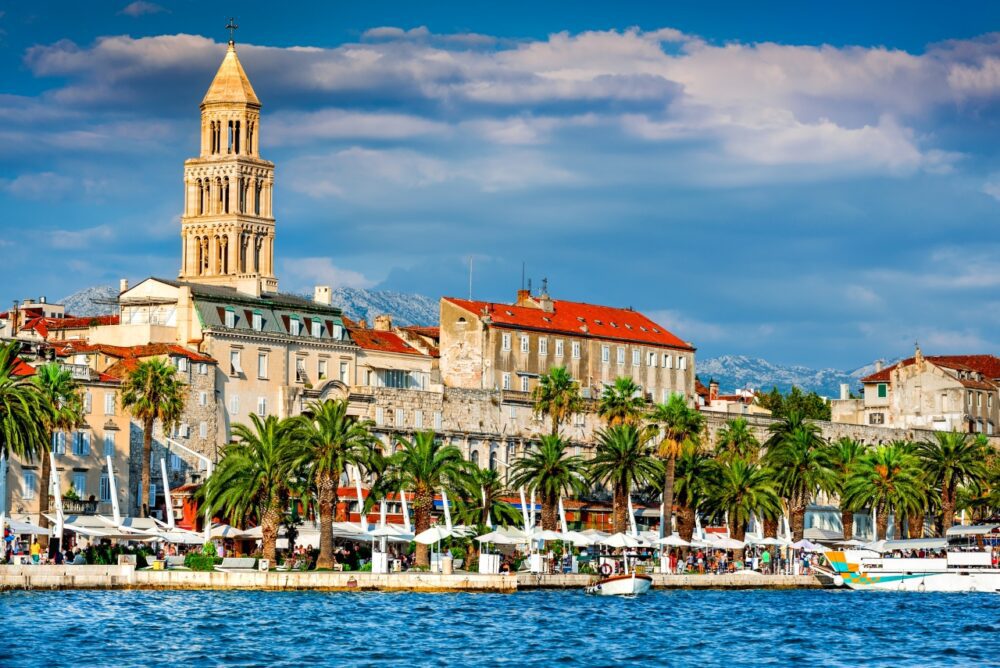
2. Beautiful Adriatic Views Everywhere You Look
Split enjoys one of the best settings in Croatia. The city sits beside the Adriatic Sea, backed by mountains and surrounded by beautiful islands. Wherever I walked, there always seemed to be another viewpoint overlooking sparkling blue water or boats gently moving around the harbor.
One of my favorite things to do was simply stroll along the waterfront without any particular destination in mind. Ferries arrived from nearby islands, sailing boats drifted across the bay, and the mountains created a dramatic backdrop behind the city. It is one of those places where even an ordinary walk feels special because the scenery constantly changes.
I also loved how the sea shapes everyday life in Split. Locals swim before work, fishermen prepare their boats early in the morning, and families gather along the waterfront during the evening. Being surrounded by the Adriatic gives the city a relaxed Mediterranean atmosphere that I found incredibly easy to enjoy.
3. A Fantastic Waterfront Promenade
Split’s waterfront promenade, known as the Riva, is one of the liveliest places in the city. Lined with palm trees, cafés, restaurants, and benches, it stretches along the harbor and acts as a meeting place for both visitors and locals. No matter what time of day I visited, there always seemed to be something happening.
I probably walked along the Riva at least twice every day. During the morning, people enjoyed coffee while watching ferries arrive. In the afternoon, families and tourists filled the promenade, and by evening the outdoor restaurants became busy as everyone gathered to enjoy the cooler temperatures. It has a wonderful atmosphere without ever feeling overwhelming.
One of my favorite evenings in Split involved doing absolutely nothing except sitting on a bench overlooking the harbor with an ice cream. Watching the boats return, listening to street musicians, and seeing the city gradually light up reminded me that sometimes the best travel memories come from simply slowing down and enjoying the surroundings.
4. Easy Access to Croatia’s Beautiful Islands
Split is one of the best places in Croatia for island hopping. It serves as the main ferry hub for central Dalmatia, with regular services to islands such as Hvar, Brač, Vis, and Šolta. That makes it incredibly easy to add island adventures to your holiday without changing hotels.
I took a ferry to Brač for the day and was surprised by how simple the journey was. Within an hour, I had swapped busy city streets for peaceful villages, quiet beaches, and crystal-clear water. It felt like visiting a completely different world despite being so close to Split.
What I appreciated most was having so much choice. Some days I wanted to explore Roman history and museums, while other days I simply wanted to swim and relax beside the sea. Staying in Split meant I never had to choose between the two, making it one of the most versatile destinations I visited in Croatia.
5. Marjan Hill Offers Nature Right Next to the City
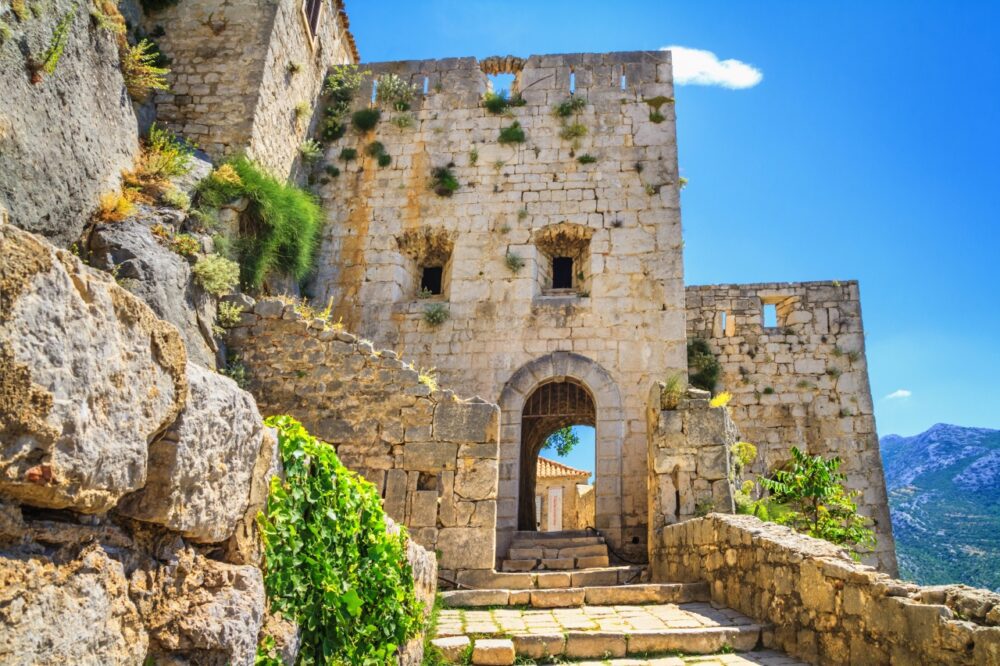
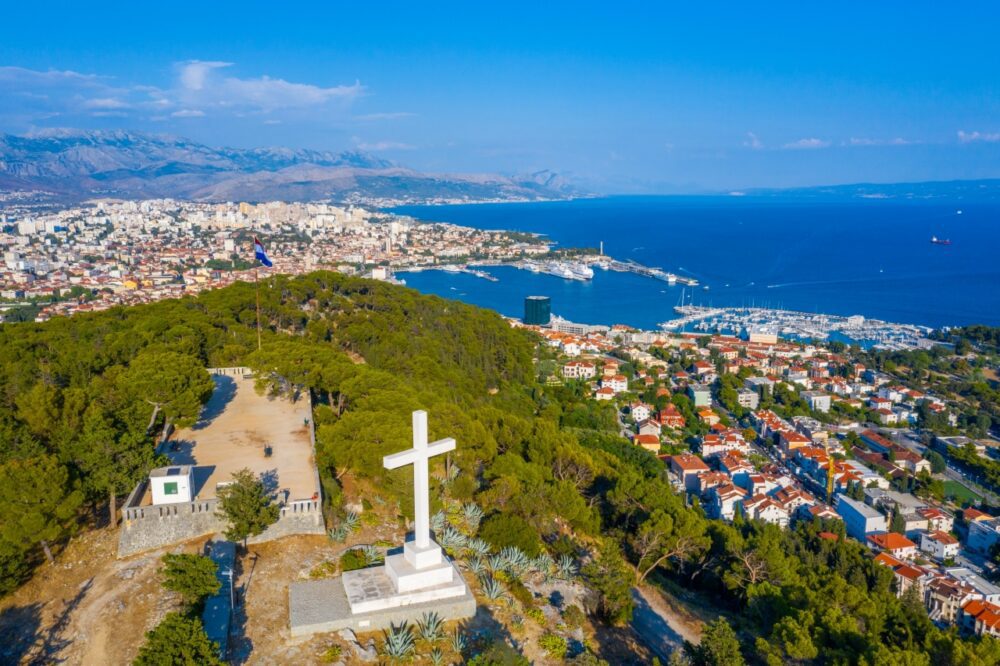
Although Split is famous for its history, it also offers a fantastic escape into nature. Marjan Hill rises above the western side of the city and is covered with pine forests, walking trails, viewpoints, and small beaches. It almost feels like a national park sitting beside the city center.
I decided to walk up one morning before the weather became too hot. The climb was easier than I expected, and every few minutes another viewpoint opened up across the city, harbor, and nearby islands. Looking back at Split from above really helped me appreciate how beautiful its location is.
Once I reached the quieter walking trails, it became surprisingly peaceful. I passed joggers, cyclists, and local families, but it never felt crowded. After spending time exploring busy streets below, Marjan Hill gave me the perfect opportunity to slow down and enjoy Croatia’s natural beauty.
6. Fresh Seafood and Traditional Dalmatian Cuisine
Food was another reason I enjoyed Split so much. Dalmatian cuisine focuses on fresh seafood, olive oil, vegetables, herbs, and locally produced wine. The meals are often simple, but the ingredients are so fresh that they rarely need anything complicated.
One evening, I ordered grilled squid served with potatoes and Swiss chard at a small family-run restaurant. It was one of the best meals I had during my time in Croatia. I also tried black risotto made with squid ink, octopus salad, and several seafood pasta dishes that were equally impressive.
Even if seafood is not your favorite, there are plenty of traditional Croatian meat dishes to choose from. I liked having so much variety, and I found that restaurants away from the busiest tourist streets usually offered excellent food at more reasonable prices.
7. A Lively Mediterranean Atmosphere
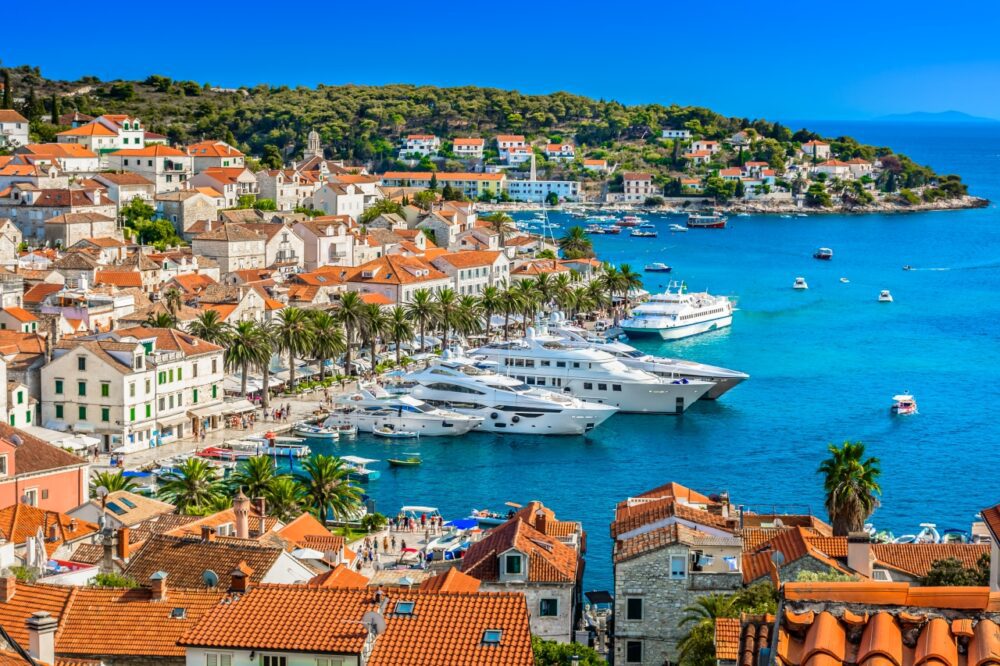
Split has a wonderful energy, especially during the summer months. Cruise ships arrive daily, ferries connect the nearby islands, and visitors from around the world fill the old streets. Despite its popularity, the city never felt as overwhelming as I expected.
During the evenings, restaurants spilled out onto the streets, musicians performed in the palace squares, and people gathered along the waterfront to enjoy the cooler weather. There was always a pleasant buzz of conversation without the city ever feeling too noisy or hectic.
I particularly enjoyed walking through the Old Town after dinner when the temperature dropped and the stone streets were beautifully lit. It felt lively but relaxed at the same time. That balance between excitement and calm is something I think Split does exceptionally well.
8. Fascinating Game of Thrones Filming Locations
Split became even more famous after appearing in Game of Thrones, where parts of Diocletian’s Palace were used as filming locations for the city of Meereen. Fans of the series can easily recognize several scenes while walking through the palace’s underground chambers.
Even though I am not a huge Game of Thrones fan, I still found it interesting seeing places that had appeared on television. The palace cellars were particularly impressive because they have survived almost unchanged since Roman times. Walking through those ancient stone halls was fascinating regardless of their connection to the series.
What I appreciated most was that the television connection never overshadowed the city’s real history. The Roman heritage remains the main attraction, while the filming locations simply provide another interesting layer for visitors who enjoyed the show.
9. Beautiful Beaches Close to the Old Town
Unlike many historic European cities, Split allows you to combine sightseeing with swimming. Several beaches are located within walking distance of the Old Town, making it easy to cool off after spending hours exploring Roman streets and historic buildings.
Bačvice Beach is the most famous and is known for its shallow water and lively atmosphere. I spent one afternoon there watching locals play picigin, a traditional Croatian ball game played in the sea. It was surprisingly entertaining and gave me another glimpse into everyday life in Split.
If you prefer something quieter, smaller beaches around Marjan Hill offer a more peaceful experience with crystal-clear water and fewer people. I enjoyed having so many options because it meant I could choose between lively city beaches or hidden coves depending on my mood.
10. One of Croatia’s Best All-Round Destinations
What impressed me most about Split was how much variety it offers. It combines ancient history, beautiful beaches, island hopping, excellent food, coastal scenery, and a relaxed Mediterranean lifestyle in one compact destination. Very few cities manage to offer so many different experiences without feeling overwhelming.
During my stay, mornings were spent exploring Diocletian’s Palace, afternoons often involved swimming or taking boat trips, and evenings ended with long walks along the Riva before dinner. Every day felt different, and I never found myself running out of things to do or places to explore.
By the time I left, I understood why so many people choose Split as their base for exploring Croatia. It is much more than just a stop between Dubrovnik and the islands. For me, it was one of the country’s most complete destinations and somewhere I would happily return to for a much longer stay.
Travel Tips for Visiting Split
When to Visit Split
I think the best time to visit Split is from May to June or September to early October. During these months, the weather is warm, the sea is inviting, and the crowds are much smaller than in the peak summer season. July and August are great if you want the busiest atmosphere, beach clubs, and nightlife, but prices are higher and attractions can feel crowded. Winter is quiet and much cheaper, although swimming is off the table for most people. Personally, I would choose September because the sea is still warm, the weather is excellent, and it feels much more relaxed than summer.
How to Get to Split
Most visitors arrive through Split Airport, which is located about 25 kilometres west of the city centre. Airlines such as Croatia Airlines, easyJet, Ryanair, Lufthansa, British Airways, and several seasonal carriers operate flights here. Airport shuttle buses run directly into the city centre and are timed around flight arrivals. Split is also connected by train and long-distance bus services to Zagreb and other Croatian cities. Ferries arrive daily from nearby islands and cities along the coast. Personally, I think flying into Split and taking the airport shuttle is the easiest option, although arriving by ferry from another Croatian destination can be a memorable experience too.
Where to Stay in Split
- Hotel Park Split – Located near Bačvice Beach, this luxury hotel combines a great location with excellent facilities and is one of the city’s most famous places to stay.
- Cornaro Hotel – Situated right beside the Old Town, this stylish hotel is perfect if you want to be within walking distance of Split’s main attractions.
- Briig Boutique Hotel – Located near Bačvice Beach, this modern hotel offers great sea views and easy access to both the beach and the historic centre.
- Heritage Hotel Antique Split – Set inside Diocletian’s Palace, this boutique hotel offers a unique experience right in the middle of the city’s most famous landmark.
- Hotel Pax – This mid-range hotel provides comfortable rooms and good value while remaining close to the coast and city centre.
- Hostel Dvor – One of the best budget-friendly places to stay in Split, this hostel has a relaxed atmosphere and a location within walking distance of the Old Town.
Getting Around Split
Split is a very walkable city, especially around the Old Town and waterfront promenade. Most visitors spend their time exploring on foot because many of the main attractions are located close together. For longer journeys, the city has a bus network operated by Promet Split that connects different neighbourhoods and nearby towns. Tickets can be purchased at kiosks, onboard buses, or through local transport apps. Ferries are also important if you plan to visit nearby islands such as Hvar, Brač, or Vis. Personally, I walked almost everywhere in the city centre and only used buses or ferries when heading further afield.
How Long to Spend in Split
I think three to four days is the perfect amount of time for Split. Three days gives you enough time to explore Diocletian’s Palace, relax on the beaches, and take one day trip to either Krka National Park or the nearby islands. With four or five days, you can visit multiple islands, spend more time on the coast, or even take trips to Dubrovnik or Mostar. Personally, I would recommend at least four days because Split is not just about the city itself. Some of the best experiences are found on the islands and along the nearby coastline.
Conclusion
So, is Split worth visiting? Without a doubt. From its fascinating Roman history and beautiful old town to its waterfront promenade, nearby beaches, and island-hopping opportunities, there are plenty of reasons to spend time here. Split combines culture, history, and coastal scenery better than almost anywhere else in Croatia. If you’re planning a trip to Croatia and want a destination that offers both sightseeing and relaxation, Split is well worth adding to your travel plans.