
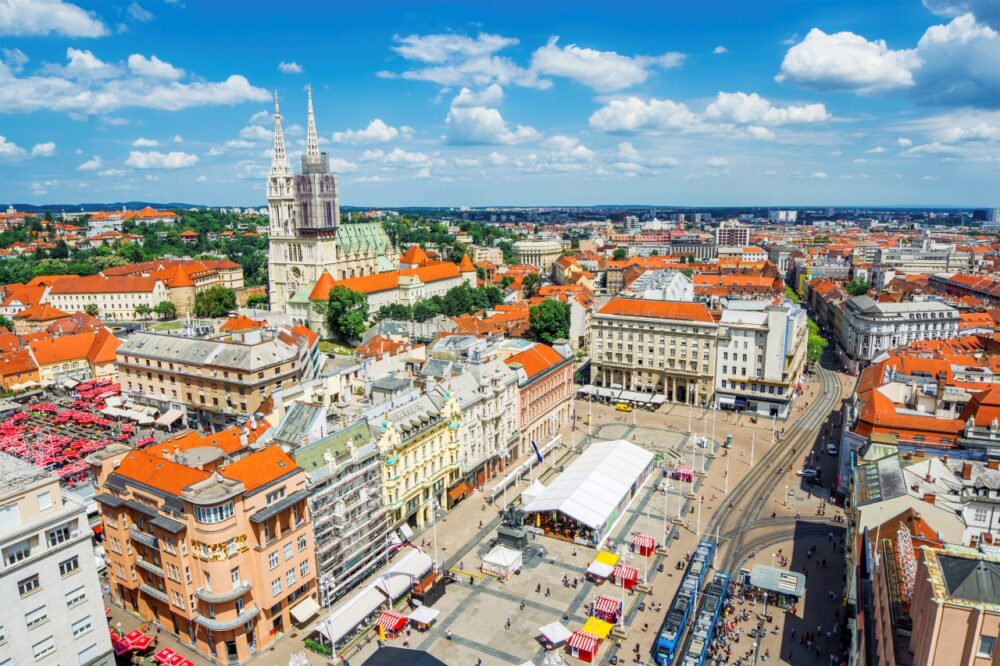
Is Zagreb worth visiting? Yes, it is. I’ll admit that when most people think of Croatia, they picture places like Dubrovnik or Split. I was the same before my first visit. But after spending time in Zagreb, I realised the capital has its own charm. I enjoyed wandering through the old streets, relaxing in the city’s parks, and discovering cafés and local spots that gave me a better feel for everyday life in Croatia.
Zagreb is the capital of Croatia and the country’s largest city. It offers a mix of history, culture, museums, green spaces, and a lively café scene. While it doesn’t have the beaches that Croatia is famous for, it makes up for it with its relaxed atmosphere and local character.
In this guide, I’ll cover the top reasons why Zagreb is worth visiting and share some useful travel tips and advice to help you plan your trip. If you’re wondering whether Croatia’s capital deserves a place on your itinerary, keep reading to discover the many reasons why Zagreb is worth visiting.
Table of Contents
Top Activities in Zagreb
- Zagreb Small-Group Walking Tour with WW2 Tunnels & Funicular
- From Zagreb: Plitvice Lakes and Rastoke Day Trip
- From Zagreb: Ljubljana and Lake Bled Guided Day Trip
- Zagreb: Skip-the-Ticket-Line Museum of Broken Relationships
- Zagreb: Nikola Tesla Technical Museum Ticket
- Zagreb: Museum of Illusions Entrance Ticket
Top Reasons You Should Visit Zagreb
1. A Relaxed Capital City Without Overwhelming Crowds
Zagreb was not what I expected from a European capital. Before visiting, I imagined it would be busy, expensive, and packed with tourists. Instead, I found a city that felt calm, welcoming, and surprisingly easy to explore. Compared to capitals like Prague, Budapest, or Vienna, Zagreb receives far fewer international visitors, giving it a much more local feel.
I noticed this difference almost immediately. I could wander through the main squares without squeezing through crowds, find a table at almost any café, and enjoy museums without waiting in long queues. It felt refreshing to visit a capital where people were simply living their everyday lives instead of the city revolving entirely around tourism. That slower pace encouraged me to stop more often, explore side streets, and appreciate the little details.
By the end of my stay, I realized that this relaxed atmosphere had become one of my favorite things about Zagreb. It may not have the instant wow factor of some European capitals, but it slowly wins you over. If you enjoy cities that reward slow exploration rather than rushed sightseeing, I think Zagreb is an excellent choice.
2. A Charming Historic Upper Town
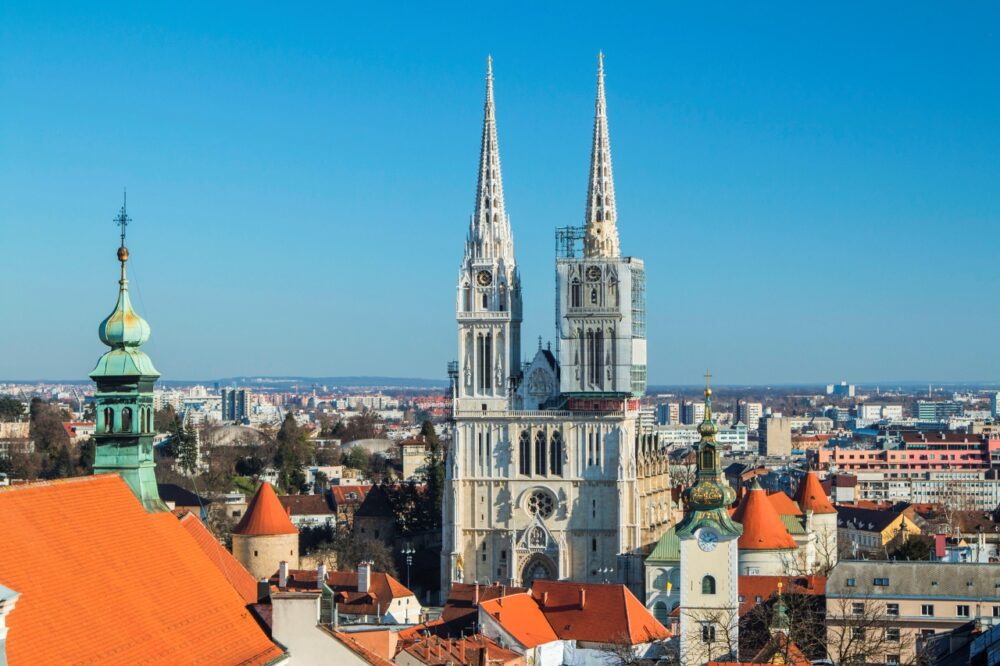
Zagreb’s Upper Town, known as Gornji Grad, is the oldest part of the city and one of its most attractive areas. Cobbled streets, colorful buildings, medieval churches, and small squares create a charming atmosphere that feels completely different from the modern neighborhoods below. Many of the city’s most important historic landmarks are found here, including St. Mark’s Church and Lotrščak Tower.
I spent my first afternoon simply wandering around without any real plan. One narrow street led to another, opening onto quiet courtyards, hidden viewpoints, and peaceful squares. I loved that I never knew what I would discover next. St. Mark’s Church was especially memorable because of its colorful tiled roof, which has become one of Zagreb’s most recognizable landmarks.
What I enjoyed most was exploring Upper Town early in the morning before the streets became busy. The peaceful atmosphere made it easy to imagine what the city might have looked like centuries ago. Walking through these historic streets with almost nobody else around became one of my favorite memories from Zagreb.
3. One of Europe’s Best Café Cultures
Croatians take coffee seriously, and Zagreb has one of the strongest café cultures I have experienced anywhere in Europe. Drinking coffee here is not something people rush through before work. Instead, it is a social activity that often lasts for hours as friends catch up and enjoy the atmosphere.
I quickly found myself doing the same thing. Every morning, outdoor terraces filled with locals chatting over coffee while reading newspapers or simply watching the world go by. At first, I felt slightly guilty sitting at a table for an hour with only one drink, but after seeing everyone else doing exactly the same thing, I realized that was simply how life works here.
Tkalčićeva Street became one of my favorite places in the city because it is lined with cafés, bars, and restaurants. I often stopped there during the afternoon for a coffee break before continuing to explore. It is one of those streets where there is no need to rush, and I think that slower pace is part of what makes Zagreb so enjoyable.
4. Fascinating Museums With Something Different
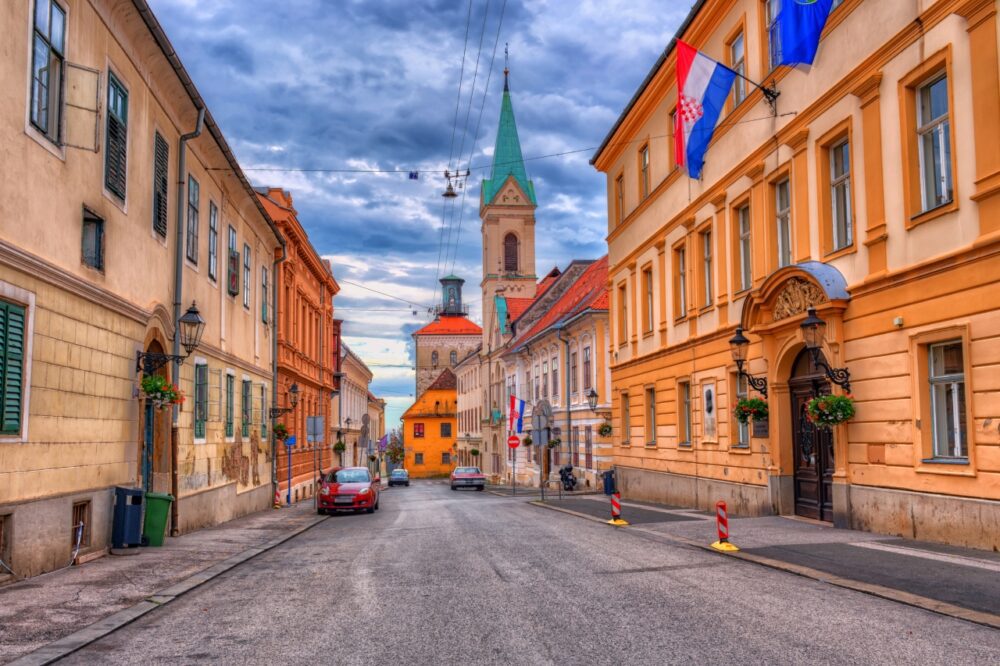
Zagreb has a museum scene that surprised me. Alongside traditional museums covering history and art, the city also has several unusual attractions that you simply do not find elsewhere. It gives visitors much more variety than I expected before arriving.
The Museum of Broken Relationships was probably the most memorable museum I visited. It displays objects donated by people from around the world, each connected to the end of a relationship. Some stories were funny, others were emotional, and many were surprisingly relatable. I went in expecting a quick visit but stayed much longer because every display told a different human story.
I also enjoyed visiting the Croatian Museum of Naïve Art, which showcases colorful and imaginative paintings created by self-taught artists. Both museums felt approachable rather than intimidating, and I appreciated that Zagreb offers attractions that are genuinely different instead of simply repeating what other European cities already have.
5. Beautiful Parks and Green Spaces
One thing that stood out to me about Zagreb was how green it feels. Parks, gardens, and tree-lined streets appear throughout the city, giving visitors plenty of opportunities to escape the busy shopping areas and relax outdoors. It makes Zagreb feel much more spacious than many European capitals.
Zrinjevac Park quickly became one of my favorite places to sit for a while. Elegant pathways, fountains, flowerbeds, and shaded benches create a peaceful atmosphere that attracts both locals and visitors. During my visit, musicians occasionally performed under the pavilion while families relaxed on the grass nearby.
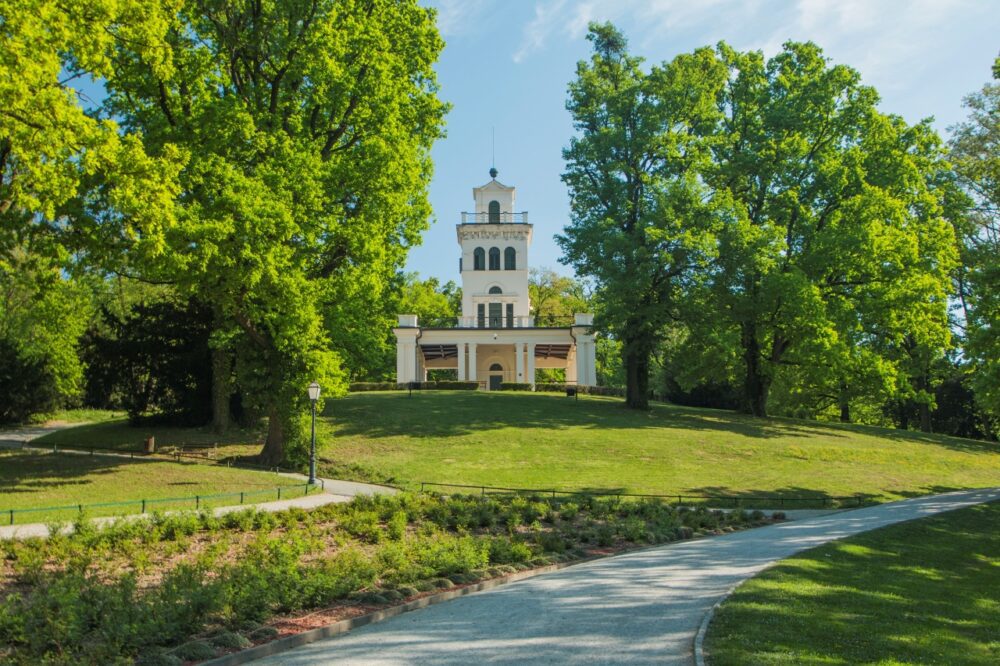
I also spent time in Maksimir Park, which is one of the oldest public parks in southeastern Europe. With lakes, forests, walking trails, and open green spaces, it almost feels like stepping into the countryside. Having these parks close to the city center gave Zagreb a calmer and more livable feel that I really appreciated.
6. Delicious Croatian Food
Croatian cuisine changes from region to region, and Zagreb offers an excellent introduction to the country’s traditional dishes. The food here reflects Central European influences, with hearty meals, homemade pastries, soups, and slow-cooked meat dishes appearing on menus throughout the city.
One local specialty I really enjoyed was štrukli, a baked pastry filled with cheese and cream. It is one of Zagreb’s signature dishes, and after trying it, I understood why locals are so proud of it. I also sampled roast duck, schnitzels, sausages, and rich stews, all served in generous portions that were perfect after a long day of sightseeing.
Dolac Market was another highlight because it allowed me to see local food culture up close. Walking between stalls selling fresh fruit, vegetables, cheese, honey, and cured meats gave me a better understanding of everyday life in Zagreb. It reminded me that some of the best travel experiences happen away from the main tourist attractions.
7. Excellent Value Compared to Other European Capitals
Although Croatia now uses the euro, Zagreb still offers very good value compared to many capitals in Western Europe. Accommodation, restaurants, attractions, and public transport generally cost less than cities like Paris, Amsterdam, or Copenhagen, making it a great destination for travelers on almost any budget.
I stayed in a comfortable hotel close to the city center and paid much less than I expected for a European capital. Restaurant meals were also reasonably priced, especially once I moved away from the busiest tourist areas. Even museum entrance fees felt affordable, allowing me to visit more attractions without worrying about the cost.
Having that extra flexibility made the trip much more enjoyable. I could stop for coffee whenever I wanted, try different restaurants, and spend longer exploring museums without constantly checking my budget. For me, Zagreb offered one of the best balances between quality and affordability.
8. A Great Base for Exploring Croatia
Zagreb is not only worth visiting in its own right but also serves as an excellent base for exploring the rest of Croatia. The country’s efficient road and rail connections make it easy to visit nearby towns, castles, and national parks.
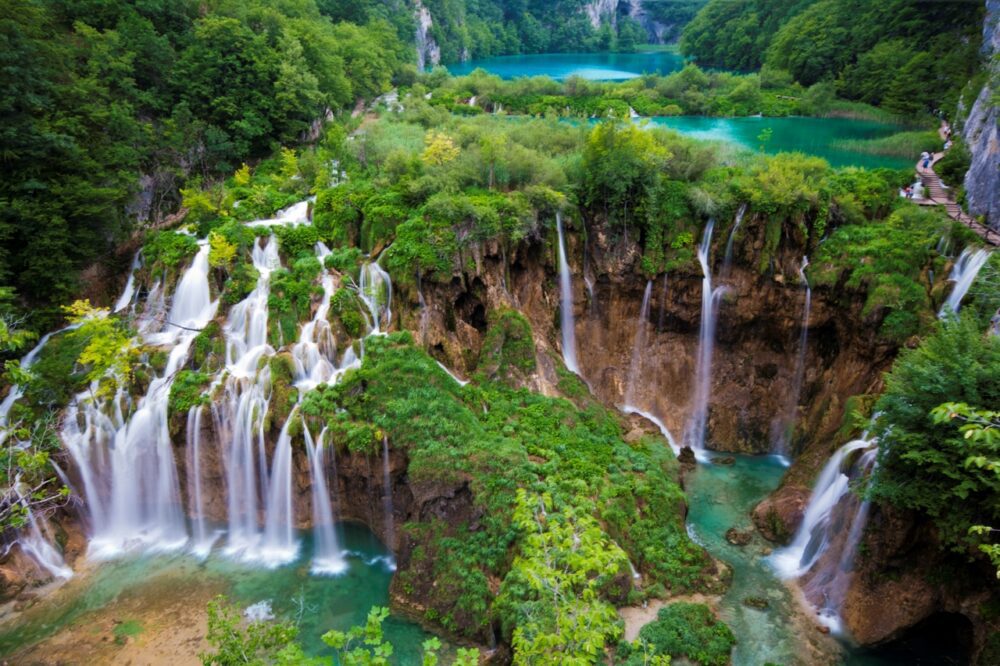
One of the most popular day trips is to Plitvice Lakes National Park, famous for its waterfalls and bright turquoise lakes. I spent a day there and thought it was one of the most beautiful natural areas I have visited anywhere in Europe. Wooden boardwalks wind across the lakes, creating spectacular views in every direction.
There are plenty of other options too, including the baroque town of Varaždin or the wine regions of northern Croatia. I always enjoy staying somewhere that offers lots of possibilities without constantly changing hotels, and Zagreb works perfectly for that kind of trip.
9. A Strong Sense of Local Identity
One thing I really appreciated about Zagreb was how Croatian it felt. Unlike some cities where tourism dominates everyday life, Zagreb has managed to keep a strong local identity. Restaurants serve local dishes, markets cater to residents, and Croatian is still the language you hear most often as you walk around the city.
I enjoyed sitting in cafés and simply watching daily life unfold. Office workers stopped for coffee before work, students gathered after lectures, and families filled the parks during the evening. Those ordinary moments often tell you more about a destination than any museum or guided tour.
That authenticity gave Zagreb a welcoming atmosphere that stayed with me throughout my visit. Rather than feeling like I was visiting a city created for tourists, I felt like I was getting a genuine glimpse into everyday Croatian life.
10. A City That Rewards Slow Exploration
Zagreb is not a place that overwhelms visitors with famous landmarks from the moment they arrive. Instead, it gradually reveals its charm through its atmosphere, neighborhoods, cafés, parks, and friendly pace of life. The longer I stayed, the more I appreciated what made the city special.
During my first day, I thought Zagreb was pleasant but perhaps a little understated. By my final evening, I had favorite cafés, quiet streets I liked returning to, and several parks where I happily spent time doing nothing more than watching the city go by. Those simple experiences ended up becoming my strongest memories.
By the time I left, I realized Zagreb had quietly become one of my favorite capitals in the Balkans. It may not have beaches like Split or Dubrovnik, but it offers something equally valuable: an authentic city with great food, fascinating history, friendly people, and an atmosphere that encourages you to slow down and enjoy the journey.
Travel Tips for Visiting Zagreb
When to Visit Zagreb
I think the best times to visit Zagreb are spring and autumn. May, June, September, and October usually offer pleasant weather that is perfect for walking around the city. Summer can be warm, but it is generally less crowded than Croatia’s coastal destinations. Winter is also a surprisingly good time to visit because Zagreb has one of the best Christmas markets in Europe. I visited during autumn and found it ideal for sightseeing. The temperatures were comfortable, and the city felt lively without being crowded.
How to Get to Zagreb
Most visitors arrive through Zagreb Airport, also known as Franjo Tuđman Airport, which is located about 15 kilometres from the city centre. Airlines such as Croatia Airlines, Ryanair, Lufthansa, KLM, and British Airways operate regular flights here. Airport shuttle buses connect the airport with the main bus station in around 30 minutes, while taxis and ride-sharing services are also available. Zagreb is well connected by train and bus to cities across Croatia and neighbouring countries such as Slovenia, Hungary, and Austria. Personally, I think flying into Zagreb and taking the airport shuttle is the easiest option for most visitors.
Where to Stay in Zagreb
- Esplanade Zagreb Hotel – Located beside the main train station, this historic luxury hotel is one of the city’s most famous places to stay and a great choice if you want a classic Zagreb experience.
- Hotel Le Premier – Situated near the city centre, this elegant hotel combines historic architecture with modern comfort and offers easy access to Zagreb’s main attractions.
- Canopy by Hilton Zagreb City Centre – This stylish hotel close to the train station offers modern rooms and a good location for exploring both the Upper Town and Lower Town.
- Hotel Dubrovnik – Located right on Ban Jelačić Square, this hotel puts you in the heart of the action and is one of my favourite options for first-time visitors.
- MANDA Heritage Hotel – This mid-range boutique hotel near the city centre offers excellent value and a convenient location for sightseeing.
- Hostel Bureau – Located close to the Upper Town, this budget-friendly option is ideal for backpackers and travellers looking to save money while staying central.
Getting Around Zagreb
Zagreb is a very easy city to explore. Most of the main attractions in the centre can be reached on foot, especially around Ban Jelačić Square and the Upper Town. The city also has an extensive tram network that covers most areas, along with buses for destinations further out. Tickets can be purchased at kiosks, onboard many trams, or through local transport apps. Ride-sharing services such as Bolt are widely available and often affordable. Personally, I found walking and using the trams to be the easiest combination. The city centre is compact, and the tram system makes longer journeys simple.
How Long to Spend in Zagreb
I think two to three days is the ideal amount of time for Zagreb. Two days gives you enough time to explore the city’s main attractions, visit a few museums, and enjoy the cafe culture. With three days, you can add a day trip to Plitvice Lakes, Ljubljana, or one of the nearby castles. If you’re travelling through Croatia, Zagreb also works well as a starting point before heading to the coast. Personally, I would recommend three days because it gives you enough time to enjoy both the city and some of the fantastic places nearby.
Conclusion
So, is Zagreb worth visiting? Absolutely. From its historic Upper Town and cultural attractions to its parks, markets, and vibrant café culture, there are plenty of reasons to spend time here. Zagreb offers a different side of Croatia that many travellers miss when focusing only on the coast. If you want to experience local life, explore interesting neighbourhoods, and discover a city with plenty of character, Zagreb is well worth adding to your travel plans.