
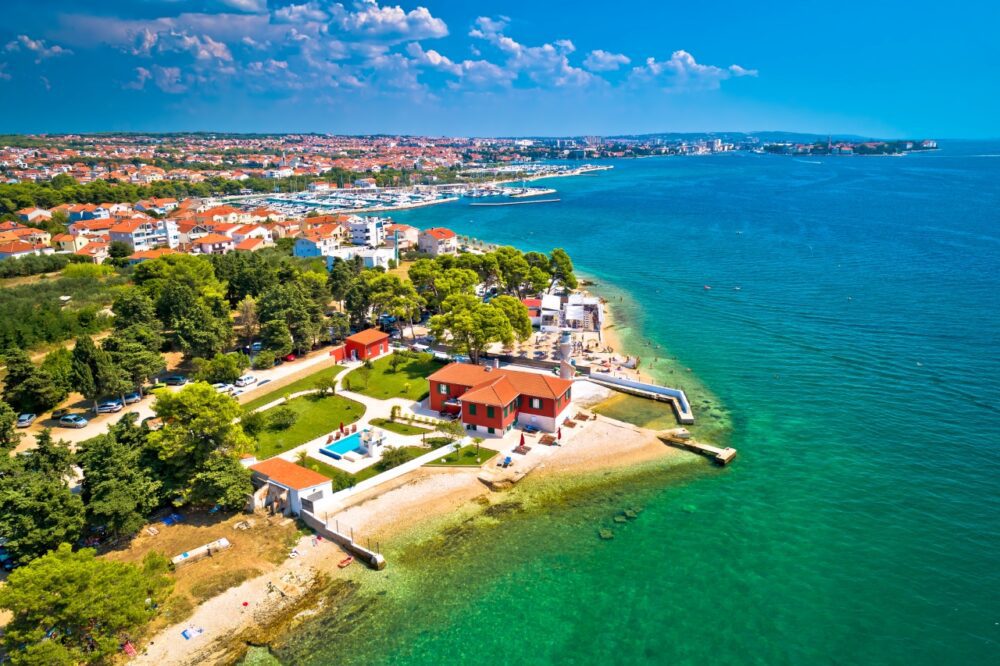
Is Zadar worth visiting? Yes, it definitely is. Zadar was one of the biggest surprises from my time in Croatia. Before visiting, I knew it was a coastal city, but I didn’t realise how much history, culture, and character it had. I enjoyed wandering through the old town, watching the sunset by the waterfront, and discovering attractions that felt very different from anywhere else I had visited in Croatia.
Zadar is a historic city on Croatia’s Dalmatian Coast and is known for its Roman ruins, medieval churches, and unique waterfront attractions. It combines thousands of years of history with a relaxed seaside atmosphere. The city is also a popular base for exploring nearby islands and national parks.
In this guide, I’ll cover the top reasons why Zadar is worth visiting and share some practical travel tips and advice to help you plan your trip. Whether you’re interested in history, coastal scenery, or outdoor adventures, you’ll soon discover the many reasons why Zadar is worth visiting.
Table of Contents
Top Reasons You Should Visit Zadar
1. A Historic Old Town Full of Ancient History
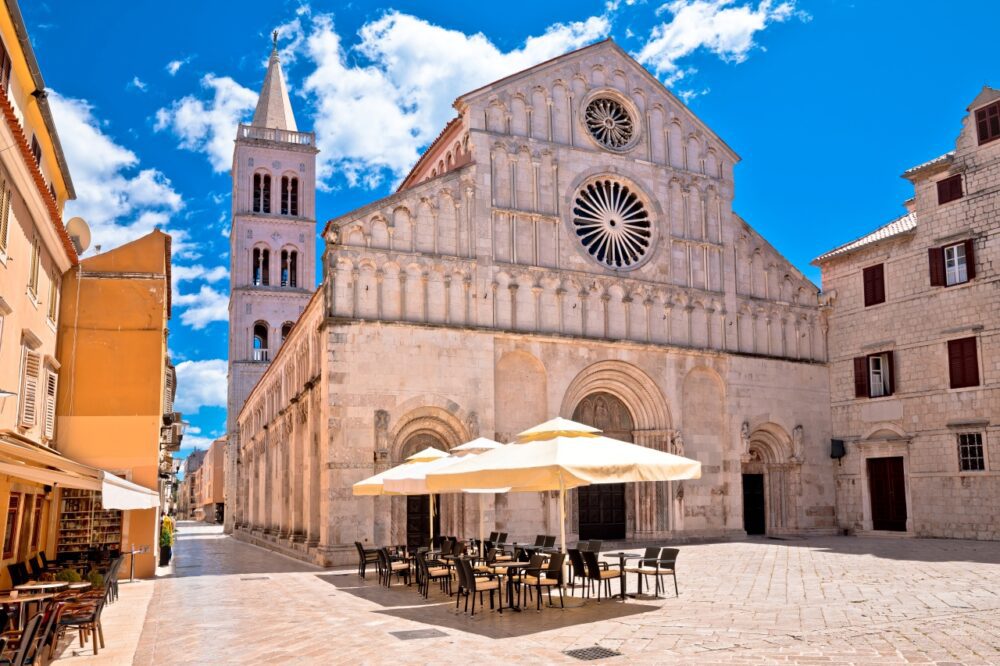
Zadar was one of the biggest surprises of my trip around Croatia. Before arriving, I knew it had a historic center, but I did not expect to find Roman ruins, medieval churches, Venetian walls, and lively cafés all packed into one compact peninsula. The Old Town feels like a place where every major civilization that passed through the Adriatic decided to leave something behind.
Walking through the narrow streets, I kept coming across reminders of the city’s long history. One moment I was standing beside Roman columns that were nearly 2,000 years old, and a few minutes later I was admiring medieval churches or elegant Venetian buildings. Unlike some historic cities where attractions feel isolated from daily life, Zadar’s monuments remain part of the city people use every day.
I loved simply wandering without looking at a map. Every turn revealed another quiet square, hidden alleyway, or small church that was not on my itinerary. The Old Town never felt overly crowded, and I found it much easier to explore than some of Croatia’s more famous historic cities. For me, it was the perfect place to slow down and let the city reveal itself naturally.
2. The Incredible Sea Organ
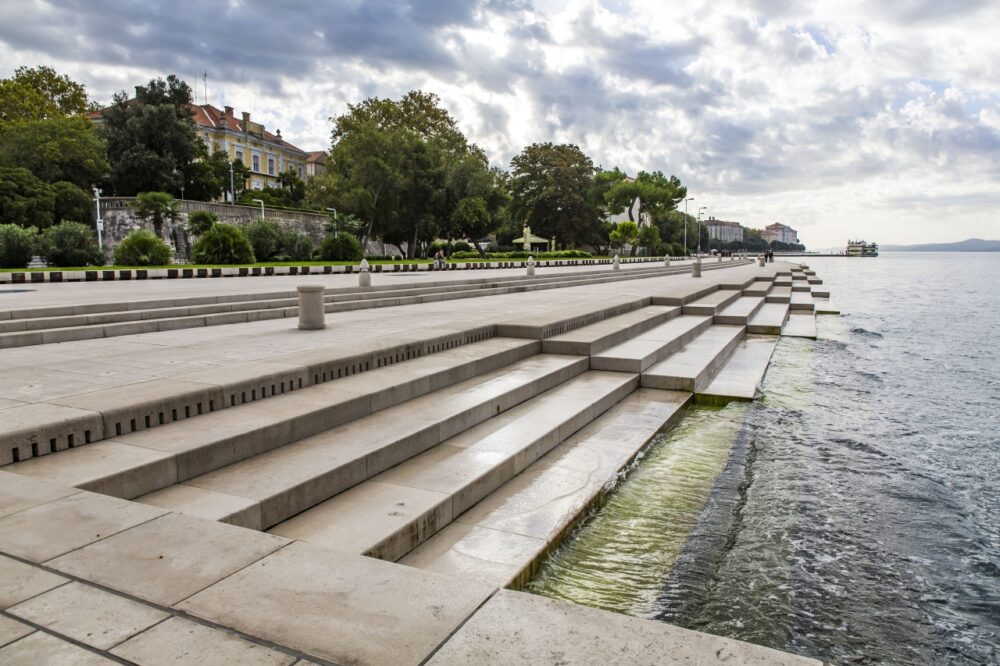
The Sea Organ is unlike anything I have experienced anywhere else. Built into the waterfront promenade, this unusual attraction uses the movement of the waves to push air through hidden pipes beneath the stone steps. The result is a series of haunting musical notes that change constantly depending on the sea.
Before visiting, I thought it sounded like a clever idea but wondered if it would actually be interesting. It turned out to be one of my favorite experiences in Zadar. I found myself sitting on the steps for far longer than I expected, simply listening as the sounds changed with every passing wave. Sometimes the music was soft and calming, while at other moments it became surprisingly dramatic.
What I liked most was how naturally people interacted with it. Locals sat chatting with friends, children played on the steps, and visitors quietly listened while watching the sea. It never felt like a gimmick or a tourist attraction created just for photographs. Instead, it has become part of everyday life in Zadar, which made the experience feel much more authentic.
3. Some of the Best Sunsets in Croatia
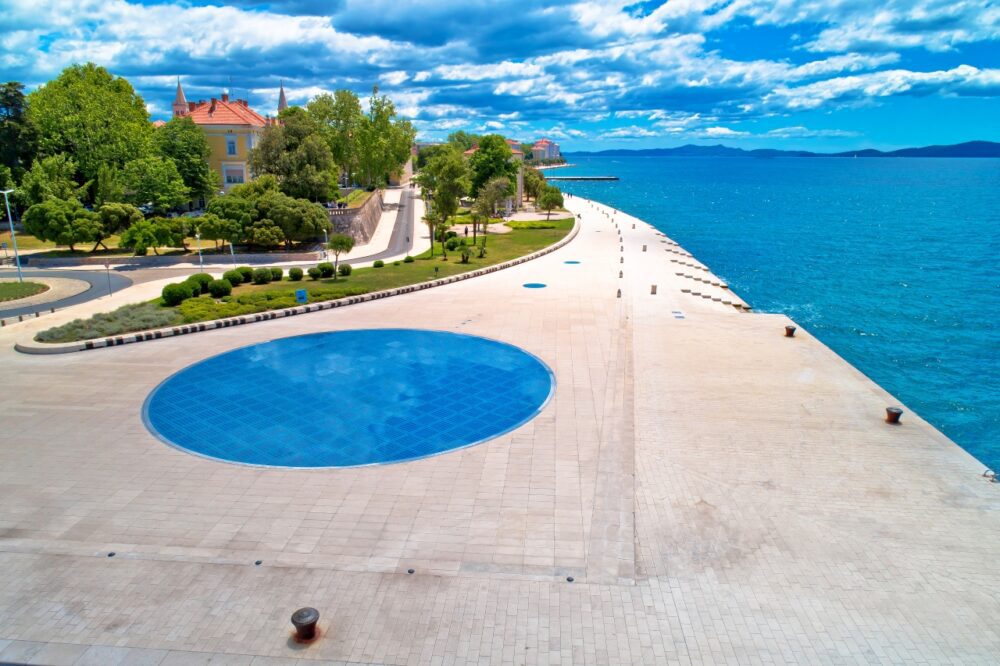
People in Zadar are incredibly proud of their sunsets, and after spending a few evenings there, I completely understood why. The city faces west across the Adriatic Sea, giving visitors uninterrupted views as the sun slowly disappears beyond the horizon. The nearby islands create beautiful silhouettes that make the scenery even more impressive.
I made a point of returning to the waterfront every evening because no two sunsets looked exactly the same. One evening the sky turned deep orange and pink, while another filled with dramatic purple clouds reflecting across the water. Watching the changing colors while the Sea Organ quietly played in the background created an atmosphere that I will not forget.
Even if you have seen countless sunsets while traveling, I think Zadar’s deserves its reputation. There is something about combining the music of the waves, the open sea, and the relaxed atmosphere along the promenade that makes the whole experience feel genuinely special.
4. A Relaxed Alternative to Dubrovnik and Split
Croatia has several world-famous coastal cities, but I actually appreciated how much calmer Zadar felt. It attracts plenty of visitors during summer, yet it never seemed as crowded or hectic as Dubrovnik or Split. That made exploring much more enjoyable because I never felt rushed or overwhelmed.
I could wander through the Old Town at my own pace, stop for coffee whenever I wanted, and usually find a table at restaurants without waiting very long. The atmosphere felt more local, with residents still making up a large part of the people walking through the streets each day. It gave the city a sense of authenticity that I really enjoyed.
For travelers who want to experience Croatia’s coastline without dealing with huge crowds every day, I think Zadar strikes an excellent balance. It offers plenty of history, beautiful scenery, and great food while maintaining a much more relaxed pace of life.
5. Beautiful Beaches and Crystal-Clear Water
Although Zadar is known for its history, it is also a fantastic beach destination. Several beaches and swimming spots are located within walking distance of the city center, making it easy to combine sightseeing with a refreshing swim in the Adriatic.
I spent one afternoon at Kolovare Beach after several hours exploring the Old Town. The water was incredibly clear, and I could easily see fish swimming below me. After walking around stone streets in the summer heat, jumping into the sea felt like the perfect reward.
There are also plenty of rocky swimming spots where locals simply spread out towels and dive straight into the water. I liked that relaxed approach because it made the city feel connected to the sea in a very natural way. Whether you prefer beaches or quiet coves, there are plenty of places to cool off.
6. Fascinating Roman and Medieval Heritage
Zadar has one of the richest histories on Croatia’s coast. The city was founded long before Roman times, later became an important Roman settlement, and eventually came under Byzantine, Venetian, and Austrian rule. Every period left its mark on the city.
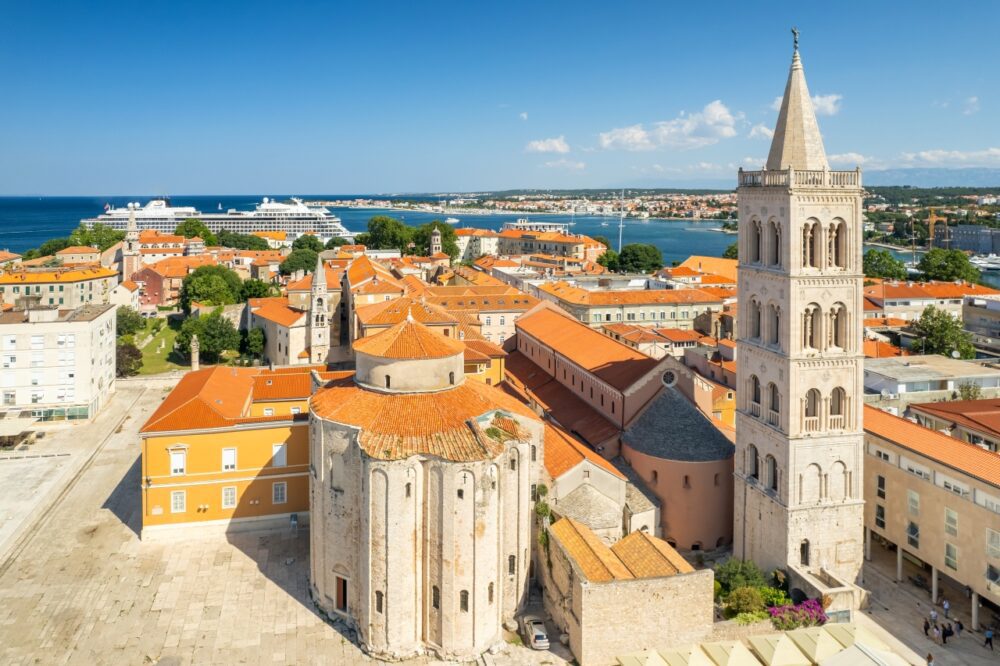
The Roman Forum quickly became one of my favorite places to visit. Built between the first century BC and the third century AD, it once served as the center of public life. Today, people still gather around the ancient stones, children play nearby, and cafés overlook the ruins. It felt refreshing to see such an important archaeological site remain part of everyday life.
I also enjoyed visiting the Church of St. Donatus, one of Croatia’s best-known pre-Romanesque churches. Its unusual circular design stands out immediately and provides another reminder of how many different civilizations have shaped Zadar over the centuries.
7. Easy Access to Croatia’s National Parks
One thing that makes Zadar such a good destination is its location. Several of Croatia’s most beautiful national parks are close enough for comfortable day trips, making it easy to combine city sightseeing with spectacular natural scenery.
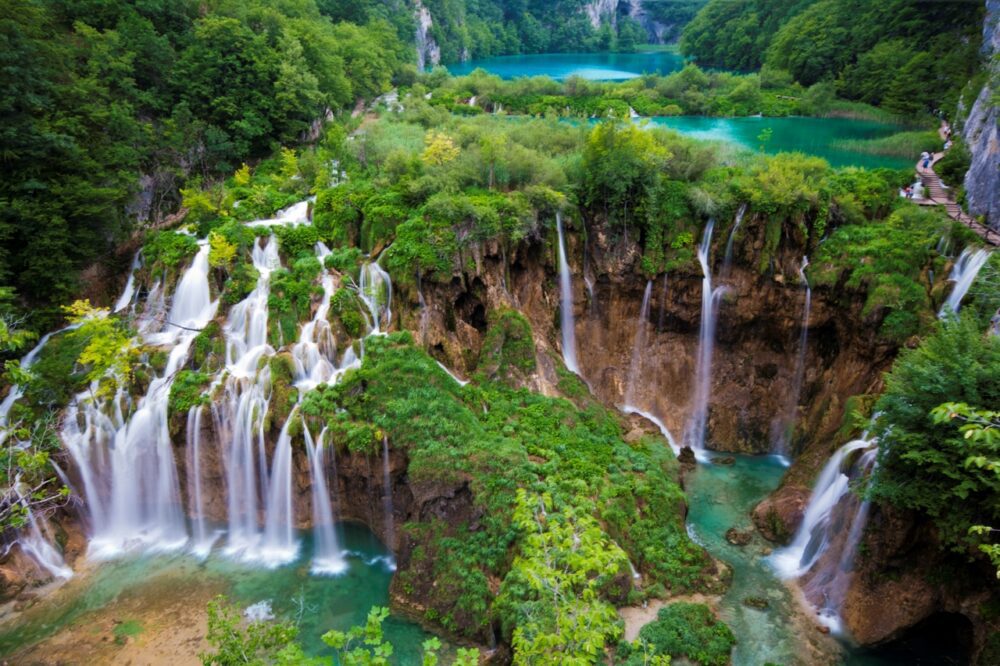
Plitvice Lakes National Park was the highlight for me. The famous turquoise lakes and waterfalls looked every bit as beautiful as the photographs, and walking along the wooden boardwalks became one of the highlights of my entire Croatia trip. Krka National Park and Paklenica National Park are also close enough to visit from Zadar.
I always enjoy destinations that give me plenty of options, and Zadar certainly does that. One day I was exploring Roman ruins, and the next I was hiking through forests or standing beside waterfalls. That variety makes it easy to spend several days in the city without running out of things to do.
8. Fresh Seafood and Dalmatian Cuisine
Food was another reason I enjoyed staying in Zadar. Dalmatian cuisine focuses on fresh seafood, olive oil, herbs, vegetables, and local wine. Meals are generally simple, but the quality of the ingredients makes every dish stand out.
One evening, I ordered grilled sea bream served with potatoes and Swiss chard at a small family-run restaurant. Everything tasted incredibly fresh, and it ended up being one of the best meals I had during my time in Croatia. I also enjoyed trying black risotto, octopus salad, and fresh mussels from the Adriatic.
Compared to Dubrovnik, I found restaurant prices in Zadar noticeably more affordable. That meant I felt more comfortable trying local specialties without worrying too much about the bill. It also encouraged me to explore smaller restaurants away from the busiest streets, which often turned out to be my favorites.
9. Easy Island Hopping Across the Adriatic
Zadar is an excellent starting point for exploring Croatia’s islands. Ferries leave regularly for destinations such as Ugljan, Dugi Otok, and Pašman, allowing visitors to experience a completely different side of the Adriatic without travelling very far.
I took a ferry to Ugljan one morning and loved how quickly the atmosphere changed. Within half an hour, I had swapped busy streets for quiet fishing villages, olive groves, and peaceful beaches. It felt like discovering another side of Croatia that many visitors overlook.
Dugi Otok is another popular choice thanks to its dramatic cliffs and beautiful Saharun Beach. Having these islands so close means you can easily mix cultural sightseeing with beach days and nature, which makes Zadar an ideal base for a longer holiday.
10. A City That Perfectly Balances History and Relaxation
What impressed me most about Zadar was its balance. Some destinations focus entirely on beaches, while others concentrate on history or nightlife. Zadar somehow manages to combine all of these without feeling like it is trying too hard to be anything in particular.
During my stay, mornings were usually spent exploring Roman ruins and medieval churches, afternoons involved swimming in the Adriatic, and evenings ended with sunsets beside the Sea Organ. Every day felt different, yet everything was close enough that I never felt rushed or exhausted.
By the time I left, I felt Zadar was one of Croatia’s most underrated cities. It may not receive as much attention as Dubrovnik or Split, but it offers history, beautiful scenery, excellent food, nearby islands, and a wonderfully relaxed atmosphere. If you are looking for a destination that gives you a little bit of everything, I think Zadar is one of the best choices on the Croatian coast.
Travel Tips for Visiting Zadar
What to Do in Zadar
- Zadar: Kornati Boat Trip with Lunch and Swim Stops
- From Zadar: Plitvice Lakes Guided Day Tour with Tickets
- From Zadar: Krka National Park and Waterfalls Day Trip
- Zadar: Sunset Boat Tour
- Zadar Half Day Sailing Trip
- Zadar Highlights: Old Town, Sea Organ, Forum & Tastings
- 4 Jewels of Zadar, Dugi otok, sunken ship, tunnel – Half day
- From Zadar: Dugi Otok Half-Day Kayak Adventure
- Zadar Food Tour: Local Dishes & City Stories
- River Zrmanja: Kayak tour with waterfalls near Zadar
When to Visit Zadar
I think the best times to visit Zadar are May, June, September, and early October. The weather is warm, the sea is comfortable for swimming, and the crowds are much smaller than during the peak summer months. July and August bring the hottest weather and the busiest atmosphere, which is great if you enjoy lively restaurants and nightlife. Winter is much quieter and offers a more local experience, although some tourism businesses reduce their hours. I visited in September and thought it was the perfect time. The sea was still warm, and it was much easier to enjoy the city without large crowds.
How to Get to Zadar
Most visitors arrive through Zadar Airport, which is located about 12 kilometres east of the city centre. Airlines such as Ryanair, easyJet, Lufthansa, Austrian Airlines, and several seasonal carriers operate flights here. Airport shuttle buses connect the airport with the city centre and are usually timed to match arriving flights. Zadar is also connected by long-distance buses to Split, Zagreb, Dubrovnik, and other Croatian cities. There are no major rail connections, so trains are not commonly used by visitors. Personally, I think flying directly into Zadar and taking the airport shuttle is the easiest and most convenient option.
Where to Stay in Zadar
- Hotel Bastion – Located within the Old Town walls, this luxury hotel offers a fantastic location and easy access to Zadar’s main attractions.
- Falkensteiner Hotel & Spa Iadera – Situated on the Punta Skala peninsula, this upscale resort is perfect if you want beach access and resort-style facilities.
- Almayer Art & Heritage Hotel – Located near the Old Town, this boutique hotel combines stylish design with a peaceful atmosphere.
- Teatro Verdi Boutique Hotel – Situated in the historic centre, this hotel is a great choice if you want to stay within walking distance of the city’s main sights.
- Hotel Kolovare – Located beside Kolovare Beach, this mid-range hotel offers good value and a convenient location near both the beach and Old Town.
- Downtown Boutique Hostel – One of the best budget-friendly places to stay in Zadar, this modern hostel offers an excellent location and comfortable facilities.
Getting Around Zadar
Zadar is a very walkable city, especially around the Old Town where most of the main attractions are located. The city’s bus network connects different neighbourhoods, beaches, and nearby towns, making it easy to travel further afield. Tickets can be purchased onboard or at kiosks, and local transport apps can help with planning routes. Taxis and ride-hailing services are also available. Personally, I spent most of my time walking because the historic centre is compact and easy to explore, while buses were useful for reaching beaches outside the centre.
How Long to Spend in Zadar
I think three days is the perfect amount of time for Zadar. One day allows you to explore the Old Town, Sea Organ, and waterfront. A second day is ideal for an island-hopping tour or a trip to Kornati National Park. With a third day, you can visit Plitvice Lakes or relax by the beach. If you enjoy outdoor activities and boat trips, you could easily stay longer. Personally, I would recommend at least three days because many of the best experiences are found beyond the city itself.
Conclusion
So, is Zadar worth visiting? Absolutely. From its historic old town and Roman landmarks to the famous Sea Organ, beautiful sunsets, and nearby natural attractions, there are plenty of reasons to spend time here. Zadar offers a great mix of history, culture, and coastal charm while often feeling less crowded than some of Croatia’s most famous destinations. If you’re planning a trip to Croatia, Zadar is a city that deserves a place on your itinerary.