
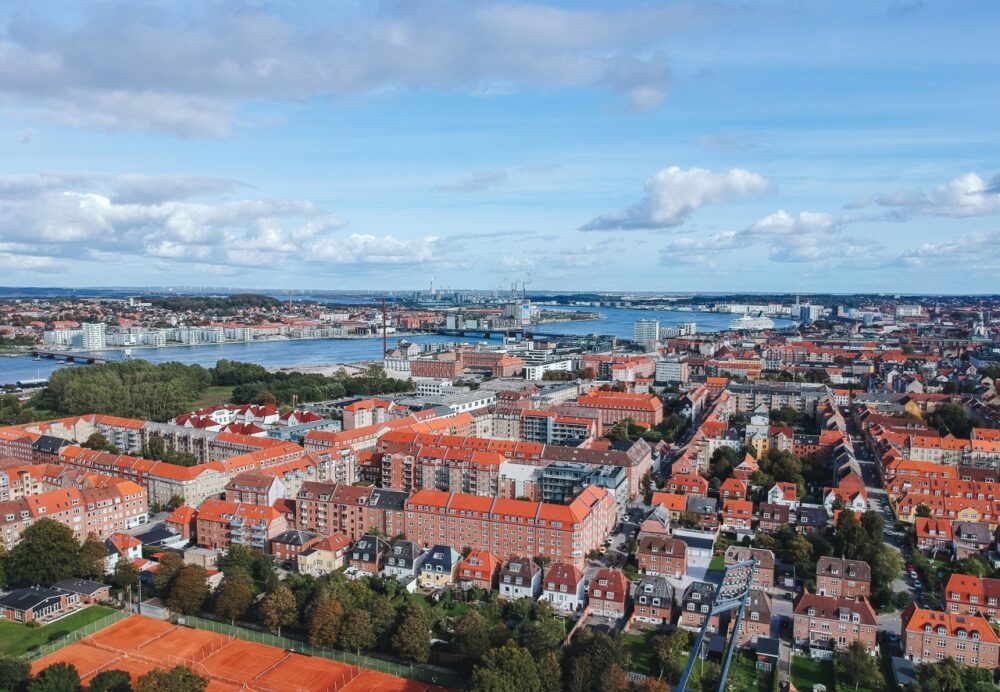
Is Aalborg worth visiting? Yes, it is. Aalborg was one of those cities that surprised me in a good way. Before visiting, I didn’t know much about it, but I quickly found a city that was easy to explore and full of interesting contrasts. One minute I was walking through historic streets, and the next I was looking at modern waterfront developments. It felt like a place that combines tradition and innovation without trying too hard.
Aalborg is one of the largest cities in Denmark and is located in the northern part of the Jutland Peninsula. Once known mainly as an industrial city, Aalborg has transformed itself into a lively destination with cultural attractions, waterfront areas, museums, and a strong food scene. It also serves as a gateway to some of northern Denmark’s most beautiful landscapes.
In this guide, I’ll cover the top reasons why Aalborg is worth visiting and share some useful travel tips and advice to help you plan your trip. If you’re looking for a destination in Denmark that offers a mix of history, culture, and local life, keep reading to discover the many reasons why Aalborg is worth visiting.
Table of Contents
Top Activities in Aalborg
- Aalborg: Express Walk with a Local in 60 minutes
- Aalborg: Guided Craft Beer Walk with 6 Tastings
- Aalborg’s Top VR Adventure for All Ages with Game Master
- Make your own personal one-of-kind ceramic
- Private Christmas Heritage Walk in Historic Aalborg
Top Reasons You Should Visit Aalborg
1. A Relaxed City With a Genuine Local Feel
Aalborg was one of the Danish cities that surprised me the most. Before visiting, I knew very little about it other than it was located in northern Denmark. What I found was a friendly waterfront city that feels much less touristy than Copenhagen while still offering plenty to see and do. It has the kind of atmosphere where locals still shape everyday life, which always makes a destination feel more authentic.
Walking around the city centre, I rarely felt like I was surrounded by large tour groups. Instead, I saw students cycling to university, families enjoying the parks, and friends chatting outside cafés. That local feel made it easy to settle into the slower pace of life and simply enjoy being there rather than rushing between attractions.
I think Aalborg appeals most to travellers who enjoy discovering places that are slightly off the usual tourist trail. It may not have Denmark’s biggest landmarks, but it offers something equally valuable: a chance to experience Danish culture in a city that feels welcoming, relaxed, and refreshingly genuine.
2. A Beautiful Waterfront That Has Been Completely Transformed
One of the first things I noticed about Aalborg was its impressive waterfront. The city sits beside the Limfjord, and over the last couple of decades the old industrial harbour has been transformed into one of the most attractive parts of the city. Modern architecture, public spaces, cafés, and walking paths have replaced old warehouses, creating an area that feels lively without losing its connection to the water.
I spent a lot of time walking along the harbour because there was always something happening. Cyclists passed by, families relaxed beside the water, and people gathered on benches to enjoy the view across the fjord. Even though the area has been modernised, it still feels connected to Aalborg’s maritime history rather than trying to hide it.
One evening, I watched the sun begin to set over the Limfjord while sitting beside the waterfront with a coffee. The calm water reflected the modern buildings, boats drifted slowly through the harbour, and the whole area felt incredibly peaceful. It reminded me how enjoyable simple moments can be when a city has been designed so well.
3. A Fascinating Mix of Old and New Architecture
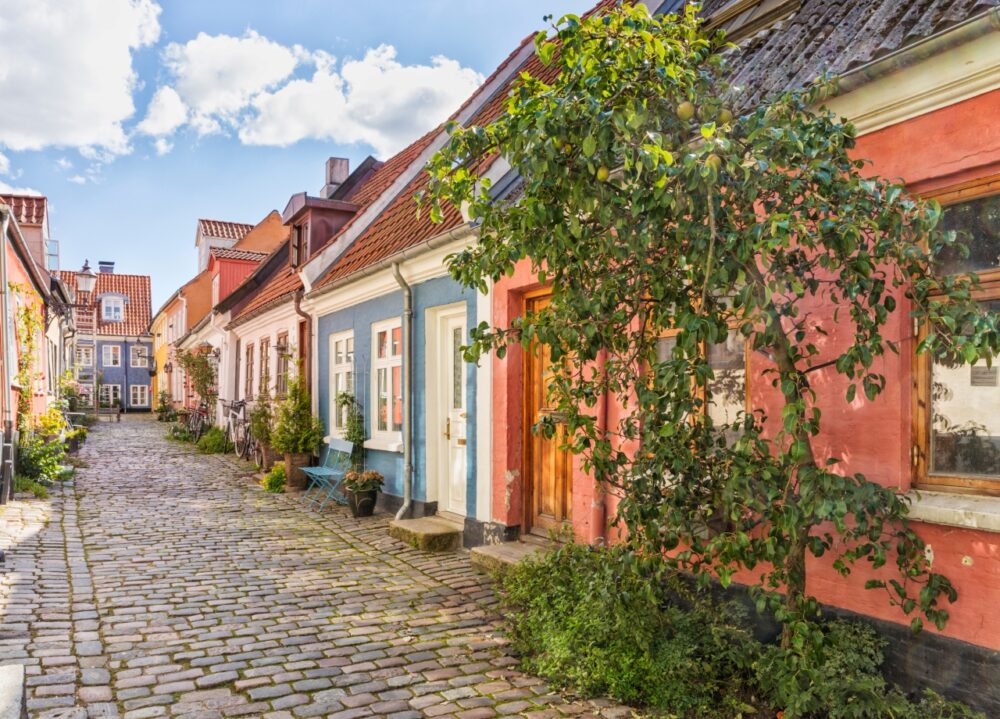
Aalborg does a brilliant job of blending historic buildings with bold modern architecture. Medieval churches, half-timbered houses, and old merchant buildings stand alongside striking contemporary landmarks without feeling out of place. The contrast gives the city a unique personality that I really enjoyed.
One of the best examples is the waterfront, where the modern Utzon Center and Musikkens Hus sit close to much older parts of the city. Instead of competing with each other, the buildings seem to complement one another. Walking through Aalborg often felt like moving between different centuries within just a few minutes.
I found that combination kept the city interesting throughout my visit. Every neighbourhood offered something different, and I never felt like I was seeing the same streets over and over again. It is one of those places where taking your time really pays off because there are so many small architectural details to notice.
4. A Rich Viking and Maritime History
Aalborg has a long history that stretches back more than a thousand years. Its location beside the Limfjord helped it become an important trading centre during the Viking Age and later one of Denmark’s busiest commercial ports. That connection with the sea continues to shape the city today.
I enjoyed learning more about Aalborg’s past as I explored its museums and historic streets. Walking through the old centre, it was easy to imagine merchants arriving by ship hundreds of years ago to trade goods from across northern Europe. The city’s maritime heritage feels like a natural part of everyday life rather than something hidden away inside museums.
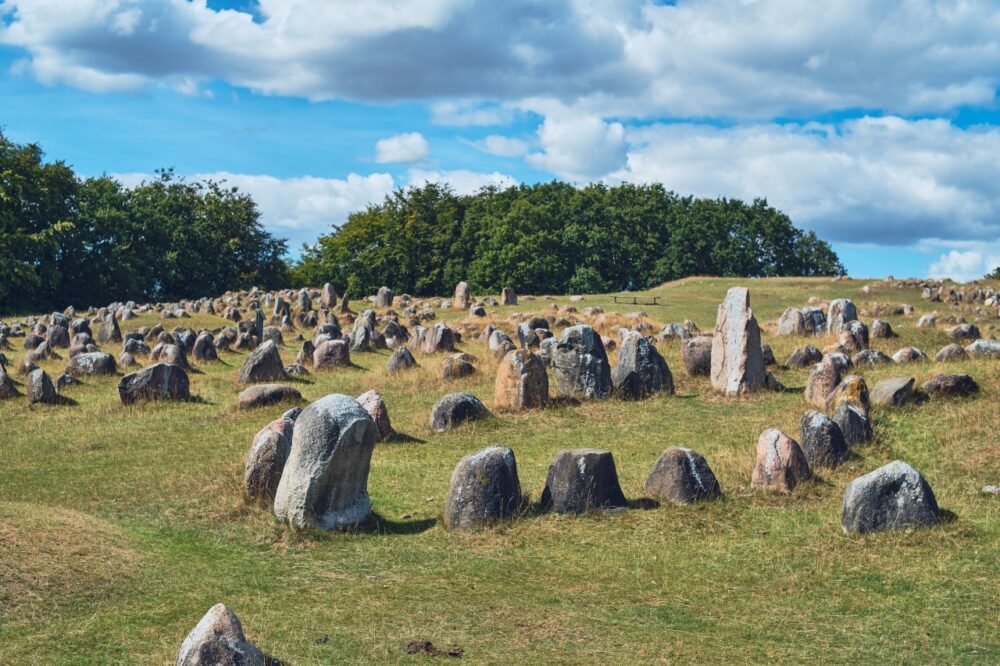
One of the highlights for me was visiting the Lindholm Høje Museum just outside the city. The Viking burial site is one of Denmark’s most important archaeological attractions, with hundreds of stone circles marking ancient graves. Standing among them gave me a fascinating glimpse into Denmark’s Viking past and became one of the most memorable experiences of my trip.
5. Excellent Museums and Cultural Attractions
Aalborg has a surprisingly strong cultural scene for a city of its size. Museums, galleries, theatres, and music venues are spread throughout the city, giving visitors plenty to explore beyond the historic centre. Whether you enjoy art, history, or architecture, there is something here to keep you interested.
The Kunsten Museum of Modern Art was one of my favourite places to visit. The building itself is beautiful, with bright open spaces and carefully designed galleries that make exploring feel relaxed rather than overwhelming. The collection focuses mainly on modern and contemporary art, and I found myself spending much longer there than I expected.
I also liked that Aalborg’s cultural attractions never felt overcrowded. Instead of rushing through exhibitions, I could take my time, read about the displays, and really enjoy the experience. It made museum visits feel much more personal than in some larger European cities.
6. A Great Food and Café Scene
Like many Danish cities, Aalborg has embraced good food without becoming overly expensive or formal. Independent cafés, bakeries, and restaurants are easy to find, and many focus on fresh local ingredients, seafood, and seasonal produce from northern Denmark.
Every morning seemed to begin with excellent coffee and freshly baked pastries from one of the city’s bakeries. Danish pastries really are at their best when enjoyed in Denmark, and Aalborg certainly has no shortage of places serving them. I quickly developed a habit of stopping for coffee whenever I passed another inviting café.
I also enjoyed trying traditional Danish dishes alongside fresh seafood from the Limfjord. Restaurants felt welcoming rather than formal, and the slower pace encouraged me to stay a little longer after each meal. Those relaxed lunches and dinners became just as memorable as many of the city’s attractions.
7. A Young and Lively Atmosphere
Aalborg is home to a large university, and the student population gives the city plenty of energy throughout the year. The result is a destination that feels lively without becoming overwhelming. Streets remain busy, cafés stay full, and there always seems to be something happening, especially during the evenings.
I noticed this most around the city centre, where outdoor terraces filled with students and local residents enjoying food and drinks after work. The atmosphere felt social and welcoming rather than noisy or chaotic. Even if you are not interested in nightlife, it creates a pleasant energy that makes the city feel alive.
The youthful influence can also be seen in Aalborg’s growing creative scene, with street art, independent shops, and cultural events appearing throughout the city. I liked that balance because it helped Aalborg feel modern while still respecting its long history.
8. Easy Access to Beautiful Nature
One of the advantages of visiting Aalborg is how quickly you can reach nature. Beaches, forests, fjords, and rolling countryside all lie within a short distance of the city, making it easy to combine urban sightseeing with outdoor adventures.
I took a walk along the Limfjord and was surprised by how peaceful it became once I moved away from the busiest streets. Watching sailboats drift across the water while birds circled overhead felt like the perfect escape after spending the morning exploring museums and historic buildings.
Northern Jutland also offers beautiful coastal scenery, including long sandy beaches and dramatic dunes that can easily be reached on day trips. I think this easy access to nature makes Aalborg an excellent destination for travellers who like mixing city breaks with time outdoors.
9. Excellent Value Compared to Larger Scandinavian Cities
Scandinavia has a reputation for being expensive, but I found Aalborg offered better value than many of the region’s larger capitals. Accommodation, restaurants, and attractions still require a reasonable budget, but prices generally felt lower than in Copenhagen, Oslo, or Stockholm.
I stayed in a comfortable hotel close to the city centre without spending nearly as much as I expected. I also found that cafés and restaurants often offered good lunch deals, making it easier to enjoy local food without worrying too much about the cost.
For travellers wanting to experience Denmark while keeping expenses a little lower, I think Aalborg is a smart choice. It offers much of the quality and atmosphere people associate with Danish cities but often at slightly more manageable prices.
10. One of Denmark’s Most Underrated Destinations
What impressed me most about Aalborg was how balanced it feels. It combines history, culture, modern design, waterfront views, excellent food, and a relaxed atmosphere without trying too hard to impress visitors. Everything simply works together naturally.
During my stay, mornings often began exploring museums or historic streets, afternoons were spent walking beside the Limfjord, and evenings ended with dinner in cosy restaurants before another stroll along the waterfront. It never felt rushed, and I always seemed to discover something new without even trying.
By the time I left, Aalborg had become one of my favourite Danish cities. It may not receive the same attention as Copenhagen or Aarhus, but I think that is part of its appeal. If you enjoy authentic destinations with friendly locals, beautiful surroundings, and plenty of character, Aalborg is well worth adding to your Denmark itinerary.
Travel Tips for Visiting Aalborg
When to Visit Aalborg
I think the best times to visit Aalborg are May through September. The weather is generally pleasant, and the long summer days make it easy to spend plenty of time outdoors. Summer is especially good for enjoying the waterfront, outdoor dining, and festivals. Winter can be cold and dark, but the Christmas markets and festive lights create a cosy atmosphere that Denmark does very well. I visited in June and loved how lively the city felt while still being much quieter than Copenhagen.
How to Get to Aalborg
Most visitors arrive through Aalborg Airport, which is located about 7 kilometres northwest of the city centre. Airlines such as Scandinavian Airlines, Norwegian, KLM, and several regional carriers operate regular flights here. The airport is connected to the city by bus, and the journey takes around 15 minutes. Aalborg is also connected by train to Aarhus, Copenhagen, and other Danish cities. Personally, I think flying directly into Aalborg is the easiest option, but the train is excellent if you’re already travelling around Denmark.
Where to Stay in Aalborg
- Pier 5 Hotel – Located on the waterfront, this stylish hotel offers modern rooms and one of the best locations in the city.
- Comwell Hvide Hus Aalborg – Situated beside Kildeparken, this hotel combines comfortable rooms with great views and easy access to the city centre.
- Helnan Phønix Hotel – Located in the heart of Aalborg, this historic hotel is a great choice if you want to stay close to the main attractions.
- Hotel Scheelsminde – Situated a short drive from the centre, this charming hotel offers a quieter stay and excellent facilities.
- CABINN Aalborg Hotel – Located near the waterfront, this budget-friendly hotel offers good value and an excellent central location.
- Danhostel Aalborg – One of the best budget-friendly places to stay in Aalborg, this hostel sits beside the Limfjord and offers easy access to the city centre.
Getting Around Aalborg
Aalborg is a very walkable city, especially around the centre and waterfront. Most major attractions are within easy walking distance of each other. The city also has a reliable network of buses that connect different neighbourhoods and nearby attractions. Tickets can be purchased through the RejseBillet app, which makes travelling around Denmark very simple. Cycling is also popular, and bike rentals are widely available. Personally, I found walking and cycling to be the best ways to explore because they allowed me to enjoy the waterfront and city atmosphere at a relaxed pace.
How Long to Spend in Aalborg
I think two to three days is the ideal amount of time for Aalborg. Two days gives you enough time to explore the city centre, visit the Viking museum, and enjoy the waterfront. With three days, you can add a day trip into North Jutland or spend more time exploring the local food and culture scene. If you enjoy history and smaller cities, you could easily stay longer. Personally, I would recommend three days because it gives you enough time to experience both the city and the beautiful region around it.
Conclusion
So, is Aalborg worth visiting? Absolutely. From its historic centre and vibrant waterfront to its museums, cultural attractions, and welcoming atmosphere, there are plenty of reasons to spend time here. Aalborg offers a different side of Denmark that many visitors never get to experience. If you want to explore beyond the country’s most famous destinations and discover a city with character and charm, Aalborg is well worth adding to your travel itinerary.