
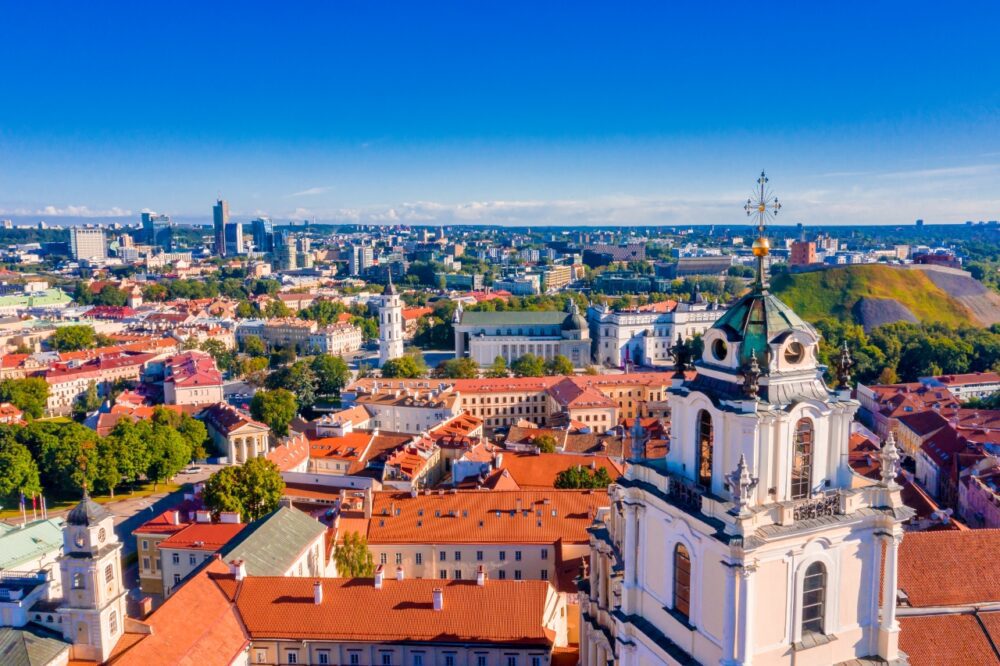
Is Vilnius worth visiting? Yes, absolutely. Vilnius was one of those cities that completely exceeded my expectations. Before visiting, I knew very little about Lithuania’s capital, but I quickly found myself impressed by its beautiful old town, relaxed atmosphere, and rich history. I enjoyed wandering through the narrow streets, discovering hidden courtyards, and finding viewpoints that offered great views across the city. It felt like one of Europe’s most underrated capitals.
Vilnius is the capital of Lithuania and the country’s largest city. Known for its UNESCO-listed Old Town, baroque architecture, fascinating history, and vibrant cultural scene, Vilnius offers a great mix of historic charm and modern city life. The city is also home to unique attractions, excellent restaurants, and a welcoming atmosphere that makes it easy to explore.
In this guide, I’ll cover the top reasons why Vilnius is worth visiting and share some useful travel tips and advice to help you plan your trip. Whether you’re interested in history, architecture, food, or discovering a lesser-known European capital, keep reading to discover the many reasons why Vilnius is worth visiting.
Table of Contents
Top Reasons You Should Visit Vilnius
1. Beautiful Baroque Old Town
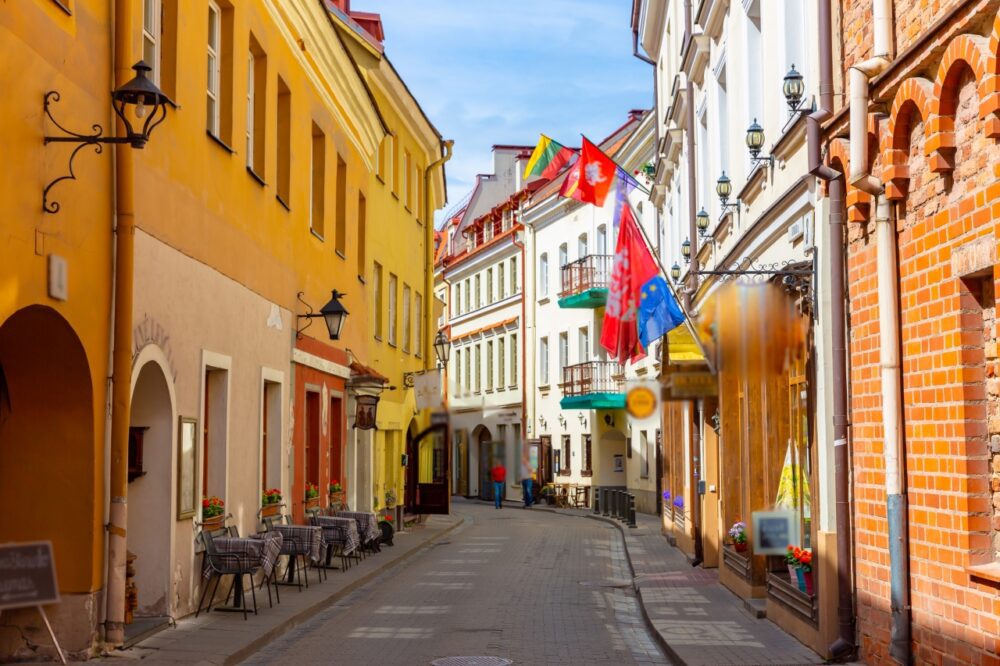
Vilnius boasts one of Europe’s largest and most beautiful Old Towns, a UNESCO World Heritage Site. Its winding cobblestone streets, baroque churches, and pastel-coloured facades make it a delight to explore on foot.
I spent hours wandering through the Old Town, stumbling across charming courtyards and quaint cafes. The St. Anne’s Church, with its intricate gothic design, is a must-see, while Vilnius Cathedral and its grand square offer a sense of the city’s historical importance. The best way to soak up the atmosphere is to let yourself get a little lost—you’ll always find something worth seeing.
2. Gediminas Tower and Panoramic Views
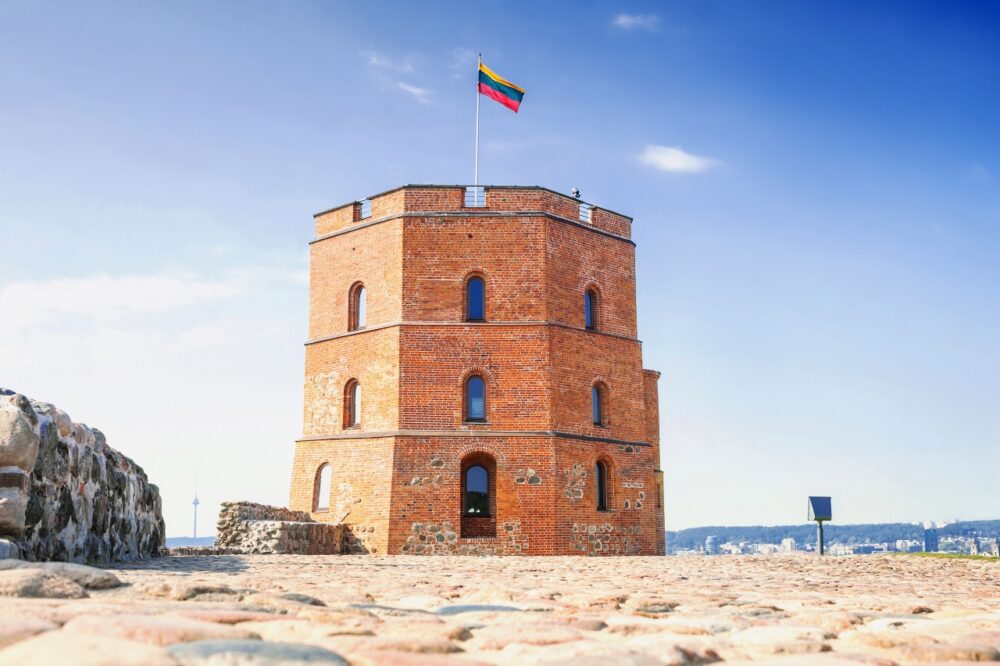
For breathtaking views of the city, head to Gediminas Tower, perched on a hill overlooking Vilnius. The short hike up is worth it for the sweeping panorama of red rooftops, church spires, and the lush greenery beyond.
Standing at the top of the tower, I felt like I could see all of Vilnius laid out before me. It’s especially magical at sunset when the golden light bathes the city. Don’t forget to bring your camera—it’s one of the most photogenic spots in town.
3. Unique Republic of Užupis
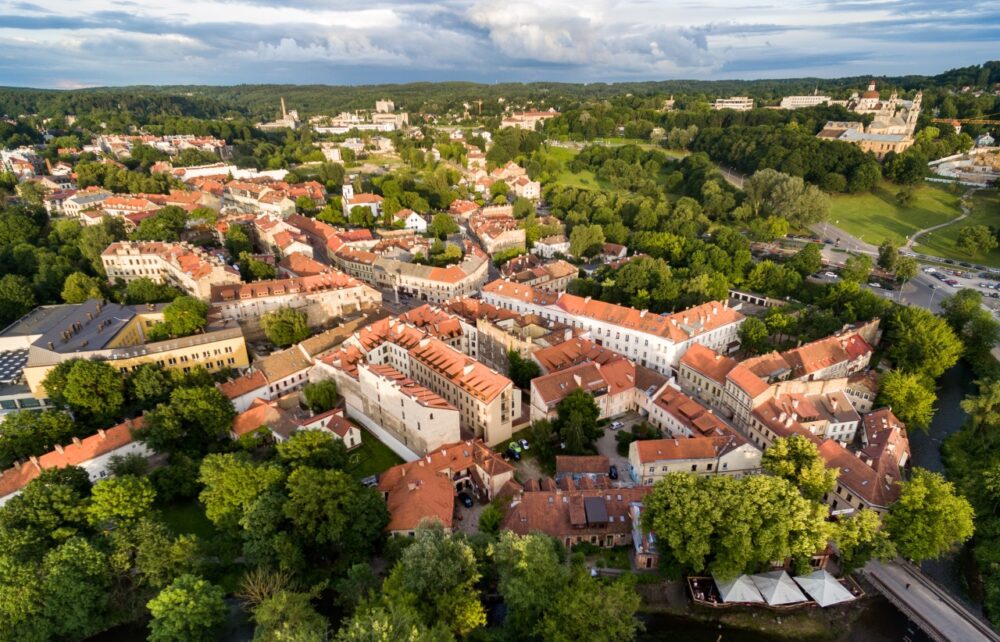
Vilnius is home to one of Europe’s quirkiest neighbourhoods, the self-proclaimed Republic of Užupis. Known for its bohemian vibe, street art, and independent spirit, Užupis is like a city within a city.
I loved exploring Užupis’s narrow streets and stumbling upon its famous Constitution, displayed on plaques in multiple languages. The area is full of artist studios, galleries, and cafes, making it a perfect spot for a leisurely afternoon. If you’re visiting on April 1st, you might even catch the republic’s annual Independence Day celebrations.
4. Rich Jewish Heritage
Vilnius was once known as the “Jerusalem of the North,” thanks to its vibrant Jewish community. Today, you can learn about this important history at sites like the Vilna Gaon Jewish State Museum and the Old Jewish Cemetery.
Visiting the Choral Synagogue, the only surviving synagogue in Vilnius, was a moving experience. The exhibits at the Jewish museum provided a deeper understanding of the city’s multicultural past. If you’re interested in history, Vilnius’s Jewish heritage is a significant and poignant aspect of its identity.
5. Affordable Travel Destination
Compared to many Western European capitals, Vilnius is refreshingly affordable. From accommodation to dining to attractions, your travel budget will go much further here.
I stayed in a boutique hotel in the heart of the Old Town for a fraction of what I’d pay in cities like Paris or Vienna. Dining out was equally budget-friendly, with hearty Lithuanian dishes and local craft beers available at very reasonable prices. If you’re looking for an affordable European getaway, Vilnius is an excellent choice.
6. Thriving Food Scene
Vilnius’s food scene is a delightful mix of traditional Lithuanian cuisine and modern gastronomy. Must-try dishes include cepelinai (potato dumplings) and kugelis (potato pudding), while the city’s trendy restaurants and cafes offer creative takes on local flavours.
I had an unforgettable meal at 14Horses, a contemporary restaurant that highlights locally sourced ingredients. For a more casual experience, the Hales Market is the perfect place to sample street food and pick up fresh produce.
7. Art and Culture Everywhere
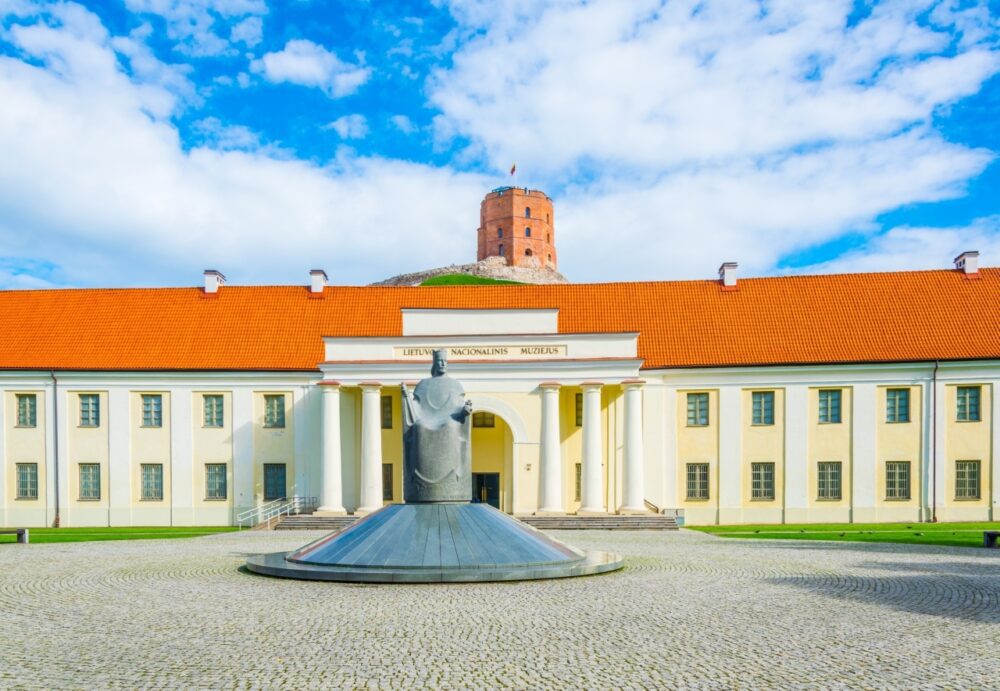
Vilnius is a cultural hub, with a packed calendar of events, festivals, and exhibitions. The MO Museum, a modern art gallery, is a standout, showcasing the best of Lithuanian contemporary art.
I visited the National Museum of Lithuania, which provided an excellent overview of the country’s history and culture. Whether you’re into art, music, or theatre, Vilnius has something to inspire you.
8. Easy to Navigate
Vilnius is a compact and walkable city, making it easy to explore without needing public transport. The main attractions are clustered in or near the Old Town, so you can see a lot in a short amount of time.
I found that walking was the best way to experience Vilnius, as it allowed me to discover hidden gems like local bakeries and antique shops. For longer journeys, the public buses and trams are reliable and inexpensive.
9. Green Spaces and Nature
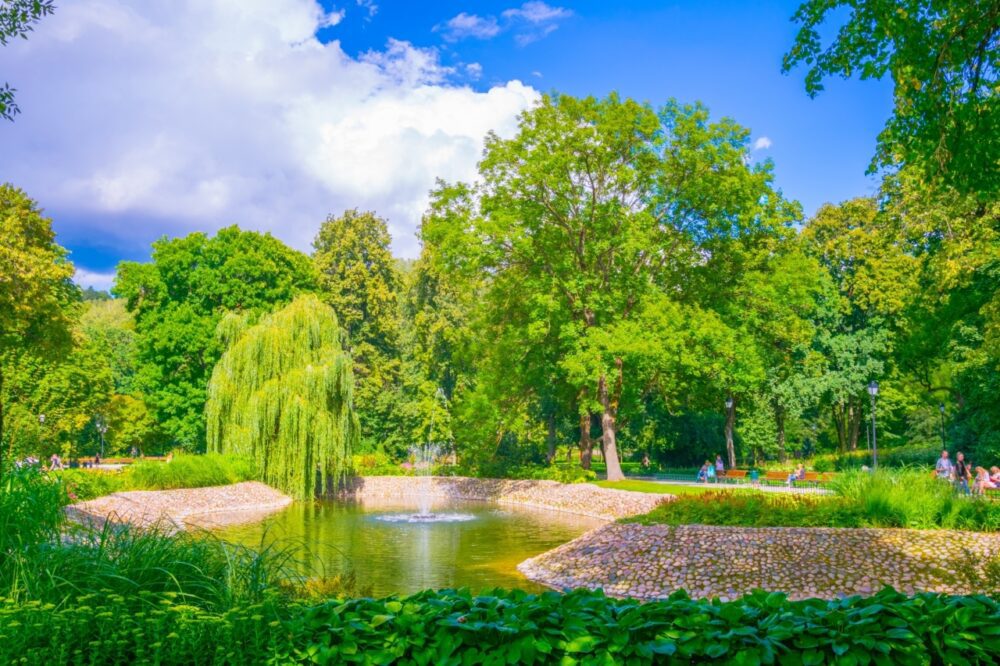
Despite its urban feel, Vilnius has plenty of green spaces to enjoy. Bernardine Garden, located near the Old Town, is a peaceful retreat with walking paths, fountains, and a rose garden.
I spent a relaxing afternoon in Vingis Park, where locals were jogging, cycling, and picnicking. If you’re a nature lover, Vilnius offers plenty of spots to unwind amidst greenery.
10. Warm and Friendly Locals
While Lithuanians may initially seem reserved, Vilnius’s locals are warm and welcoming once you strike up a conversation. Many speak English, especially in the city centre, making it easy for travellers to connect.
I had several lovely interactions with locals, from a shopkeeper who recommended her favourite restaurant to a tour guide who shared fascinating stories about Vilnius’s history. Their hospitality made my visit even more enjoyable.
Travel Tips for Visiting Vilnius
What to Do in Vilnius
Vilnius ended up being one of my favourite capitals in Eastern Europe. It feels relaxed, affordable, and full of history, but without the crowds you find in many bigger European cities. I found there was a good mix of culture, food, and interesting day trips nearby.
- Explore Vilnius Old Town on a Guided Walking Tour – This is my favourite way to start a visit because it helps you understand the city’s history while discovering streets you might otherwise miss.
- Take a Day Trip to Trakai Castle – The castle sitting on an island in the middle of a lake is one of the most memorable sights in Lithuania, and I think it’s a must-see.
- Join a Hot Air Balloon Flight Over Vilnius – Seeing the city’s churches, rooftops, and surrounding countryside from above is an experience I would never forget.
- Visit the KGB Museum with a Guided Tour – This was one of the most interesting experiences for me because it offers a powerful look at Lithuania’s Soviet past.
- Take a Food and Beer Tasting Tour – Lithuanian food surprised me, and I think a guided tasting is one of the easiest ways to try local dishes and drinks.
- Explore Trakai and Surrounding Lakes on a Guided Excursion – If you enjoy nature and history together, this makes for a fantastic day outside the city.
When to Visit Vilnius
I think the best time to visit Vilnius is from May to September. The weather is pleasant, outdoor cafés are busy, and the city’s parks and squares feel lively. Summer brings festivals and long daylight hours, while spring and early autumn offer fewer visitors and comfortable temperatures. Winter can be cold and snowy, but the Christmas markets create a cosy atmosphere. Personally, I would visit in June or September because you get good weather without the busiest summer crowds.
How to Get to Vilnius
Most visitors arrive through Vilnius International Airport, which has direct flights from many European cities on airlines such as Ryanair, Wizz Air, and airBaltic. The airport is only a short distance from the city centre, and buses, trains, and taxis all provide quick connections. Vilnius is also connected by international buses and rail services from nearby countries. Personally, I think flying into Vilnius and taking the airport bus into the centre is the easiest option because it’s fast, cheap, and convenient.
Where to Stay in Vilnius
- Grand Hotel Vilnius, Curio Collection by Hilton – Located in the heart of Old Town, this luxury hotel is ideal if you want to stay close to the main attractions.
- Hotel PACAI – Set inside a restored historic building in Old Town, this is one of the most stylish hotels in the city.
- Radisson Collection Astorija Hotel – Located on the edge of Old Town, this hotel combines a great location with high-end facilities.
- Congress Avenue Hotel – A comfortable mid-range option close to Cathedral Square and many major sights.
- Artis Centrum Hotels – Situated between the Old Town and the city centre, this hotel offers excellent value and a convenient location.
- Corner Hotel – One of the best budget-friendly options, with modern rooms and easy access to public transport.
Getting Around Vilnius
Vilnius is one of the easiest capitals in Europe to explore on foot. Most of the main attractions are located within or near the Old Town, and I found myself walking almost everywhere. The city also has an affordable network of buses and trolleybuses. Apps such as Trafi can help with route planning and ticket information. Bolt is widely used for taxis and ride-sharing. Personally, I think walking is the best option because many of the city’s most interesting streets and hidden courtyards are best discovered on foot.
How Long to Spend in Vilnius
I think two to three days is ideal for Vilnius. Two days gives you enough time to explore the Old Town, visit the main museums, and enjoy the local food scene. A third day allows for a trip to Trakai Castle or other nearby attractions. If you’re travelling around the Baltics, Vilnius works perfectly as a long weekend destination. Personally, I would stay three days because the city has a relaxed pace that makes it easy to slow down and enjoy.
Conclusion
So, is Vilnius worth visiting? Without a doubt. From its beautiful Old Town and impressive architecture to its fascinating history, cultural attractions, and relaxed atmosphere, there are plenty of reasons to spend time here. Vilnius offers an authentic and rewarding travel experience that many visitors overlook. If you’re planning a trip to Lithuania, Vilnius is a destination that deserves a place at the top of your itinerary.