Is Aarhus Worth Visiting? Honest Pros and Cons (2026)

Aarhus has a habit of surprising people. Most visitors head straight for Copenhagen, then someone mentions a harbour city on the other side of the country with a rainbow on the roof of its art museum. I went one spring for two days, with no big plans and fairly modest expectations. I left wishing I’d booked a third night.
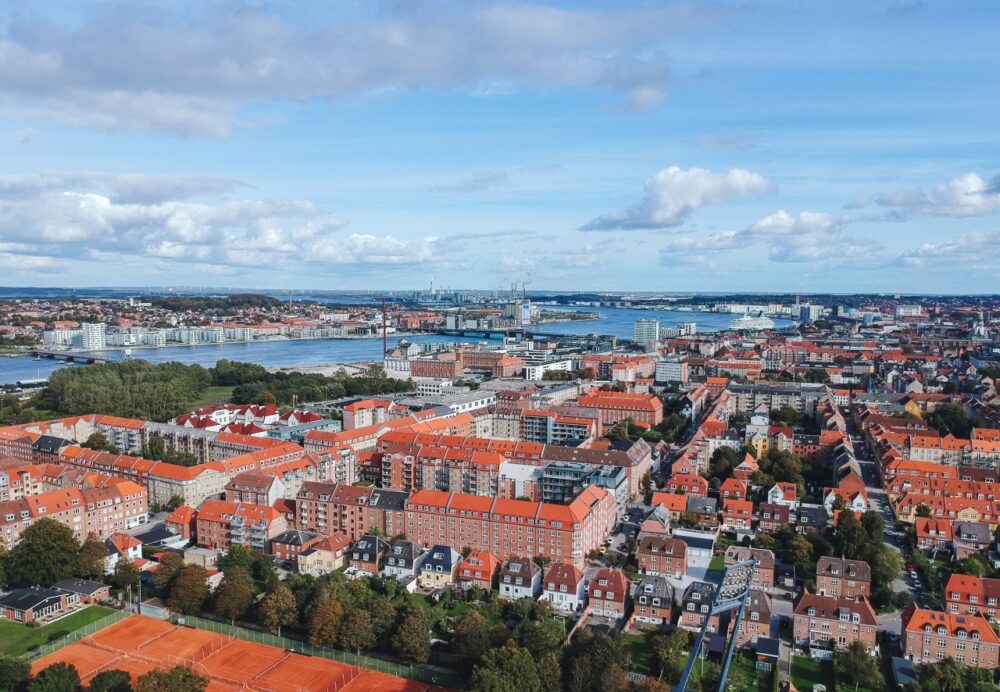
Aarhus is the second-largest city in Denmark, and it sits on the east coast of Jutland. Vikings founded it more than 1,300 years ago, and today it’s a university city with a young, relaxed feel. The centre is small enough to cover on foot, and the harbour, museums, cafés and forests all sit close together. Aarhus is worth visiting if you like art, history, good coffee and an easy pace. It’s a tougher sell if you want grand monuments or big nightlife.
That’s the short version. The full guide covers the best reasons to go, the downsides, where to stay, the tours I’d book, when to visit, how long to allow and how to get around.
Pros of Visiting Aarhus

1. ARoS Art Museum
ARoS is the first place I’d put on any Aarhus list. The museum stacks ten floors of art inside one big brick building, and it’s one of the largest art museums in Northern Europe. The star is Your Rainbow Panorama, a circular walkway on the roof by Olafur Eliasson. You walk through glass in every colour, and the whole city changes shade as you move. James Turrell’s As Seen Below is another highlight, a calm dome where the light slowly shifts.
Plan on around three hours inside. The museum is closed on Mondays outside the summer months, and it stays open until 8 pm from Tuesday to Friday, so evenings work well. Entry is free for under-18s. The café and orangery are good for lunch, and the hop-on hop-off bus has a stop right outside. If you can, go up to the rainbow on a bright day, because the colours look best in the sun.
2. Den Gamle By
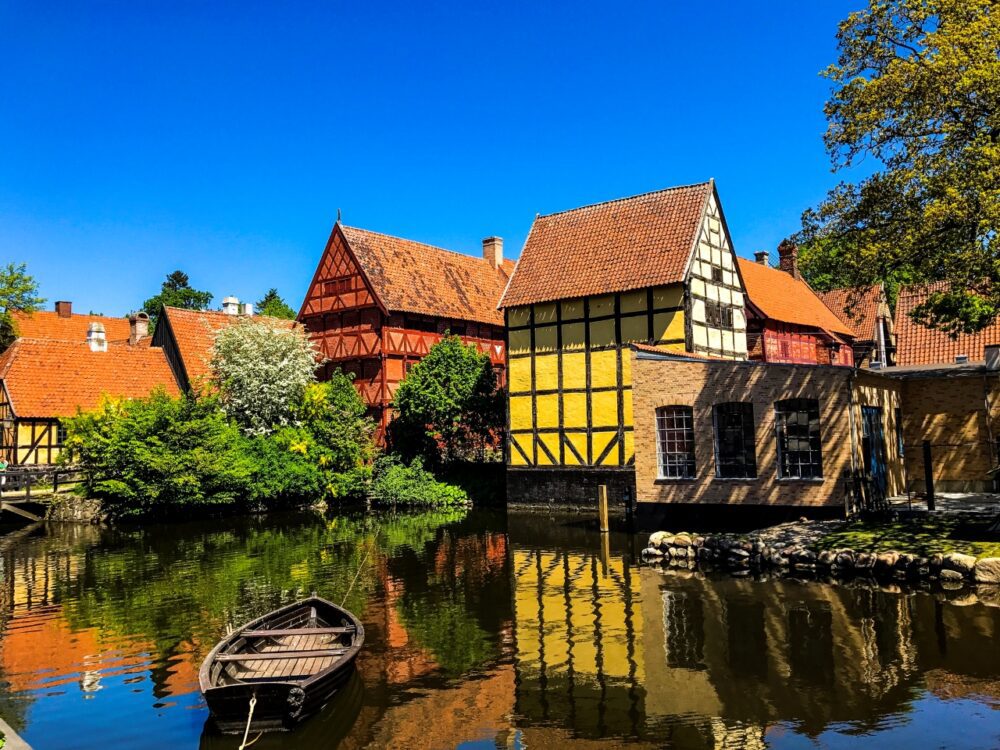
Den Gamle By is a living museum of Danish towns, and it’s one of the most fun things I did in Aarhus. More than 75 historic buildings have been moved here from all over Denmark, and you wander through them street by street. The town is split into four eras: 1864, 1927, 1974 and 2014. You can walk into the shops, homes and workshops, and costumed staff are often on hand to chat. It was named European Museum of the Year in 2026, and I can see why.
Under-18s get in free, and you can buy tickets online to skip the queue. Allow at least half a day, because the museum also holds smaller exhibitions, including the Aarhus Story. The Botanical Garden sits next door, and its glasshouses are free to enter, so it makes an easy add-on. The museum is a short walk from the Latin Quarter, and it’s especially atmospheric in the run-up to Christmas.
3. Moesgaard Museum
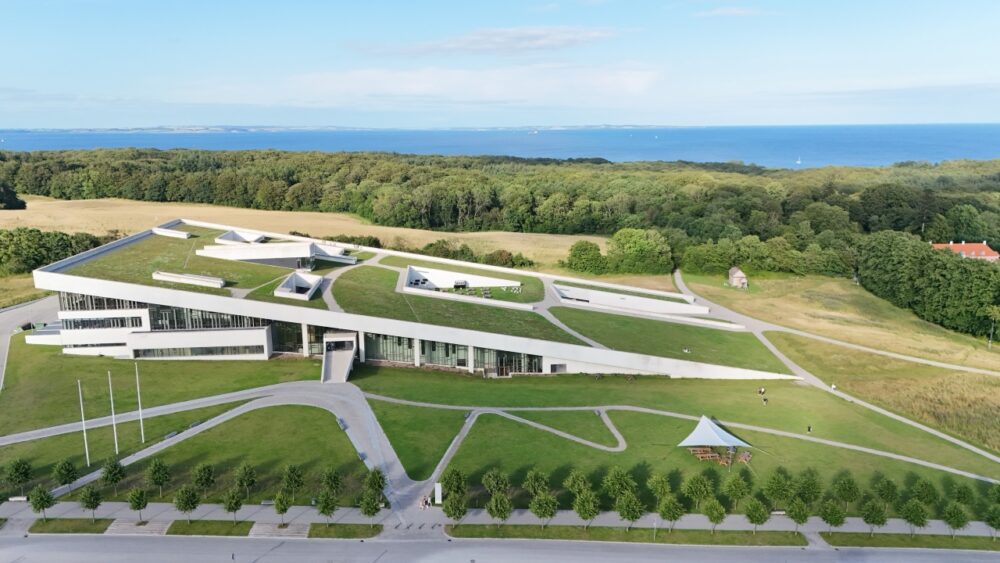
Moesgaard Museum sits in woodland south of the city, and the building alone is worth the trip. The grass-covered roof slopes down to the ground, and you can walk right up it for views over Aarhus Bay. Inside, the exhibitions run through the Stone Age, Bronze Age, Iron Age and Viking Age, using light, sound and original finds. The big draw is the Grauballe Man, the best-preserved bog body in the world, who was found in a Danish peat bog.
A city bus from the centre takes about 25 minutes, so you don’t need a car. I’d set aside half a day. Walk through the forest down to the beach afterwards, or stop for lunch in the museum café. Moesgaard works well after a morning in the old town, because it gives the Viking stories a proper setting. It’s also a good rainy-day pick, since most of the visit happens indoors.
4. Latin Quarter and Møllestien
The Latin Quarter is the part of Aarhus I kept going back to. It’s the oldest district, with cobbled lanes, independent shops, record stores, cosy cafés and bars, and street art on the walls. Møllestien is the star, a narrow cobbled lane of low, colourful cottages that feels a long way from the city around it. It’s the most photogenic street in town, so go early if you want it quiet.
A guided walk helps you get the history. The Viking Village to Metropolis walking tour lasts about three hours and follows Aarhus from its Viking roots to the modern city. Your guide fills in the stories behind the streets, which is hard to get from a map. Come back on your own in the evening, when the bars fill up and the lanes feel lively without being rowdy. Wear comfortable shoes, because the cobbles are uneven underfoot.
5. Aarhus Cathedral and Viking History
Aarhus Cathedral is the longest and tallest church in Denmark. The nave runs 93 metres, and the tower rises 96 metres above Store Torv. Building began in the 12th century, and the Gothic interior is bright and surprisingly calm, with old frescoes on the walls. I stepped in on my first morning, and the quiet after the busy square was lovely. Entry is free.
The church closes to visitors during services and on Sundays and public holidays, so check before you go. Aarhus has Viking roots too, and the Viking Museum a short walk away shows the Viking Age town that lies about three metres below today’s streets. The Occupation Museum nearby is set in the former Gestapo headquarters, and it adds a sobering chapter to the city’s story. Together they make a good, compact history morning, and all three sit within a short walk of each other in the centre.
6. Dokk1 and the Harbourfront
Dokk1 is the modern heart of the harbourfront. The glass building holds the main library, with big windows over the water. Inside you’ll find a huge gong, the world’s largest tubular bell, and tradition says it rings whenever a new Aarhus resident is born. I liked sitting by the windows with a coffee and watching the boats. The building also has play areas for kids, a café and plenty of quiet corners, so it’s an easy place to rest between sights.
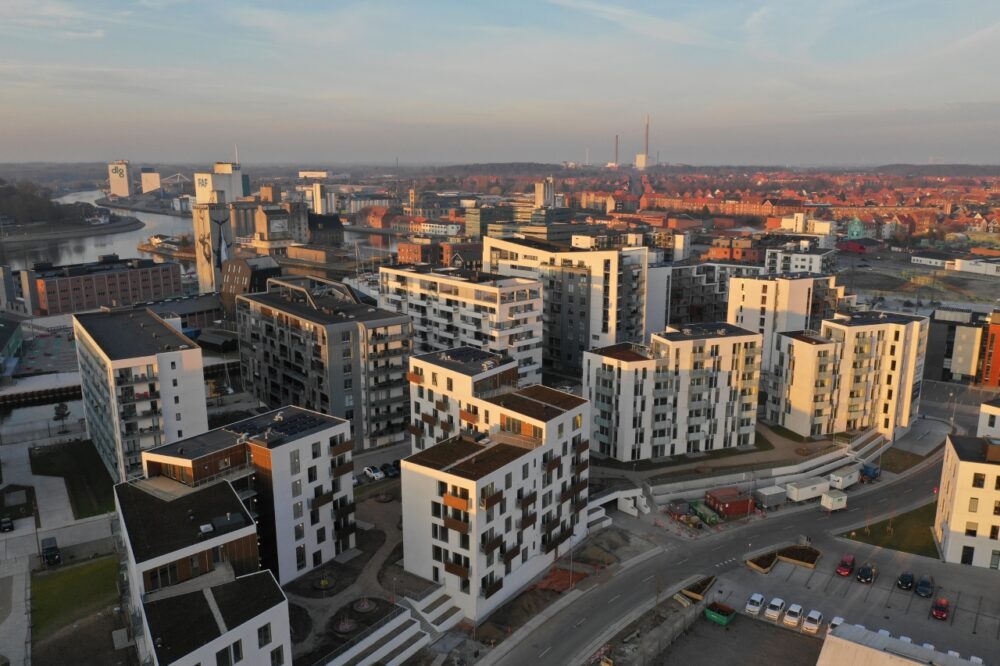
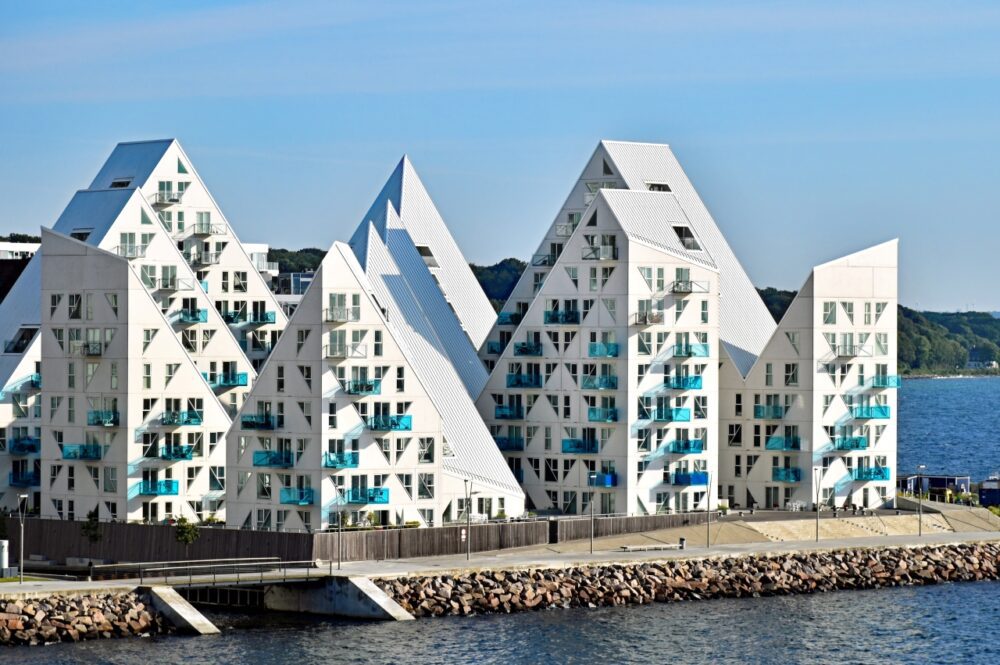
From Dokk1, walk along the water to Aarhus Ø. This former container port is now a district of striking new buildings, including the Iceberg apartments and the 142-metre Lighthouse tower. Seeing it from the water is even better. The harbour cruise lasts 75 minutes and passes Dokk1, Aarhus Ø and the old wooden ship harbour, with a guide telling the stories. I’d do it on your first afternoon to get your bearings.
7. Street Food, Coffee and Beer
Aarhus eats well without costing a fortune. Aarhus Street Food fills a converted garage near the station with more than 30 kitchens, and the kitchens are open from 11:30 am to 9 pm every day. You’ll find bao, tacos, ramen, souvlaki and Danish frikadeller, all served at shared tables. It’s the easiest lunch in the city, and it works for groups who can’t agree. For something sweeter, grab a pastry and a flat white in the Latin Quarter, where nearly every second street has a good café.
Craft beer is big here too. The Craft BeerWalk lasts about 2.5 hours and includes six tastings from Mikkeller, ÅBEN and Ebeltoft Gaard Bryggeri, plus a tasting glass to keep. It’s a relaxed outdoor walk rather than a pub crawl, and the guide tells stories about the city between stops. It runs on Friday and Saturday evenings for ages 18 and over.
8. Salling Rooftop and Åboulevarden
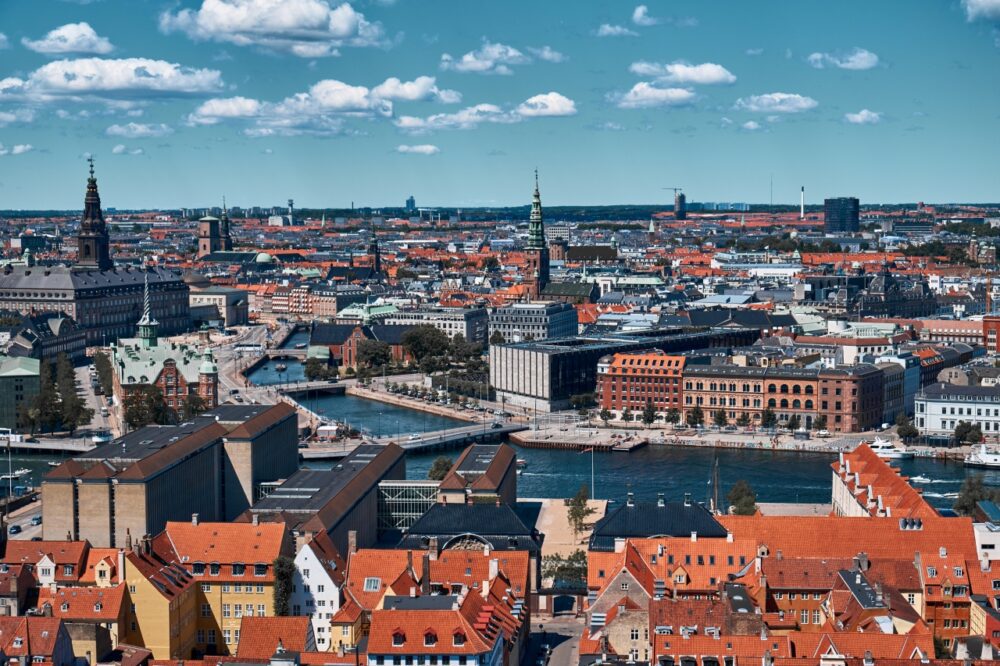
For the best view in the centre, head up to Salling Rooftop. It sits on top of the Salling department store on Søndergade, and it’s free to enter. The 360-degree views take in the cathedral spire, the rooftops and the bay, and a glass-floored platform juts out over the pedestrian street below. Walk to the end if you’re feeling brave. I went up in the late afternoon, and the light over the bay was lovely. Check the opening hours before you go, as the rooftop follows the store’s schedule.
Åboulevarden is a short walk away, and it’s where locals go when the sun comes out. Bars, restaurants and cafés line the Aarhus River, and the terraces fill up fast on a warm afternoon. The City Highlights tour links these spots well. It follows the river walk, stops for a Danish pastry, then climbs to the rooftop and finishes at the street food market.
9. Beaches, Forests and the Bay
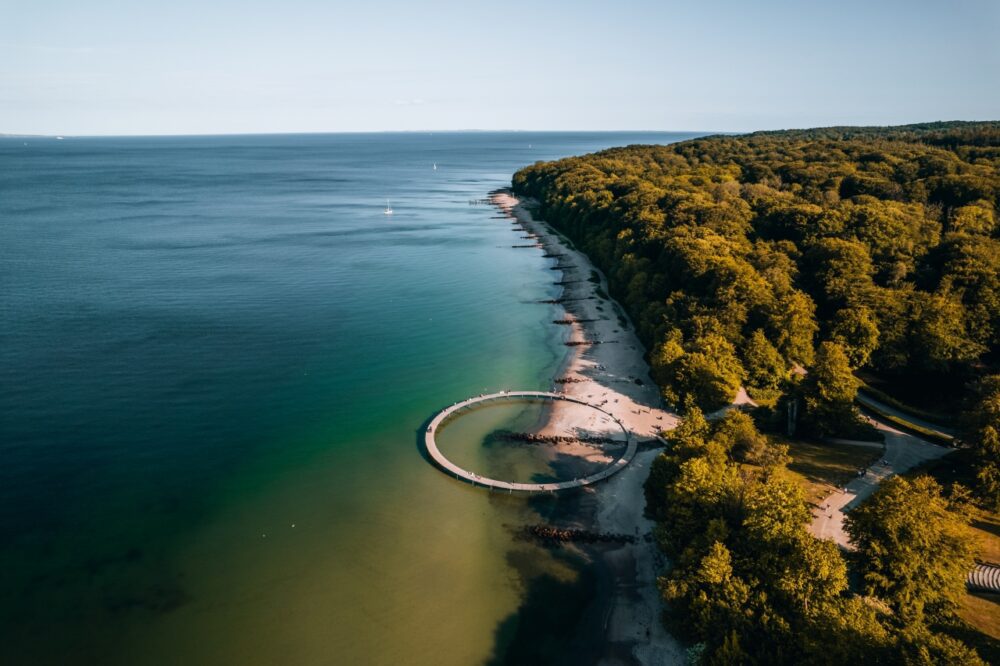
Few cities this size have forest and beaches so close. The Marselisborg Forests start just south of the centre, with walking trails, a deer park and Marselisborg Palace, the royal family’s summer residence. A coastal path runs south from the harbour past bathing spots, and the Infinite Bridge, a circular pier out in Aarhus Bay, makes a great photo stop. I loved how quickly the city turned green, and a short bus or bike ride gets you there.
On a calm day, the best way to see the water is from a boat. GoBoat rents solar-powered picnic boats from Pier 2 on Aarhus Ø for one or one and a half hours. No licence is needed, and each boat fits up to eight people. Bring a few snacks and drift along the harbour at a quiet pace. Moesgaard’s beach is another good spot, and it pairs well with the museum.
10. Easy Day Trips From Aarhus
Aarhus is a great base for day trips, and most are easy by train or bus. Silkeborg sits in the Lake District, about 45 minutes away by direct train, with services roughly every 30 minutes. Museum Silkeborg shows the Tollund Man, a bog body from around 300 BC, and the lakes are lovely for a walk. Silkeborg is a small, relaxed town, so a few hours is plenty for a quick visit. Pick up a coffee by the water before you head back to the station.
On the Djursland peninsula, Ebeltoft has half-timbered streets and Fregatten Jylland, said to be the longest wooden warship in the world, while Mols Bjerge National Park has trails and big views. If you’re travelling with kids, LEGOLAND is in Billund, about 100 km south, and takes around an hour and a half by bus or car. A 1-day LEGOLAND ticket covers all rides in the park.
Cons of Visiting Aarhus
1. Denmark’s High Prices
Aarhus isn’t cheap. A beer in a bar costs around 60 to 80 kr (£7 to £9), and a sit-down dinner with a drink can top 400 kr (£46). ARoS and Den Gamle By each cost roughly 200 kr (£23) for an adult, so a museum-heavy trip adds up fast. Hotels in the centre cost more on summer weekends too.
There are easy ways to save. Lunch at Aarhus Street Food, a bakery sandwich or a supermarket picnic costs far less than a restaurant. The cathedral, Salling Rooftop, the Botanical Garden glasshouses and the beaches are all free, and under-18s get into the big museums for nothing. Pick one or two paid sights and keep the rest cheap, and Aarhus is still well worth it.
2. Changeable Coastal Weather
Aarhus sits on the coast, and the weather can switch fast. Wind blows in off the bay, and a bright morning can turn soggy by lunchtime. In winter, the days are short and grey, with only around seven hours of daylight in December. An umbrella often turns inside out on the harbourfront.
Pack layers and a hooded waterproof jacket, and keep your plans flexible. Save the harbour and beaches for dry spells, and use wet hours for museums. ARoS and Moesgaard each take a good half day, and the cafés at Dokk1 are a cosy spot to wait out a shower. Rain rarely lasts all day, so a quick coffee stop usually solves it. With the right clothes, the weather is a small annoyance, and Aarhus is still worth it.
3. Monday and Sunday Closures
Opening days can catch you out. ARoS is closed on Mondays outside the summer months, and the cathedral closes to visitors on Sundays and public holidays. Some smaller shops, cafés and restaurants shut on Mondays too, and the centre goes quiet fairly early in the evening. It’s easy to end up outside a locked door on a Monday afternoon.
Check opening days before you plan your route, and keep Mondays for things that never close. Aarhus Street Food serves every day, and the harbour, the forests and the beaches are always open. A guided walk like the Viking Village to Metropolis tour can fill a slow day too, so check the dates. A little planning solves all of this, so it’s no reason to skip Aarhus.
4. Airports Are Out of Town
Getting to Aarhus takes a little planning. Aarhus Airport is around 40 km north-east of the city and has a limited route list. Billund Airport has more flights, but it’s about 100 km south and takes roughly an hour and a half by bus. From Copenhagen, the train takes around three hours.
The easiest fix is to fly into Copenhagen and ride the train across the Great Belt Bridge. DSB sells tickets online, and booking early can bring fares down to around 99 kr (£11), while walk-up fares run from 300 to 500 kr (£34 to £57). At Aarhus Airport, bus 925X meets flights and runs to the central station. Once you’re in the centre, you’ll barely need transport, so the journey is a small price to pay.
5. Some Sights Are Out of Town
The centre is compact, but a few highlights sit further out. Moesgaard Museum is about 10 km south, and Marselisborg Palace and the deer park are also a bus ride away. LEGOLAND and the Silkeborg lakes need a longer journey. If you only have a weekend, it’s easy to run out of time, and the trips out of town can eat into your day.
Plan the outer sights together. The hop-on hop-off bus loops past Marselisborg Palace, Aarhus Ø, the Old Town, the cathedral and ARoS on one ticket, and you can hop off wherever you like. For Moesgaard, take a city bus and give it half a day, then add the forest and the beach on the way back. The extra effort is small, and the trip feels far richer for it.
Where to Stay
City Centre: This is where I stayed, and it worked well for two days. Strøget, Store Torv, the cathedral and the station are all within a few minutes’ walk, and ARoS and Dokk1 are a short stroll away. Prices are higher than elsewhere and weekends can get lively, but I never needed transport. Milling Hotel Ritz Aarhus City is a 3-star right by the central station, with a bar, a 24-hour front desk and family rooms. Scandic Aarhus City is a 4-star on Østergade with a restaurant, bar, fitness centre and an on-site coffee house. Hotel Royal is an upscale 5-star on Store Torv beside the cathedral, with a sauna, fitness centre and concierge.
Latin Quarter: This is the most charming place to base yourself. Cobbled lanes, independent shops and cafés are right outside your door, and the bars are lively at night. It’s a few minutes on foot from ARoS and the cathedral. The downsides are some noise on weekend nights and smaller rooms. Danhostel Aarhus City is a budget-friendly hostel on Fiskergade with a shared kitchen, lounge and sun terrace. SOFS Boutique Hotel is a mid-range 3-star on Guldsmedgade with a garden, terrace and bar. Villa Provence is an upscale 4-star on Fredens Torv with a garden, terrace, bar and 24-hour front desk.
Harbourfront and Dokk1: The waterfront puts you next to Dokk1, the harbour promenade and the start of the walk to Aarhus Ø. Boat trips and bathing spots are close by. The streets are quieter in the evening, and the wind can bite in colder months. Cabinn Aarhus is a budget-friendly 2-star on Kannikegade with a bar and 24-hour front desk, a few minutes from the water. Hotel Atlantic is a mid-range 4-star on Europa Plads beside Dokk1, with a bar, family rooms and a parking garage. Comwell Aarhus Dolce by Wyndham is an upscale 4-star on Værkmestergade with a restaurant, bar, fitness centre and terrace.
Frederiksbjerg: This neighbourhood sits south of the river and the station, and it’s the foodie pick, with bakeries, restaurants and the lively Jægergårdsgade. It feels local and relaxed, and prices are often lower. You’ll walk 10 to 15 minutes to the Latin Quarter, and nights are quieter. Wakeup Aarhus is a budget-friendly hotel on M. P. Bruuns Gade near the station, with soundproof rooms and a 24-hour front desk. Hotel Oasia Aarhus City is a mid-range 3-star on Kriegersvej with a bar, terrace and fitness centre. Belle Guldsmeden is an upscale 4-star on Kalkværksvej with an indoor pool, sauna and restaurant.
Best Things to Do
Aarhus is best seen through a mix of guided walks, boat trips and museums. Here are the ones I’d put on a shortlist.
- Harbour cruise with a local guide: A 75-minute cruise past Dokk1, Aarhus Ø, the Lighthouse and the old wooden ship harbour. The guide speaks English, and there’s a bar on board for hot drinks and snacks.
- City Highlights tour: A guided walk of around three hours through the Latin Quarter, Møllestien and the cathedral area. It includes a pastry stop and finishes at Salling Rooftop and the street food market, with pick-up available.
- Hop-on hop-off bus: A one-day ticket for an open-top double-decker with an audio guide in six languages. Stops include Marselisborg Palace, Aarhus Ø, the Old Town, the cathedral and ARoS.
- Craft BeerWalk: A 2.5-hour outdoor walk with six craft beer tastings and a glass to keep. It starts at Frederiks Bar and finishes at the Mikkeller bar.
- GoBoat self-drive boat: Rent a solar-powered boat for one or one and a half hours and be your own captain. No licence is needed, and it fits up to eight people.
- Murder mystery hunt: A self-guided detective game around the centre. You collect your pack, solve clues along a 2 km route and finish at Mølleparken.
- LEGOLAND Billund 1-day ticket: A day trip for families, with access to all rides. The park has more than 45 rides and 80 million LEGO bricks.
- ARoS: The art museum with Your Rainbow Panorama on the roof. Allow around three hours.
- Den Gamle By: The open-air museum of Danish towns, with more than 75 historic buildings. Allow half a day.
- Moesgaard Museum: The archaeology museum with the Grauballe Man and a walkable grass roof. Allow half a day, and add the forest and beach.
Best Time to Visit
Spring: I visited in spring, and it’s a lovely time to be in Aarhus. Temperatures climb from around 5°C in March to the mid-teens by May, and the Botanical Garden and Marselisborg Forests turn green. The terraces along Åboulevarden fill up on the first sunny day, and the crowds are still small. Showers and a brisk wind are common, so pack a jacket. The roof walk at Moesgaard and the harbour look their best on a clear day.
Summer: Summer is the high season. Highs are around 20°C, daylight lasts well into the evening, and the beaches, boats and outdoor bars all come to life. NorthSide, the city’s big music festival, takes place in early June (10 to 12 June in 2027), and ARoS opens on Mondays during the summer months. Hotel prices rise, so book early if you’re coming in July.
Autumn: September is mild and busy, because Aarhus Festuge, the city’s big annual arts festival, fills the streets with concerts, theatre and events in late August and early September. By October, the trees turn gold in the forests and the days shorten quickly. Prices drop, and LEGOLAND runs Halloween events through October. Bring a waterproof jacket, because rain is common.
Winter: Winter is cold and dark, with only around seven hours of daylight in December, but it’s cosy. Temperatures hover around freezing, so pack a warm coat, gloves and a hat. Den Gamle By is especially atmospheric in the run-up to Christmas, and festive harbour cruises sail from early November. Plan outdoor time around midday, and save the evenings for cafés and bars.
How Long to Spend
1-2 Days: I spent two days in Aarhus, and it was enough for the highlights. Spend the first day on ARoS, the Latin Quarter and the cathedral, then walk down to Dokk1 and the harbour for the evening. On the second, do Den Gamle By in the morning, head up Salling Rooftop for the view and finish with dinner at Aarhus Street Food. It’s a full two days, but it works. A harbour cruise fits neatly into either afternoon.
3-4 Days: Three or four days is the sweet spot. You can add Moesgaard Museum, a morning in the Marselisborg Forests and a beach break, plus a slower food day around Frederiksbjerg. You’ll also have time for the Craft BeerWalk on a Friday or Saturday evening, and a day trip to Silkeborg or Ebeltoft.
5-7 Days: With a week, Aarhus works as a base for central Jutland. Add LEGOLAND in Billund, a ferry to the island of Samsø and a hike in Mols Bjerge National Park, and still leave room for slow mornings. Aalborg to the north and Odense on Funen are both an easy train ride away if you want to see more of Denmark. Anything beyond a week is only worth it if you plan to keep travelling.
Getting Around
On foot: The centre is compact, and you can walk between the Latin Quarter, the cathedral, Dokk1 and ARoS in 10 to 15 minutes. Cobbles are common, so wear comfortable shoes. I walked almost everywhere during my two days.
Bike hire: Donkey Republic rents pedal and electric bikes across Aarhus. You find and unlock a bike in the app, then lock it at a hub when you’re done. It’s a handy way to reach Aarhus Ø, Marselisborg and the coastal path.
Buses and light rail: Midttrafik runs the city buses and the Letbanen light rail. You buy tickets in the Midttrafik app or webshop, and a 24-hour ticket for Aarhus costs 80 kr (£9). A 48-hour ticket costs 120 kr (£14), and a 72-hour ticket costs 160 kr (£18). Each adult can take two children under 12 for free.
Taxis: Taxis are metered, and you can pay by card. Book through an app or find a rank at the station, and expect higher fares at night. I rarely needed one in the centre.
To and from the airport: Aarhus Airport is around 40 km from the city. Bus 925X meets flights and runs to the central station, taking about 45 to 50 minutes. A taxi costs roughly 650 kr (£75). From Billund Airport, bus 912X reaches Aarhus in around 1 hour 20 minutes, while a taxi costs well over 1,000 kr (£115). On the way back, leave extra time for the journey and security.
So, is Aarhus Worth Visiting?
Yes, if you like a city that’s easy, creative and a little under the radar. Aarhus doesn’t have one giant landmark. What it has is ARoS, Den Gamle By, Moesgaard, a lively harbourfront, the Latin Quarter and forests and beaches that sit minutes from the centre. Two days gave me a great taste, and I still left with a list of things I’d missed.
It isn’t perfect. Prices are high, the weather turns quickly, some places close on Mondays and getting here takes a little planning. Most of that is easy to manage. Eat at the street food market, pack a good jacket, check opening days and book your train early, and the city rewards you.
If I were planning a first trip, I’d book three nights and stay in the City Centre or the Latin Quarter. Start with ARoS and a harbour cruise, give Den Gamle By half a day, and save another for Moesgaard or a trip to Silkeborg. Aarhus is small enough to feel easy and big enough to keep surprising you.