
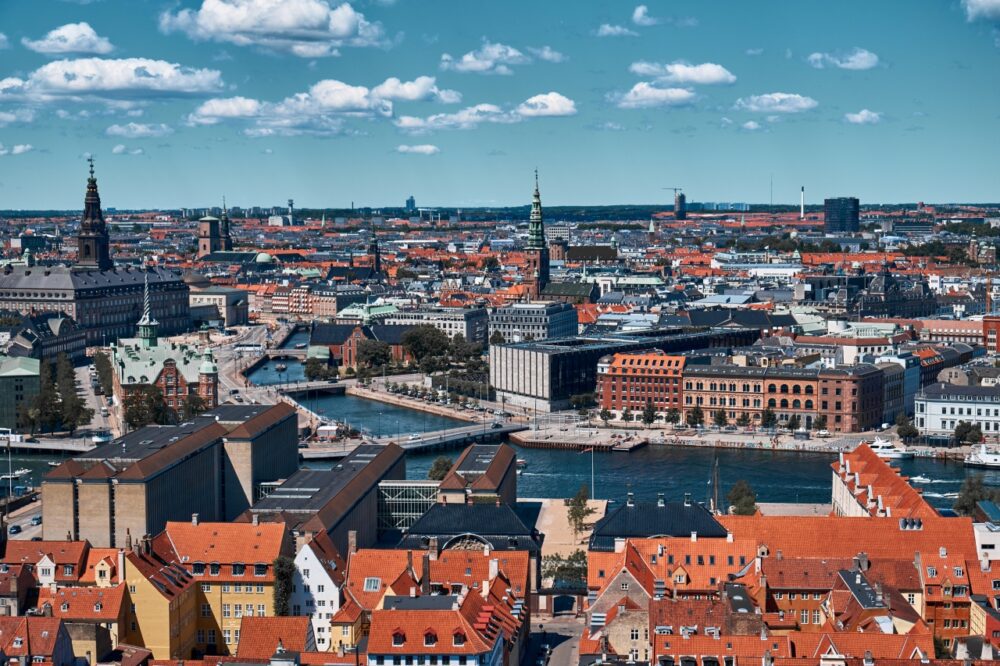
Is Copenhagen worth visiting? Yes, absolutely. Copenhagen is one of those cities that is easy to like from the moment you arrive. I enjoyed exploring the colourful waterfront, cycling through the city, and spending time in the many parks, cafés, and neighbourhoods. What stood out most was how relaxed and easy-going the city felt. Even with its popularity, Copenhagen never felt overwhelming.
Copenhagen is the capital of Denmark and one of the most liveable cities in the world. It is known for its cycling culture, historic landmarks, modern design, waterfront areas, and excellent food scene. The city blends old and new in a way that feels natural, making it appealing to a wide range of travellers.
In this guide, I’ll cover the top reasons why Copenhagen is worth visiting and share some useful travel tips and advice to help you plan your trip. Whether you’re interested in history, food, architecture, or simply experiencing life in Denmark, keep reading to discover the many reasons why Copenhagen is worth visiting.
Table of Contents
Top Attractions in Copenhagen
- Canal Cruise with Guide
- Copenhagen: Tivoli Gardens Entry Ticket
- Kayak Tour in Copenhagen Harbor – June, July and August
- Kronborg, Frederiksborg Castle and Roskilde Tour
- Copenhagen: Hop-On Hop-Off Bus Tour with Boat Tour Option
- Copenhagen: Highlights 3 Hour Bike Tour with a Local Guide
- Copenhagen Card-Discover: 80+ Attractions & Public Transport
- Copenhagen: City Highlights Walking Tour With Local Guide
- Copenhagen’s oldest and original food tour (Est. 2011)
- From Copenhagen: Lund and Malmö 2-Country Tour
Top Reasons You Should Visit Copenhagen
1. A Perfect Blend of History and Modern Design
Copenhagen is one of those cities that feels effortlessly stylish without trying too hard. Before visiting, I expected beautiful buildings and famous landmarks, but what surprised me most was how naturally old and new fit together. Colourful seventeenth-century houses stand beside sleek modern architecture, while historic squares sit only a short walk from innovative waterfront developments.
As I explored the city, I noticed that Copenhagen never feels stuck in the past. Historic churches, royal palaces, and old merchant houses are carefully preserved, but modern buildings blend into the city rather than competing with them. It gives Copenhagen a fresh and welcoming atmosphere that feels different from many other European capitals.
I enjoyed simply wandering through different neighbourhoods because every area seemed to have its own personality. One street felt full of history, while the next showcased Danish design and contemporary architecture. That contrast kept the city interesting throughout my stay and made me appreciate how successfully Copenhagen balances tradition with innovation.
2. One of the World’s Best Cities for Cycling
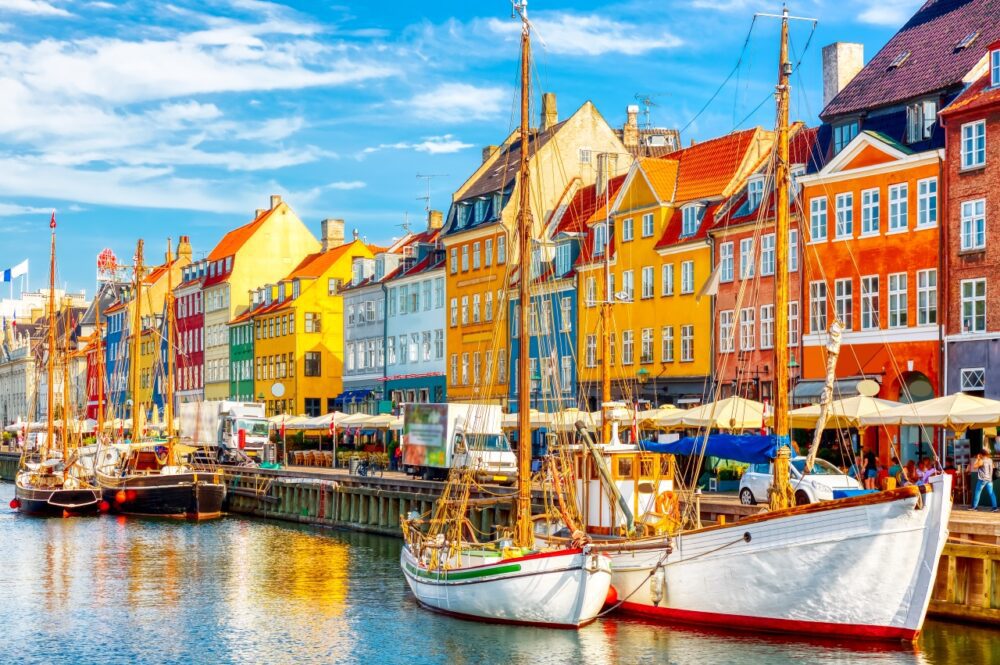
Cycling is part of everyday life in Copenhagen. More people travel by bike than by car in many parts of the city, and it quickly becomes obvious why. Dedicated cycle lanes, well-planned roads, and considerate drivers make getting around incredibly easy, even if you are not an experienced cyclist.
I decided to rent a bike for one day, and it completely changed how I experienced the city. Instead of relying on buses or the Metro, I could move between neighbourhoods at my own pace while seeing much more along the way. It felt surprisingly safe, and after a short time I found myself riding alongside local commuters as though I had lived there for years.
What impressed me most was how cycling shapes the atmosphere. Streets feel quieter, there is less traffic, and people seem more relaxed. Even if you only rent a bike for a few hours, I think it is one of the best ways to understand why Copenhagen is often ranked among the world’s most liveable cities.
3. Nyhavn Is Every Bit as Beautiful as the Photos
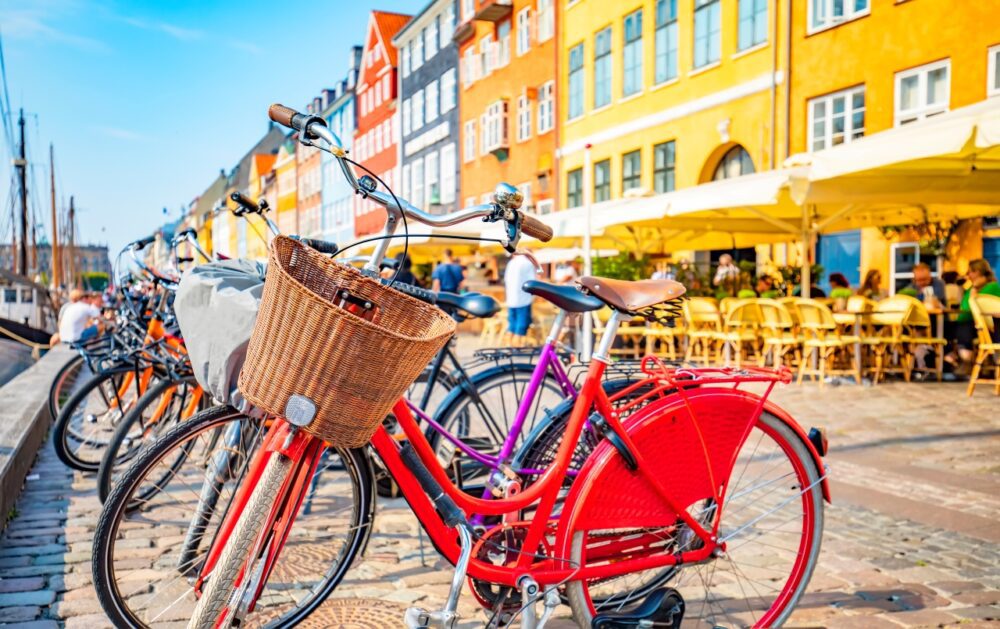
Nyhavn is probably Copenhagen’s most famous location, and I have to admit it lived up to every expectation. The colourful waterfront houses, old wooden ships, and busy outdoor cafés create one of the most recognisable scenes in Scandinavia. It is the kind of place that instantly makes you reach for your camera.
During the day, the harbour buzzes with people enjoying lunch beside the water or setting off on canal cruises. In the evening, the atmosphere changes as lights reflect across the canal and restaurants become even livelier. Despite its popularity, Nyhavn never felt disappointing because there is always something interesting happening.
I found myself returning several times during my visit because it looked different depending on the time of day. My favourite moment came early in the morning before the crowds arrived. The calm water reflected the colourful buildings perfectly, and the peaceful atmosphere made it easy to appreciate why Nyhavn has become such an icon of Copenhagen.
4. A Fascinating Royal Heritage
Denmark has one of the oldest monarchies in the world, and Copenhagen offers plenty of opportunities to discover its royal history. Palaces, castles, and royal gardens are spread throughout the city, giving visitors a fascinating look into centuries of Danish history.
Amalienborg Palace was one of my favourite places to visit. It remains the official residence of the Danish royal family, and if you time your visit well, you can watch the changing of the Royal Guard. Seeing the guards march through the elegant square while visitors gathered to watch added a sense of ceremony to the experience.
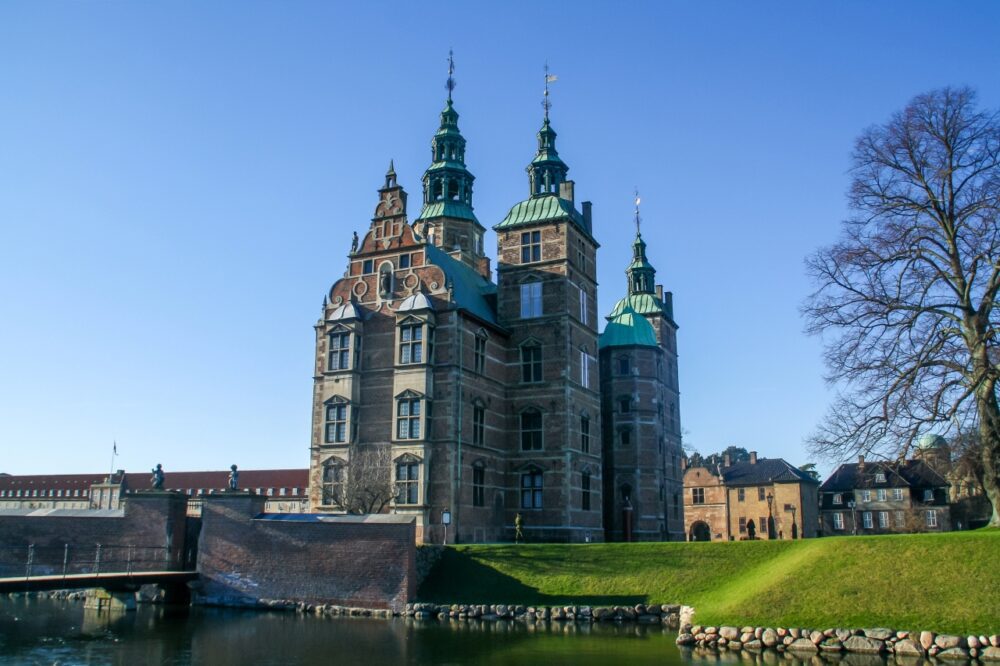
I also enjoyed walking through Rosenborg Castle, where the Danish Crown Jewels are displayed. The castle itself is beautiful, but the surrounding King’s Garden became just as memorable. Locals relaxed on the grass while visitors explored the grounds, creating a lovely balance between history and everyday life.
5. A World-Class Food Scene
Copenhagen has built an incredible reputation as one of Europe’s best food cities. From traditional Danish cafés to Michelin-starred restaurants, there is something for every budget and every taste. Even simple bakeries and food markets serve food of an impressively high standard.
One thing I quickly discovered was how seriously Copenhagen takes pastries. I found myself stopping at bakeries almost every morning to try freshly baked cinnamon rolls, Danish pastries, or sourdough bread. Even the simplest breakfast felt like a highlight because everything tasted so fresh.
I also spent time at Torvehallerne Food Market, where local producers sell everything from fresh seafood and cheese to open-faced sandwiches known as smørrebrød. Walking between the stalls and trying different local dishes became one of my favourite experiences because it felt like a genuine introduction to Danish food culture.
6. Beautiful Waterfronts and Canals
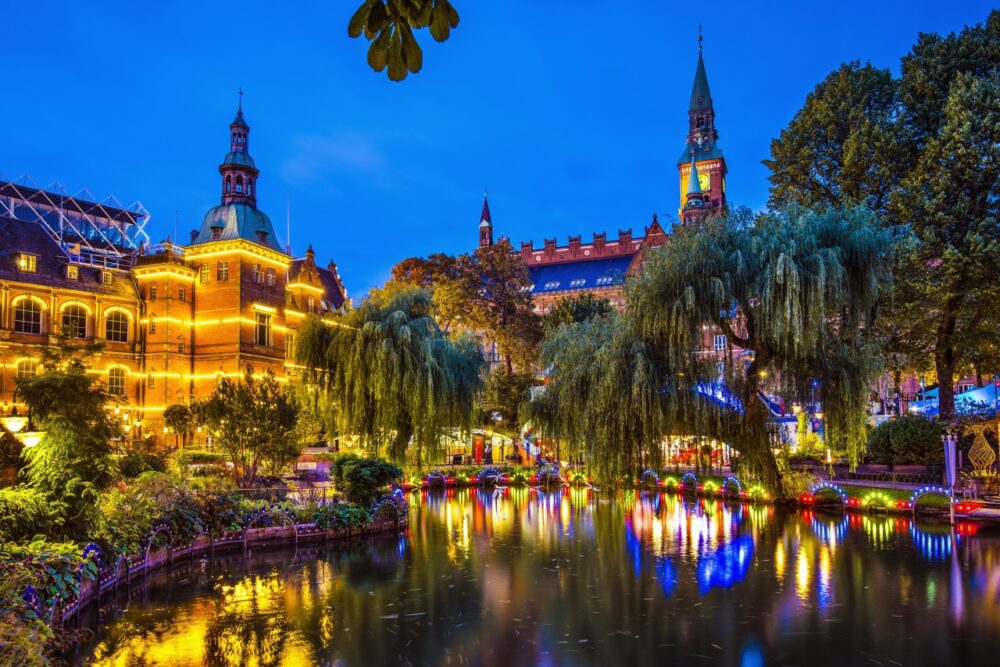
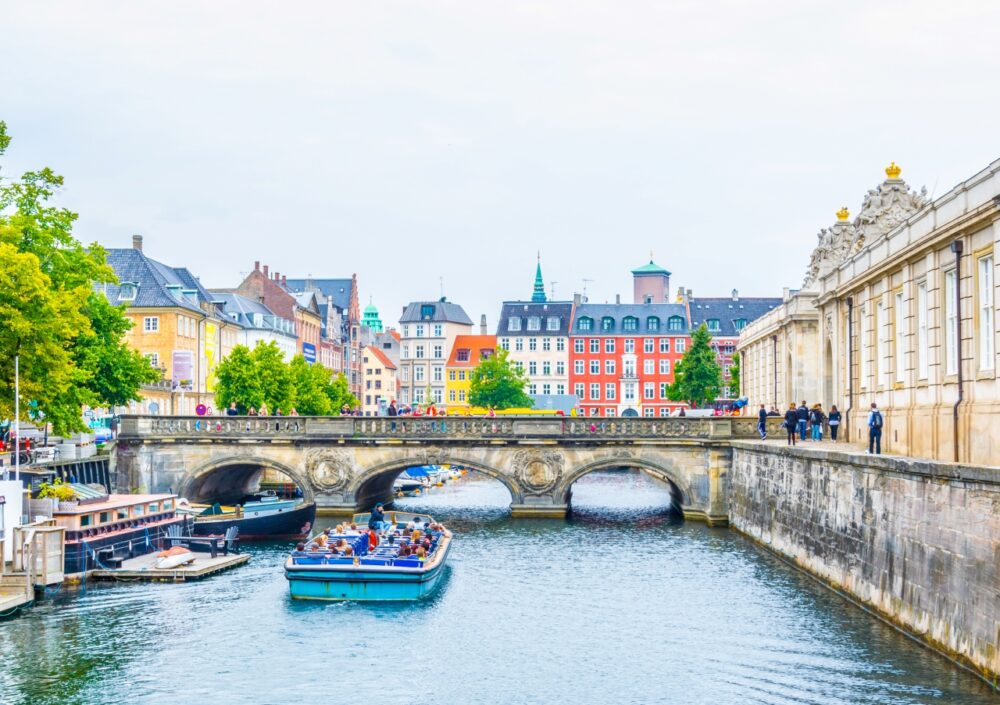
Water plays a huge part in everyday life in Copenhagen. Canals, harbours, and waterfront promenades run throughout the city, making it feel open, bright, and connected to the sea. Almost every neighbourhood seems to have somewhere pleasant to sit beside the water.
I decided to take a canal cruise during my visit, and it turned out to be one of the best ways to see the city. Cruising beneath low bridges while passing historic buildings, modern apartments, and famous landmarks gave me a completely different perspective on Copenhagen. It also helped me appreciate how much of the city has developed around its waterways.
One thing that surprised me was how clean the harbour is. During summer, locals actually swim in designated harbour baths right in the city centre. Watching people enjoy the water after work showed me just how important these waterfront spaces are to everyday life in Copenhagen.
7. A Relaxed Lifestyle That Is Easy to Enjoy
One of the things I noticed most about Copenhagen was how relaxed everyone seemed. There is a strong focus on work-life balance, spending time outdoors, and enjoying simple pleasures. The Danish idea of “hygge” is difficult to translate perfectly, but after a few days in the city, I felt I finally understood it.
Instead of rushing everywhere, people seemed happy to slow down. Friends spent hours chatting in cafés, families gathered in parks, and cyclists rode through the city without appearing stressed. The atmosphere felt calm and welcoming, even in busy areas.
I found myself slowing down as well. Rather than trying to squeeze every attraction into one day, I spent more time sitting beside canals, enjoying coffee, or walking through quiet neighbourhoods. Those slower moments ended up becoming some of my favourite memories from Copenhagen.
8. Fantastic Museums and Danish Design
Copenhagen is an excellent destination for anyone interested in art, history, or design. Denmark has had a huge influence on modern architecture, furniture, and interior design, and the city celebrates that creative heritage through its museums and galleries.
I particularly enjoyed visiting the Designmuseum Danmark, where exhibitions explained how Danish designers became famous for creating furniture and everyday objects that are both practical and beautiful. It made me appreciate how much thoughtful design shapes everyday life in Denmark.
The National Museum and several excellent art galleries also deserve time if you enjoy learning about local culture. I liked that many museums felt modern and interactive rather than simply displaying objects behind glass. They made Danish history feel approachable and interesting, even if you knew very little before arriving.
9. Easy Day Trips Beyond the City
Copenhagen is a fantastic base for exploring more of Denmark. Excellent train connections make it easy to visit castles, coastal towns, and even neighbouring Sweden without spending hours travelling.
One of the most popular day trips is Kronborg Castle in Helsingør, famously known as the setting for Shakespeare’s Hamlet. Standing inside the impressive fortress while looking across the narrow stretch of water towards Sweden was one of the highlights of my trip outside the capital.
I also loved the idea that Malmö in Sweden is only a short train ride away across the Øresund Bridge. Few cities allow you to have breakfast in one country and lunch in another so easily. Having so many nearby destinations makes Copenhagen an excellent choice for a longer holiday.
10. One of Europe’s Most Liveable Cities
What impressed me most about Copenhagen was not one specific attraction but the way the entire city works. Everything feels clean, organised, safe, and designed to make everyday life enjoyable. It is easy to understand why Copenhagen regularly appears near the top of global liveability rankings.
During my stay, mornings often started with coffee beside a canal, afternoons were spent exploring museums or cycling through different neighbourhoods, and evenings ended with relaxed walks along the waterfront. Nothing ever felt rushed, and even simple activities became enjoyable because of the city’s welcoming atmosphere.
By the time I left, I realised Copenhagen offers much more than famous landmarks like Nyhavn or the Little Mermaid. It is a city where great design, fascinating history, excellent food, beautiful waterfronts, and a relaxed way of life all come together naturally. If you enjoy city breaks that combine culture with a slower pace, I think Copenhagen is one of the best destinations in Europe.
Travel Tips for Visiting Copenhagen
When to Visit Copenhagen
I think the best times to visit Copenhagen are May, June, and September. The weather is usually pleasant, the parks are green, and the city feels lively without being overwhelmingly busy. Summer brings long daylight hours, outdoor dining, and festivals, making it a fantastic time to visit. Winter is colder and darker, but the Christmas markets, festive lights, and cosy atmosphere give the city a completely different charm. I visited in June and loved being able to enjoy the city late into the evening thanks to the long daylight hours.
How to Get to Copenhagen
Most visitors arrive through Copenhagen Airport, which is located about 8 kilometres south of the city centre. Airlines such as Scandinavian Airlines, British Airways, Lufthansa, KLM, Norwegian, and easyJet operate regular flights here. One of the things I like most about Copenhagen is how easy it is to get from the airport into the city. The metro and trains reach the centre in around 15 minutes. Copenhagen is also connected by rail to Sweden via the famous Øresund Bridge. Personally, I think taking the metro from the airport is the quickest and most convenient option.
Where to Stay in Copenhagen
- Hotel d’Angleterre – Located on Kongens Nytorv, this luxury hotel is one of the most famous places to stay in Denmark and offers an unbeatable central location.
- Villa Copenhagen – Situated near the Central Station and Tivoli Gardens, this stylish hotel combines historic architecture with modern facilities.
- NH Collection Copenhagen – Located along the waterfront, this upscale hotel offers beautiful views and easy access to the city’s main attractions.
- Hotel SP34 – Situated in the Latin Quarter, this boutique hotel is one of my favourite choices because it places you close to cafes, restaurants, and nightlife.
- Wakeup Copenhagen Borgergade – This affordable hotel offers excellent value and a location within walking distance of Nyhavn and many major attractions.
- Steel House Copenhagen – One of the best budget-friendly options in the city, this modern hostel offers great facilities and a central location.
Getting Around Copenhagen
Copenhagen is one of the easiest cities in Europe to get around. Cycling is a huge part of local life, and bike rental services are available throughout the city. The metro, trains, buses, and harbour buses are all reliable and easy to use. Tickets can be purchased through the DOT Tickets app, which makes travelling around the city simple. Personally, I found cycling and walking to be the best combination. Many attractions are close together, and the city’s bike infrastructure is some of the best I’ve seen anywhere.
How Long to Spend in Copenhagen
I think three to four days is the perfect amount of time for Copenhagen. Three days gives you enough time to visit the major attractions, explore neighbourhoods like Nyhavn and Nørrebro, and enjoy the local food scene. With four or five days, you can add day trips to places such as Kronborg Castle, Roskilde, or Malmö in Sweden. Personally, I would recommend four days because Copenhagen is a city that rewards slowing down and enjoying the atmosphere rather than rushing from one sight to the next.
Conclusion
So, is Copenhagen worth visiting? Without a doubt. From its colourful waterfront, historic attractions, and world-class food scene to its bike-friendly streets and relaxed atmosphere, there are plenty of reasons to spend time here. Copenhagen offers a great mix of culture, history, and modern city life that makes it one of the most rewarding destinations in Denmark. If you’re planning a trip to Denmark, Copenhagen deserves a place at the top of your itinerary.