
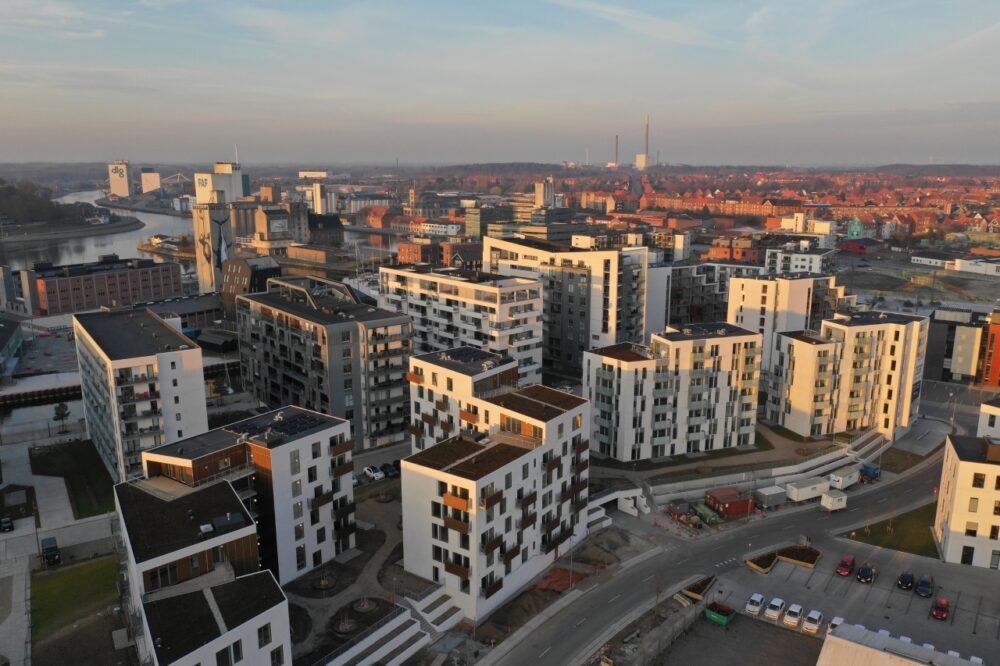
Is Odense worth visiting? Yes, it is. I wasn’t sure what to expect before visiting Odense, but it ended up being one of the most enjoyable places I visited in Denmark. The city felt relaxed, easy to explore, and full of character. I enjoyed wandering through the historic streets, learning about its famous literary connections, and discovering a side of Denmark that felt more local than the country’s larger cities.
Odense is the third-largest city in Denmark and is best known as the birthplace of Hans Christian Andersen. Located on the island of Funen, it combines historic charm with modern attractions, green spaces, and a growing cultural scene. The city is compact enough to explore on foot but offers enough attractions to keep visitors busy for several days.
In this guide, I’ll cover the top reasons why Odense is worth visiting and share some useful travel tips and advice to help you plan your trip. Whether you’re interested in history, culture, literature, or simply exploring a different part of Denmark, you’ll soon discover the many reasons why Odense is worth visiting.
Table of Contents
Top Activities in Odense
- Odense: Hans Christian Andersen Walking Tour — literary-themed walking tour
- Odense: Craft Beer Walking Tour — food & drink tasting walk
- Odense: City walk – The new green Odense – City development — urban development/architecture walk
- Odense Private Guided Walking Tour — general history private walking tour
- Odense from Copenhagen – 2 days with bus and hotel included — multi-day package trip
Top Reasons You Should Visit Odense
1. The Birthplace of Hans Christian Andersen
Odense is known around the world as the birthplace of Hans Christian Andersen, one of history’s most famous storytellers. The author behind classics like The Little Mermaid, The Ugly Duckling, and The Snow Queen was born here in 1805, and his influence can still be felt throughout the city. Even if you have not read his stories for years, it is difficult not to feel connected to them while exploring the places where he grew up.
I found it fascinating to walk through the streets that inspired one of the world’s greatest writers. Statues, sculptures, and small artistic details celebrating Andersen appear throughout the city, reminding visitors how important he remains to Danish culture. Rather than feeling overdone, these tributes fit naturally into the city’s character.
What I enjoyed most was how Odense celebrates Andersen without letting him completely define the city. His legacy is certainly everywhere, but there is also plenty more to discover once you begin exploring beyond the obvious attractions.
2. A Charming Historic Old Town
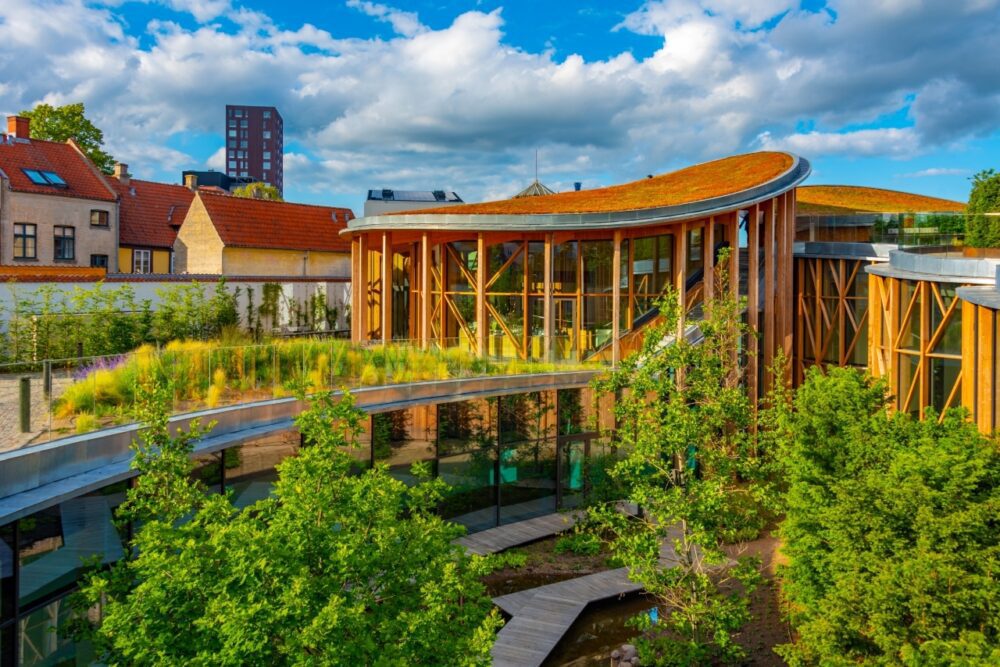
Odense has one of the most attractive historic centres in Denmark. Colourful houses, cobbled streets, small squares, and beautifully preserved buildings create an atmosphere that immediately feels welcoming. The oldest parts of the city have changed very little over the centuries, making it easy to imagine what life was like when Hans Christian Andersen was growing up.
I spent hours wandering through the old streets without really following a plan. Every corner seemed to reveal another pretty house covered in flowers, a quiet courtyard, or a cosy café tucked away from the busier areas. The city never felt rushed, which encouraged me to slow down and simply enjoy exploring.
One thing I really appreciated was how peaceful everything felt. Even during the middle of the day, I rarely encountered large crowds. It gave me plenty of time to admire the architecture, take photographs, and enjoy the relaxed atmosphere that makes Odense so appealing.
3. A Fantastic City for Walking and Cycling
Like much of Denmark, Odense has been designed with pedestrians and cyclists in mind. Wide cycle lanes, traffic-calmed streets, and compact neighbourhoods make it incredibly easy to get around without needing a car. The city feels comfortable to explore at a slower pace, which I think is one of its biggest strengths.
I mainly explored on foot, but I quickly noticed how many locals travelled everywhere by bicycle. Families, students, and commuters all seemed happy to cycle through the city, and the infrastructure made it look both safe and enjoyable. It gave Odense a calm atmosphere that you rarely find in cities dominated by traffic.
I liked not having to think about transport very much. Most attractions were within easy walking distance, allowing me to wander naturally from one part of the city to another. That freedom made the trip feel much more relaxed and encouraged me to stop whenever something caught my attention.
4. The Excellent Hans Christian Andersen Museum
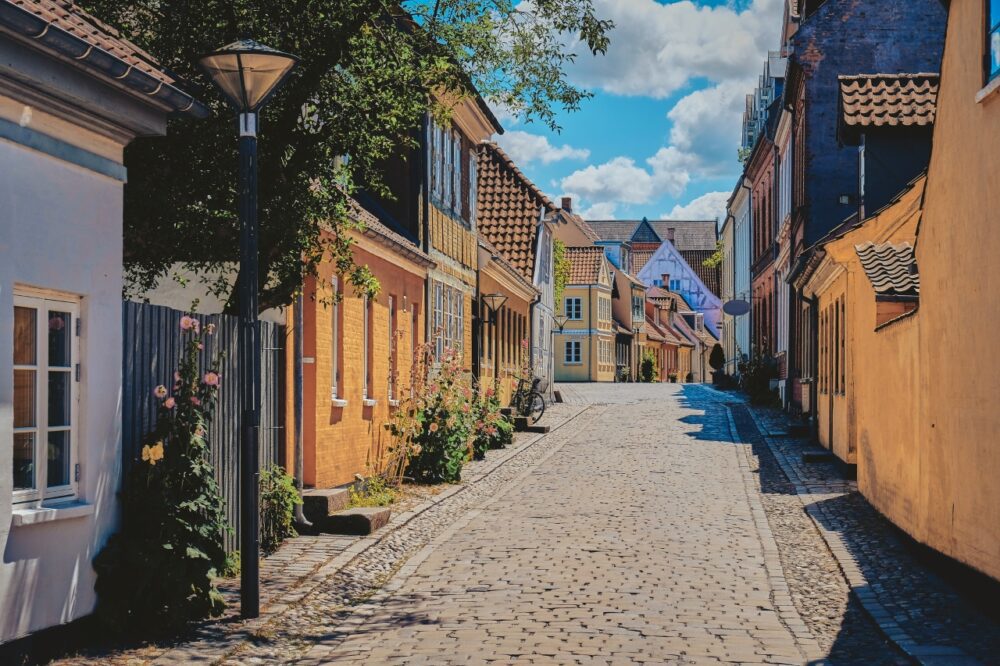
The Hans Christian Andersen Museum is much more than a traditional museum filled with old objects and information boards. It uses interactive exhibitions, artwork, sound, and storytelling to explore both Andersen’s life and the imaginative worlds he created through his fairy tales.
I went expecting a straightforward biography, but the experience turned out to be much more creative. Instead of simply reading dates and facts, I found myself moving through beautifully designed spaces that encouraged visitors to think about imagination, storytelling, and creativity. It felt immersive without being overwhelming.
Even if you are not a huge fan of fairy tales, I think the museum is worth visiting. It gives a fascinating insight into the life of one of Denmark’s greatest cultural figures while showing how his work continues to inspire people around the world.
5. Beautiful Parks and Green Spaces
Odense feels wonderfully green. Parks, riverside paths, gardens, and tree-lined streets appear throughout the city, making it easy to take a break from sightseeing whenever you need one. Nature seems to be woven naturally into everyday life here rather than existing only on the edge of the city.
One afternoon, I walked along the Odense River where locals were jogging, cycling, and relaxing beside the water. The peaceful surroundings felt like a world away from busy city life, even though I was only a short distance from the centre. It was the perfect place to slow down for an hour.
I always appreciate destinations that balance history with outdoor spaces, and Odense does that particularly well. Whether you want to enjoy a picnic, take photographs, or simply sit with a coffee, there are plenty of places where you can enjoy a quieter side of the city.
6. A Relaxed Danish Lifestyle
One of the things I noticed most about Odense was how relaxed daily life seemed. People were not rushing from one place to another. Instead, they spent time in cafés, cycled through quiet streets, and gathered in parks with friends and family. The city captures that famous Danish sense of balance that so many visitors admire.
I quickly found myself slowing down too. Instead of trying to see everything as quickly as possible, I spent more time sitting outside cafés, walking through residential streets, and simply watching everyday life unfold. Those moments ended up becoming some of my favourite memories from the trip.
I think Odense is an excellent destination if you enjoy experiencing local culture rather than only visiting famous landmarks. The city’s relaxed rhythm encourages you to appreciate simple experiences, and that made my visit feel far more rewarding.
7. Excellent Food and Cosy Cafés
Odense has a growing food scene that combines traditional Danish cooking with modern Scandinavian ideas. Independent cafés, bakeries, and restaurants can be found throughout the city, many of them focusing on fresh local ingredients and seasonal produce.
One of my favourite parts of each morning was finding a local bakery and ordering freshly baked pastries with coffee. Danish pastries really do taste better in Denmark, and I rarely needed much encouragement to stop for another coffee break later in the day. The cafés felt welcoming, and nobody seemed in a hurry to leave.
I also enjoyed trying traditional open-faced sandwiches, known as smørrebrød, alongside locally produced cheeses and seafood. The food was simple but full of flavour, and everything felt carefully prepared. It matched the city’s overall atmosphere perfectly.
8. A Rich Viking and Medieval History
Although Hans Christian Andersen often steals the spotlight, Odense has a much longer history. The city dates back more than a thousand years and played an important role during Denmark’s Viking and medieval periods. Its name itself comes from the Norse god Odin, giving visitors a reminder of its ancient roots.
One of the city’s most important landmarks is St. Canute’s Cathedral, where King Canute IV, later declared a saint, is buried. Walking through the cathedral helped me appreciate how significant Odense once was in Danish history. The peaceful interior and beautiful Gothic architecture made it well worth visiting.
Learning about this older history gave me a much deeper appreciation for the city. It reminded me that Odense is far more than simply the hometown of a famous writer. It has been an important settlement for centuries, with plenty of fascinating stories beyond fairy tales.
9. Easy Access to Funen’s Countryside
Odense sits in the heart of Funen, often called Denmark’s garden island because of its rolling countryside, orchards, forests, and charming villages. Staying in the city makes it easy to explore the rest of the island without travelling very far.
I took a short trip into the surrounding countryside and loved how quickly the scenery changed. Within a short drive, I was surrounded by farmland, traditional villages, and peaceful coastal landscapes. It provided a lovely contrast to the historic streets of Odense.
For travellers who enjoy combining city breaks with nature, this location is ideal. Castles, beaches, cycling routes, and walking trails are all within easy reach, making it simple to spend several days exploring different parts of Funen.
10. One of Denmark’s Most Underrated Cities
What impressed me most about Odense was how quietly enjoyable it is. It does not try to compete with Copenhagen, and it does not rely on dramatic landmarks to attract visitors. Instead, it offers beautiful streets, fascinating history, relaxed cafés, green spaces, and a welcoming atmosphere that gradually grows on you.
During my stay, I found myself enjoying the simple moments just as much as the famous attractions. Walking through peaceful streets, stopping for pastries, relaxing beside the river, and exploring local museums created a trip that felt calm rather than rushed. Those experiences stayed with me long after I left.
By the end of my visit, I realised Odense had become one of my favourite cities in Denmark. It combines history, culture, nature, and everyday Danish life in a way that feels genuine and unforced. If you enjoy destinations that reward slow exploration and offer a more authentic experience, I think Odense deserves a place on your itinerary.
Travel Tips for Visiting Odense
When to Visit Odense
I think the best times to visit Odense are May through September. The weather is generally mild, and the parks, gardens, and outdoor cafes are at their best. Summer brings long daylight hours, festivals, and plenty of activity around the city. Winter is quieter and colder, but the Christmas markets and festive decorations add plenty of charm. I visited in June and loved how lively the city felt without being crowded. The long evenings also gave me more time to explore after dinner.
How to Get to Odense
Most visitors arrive through Copenhagen Airport, which is Denmark’s main international gateway. Airlines such as Scandinavian Airlines, British Airways, Lufthansa, KLM, Norwegian, and easyJet operate regular flights there. From Copenhagen Airport, direct trains run to Odense and usually take around 90 minutes. Odense is also well connected by rail to Aarhus and other Danish cities. Personally, I think taking the train from Copenhagen Airport is the easiest option because it’s fast, comfortable, and requires very little planning.
Where to Stay in Odense
- Hotel Odeon – Located near the city centre and Hans Christian Andersen House, this modern hotel offers a great location and comfortable rooms.
- First Hotel Grand Odense – Situated in the heart of the city, this historic hotel combines classic character with easy access to the main attractions.
- Comwell H.C. Andersen Odense Dolce by Wyndham – Located beside the concert hall and close to the Old Town, this hotel is a great all-round choice for visitors.
- Milling Hotel Plaza – Situated near the train station, this charming hotel offers convenience and good value for travellers.
- City Hotel Nattergalen – Located within walking distance of the main sights, this mid-range hotel is a reliable option for exploring the city.
- Danhostel Odense City – One of the best budget-friendly places to stay in Odense, this hostel offers affordable accommodation in a central location.
Getting Around Odense
Odense is a very walkable city, and many of the main attractions are located within the compact city centre. The city also has a modern light rail system and a network of buses that make it easy to travel further afield. Tickets can be purchased through the FynBus app, which helps with route planning and ticket purchases. Cycling is also extremely popular, and bike rental options are widely available. Personally, I found walking and cycling to be the best ways to explore because they allowed me to enjoy the city’s parks, streets, and waterfront areas at a relaxed pace.
How Long to Spend in Odense
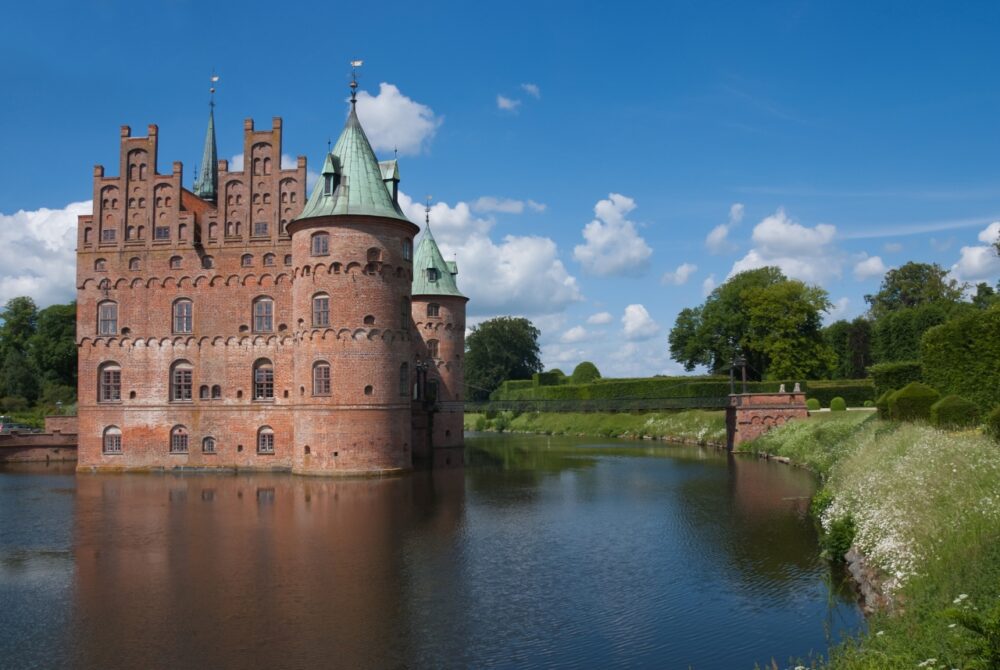
I think two days is the ideal amount of time for most visitors. One day gives you enough time to see the Hans Christian Andersen attractions, explore the Old Town, and enjoy the local food scene. A second day allows you to visit Egeskov Castle or explore more of Funen Island. If you enjoy history and slower-paced destinations, you could easily stay for three days. Personally, I would recommend two nights because it gives you enough time to experience both the city and some of the beautiful countryside nearby.
Conclusion
So, is Odense worth visiting? Absolutely. From its connection to Hans Christian Andersen and its historic old town to its museums, parks, and relaxed atmosphere, there are plenty of reasons to spend time here. Odense offers a great mix of culture, history, and everyday Danish life that many travellers overlook. If you’re planning a trip to Denmark and want to explore beyond Copenhagen, Odense is well worth adding to your itinerary.