Is Mykonos Worth Visiting? Honest Pros and Cons (2026)

I got my first look at Mykonos Town from the deck of a ferry, and the whitewashed houses stacked up above the harbour looked almost too neat to be real. I spent four days on the island one summer. I walked its lanes every morning, swam at a different beach each afternoon and watched the sun go down behind the windmills most evenings.
Mykonos is one of the Cyclades islands in the Aegean Sea, and it’s famous for its beaches, its nightlife and its famous view-pretty main town (known locally as Chora). It’s also one of the most expensive islands in Greece, and it gets very busy from July to August. Mykonos is worth visiting if you want sun, sea and a lively evening scene, and you can plan around the prices and the crowds.
This guide covers the pros and cons of Mykonos, where to stay, and what to book. You’ll also find tips on when to go, how long you need, and getting around, so you can decide whether it suits your kind of trip.
In a Rush? Here Are Our Favourite Hotels in Mykonos Greece
⭐️⭐️⭐️ Mykonos View Hotel – Click here for rates & availability
⭐️⭐️ Mykonos Ammos Hotel – Click here for rates & availability
⭐️ Mykonos Princess Hotel – Click here for rates & availability
Pros of Visiting Mykonos
1. Mykonos Town and Little Venice

Mykonos Town is the reason many people fall for the island. The lanes are narrow, whitewashed and twisty (they were built that way to confuse pirates and slow down the wind), and bougainvillea spills over the walls. Blue shutters and tiny chapels fill every corner. I got lost on my first evening and I didn’t mind at all. The old centre is closed to cars, so wandering is easy and pleasant.
Little Venice is the most photographed part of town. Old sea captains’ houses hang over the water with their balconies almost touching the waves, and the bars below are packed at sunset. Arrive an hour early if you want a table. For a guided look at the hidden corners, the Mykonos Town walking tour runs for about two hours and finishes with sunset views. It also helps you find the best photo spots without the crowds.
2. Beaches for Every Mood

Mykonos has some of the best beaches in the Cyclades, and there’s one for every mood. Ornos is calm and shallow, which makes it a good pick for families. Platis Gialos is a busy all-rounder with plenty of restaurants. Psarou has the clearest water and the celebrity beach clubs, while Paradise and Super Paradise are where the daytime parties happen. Elia is long and relaxed, and Agios Sostis is wild and has no facilities!
Sunbeds are the big expense. A pair with an umbrella costs about €40 to €60 at a mid-range spot on Ornos or Platis Gialos, and it climbs well above €100 on the glamorous beaches. You can always lay a towel on the free sand instead. Buses run from Fabrika station to the south coast beaches, and water taxis link the beaches from Platis Gialos east to Elia. On my second day I took the bus to Platis Gialos and had a swim before lunch.
3. Delos, the Sacred Island
Delos is a short boat ride from Mykonos, and it’s one of the most important archaeological sites in Greece. In Greek myth, it’s the birthplace of the god Apollo and his twin sister Artemis. For centuries it was a holy sanctuary and a busy trading port. Today it’s an open-air museum of mosaics, temples and a row of stone lions. Nobody lives on the island, and it feels remarkably empty.
The boat leaves from the Old Port and takes about 30 minutes. Entry to the site costs €20. It opens at 8 am, and the closing time moves earlier as autumn approaches. There’s almost no shade, so bring water and a hat. A guide makes the ruins come alive, and the Delos guided tour takes about four hours and includes the boat ride and a guide. If you want to explore on your own, the Delos round-trip boat transfer covers the crossing only.
4. The Windmills and Paraportiani Church

The windmills of Kato Myli sit on a low ridge just south of Little Venice, and they’re the symbol of Mykonos. The row of round whitewashed towers with thatched roofs once ground the island’s grain. Today they’re a gathering point for sunset. Come about an hour before the sun goes down to find a spot, because the crowd builds fast. The light at that time makes everything glow.
The Paraportiani Church is a short walk away. It’s actually four small chapels joined together with a fifth built on top, and its curving white walls are one of the most photographed sights in Greece. It looks best in the early morning, when the lanes are quiet. The windmills are only a few minutes’ walk away, so you can see both in one outing.
5. Nightlife and Sunset Bars
Mykonos has the best nightlife in Greece, and there’s something for every taste. Little Venice and the lanes behind it fill up with cocktail bars at sunset. Later on, the clubs around the Old Port start to thump, and some stay open until sunrise. The famous beach clubs hold daytime parties too. A cocktail costs €15 to €20 at a well-known spot, and club entry on a big night starts at about €30 to €50!
You don’t have to party all night to enjoy it. I liked the early evening best, when I could sit with a drink at a bar by the water. The Mykonos sunset party boat cruise leaves from the Old Port. It includes one drink and a swim stop at Agios Stefanos beach. Pace yourself, because the drinks add up fast.
6. Greek Food and Local Flavours
The food on Mykonos is better than its reputation suggests. Look for kopanisti, a spicy local cheese, and louza, a cured pork. Try the Mykonian sausage, the almond sweets and the fresh seafood. Gyros from a street counter costs about €5 to €7, and a simple taverna dinner with a shared starter and a house wine is about €25 to €40 per person. The prices are higher than elsewhere in Greece, but the quality is good.
Cooking classes are a beautiful way to dig in. The cooking class with a professional chef lasts about three hours. You make tzatziki, cheese pies, and dolmades, and you also learn to bake your own pita and gyros. I’d choose a taverna away from the harbour for dinner, since the lanes behind Matoyianni Street are cheaper and quieter.
7. Sailing and Sunset Cruises
The sea is the best thing about Mykonos, and a boat trip makes the most of it. The island’s coast has sheltered coves, rocky headlands and clear turquoise water. A cruise takes you to spots you can’t reach by road, and swimming straight off the boat feels wonderful. Most trips include a swim stop, a meal, and drinks.
The south coast sunset cruise lasts about four hours. It sails past the famous southern bays with a light fish dinner and a drink, and it finishes with the sunset. I’d pick a weekday departure if you can, since the boats are less crowded. Bring a light jacket, because the evening breeze gets cool once the sun drops.
8. Archaeological and Maritime Museums
Mykonos isn’t only about beaches, and its small museums are worth an hour. The Archaeological Museum of Mykonos sits in a neoclassical building near the Old Port. It holds finds from the island and from the necropolis on neighbouring Rheneia. Entry costs €5, and the museum is closed on Tuesdays. In summer it opens from 9 am to 4 pm!
The Aegean Maritime Museum is in the Tria Pigadia area, a short walk from Little Venice. Inside you’ll find ship models, old navigation instruments and maps that cover Aegean seafaring over several thousand years. The garden holds restored boats and a copy of the lantern from the Armenistis lighthouse. It’s small, quiet, and cool, so it works well in the heat of the afternoon.
9. Wine, Farms and the Quiet Villages
The inland side of the island is a world away from the party scene. Ano Mera, the second village, has a pretty square and the Panagia Tourliani monastery. Farms and vineyards dot the hills, and the pace is slow. Hiring a car or booking a tour is the best way to see this side. The Mykonos highlights van tour takes two hours. It visits the Armenistis Lighthouse, Ano Mera village and Kalafatis Beach.
For a taste of the local wine, the wine tasting at a Mykonian farm lasts about three hours. You try four Greek wines paired with local produce, and you learn the basics of tasting. It’s a good way to see a different side of the island on a quiet afternoon.
10. Day Trips to Tinos and Beyond
Mykonos works well as a base for island hopping. Tinos is the easiest day trip, and it’s a short ferry ride away. The island is known for its marble villages, its dovecotes and the famous church of Panagia Evangelistria, a major pilgrimage site. The Tinos day trip gives you a full day to explore. It’s a very different place from Mykonos, quiet, and traditional.
You can also reach Paros, Naxos and Santorini by ferry from the island. Ferries run between Mykonos and Piraeus and Rafina near Athens, and the trip takes roughly two to five hours depending on the boat and the port. Pick one day trip and save the rest for another visit. Strong winds can delay or cancel ferries, so don’t schedule an important flight for the same day.
Cons of Visiting Mykonos
1. High Prices
Mykonos is one of the most expensive places in Greece. A basic double room in high season costs €160 to €250 a night, and rooms with a pool and a sea view cost €300 to €600 in July and August. A beer on a popular beach costs €6 to €8, and a dinner at a waterfront taverna costs €25 to €40 per person. Beach clubs and drinks make it worse!
You can keep costs down. Visit in late May, June or September, when rooms are 20% to 40% cheaper. Eat at a bakery or a gyros counter for lunch, and skip the beach clubs in favour of the free sand. Stay near a bus stop so you don’t need taxis. I saved the most by picking a hotel in town and walking everywhere. Mykonos is still worth it if you plan the spending.
2. Summer Crowds and Cruise Ships
From July to August, Mykonos is packed. Cruise ships dock in the harbour almost daily, and the lanes of the town fill up by mid-morning. Little Venice and the windmills are crowded at sunset, and the beaches have double rows of sunbeds. Taxi queues form at the port when the ferries arrive.
Start your day early, since the town feels calm and village-like before the cruise passengers land. Book beach clubs and restaurants in advance, and avoid Little Venice at sunset if the crowd isn’t your thing. The best fix is to travel in June or September. The weather is still warm, and the island is calmer. With a bit of timing, the crowds are manageable.
3. The Meltemi Wind
Mykonos is windy, and the meltemi blows hardest in July and August. This is a strong northerly wind that cools the island, which is welcome in the heat. It also whips up the sea and kicks sand around. On windy days some beaches become hard to enjoy, and water taxis and boat tours can be suspended. Ferries get delayed or cancelled.
Check the forecast and pick a sheltered beach on a windy day. The south coast beaches such as Platis Gialos and Ornos are more protected, while the north coast takes the brunt. Keep your travel plans flexible and don’t book a tight connection after a ferry. The meltemi eases in September. A windy day is still a good day to explore the town or visit a museum.
4. Late-Night Noise
Mykonos is a party island, and it can be loud. Bars and clubs around the Old Port and the town centre keep going until dawn, and music carries through the lanes. If you stay in the middle of the action, sleep can be hard. Dinner is late too, with many restaurants filling after 9 pm!
Choose your area with care. A hotel on the edge of town or in a quieter beach area gives you a calmer night. Ask for a room facing away from the street, and bring earplugs. I stayed in town and found it fine on weeknights, since the noise built up on the weekends. If you want sleep and sea views, a beach village like Ornos or Agios Stefanos is a better fit. The energy is part of the fun.
5. Limited Transport and Taxis
Public transport on Mykonos is basic. Buses run from Fabrika and the Old Port stations to the main beaches and the airport, but they’re less frequent in the evening and in the off-season. The island has only a small number of taxis, and hailing one on a summer night is close to impossible. Ride-hailing apps don’t work well here.
Plan ahead. Pre-book airport and port transfers, and learn the bus times for your beach. A bus ride costs about €1.80. The water taxi day pass costs about €20 and links the southern beaches. If you want freedom, renting an ATV or a scooter works well, but you need riding confidence on the hilly roads. Walking is easiest in town. The Mykonos highlights van tour is a handy way to see the island without driving.
Where to Stay
Mykonos Town: I stayed in the middle of Mykonos Town for four days, and I’d do it again. You step out of your door into the lanes, with restaurants, bars, shops and the windmills a short walk away. The buses to the beaches leave from Fabrika station on the edge of town, and the Old Port is nearby. The downsides are the noise at night and the higher prices, so ask for a quiet room. Madres Houses is a budget-friendly apartment-style stay in the town centre with air conditioning and family rooms. Hotel Madalena is a mid-range 3-star with an outdoor pool, a bar and a terrace. Mykonos View Hotel is an upscale pick with an infinity pool, a pool bar and a restaurant.
Ornos: This is a sheltered bay about ten minutes south of town, and it’s a relaxed base for families and couples. The beach is shallow and calm, and there are tavernas along the sand. A bus runs to Fabrika station, so you can reach the town easily. It’s quieter at night, but you’ll want to take the bus or a taxi back late. Mykonos Cactus is a good-value 3-star with a restaurant, an outdoor pool and soundproof rooms. Deliades Hotel is a mid-range 4-star with a saltwater pool, a pool bar and massage services. Mykonos Ammos Hotel is an upscale 5-star on the beach with a spa and a private beach area.
Platis Gialos: This beach resort on the south coast is lively, with restaurants, water sports and a hub for the water taxis to the party beaches. It’s good for beach lovers who want a social scene without staying in town. The beach gets crowded in summer, and prices run high. Buses to town are frequent. Kamari Hotel is a budget-friendly 3-star with an outdoor pool and a hot tub. Pelican Bay Hotel is a mid-range 4-star with a spa and a rooftop pool. Palladium Hotel and Spa is an upscale 5-star with indoor and outdoor pools and a free airport shuttle!
Agios Stefanos: This quiet beach village sits north of town, with a calm bay and a quieter pace than town. It’s a good choice if you want sleep and sea views, and it has a more local feel. The trade-off is the distance, with the bus into town running hourly. Sea Wind Apartments is a budget-friendly beachfront stay with a hot tub and soundproof rooms. Paolas Sunset is a mid-range aparthotel with an infinity pool and a pool bar. Mykonos Princess Hotel is an upscale 5-star with a spa and a pool bar.
Best Things to Do
Mykonos is a small island with a lot to do, and the best experiences involve the sea, history, and food. These are the ones I’d put on a shortlist.
- Delos guided tour: A four-hour trip to the sacred island with a boat ride and a guide. You see the Temple of Apollo, the House of Dionysus and the Colossus of the Naxians, and a private option is available.
- Mykonos Town walking tour: A two-hour walk through the hidden alleys and photo spots of the town. It ends with sunset views, and a private version is available.
- South coast sunset cruise: A four-hour sail past the famous southern bays with a light fish dinner and drinks. Pickup is available, and you can book it as a private trip.
- Wine tasting at a Mykonian farm: A small-group visit to a farm in the middle of the island. You taste four Greek wines with local food, and pickup is included.
- Cooking class with a professional chef: A hands-on three-hour class in a small group. You make tzatziki, cheese pies and dolmades, and bake your own pita for a gyros.
- Mykonos highlights van tour: A two-hour ride to the Armenistis Lighthouse, Ano Mera village and Kalafatis Beach. Pickup is available, and a private option is offered.
- Luxury sunset picnic: A private three-hour picnic with premium snacks, wine and sea views. It’s a romantic choice for couples.
- Sunset boat party with open bar: A four-hour party cruise with a live DJ, an open bar and swim stops at some of the island’s best spots.
- Guided ATV tour: A guided ride on a 450cc quad that takes you along the island’s back roads and to hidden spots.
- Full-day jeep safari: An off-road day across the island by jeep, a good way to see the beaches and villages without driving yourself.
- Day trip to Tinos: A full-day excursion to the neighbouring island of Tinos, famous for its marble villages and its pilgrimage church.
- Delos round-trip boat transfer: A boat ticket to Delos and back for travellers who prefer to explore the ruins at their own pace.
Best Time to Visit
Summer: I visited in summer, and Mykonos was hot, bright, and buzzing. Days were long, the sea was warm and the evenings stretched late. July and August are the peak, with the highest prices, the biggest crowds and the strongest meltemi wind. The parties at Paradise and Super Paradise are at their wildest. If you come now, book hotels and beach clubs well ahead, start sightseeing early and use the afternoon for the beach. A sunset cruise is perfect on a warm evening.
Autumn: September is my favourite time. The sea is still warm, the wind drops and room rates fall by 20% to 40% compared with August. Most venues stay open until October, then the island winds down quickly. Delos stays open into the autumn but closes a little earlier as October goes on, so plan your visit for the morning. The light in autumn is beautiful, and the crowds are thinner.
Spring: Spring is quiet. The island wakes up from April, with shops and restaurants opening one by one. Temperatures are mild, the hills turn green and the crowds are small. It’s too cool for a proper beach trip until late May, and the beach clubs open late. It’s a nice time for walking and for Delos, with wildflowers among the ruins!
Winter: Winter is a different trip. Many hotels, restaurants and beach clubs close from November to April, bus services shrink and ferries are less frequent. The wind is strong, and rain is common. The upside is that the town feels like a real Greek village again, and prices drop. Come only if you want peace and quiet.
How Long to Spend
1-2 Days: With a day or two, you can cover the highlights. Spend a morning in Mykonos Town and its windmills, a few hours at Platis Gialos or Ornos, and an evening at Little Venice. A guided Delos tour fits into a half day if you want some history.
3-4 Days: This is the ideal length, and it’s what I did, with four days. You have time for Delos, the town, two or three beaches and a sunset cruise. A fourth day lets you add a van tour of the inland villages or a wine tasting. It’s long enough to relax without getting bored.
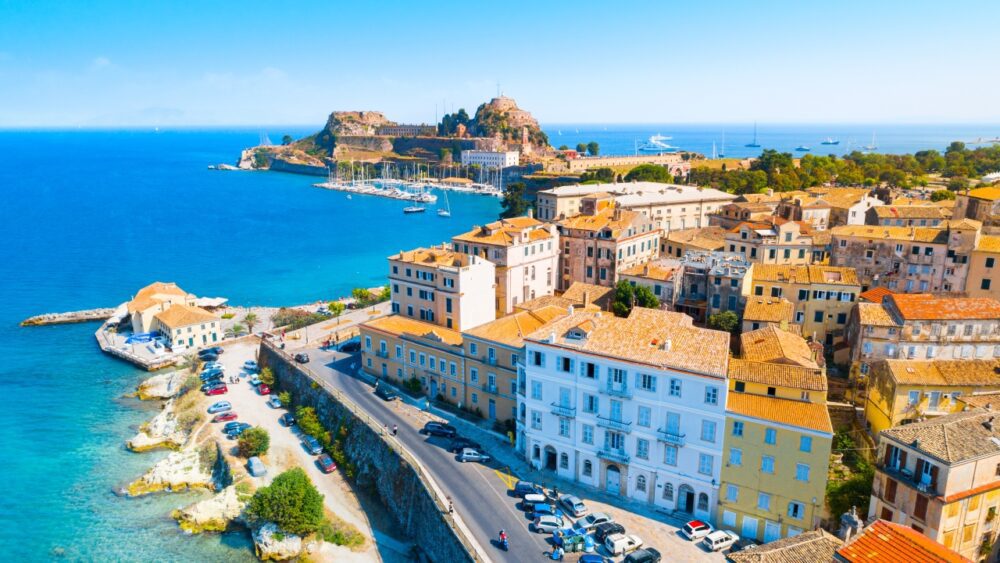
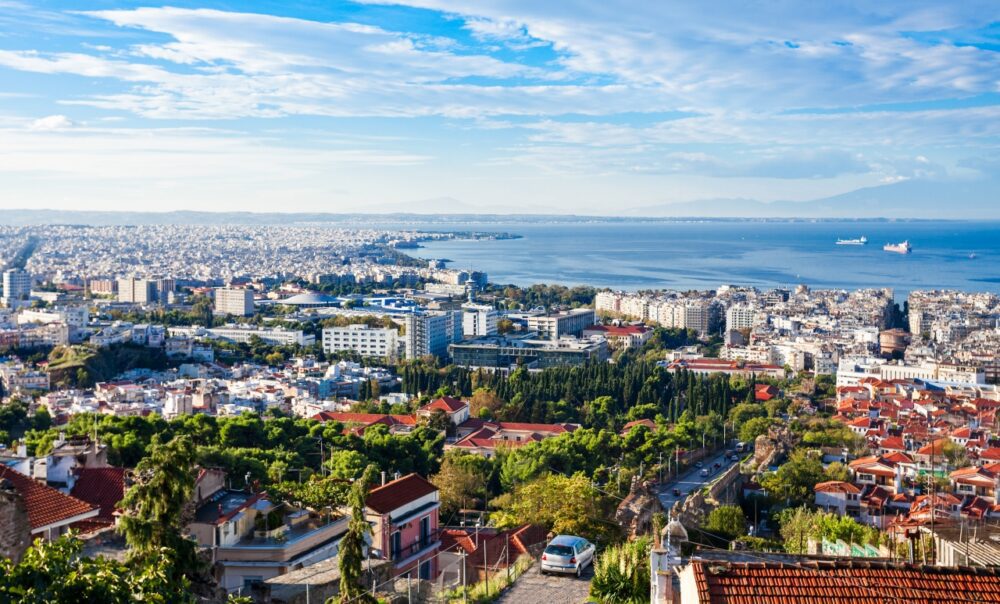
5-7 Days: With a week, you can slow down and explore beyond the usual spots. Add a day trip to Tinos, a jeep safari across the island and a few quiet beaches such as Agios Sostis. You can also hop to Paros, Naxos or Santorini by ferry. A week is also a good length if you want to mix party nights with quiet days. If you want a broader Greece itinerary, consider separate stays in Corfu or Thessaloniki rather than trying to fit them into your island days here.
Getting Around
On foot: Mykonos Town is compact and closed to cars, and walking is the best way to see it. The windmills, Little Venice, the Old Port and Matoyianni Street are all within about 10 to 15 minutes of each other. I walked everywhere in town. Wear comfortable shoes, because the cobblestones are slippery and some lanes have steps.
By bike and ATV: Cycling is hard on the hilly, windy roads, so most people skip it. ATVs and scooters are popular for reaching remote beaches, and rental shops cluster near Fabrika station and the Old Port. You need riding confidence, and non-EU drivers need an International Driving Permit. If you want a guide, the guided ATV tour covers the island on a 450cc quad!
Buses and water taxis: The Mykonos bus network is run by KTEL, with two hubs. Fabrika station serves the airport, Ornos, Platis Gialos, Paradise and the New Port. The Old Port station serves Agios Stefanos, Elia, Ano Mera and the north. A ride costs about €1.80, and buses run from early morning to late evening on the south coast routes. In summer, water taxis link Platis Gialos with Paradise, Super Paradise and Elia, and an all-day pass costs about €20.
Taxis and ride-hailing: Mykonos has a small number of taxis, and hailing one on a summer night is hard. Queues form at the airport and the New Port. Fares are about €20 to €30 for a short hop. Ride-hailing apps don’t work well here, so pre-book your transfers.
To and from the airport: Mykonos Airport (JMK) is about 4 km from town. The bus to Fabrika station runs hourly in summer and costs a couple of euros, and a taxi to town costs about €15 to €25. For a driver waiting at arrivals, the private airport transfer takes you to your hotel by minivan. The airport and port private transfer covers both the airport and the ferry port. For the way back, line up the same type of transfer for your departure, or take the bus.
Final Thoughts: Is Mykonos Worth Visiting?
Yes, as long as you know what you’re getting. Mykonos gives you whitewashed lanes, windmills, great beaches, the ruins of Delos and a nightlife scene that’s hard to match in Greece. The sunsets over Little Venice are some of the best I’ve seen, and the sea is beautiful. I left with a tan and a long list of places I’d like to go back to.
It isn’t cheap or quiet. Prices are high, July and August are crowded, the wind can disrupt your plans and the noise goes on late. Transport is limited, so you need to plan ahead. Each of these has a simple workaround, so none of them should put you off.
If you’re planning a first trip, book three or four days, stay in Mykonos Town or Ornos and visit in June or September. Reserve beach clubs early, take a morning to see Delos, and watch the sunset from the windmills. Add a day trip to Tinos if you can. Mykonos rewards travellers who plan, and I’d happily go back!